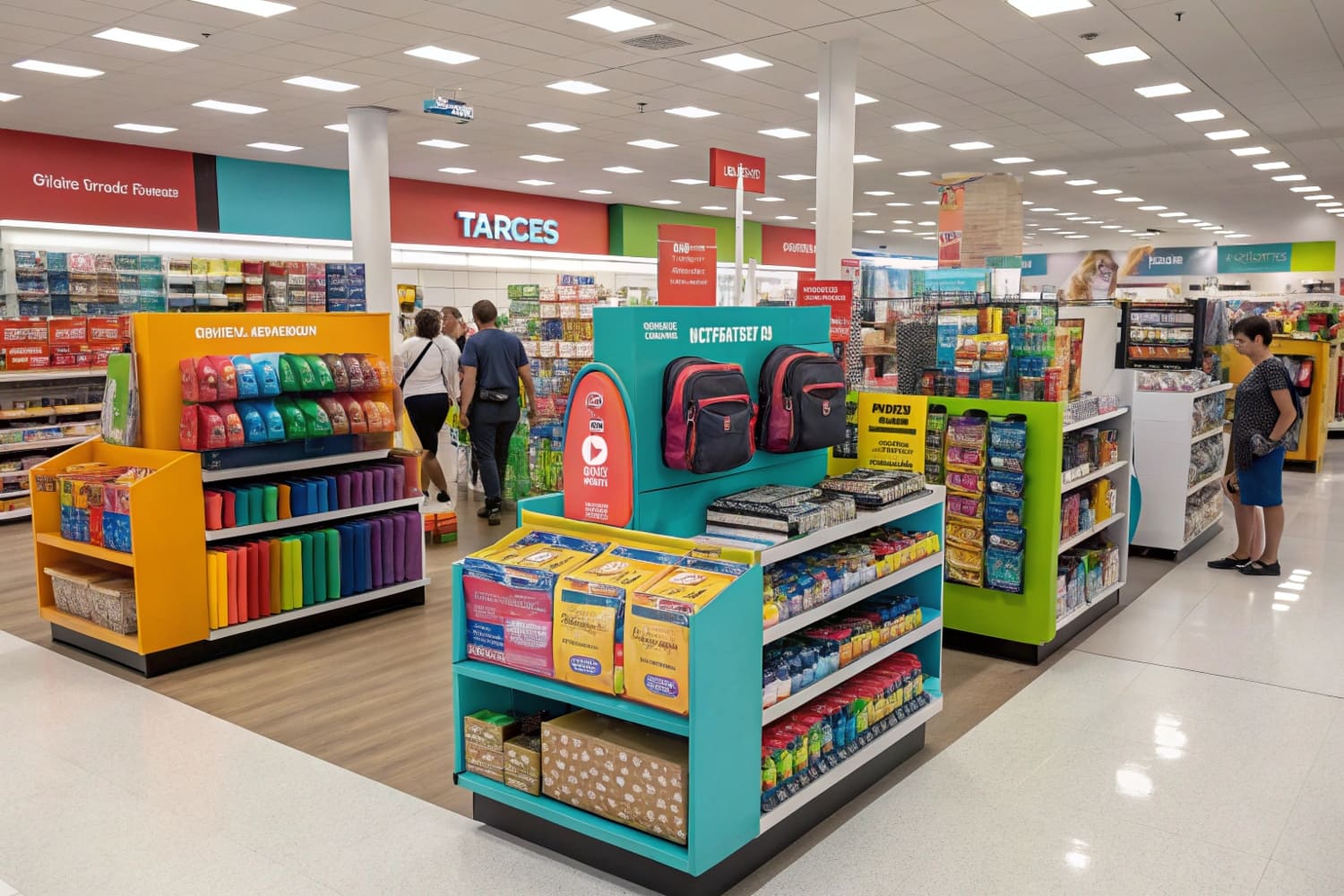
Many stores change signs but keep the same path. Shoppers drift, then leave. I see lost margin. I fix the path first, then I dress it with displays.
Yes. A new store layout can lift sales when it guides traffic, raises product visibility, and speeds buying. I plan zones, use clear paths, and place strong cardboard displays near key decisions.
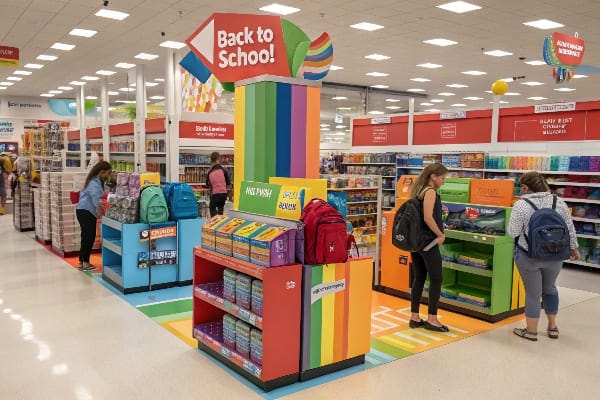
I do not chase trends first. I measure how people walk, pause, and buy. I fix bottlenecks, dead zones, and weak sightlines. Then I use bold yet simple cardboard displays to lead eyes and hands. This order keeps the plan clear. It also keeps the budget under control. It works in big-box aisles. It works in small shops. It works because shoppers want easy choices, quick wins, and clean paths. I build that feeling on purpose.
How does store layout affect sales?
Shoppers move like water. The path pulls them. A good layout slows them near value and speeds them past clutter. I design that flow on paper first.
Layout affects sales by controlling attention, time, and choice. Clear paths, strong focal points, and well-placed cardboard displays increase basket size, conversion, and impulse buys while reducing confusion and bounce.
What drives the lift
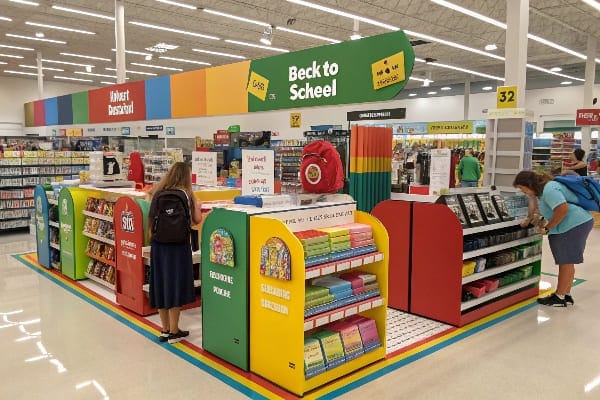
I map the "racetrack" path and the first right turn. I set a strong power wall with new items and clear prices. I add floor displays for impact, since industry reports show Floor POP1 holds a large share (about 43.7%). I keep checkout zones tight with PDQ trays for last-minute picks. I track dwell time and reach rate. If hands do not reach, I move the display, not the shopper. I test weekly. I print fast with digital presses. I change art when the numbers say so. In North America I lean on stable demand. In APAC I move faster because growth is high and seasonal windows open quickly. In Europe I highlight eco facts2 because shoppers ask for them.
| Zone | Shopper Behavior | Display Type | Why it Works |
|---|---|---|---|
| Entrance | Fast scan | Power wall + floor display3 | Sets theme and anchors value |
| Main aisle | Steady flow | Pallet display | Bulk signal and easy access |
| Secondary aisle | Browsing | Shelf trays | Clear blocks and quick read |
| Checkout | Pause | PDQ/Countertop | Impulse and add-on4 |
How can I increase sales in my retail store?
You do not need a huge remodel. You need a simple plan you can test in days. I start with traffic, then sightlines, then messages, then proof.
Increase sales by mapping traffic, fixing sightlines, placing high-margin displays at decision points, simplifying messages, and A/B testing weekly. Use fast, low-cost cardboard displays to pivot designs without heavy spend.
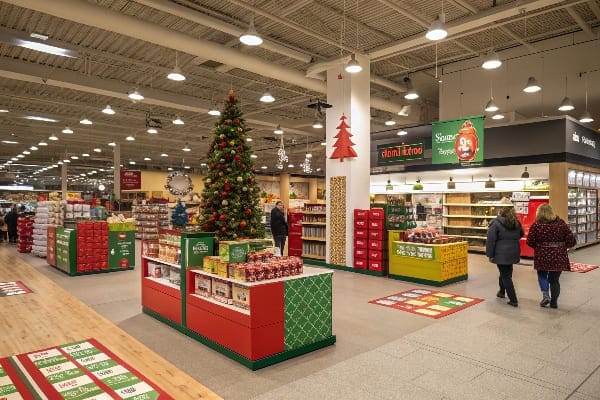
A step-by-step plan I use
I walk the floor at opening, peak, and close. I record time to first pick and path heat. I remove one rack that blocks flow. I add one floor display5 near the first right turn with a clear headline and a price. I keep the headline to five words. I add a QR that links to a 30-second use tip. I use PDQ trays at checkout for travel sizes. I move slow sellers to a discovery endcap with a simple story. I print new art overnight with digital printing6, since small runs are now cheap and fast. I run strength tests so the display holds heavy SKUs like tools or energy drinks. I repeat next week. I keep what wins. I cut what drags. In my factory, we prototype free and modify until the sample sells on a small pilot. A U.S. chain saw a lift after we swapped a cluttered endcap for a clean corrugated power unit. The pilot took ten days from brief to floor. The reorder came in three weeks.
| Tactic | Why it Works | Quick Test | Cardboard Tool |
|---|---|---|---|
| Power wall refresh7 | Sets the story fast | Track 7-day conversion | Floor display |
| First-right anchor | Captures early attention | Measure dwell + reach | Pallet or floor |
| Clean price signs | Reduces friction | Split A/B aisles | Digital print header |
| Checkout PDQ8 | Adds margin items | Count add-on rate | PDQ/countertop |
| Endcap story | Builds value | Compare basket size | Shelf tray + topper |
What are the advantages of store layout design?
A strong layout saves cash before it makes cash. It cuts waste, speeds setup, and lowers rework. It also protects brand stories.
Store layout design brings higher conversion, lower setup time, and better brand impact. Clear zones and modular cardboard displays reduce cost, support sustainability, and make fast seasonal changes easy and measurable.
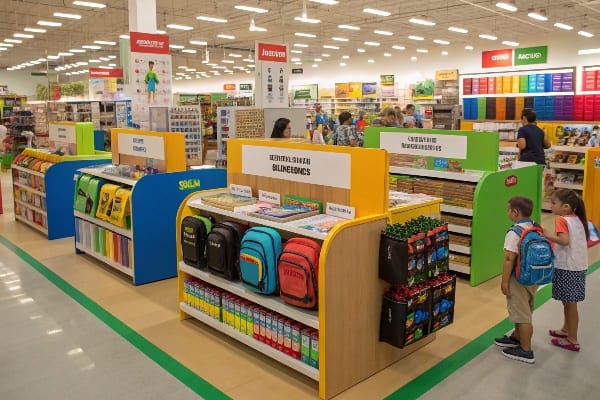
Why design gives compounding gains
I like layout work because it pays twice. First, it gives clean paths that lift sales. Second, it lowers labor and print waste. Cardboard displays9 help because they cost less than metal or plastic, and they ship flat. Digital printing lets me run small batches with almost no setup time. I can change art for a local team or a seasonal theme in hours, not weeks. Sustainability also matters. Many buyers ask for recycled content and water-based inks. I meet that need and I say it on the header card. Global demand supports this push. Display packaging sits around USD 23–25B today and is forecast to grow to about USD 41.7B by 2035 at about 5.4% CAGR. Corrugated board also grows toward USD ~314B by 2034. These trends make supply wide and fast, which keeps my lead times short. In Europe I highlight eco icons. In North America I stress speed and reliability. In APAC I scale up fast for launches.
| Advantage | Impact on Store | Metric |
|---|---|---|
| Lower material cost10 | More tests per dollar | Cost per test |
| Fast turnaround11 | Rapid seasonal pivots | Days from brief to floor |
| Eco options | Stronger consumer trust | % recycled content |
| Modular structure | Easy swap and repair | Setup minutes |
| High print quality | Better brand recall | Ad recall survey |
How does store layout affect efficiency?
A messy path costs time. Staff walk more. Shoppers wait more. Boxes sit in the aisle. I design so the layout does the work, not the people.
Layout improves efficiency by shortening walk paths, easing restock, and preventing clogs. Clear back-to-front flow, modular cardboard units, and planograms cut labor hours and reduce out-of-stocks.
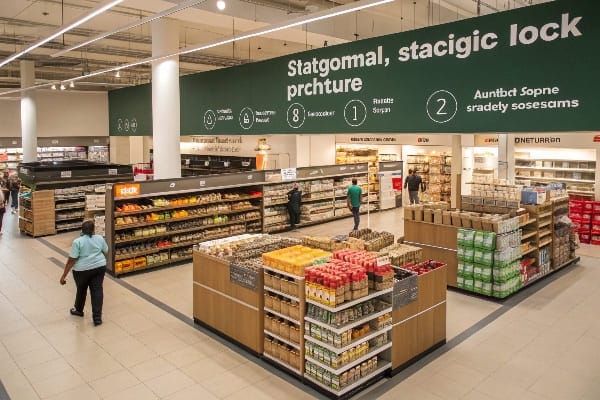
How I remove waste from the floor
I start with a simple rule: the truck path should never cross the shopper path. I design a back-room to floor route with wide turns and low bumps. I use pallet displays12 when volume is high. One drop, cut the wrap, sell. I use shelf trays13 in slower aisles so staff can swap a full tray in seconds. Flat-pack corrugated saves space in the back room, so we stock more units per pallet and cut restock trips. I print planograms on the inside panel of each display to guide setup and reduce errors. I add small NFC or QR tags to log restocks and date stamps. Some clients use simple counters or IoT sensors to track touches. I set goals per zone, like minutes to full setup or picks per hour. In my own trials, a pallet display for a weekend promo cut setup time by 60% and held shape through heavy traffic because we used reinforced corrugate with water-based varnish. The display looked clean on day three, so shoppers kept trusting it.
| Process | Old Way | New Way | Result |
|---|---|---|---|
| Setup | Piece by piece | Pre-scored, numbered panels14 | 60% faster |
| Restock | Loose items | Swap full tray | Fewer errors |
| Back room | Bulky boxes | Flat-pack15 | More units per pallet |
| Cleaning | Full teardown | Wipe and spot-fix | Less downtime |
Conclusion
A new layout pays when it guides traffic, shows value, and moves fast. I keep paths clear, displays strong, and tests weekly. The numbers follow.
Understanding Floor POP can enhance your retail strategy, helping you maximize customer engagement and sales. ↩
Exploring the significance of eco facts can help you connect with environmentally conscious shoppers and boost your brand's appeal. ↩
Discover how Power wall + floor displays can enhance shopper engagement and boost sales in retail environments. ↩
Learn effective strategies to maximize impulse and add-on sales at checkout, driving higher revenue for your business. ↩
Explore this link to discover innovative strategies for maximizing the impact of floor displays in retail settings. ↩
Learn about the advantages of digital printing for small runs, including cost-effectiveness and speed, to enhance your production process. ↩
Discover how a Power wall refresh can quickly set the story in your retail space, enhancing customer engagement. ↩
Learn about Checkout PDQ and how it can effectively add margin items to your sales, boosting overall profitability. ↩
Explore this link to understand how cardboard displays enhance sales, reduce costs, and support sustainability in retail. ↩
Exploring this link will reveal how lower material costs can enhance profitability and efficiency in retail. ↩
This resource will provide insights into the importance of fast turnaround times for adapting to market changes. ↩
Explore how pallet displays can enhance product visibility and sales, making them a vital tool for effective retail strategies. ↩
Learn about the efficiency of shelf trays in speeding up restocking and maintaining organization in retail environments. ↩
Discover how pre-scored, numbered panels can streamline your setup process and enhance efficiency. ↩
Learn about the advantages of flat-pack packaging for maximizing space and reducing shipping costs. ↩