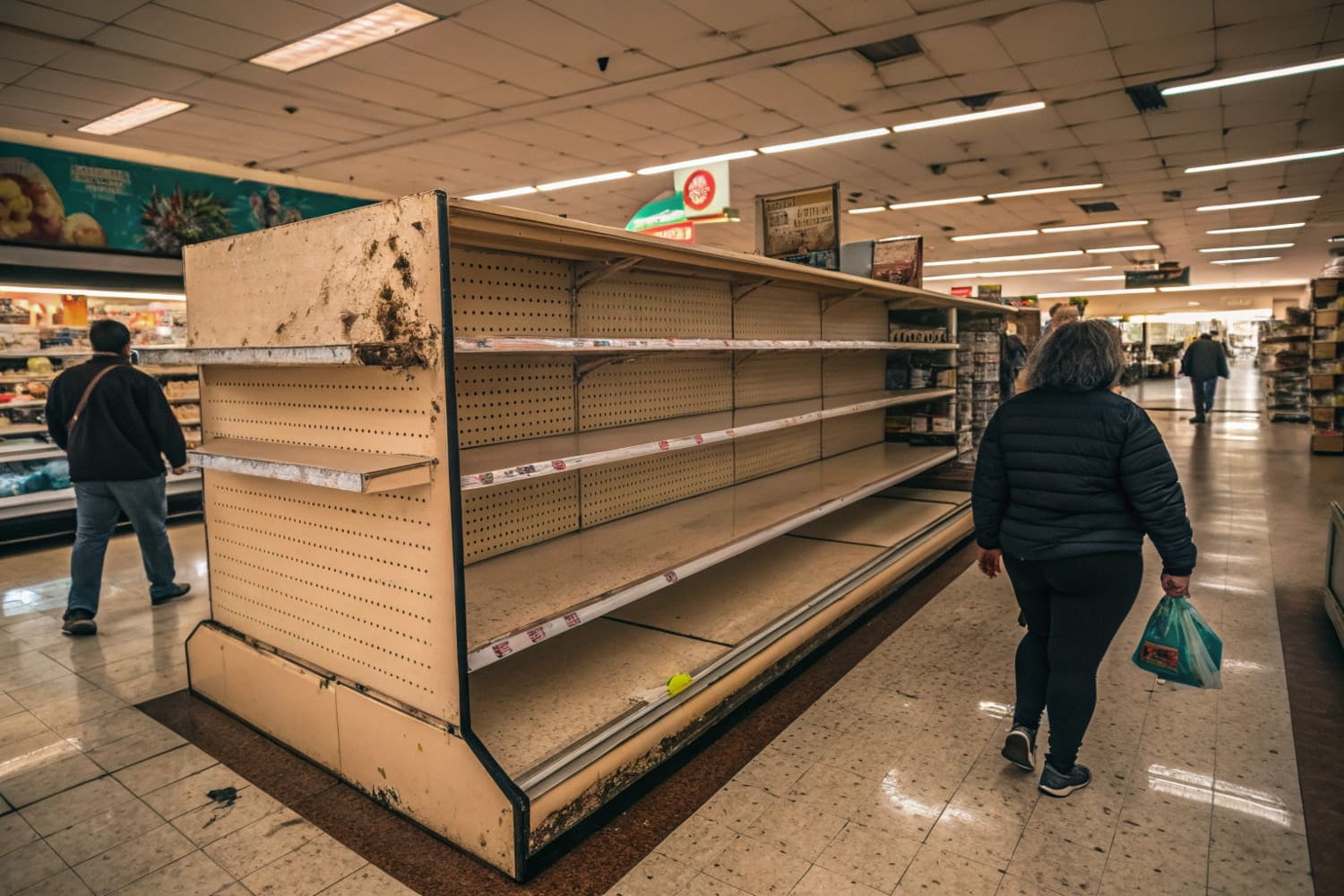
Sales slow when displays go stale. I see it weekly. Shoppers stop seeing the stand. Staff stop caring. Brand stories fade. Results drop.
You should change displays regularly because freshness resets shopper attention, matches current offers, fixes wear, prevents out-of-stocks, and keeps teams engaged, which protects brand quality and lifts sales with low cost and fast impact.
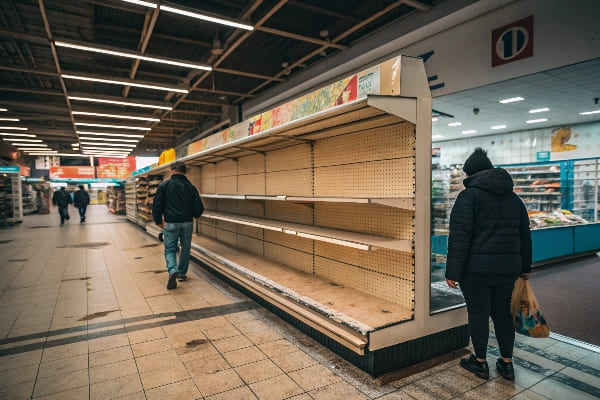
I run a cardboard display factory. I test what works. When we rotate graphics and structures on a set cadence, sales lift is clear and fast. When we do not, sales flatten. I wrote this guide to share the simple plan that my buyers use and trust.
Why is it important to maintain displays?
Shoppers judge brands in seconds. Dust, sag, or missing parts hurt trust. Small issues pile up and hurt sales fast.
Maintaining displays matters because clean, stocked, and intact units keep trust high, keep facings full, block damage, and carry the brand promise from first glance to checkout, which protects conversion today and repeat sales tomorrow.
What "good" looks like
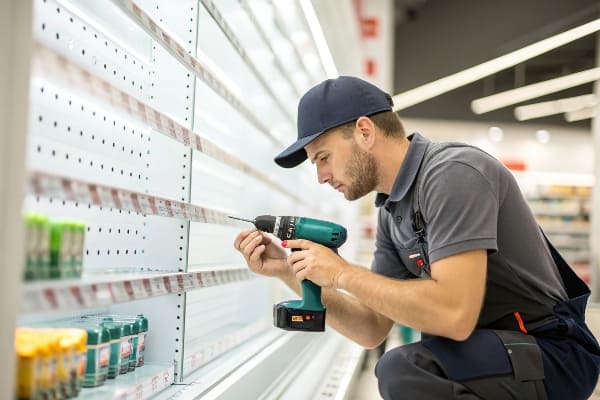
A maintained display looks fresh. Edges are sharp. Hooks are straight. Headers sit level. I ask staff to stand six feet away and do a ten-second scan. If anything looks tired, we fix it on the spot. In my factory's strength tests, even a strong structure loses impact if the header bends or ink scuffs. Good maintenance1 extends life by weeks, which lowers cost per week of use2 and total cost per sale.
Weekly checklist and owners
| Task | Frequency | Why it matters | Owner | Pass/Fail Rule |
|---|---|---|---|---|
| Dust and wipe | 2× per week | Dirt kills perceived quality | Store staff | No dust visible |
| Restock facings3 | Daily | Empty pegs stop impulse buys | Merchandiser | 95%+ facings full |
| Straighten graphics | Daily | Crooked = cheap | Store staff | Edges aligned |
| Tighten fasteners | Weekly | Stops wobble and collapse | Field rep | No wobble |
| Replace worn parts4 | Weekly | Keeps brand fresh | Field rep | No tears or curls |
Why is display maintenance important?
Small failures hide in plain sight. One torn corner becomes a shopper's first impression. A loose tray turns into a floor mess.
Display maintenance is important because it prevents failure before it shows, reduces shrink, protects safety, and preserves the brand signal that makes shoppers stop, look, and buy.
Risk and cost
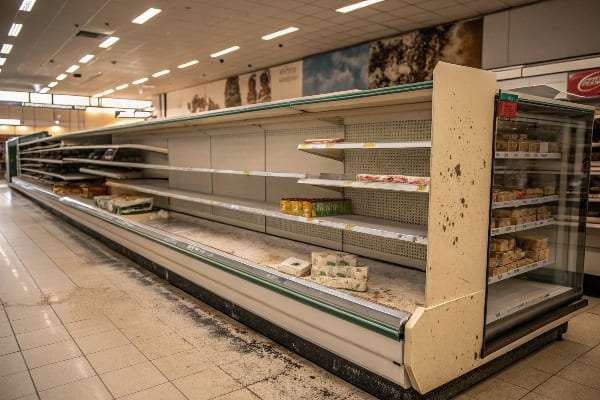
I track claims from field audits5. Most damage starts minor: a soft corner after a rainy unloading, a bent clip, a low tack tape. If we act early, the fix costs cents. If we wait, the unit leans, stock slips, and staff pull the whole display. That costs sales, time, and trust. Preventive care6 beats emergency swaps.
Simple ROI math and cadence
| Input | Example | Note |
|---|---|---|
| Display cost | $120 | Floor unit with header |
| Planned life | 8 weeks | High-traffic aisle |
| Sales per week (fresh) | $850 | With full facings |
| Sales per week (tired) | $720 | After week 5 without care |
| Maintenance cost/week7 | $6 | Wipe + tighten + restock |
| Net gain with maintenance8 | $130/week | $850−$720−$6 |
When we maintain weekly, we hold the "fresh" sales curve longer. The extra revenue pays for the time many times over. My clients use a five-minute visit plan per store, per week. It works.
Why is it important to maintain promotional displays and ticketing throughout the promotion?
Promos move fast. Prices change. If tickets slip or dates are wrong, shoppers hesitate or complain. Trust drops in minutes.
Maintaining promo displays and tickets is vital because correct price, valid dates, and full stock remove friction, keep the offer legal, and convert traffic while the window is open.
Control the message every day
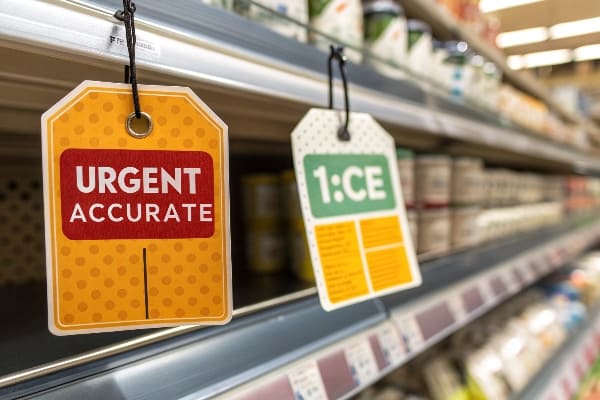
A promotion is a promise. The sign, the shelf tag, the QR code, and the headline must match the register. I train teams to verify all three surfaces: the header, the price ticket, and the barcode. I ask for a daily photo check9 during the promo flight. I also print time-boxed graphics with clear start and end dates to avoid "zombie" offers. In cross-category stacks, I place a small "bundle build" map behind the display so staff can restock the right SKUs without guesswork.
Field workflow and accountability
| Step | Action | Tool | Owner | Evidence |
|---|---|---|---|---|
| Verify price | Match sign to POS | POS test scan10 | Store lead | Photo of scan |
| Check dates | Start/End on header | Promo brief11 | Merchandiser | Photo of header |
| Stock depth | Refill top sellers | Planogram | Staff | Facings 95%+ |
| Scan QR/NFC | Landing page live | Phone check | Rep | Screenshot |
| Report | 3 photos + notes | Chat group | Rep | Time-stamped post |
This simple loop removes guesswork. It keeps the promise clear, which keeps the sale smooth.
How do you maintain a display?
You need a simple plan. You need clear roles. You need spare parts ready before you need them.
Maintain a display with a written SOP: inspect, clean, restock, align, tighten, replace wear parts, log issues, and schedule refresh or swap on a fixed cadence based on traffic and season.
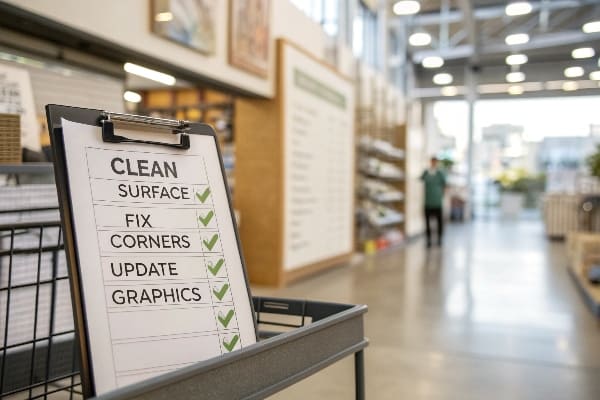
My 8-step SOP you can copy today
I use one page for all clients. It fits in a pouch behind the header. Step 1: Stand six feet back; scan top to bottom. Step 2: Wipe panels and shelves. Step 3: Restock by planogram12. Step 4: Align header and side walls. Step 5: Tighten hooks and fasteners. Step 6: Replace ticket sleeves and edge tape. Step 7: Photograph front, side, and SKU detail. Step 8: Log notes and parts used13. We also kit spare headers, tabs, and feet in a small envelope taped under the base. This saves trips and keeps uptime high.
Tools, parts, and timing
| Item | Purpose | Cost | Tip |
|---|---|---|---|
| Microfiber cloth14 | Clean without scratches | $2 | Keep dry and one damp |
| Low-tack tape15 | Edge fixes | $3 | Do not warp print |
| Spare header | Fast face-lift | $6 | Pre-scored for swap |
| Hang tabs/strips | Restore hooks | $4 | Weight-rated |
| Folding tool | Tighten slots | $5 | Avoid bending board |
Do this twice a week in high-traffic stores. Do it weekly elsewhere. The cadence matters more than the brand of cloth.
What is the purpose of displays?
A display is not a shelf. It is a small stage. It must stop people, explain fast, and help them act.
The purpose of a display is to capture attention, deliver a simple value message, guide selection, and remove friction so the shopper can take the product now.
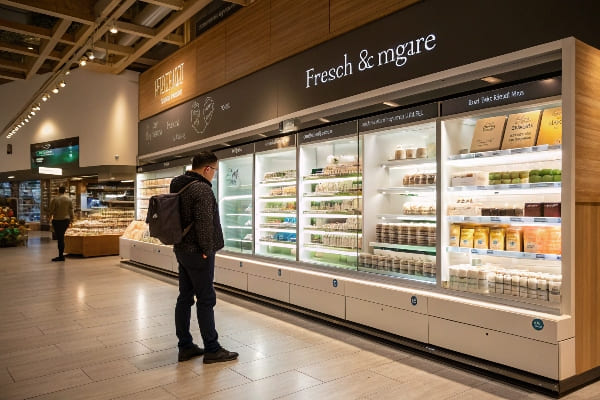
The four jobs of a great display
I design each unit for four jobs. Job 1: Stop. Use clear shapes16, contrast, and a strong headline. Job 2: Tell. Use one benefit in plain words. Job 3: Show. Use a hero product17 and a proof point. Job 4: Help. Use price, size cues, and an easy grab path. When we judge designs with this lens, we cut clutter fast. We also align the structure with the job. A floor stand does "stop." A tray does "help." A counter does "tell" at checkout.
Map jobs to formats
| Job | Best format18 | Why | Example cue |
|---|---|---|---|
| Stop | Floor stand | Big shape, high header | "New this season" |
| Tell | Counter unit | Close to eyes | "Lighter. Stronger." |
| Show | End-cap bay | Space for use shots | "See the cam here" |
| Help | Shelf tray | Clear facings, quick pick | "Good/Better/Best" |
My rule is simple: one job per face19. If you ask one face to do all jobs, it does none well.
Why are window displays important?
Windows speak before staff do. People judge the store, the brand, and the product right there on the sidewalk.
Window displays are important because they set first impressions, signal season and price point, drive foot traffic, and frame the story that in-store POP then completes.

Bridge street to shelf
When I support chain rollouts, I pair a window story with an in-aisle POP set20. The window gets attention with one big visual and one line of copy. The in-store unit makes the choice easy with sizes and price. The bridge is a QR or a short code that leads to video or fit guide. For outdoor or hunting brands, I favor natural textures, matte finishes, and simple wood tones that fit the shopper's world. I keep reflections low and heights at eye level. I also set a strict refresh rhythm21: every four weeks or after any weather event.
Plan and measure
| Element | Window rule | In-store link | Measure |
|---|---|---|---|
| Hero visual22 | One scene, one hero | Same hero on header | Traffic counter |
| Copy | 5–7 words max | Repeat on shelf talker | Recall survey23 |
| Offer | One price or bundle | Same ticket in aisle | POS uplift |
| QR/URL | Short and bold | Same code on POP | Page views |
This flow keeps the message simple outside and helpful inside. It moves people from look to buy.
Conclusion
Refresh often, maintain well, and match message to moment. Small, regular actions keep displays working hard, protect brand trust, and grow sales with low cost and fast impact.
Understanding the benefits of good maintenance can help you enhance the longevity and effectiveness of your displays. ↩
Learning how to calculate this cost can optimize your budget and improve your display management strategy. ↩
Understanding the significance of restocking facings can enhance your retail strategy and boost sales. ↩
Learn how maintaining fresh parts can elevate your brand's image and customer satisfaction. ↩
This resource will explain the importance of field audits in identifying risks early and preventing costly damages. ↩
Exploring this link will provide insights on how preventive care can save costs and enhance efficiency in risk management. ↩
Calculating maintenance costs accurately is crucial for budgeting and ensuring profitability in retail operations. ↩
Understanding net gain with maintenance can help retailers maximize profits and improve sales strategies. ↩
Understanding daily photo checks can enhance your promotional accuracy and effectiveness, ensuring consistency across all marketing materials. ↩
Understanding POS test scans can enhance your retail operations and ensure accurate pricing. ↩
Exploring promo briefs can help you optimize promotional strategies and improve sales effectiveness. ↩
Understanding planogram restocking can optimize your inventory management and improve sales. ↩
Logging notes and parts used enhances accountability and helps track inventory effectively. ↩
Discover how microfiber cloths can enhance your cleaning routine by preventing scratches and improving efficiency. ↩
Learn about the versatile applications of low-tack tape in crafting and how it can help achieve precise results. ↩
Exploring this resource will enhance your understanding of how clear shapes can effectively capture attention in design. ↩
This link will provide insights on leveraging a hero product to showcase your brand effectively. ↩
Explore this link to discover effective display formats that enhance job visibility and customer engagement. ↩
Understanding this principle can significantly improve your display strategy and customer interaction. ↩
Understanding in-aisle POP sets can enhance your retail strategy, making product choices easier for customers. ↩
Exploring refresh rhythm concepts can help you maintain engaging displays and adapt to market changes effectively. ↩
Understanding the role of a Hero visual can enhance your marketing strategy and improve customer engagement. ↩
Learning about recall surveys can help you measure brand awareness and improve your marketing efforts. ↩