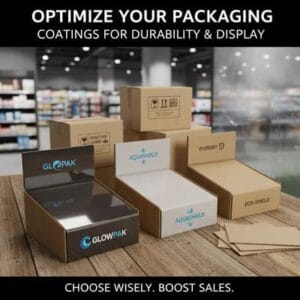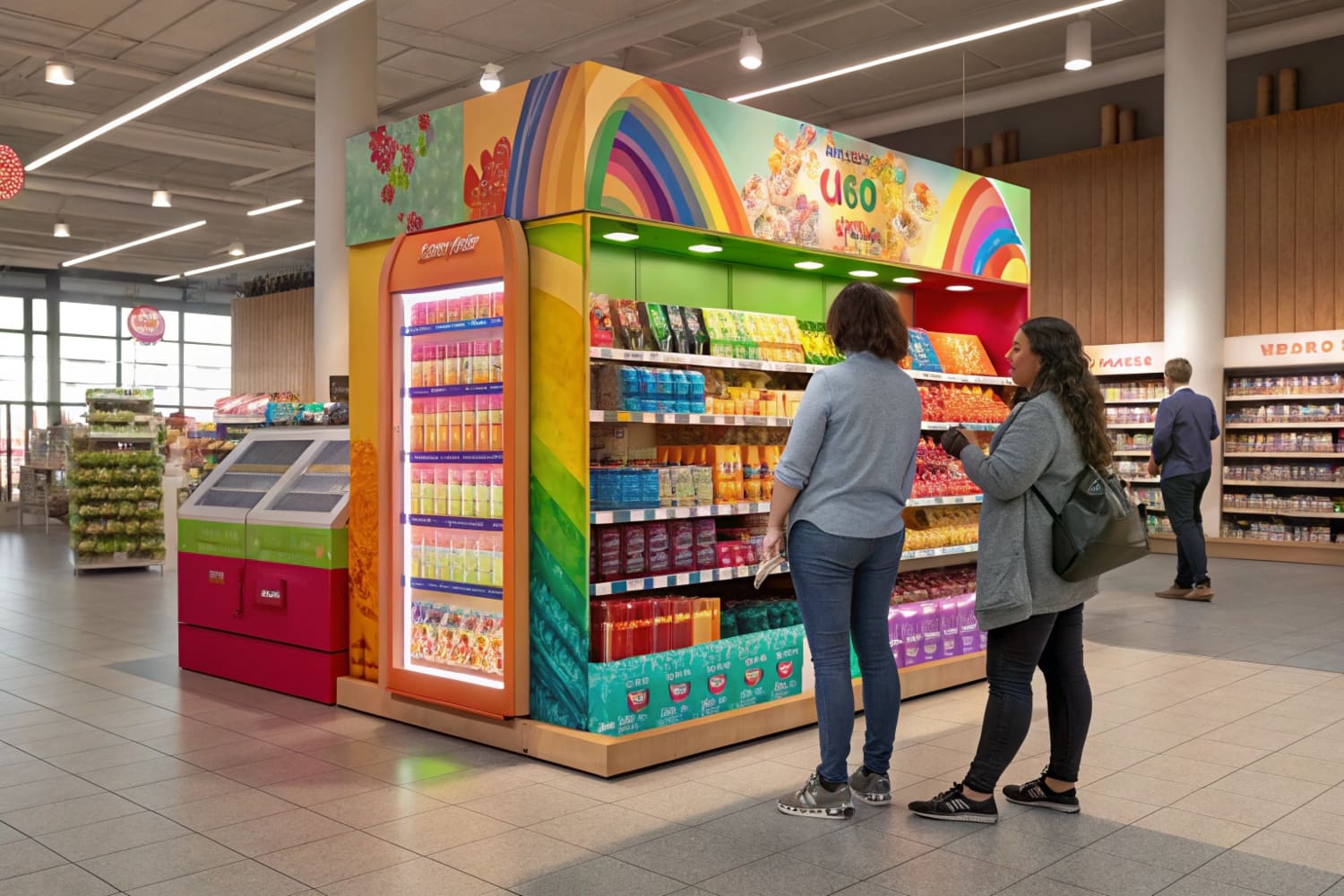
Retail shelves are crowded. Shoppers move fast. Many products stay invisible. I use POP cardboard displays to pull products out of that noise and put them in the shopper's path.
POP displays are important for retail because they catch attention, guide choice, and drive impulse purchases at the exact moment shoppers decide. They turn packaging into a silent salesperson and give brands extra visibility without permanent fixture changes.
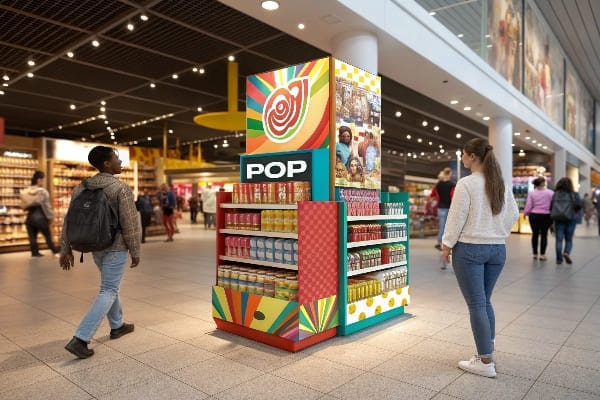
When I speak with buyers in the United States, Canada, the United Kingdom, or Australia, they often ask one question first: "Will this display really move products faster?" I answer with real projects from my factory in China, and I show how good POP displays connect brand stories, shopper behavior, and retailer profit.
What is the role of pop in retail?
When I walk a store with a buyer, we both know packaging alone is not enough. POP has to work like a bridge between the shopper's eye and the product.
The role of POP in retail is to grab attention, explain value in seconds, and move products from shelf to cart. It links brand stories to real space, supports promotions, and helps retailers use every square meter more efficiently.
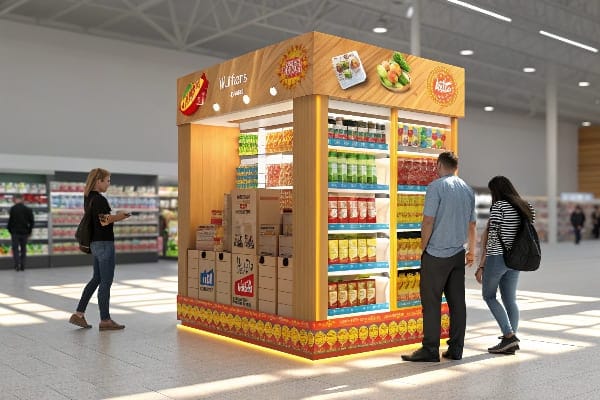
I see POP as the point where marketing promises meet real shopper decisions. Advertising brings people into the store, but POP stands beside the product when the shopper's hand moves. In many categories, like food, beverage, beauty, and personal care, shoppers decide in a few seconds. In that short time, a strong cardboard display1 can do what a long TV ad cannot. It can show price, benefit, and brand in one clear block of color and structure.
Key roles of POP displays in-store
| Role | What it does in retail | Example from my projects |
|---|---|---|
| Attention2 | Stops shoppers for a second | Floor display at aisle entrance for a new energy drink |
| Navigation | Guides shoppers to a product group | Pallet display near the front for seasonal snack bundles |
| Education | Explains key benefits quickly | Countertop display for skincare with simple three-step message |
| Storytelling | Builds brand image beyond packaging alone | Multi-level display for a toy brand with character graphics |
| Promotion3 | Highlights discounts and limited offers | Shelf tray with big price block for a buy-one-get-one campaign |
In North America, POP4 often plays a steady support role inside mature retail systems. In Asia-Pacific, where modern retail and e-commerce grow fast, POP is part of a more aggressive push for visibility. In Europe, brands ask me to use POP to show both product benefits and sustainability messages5, because many shoppers expect environmental responsibility. So the core role stays the same, but the focus shifts with shopper values and market stage.
Why is display important in retail?
Many retailers ask me why they should invest in displays when they already pay for shelf space. I answer with data, but I also answer with real store results.
Display is important in retail because shoppers buy what they notice first. Good displays control sightlines, highlight margins, and support campaigns. Without strong displays, even great products lose to louder neighbors.
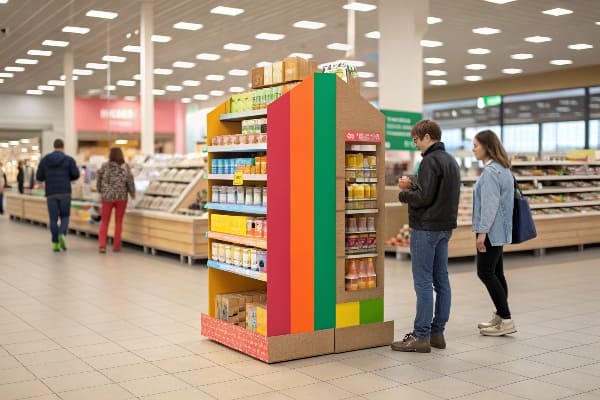
When I review sales reports with clients, I see one clear pattern. Products with strong POP support usually move faster during key weeks. Display is not only decoration. It When I review sales reports with clients, I see one clear pattern. Products with strong POP support6 usually move faster during key weeks. Display is not only decoration. It is a tool to manage traffic, focus attention, and push priority items. This is one reason why display packaging7 and POP markets keep growing, with global value in the tens of billions of dollars and steady mid-single-digit annual growth. Brands would not keep spending if displays did not protect and grow their sales.is a tool to manage traffic, focus attention, and push priority items. This is one reason why display packaging and POP markets keep growing, with global value in the tens of billions of dollars and steady mid-single-digit annual growth. Brands would not keep spending if displays did not protect and grow their sales.
How display shapes shopper behavior
| Display element | Shopper effect | Retail result |
|---|---|---|
| Floor display8 | Stops traffic and builds a "mini shop" | Higher basket size, strong promotion impact |
| Countertop display9 | Triggers impulse at checkout | Extra units sold with almost no extra space |
| Shelf tray or shipper | Organizes and frames SKUs | Better facing control and faster shelf refill |
| Pallet display | Signals value and volume | Ideal for club stores like Costco or Walmart |
| Simple signage | Clarifies price and benefit | Fewer questions, faster decisions |
One time I worked with a beverage brand in a big-box retailer. Their product sat on the regular shelf for months with slow movement. We added a cardboard floor display10 close to the entrance with bold price blocks and simple benefit icons. The product was the same, the price was almost the same, but weekly sales almost doubled during the promotion. The buyer told me, "I did not change my planogram much, but the display finally made the product visible." This is why display is important. It changes what shoppers see first, not what the warehouse ships.
What is the advantage of pop display?
POP displays give brands extra tools that normal shelves cannot offer. When I design cardboard displays, I think about cost, speed, and how fast they can win space.
The advantage of POP displays is a mix of flexible design, low cost, and fast setup. Brands can test campaigns, change graphics, and target seasons without rebuilding fixtures or changing store layouts.
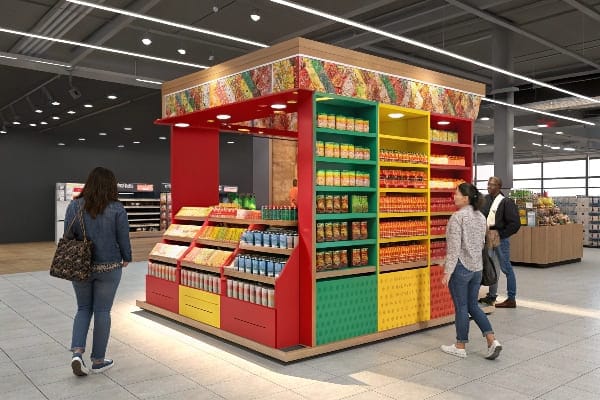
The biggest advantage I see every day is flexibility. Cardboard POP displays11 are easy to cut, fold, and print. I can tune the structure for heavy crossbows or light snack packs with the same core material. For many clients, the ability to test a small run for one season, then scale up only after results, reduces real risk. Market numbers support this behavior. The broader display packaging market12 grows from around 24–25 billion USD in 2025 toward more than 40 billion USD by 2035, driven by brands that treat displays as testable media, not fixed furniture.
Practical advantages of cardboard POP displays
| Advantage | What it means for brands | What it means for retailers |
|---|---|---|
| Cost efficiency13 | Lower unit cost than metal or plastic | Easier to approve temporary campaigns |
| Fast turnaround | Quick design, sampling, and mass production | Displays ready for seasonal or launch windows |
| Custom design | Shape, graphics, and structure match the product | Better fit with store layout and shopper flow |
| Sustainability14 | Recyclable materials and eco inks | Easier compliance with green policies |
| Light weight | Lower shipping and handling effort | Simple store setup and teardown |
One of my favorite stories comes from a hunting tools brand similar to Barnett Outdoors. Their products were heavy, long, and full of sharp edges. The client needed a floor display15 that could hold weight, pass transport tests16, and still look premium. Their design team in the United States sent 3D files. My team in Shenzhen turned them into a corrugated structure with single-wall board in key areas and reinforced feet. We ran load tests, drop tests, and transport simulations. We also did strict color checks, because color shifts can destroy trust in high-end gear. The first sample failed one compression test, so we adjusted flute direction and doubled some joints. After approval, repeat orders came in for different models with only artwork changes. For the client, the advantage was clear: a strong, flexible POP system that turned a tough category into a clean, shoppable island.
Why do merchandisers use pop displays?
When I sit with merchandisers, they rarely talk only about design. They talk about weekly sales, planograms, and how POP displays help them hit numbers without extra staff.
Merchandisers use POP displays because they are fast tools to lift sales, execute promotions, and keep planograms flexible. Displays let them test placements, support key accounts, and react to seasons without long approvals.
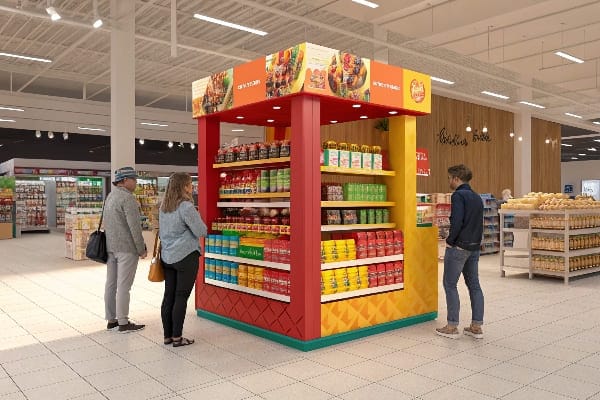
Merchandisers stand between brand plans and store reality. They deal with limited space, tight timelines, and many SKUs. POP displays17 give them something they can deploy, move, and remove with little friction. A modular cardboard display18 can enter a store flat-packed, stand up in minutes, and come down without tools when the promotion ends. This is why many merchandisers see displays as their "fast lane" for execution.
How merchandisers work with POP displays
| Merchandiser goal | POP display use19 | What I focus on as supplier |
|---|---|---|
| Hit launch deadline | Pre-tested structures and clear assembly | Short sampling cycles and strict production schedules |
| Protect brand image20 | Strong print and color consistency | Color management and certified inks |
| Reduce damage and returns | Robust board and smart packing | Transport tests and reinforced stress points |
| Meet compliance rules | Recyclable materials and clear markings | FSC and other certifications, clean documentation |
| Keep costs stable | Standard modules with custom graphics | Reusable die-lines and efficient material use |
I often work with buyers who had bad past experiences. Some saw displays collapse because mass production used weaker material than the sample. Some found fake certificates in old supplier files. Some missed hunting or holiday seasons because shipments left the factory too late. These stories shape how I design my own process. I run strength tests on real mass-production samples, not only on prototypes. I lock paper specs and suppliers at the PO stage, and I share test photos and videos. I also design packaging that protects displays during long trips from China to North America or Europe. When merchandisers know that a display will arrive on time, stand firm, and match artwork, they can focus on layout and promotions instead of damage control. This is the real value POP displays give to their daily work.
Conclusion
POP displays matter because they turn retail space into a flexible marketing tool. When design, strength, timing, and trust all align, they help both brands and retailers grow with less wasted effort.
Exploring the effectiveness of cardboard displays can provide insights into impactful merchandising techniques. ↩
Understanding how attention-grabbing displays work can enhance your retail strategy and improve customer engagement. ↩
Exploring the impact of promotional displays can help you optimize your marketing efforts and boost sales. ↩
Understanding the role of POP can enhance your marketing strategies and improve customer engagement. ↩
Exploring effective communication strategies for sustainability can help brands resonate with environmentally conscious shoppers. ↩
Understanding POP support can help you leverage effective strategies to boost product visibility and sales. ↩
Exploring the role of display packaging can enhance your marketing tactics and improve sales performance. ↩
Explore how floor displays can enhance shopper engagement and increase sales. ↩
Learn about the effectiveness of countertop displays in boosting impulse purchases. ↩
Explore how cardboard floor displays can enhance product visibility and boost sales in retail environments. ↩
Explore how Cardboard POP displays can enhance your marketing strategy and provide flexibility in product promotion. ↩
Learn about the growth trends in the display packaging market and how they can impact your business decisions. ↩
Understanding cost efficiency can help brands and retailers maximize their marketing budgets. ↩
Exploring sustainability can reveal how eco-friendly practices enhance brand image and attract conscious consumers. ↩
Explore this link to learn effective strategies for creating floor displays that can support heavy items while maintaining an attractive appearance. ↩
Understanding transport tests is crucial for ensuring product safety during shipping. This resource will provide insights into best practices and methodologies. ↩
Discover insights on the effectiveness of POP displays in driving sales and engaging customers in retail environments. ↩
Explore this link to understand how modular cardboard displays can enhance retail execution and improve merchandising strategies. ↩
Explore this link to learn effective strategies for maximizing the impact of POP displays in retail. ↩
Discover insights on maintaining a strong brand image through merchandising techniques. ↩