Retail competition is fierce, and you need your products to stand out instantly. If your items get lost on standard shelves, you lose sales every single day.
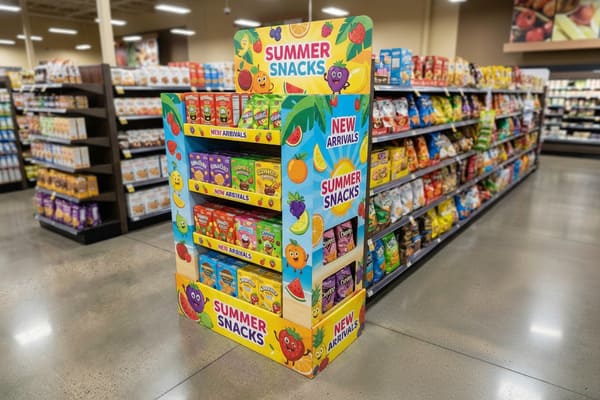
Endcap displays include standard shelving units, dump bins, pegboard displays, and custom cardboard standalone units. They are available in various materials like metal, wood, or corrugated board, designed specifically to fit the high-traffic ends of store aisles to maximize product visibility and impulse purchases.

Now that we know the basics, let's look at exactly what defines these displays and why they matter for your bottom line.
What are end cap displays?
Many brands struggle to get premium placement in big-box stores. Without a clear definition of premium spots, you might waste money on the wrong fixtures.
End cap displays are retail fixtures placed at the end of an aisle, exposing products to the heaviest foot traffic. They serve as prime real estate in stores like Walmart or Costco, allowing brands to showcase promotions, seasonal items, or new launches separate from the crowded inline shelves.
Structural Anatomy and Retail Compliance
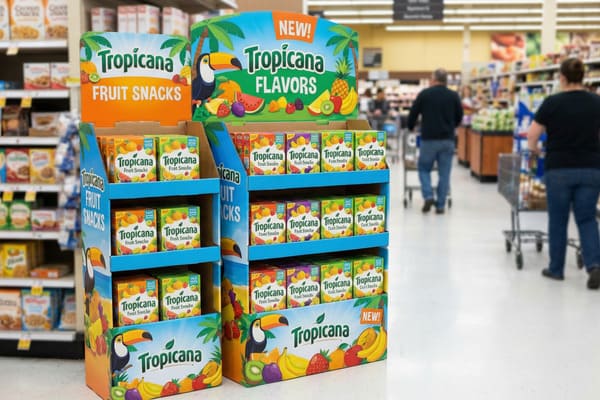
To truly understand end cap displays1, we must look beyond the basic definition and analyze the structural engineering required for major retail environments. An end cap is often referred to as the "billboard" of the grocery or department store because it physically interrupts the customer's journey. In the United States market, specifically for retailers like Walmart or Target, these displays must adhere to strict dimension and weight protocols. The standard gondola end cap usually measures 36 inches or 48 inches in width. When we design cardboard displays for these spaces, we are not just making a box; we are engineering a structure that must withstand the traffic of hundreds of shoppers while supporting significant product weight.
The technical challenge lies in the material selection. While metal shelving is permanent, corrugated cardboard end caps are increasingly preferred for temporary promotions due to their cost-efficiency and high printability. We use specific grades of corrugated board, such as BC-flute or double-wall structures, to ensure the display does not buckle under the weight of heavy items like beverages or hunting gear. Furthermore, compliance is key. Retailers often have "no-snag" policies, meaning the display cannot have sharp edges that might injure a customer. The design must also allow for easy restocking by store employees. If the structural integrity2 fails, or if the assembly is too complex for store staff, your product ends up in the back room rather than on the sales floor. This balance between marketing aesthetics and structural rigidity is where the real value lies.
| Feature | Cardboard End Caps3 | Metal/Permanent End Caps4 |
|---|---|---|
| Cost | Low (Ideal for short-term promos) | High (Capital expenditure) |
| Flexibility | High (Easy to print & cut custom shapes) | Low (Rigid standard sizes) |
| Assembly | Quick (Often flat-packed) | Complex (Requires tools) |
| Print Quality | Excellent (Full-color litho/digital) | Limited (Usually signage slots only) |
| Sustainability | High (100% Recyclable) | Medium (Recyclable but energy intensive) |
I know that hearing about display collapses is a nightmare for buyers, so my factory implements a rigorous pre-shipment weight test for every design. We simulate the exact load your products will place on the stand to ensure it survives the retail environment.
Are end of aisle displays worth it?
You might worry about the higher investment cost compared to inline shelf space. Is the return on investment actually high enough to justify the extra expense?
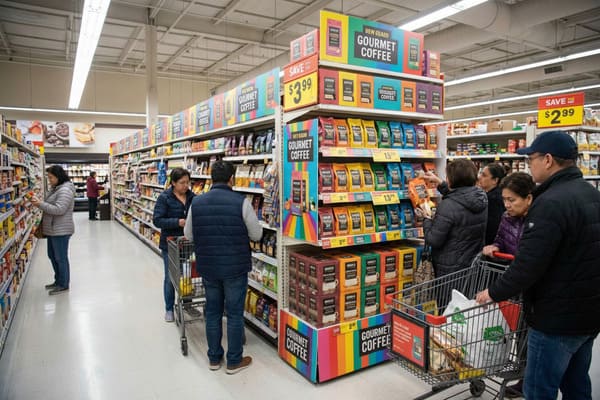
Yes, end of aisle displays are worth it because they generate significantly higher conversion rates. Industry data suggests products on end caps sell far faster than those on standard shelves due to increased visibility, impulse buying behavior, and the ability to disrupt the shopper's path through the store.
ROI Calculation and Shopper Psychology
When evaluating the worth of end of aisle displays, we have to look at the hard data and consumer psychology driving the market. The Point of Purchase (POP) display market5 is projected to reach over $16 billion by 2025, and a massive driver of this is the proven effectiveness of floor displays. Studies indicate that a product placed on an end cap can see sales lifts ranging from 20% to over 100% compared to its inline location. This is largely because end caps trigger "impulse buys6." Shoppers in "Action Alleys"—the main drive aisles of stores like Costco—are in a browsing mindset. They might not have planned to buy a new crossbow accessory or a snack pack, but a well-structured, high-graphic display makes the decision for them.
From a cost perspective, cardboard displays offer a superior ROI compared to permanent fixtures. The initial tooling and production costs for corrugated displays are a fraction of metal or wood. This allows brands to run seasonal campaigns or test new products without a massive capital commitment. Additionally, the speed to market is critical. In a market where trends shift rapidly, the ability to design, print, and ship a cardboard end cap within weeks allows you to capitalize on holidays or viral trends. If you miss the timing, you miss the revenue. The sustainability factor also adds value; with consumers increasingly preferring eco-friendly brands, using recyclable corrugated materials improves brand perception, which is an intangible but real addition to the ROI. We are seeing the display packaging market growing at a CAGR of 5.4%, proving that brands globally recognize this value.
| Metric | Inline Shelf Placement | End Cap Display7 |
|---|---|---|
| Visibility | Low (Lost among competitors) | High (Standalone feature) |
| Impulse Sales8 | Low (Planned purchases mostly) | High (Disrupts shopper path) |
| Brand Space | Limited (Shelf edge only) | Maximum (Full header & sides) |
| Cost/Impression | Low | Medium (But higher conversion) |
| Restocking Ease | Standard | High (Often dump bin or pallet) |
I understand that profit margins are tight, which is why my team focuses on structural designs that minimize material waste while maximizing strength. We help you get that premium end-cap ROI without overspending on over-engineered packaging.
What are the different types of window displays?
Getting a customer into the store is just as hard as selling to them inside. Your window strategy sets the stage for the entire shopping experience.
Window displays include open-back, closed-back, semi-closed, and island window styles. These types vary based on visibility into the store and the level of privacy required for the scene. They act as the first point of contact, using lighting, props, and signage to drive foot traffic inside.

Visual Engineering and Material Selection
While window displays are often associated with fashion, the principles apply broadly to visual merchandising, and the types you choose dictate how customers perceive your brand before they even enter. The Closed-Back Window9 is the most traditional type, featuring a solid wall behind the display. This creates a dedicated "stage" where we can create elaborate scenes using large printed cardboard backdrops and standees without the distraction of the store interior. This is high-drama and requires high-resolution printing. Conversely, an Open-Back Window allows customers to see through the display into the store. Here, the display elements must be cleaner and often double-sided, as they are viewed from both the street and the shop floor.
In the context of cardboard engineering, we are seeing a surge in demand for "Island Displays10" within window spaces. These are standalone units that can be viewed from all angles. The challenge here is structural; the display must look perfect from the back, front, and sides. No raw corrugated edges should be visible. Furthermore, modern window displays are becoming interactive. We are integrating QR codes and AR triggers into the printed artwork on these displays. A passerby can scan the window display to see a digital overlay of the product. This blends physical retail with digital engagement. Material-wise, for window displays exposed to sunlight, we have to consider UV-resistant inks and coatings to prevent fading, ensuring the brand colors remain vibrant for the duration of the season.
| Window Type | Description | Best Use Case |
|---|---|---|
| Closed-Back11 | Solid wall behind display. | High-end, theatrical scenes. |
| Open-Back12 | See-through to store. | Showcasing store busyness/stock. |
| Semi-Closed | Partial partition. | Balancing privacy and openness. |
| Island | Viewable from all sides. | Lobby or large glass entryways. |
| Corner | Located at building corners. | Capturing traffic from two streets. |
I know that color consistency is one of your biggest pain points, so I use advanced color management systems in my factory to ensure your window display graphics match your product packaging perfectly, preventing that cheap, mismatched look.
What are the different types of visual merchandising displays?
A disorganized store confuses shoppers and hurts your brand reputation. You need the right mix of display types to guide customers seamlessly from entry to purchase.
Visual merchandising displays encompass floor stands, countertop units, pallet displays, dump bins, and shelf talkers. Each type serves a specific function, from highlighting new products on the floor to encouraging last-minute impulse buys at the register, ensuring a cohesive and profitable retail environment.
Strategic Display Categorization and Functionality
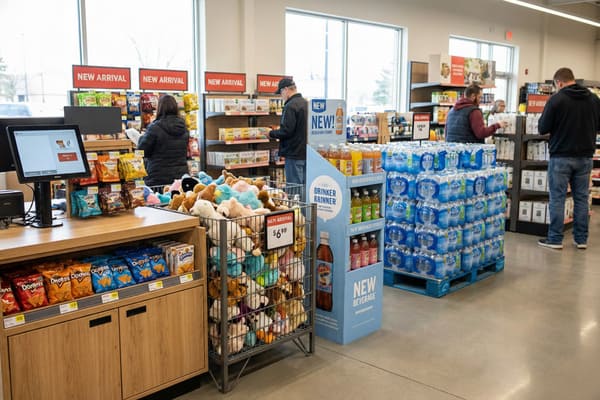
Visual merchandising is not just about making things look pretty; it is about strategic product placement using specific hardware. The most dominant type in our industry is the Floor Display13. According to market reports, floor displays account for a massive share of the POP market (around 43%). These are large, freestanding units that can hold substantial inventory. For heavy items like hunting gear or beverages, we design these with reinforced internal dividers. Then we have Pallet Displays (often called Quarter Pallets or Full Pallets). These are critical for retailers like Costco and Sam's Club. They are designed to be shipped fully loaded with product, so the retailer just drops them onto the floor. The engineering here is intense; the cardboard skirt and trays must survive forklift handling and truck vibration.
On a smaller scale, Countertop Displays (PDQ trays) are vital for the "last 3 feet" of the sale. These sit at checkout registers and rely on small footprints to drive impulse purchases of smaller items. The trend is moving towards "Shop-in-Shop" concepts where multiple display types—floor stands, signage, and dump bins—are grouped to create a branded zone. Another rising trend is the Interactive Display14, incorporating digital screens or motion sensors. However, the core remains the corrugated structure. Sustainability is driving a shift here too; brands are demanding 100% recyclable materials. We are seeing a move away from mixed materials (plastic clips on cardboard) to all-paper solutions, using origami-style locking mechanisms to maintain strength without non-recyclable parts. This reduces the carbon footprint and aligns with modern consumer values.
| Display Type | Primary Function | Typical Location |
|---|---|---|
| Floor Stand | High volume sales, major promos15 | Aisles, Endcaps |
| Pallet Display | Bulk selling, logistics efficiency | Action Alley, Warehouse clubs |
| Countertop (PDQ) | Impulse buys, small items | Checkout, Service counters |
| Dump Bin | Clearance, loose items | Mid-aisle, irregular spaces |
| Sidekick/Power Wing | Cross-merchandising16 | Hanging off existing shelves |
I provide full 3D renderings before we cut a single piece of material, allowing you to visualize exactly how different display types will look and function together in a retail space, minimizing the risk of design errors.
Conclusion
Endcap and visual displays are essential for retail success. They boost visibility, drive impulse sales, and build brand identity when executed with the right structural design.
Understanding end cap displays can enhance your retail strategy, improving customer engagement and sales. ↩
Exploring structural integrity in retail displays can help ensure safety and effectiveness in product presentation. ↩
Explore the advantages of Cardboard End Caps, especially for cost-effective and flexible promotional solutions. ↩
Discover the benefits of Metal/Permanent End Caps for durability and long-term investment in retail environments. ↩
Understanding the POP display market can help you leverage effective marketing strategies and boost sales. ↩
Exploring the psychology behind impulse buys can enhance your marketing tactics and improve customer engagement. ↩
Exploring this link will provide insights into how end cap displays can boost sales and enhance product visibility. ↩
This resource will offer strategies to effectively increase impulse sales, crucial for maximizing revenue. ↩
Understanding Closed-Back Windows can enhance your visual merchandising strategy, making displays more effective and engaging. ↩
Exploring Island Displays can provide insights into innovative retail strategies that attract customers from all angles. ↩
Explore the benefits of Closed-Back displays for high-end theatrical scenes, enhancing your understanding of their impact. ↩
Discover how Open-Back displays can effectively showcase store busyness and stock, attracting more customers. ↩
Explore this link to understand how Floor Displays can enhance product visibility and boost sales in retail environments. ↩
Discover how Interactive Displays can create immersive shopping experiences that attract customers and increase sales. ↩
Explore this link to discover proven strategies that can boost your sales during major promotions. ↩
Learn about the benefits of cross-merchandising and how it can enhance your retail strategy. ↩