Shoppers scroll fast. Stores compete for seconds. Strong visual merchandising stops the scroll, guides choices, and turns space into a clear path to buy.
Visual merchandising is the planned use of space, light, color, props, and story to present products and increase sales; it shapes traffic flow, clarifies choices, and reinforces brand value across windows, aisles, shelves, and displays.
Now we move from idea to action. I answer the key questions. I add my factory notes from Shenzhen. I show mistakes to avoid and a simple path to apply.
What is the meaning of visual merchandising?
Many teams use the term loosely. So goals drift. I keep the meaning tight, so decisions are clear, and teams align across design, printing, logistics, and store execution.
Visual merchandising means presenting products in a planned way to drive attention, desire, and purchase; it aligns layout, display structure, graphics, lighting, and messaging to guide shoppers and support brand goals.
Why a tight definition matters
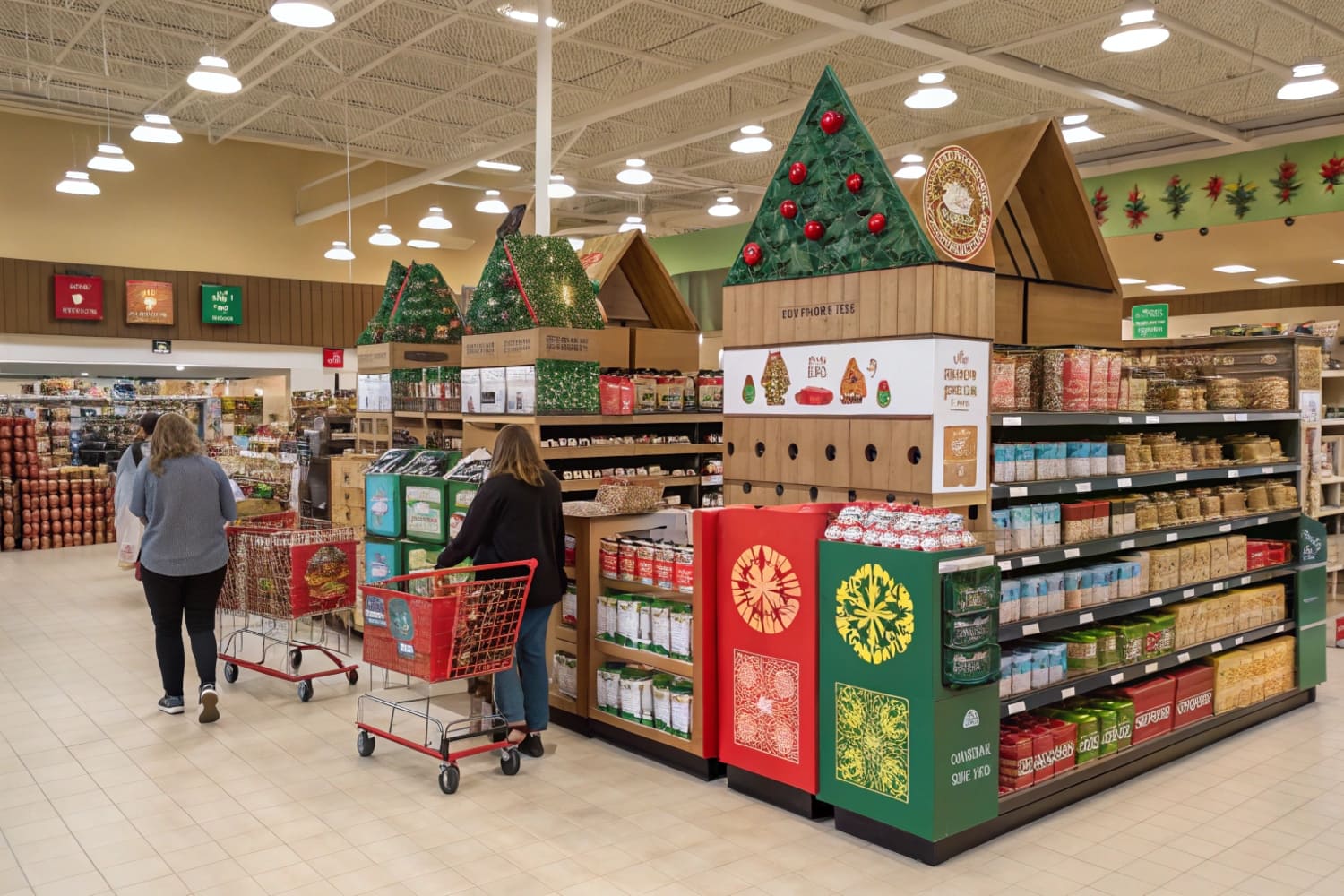
A tight definition saves time and waste. It links shopper goals to store actions. It also links brand plans to fixtures and graphics. I run a cardboard display factory with three lines. I see this link every day. When teams agree on meaning first, we cut rework, color fixes, and shipping delays. In our market, floor displays1, countertop displays, pallet displays, and PDQ trays carry the plan into stores. One industry report put floor POP displays near 43.7% share in their set. That aligns with what I see. Floor units hit hard and move volume. The meaning also includes sustainability and speed2. My buyers want recyclable materials, fast turns, and lower cost. Digital printing supports short runs and seasonal swaps. Moisture-resistant coatings and strong folds extend life while keeping recycling simple. A clear meaning keeps choices honest. We pick the right structure. We choose bold but readable graphics. We plan a setup a clerk can build in minutes.
| Input | Process | Outcome |
|---|---|---|
| Shopper objective3 | Translate to path, touchpoints, and cues | Focused layout and messaging |
| Space constraints | Map flow, sightlines, adjacencies | Clean navigation and stops |
| Display type | Match to volume and location | Higher reach, less clutter |
| Graphics and color | Test legibility and contrast | Faster reading, fewer errors |
| Sustainability goal4 | Choose recyclable boards and inks | Lower waste and clear claims |
What exactly does a visual merchandiser do?
Titles vary by company. Tasks look scattered. I map the core work, so you can hire right, brief right, and measure right in stores, showrooms, and events.
A visual merchandiser turns strategy into in-store scenes: plans layouts, designs displays, sets signage, manages samples, supervises installs, audits stores, tests elements, and reports sales impact.
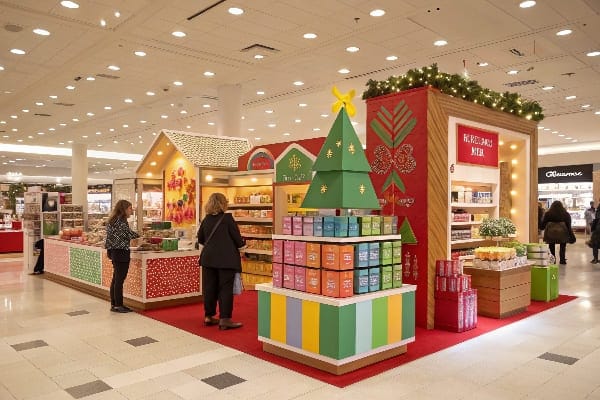
Plan, build, execute, improve
The job starts with a plan. I align the hero product, price point, and message. I map flow and pick the display type. I write a simple brief with the must-haves. Then I work with design and factory teams. In my shop we provide 3D renders5, free edits, and a working sample. We run strength and transport tests. We fix weak joints before mass production. During install, I keep setup steps6 simple. I print a one-page guide with photos. I label parts clearly. After launch, I audit stores and collect simple metrics. I check unit movement, setup time, and damage rates. I share wins and misses fast.
| Task | Deliverable | Tool or Proof |
|---|---|---|
| Space and flow plan | Scaled layout and traffic notes7 | Floor map, photos |
| Display brief | Size, capacity, story, timeline | One-pager, BOM |
| Sample + testing | Signed prototype and test report | Drop test, load test |
| Install kit | Guide, labels, spare parts | Printed sheet, QR video |
| Store audit | Photo log and checklist | App or shared folder |
| Review and iterate | A/B notes8 and next brief | Sales data, feedback calls |
I share one story. A buyer named David led a crossbow launch9. The deadline was tight. My team kept calls short. We aligned on a bold safety callout10 and fast setup locks. We shipped on time. The audit showed clean builds and no color drift across stores.
What are the 4 elements of visual merchandising?
Frameworks help speed decisions. I use a simple four. Teams remember it fast. It works across windows, shelves, pallets, and cardboard floor displays.
The four elements are Space, Story, Style, and System; Space organizes flow, Story defines message, Style sets color and materials, and System ensures repeatable builds, shipping, and compliance across regions and seasons.
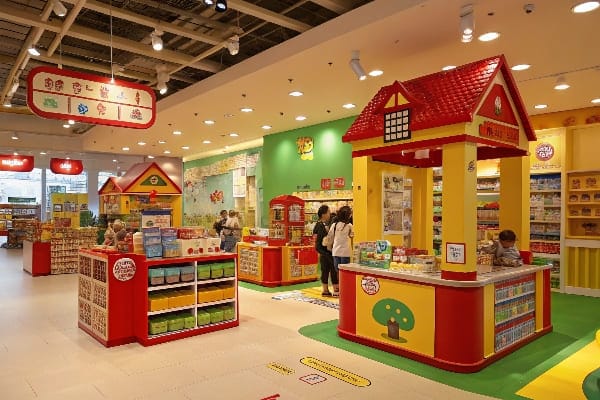
Space, Story, Style, System
Space. I plan entrances, power aisles11, and sightlines first. I place the hero at natural stops. I keep reach and weight in mind. I size trays and shelves to real boxes, not wishful mockups.
Story. I write one line first. I pick three support points max. I add a strong price or value cue if allowed. I keep safety or compliance visible for regulated items.
Style. I set color, type, and finishes. I test contrast at a distance. I pick water-based inks and recyclable boards12. I use light coatings only when moisture or scuffs demand it.
System. I design for repeat. I keep flat-pack sizes inside pallet rules. I label parts. I lock in color profiles and certifications. I set QC gates for mass runs.
| Element | Key Questions | Cardboard Display Moves13 |
|---|---|---|
| Space | Where do eyes stop? How do feet move? | Floor unit at power aisle; PDQ near checkout |
| Story | What is the one line? | Header with hero claim and use case |
| Style | Can I read it in 3 seconds? | High contrast type; large iconography |
| System | Can staff build it fast and clean? | Numbered panels; tool-free locks; QR guide |
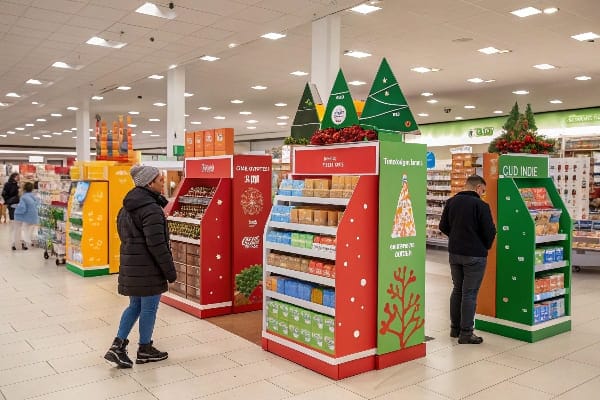
I favor this four because it scales. In North America, stores are mature and space is strict. In Asia-Pacific, growth is fast and promos change often. The framework holds in both. It also serves sustainability14. It forces material choices and pack density into the plan. It also supports digital print15 for short, local runs.
What is an example of visual merchandising?
Examples turn theory into action. I share one from my factory work. It uses a floor display for a hunting product. Timeline was tight. Stakes were high.
We built a corrugated floor display for a crossbow launch; clear story, bold safety cues, and fast assembly raised unit lift by double digits and cut setup time under five minutes across audited stores.
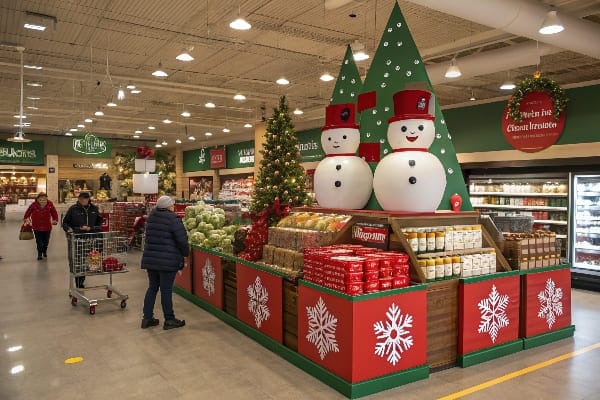
Brief and design
David's team sent a U.S. design concept and a tight timeline. The goal was to showcase a flagship crossbow and new accessories. The audience was experienced hunters16. Safety messages were key. I wrote one line: "Power, control, and safe handling." I chose a tall header, side wings, and a locked center bay. I kept capacity strong but not messy. I used clear hooks for light items and shelves for boxed units.
Prototype, testing, and color
We built a full sample in Shenzhen. We used strong corrugated board with reinforced joints. We used water-based inks17. We tuned the matte finish for glare control under harsh lights. We ran drop and load tests. We added a tiny QR for an assembly clip. We printed a color bar on each sheet. We locked ICC profiles. We approved the sample with free edits until it matched the render.
Production, logistics, and store setup
We packed flat to hit pallet rules18. We printed simple steps on the inner flap. We included spare tabs. We shipped with foam edge guards19 to cut transit scuffs. Store teams scanned the QR and built units in minutes. We audited installs in the first week. Photos showed clean lines and no leaning.
| Decision | Reason | Impact |
|---|---|---|
| Tall header, side wings | Extend sightline and message area | Faster recognition at 15–20 feet |
| Tool-free locks20 | Speed and repeatability | Lower setup errors |
| Water-based inks21 | Sustainability and sharp color | Clear claims and easy recycling |
| Moisture-safe coating | Store cleaning and foot traffic | Longer display life |
| QR assembly video | Simple training | Consistent builds across regions |
The lesson is simple. Keep one story. Make the setup easy. Lock color early22. Test strength before you scale23. The right choices move fast and still protect the brand.
Conclusion
Visual merchandising turns space into a sales tool. Use clear meaning, tight roles, a four-part framework, and a proved example. Then measure, learn, and repeat.
Explore how floor displays can enhance visibility and sales in retail environments, making them a crucial element for effective merchandising. ↩
Learn about strategies that balance sustainability with efficiency, ensuring your business meets modern consumer demands. ↩
Explore this link to discover how to effectively align your retail design with shopper objectives for better engagement. ↩
This resource provides insights on implementing sustainable practices in retail, helping you reduce waste and enhance your brand's image. ↩
Explore this link to understand how 3D renders can enhance product visualization and improve design accuracy. ↩
This resource offers valuable insights on streamlining setup processes, ensuring a smoother installation experience. ↩
Explore this link to learn how to optimize traffic flow in your space planning for better efficiency. ↩
Discover insights on utilizing A/B notes to enhance your product testing process and improve outcomes. ↩
Explore this link to discover essential strategies and insights for executing a successful crossbow launch, ensuring your project meets its goals. ↩
Understanding safety callouts is crucial for project success. This link will provide valuable information on their importance and implementation. ↩
Understanding power aisles can enhance your retail layout, driving customer engagement and sales. ↩
Exploring the benefits of recyclable boards can lead to more sustainable design choices and eco-friendly practices. ↩
Explore this link to discover innovative strategies for maximizing retail display effectiveness. ↩
Exploring this link will provide insights into sustainable packaging practices that can enhance your business's environmental impact. ↩
This resource will explain how digital print technology can optimize packaging processes and reduce waste. ↩
Explore this link to discover effective marketing strategies tailored for experienced hunters, enhancing your outreach and engagement. ↩
Learn about the advantages of water-based inks in packaging, including sustainability and safety, which can elevate your product's appeal. ↩
Understanding pallet rules is crucial for optimizing shipping and storage efficiency, ensuring your operations run smoothly. ↩
Exploring the benefits of foam edge guards can help you enhance product safety and reduce damage during transit. ↩
Learn how tool-free locks can streamline your setup process, reducing errors and saving time. ↩
Explore the advantages of water-based inks for sustainability and vibrant colors, enhancing your printing projects. ↩
Understanding the concept of locking color early can help you make informed branding decisions that resonate with your audience. ↩
Exploring this topic will provide insights into risk management and effective growth strategies for your business. ↩