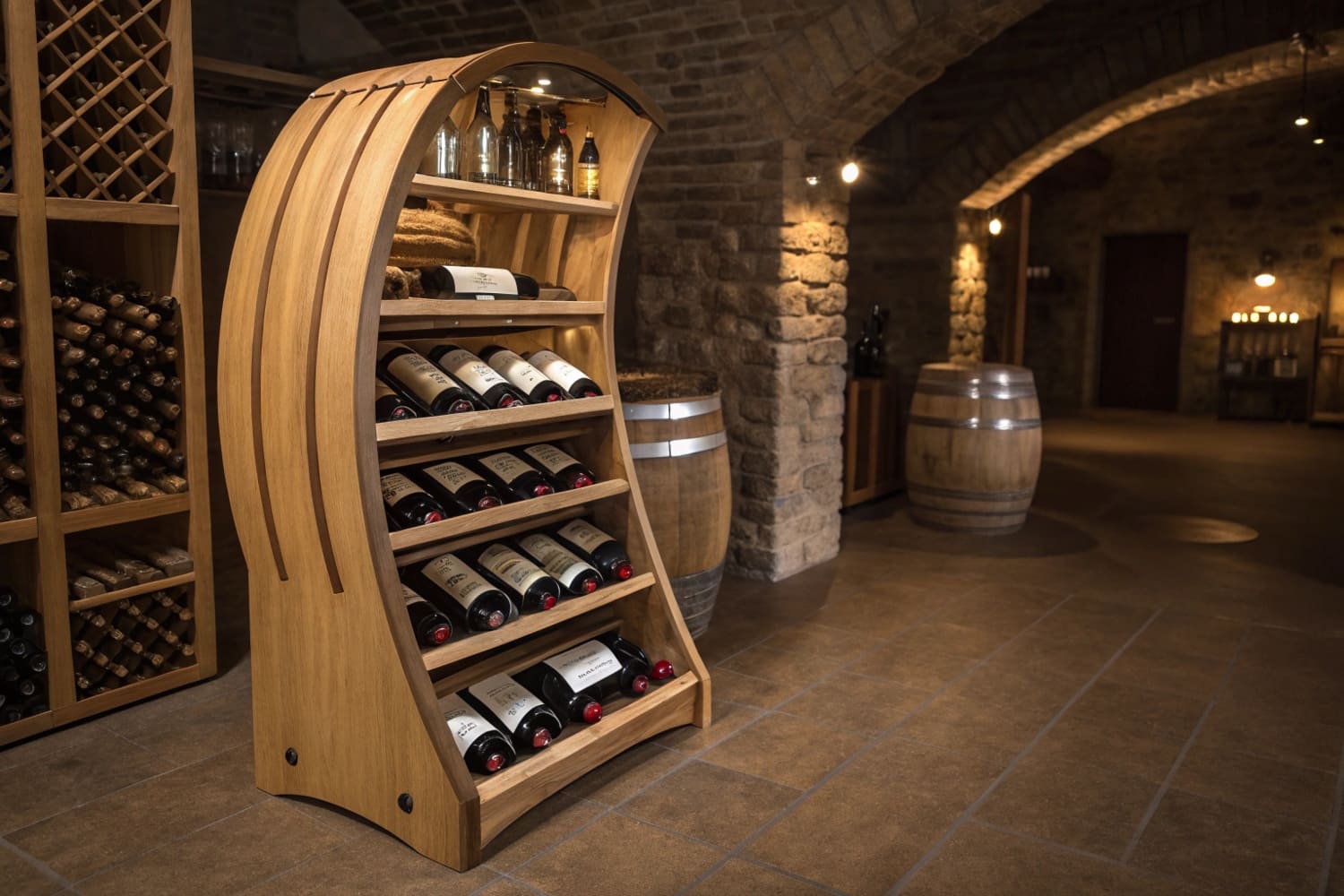
I know the choice feels crowded. You see wood, metal, and even cardboard. You want a stable rack, a clear plan, and a safe spot. I can help.
The best wine rack is stable, modular, and sized to your bottles; it stores corked bottles horizontally, shields them from light and vibration, fits your space, and uses materials that resist moisture while meeting your budget and style.
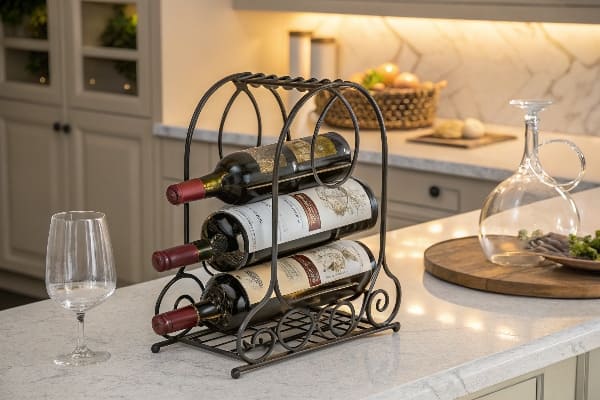
I run a cardboard display factory that serves large retailers. I test weight, edges, and assembly time every week. I bring the same strict thinking to wine racks at home and in stores. Let's break it down so you can choose with confidence.
What is the best material for a wine rack?
You see many options. You worry about strength, humidity, and price. I set the same rules I use in retail displays: pick material by load, environment, and lifecycle.
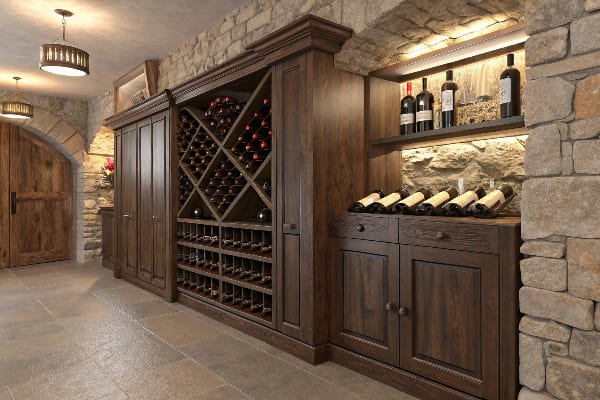
Choose sealed hardwood or steel for long-term cellars; choose coated bamboo or powder-coated metal for kitchens; choose moisture-resistant corrugated for short retail campaigns; always avoid raw, damp-prone materials and flimsy joints.
Material basics and how I decide
I use a simple method that I learned while building POP displays for U.S., Canada, U.K., and Australia. I start with where the rack lives, how often it moves, and how long it must last. In a calm cellar, I like hardwood because it is quiet, dense, and easy to repair. In a busy kitchen, I like powder-coated steel because it ignores splashes and wipes clean fast. For seasonal retail, I use moisture-resistant corrugated with water-based inks. It is flat-pack, quick to assemble, and easy to recycle. This matches what I see in modern retail: fast turns, strict deadlines, and a push for sustainable materials1. Digital printing gives bright colors in small runs, so short promotions still look premium. When budgets change or tariffs shift, I switch to lighter designs and keep performance with better joints and a smart brace. This is the same playbook that keeps displays standing through crowds and carts.
| Material | Strength | Moisture Resistance2 | Cost Level | Best Use Case3 |
|---|---|---|---|---|
| Sealed hardwood (oak, ash) | High | Medium | $$$ | Permanent cellar walls |
| Pine (sealed) | Medium | Medium | $$ | Budget cellars, DIY frames |
| Powder-coated steel | High | High | $$-$$$ | Kitchens, restaurants, modern look |
| Bamboo (sealed/laminated) | Medium | Medium-High | $$ | Warm style, light to move |
| Coated corrugated cardboard | Medium | Medium (with coating) | $ | Short campaigns, PDQ retail shippers |
What is the most efficient way to store wine?
You want a system that saves space and protects bottles. You need simple rules you can keep on busy days.
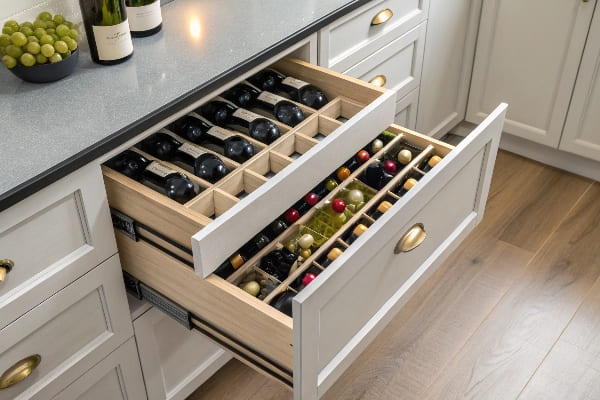
Keep corked bottles horizontal at a steady 12–15 °C with 60–70% humidity, low light, and no vibration; group by region and style; use modular racks; label fronts; rotate stock FIFO to drink on time.
Compact layout, safe environment4, repeatable habits5
I set storage the same way I set a retail planogram. I define zones, protect the environment, and make the workflow easy. I keep the space dark. I avoid machines that shake. I place a thermometer and a hygrometer where I can see them. I run a small dehumidifier if wet air creeps in. I keep corked bottles sideways so corks do not dry. Screw-cap or DIAM bottles can stand or lie, so I follow space needs. I build with modular cubes that stack to unused corners. I leave a safe aisle so I do not bump glass. I mark each cube with simple tags: country, variety, and price band. I place young everyday bottles at waist height. I place aging bottles lower and deeper. I pull the oldest first, which is FIFO. In retail, I do the same with PDQ shippers for seasonal wine. Flat-pack units roll in, set up fast, and face the label forward. The same habits keep a home rack tidy and efficient.
| Rule | Target / Action | Why It Works |
|---|---|---|
| Temperature6 | 12–15 °C, stable | Slows aging and prevents spoilage |
| Humidity7 | 60–70% | Protects cork elasticity |
| Orientation (corked) | Horizontal | Keeps cork wet, seals micro-gaps |
| Light | Low/UV-safe | Prevents light-strike and label fade |
| Movement | None | Stops sediment disturbance |
| Organization | Simple labels + FIFO | Faster picks and fewer mistakes |
What makes a good wine rack?
A good rack feels solid. It also saves you time. I test load and joints for displays, and I apply the same checks to racks at home.
A good wine rack fits your bottle diameters, does not wobble, shields from light, scales in modules, assembles fast, resists moisture, and passes a simple load test with full bottles.
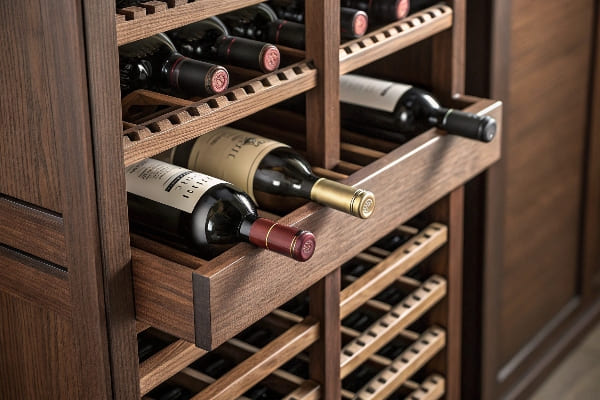
Performance factors I test before I buy or build
I do three tests. First, fit. Burgundy, Champagne, and standard bottles have different diameters. I check clearance so labels do not scrape and bottles do not bind. Second, stability8. I load the bottom third first. I nudge the top by hand. If it sways, I anchor to a wall or I choose a wider base. Third, assembly. I track time and tools. If a rack needs rare tools or unclear steps, I skip it. In my factory, we run strength tests, transport simulations, and color checks for brand displays. Those habits help racks too. I look for FSC or recycled content9 when I can. I ask for water-based coatings for indoor use. I prefer modules that add in 3, 6, or 12-bottle units, so growth is easy. For stores, I add a header panel for pricing and a stopper rail so bottles cannot roll. Simple parts lower breakage, speed install, and keep the planogram clean on busy weekends.
| Criterion | What I Look For | Quick Check |
|---|---|---|
| Bottle fit10 | Holds 750 ml, Burgundy, Champagne | Slide test with mixed bottles |
| Stability | Broad base or wall anchors | Load bottom rows, push-test the top |
| Modularity | Cube or rail systems | Add a 6- or 12-bottle block without rework |
| Moisture handling | Sealed wood or coated steel/cardboard | Wipe with damp cloth, no swelling or rust |
| Assembly | Clear steps, common tools | Build under 30 minutes for a mid-size rack |
| Sustainability11 | FSC, recycled paper, water-based inks | Spec sheet or simple certification from supplier |
What is the best way to rack wine?
People use "rack wine" in two ways. Some mean placing bottles on racks. Some mean moving wine off sediment during winemaking. I cover both so you are safe.
For storage, place corked bottles horizontally with labels out and oldest in front; for winemaking, siphon gently above sediment, protect from oxygen, and sanitize every tool that touches the wine.
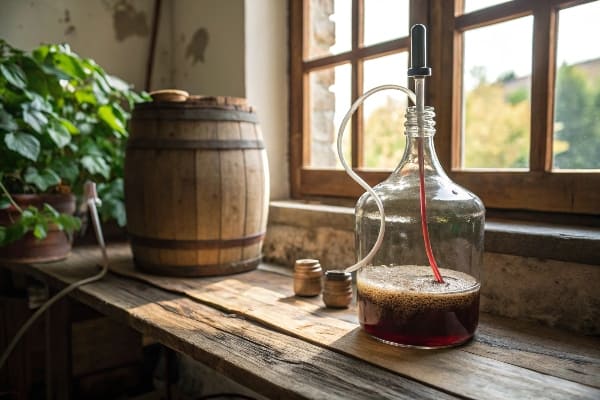
Storage workflow and retail workflow12 that never fail me
When I set a home rack, I start with a clean surface and a plan. I group by region, then style, then price band. I keep everyday bottles at hand level. I slide labels out for fast picks. I place the oldest bottles forward and tag them with a simple date sticker. I use a small cart when moving more than a case, so I avoid drops. I keep spare dividers for larger Champagne bottles. For retail, I follow a strict setup: assemble the base, lock shelves, add a front lip, face all labels, then add a header card. I run a quick strength check with filled dummies. I train staff to refill from the back so the front stays neat. For winemaking13, I rack from the top vessel with a sanitized hose, stop before the lees rise, top the target vessel to the neck, and cap fast. I add an inert gas blanket when possible. The same careful, step-by-step process reduces mistakes, saves time, and keeps quality high, which is how I hit tight launch dates for clients.
| Task Type | Steps I Follow | Tools I Use |
|---|---|---|
| Home storage | Group, label, FIFO14, safe lifting | Tags, cart, soft cloth, dividers |
| Retail setup | Build, anchor, face labels, header, test load | Driver, level, dummy bottles, ties |
| Winemaking | Sanitize, siphon above lees, top up, close | Siphon, sanitize15r, CO₂ or argon |
Conclusion
Pick a stable, modular rack, protect the environment, and keep a simple workflow. Your bottles stay safe, your space stays tidy, and your buying choices stay smart.
Explore this link to discover innovative sustainable materials that can enhance your retail displays while being eco-friendly. ↩
Understanding moisture resistance can help you choose the right materials for your projects, ensuring durability and longevity. ↩
Exploring best use cases will guide you in selecting the most suitable materials for your specific needs and applications. ↩
Explore this link to learn essential strategies for ensuring safety in storage environments, which is crucial for preserving valuable items. ↩
Discover effective methods to establish repeatable habits that enhance organization and efficiency in your storage solutions. ↩
Understanding the ideal temperature for wine storage can help maintain quality and flavor over time. ↩
Exploring the importance of humidity in wine storage can enhance your knowledge of preserving wine quality. ↩
Understanding stability in product displays can enhance safety and efficiency, making your setup more reliable. ↩
Exploring the significance of FSC or recycled content can help you make eco-friendly choices in your purchases. ↩
Explore this link to find optimal storage solutions that ensure your wine bottles fit perfectly and are well-preserved. ↩
Discover sustainable wine storage options that are eco-friendly and help reduce your carbon footprint. ↩
Exploring this resource will provide you with proven strategies to enhance your retail operations and efficiency. ↩
This link will guide you through the critical steps of winemaking, ensuring quality and consistency in your production. ↩
Understanding FIFO (First In, First Out) is crucial for efficient inventory management and ensuring product freshness. ↩
Proper sanitization is vital in winemaking to prevent contamination and ensure high-quality wine production. ↩