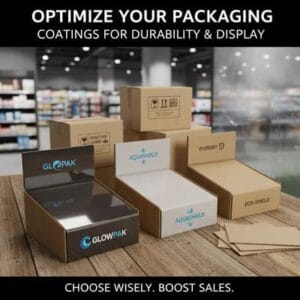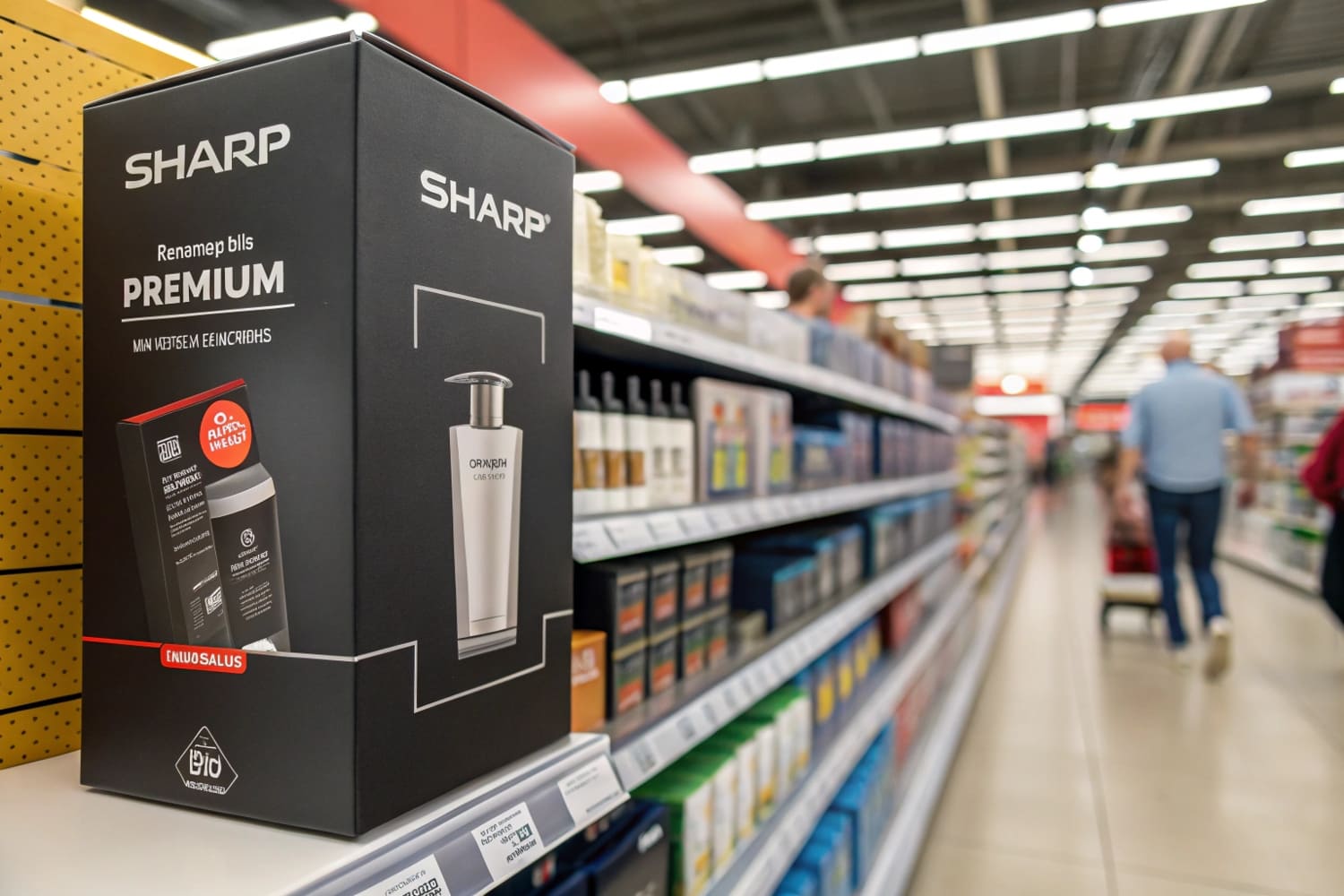
Many brands fight for attention in crowded aisles. I see this daily in display projects. Clear retail packaging wins space, wins trust, and lifts sell-through fast.
Retail boxes packaging means the complete system that protects, presents, and sells a product. It covers structure, materials, printing, inserts, and labeling. It supports shipping, retail display, and returns. Good packaging guides the eye, explains value fast, and converts at the shelf.
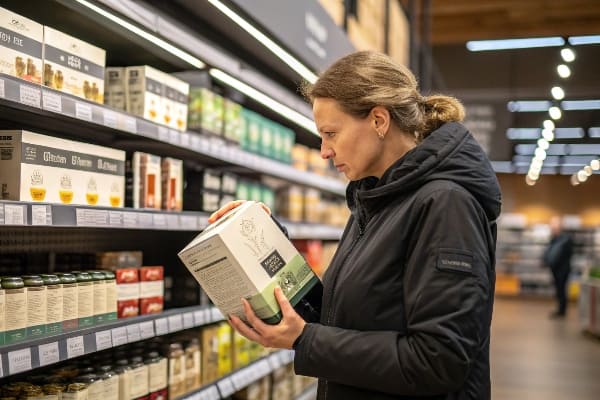
I use packaging to remove doubt. I use it to speed decisions. I design boxes that speak in three seconds. I test, fix, and scale. I do this because shoppers move fast, and stores are loud. If the box works, the display works, and the launch stays on time.
What does retail packaging mean?
Shoppers judge in moments. Teams rush to launch. I define "retail packaging" clearly, or projects drift. Without a shared meaning, graphics look nice but sales miss targets. I keep everyone on one page and I keep timing steady.
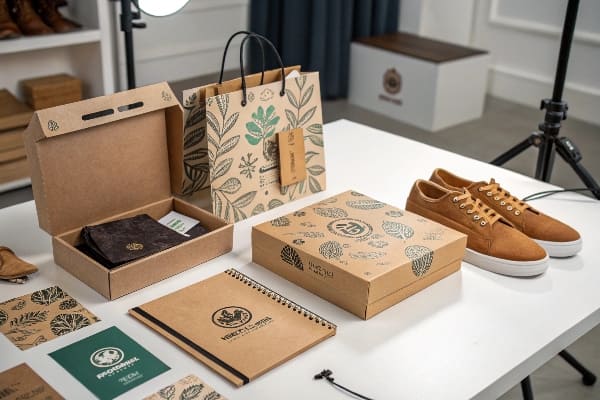
Retail packaging means all physical and printed elements that help a product survive logistics, pass store rules, and sell on the shelf. It includes the box, inserts, coatings, barcodes, warnings, and brand messaging that win attention and enable purchase.
Scope, functions, and proof points
I break the idea into simple parts, then I align design with goals. I also add tests early. I keep waste low and I keep approvals smooth. Below is how I map the work and measure.
| Area | What I include | Why it matters | How I check |
|---|---|---|---|
| Physical shell1 | Corrugated or paperboard box | Protects and shapes brand | Drop and stack tests |
| Graphics | Logo, color, claims | Grabs attention and informs | 3-second read tests |
| Compliance2 | Barcodes, warnings | Avoids chargebacks | Retail audits |
| Supply | Die-lines, pack-out | Cuts time and cost | Line trials |
Notes from the floor
I build for big-box rules3 first because they are strict. I design hang holes, tear strips, and PDQ trays that speed set-up. I add QR codes for manuals and warranty. I use water-based inks4 when I can. I balance coatings with recyclability. If a client asks for gloss, I review shelf glare. If a client wants a window, I check sealing and drop risk. This simple method keeps the box honest and the sell-through steady.
What is a retail box?
Teams often talk past each other here. Some mean a mailer. Some mean a PDQ tray. Stores care about clarity. I define "retail box" tight, so artwork, inserts, and freight all match.
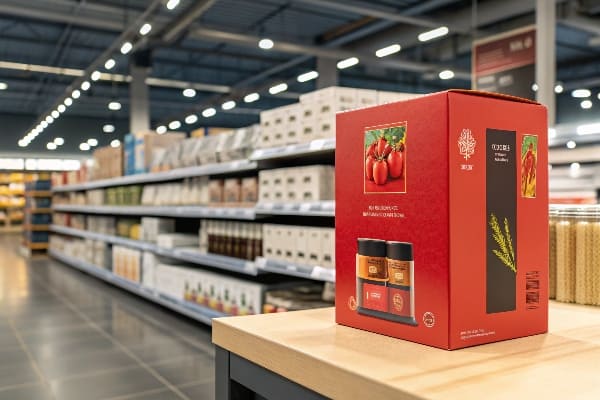
A retail box is the primary printed carton that holds the product for sale in a store. It shows brand and benefits, protects the item, fits planograms, and supports scanning, theft control, and fast stocking.
Types, build choices, and trade-offs
I pick the box type based on weight, price point, and theft risk. I keep folds simple to avoid set-up errors. I match structure to the display plan.
| Type | Best for | Pros | Cons |
|---|---|---|---|
| Folding carton5 | Light goods | Clean look, low cost | Lower strength |
| Rigid setup box6 | Premium | High perceived value | Higher cost, slower |
| Corrugated E/B flute | Mid to heavy | Strong, printable | Thicker edges |
| Windowed box | Visual items | Shows product | Sealing risk |
Practical guide I use
I start with weight and fragility7. I choose flute and insert style first. I add a simple insert, like die-cut cardboard or molded pulp. I design the opening to match the demo story. For example, a hunting sight needs a front window and a clear hero claim. I test color shifts under store lighting. I add tamper tape if theft is high. I lock barcode placement at 80% progress to stop late changes. In one rush project for a hunting gear launch, I cut assembly time by 22% by switching to a one-piece auto-lock bottom8. The team hit a tight retailer window and kept reorders flowing.
What is custom retail packaging?
Many teams start with art. They skip shopper goals. Then custom work turns into costly tweaks. I anchor custom choices to a simple brief, then I protect the budget with early tests.
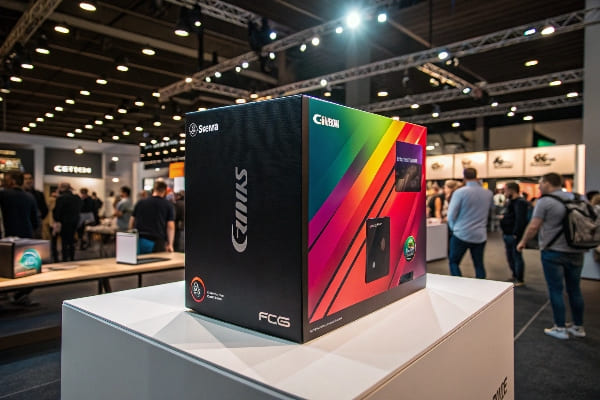
Custom retail packaging is a tailored box and insert system built around a specific product, shopper, and retail channel. It sets structure, graphics, and materials to meet clear goals for protection, impact, cost, timelines, and sustainability.
Process, options, and success metrics9
I run a short cycle: brief, sketch, 3D, sample, test, refine, approve. I publish a one-page spec10 so factory, shipper, and retailer all align.
| Stage | Output | Key decision | Checkpoint |
|---|---|---|---|
| Brief | One-page goals | Price band and KPIs11 | Sign-off |
| Design | CAD + rendering | Structure and claims | Drop-in review |
| Sample | White + print | Strength vs. weight | Lab and store walk |
| Pilot | Small run | Pack-out flow | Line trial |
| Launch | Full run | QC plan12 | First-article |
How I tailor for real brands
For premium outdoor gear13, I avoid flimsy windows. I choose a small window with PET-free film or no window. I move the hero shot to the front panel with a bold callout. I design a PDQ tray that drops into a pallet display for warehouse clubs. I pick water-based inks and lighter fluting to meet sustainability goals14 without hurting strength. I run 3-second tests with real shoppers and I track claim recall. In one club-channel launch, the custom tray raised facings by 30% and cut set time by half. The brand saved freight with flat-pack trays and kept quality consistent across three factories.
What is packaging in retail management?
Retail managers think in turns and margins. They do not want pretty boxes that slow stocking. I design with their view. I keep set-up fast and errors low. I also plan for returns.
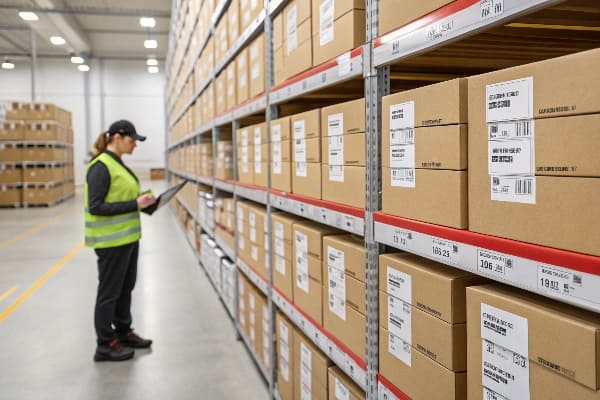
Packaging in retail management is the set of box and display decisions that improve shelf efficiency, planogram fit, labor time, shrink control, and sell-through. It links packaging design to store operations, compliance, and data.
Operational lens, KPIs15, and store-proof design16
I map the box to store work. I use simple cues and strong edges. I build in PDQ trays or shelf-ready outers when the channel allows. I set limits for art changes near launch.
| KPI | What I track | Why it matters | Typical target |
|---|---|---|---|
| Set time | Minutes per location | Labor cost and speed | Under 5 minutes |
| Facing count | Units shown | Visibility and turns | Match planogram |
| Damage rate17 | % per shipment | Margin protection | < 1% |
| Color delta18 | ΔE in-store | Brand match | < 2.0 |
How I apply this day to day
I print clear open icons and I place them near the seam. I add a scannable master label19 on every shipper. I set the retail box height to leave a finger gap on shelf for easy grab. I add a simple claim stack that reads at six feet. I color-proof under store lights. I request real peg hooks or shelf trays for tests, not mock data. When I worked with a U.S. hunting brand on a seasonal launch, we moved to a shelf-ready corrugated outer20. Stocking time fell by 40%. Returns dropped because the inner box stayed clean. The buyer extended the run, and repeat orders became the profit engine.
Conclusion
Retail boxes packaging defines how the product travels, speaks, and sells. If we design with clear goals, test early, and think like stores and shoppers, we win.
Understanding the role of a Physical shell can enhance your packaging strategy and brand protection. ↩
Exploring Compliance in packaging can help you avoid costly mistakes and ensure your product meets industry standards. ↩
Understanding big-box rules can enhance your packaging strategy, ensuring compliance and efficiency in retail environments. ↩
Exploring the advantages of water-based inks can lead to more sustainable and eco-friendly packaging solutions. ↩
Explore this link to understand how Folding cartons can enhance your packaging strategy with their cost-effectiveness and aesthetic appeal. ↩
Discover why Rigid setup boxes are ideal for premium products, offering high perceived value and protection. ↩
Understanding packaging strategies for weight and fragility can enhance product safety and reduce costs. ↩
Exploring the benefits of a one-piece auto-lock bottom can lead to significant time savings and improved assembly processes. ↩
Exploring effective success metrics can help you measure the impact of your product and improve future projects. ↩
Understanding a one-page spec can enhance your product development process by ensuring all stakeholders are aligned. ↩
Understanding price bands and KPIs is crucial for business success; explore this link for expert insights. ↩
A solid QC plan ensures product quality; check this resource for comprehensive guidelines and tips. ↩
Explore this link to discover effective strategies for packaging that enhances brand perception and sustainability. ↩
This resource provides insights into innovative packaging solutions that align with sustainability objectives, crucial for modern brands. ↩
Understanding KPIs is crucial for measuring success in retail. Explore this link to enhance your operational strategies. ↩
Store-proof design ensures products are retail-ready. Discover its importance for optimizing your store layout and product presentation. ↩
Understanding damage rates helps protect profit margins and improve operational efficiency. ↩
Exploring color delta can enhance brand consistency and customer recognition in retail environments. ↩
Discover how scannable master labels can streamline your inventory processes and reduce errors in tracking. ↩
Explore this link to understand how shelf-ready packaging can enhance product visibility and reduce stocking time. ↩