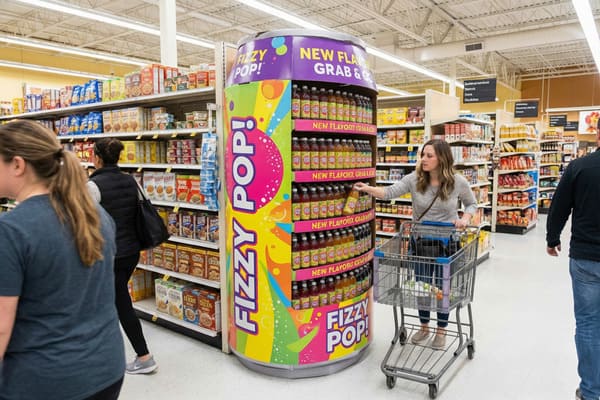
Retail spaces are becoming increasingly crowded, and getting your product noticed by shoppers is harder than ever. If you are struggling to stop customers in the aisles, you might be missing a crucial marketing tool.
A point of purchase (POP) display is a specialized marketing fixture located where purchase decisions are made, distinct from standard aisle shelving. These displays utilize structural design and graphics to highlight products, separate brands from competitors, and encourage impulse buying in high-traffic retail environments like checkout counters or end-caps.
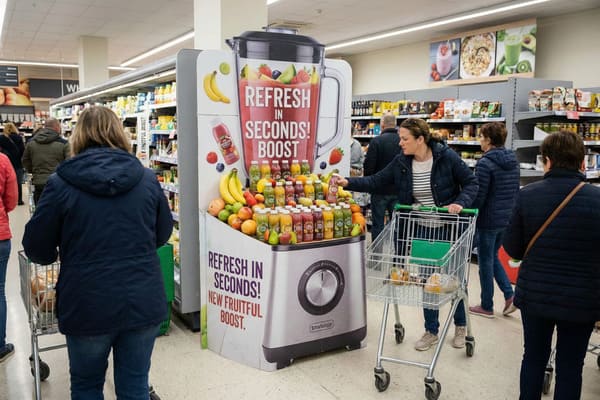
Understanding the mechanics of these displays is the first step to boosting your sell-through rates and securing prime retail real estate. Let's look at the specific definitions and functions that make this strategy work.
What is a point of purchase display?
Many brands launch great products that fail simply because they blend into the background of crowded shelves. You need a strategy to stand out physically and visually, not just digitally.
A point of purchase display is a freestanding or attached marketing unit designed to hold products outside of traditional warehouse shelving. It serves a dual purpose: stocking inventory and acting as a billboard for the brand. Commonly made from corrugated cardboard, these displays are temporary, cost-effective, and highly customizable for promotions.
The Strategic Function of POP in Retail
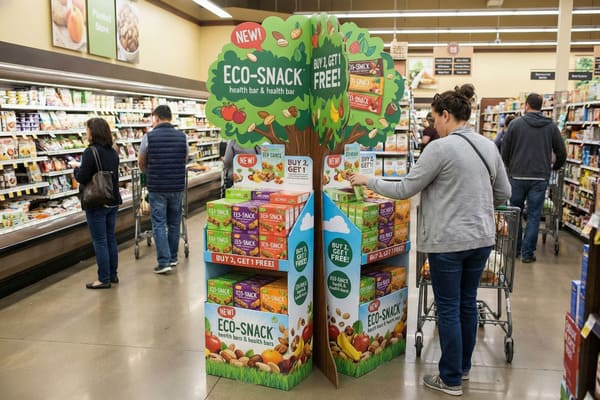
A point of purchase display1 is far more than just a cardboard box that holds inventory. It acts as a "silent salesman" in the retail environment. When we analyze the structure of a POP display, we have to look at it from both a marketing and an engineering perspective. In the current market, floor displays alone account for a massive share of the industry, estimated at over 43% in some reports. This is because they offer a high visual impact that standard shelving cannot match. The primary material used is corrugated cardboard because it allows for rapid prototyping and easy shipping. However, the engineering behind it is complex.
To meet the standards of major retailers like Costco or Walmart, these displays must undergo rigorous testing. They need to support heavy weights—sometimes up to 50 pounds per shelf—without buckling. This requires selecting the right paper grade and flute type, such as BC-flute for heavy loads or E-flute for high-quality printing surfaces. Furthermore, as sustainability2 becomes a priority, the industry is shifting toward 100% recyclable materials. Brands are now demanding that these units are not only strong but also environmentally friendly. If a display collapses in a store, it is not just a safety hazard; it results in the immediate removal of your product from the sales floor. Therefore, the definition of a POP display includes a requirement for structural integrity equal to its visual appeal.
| Feature | Cardboard POP Display | Metal/Permanent Display |
|---|---|---|
| Cost Efficiency3 | High (Low initial investment) | Low (High initial investment) |
| Lead Time | Fast (10-15 days production) | Slow (45-60 days production) |
| Customization | Easy to cut, fold, and print | Difficult and expensive to modify |
| Sustainability4 | High (Recyclable/Biodegradable) | Moderate (Harder to recycle) |
| Lifespan | Short-term (Promotional) | Long-term (Year-round) |
I understand that durability is a massive concern for buyers, especially when shipping heavy items like hunting gear or beverages. That is why I enforce a strict protocol where we perform load-bearing tests before mass production begins. I do not allow a design to leave my factory until I am certain it can survive the supply chain and look perfect on the retail floor.
What do you mean by point of purchase?
The term gets thrown around in marketing meetings, but the exact definition often confuses people. Misunderstanding the specific location intent can lead to poor placement strategies and wasted budget.
Point of purchase refers to the specific physical location where a customer decides to buy a product and the transaction occurs. While it often overlaps with the checkout area, it encompasses any zone in a store where a shopper interacts with a promotional display, effectively turning a browsing moment into a buying action.
Deciphering the "Point" in Purchase Decisions
The concept of "Point of Purchase5" is often confused with the time of payment, but it is actually about the "zone of decision." In retail psychology6, this zone is critical. It is the physical space where a consumer shifts from browsing to buying. This can happen at the entrance of a store, in the middle of a wide aisle (known as the "action alley" in stores like Walmart), or right next to the cash register. The location dictates the design. A display placed in the center of an aisle needs to be visible from 360 degrees, whereas a display at the end of an aisle (End Cap) only needs to face one way but must be sturdy enough to withstand cart traffic.
We are seeing a massive growth in demand for these solutions in the Asia-Pacific region, driven by retail expansion, but the principles remain consistent globally. The goal is to disrupt the shopper's journey. If a customer is walking to the back of the store for milk, a "point of purchase" occurs when they stop halfway to grab a promotional item from a display stand. This interruption is intentional. It requires bold graphics and clear pricing. The "point" is not static; it moves based on where you place your assets. For brands, this means the packaging must do the heavy lifting. The colors must be consistent with your brand identity to build trust instantly. If the red on your display does not match the red on your product box, the customer might hesitate, and you lose the sale.
| Location Zone | Recommended Display Type | Primary Goal |
|---|---|---|
| Store Entrance | Pallet Display7 | Bulk sales and high volume |
| Main Aisle | Floor Stand / Dump Bin | Disrupt traffic and show new items |
| Shelf Section | Shelf Talker / Clip Strip | Cross-sell related items |
| Checkout Line | Counter Display | Impulse buy8 (low price point) |
We advise our clients to map out their retail environment before we even start the design process. I always ask my team to look at the specific lighting and space constraints of the target retailer. By doing this, we ensure that the customized solution we provide fits the exact "point" where your customer is most likely to say yes.
What is the meaning of POS display?
You might hear POS and POP used interchangeably, which creates communication gaps with suppliers. Knowing the subtle difference ensures you get the right hardware for your campaign.
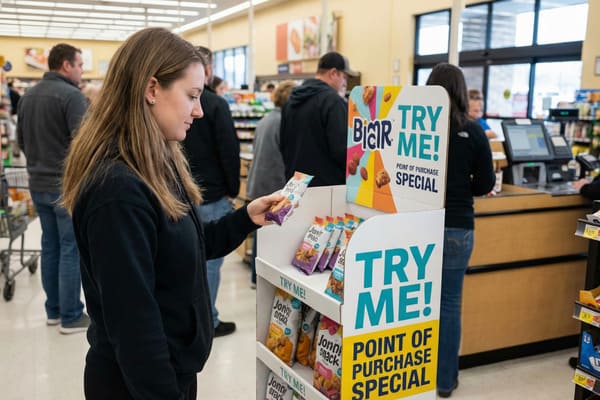
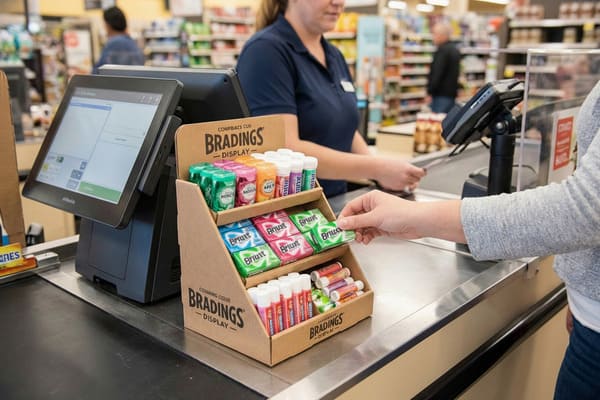
POS stands for Point of Sale, and while related to Point of Purchase, it specifically targets the actual transaction area, such as the cash register. A POS display is typically smaller, housing items like gum, batteries, or small accessories, designed to capture the final impulse buy while the customer is waiting to pay.
Distinguishing POS from the Broader POP Landscape
The distinction between POS (Point of Sale9) and POP (Point of Purchase) is largely about real estate and product size. POS displays are the final barrier between the customer and the exit. Because counter space at a checkout is the most expensive real estate in the store per square inch, these displays must be compact and highly efficient. They are typically used for small, low-cost items that trigger an "Oh, I need that too" reaction. Think of lip balms, batteries, or single-serve snacks. Unlike floor displays, POS units often come pre-packed (PDQ – Pretty Darn Quick) so that store staff can simply open the box and place it on the counter.
From a manufacturing standpoint, POS displays require extreme precision. They are closer to the customer's eye level, meaning print quality must be flawless. Any imperfection in the litho-lamination or die-cutting is immediately visible. Furthermore, stability is a challenge. A tall, narrow counter display can easily tip over if not weighted correctly or designed with a wide enough base. We also have to consider the cashier. If the display blocks their view or makes it hard to scan items, they will throw it away. Therefore, the structural design must be unobtrusive yet eye-catching. The trend is moving towards "smart" POS displays that might include QR codes, but the foundation remains a solid, well-printed cardboard structure that maximizes the limited space available.
| Attribute | POS Display (Point of Sale10) | POP Display11 (General) |
|---|---|---|
| Location | Checkout Counter / Cash Wrap | Aisles, End caps, Entrances |
| Size | Small / Compact | Large / Freestanding |
| Product Type | Small items (Candy, Gum, Accessories) | Large items (Toys, Beverages, Electronics) |
| Interaction Time | Seconds (While waiting) | Minutes (While browsing) |
I know that shipping air is expensive, so I focus heavily on smart structural design for POS units. We engineer our counter displays to fold flat for shipping but pop up instantly for the retailer. My design team tests the assembly time to ensure it takes less than a minute, guaranteeing that store clerks actually use the display rather than discarding it.
Which of the following is an example of a point of purchase display?
Choosing the right format for your product can be overwhelming with so many options available. Selecting the wrong type can result in damaged goods or rejected shipments from retailers.
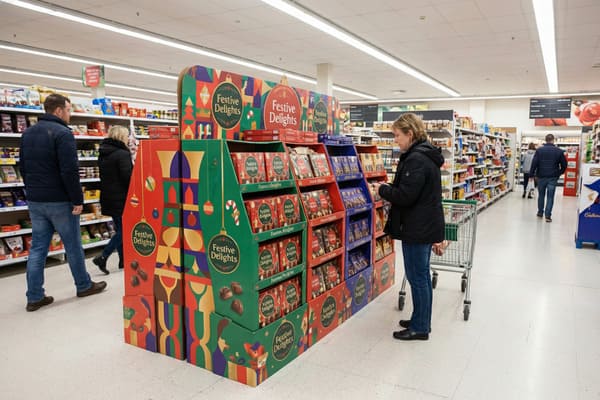
Common examples of point of purchase displays include floor stands, counter display units (CDUs), dump bins, pallet displays, and end-cap features. A specific example is a corrugated floor stand used in grocery stores to hold seasonal items like chocolate or promotional electronics, often positioned in the main aisle to disrupt traffic flow.
Navigating the Spectrum of Display Formats
When you look at the Cardboard Display industry, the variety of options is driven by specific retail needs. The most dominant type is the Floor Display12. As noted in industry insights, this category captures a significant market share because it acts as a standalone destination. For heavy products, like cases of soda or even hunting equipment, we often use Pallet Displays13. These are built directly onto a shipping pallet, allowing forklifts to move them straight to the sales floor. This reduces labor for the retailer, making them more likely to accept your promotion.
Another crucial example is the Countertop Display (CDU). These are essential for smaller retail footprints or gas stations. Then we have Dump Bins, which are used for loose items like discount DVDs or socks, encouraging a "treasure hunt" mentality. Less obvious examples include Sidekicks (or Power Wings), which hang off the side of existing metal shelving, utilizing wasted air space. The choice of display depends entirely on the product's weight and the retailer's guidelines. For instance, a fragile cosmetic product needs a display with internal dividers and tiered shelving to prevent damage, whereas a bag of dog food just needs a robust bin. The trend is also moving toward Interactive Displays that might incorporate digital elements, but the core demand remains for strong, well-printed cardboard structures that are easy to assemble.
| Display Type | Best Application | Structural Key Point |
|---|---|---|
| Floor Stand | New product launches, high visibility | Needs strong internal support bars |
| Pallet Display14 | Big box stores (Costco/Sam's Club) | Must fit standard pallet dimensions |
| Dump Bin15 | Clearance items, irregular shapes | High wall strength to prevent bursting |
| Sidekick / Wing | Cross-merchandising | Needs compatible hooks for store shelving |
We use advanced 3D rendering software to help our clients visualize exactly which type of display suits their product best. I personally oversee the prototyping phase to ensure that if a client chooses a Floor Stand, it can handle the rigorous vibration and compression of transit without collapsing.
Conclusion
The world of Point of Purchase displays is vast, but understanding the difference between POP and POS, and selecting the right format, is key to retail success. Whether you need a heavy-duty pallet display or a precise counter unit, the goal is always to drive sales through visibility. With the market growing and trends shifting toward sustainable, customized solutions, now is the time to refine your in-store strategy.
Understanding POP displays can enhance your retail strategy, making your products more appealing and increasing sales. ↩
Exploring sustainability in retail displays can help you align with consumer values and improve your brand's image. ↩
Understanding cost efficiency can help businesses make informed decisions on display marketing investments. ↩
Exploring sustainability in advertising can guide brands towards eco-friendly practices and enhance their market appeal. ↩
Understanding the Point of Purchase can enhance your marketing strategies and improve sales by optimizing consumer decision-making. ↩
Exploring retail psychology can provide insights into consumer behavior, helping you design better shopping experiences and increase conversions. ↩
Explore how Pallet Displays can boost bulk sales and attract more customers to your store. ↩
Learn effective strategies to enhance impulse buying at checkout lines and maximize profits. ↩
Explore this link to understand the essential features of POS systems and how they enhance retail efficiency. ↩
Understanding Point of Sale systems can enhance your retail strategy and improve customer experience. ↩
Exploring POP Display benefits can help you optimize product visibility and boost sales effectively. ↩
Explore how Floor Displays can enhance visibility and sales in retail environments, making them a key investment for promotions. ↩
Learn about the advantages of Pallet Displays in streamlining product movement and reducing labor costs for retailers. ↩
Explore this link to learn effective strategies for maximizing sales with Pallet Displays in big box stores. ↩
Discover tips on using Dump Bins to boost sales of clearance items and manage irregular shapes effectively. ↩