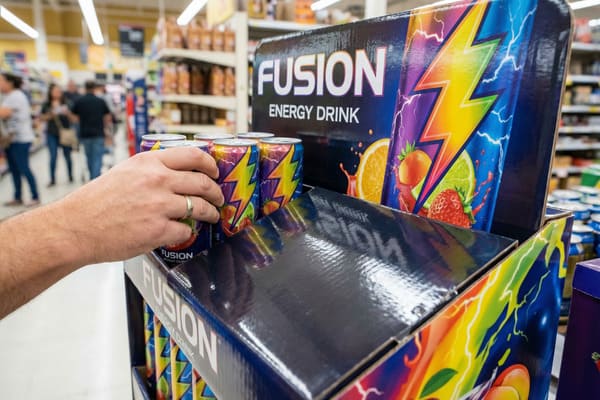
Dull packaging gets ignored on crowded retail shelves. You need your colors to pop, but standard printing falls flat. Gloss lamination solves this visibility problem instantly.
Gloss lamination is a finishing process that applies a clear, shiny plastic film over printed materials. This 0.001 inch (0.025 mm) protective layer enhances color vibrancy, increases structural durability, and repels moisture, extending the lifespan of packaging and displays in high-traffic retail environments globally.
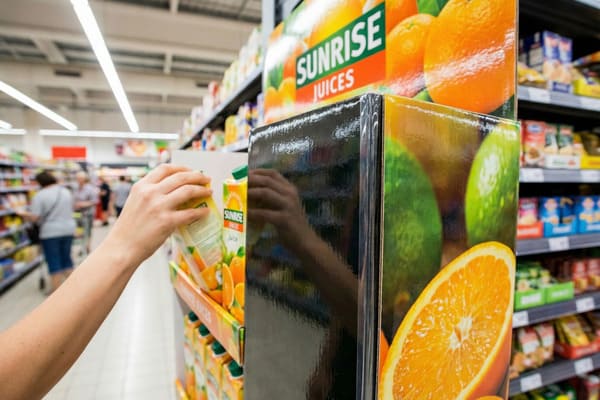
But before you just tell your designer to "make it shiny," we need to look at how this thin layer of plastic actually behaves on the factory floor and in the store. Let me show you what really happens when paper meets polymer.
Which is better, glossy or matte lamination?
Choosing the wrong finish ruins your brand image. Gloss reflects harsh store lights, while standard matte scratches easily. Picking the winner depends entirely on your retail environment.
Glossy lamination is better for vibrant, high-energy designs requiring moisture resistance, while matte lamination is better for luxury packaging demanding an elegant, non-reflective aesthetic. The optimal choice depends strictly on the specific lighting conditions, handling frequency, and premium brand positioning required for the product.
The Retail Lighting and Handling Reality
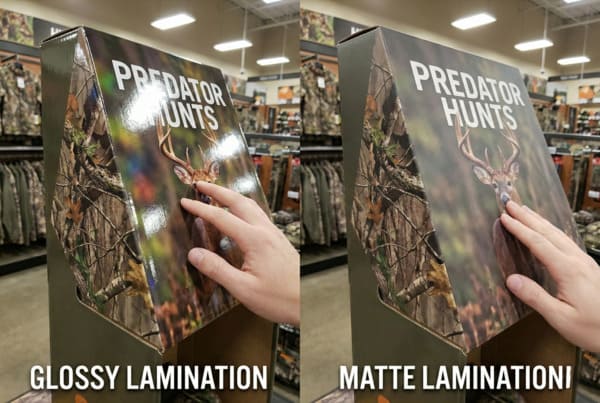
I see this debate every week. A client from New York insisted on standard matte lamination for a heavy floor display going into a big-box retailer. I told them it was a bad idea. They thought they could save $0.50 per unit while keeping a "premium" look. I refused to print it that way because standard matte is a nightmare for logistics. It shows every single fingerprint, scuff, and scratch from the warehouse workers assembling it. By day two in a high-traffic store, it looks dirty and used.
If you want matte, you have to upgrade to Anti-Scuff Matte PP1, which costs more. Gloss lamination, on the other hand, is bulletproof. The high-tension polymer film2 repels dirt and handles friction beautifully. But gloss has its own enemy: glare. If you put a high-gloss display right under the harsh fluorescent ceiling lights in a US supermarket, the glare creates a "whiteout" effect on the top header card. Shoppers literally can't read your brand name. So, here is the shop floor rule. Use gloss for impulse buys, kids'toys, and grocery items where you need the colors to scream from the aisle. Use anti-scuff matte for high-end electronics or cosmetics where you want the customer to feel a velvet-like texture. It's not about which is objectively better. It's about matching the physics of the film to the physics of the retail store.
| Feature | Gloss Lamination | Anti-Scuff Matte Lamination |
|---|---|---|
| Visual Effect | High contrast, deep color saturation3 | Softened colors, elegant, zero glare |
| Durability | Excellent scratch and moisture resistance | High scratch resistance (if anti-scuff)4 |
| Best Retail Use | Grocery, toys, FMCG, humid environments | Cosmetics, electronics, luxury goods |
| Fingerprint Risk | Very Low | Low (High on standard matte) |
I always run a friction test in my factory before mass production. If your displays are going into a chaotic warehouse environment, gloss is your safest shield. If you demand matte for that luxury feel, ask me for the anti-scuff video proof so you know it survives shipping.
What is lamination gloss?
You think it is just shiny ink, but it is actually structural engineering. Understanding the physical makeup of this layer prevents massive production failures down the line.
Lamination gloss is a thin, transparent polypropylene film bonded thermally to printed paperboard. This 0.0005 to 0.001 inch (0.012 to 0.025 mm) plastic coating creates a highly reflective surface that seals the underlying ink, preventing scuffing, color fading, and moisture penetration during transport and retail display.
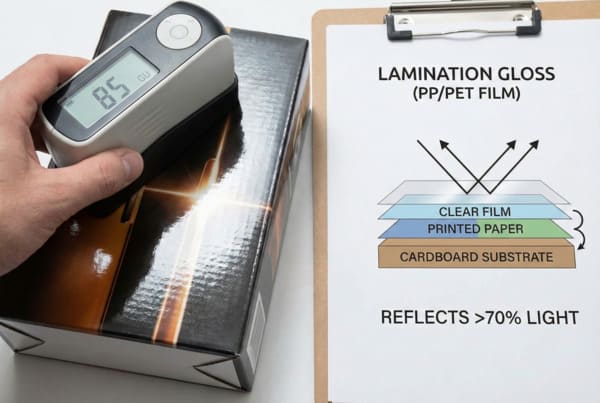
The Polymer Physics on Corrugated Board
Lamination gloss is not a liquid coating you spray on. It is a solid sheet of plastic film. We use BOPP (Biaxially Oriented Polypropylene) film5, running it through massive heated rollers that melt the adhesive side directly into the paper fibers. I learned this the hard way years ago. Last summer, a batch of displays started peeling in a hot Arizona truck because the standard glue melted under 120°F (48°C) heat. The film bubbled up like a bad sunburn. It drove me crazy, and I had to scrap 500 units.
That is why the thermal bonding process has to be perfect. The gloss film literally changes the structural physics of the cardboard. It acts like a tension wire. When you apply gloss film to the outside of a 32ECT B-Flute board, it increases the burst strength. But there is a trap here. When my ArtiosCAD engineers set up the cutting files, they have to carefully account for where this plastic film folds. If you fold a thick piece of corrugated board that is covered in heavy gloss film, the tension causes the plastic to crack right at the score line. It splinters and looks terrible. To stop this, we adjust the creasing matrix pressure6 specifically for laminated boards. The film has to stretch slightly without snapping, giving you that perfect, shiny, unbroken corner on your retail trays.
| Specification | BOPP Gloss Film | Liquid UV Coating (Alternative) |
|---|---|---|
| Material Type | Solid Plastic Sheet (Polypropylene)7 | Cured Liquid Polymer |
| Protection Level | Maximum (Tear and moisture proof) | Medium (Prone to cracking on folds) |
| Application Method | Thermal/Pressure Roller | Silk Screen or Roller + UV Light |
| Structural Impact | Adds tensile strength to the board | Zero structural strength added |
Do not let a supplier sell you cheap liquid UV when you paid for true film lamination. I send physical white samples with the actual thermal film applied so you can try to tear it yourself. It should stretch, not snap. That is the proof of proper bonding.
Is gloss laminate more expensive?
Margins are tight, and every penny counts in wholesale packaging. Adding a plastic film obviously costs money, but skipping it might cost you even more.
Yes, gloss laminate is more expensive than standard aqueous coating, typically adding 10 to 15 percent to the total unit cost. This price increase covers the raw polypropylene film material and the additional thermal processing time required on the manufacturing line to bond the plastic properly.
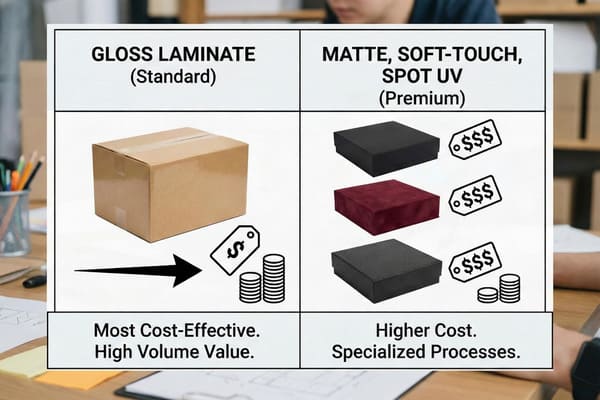
The Hidden Cost of Skipping Lamination
Buyers always ask me to cut costs. They see the quote, see the 15% bump for gloss PP lamination, and say to just use the free water-based varnish instead. Clients hate hearing this, but that is a rookie mistake if you are shipping cross-country. Let's talk about the litho-cracking phenomenon8.
If you ship an unlaminated display with heavy dark ink from my humid factory in Shenzhen to a dry distribution center in Nevada, the paper dries out. During transit, the vibrations of the truck cause the products inside the display to rub against the raw ink. Without the gloss laminate barrier, the ink rubs off onto your actual product packaging. Even worse, the fold lines will crack wide open, exposing the white paper underneath. You just saved a few cents on the display, but now your brand looks like trash in Walmart.
Gloss laminate is an insurance policy. Yes, the raw BOPP film costs me more to buy, and running the laminating machine consumes more electricity and time. But you get that money back in the safety factor. When the store floor gets mopped, the mop water splashes against the bottom 4 inches of the display. Raw cardboard wicks that dirty water up instantly. A gloss laminated kick-plate acts as a shield, keeping the base rigid. So, is it more expensive upfront? Yes. Is it cheaper than having a store manager throw your collapsed display in the dumpster? Absolutely.
| Coating Option | Upfront Cost | Durability/Risk Profile | Best For |
|---|---|---|---|
| Aqueous Coating (AQ)9 | Included (Lowest) | Low (Prone to scuffing and cracking) | Short-term promos, dry climates |
| UV Coating | Medium | Medium (High gloss, but brittle on folds) | Flat header cards, non-folded parts |
| Gloss PP Lamination10 | Highest (+10-15%) | Maximum (Tear-proof, water-resistant) | Heavy floor displays, long transit |
I calculate the exact return on investment for my clients. Spending a little extra on gloss film prevents the dreaded soggy bottom and shipping scuffs. If your budget is incredibly tight, I will engineer the design to only laminate the high-risk base, saving you money where it counts.
What is a gloss lamination sticker?
Sometimes you need a quick fix for an outdated display. Printing an entirely new unit takes weeks, but applying a high-quality sticker updates your branding instantly.
A gloss lamination sticker is an adhesive-backed paper or vinyl decal coated with a shiny protective polypropylene film. The gloss lamination protects the sticker from ultraviolet light, moisture, and abrasion, ensuring the printed colors remain vibrant and intact when applied to retail displays or product packaging.
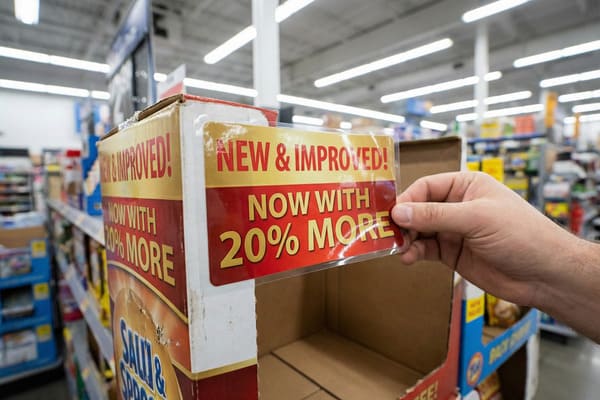
The "Cover-Up" Strategy in Retail
I deal with panic calls from US buyers all the time. Imagine this scenario. You printed 5,000 pallet displays, they just landed at the Long Beach port, and your marketing team realizes the price promotion printed on the header card is legally wrong. You cannot throw away 5,000 displays. This is where the gloss lamination sticker11 becomes your best friend.
We call this the cover-up strategy12. You print a high-tack adhesive sticker with the corrected information and slap it over the old text. But here is the critical factory rule. The finish of the sticker must exactly match the finish of the display. If your display has a gloss laminate finish, your correction sticker must also be a gloss lamination sticker. If you use a cheap, uncoated paper sticker, it will peel off in a humid Florida warehouse in three days, or it will look like a cheap patch job. The gloss film on the sticker gives it the exact same specular gloss reflection as the main board, hiding the mistake completely. Also, standard stickers get destroyed by pallet strapping tape. A gloss laminated sticker resists the tape pull, so when the store staff unpacks the pallet, your emergency price correction stays locked in place, looking like it was printed there originally.
| Sticker Type | Reflection Match | Durability against Handling | Cost Impact |
|---|---|---|---|
| Uncoated Paper | Matte/Dull | Fails instantly in humidity13 | Very Low |
| Standard Vinyl | Medium Sheen | Good, but susceptible to scratches | Medium |
| Gloss Laminated | High Gloss (Matches display) | Bulletproof, resists pallet tape14 | High |
Do not let a typo ruin your entire Q4 launch. I always keep high-tack gloss laminated sticker stock in my factory for these exact emergencies. We print the correction, apply it perfectly over your header cards before shipping, and your retail buyers never know the difference.
Conclusion
Gloss lamination is the armor your packaging needs to survive brutal supply chains and chaotic retail floors. Stop guessing on technical specs. Contact us to Get an Instant Quote and secure your retail presence.
Learn why Anti-Scuff Matte PP is the preferred choice for premium displays that need to withstand handling and maintain a clean, high-end appearance. ↩
Discover how high-tension polymer film in gloss lamination protects displays from dirt and friction, ensuring durability in high-traffic retail environments. ↩
Learn how high contrast and deep color saturation can enhance your product's shelf appeal and attract more customers in competitive retail environments. ↩
Discover why high scratch resistance is crucial for maintaining a premium look and feel, especially for luxury goods and electronics packaging. ↩
Learn more about BOPP film, its properties, and why it's a preferred choice for lamination in packaging to ensure durability and gloss. ↩
Understanding creasing matrix pressure is crucial for preventing cracks in laminated boards, ensuring high-quality, flawless packaging results. ↩
Learn why Solid Plastic Sheet (Polypropylene) is a preferred material for packaging due to its durability and protective qualities. ↩
Understanding the litho-cracking phenomenon helps you avoid costly damage to your packaging and maintain your brand's professional appearance during shipping. ↩
Learn more about Aqueous Coating (AQ) to understand its cost-effectiveness and suitability for short-term promotional materials. ↩
Discover why Gloss PP Lamination is ideal for heavy-duty displays and products requiring maximum durability and water resistance. ↩
Learn how gloss lamination stickers provide a seamless, durable correction for retail displays, ensuring your brand looks professional and compliant. ↩
Discover how the cover-up strategy can save you from costly mistakes by allowing quick, effective corrections without reprinting thousands of displays. ↩
Learn which sticker materials are best for humid environments to avoid stickers failing instantly and ensure your labels last longer. ↩
Discover why certain sticker materials resist pallet tape, ensuring your labels stay intact during shipping and handling. ↩