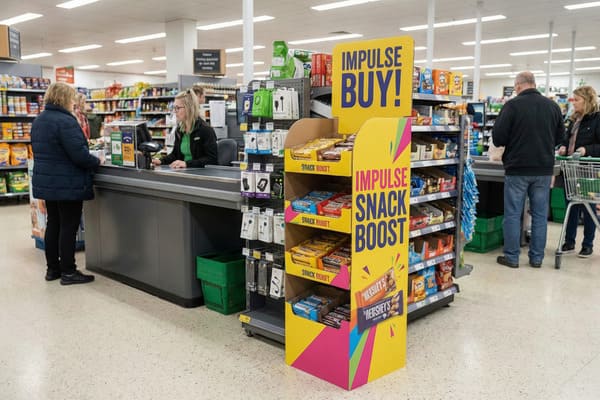
Are you struggling to get your products noticed in crowded retail stores? You have a great product, but without visibility, sales stagnate. Let's change that today.
A Point of Purchase (POP) display is a specialized marketing fixture placed near items effectively promoting products where purchase decisions happen. These structures, often made of corrugated cardboard, increase brand visibility, separate items from competitors, and encourage impulse buying in high-traffic retail areas.
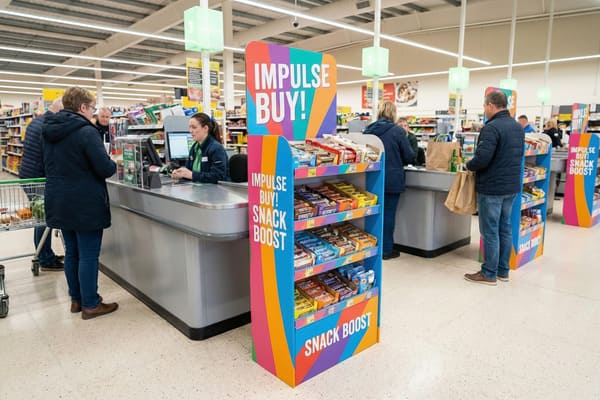
Understanding these displays is the first step to boosting your retail strategy. Let's break down exactly what they are and how they function.
What is a point of purchase display?
Retail floors are competitive battlegrounds where brands fight for attention. If your packaging blends in, you lose money. A strategic display solves this visibility problem instantly.
A point of purchase display is a physical marketing tool located in retail stores designed to highlight specific products. It stands apart from standard shelving, often utilizing floor stands, counter units, or pallet displays to attract consumer attention, convey brand messages, and drive immediate sales uplift.
The Structural Anatomy and Market Impact
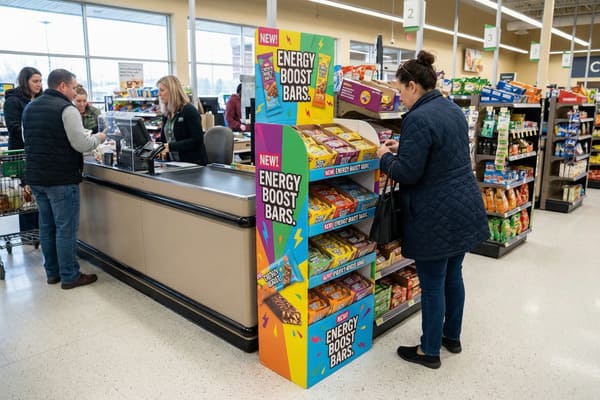
The definition of a POP display goes far beyond a simple box holding merchandise. It represents a strategic interruption in the shopper's journey, designed to break the monotony of the retail aisle. In the fast-moving consumer goods (FMCG) sector, these units are critical for survival. We see a clear trend where Floor Displays1 dominate the landscape, holding over 43 percent of the market share because of their direct visual impact and ability to hold large volumes of stock. When we look at the global market trajectory, the display packaging sector is projected to grow significantly, reaching approximately USD 41.7 billion by 2035. This growth is not just about putting product on cardboard; it is about engineering a structure that survives the rigorous supply chain while meeting strict retailer compliance.
For a brand selling outdoor gear or heavy food items, the display must hold specific weights without failure. For instance, a standard floor unit often needs to support 20kg per shelf without bowing or collapsing. Major retailers like Costco or Walmart have strict height and footprint rules that manufacturers must adhere to. If your pallet display exceeds standard dimensions like 48×40 inches, it might be rejected at the distribution center. Furthermore, the industry is shifting rapidly toward sustainability2. Brands are now demanding 100 percent recyclable materials to meet consumer expectations for green packaging. This evolution means the physical makeup of these displays must be robust yet eco-friendly, utilizing high-strength corrugated board that can be easily recycled after the promotion ends.
| Display Type | Primary Location | Typical Weight Capacity | Key Use Case |
|---|---|---|---|
| Floor Display | Main Aisles / End Caps | High (15-30kg per shelf) | High-volume product launches, seasonal promos.3 |
| Pallet Display | Open Floor Space | Very High (50kg+ total) | Bulk items, Costco/Club store environments.4 |
| Counter Display | Checkout / Service Desk | Low (2-5kg total) | Small impulse items, cosmetics, candy. |
| Shelf Talker | Existing Retail Shelves | Negligible | Highlighting price or brand on standard shelves. |
I know that balancing structural integrity with strict retailer guidelines is difficult for many buyers. We run three dedicated production lines to ensure every unit meets load-bearing tests before mass production. I provide free 3D renderings and prototypes so you can verify the design fits your product perfectly before committing to an order.
What is the meaning of POS display?
Many buyers confuse POS with POP, leading to communication errors with suppliers. Knowing the precise difference ensures you get the right fixture for your sales goals.
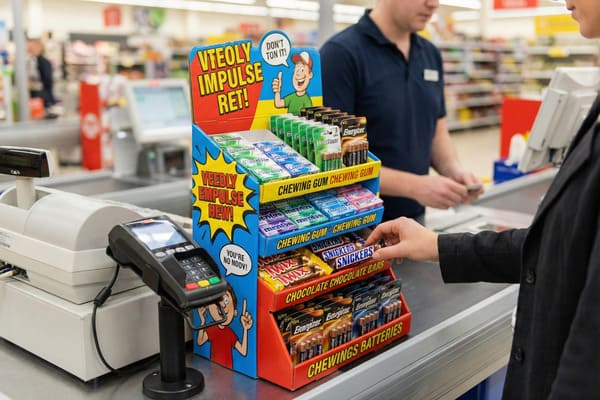
POS stands for Point of Sale, referring specifically to the area where the actual transaction occurs, such as the checkout counter. A POS display is a smaller, high-impact unit placed here to trigger last-minute impulse purchases of smaller items like gum, batteries, or accessories.
Differentiating Transaction Zones from Browse Zones
The distinction between POS (Point of Sale) and POP (Point of Purchase) is often blurred, but it is vital for manufacturing and placement strategy. POS refers specifically to the transactional zone5—the cash register or checkout line. Displays here must be compact, highly organized, and visually arresting. We often call these countertop displays or PDQs (Pretty Darn Quick). The engineering focus here is on small footprints because counter space is the most expensive real estate in a store. A typical POS unit might only measure 12 inches by 8 inches to fit near a register. It targets impulse purchases like small electronics, confectionary, or batteries—items the shopper did not plan to buy but grabs while waiting.
In contrast, POP covers the entire store layout. While a floor display interrupts the aisle walk, the POS display6 captures the waiting customer. Security is also a major factor here; POS displays often need anti-theft designs or distinct compartments for higher-value items to prevent "shrinkage." Material choice for POS often involves high-quality corrugated board with high-resolution litho-lamination. This is because the customer is viewing the display from a very short distance, usually less than two feet, while waiting to pay. Any printing flaw or rough edge is immediately visible. Therefore, the print finish and die-cut precision must be flawless to maintain brand prestige right at the moment of payment. The goal is to increase the average ticket size by adding one small item to the cart at the last second.
| Feature | POS Display (Point of Sale7) | POP Display (Point of Purchase8) |
|---|---|---|
| Location | Checkout counters, cash registers. | Aisles, end caps, store entryways. |
| Target Behavior | Impulse buy while waiting. | Planned or discovery purchase while browsing. |
| Size Constraints | Strict; must be small and compact. | Flexible; can be large floor stands. |
| Product Type | Small items (gum, batteries, lip balm). | Larger items (cereals, toys, beverages). |
I understand that color consistency and precise die-cutting are non-negotiable for these high-visibility counter units. We use advanced digital printing technology to ensure your brand colors match exactly from the design file to the final cardboard unit. I guarantee that my team will handle the intricate structural design to maximize your limited counter space effectively.
What are the disadvantages of pop displays?
While effective, cardboard displays are not without risks. Ignoring potential durability or moisture issues can lead to collapsed stock and wasted marketing budgets.
The main disadvantages of POP displays include limited durability compared to metal or wood, susceptibility to moisture damage, and potential stability issues if overloaded. They are generally designed for short-term promotions and may require careful assembly to ensure they do not collapse under product weight in retail environments.
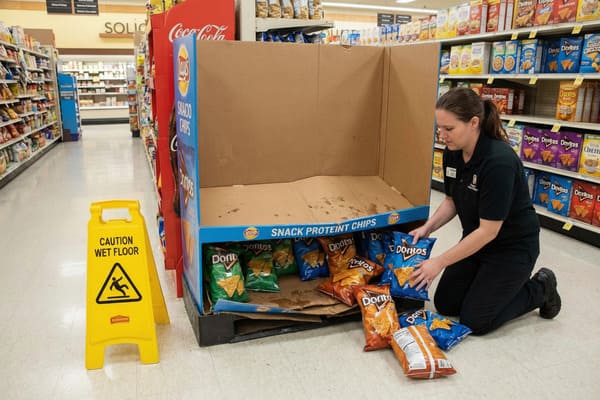
Mitigating Material Vulnerabilities and Logistics Risks
Despite the cost benefits, cardboard POP displays9 have inherent physical limitations that buyers must proactively manage. The most significant drawback is durability against environmental factors. Standard corrugated board absorbs moisture easily. In a retail environment, if floors are mopped or if the store is humid, moisture can wick up from the bottom, creating a "soggy" effect at the base. This often leads to structural collapse, which is a disaster for heavy products like beverages or tools. Furthermore, the supply chain10 poses a constant threat. If the packing is not optimized, displays can arrive damaged before they even reach the floor. We see data suggesting that improper palletization causes significant financial losses due to crushed corners or torn headers.
Another major pain point is assembly. If a display arrives flat-packed with complex, origami-like instructions, store staff may assemble it incorrectly or, in busy scenarios, discard it entirely. This "execution gap" means your marketing investment never actually sees the customer. From a material standpoint, single-wall board is often insufficient for heavy loads, yet some suppliers use it to cut costs. You need to understand fluting profiles; using a B-flute when an EB-double wall is required will result in failure. Additionally, fluctuating raw material costs, like pulp prices, can affect your profit margins unexpectedly. The key is ensuring the engineering matches the lifecycle duration of the promotion. A display meant to last three months needs different engineering than one meant for two weeks.
| Risk Factor | Cause | Consequence | Prevention Strategy |
|---|---|---|---|
| Moisture Damage11 | Mops, humidity, spills. | Structural collapse at the base. | Use waterproof mops guards or plastic clips. |
| Assembly Failure | Complex design, poor manual. | Store staff discards the display. | Pre-assembled shipping or simplified "pop-up" designs. |
| Transit Damage12 | Weak outer carton, stacking. | Crushed headers or shelves. | Reinforced packaging and drop-testing samples. |
| Weight Overload | Wrong cardboard grade. | Shelves bow or break. | Use double-wall (EB flute) or metal support bars. |
I have seen too many brands suffer from collapsed displays due to poor material choices by other suppliers. We conduct rigorous load-bearing tests and use reinforced double-wall structures for heavier items to prevent this. I also focus heavily on flat-pack design optimization to ensure your displays arrive safely and are easy for store staff to assemble.
What does point of purchase mean?
To master retail marketing, you must grasp the broader concept of the "point of purchase." It is more than a location; it is the critical moment of decision.
Point of purchase refers to the time and place where a retail transaction is completed or a customer decides to buy. It encompasses the physical environment, marketing materials, and displays that surround the consumer at that critical decision-making moment, influencing behavior through strategic product placement and visual messaging.
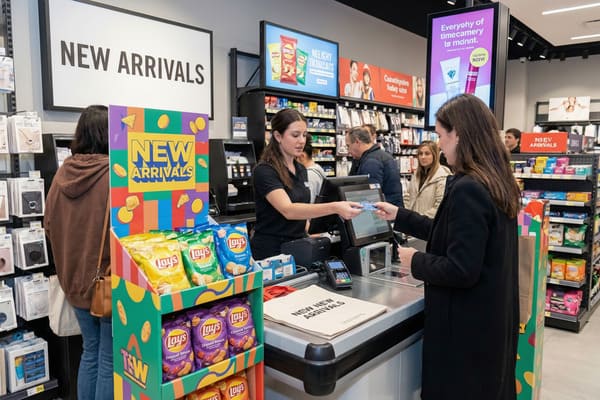
Strategic Influence in the Retail Environment
The "Point of Purchase13" is a psychological and physical intersection. It is the exact moment a browser becomes a buyer. Historically, this was a static concept, but it is evolving rapidly. Today, the meaning extends to the integration of physical and digital experiences. We are seeing a rise in "smart" displays equipped with QR codes, NFC tags, or IoT sensors that allow shoppers to access product data or augmented reality (AR) experiences via their smartphones. This appeals strongly to Gen Z consumers who value interactivity and transparency. The market in regions like North America and the growing Asia-Pacific sector is driven by this need for deeper engagement.
The definition also now includes the environmental footprint. A true point of purchase strategy in 2025 involves a closed-loop system. It is not just about selling; it is about how the display retires. Is it 100 percent recyclable? Does it use water-based inks? Retailers are pushing back on waste, so the "meaning" of these displays now includes their end-of-life cycle. Brands utilizing this concept effectively are seeing higher conversion rates because they align visual impact with modern consumer values like eco-consciousness14 and tech integration. The point of purchase is no longer just a shelf; it is a media channel that communicates brand values, sustainability, and product benefits simultaneously.
| Aspect | Traditional Concept | Modern Meaning (2025+) |
|---|---|---|
| Function | Hold product. | Engage customer, provide data, sell product.15 |
| Interaction | Passive / Visual only. | Interactive / Digital (QR, AR, NFC). |
| Material | Mixed materials (Plastic/Cardboard). | Sustainable / Monomaterial (100% Recyclable).16 |
| Driver | Price and availability. | Experience, sustainability, and brand story. |
I believe that a modern display must do more than just hold products; it must tell a sustainable brand story. We offer customization that includes eco-friendly materials and smart design structures to help you connect with modern consumers. I am committed to providing solutions that align your brand with these evolving retail standards while keeping costs low.
Conclusion
Point of purchase displays are essential tools for driving sales and enhancing brand visibility. By choosing the right structure and partner, you turn passive shoppers into loyal buyers.
Explore how Floor Displays can enhance visibility and sales in retail environments, making them essential for effective merchandising. ↩
Discover the latest trends in sustainable packaging design and how they can benefit your brand and the environment. ↩
Understanding these concepts can enhance your marketing strategies and boost sales during peak times. ↩
Learn best practices for displaying bulk items to maximize visibility and sales in high-traffic retail settings. ↩
Understanding the transactional zone can enhance your retail strategy, optimizing customer experience and boosting sales. ↩
Exploring best practices for POS displays can help you create effective marketing strategies that drive impulse purchases. ↩
Explore how Point of Sale displays can boost impulse purchases and enhance customer experience. ↩
Learn about the impact of Point of Purchase displays on planned and impulse buying decisions. ↩
Explore this link to understand the advantages and limitations of cardboard POP displays, helping you make informed purchasing decisions. ↩
This resource will provide insights into how supply chain management affects product integrity and can help you mitigate risks. ↩
Explore effective prevention strategies to protect your structures from moisture damage and ensure longevity. ↩
Learn about innovative packaging solutions to minimize transit damage and enhance product safety during shipping. ↩
Understanding the Point of Purchase can enhance your retail strategy and improve customer engagement. ↩
Exploring eco-consciousness can provide insights into modern consumer values and help align your brand with sustainability. ↩
Discover innovative strategies for packaging that enhance customer engagement and data collection. ↩
Learn about the advantages of sustainable packaging solutions that are 100% recyclable and their impact on the environment. ↩