

Visitors walk past dull displays; valuable pieces gather dust unseen. I faced the same pain until I learned how glass cases change the story.
Glass display cases protect items from dust, allow clear views, add elegance, and deter theft, but they break easily, cost more, reflect glare, and need regular cleaning.
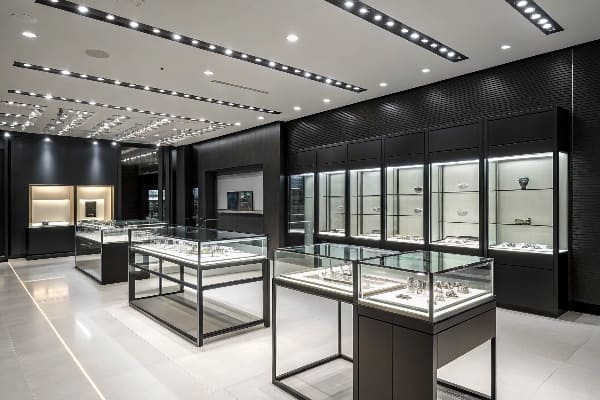
Stay with me while I unpack each question that clients ask during our cardboard display projects, and share the lessons I learned the hard way.
What are the disadvantages of glass cases?
Even the prettiest showcase can hide problems when the glass shuts. I learned that awkward truth after replacing three panels in one season.
Glass cases are heavy, fragile, expensive, prone to glare, hard to ship, and limit direct touch, making upkeep and installation harder than expected.

Weight and Handling
I once tried to move a six-foot cabinet for a trade show. Four strong staff still struggled because each tempered panel added serious mass. A single slip cracked a side wall and ripped my budget. Weight means higher freight, more labor, and metal framing that raises cost again.
Glare and Visibility
Glass looks clear in the studio but a harsh spotlight turns it into a mirror. Visitors see their own face instead of my product. I now angle lights downward and add matte vinyl strips to cut reflection, yet the fix is never perfect, and it steals my time.
Risk of Breakage
Even tempered glass1 can shatter from a sharp corner hit. I lost a full weekend when a courier dropped one crate. Insurance covered the glass, not the lost sales. Acrylic survived similar falls with only a scratch.
| Disadvantage | Impact on daily use | Quick Fix |
|---|---|---|
| Weight | Costly shipping and set-up | Modular frames, hire riggers |
| Breakage | Sudden downtime, safety hazard | Edge guards, tempered glass |
| Glare | Poor product visibility | Anti-reflective film, careful lighting |
| High cost | Strains project budget | Mix glass shelves with cheaper body |
Security and Access
Locks stop casual hands, yet staff need to open the case for demos. Reaching inside tall glass boxes is awkward. Hinges must stay flush, or fingers chip the edges. I now design rear doors so workers stand behind the unit, unseen by guests, but that adds floor depth.
Overall, disadvantages multiply when a display travels. Every border crossing, crate shake, or overnight re-stack becomes a gamble. I accept glass only when the wow effect justifies these pains.
What are the pros and cons of glass packaging?
At the factory, I bottle sample inks, so I see how glass jars charm clients yet raise shipping bills.
Glass packaging looks premium and resists chemicals but adds weight, breaks in transit, costs more energy to make, and needs careful recycling systems.

Purity and Shelf Life
Glass never leaches flavor or solvent. When I send oil-based dyes overseas, buyers trust the liquid because they can see it, and lab tests stay stable. Plastic sometimes reacts after long heat exposure, ruining the batch.
Cost, Weight, and Carbon
A one-liter glass bottle weighs about 400 grams. The same volume in a multilayer pouch is under 60 grams. Five thousand units mean a truck versus a van. Glass needs 1 500 °C furnaces and long cooling tunnels, burning more fuel than most plastics.
| Aspect | Advantage | Drawback |
|---|---|---|
| Chemical safety2 | No leaching, inert | None |
| Brand image | Premium look, clarity | Higher initial spend |
| Transport | Rigid, protects shape | Heavy, fragile |
| Recycling | Infinite re-melt | Requires separate collection |
Market Perception and Regulation
“Plastic-free3” tags lift sales for gourmet sauces. I use that angle in campaigns, yet some regions tax glass because of energy use. In California, redemption fees kick in above 24 oz containers. Check local rules early or budget shock follows.
Waste Stream Reality
Glass is 100 % recyclable4, but only if citizens sort it. In many rural counties, mixed waste goes to landfill. Broken shards contaminate paper bales. I partner with a third-party collector and add QR codes on the label that show return drop-points, but few shoppers follow through.
Choosing glass packaging is a trade. It protects product purity and brand story; it punishes logistics and emissions unless loops close tight.
Is glass or acrylic better for display cases?
When a customer argues over material, I place a glass lid and an acrylic sheet side by side; the answer is never as simple as it looks.
Glass gives superior clarity and scratch resistance, while acrylic offers lighter weight, lower cost, and safer breakage; the better choice depends on budget, mobility, and security.

Clarity and Surface Wear
Fresh acrylic5 is crystal clear, yet micro-scratches fog it within months if cleaners use rough cloths. Glass keeps optical sharpness for years. Museum curators still pick laminated security glass6 for priceless coins.
Strength and Safety
Acrylic bends, so it absorbs minor knocks. It does not shatter into knives, only large cracks. I once saw a child trip into an acrylic cube; the panel flexed, nobody bled. Glass would have broken, triggering a lawsuit.
Cost and Fabrication
Acrylic sheets cut with a scored knife or laser. My team can shape cylinders overnight. Glass needs grinding wheels, water cooling, and tempered cycles. Lead time doubles. Yet thick acrylic can cost more than thin glass when thickness exceeds 1 in.
| Factor | Glass | Acrylic |
|---|---|---|
| Weight | Heavy | Light |
| Scratch resistance | High | Medium |
| UV stability | Good | May yellow outdoors |
| Fire behavior | Does not melt | Melts, drips |
| Price per sq ft (6 mm) | Higher | Lower |
Security and Perception
Luxury brands lean toward glass because shoppers link weight with value. Acrylic signals modern tech. For a hunting-gear promotion, I used acrylic to cut freight and gave the surface a matte spray that hid wear. For high-end watches, I insisted on low-iron glass and a steel alarm lock.
Decision Map
If the display moves often, acrylic wins. If the unit stays in a flagship store, glass pays off over years. Sometimes I mix: acrylic sides and a glass front, balancing safety and sparkle.
What are the pros and cons of glass extensions?
I once sketched a glass extension for my showroom so sunlight would hit every cardboard stand; the dream brightened the room but darkened my bank statement.
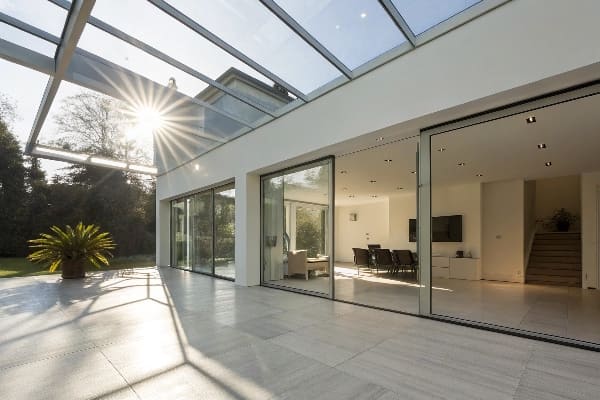
Glass extensions flood interiors with light and create seamless garden views, yet they raise heat loss, glare, cleaning tasks, and initial costs.
Light and Space Illusion
Floor-to-ceiling panes erase boundaries. Clients walk in and feel the brand expand beyond walls. My cardboard towers glow like product sculptures. Natural light cuts electricity bills on bright days and lifts mood.
Thermal Performance
In winter, that same light sneaks out as heat. Even triple-glazed units lose more warmth than brick. My HVAC numbers jumped 18 %7. Solar gain on summer afternoons pushed interior temp to 35 °C until I installed smart blinds8.
| Pros | Cons |
|---|---|
| Daylight boosts sales | Higher HVAC costs |
| Modern aesthetic | Expensive foundations |
| Indoor-outdoor flow | More surface to clean |
| Property value up | Planning permits needed |
Acoustic and Privacy Factors
Rain on glass roofs sounds poetic during the first hour and tiring after eight. Noise from nearby traffic slips through. I added laminated acoustic layers9, which lifted cost again. Privacy films saved staff from feeling watched, but reduced my hard-won transparency.
Maintenance Realities
Hard-water stains form rings after each storm. A cleaning crew comes twice a month with cherry pickers. During typhoon season, we add storm boards. Insurance premiums reflect the risk of falling branches.
Budget and Permitting
My local council asked for structural reports, glare studies, and a fire escape review. Fees reached 12 % of build cost before ground broke. Yet the finished space became a signature feature that landed media coverage and new wholesale clients.
Choosing a glass extension is less about aesthetics and more about long-term overhead. I learned to run the math first, then chase the view.
Conclusion
Weigh clarity against cost, strength, and maintenance. Pick glass when vision sells the story, pick lighter options when budgets and deadlines rule.
Understanding the pros and cons of tempered glass can help you make informed decisions for your display needs. ↩
Explore how glass packaging ensures chemical safety by preventing leaching, making it a reliable choice for various products. ↩
Discover the advantages of plastic-free packaging and how it can enhance brand image and boost sales in the market. ↩
Learn about the recycling process for glass packaging and the importance of consumer participation in achieving sustainability. ↩
Explore the benefits of acrylic, including its lightweight nature and flexibility, making it ideal for various applications. ↩
Discover why glass is favored by luxury brands, linking weight to value and enhancing the perception of quality. ↩
Understanding HVAC performance can help you optimize energy efficiency and reduce costs, making it a valuable resource for building management. ↩
Smart blinds can significantly enhance energy efficiency and comfort in your space, making them a smart investment for modern living. ↩
Exploring the benefits of acoustic layers can help you create a quieter, more comfortable environment, essential for any building project. ↩