
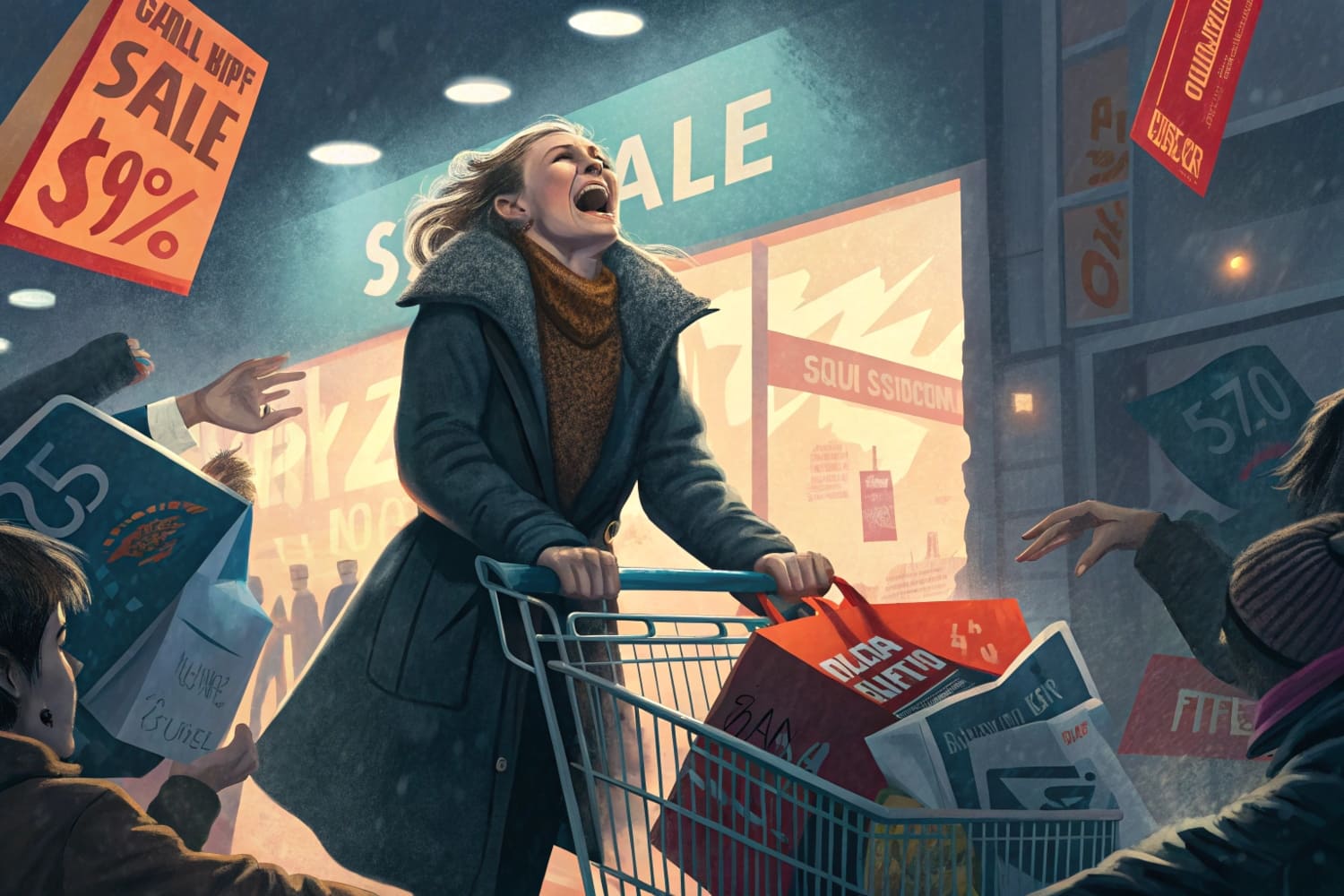
I walk into a store with a smile, but small troubles pile up until the trip feels heavier than the bags in my hands.
Endless queues, hidden fees, pushy upsells, weak displays, and mismatched prices drain joy from shopping faster than any budget can keep up.

Every shopper knows this tension. Stay with me; we will name each annoyance, pull it apart, and leave with calm tactics for the next trip.
What things do you dislike about shopping?
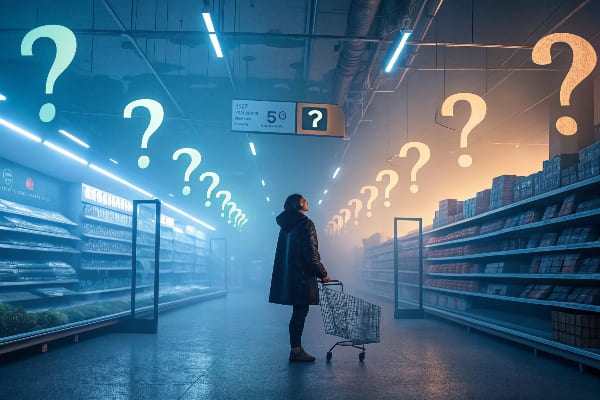
I notice one problem first: unclear prices. They confuse me, stir doubt, and block quick choices.
Unclear price tags, messy aisles, and poor staff support break trust and waste time, turning a simple buy into a tiring hunt.
The Roots of Price Confusion
I have spent years designing cardboard displays that hold prices at eye level. In those years I learned that most labeling chaos1 starts with poor planning. A buyer walks in, sees three tags for one item, and feels tricked. That feeling lingers.
When a store skips daily checks, tags stay outdated. Digital systems fail when Wi-Fi drops. Promotions change too fast for paper updates. Staff, already short, miss errors. I once watched a customer argue over a $0.50 difference while four people waited behind. That moment cost the store more goodwill than money.
| Problem Source | Immediate Effect | Long-Term Cost |
|---|---|---|
| Tag not updated | Doubt | Lower repeat visits |
| Multiple promo signs | Confusion | Brand trust erosion |
| Digital shelf crash | No price visible | Lost impulse sales |
Clear labels save everyone. I now add bold price blocks on every display we ship. It takes minutes in design, yet it prevents hours of negotiation at checkout. The fix is simple; the impact is deep.
What things annoy you the most?
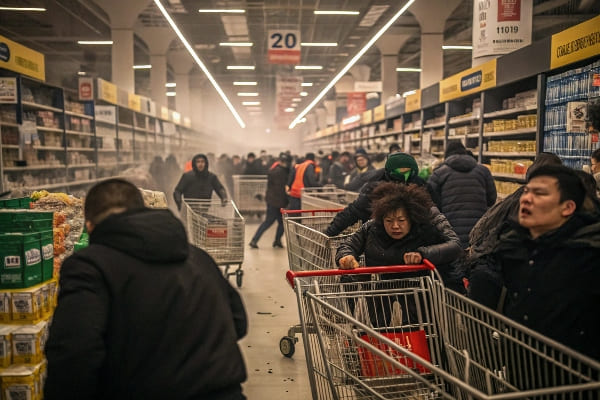
Crowds close in on me. Carts block lanes. Noise rises. Stress follows.
Overcrowded aisles, narrow layouts, and loud promotions overload the senses and push shoppers to leave sooner or avoid the store later.
Space, Sound, and Stress
A store must guide flow like water through a wide pipe. If the pipe narrows, pressure spikes. In retail, that pressure is people. When planners cram displays too close, shoppers fall into bottlenecks. I learned this while testing a crossbow display for a U.S. client. We set the stand near the entrance. Sales climbed for a day, then fell.2 Cameras showed clusters blocking traffic. We moved the stand two meters back. Flow improved, sales returned.
Noise layers on top. Speakers push ads while carts rattle and scanners beep. My factory floor once felt the same during rush orders. We solved it with clear lanes and quieter rollers. Stores can do alike: map routes, cap display depth, keep wider turns, lower music.3
| Annoyance Factor | Reason It Happens | Simple Fix |
|---|---|---|
| Aisle clog | Oversized floor stack | Use end-caps only |
| Loud broadcast | Competing promotions | Schedule shorter bursts |
| Blocked sight | Tall bulk pallets | Use modular cardboard |
Space is free if planned early. A calm path encourages longer stays and higher basket values.4 I now design stands that fold back when sales dip, opening space without new builds.
What frustrates you about shopping?
I lose patience when checkout drags. Time feels stolen.
Slow checkout lines, glitching payment systems, and last-minute add-on pitches turn the final step into the hardest part of the trip.

The Last Mile of the Basket
Checkout speed decides whether customers return. I once partnered with a chain that added impulse racks near cashiers. Sales rose 8 %, but waiting time jumped. Complaints doubled. We switched to slim, angled trays that kept options visible yet clear of the scanner. Lines moved again.
Payment tech adds extra risk. Card readers freeze; contactless fails. Each reboot stretches the queue. Staff then pitch credit cards. Shoppers, already tired, see a hurdle instead of a help. The solution lies in simple flows. Train cashiers to skip upsells if lines exceed four carts. Place clear digital timers5 overhead to show fair progress.
| Frustration Point | Store Incentive | Balanced Approach |
|---|---|---|
| Loyalty upsell | Data capture | Offer signup via QR later |
| Extra racks | Impulse revenue | Limit depth to arm’s reach |
| Tech downtime | Cost control on gear | Keep spare terminals ready |
Small tweaks speed the last mile. I aim for my displays to pre-sort items so barcodes face one way, cutting scan time too. A clean exit primes the memory of the whole visit.
What are the negative effects of shopping?
Shopping seems light, yet it leaves marks on mind, wallet, and planet.
Excess purchasing fuels debt, decision fatigue saps energy, and packaging waste strains the environment long after the thrill fades.

Beyond the Checkout: Hidden Tolls
Retail therapy is a catchy phrase, but each unplanned purchase piles interest on a card. I fell into that loop in my twenties, chasing gadget sales. The bill slowed my own product research fund. Debt is not the only shadow. Mental load climbs with every choice. Researchers call it decision fatigue6; I call it the 4 p.m. haze when I can no longer pick dinner.
Environmental strain shows in landfills bursting with single-use bags and plastic wraps. My factory switched to recycled corrugate inks7 three years ago. The change cut emissions and impressed buyers like Barnett Outdoors, who share the story with their own customers.
| Negative Effect | How It Builds Up | Mitigation Idea |
|---|---|---|
| Personal debt | Buy now, pay later plans | Budget before store entry |
| Mental fatigue | Too many choices | Use shortlist, shop with purpose |
| Waste generation | Extra packaging layers | Choose displays made from paper |
Shopping will not vanish, but its weight can lighten. Thoughtful design, mindful buying, and clear information together shape a healthier cycle.
Conclusion
Clear prices, open space, fast checkout, and mindful choices turn shopping from a grind into a calm, useful trip.
Understanding the root causes of labeling chaos can help retailers improve their pricing strategies and customer experience. ↩
Understanding the reasons behind sales fluctuations can help retailers make informed decisions to sustain growth and improve customer satisfaction. ↩
This link will offer practical strategies for optimizing store layout and minimizing distractions, leading to better customer experiences. ↩
Exploring this resource will provide insights into how a calm shopping environment can enhance customer experience and increase sales. ↩
Clear digital timers can significantly enhance perceived wait times. Learn how they can transform the shopping experience. ↩
Understanding decision fatigue can help you make better choices while shopping, reducing stress and improving your overall experience. ↩
Exploring the benefits of recycled materials can inspire sustainable practices in your own shopping habits and support eco-friendly brands. ↩