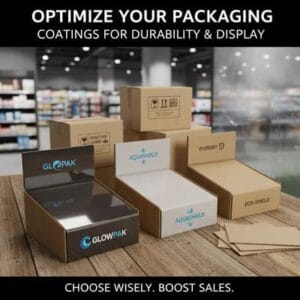
Are you struggling to choose the right display to boost your sales? Many brands lose revenue simply because their products blend into the background of busy retail stores.
Point of purchase displays come in various forms including floor stands, countertop units, pallet displays, and shelf talkers. They are marketing tools placed near transactional areas to highlight products, trigger impulse buys, and increase brand visibility using materials like corrugated cardboard for cost-effectiveness and versatility.
Let's look at the specific options available and how they fit your retail strategy to ensure you maximize your return on investment.
What is an example of a point of purchase display?
You need a concrete example to visualize how these displays work in real life. A theoretical definition often fails to show the practical impact on your sales floor.
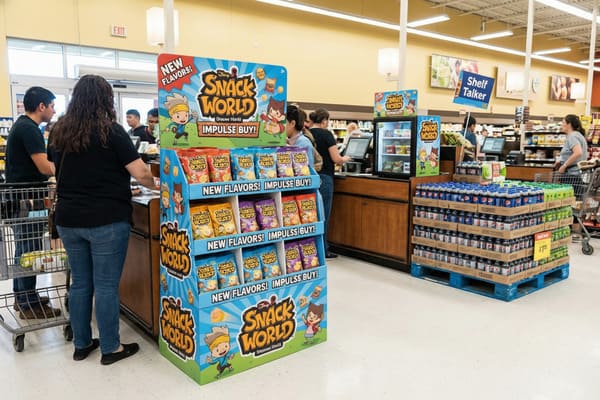
A classic example is a corrugated floor display stand found in grocery stores holding seasonal candy or new beverages. These freestanding units feature bright graphics, custom structural designs, and large stock holding capacity to interrupt the shopper's journey and encourage immediate product selection.

The Mechanics of High-Impact Floor Units
Floor displays represent a massive portion of the retail environment because they act as silent salesmen. When we talk about a standard floor unit, we are usually referring to a Free Standing Display Unit (FSDU)1. These are engineered from corrugated cardboard, specifically chosen for its strength-to-weight ratio. In the current market, floor displays account for over 43% of the market share because they provide high visibility. A typical example involves a brand launching a new soda. They will not just put the bottles on the shelf. Instead, they use a custom-cut floor display placed at the end of an aisle, known as an endcap.
The construction often uses B-flute or EB-flute corrugated board. This material is light enough to ship flat but strong enough to hold twenty kilograms of liquid per shelf when assembled correctly. The engineering behind this is critical. If the flute direction is wrong, the display collapses. Furthermore, these displays now feature high-quality digital printing2. This allows brands to print vibrant images without the high setup costs of traditional litho printing. Retailers like Walmart or Costco have strict height and footprint rules for these examples. A floor display usually cannot exceed 60 inches in height in certain zones to ensure visibility across the store is maintained. The goal is to disrupt the shopper's line of sight without violating store compliance policies.
| Feature | Floor Display (FSDU)3 | Counter Display (PDQ)4 |
|---|---|---|
| Placement | Aisles, Endcaps, Entrances | Checkout counters, Shelf tops |
| Size | Large, freestanding | Small, compact |
| Load Capacity | High (15kg – 50kg+) | Low to Medium (1kg – 10kg) |
| Primary Goal | Brand dominance, Stock holding | Impulse purchase, Last-minute add-on |
| Material | Heavy-duty Corrugated (EB Flute) | Lighter Corrugated (E Flute) |
I always advise my clients to test a prototype before mass production. We use load-bearing tests in my factory to ensure your display holds fifty pounds without buckling, guaranteeing your brand looks professional in every store.
What are the 5 PS of retail?
Retail success depends on more than just having a good product. Ignoring the fundamental pillars of marketing often leads to poor sales performance and wasted inventory.
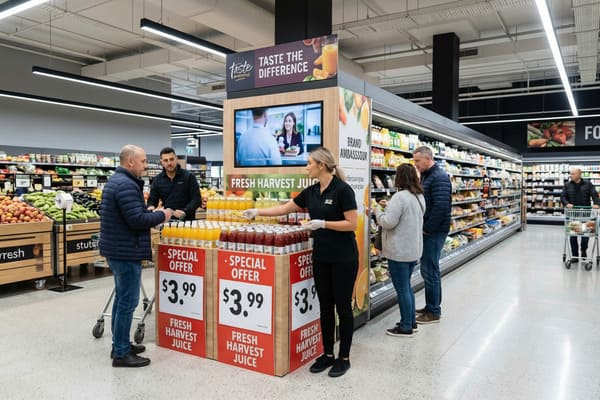
The 5 Ps of retail are Product, Price, Place, Promotion, and People. These elements work together to define your marketing mix. In the context of displays, they determine how you present the right item at the right cost in the best location with effective signage.
Integrating Display Strategy with Retail Pillars
Understanding the 5 Ps is essential when manufacturing cardboard displays because every design decision links back to these pillars.
• Product: This dictates the physical structure. If you are selling heavy hunting gear, the "Product" requires a reinforced display with double walls. We must measure the packaging dimensions precisely to create a die-line that fits the product snugly.
• Price: This influences the material choice. For a luxury cosmetic item, the "Price" justifies using silver foil stamping or glossy lamination on the cardboard. For a cheap snack, we use standard Kraft paper to keep costs down.
• Place: This refers to where the unit sits. A display designed for a high-traffic aisle needs a waterproof base or a mop guard to prevent damage from cleaning machines.
• Promotion: This is the graphic surface area. The header card of a display is the most valuable real estate for your message. Digital printing allows us to change this message quickly for different seasons.
• People: This is often overlooked. It refers to the store staff who build the display and the customers who shop. If a display is too hard to assemble, store employees will throw it away. We focus on "flat-pack" designs that pop open easily. The industry is seeing a shift where sustainable materials5 are preferred by "People" (consumers), driving the market toward 100% recyclable fibers.
| Retail "P" | Application in Cardboard Display Design |
|---|---|
| Product | Determines structural engineering6 and load-bearing requirements. |
| Price | Dictates the budget for finishing (Gloss vs. Matte) and materials. |
| Place | Decides the footprint size (Pallet vs. Counter) and moisture protection. |
| Promotion | Influence the graphic design7, header card size, and color palette. |
| People | Focuses on ease of assembly for staff and eco-friendliness for shoppers. |
I see many designs fail because they ignore the "People" aspect regarding assembly. I ensure my design team creates structures that store staff can assemble in under three minutes, preventing your investment from ending up in the trash.
What are the three types of display?
Categorizing displays helps you allocate your budget effectively. Without knowing the three main categories, you might overspend on the wrong format for your specific retail environment.
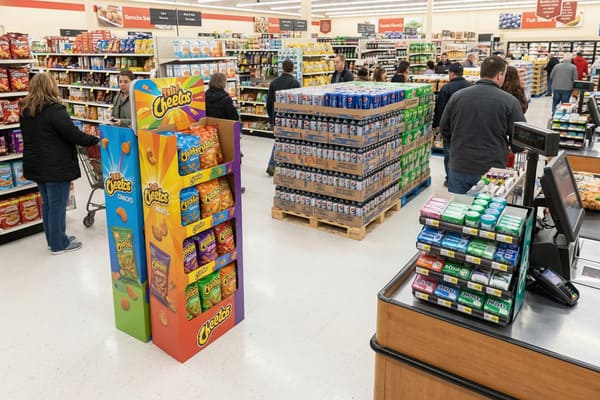
The three primary types of displays are Floor Displays, Counter Displays, and Pallet Displays. Floor displays stand independently in aisles, counter displays sit near registers for impulse buys, and pallet displays are large-scale units shipped fully loaded for immediate placement in big-box retailers.
Structural Differences and Market Applications
The market for display packaging is growing, expected to reach over 41 billion dollars by 2035, and understanding these three types is key to capturing that growth.
1) Floor Displays8: These are the workhorses of retail. They offer high visual impact and are often used for new product launches. They stand directly on the floor and can be shaped like the product itself. The challenge here is stability and shipping costs, as they take up space.
2) Counter Displays (PDQ)9: These are smaller units found at the cash wrap. They are designed for "impulse" purchases—items you didn't plan to buy but grab at the last second. They need to be compact. Walmart and Costco have very specific "PDQ" guidelines regarding height so they do not block the cashier's view. We use thinner E-flute cardboard here to ensure crisp printing on a small surface.
3) Pallet Displays: These are massive trends in club stores like Costco or Sam's Club. The entire display is built on a wooden pallet. The brand ships the product already inside the display. The retailer simply uses a forklift to put it on the floor. This saves labor costs for the retailer, which makes them love these displays. However, they require incredibly strong corrugated board to survive the supply chain without crushing the bottom layer.
| Display Type | Best Retail Location | Ideal Product Type | Cost Efficiency |
|---|---|---|---|
| Floor Display | Aisle Ends, Open Spaces | Beverages, Toys, Electronics | Medium |
| Counter Display10 | Cash Registers, Shelf | Candy, Lip Balm, Batteries | High |
| Pallet Display11 | Club Stores, Main Aisles | Bulk Food, Seasonal Promos | High (Volume) |
I recommend pallet displays for clients targeting big-box stores because they reduce labor costs for retailers. We design the skirts and trays to handle forklift movement, ensuring your products arrive safely and look perfect on the sales floor.
What are the 4 types of merchandise?
Understanding your merchandise type dictates the display engineering required. Using the wrong display structure for your specific goods can lead to product damage and safety hazards.
The four types of merchandise generally include Convenience Goods, Shopping Goods, Specialty Goods, and Unsought Goods. In the display industry, we often categorize them by physical attributes: Fast-Moving Consumer Goods (FMCG), Heavy items, Small impulse items, and Luxury/High-value products.

Matching Product Weight and Value to Engineering
When we design a display, we must analyze the merchandise type because it dictates the raw material specifications.
• Convenience Goods (FMCG)12: These are high-turnover items like snacks or drinks. The display needs to be refillable or disposable. We focus on cost-efficiency here. We often use dump bins where products are jumbled together because customers grab them quickly.
• Shopping Goods: These are items customers compare, like electronics or small appliances. The display must provide information. We incorporate text areas on the cardboard to explain features. The structure must be rigid to protect these higher-value items.
• Specialty Goods13: These are unique items with brand loyalty, like premium perfumes or high-end outdoor gear. Here, the "unboxing" experience on the shelf matters. We use high-resolution digital printing and complex structural shapes to match the brand's prestige.
• Unsought Goods: These are items people do not normally think of, like batteries or emergency gear. We must place these in high-visibility interruptive displays.
For heavy merchandise, such as crossbows or tools, we cannot use standard cardboard. We use reinforced double-wall corrugated board and sometimes add internal metal bars. If we ignore the weight, the shelves will bow, and the display will look cheap, damaging the brand image.
| Merchandise Type | Example Products | Recommended Display Strategy | Key Structural Requirement |
|---|---|---|---|
| Convenience14 | Chips, Soda, Candy | Dump Bins or Pallet Displays | High volume capacity |
| Shopping | Toasters, Headphones | Shelf Trays with Info Cards | Clean organization |
| Specialty15 | Luxury Makeup, Bows | Custom Floor Stands | Premium print finish |
| Unsought | Batteries, First Aid | Clip Strips or Counter Units | High visibility placement |
I work closely with outdoor gear brands to create heavy-duty displays for products like crossbows. We reinforce the internal structure with double-wall corrugated board to support the weight while maintaining a high-quality print finish that justifies the premium price point.
Conclusion
Choosing the right display boosts brand visibility and sales. I help you navigate these options to find the perfect cardboard solution that fits your budget and retail requirements.
Explore this link to understand how FSDUs can enhance product visibility and sales in retail environments. ↩
Discover the advantages of high-quality digital printing for creating eye-catching retail displays that attract customers. ↩
Explore how FSDUs can enhance brand visibility and sales in retail environments. ↩
Learn about the impact of PDQs on consumer behavior and boosting last-minute sales. ↩
Explore how sustainable materials can enhance your brand image and appeal to eco-conscious consumers. ↩
Understanding structural engineering is crucial for creating effective and safe cardboard displays. ↩
Exploring graphic design's role can enhance your display's visual appeal and marketing success. ↩
Explore how Floor Displays can enhance product visibility and drive sales in retail environments. ↩
Learn about the psychology behind Counter Displays and their effectiveness in boosting last-minute purchases. ↩
Explore this link to understand how Counter Displays can maximize visibility and sales at checkout. ↩
Discover insights on how Pallet Displays can enhance product promotion and drive bulk sales. ↩
Explore this link to understand effective display strategies that enhance visibility and sales for high-turnover items. ↩
Discover insights on crafting unique displays that elevate brand prestige and enhance customer experience for premium products. ↩
Explore this link to discover innovative display strategies that can enhance sales for convenience items. ↩
Learn about unique display techniques for specialty products that can attract more customers and boost sales. ↩