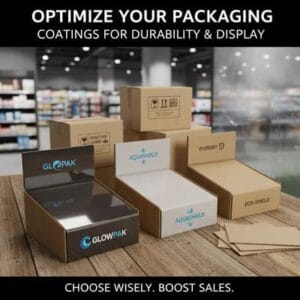
Retail competition is fierce, and grabbing customer attention is harder than ever. You might worry that your products are getting lost on crowded shelves, failing to reach the sales targets you planned.
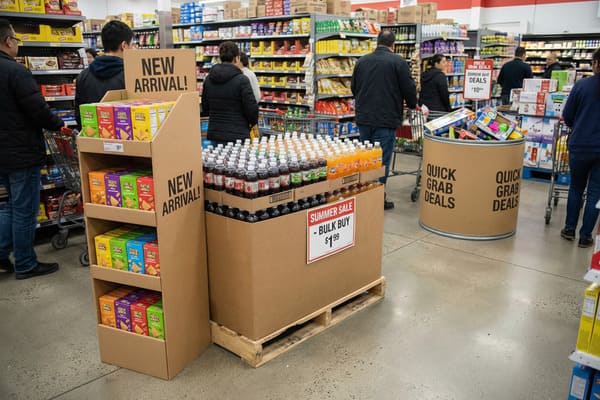
FSDU stands for Free Standing Display Unit. It is a standalone retail fixture, usually made from cardboard, designed to hold products and attract customers in high-traffic areas like aisles. There are various types, including floor stands, pallet displays, and dump bins, each serving specific promotional goals.
Let's explore the specific definitions and variations so you can choose the right tool for your next campaign.
What does fsdu mean in retail?
Many brands struggle to define retail terminology clearly. Without knowing the exact function of an FSDU, you risk investing in the wrong display format for your specific retail environment.
In retail, FSDU means Free Standing Display Unit. It refers to a temporary, independent structure used to merchandise products away from standard store shelving. Typically made from corrugated cardboard, FSDUs are essential for maximizing brand visibility, driving impulse purchases, and executing short-term promotional campaigns effectively.

The Strategic Role and Construction of FSDU1s
When we analyze the role of FSDUs in modern retail, we see they are more than just cardboard boxes; they are engineered marketing tools. An FSDU is designed to interrupt the shopper's journey. In a standard supermarket layout, customers go into "autopilot" mode. An FSDU placed in an aisle or at an endcap breaks this pattern. Technically, these units are constructed using corrugated board, which consists of a fluted sheet sandwiched between two flat liners. The strength of the FSDU depends on the flute type—typically B-flute or EB-flute for heavier items.
For brands like yours, the primary advantage is the ability to control the brand narrative. Unlike shelf space, where you compete side-by-side with rivals, an FSDU is dedicated real estate. This is critical for launching new products or clearing seasonal inventory. Retailers like Walmart or Costco have strict compliance guidelines regarding the dimensions and structural integrity of these units. For example, they must withstand the humidity of a store environment without buckling. The industry is also shifting toward sustainable materials2. We are seeing a surge in demand for 100% recyclable boards and vegetable-based inks. If an FSDU is difficult to assemble or collapses under product weight, the retailer will discard it immediately, resulting in a total loss of investment. Therefore, the engineering behind the fold lines and weight distribution is just as important as the graphic design.
| Feature | FSDU (Free Standing Display Unit3) | Standard Store Shelving4 |
|---|---|---|
| Location | Flexible (Aisles, Endcaps, Entry) | Fixed (Designated Aisles) |
| Branding Area | 100% Dedicated to your brand | Shared with competitors |
| Material | Corrugated Cardboard (Temporary) | Metal/Wood (Permanent) |
| Cost | Low (Cost-effective for campaigns) | High (Capital expenditure) |
| Setup Time | Fast (Minutes per unit) | Slow (Requires tools/labor) |
I know how frustrating it is when displays collapse or get rejected by retailers. That is why I use industrial-grade corrugated board and run rigorous load tests in my factory to ensure your FSDUs stand strong and arrive in perfect condition.
What are the different types of display units?
Choosing the wrong display type can ruin your campaign's ROI. You need a solution that fits your product weight and the retailer's floor plan perfectly, without wasting budget on over-engineering.
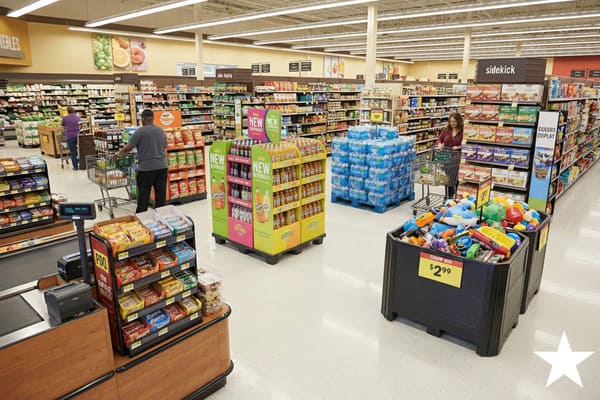
The main types of display units include Floor Displays for high visual impact, Countertop Displays (PDQs) for impulse buys at checkout, and Pallet Displays for bulk merchandising. Other common forms include Dump Bins for loose items, Hook Displays for hang-tab products, and Sidekicks that attach to endcaps.
Structural Variations and Usage Scenarios
Understanding the specific types of display units is crucial because each serves a different consumer behavior. Floor Displays5 are the workhorses of the industry. According to market data, they account for a significant portion of the Point of Purchase (POP) market. They are ideal for high-margin items and can be shaped creatively to mimic the product itself. For instance, a floor display for beverages might look like a giant bottle. On the other hand, Countertop Displays6, often called PDQs (Pretty Darn Quick), are smaller and sit near the cash register. These are critical for low-cost, high-impulse items like batteries, candy, or small accessories.
Pallet Displays are another major category, especially for big-box retailers like Costco. These are full, pre-loaded pallets that can be forklifting directly onto the sales floor. The engineering here is intense because the bottom layer must support hundreds of pounds of product during shipping and display. We also have Dump Bins, which are unstructured containers used for loose items like discount DVDs or socks. While they look simple, the internal cross-supports must be robust to prevent the sides from bulging out. Hook Displays utilize plastic or metal prongs to hang blister-packed items. The challenge here is balancing the center of gravity so the display does not tip forward when fully loaded. Choosing the right type depends heavily on your product's packaging and the duration of the promotion. Using a lightweight floor stand for heavy hunting gear, for example, would be a disaster.
| Display Type | Best Used For | Typical Location | Load Capacity |
|---|---|---|---|
| Floor Display7 | New launches, Core products | Aisles, Endcaps | Medium to High |
| Countertop (PDQ) | Small items, Impulse buys | Cash registers, Counters | Low |
| Pallet Display8 | Bulk items, Club stores | Main drive aisles | Very High |
| Dump Bin | Loose, discounted items | Clearance zones | Medium |
| Hook Display | Blister packs, Accessories | Aisles, Side-panels | Low to Medium |
I see many designs fail during transport because the structure was not tested for the specific product type. I solve this by providing 3D renderings and physical prototypes to verify the structure before we start mass production, ensuring zero surprises.
What are the different types of retail fixtures?
Permanent fixtures are expensive and inflexible. If you are locked into rigid store layouts, you miss opportunities to adapt to seasonal trends quickly or test new market strategies.
Retail fixtures categorize into permanent and temporary solutions. Permanent fixtures include gondolas, slatwalls, and metal shelving used for long-term inventory. Temporary fixtures, often cardboard, include FSDUs, endcaps, and corrugated bins designed for seasonal promotions. Understanding the distinction helps brands balance long-term storage needs with short-term marketing agility.
Comparing Permanent and Temporary Fixture Strategies
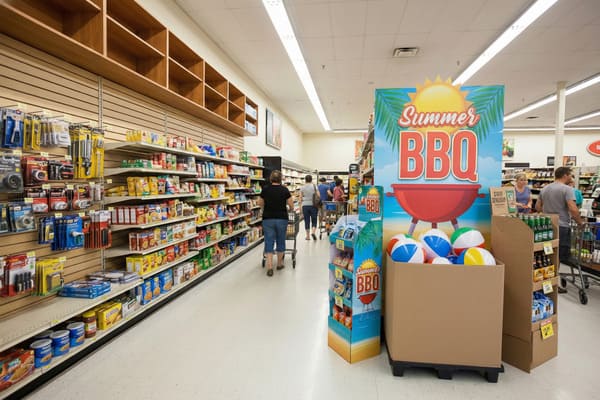
The term "retail fixtures" covers a broad spectrum of equipment used to hold merchandise. Permanent fixtures are the backbone of a store. These are the heavy-duty steel gondolas, wooden shelving units, and slatwalls you see in every supermarket. They are designed to last for years and hold heavy inventory loads. However, they are costly to manufacture, difficult to move, and offer little in terms of brand customization. Once they are installed, they rarely change. This rigidity can be a disadvantage in today's fast-paced retail market where consumer preferences shift rapidly.
This is where temporary fixtures9, primarily made of corrugated cardboard, come into play. These include the FSDUs we discussed, as well as corrugated power wings and standees. The market for temporary fixtures is growing because they offer agility. A brand can roll out a Halloween-themed fixture in October and replace it with a Christmas one in November without any construction costs. From a technical standpoint, temporary fixtures are evolving. We now use reinforced corrugated board that rivals the strength of thin plastics but remains 100% recyclable. The trend is moving towards "semi-permanent" displays—cardboard structures treated with coatings to last 3 to 6 months. This bridges the gap between the low cost of cardboard and the durability of metal. For a business owner, the choice often comes down to the campaign lifecycle. If you are selling a staple product that never changes, permanent fixtures10 work. But for seasonal pushes or new product introductions, temporary cardboard fixtures provide a much higher return on investment due to their low entry cost and high customizability.
| Fixture Category | Examples | Material | Lifespan | Flexibility |
|---|---|---|---|---|
| Permanent11 | Gondolas, Slatwalls | Steel, Wood, Glass | 5+ Years | Low (Fixed position) |
| Semi-Permanent | Acrylic stands, Heavy Plastic | Acrylic, PVC, Wire | 6 Months – 2 Years | Medium |
| Temporary12 | FSDU, Dump Bins, PDQ | Corrugated Cardboard | 2 Weeks – 3 Months | High (Easy to move) |
| Digital | Interactive Kiosks | Screens, Electronics | 3+ Years | High (Content updates) |
I understand that balancing durability with cost is tough when choosing fixtures. We offer custom designs that mimic the look of permanent fixtures but keep costs low, perfect for your seasonal rollouts and testing new markets without heavy capital.
What are the different types of window displays?
Your store window is your first impression, but a dull display turns walkers away. You need captivating designs to convert foot traffic into store visits, yet many displays fade or warp in the sun.
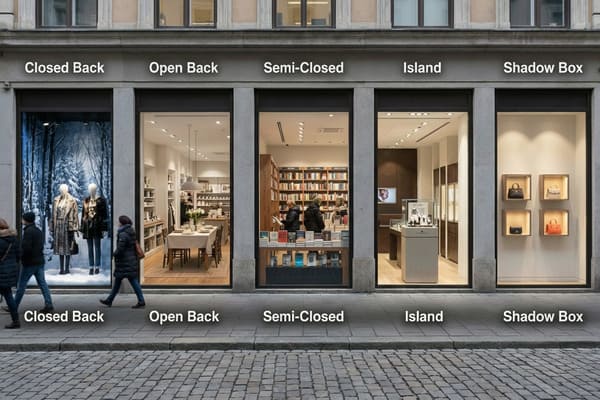
Window displays vary by design intent, including Open Back displays that allow a view into the store, Closed Back displays that create a focused scene, and Semi-Closed displays. They can be Island displays centered for all-around viewing or Shadow Boxes for small, high-value items, all aiming to tell a brand story.
Visual Merchandising and Light Management
Window displays are the theatre of retail. They are the first touchpoint for a potential customer. The classification of window displays is based on their structural relationship with the rest of the store. A "Closed Back" window is like a stage; it has a solid wall behind it. This allows for total control over lighting and background, creating a dramatic, immersive scene without the distraction of the store interior. This is common in high-end department stores. Conversely, an "Open Back" window allows passersby to see through the display into the store itself. This uses the store's energy and busyness as a backdrop.
Technically, creating props for these windows using cardboard is becoming the industry standard due to cost and versatility. However, window displays face a unique enemy: UV light13. Direct sunlight can fade printed colors within days and warp materials. When we design for windows, we must consider UV-resistant laminates and structural reinforcements that withstand temperature fluctuations behind the glass. Another type is the "Island Display14," which sits in the middle of a lobby or window area and can be viewed from 360 degrees. This requires high-quality printing on all sides and hidden structural supports. "Shadow Boxes" are smaller, elevated windows often used for jewelry or cosmetics. They focus intense attention on small items. The choice of display dictates the customer's focal point. A cluttered window confuses the eye; a strategic window with a clear focal point directs the gaze and invites the customer to enter.
| Window Type | Visibility to Store | Lighting Control15 | Installation Complexity16 |
|---|---|---|---|
| Closed Back | None (Solid Wall) | High (Theatrical) | High |
| Open Back | Full (See-through) | Low (Natural light mixes) | Medium |
| Semi-Closed | Partial (Partitions) | Medium | Medium |
| Island Display | Viewable from all sides | Variable | High (360 viewing) |
| Shadow Box | Focused on small area | Very High | Low to Medium |
I know color fading is a huge pain for window units exposed to sunlight. I use UV-resistant coatings and high-quality digital printing to ensure your brand colors stay vibrant and your displays look professional for the entire season.
Conclusion
FSDUs are versatile tools that range from floor stands to complex window displays. Choosing the right type ensures product safety and sales growth. Partnering with a capable manufacturer guarantees quality.
Explore this link to understand how FSDUs enhance marketing strategies and improve product visibility in retail environments. ↩
Discover the advantages of sustainable materials in retail, including environmental impact and consumer appeal. ↩
Explore how FSDUs can enhance brand visibility and drive sales in retail environments. ↩
Learn about the advantages of traditional shelving and its role in effective merchandising. ↩
Explore this link to understand how Floor Displays can enhance product visibility and boost sales in retail environments. ↩
Discover insights on how Countertop Displays can drive impulse purchases and increase revenue at checkout. ↩
Explore this link to understand how Floor Displays can enhance product visibility and sales. ↩
Discover insights on how Pallet Displays can maximize space and attract customers in stores. ↩
Explore how temporary fixtures can enhance your retail strategy with flexibility and cost-effectiveness. ↩
Learn about the long-term benefits of permanent fixtures and how they can support your store's stability and branding. ↩
Explore the advantages of permanent fixtures to enhance your retail space and improve customer experience. ↩
Learn how temporary fixtures can boost sales and create engaging shopping experiences for customers. ↩
Understanding UV light's impact on displays helps in choosing materials that protect products and enhance visual appeal. ↩
Exploring Island Displays can inspire innovative retail strategies that attract customers and enhance product visibility. ↩
Explore this link to understand how effective lighting control can enhance your display's appeal and functionality. ↩
This resource will provide insights into the challenges and considerations involved in installing various display types. ↩