Retail space is noisy. New products appear. Budgets shrink. I use temporary POP displays to cut through the noise, test ideas fast, and turn browsers into buyers.
Temporary POP displays boost sales fast with low cost. They assemble quickly, scale in small batches, and adapt to campaigns. They test designs, lift visibility, and reduce risk before permanent investments.
I treat temporary displays like agile sprints. I learn in weeks, not months. I test messages, measure lift, then double down with data. This keeps waste low and ROI clear.
What are the advantages and disadvantages of pop displays?
Many teams want impact today and safety for tomorrow. I face the same push and pull. I need speed and savings, but I also need strength, color control, and smooth logistics.
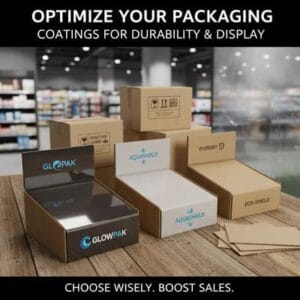
POP displays offer high visibility, quick setup, and low unit cost, but they can face durability limits, color variance, and shipping risks. Plan for structure, coatings, and QA to keep benefits while reducing downsides.
Key trade-offs explained
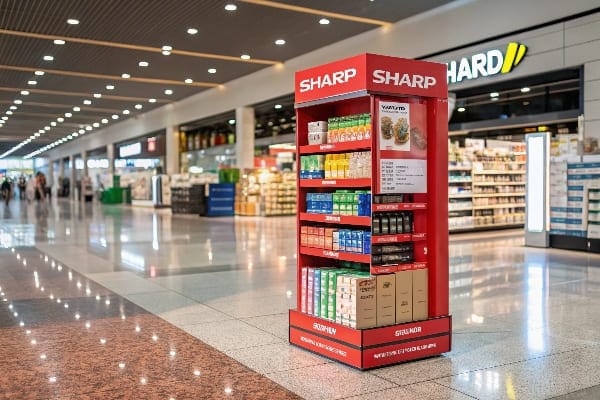
I design POP programs1 with a clear checklist. I define the selling goal first. I choose a structure that supports that one goal. Floor displays win attention in aisles. Countertop units win impulse at checkout. Pallet displays reduce labor in big-box environments. I control color and print with calibrated profiles and water-based inks. I run strength tests and ISTA-style transit checks. I add nanocoatings when humidity is high. I flat-pack units to cut freight and damage. I also lock material specs so mass production matches the approved sample. When I worked with a hunting brand launch, I used double-wall corrugated2 for heavy products and added quick locks so store staff could assemble in five minutes. That launch hit deadline because the display set up fast, survived transport, and looked like the render. Here is my simple map of trade-offs:
| Aspect | Advantage | Disadvantage | How I mitigate |
|---|---|---|---|
| Cost | Low tooling3 | Price swings in paper | Early material booking |
| Speed | Fast to print | Rush errors | Preflight checklist |
| Strength | Good with right flutes | Moisture risk | Nano/waterproof coats |
| Color | Full-bleed graphics4 | Batch variance | Color targets + drawdowns |
Events come and go. I must set up in minutes and still look premium. Pop up banners give me reach, height, and clarity without tools.
Pop up banners deliver fast branding, portable hardware, and a small footprint. They set up in under a minute, travel in a case, and frame key messages at eye level for a low total cost.

Where banners work best
I use pop up banners5 as the "beacon" in a kit. The banner calls attention. The display sells. I keep copy short and fonts large. I put the offer high and the logo near the top. I match banner colors to the display so the set looks like one system. I place banners at entries, demo tables, and queue lines. I keep a spare graphic in the case for quick swaps. For travel, I pick aluminum hardware and snap-on rails so the graphic stays flat. I teach staff to roll with print facing out to avoid edge curl. When I tested messages for a seasonal campaign6, banners with one bold benefit beat dense text by a wide margin. The change was cheap and fast. Results came the next weekend.
| Location | Goal | Primary metric | Setup tip |
|---|---|---|---|
| Store entry | Awareness | Foot traffic7 | Angle at 20–30° to aisle |
| Demo table | Engagement | Dwell time | Add QR for specs |
| Checkout | Impulse | Attach rate | Keep copy ≤7 words |
| Trade show | Lead capture8 | Scans / forms | Place near aisle corner |
Why do merchandisers use pop displays?
Shelf space is tight. Buyers want proof. Store teams want easy builds. I must turn brand stories into simple fixtures that move units and protect margins.
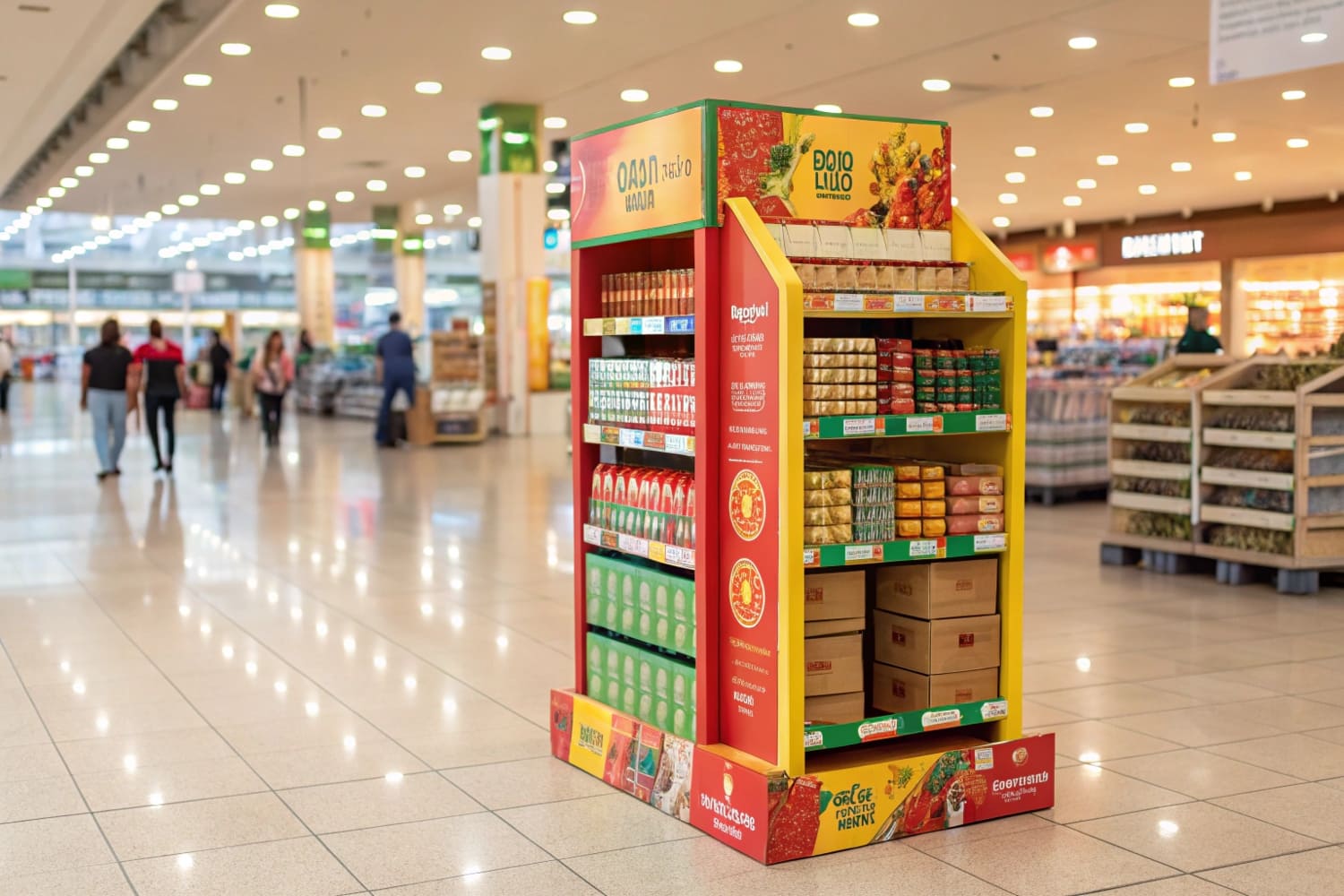
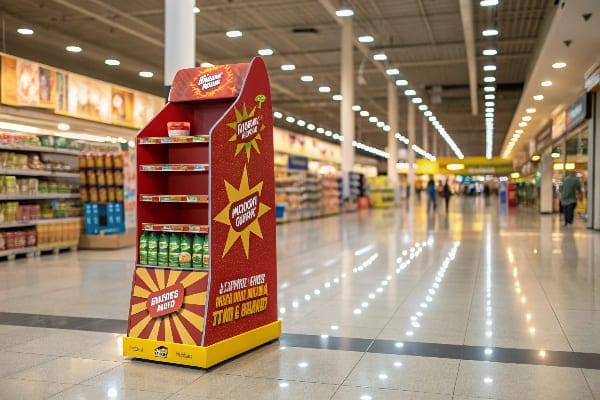
Merchandisers use POP displays to win attention, guide choices, and lift conversion at the exact moment of purchase. Displays also help manage facings, improve compliance, and speed seasonal resets with flat-pack kits.
How POP solves real store problems
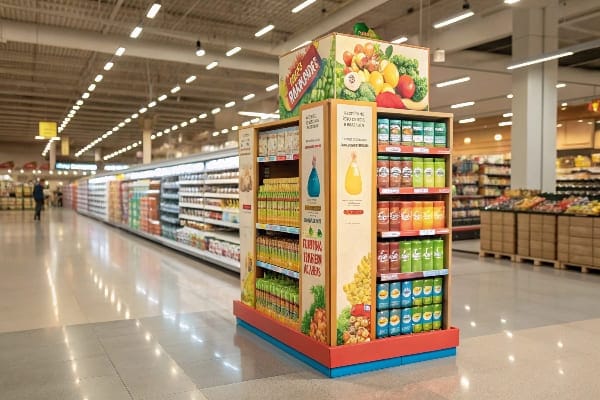
I plan POP like a mini supply chain. I start with the planogram9 and traffic flow. I choose formats that fit the environment: floor displays10 for new lines, countertop trays for small add-ons, clip strips for tight spaces, and pallet displays for club stores. In many markets, floor displays lead share because they command the aisle and hold stock. I add clear price holders so staff can update quickly. I print simple assembly guides on the inside panels. I mark each part with letters, so store teams assemble in order without guesswork. With a U.S. hunting brand launch, I worked with David, a product engineer and buyer. He needed a durable riser for heavy crossbow accessories. We used reinforced double-wall board and hidden locks. The kit shipped flat, set up fast, and hit his strict deadline for the season. Sell-through beat the forecast because shoppers could see and touch the line.
| Merchandising task | POP tactic | Result | Note |
|---|---|---|---|
| New product | Floor display11 | Trial lift | Eye-level hero panel |
| Attach sale | Counter unit12 | Higher basket | Small, simple claim |
| Space gaps | Clip strip | Extra facings | Hang by core aisle |
| Club packs | Pallet display | Labor save | Pre-loaded trays |
What are the benefits of a pop up shop?
Sometimes a website cannot show feel, size, or color. I need a real place for a short time. A pop up shop lets me test markets with low risk.
Pop up shops validate demand, build local buzz, and gather real shopper feedback without long leases. They combine sampling, content capture, and geo-targeted campaigns, then roll into wholesale or permanent retail.

Why I pair pop ups with cardboard systems
I set up pop up shops13 with modular cardboard fixtures14 because they move fast and cost less. I ship flat, build on site, and recycle at the end. I bring a kit: entry banner, window decal, hero floor display, demo counter, and small sampling trays. I place QR codes that connect to product pages, warranty, or AR fit guides. I track traffic with simple counters and measure conversion, average order value, and email signups. I run two creative versions in different neighborhoods. I compare sales per square foot and tweak messaging. I also invite nearby buyers for walk-throughs. Many times this turns into a wholesale order because they can see a full story in a small space. After one pop up, I kept the best fixtures as event kits and reused them at shows. The cost per use dropped each time, and the creative stayed consistent.
| Goal | What I do | KPI | Exit path |
|---|---|---|---|
| Demand test15 | 2-week lease | Sales / sq ft | Wholesale pitch |
| Content | Live demos | UGC volume | Retarget ads |
| Email growth16 | QR signup | New subs | Lifecycle flow |
| Reuse | Flat-pack kit | Uses per kit | Event schedule |
What is the point of purchase pop display?
Shoppers decide fast. They look at the shelf, the price, and the story. I must place a simple, strong message at that moment, in the right format.
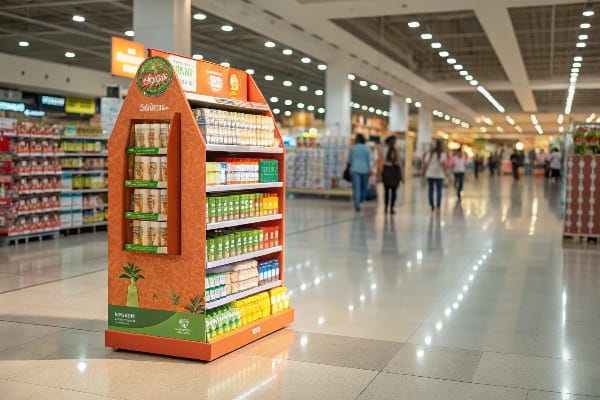
A point-of-purchase (POP) display is a branded fixture placed near the buying decision. It presents product, price, and proof at eye level to trigger trial, cross-sell, or impulse buys.
Formats and when I use them
I match the POP type to the job. Floor displays create a mini shop-in-shop and hold inventory. Countertop trays boost add-ons near checkout. Pallet displays17 ship ready for club stores and reduce labor. Shelf trays improve blocking and help compliance because they control facings. Clip strips add extra facings without taking shelf space. Interactive units add screens or sensors for specs and demos. I print with digital presses when volumes are small or art changes often. I switch to offset for stable, larger runs. I prefer recycled or FSC-certified board18 with water-based inks. I lock color with drawdowns and keep Pantone targets simple. I run transit tests with loaded samples. I pack hardware and instructions in a clear pouch. I measure lift with control stores. If the lift is clear, I scale. If not, I fix the headline, the hero image, or the offer.
| Type | Placement | Best for | Typical ROI window |
|---|---|---|---|
| Floor display19 | Aisle | New lines, stories | 4–12 weeks |
| Countertop20 | Checkout | Small add-ons | 2–6 weeks |
| Pallet display | Club floor | Bulk packs | 4–10 weeks |
| Shelf tray | Existing gondola | Blocking, compliance | 4–8 weeks |
| Clip strip | Side of shelf | Secondary facings | 2–6 weeks |
| Interactive | Demo zone | Specs, education | 6–12 weeks |
Conclusion
Temporary POP works because it is fast, flexible, and measurable. I test small, learn quickly, and scale what sells while keeping cost, timing, and quality under control.
Explore this link to understand effective strategies for designing Point of Purchase programs that drive sales. ↩
Learn about the advantages of double-wall corrugated materials for packaging, especially for heavy products. ↩
Exploring this link will provide insights into how low tooling can enhance efficiency and reduce costs in production. ↩
Understanding full-bleed graphics can help you appreciate their impact on design and marketing effectiveness. ↩
Explore this link to discover effective strategies for maximizing the impact of pop up banners in your marketing campaigns. ↩
This resource offers insights into crafting compelling seasonal campaigns that can boost your marketing efforts significantly. ↩
Discover proven methods to boost foot traffic and enhance customer engagement in your store. ↩
Learn innovative techniques for maximizing lead capture at trade shows to grow your business. ↩
Understanding planograms can enhance your retail strategy, optimizing product placement and increasing sales. ↩
Exploring the effectiveness of floor displays can provide insights into maximizing product visibility and customer engagement. ↩
Explore this link to understand how floor displays can enhance visibility and drive sales effectively. ↩
Discover insights on counter units and their impact on customer purchasing behavior. ↩
Explore this link to understand how pop up shops can enhance brand visibility and drive sales effectively. ↩
Discover the advantages of using modular cardboard fixtures for cost-effective and flexible retail solutions. ↩
Understanding demand tests can help you optimize your marketing strategies and improve sales. ↩
Exploring effective email growth strategies can significantly enhance your subscriber base and engagement. ↩
Explore how pallet displays can enhance your retail strategy and improve product visibility. ↩
Learn about the environmental benefits and sustainability of using recycled or FSC-certified materials in packaging. ↩
Explore how Floor displays can enhance visibility and sales for new products. ↩
Learn about the impact of Countertop displays on consumer buying behavior at checkout. ↩