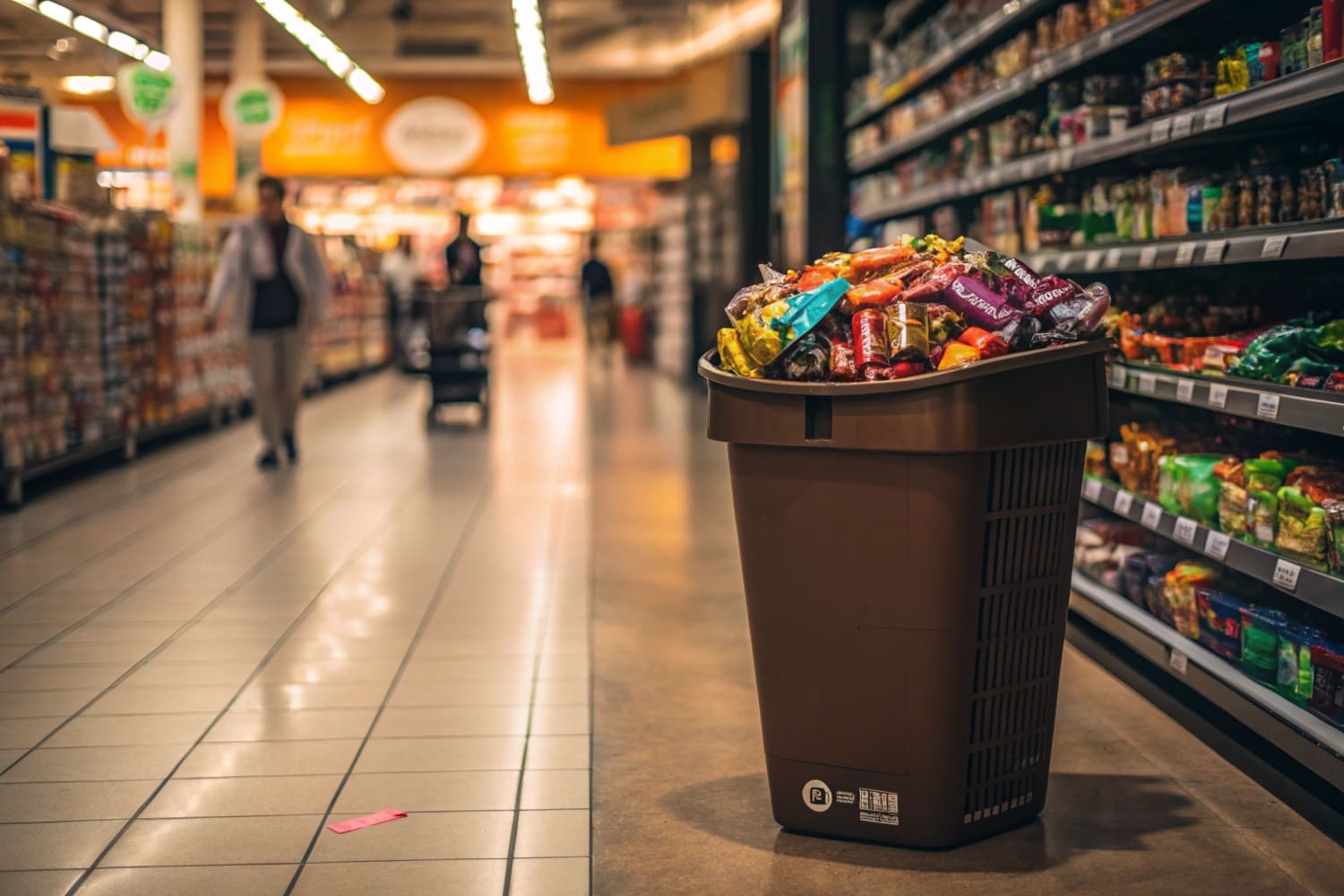
Shoppers move fast. I need a display that stops them, lowers costs, and clears stock. Dump bins do that in a simple, flexible, and sustainable way.
Dump bins boost impulse sales, clear seasonal or overstock items, and raise brand visibility at low cost. They assemble fast, customize easily, ship flat, and use recyclable cardboard for sustainable, budget-friendly retail wins.

I keep this guide practical and direct. I run a cardboard display factory in Shenzhen with three lines. I share what works in real stores and why it works.
What are dump bins in retail?
Many stores fight clutter and low attention. I use dump bins to turn quiet floor space into a simple, high-visibility sales spot.
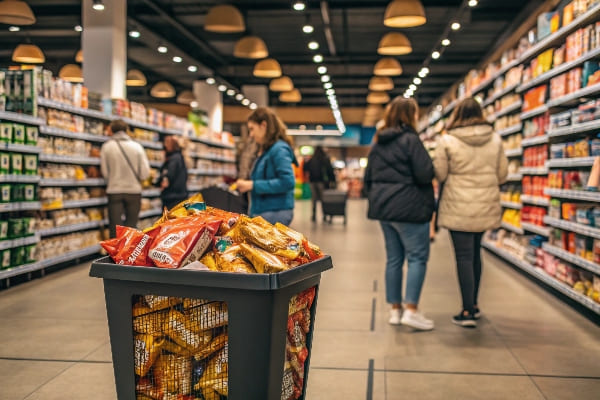
In retail, dump bins are open-top floor displays that hold many units of one SKU or a tight mix. They invite quick grabs, drive impulse purchases, and suit promos, new items, or seasonal stock.
What they are and why they work
A dump bin1 is a box-shaped, open-top display made from corrugated cardboard. It stands on the floor. It shows many units without complex shelving. Shoppers see quantity and low friction. Hands reach in fast. Stores place these near power aisles, seasonal zones, or checkouts. The format supports budget goals because cardboard prints well and ships flat. My team prints brand art on all four sides and the header. We add risers to lift stock and keep the bin full on day one. Digital printing allows small batches and quick turns. That helps tight launch windows.
Typical uses and limits
Dump bins2 shine for snacks, small electronics, personal care, toys, and trial-size items. Heavy or sharp products need reinforcements or different structures. Moist areas need coatings. I plan with the retailer's traffic flow and safety rules. I test stability and edge crush3 to avoid collapse.
Fast spec at a glance
| Item | Typical Choice | Why it matters |
|---|---|---|
| Material | B/E flute corrugated4 | Strong, printable, recyclable |
| Footprint | 16"–24" square | Fits aisles, allows turn |
| Height | 36"–48" | Clear sightline and reach |
| Top | Fully open with header5 | Fast access and branding |
What is the dump process in retail?
Teams often rush launches. Confusion causes delays and waste. I use a clear dump-bin process to keep schedules and budgets on track.
The dump process covers brief, design, sampling, testing, production, shipping, in-store setup, replenishment, and recycling. Each step has an owner, a checklist, and a deadline to protect timing and quality.
From brief to approved sample
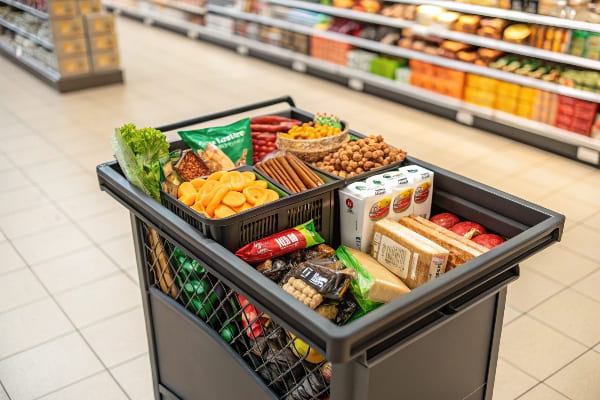
I start with a simple brief: SKU count6, unit size, target price, and store rules. My designers return a dieline, a 3D rendering, and a packing plan. I send a prototype in 48–72 hours. We test load, drop, and edge crush. We adjust folds or add inserts if the target weight sags panels. Digital print helps color checks. I never skip a physical sample7. It prevents surprises in stores.
Production, logistics, and store actions
After approval, we run mass production8. We flat-pack bins with step-by-step pictorials. We ship units on pallets or as PDQ inners for big-box setups. Store teams open the shipper, lock tabs, drop the product, and place the header. Replenishment keeps the top third full. That keeps the display visually rich and easy to shop. At the end, teams collapse units for recycling. Retailers in North America and Europe prefer recyclable board9 and water-based inks, so I plan those from the start.
Roles and timeline
| Stage | Owner | Typical Time |
|---|---|---|
| Brief & estimate | Brand/Retail + Me | 1–2 days |
| Design & render | Me | 1–2 days |
| Prototype & tests10 | Me | 2–4 days |
| Mass production11 | Me | 7–14 days |
| Ship & deliver | Me + Forwarder | 10–30 days |
| In-store setup | Retail team | 15–30 minutes |
What is a bin in retail?
People use "bin" for many things in stores. The meaning changes by zone. I keep definitions simple to avoid mistakes.
A retail bin is any container that holds, organizes, or presents merchandise. It can live in the backroom, on shelves, at checkout, or on the floor. Dump bins are one specific floor-display type.
Types you will see
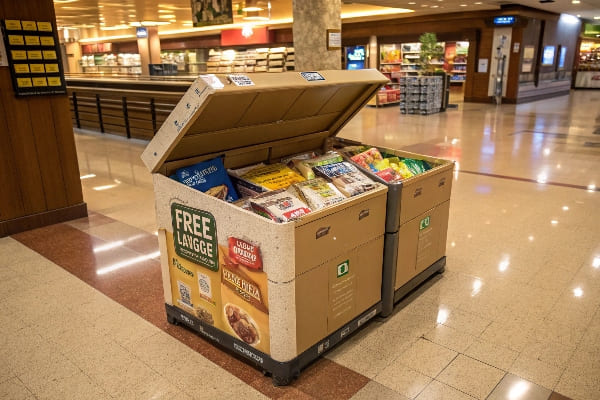
Backroom bins12 hold inventory for picking. Shelf bins face the shopper and guide small items. Checkout bins13 spark last-second add-ons. Pallet bins sit on a full or half pallet for warehouse clubs. Dump bins are open-top floor units made for quick grabs. Each type has a different load need and a different shopper action. I match structure and board grade to that action.
Why the distinction matters
If a buyer says "bin," I always confirm the zone and weight. A shelf bin14 might need a low front lip and a strong tray. A pallet bin needs double-wall board and corner posts. A dump bin15 needs easy reach and a bold header. Wrong specs cause damage, poor sales, and waste. Clear naming saves time and money.
Quick reference
| Bin Type | Location | Typical Material | Main Goal |
|---|---|---|---|
| Backroom tote | Stockroom | Plastic or heavy corrugate | Storage |
| Shelf-facing bin16 | Aisle shelf | Paperboard or E-flute | Organization |
| Checkout bin17 | Front end | Corrugate | Impulse add-ons |
| Pallet bin | Power aisle | Double-wall corrugate | High volume |
| Dump bin | Floor | Corrugate with header | Fast grabs |
What is a dump display?
Some brands worry that a "dump" looks messy. I design dump displays that look clean, protect product, and still sell fast.
A dump display is a free-standing, open-top floor unit that merchandises many grab-and-go items. It trades fine organization for speed, visibility, and high unit throughput, with branding on all sides and a header.
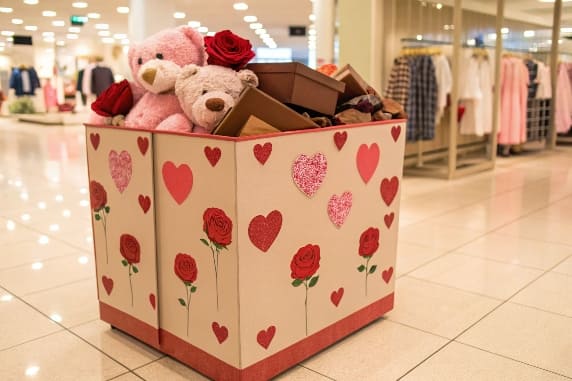
Why this format converts
Shoppers read abundance as value. The open top lowers friction. Hands do not fight pegs or doors. The footprint is small and flexible. Stores can wheel it into traffic quickly. Cardboard keeps cost low and sustainability high18. Digital print makes regional or seasonal art easy. In my factory, I change art by market without changing the cutting form. That keeps timelines short.
Design variables to control
I tune height for reach and sightlines. I add risers when the unit depth is too tall for the product. I reinforce corners for heavy items. I add a false bottom if the SKU is short. I lock the base with interlocking tabs. I spec water-based inks19 and recyclable coatings20 for Europe. For big-box chains like warehouse clubs, I design PDQ inners to speed setup.
Practical checklist
| Variable | Impact | My Go-To Move |
|---|---|---|
| Bin height21 | Reach, safety | 36"–44" for most items |
| Lip height | Spill control | 4"–6" with radius cut |
| Header size | Branding | 8"–12" above rim |
| Board grade | Strength | E/B flute mix for heavy loads |
| Coating22 | Durability | Aqueous or nano-coat if damp |
What is dump bin meaning?
The word "dump" sounds rough. Some teams fear it implies low quality. I use the term carefully and explain the intent.
"Dump bin" means an open-top mass-display that invites fast, self-serve selection. The word signals easy access and bulk presence. It does not require a messy look when design, risers, and replenishment keep tidy faces.
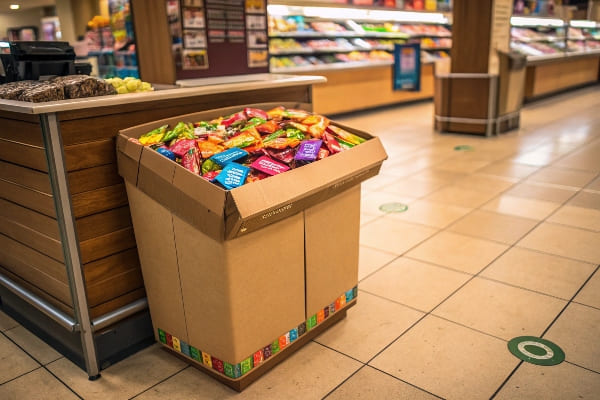
Language and practice
In daily retail talk23, "dump bin24" equals speed. The format trades precise facings for flow and volume. I keep the top layer neat, then I let shoppers reach. I print bold sides and a clear price on the header. That keeps choice simple. The bin still matches the brand. Clean edges, strong color, and simple copy maintain trust.
When it wins and when it fails
Dump bins win for promos, trials, seasonal pushes, and overstock. They help cash-flow25 because they are low-cost and fast to make. They ship flat and build in minutes. They recycle at end of life. They fail when the SKU is fragile, high ticket, or needs lockable fixtures. They also fail if the store will not replenish26. I use data from past runs to size capacity and plan refill counts.
Use or avoid
| Situation | Use a Dump Bin | Avoid a Dump Bin |
|---|---|---|
| Price point | Low to mid | High ticket |
| Product | Durable, grab-and-go | Fragile, sharp, regulated |
| Goal | Volume, trial, clearance | Education, premium story |
| Team bandwidth | Refill often | No staff to maintain |
Conclusion
Dump bins sell fast, set up fast, and fit tight budgets. Clear steps, right specs, and simple art protect timelines, margins, and brand trust.
Explore this link to understand how dump bins can boost product visibility and sales in retail environments. ↩
Explore this link to understand how dump bins can enhance product visibility and sales in retail environments. ↩
Learn about the importance of stability and edge crush tests in packaging to prevent product damage and ensure consumer safety. ↩
Explore the advantages of B/E flute corrugated material for packaging, including strength and recyclability. ↩
Learn how a fully open top with header enhances accessibility and branding in packaging solutions. ↩
Understanding SKU count is crucial for inventory management and optimizing product offerings. ↩
Exploring the significance of physical samples can enhance your product testing and reduce unexpected issues. ↩
Understanding mass production can enhance your knowledge of efficient manufacturing processes and logistics. ↩
Exploring the significance of recyclable board can help you grasp sustainable practices in retail and packaging. ↩
Exploring best practices for prototype testing can enhance your product's quality and market readiness. ↩
Understanding the mass production timeline can help you optimize your project planning and resource allocation. ↩
Understanding Backroom bins can enhance your inventory management strategies and improve efficiency. ↩
Exploring Checkout bins can provide insights into consumer behavior and effective merchandising techniques. ↩
Understanding shelf bin specifications can help you choose the right packaging for your products, ensuring safety and efficiency. ↩
Exploring dump bin design features can enhance your retail strategy, improving customer access and product visibility. ↩
Understanding shelf-facing bins can enhance your retail organization strategies and improve customer experience. ↩
Exploring checkout bins can provide insights into effective merchandising techniques that boost sales. ↩
Exploring this link will provide insights into how sustainability enhances value and reduces costs in packaging. ↩
Explore this link to understand how water-based inks can enhance sustainability and safety in packaging. ↩
Learn about recyclable coatings and their role in reducing environmental impact in packaging. ↩
Understanding the optimal bin height can enhance safety and accessibility in your workspace. ↩
Exploring various coatings can help you choose the right one for long-lasting protection against moisture. ↩
Exploring common retail terminology can help you communicate effectively in the industry and improve your business operations. ↩
Understanding the concept of a dump bin can enhance your retail strategy, improving customer engagement and sales. ↩
Understanding cash-flow strategies can help you optimize your retail operations and enhance profitability. ↩
Learning about inventory replenishment can ensure your store remains stocked and meets customer demand efficiently. ↩