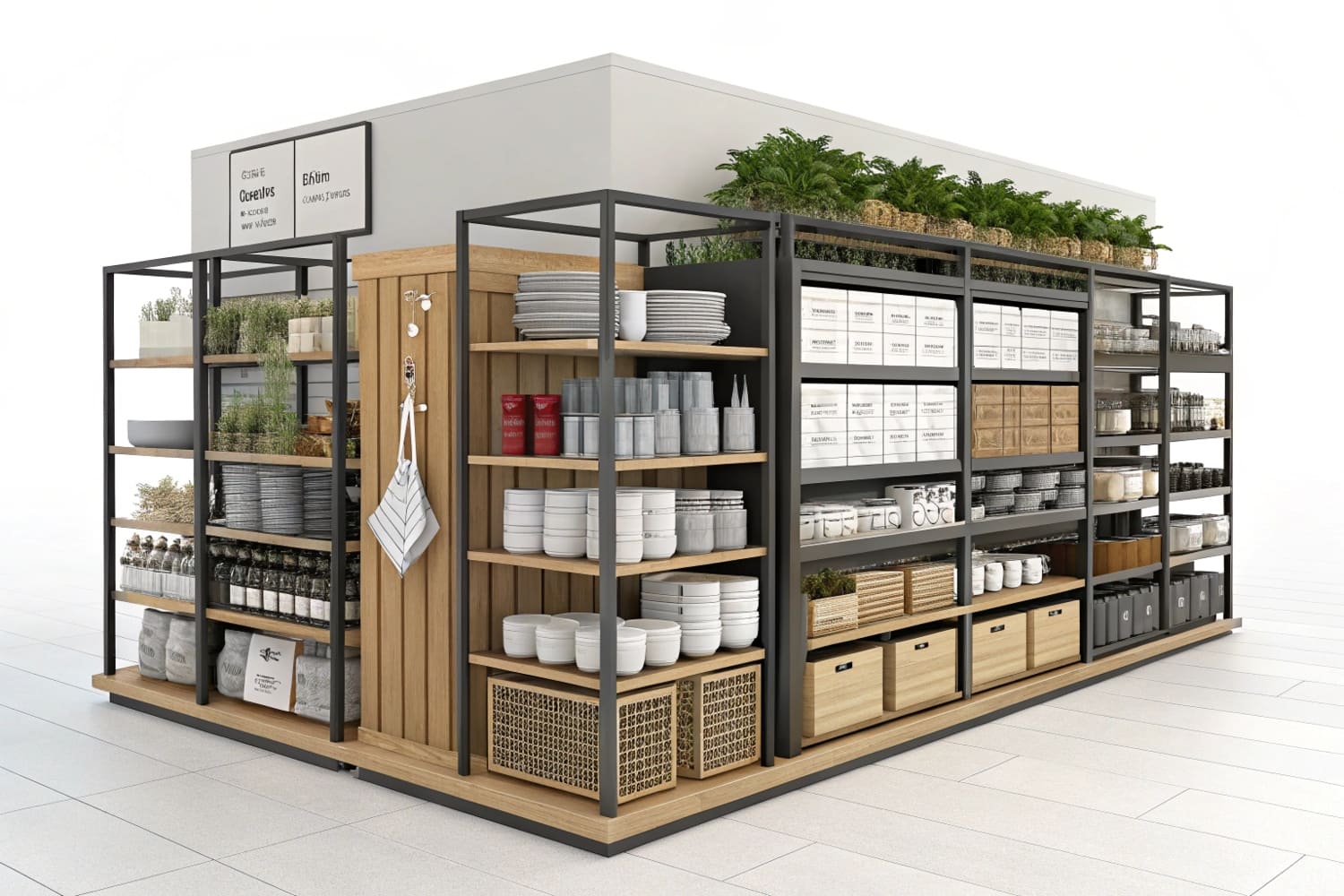
I see crowded shelves, missed sales, and tired staff. I also see hidden air, dead corners, and weak messages. I turn those gaps into strong space with smart cardboard displays.
Use vertical space, tight footprints, and modular cardboard displays; zone by mission; standardize sizes; stack safely; add clear copy; test loads; keep paths open; design for pack-flat shipping; and swap graphics fast for new promos.
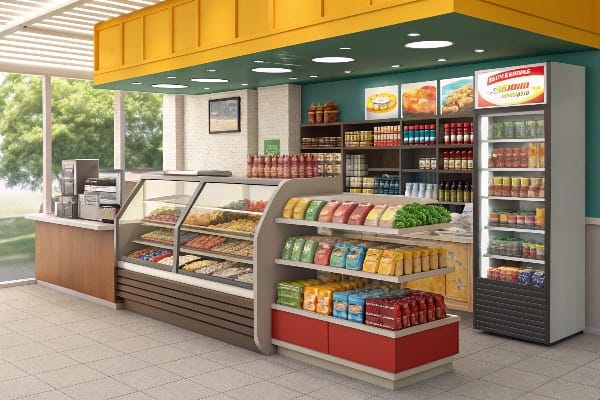
I run a B2B cardboard display factory in Shenzhen. I sell wholesale only. I work with tight rooms every week. I build quick samples, stress-test them, and ship fast to the U.S., Canada, the U.K., and Australia. Let me show my field notes.
How do you fit a lot of stuff in a small room?
The room looks full. The floor feels busy. The walls still keep quiet. I fix that. I go up, in, under, and along.
Count units, assign zones, go vertical, use PDQ trays, pick narrow floor displays, raise countertops, hang light SKUs, label fronts, and keep a 36-inch path; then test weight before load-in.
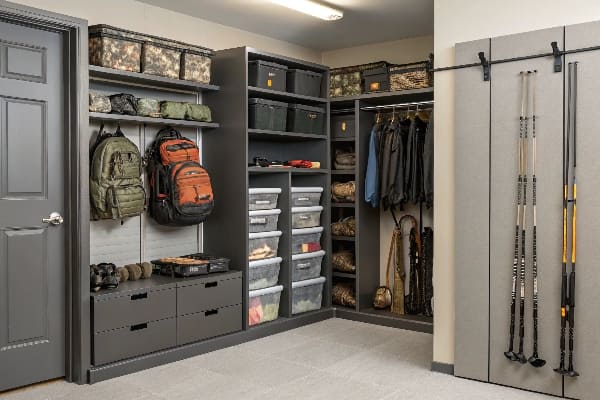
Step-by-step plan
I start with a quick audit. I list SKUs, box sizes, and sell speeds. I set a max width per island. I pick one narrow floor display as my hero. It often holds 43–45% of volume because it stands out like a mini aisle. Floor displays in POP keep growing fast, so I lean on them when I need impact. I add PDQ trays for impulse items near checkout. I use clip strips for small parts. I set shelf heights just above product height to cut wasted air. I print bold headers with simple words. I keep a clean 36-inch path for safety and carts. I choose flat-pack designs to make backroom space work. I use water-based inks1 and recycled board to meet buyer rules in North America and Europe.
Layout options at a glance
| Tactic | Best For | Display Type | Why it works |
|---|---|---|---|
| Narrow hero tower2 | New launch | Floor display | Tall face, small footprint |
| PDQ at checkout3 | Add-ons | Counter/Tray | Triggers impulse buys |
| Clip strips | Small SKUs | Hang tabs | Uses vertical dead air |
| Shelf risers | Short packs | Shelf trays | Cuts wasted headroom |
| End wall grid | Bulk boxes | Pallet or wall unit | High capacity, fast set |
Where to store things when you have no storage?
The backroom is gone. The stock is here. The plan must hide quantity in plain sight. I make the display store and sell at once.
Turn displays into storage with double-depth trays, under-shelf drawers, header cavities, and pallet bases; pre-pack units; rotate from back to front; and keep spare graphics inside a flat pocket.
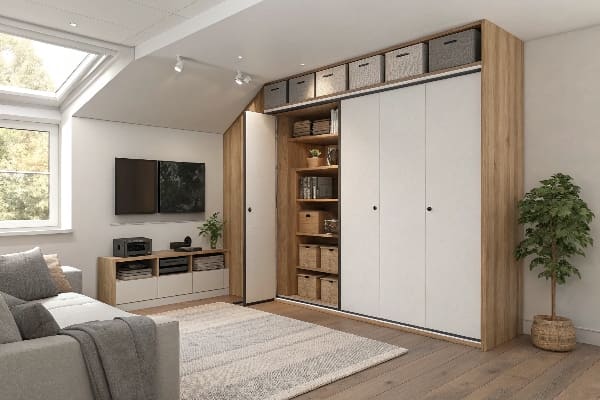
Hidden volume map
I treat each face like a small warehouse. I spec double-depth trays for slow movers. I hide a thin drawer under the lowest shelf for refills like hang tags or manuals. I build a hollow header with a front hinge for spare graphics. I use pallet-based displays4 when staff is light, so they move with a jack in one lift. I pre-pack units in the factory to cut backroom steps. I place the fastest SKU at hand height. I place bulky boxes near the base for safe weight. I mark simple restock arrows inside the tray. I test load and transport. I ship flat when freight is tight. I keep all materials curbside recyclable5 so stores do not fight disposal rules.
Storage-by-zone guide
| Zone | Hidden Capacity6 | Structure | Notes |
|---|---|---|---|
| Header cavity | Graphics, POS | Hinged top | Keep tools inside |
| Under-shelf | Refills | Low drawer | Add finger cut-out |
| Base plinth | Bulky stock | Pallet or box base | Strap for transit |
| Back panel | Overpack | Double wall | Cut access slot |
| Side wings | Small SKUs7 | Pocket sleeves | Great for samples |
How to maximize space in a small flat?
A small flat needs a calm look and fast setup. I mix retail rules with home rules. I keep sightlines clean. I let things move.
Use three layers: wall, mid, floor; mount light items, use narrow towers, add foldable carts; standardize box widths; use modular trays; and label edges for quick resets.
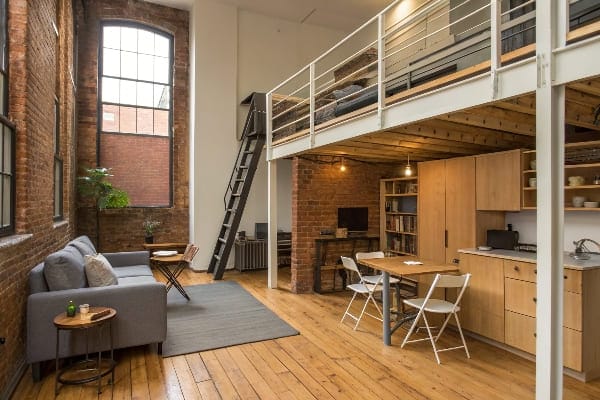
Three-layer thinking
I break the flat into layers. The wall layer carries light goods on hang tabs and shallow shelves. The mid layer uses counters and tables for PDQ trays. The floor layer gets one slim tower near a corner, not the center. I use single-wall corrugated for light parts and stronger board for the base. I print in digital to run small batches and fast swaps. I choose water-based inks8 to keep the air clean. I design fold-and-lock joints9 so the display packs flat under a bed. I set a five-minute reset rule. If a move takes longer, I redesign it. I place the highest-margin item at eye level. I put clean, large type on headers because short, bold words sell.
Action matrix
| Layer | Main Action | Display Type | Setup Time |
|---|---|---|---|
| Wall | Hang light SKUs10 | Clip strips / tabs | 5–10 min |
| Mid | Group add-ons | PDQ trays | 3–5 min |
| Floor | Anchor hero11 | Narrow floor tower | 10–15 min |
| Mobile | Flex overflow | Foldable cart | 2–3 min |
| Hidden | Store extras | Flat pack under bed | 2–3 min |
How to arrange things in a small room?
I arrange for flow, then reach, then story. I set one promise per face. I keep the eye calm. I let the hand work fast.
Create clear zones, place eye-level heroes, stack heavy low, group by mission, color-block fronts, mark prices big, and leave one empty spot per face so the display can breathe.
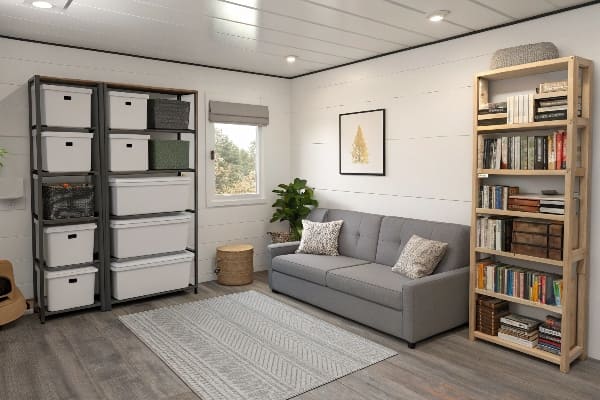
Zoning by mission
I name zones by what the shopper wants to do. "Try," "Take," and "Learn." I put trial items12 at hand height with simple copy. I put take-home bundles low and safe. I keep learning tools13 like QR codes at the header. I space pegs by the package width plus one finger so grab is clean. I color-block rows so the eye reads fast. I print price on the front lip, not the side. I choose recycled corrugated with a light nano-coating if the store is humid. I test every joint after a drop test and a shake test. I track failure points and thicken where needed. My factory runs three lines, so I can split runs by SKU mix and still ship on time.
Quick layout cheat sheet
| Zone | Size Guide | Display | Why |
|---|---|---|---|
| Try | Eye to hand | Counter tray | Reduce friction14 |
| Take | Knee to floor | Floor tower | Higher capacity15 |
| Learn | Header | Printed panel + QR | Simple guidance |
| Add-on | Aisle edge | Clip strip | Fast attach sale |
| Backfill | Hidden base | Pallet cavity | Fewer restocks |
Conclusion
Small rooms can hold more and sell more. I count units, zone with intent, build vertical, store inside the display, test loads, print clear copy, and keep paths open.
Learn about the advantages of water-based inks, including sustainability and safety, which are crucial for modern packaging. ↩
Explore this link to understand how a Narrow hero tower can effectively showcase new products with minimal space. ↩
Discover how PDQ at checkout can boost impulse purchases and enhance customer experience. ↩
Explore how pallet-based displays can enhance efficiency and visibility in retail settings. ↩
Learn about best practices for using curbside recyclable materials to improve sustainability in your operations. ↩
Understanding Hidden Capacity can optimize your storage solutions, making your space more efficient. ↩
Learn effective strategies for managing Small SKUs to enhance your inventory control and maximize space. ↩
Explore the advantages of water-based inks for cleaner air and eco-friendly printing practices. ↩
Learn how fold-and-lock joints enhance packaging efficiency and reduce storage space. ↩
Explore this link to learn effective strategies for maximizing product visibility and sales through proper SKU placement. ↩
Discover techniques for showcasing hero products that can significantly boost customer engagement and sales. ↩
Explore this link to discover effective strategies for showcasing trial items that enhance customer engagement and boost sales. ↩
Check out this resource to understand how integrating learning tools can elevate the shopping experience and provide valuable information to customers. ↩
Understanding how to reduce friction can enhance customer experience and boost sales. ↩
Exploring higher capacity solutions can help maximize your display's effectiveness and profitability. ↩