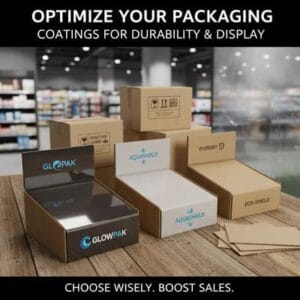
Retail spaces are crowded, and your product is getting lost on the shelf. You need a strategy to grab attention instantly and convert browsers into buyers.
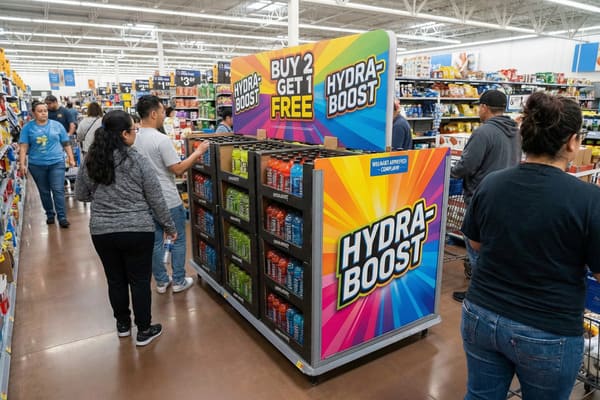
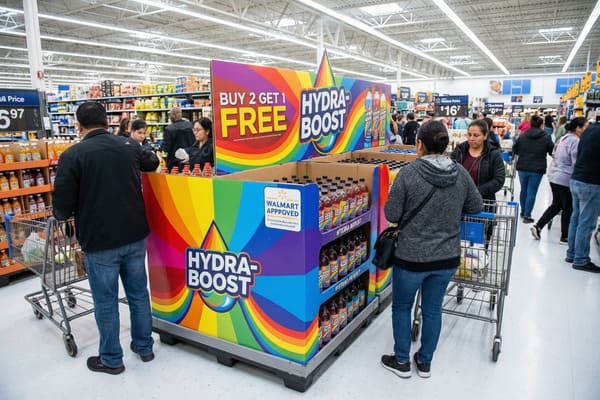
The key elements of an effective POP display include bold visual graphics, structural durability, strategic placement, and clear branding. It must disrupt the shopper's journey, communicate value immediately, and fit seamlessly into the retail environment while adhering to retailer compliance standards like those of Walmart or Costco.
Let's break down the specific frameworks and structural requirements that successful brands use to dominate the retail floor and increase sell-through rates.
What are the 5 P's of merchandising?
Launching a product without a plan is a recipe for failure. You need a checklist to ensure every angle of your retail strategy is covered.
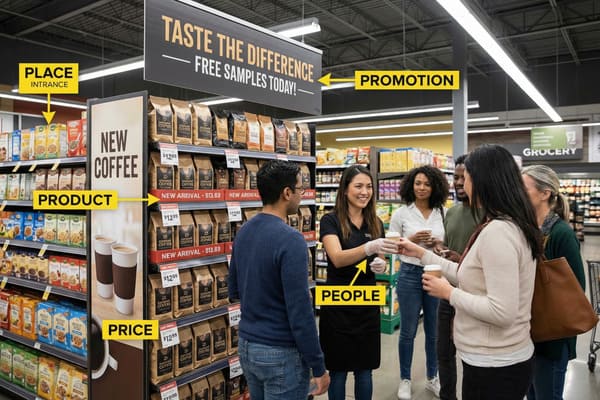
The 5 P's of merchandising are Product, Price, Place, Promotion, and People. These pillars ensure the right item is sold at the correct value, in the best location, with compelling marketing, to the specific target audience that is most likely to buy.
Integrating the 5 P's into Structural Design
To truly leverage the 5 P's of merchandising in cardboard displays, we have to look beyond the marketing theory and understand the physical engineering required to execute them. When we talk about "Product," we are technically discussing the weight, dimensions, and fragility of the item. For example, if you are displaying heavy hunting gear or large beverages, a standard single-wall cardboard structure will collapse. You need to utilize high-strength material1 like BC-flute double-wall corrugated board which offers superior stacking strength and edge crush test (ECT) ratings.
"Place" refers to the retail footprint. Data shows that Floor Displays account for roughly 43.7% of the market because they are highly visible, but they must fit within strict retailer dimensions (such as the 48" x 40" pallet standard in the US). "Promotion" relies heavily on print quality. We often see brands struggle with color consistency; high-quality offset printing or advanced digital printing is necessary to ensure your "Price" value is communicated effectively through premium visuals. Finally, "People" addresses the consumer trend toward sustainability. The modern shopper, especially Gen Z, checks if packaging is recyclable. Using 100% recyclable high-strength corrugated paper2 is no longer just an option; it is a requirement to align with the values of your target demographic while ensuring the display survives the supply chain.
| Merchandising 'P' | Technical Display Requirement | Retail Benefit |
|---|---|---|
| Product | Reinforced internal dividers and high ECT ratings3 | Prevents structural collapse under heavy inventory load. |
| Place | Optimized footprint (e.g., Quarter Pallet size) | Complies with Costco/Walmart aisle regulations. |
| Promotion | 4-color CMYK Offset Printing + Gloss Lamination4 | Increases visual disruption and brand recognition. |
| Price | High-quality finish and clean die-cut edges | Elevates perceived value of the product. |
| People | Use of recycled pulp and water-based inks | Appeals to eco-conscious consumers. |
I know that balancing these five elements can feel overwhelming when you are just trying to get a product out the door. We streamline this by reviewing your product weight and target retail location first, ensuring my structural team designs a display that hits every "P" before we even cut the first sample.
What are the four elements of display?
A messy or weak display ruins your brand reputation instantly. You must master the core components that keep your structure standing and selling.
The four fundamental elements of display are Color, Lighting, Composition, and Information. These components work together to attract the eye, highlight the product features, guide the customer's gaze through the arrangement, and provide necessary purchasing details quickly.
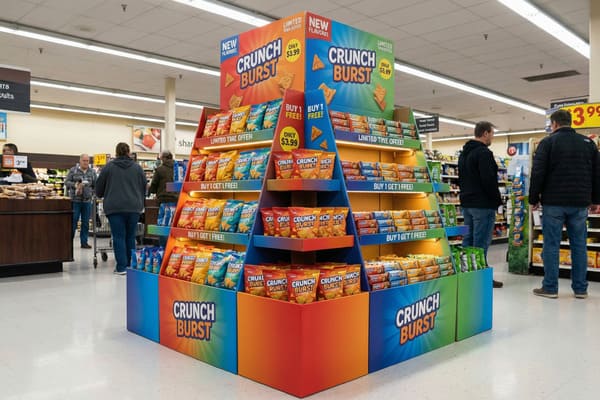
The Engineering Behind Visual Impact
When designing cardboard displays, the four elements—Color5, Lighting, Composition6, and Information—must be translated into manufacturing specifications. "Color" is the most critical factor for brand recognition. In the factory, we often deal with the challenge of matching print colors to specific Pantone (PMS) codes. If a client like Barnett Outdoors requires a specific brand green, a deviation in the Delta E value (a metric for color difference) can make the product look counterfeit. We use color management systems during the printing process, whether it is flexographic for simple designs or lithographic lamination for high-end graphics, to ensure consistency.
"Composition" refers to the structural integrity and the visual hierarchy of the unit. A display must use the "Golden Triangle" rule to guide the eye, but physically, it must also be stable. This involves selecting the right paper grade, such as 350g CCNB (Clay Coated News Back) mounted to B-flute corrugated. "Lighting" in the context of cardboard means how the material interacts with store lights. A matte finish might absorb light and look dull, whereas a UV gloss coating can reflect light and draw attention. "Information" is about the clarity of text. The die-cut lines must not obscure key text areas, and font sizes must be legible from a distance of three feet, which requires precise registration during the die-cutting phase to avoid cutting into text.
| Display Element | Manufacturing Specification | Outcome |
|---|---|---|
| Color | PMS Color Matching System & Digital Proofing7 | Ensures brand consistency across all stores. |
| Lighting | UV Coating or PP Gloss Lamination | Enhances brightness and protects against fading. |
| Composition | 350g CCNB + K5 Corrugated Board | Provides rigid structure and smooth print surface. |
| Information | High-resolution 300 DPI artwork8 | Ensures text is crisp and readable. |
I have seen too many great designs fail because the colors looked washed out or the structure sagged under store lighting. I use advanced color management systems in my factory to match your brand guidelines exactly, and we test every prototype under real load conditions to ensure the composition holds up.
What are the 4 P's of visual merchandising?
Shoppers ignore boring setups, leaving your inventory gathering dust. You need visual triggers that force them to stop and interact with your brand.
The 4 P's of visual merchandising specifically refer to Product, Placement, Presentation, and Props. This framework focuses on the aesthetic and physical presentation of the goods to maximize visual appeal and stimulate impulse buying behaviors in a brick-and-mortar setting.
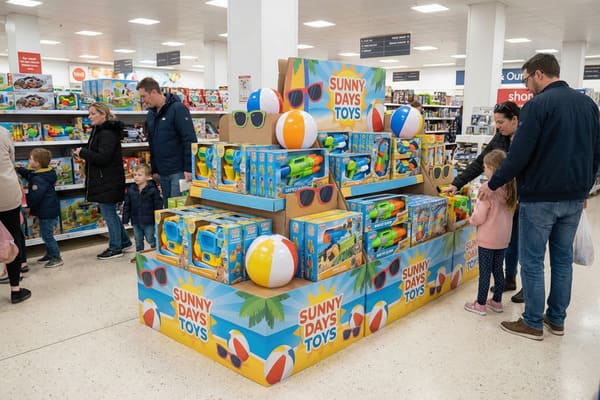
Maximizing Aesthetic Appeal and Functionality
The 4 P's of Visual Merchandising9 (Product, Placement, Presentation, Props) require a deep understanding of retail logistics and structural design. "Presentation" is often where brands fail; a display might look good in a rendering, but if it is difficult to assemble in-store, store clerks will discard it. This is why we focus on "Pre-assembled" or "Pop-up" designs. For "Placement," we must consider the traffic flow and the specific requirements of retailers. For instance, a Sidekick or Power Wing display is excellent for maximizing vertical space on end-caps, but it must have robust hooks or clips that can support the product weight without tearing the cardboard.
"Props" in the cardboard world refer to add-ons like headers, 3D pop-outs, or even LCD video screens embedded in the corrugated structure. These elements increase engagement but add weight and complexity. We have to engineer internal supports to handle these props. Regarding "Product," the display must make the item accessible. A "shelf-ready10" tray or PDQ (Pretty Darn Quick) display allows for rapid restocking. We use high-strength corrugated material to ensure that even after multiple customers have removed products, the tray retains its shape and does not look tattered, maintaining a premium presentation throughout the promotion cycle.
| VM Factor | Structural Solution | Logistics Advantage |
|---|---|---|
| Presentation | Flat-packed with auto-lock bottom11 | Reduces shipping volume, easy in-store assembly. |
| Placement | Power Wing / Sidekick dimensions12 | Utilizes wasted vertical retail space. |
| Props | Die-cut headers and 3D elements | Adds visual height without significant weight. |
| Product | Angled shelving or gravity feed | Keeps product facing forward automatically. |
I understand that visual merchandising is not just about looking good; it is about surviving the supply chain and looking good on arrival. We engineer flat-pack designs that save you shipping costs but pop open easily in the store, ensuring your presentation is perfect without requiring a degree to assemble.
What are the 4 pillars of merchandising?
Retail trends change fast, and old strategies stop working. You need a stable foundation to adapt to new consumer behaviors and market demands.
The 4 pillars of merchandising are Innovation, Agility, Customer Focus, and Data-Driven Decision Making. These pillars allow brands to adapt to changing market trends, respond quickly to supply chain shifts, meet evolving consumer needs, and optimize inventory levels based on real-time sales performance.
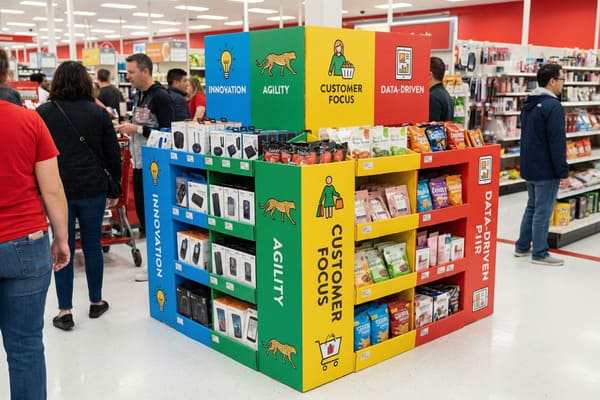
Strategic Adaptation in Manufacturing
To support the 4 pillars of merchandising—Innovation, Agility, Customer Focus, and Data—a manufacturer must operate with extreme flexibility. "Innovation" in our industry is driving the shift toward smart displays13. We are seeing more integration of QR codes and NFC tags printed directly onto the cardboard, allowing customers to interact digitally with the physical display. This bridges the gap between online and offline retail. "Agility" is the ability to respond to market changes. Traditional lead times of 4-6 weeks are often too slow. By utilizing digital cutting tables and digital printing for samples, we can reduce prototyping time to 24-48 hours.
"Customer Focus" is heavily centered on the sustainability trend14. The market is demanding plastic-free solutions. We are innovating with paper-based hooks and clips to replace traditional plastic hardware, ensuring the entire display is biodegradable. Finally, "Data-Driven Decision Making" affects how we produce. Brands analyze sell-through data to determine if they need a floor display or a counter display. We support this by offering low Minimum Order Quantities (MOQs) initially, allowing you to test a market with 500 units before committing to a run of 5,000. This minimizes risk and capitalizes on actual performance data.
| Merchandising Pillar | Manufacturing Capability | Strategic Value |
|---|---|---|
| Innovation | Integration of QR/AR codes15 | Connects physical shoppers to digital content. |
| Agility | Rapid Prototyping (1-2 days) | Allows for last-minute campaign adjustments. |
| Customer Focus | 100% Plastic-Free Structures16 | Aligns with eco-conscious consumer values. |
| Data-Driven | Low MOQ flexibility | Enables market testing before mass scaling. |
I believe that agility is the most critical pillar for my clients who need to hit seasonal windows like Black Friday. We offer free 3D renderings and rapid prototyping so you can validate your innovative ideas quickly, ensuring you never miss a launch date due to a slow manufacturing process.
Conclusion
Cardboard displays are powerful tools when you master these merchandising elements. They combine structural strength, visual appeal, and strategic placement to drive sales and build your brand.
Explore how high-strength materials enhance the durability and effectiveness of cardboard displays, ensuring they meet retail demands. ↩
Learn about the significance of using recyclable materials in packaging to meet consumer sustainability expectations. ↩
Explore this link to understand how these features enhance product safety and durability in retail. ↩
Discover how these printing techniques can significantly boost your brand's visibility and appeal. ↩
Understanding the role of color can enhance your design strategy and improve brand visibility. ↩
Exploring composition principles can help you create more effective and visually appealing displays. ↩
Understanding the PMS Color Matching System can help you maintain brand consistency effectively across all platforms. ↩
Exploring the significance of 300 DPI artwork will enhance your knowledge of achieving crisp and readable prints. ↩
Explore this link to discover effective strategies that enhance retail displays and boost sales. ↩
Learn about shelf-ready displays to understand how they streamline restocking and improve product visibility. ↩
Explore how flat-packed designs can optimize shipping and assembly, enhancing efficiency. ↩
Learn how these dimensions can effectively utilize vertical space in retail, boosting product visibility. ↩
Explore how smart displays enhance customer interaction and bridge online and offline shopping experiences. ↩
Learn about the latest sustainable practices in manufacturing and how they meet market demands for eco-friendly solutions. ↩
Explore how QR and AR codes can enhance customer engagement and drive sales in retail. ↩
Learn about the significance of eco-friendly packaging and its impact on consumer choices. ↩