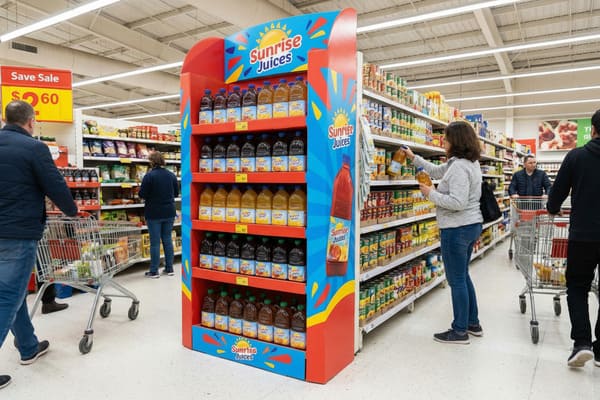
Retail environments are tough, and you cannot afford a display that collapses under the weight of your products. A failing structure damages your brand image and wastes your marketing budget.
Endcap displays are highly durable when engineered with the right corrugated material and internal support structures. High-quality units made from EB-flute or reinforced double-wall cardboard can easily withstand 4 to 6 weeks of intense retail activity. They typically support loads ranging from 20 to over 50 pounds per shelf depending on the structural design.
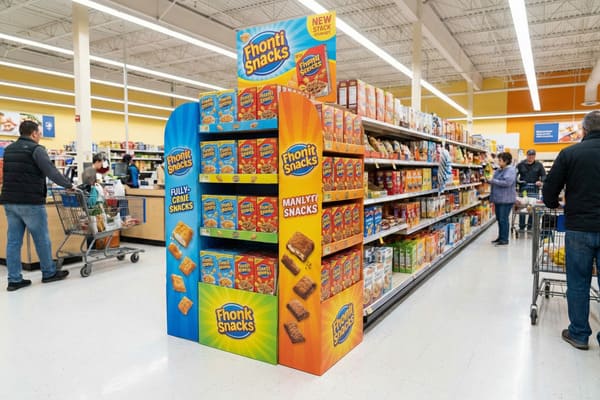
Durability is just the starting point for a successful retail campaign. Once you trust the structure, you need to understand the economic value these units bring to your business.
Are end of aisle displays worth it?
Investing in a new display campaign feels risky if you are not sure about the return on investment. You might worry that the sales boost won't cover the manufacturing costs.
Yes, they are definitely worth the investment because they occupy the most valuable real estate in a store. Research shows that products placed on endcaps sell significantly faster than those in the aisle. The high visibility disrupts shopper patterns, drives impulse purchases, and provides a cost-effective way to launch new products rapidly.
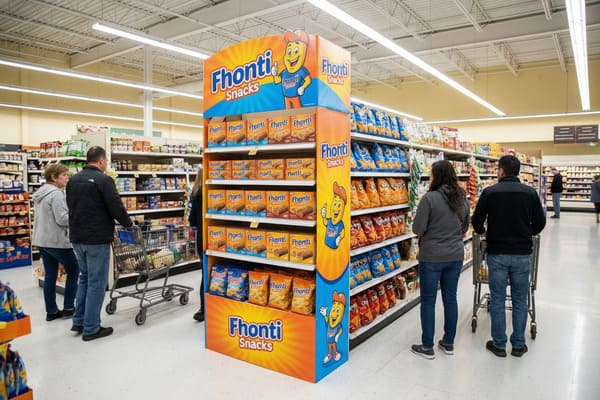
Cost-Benefit and Market Impact Analysis
The question of worth goes beyond simple sales figures; it is about the ratio of manufacturing cost to brand impact. The Cardboard Display1 industry is growing because brands realize this value. The global Display Packaging market is expected to grow from about USD 24.7 Billion in 2025 to over USD 40 Billion by 2035. This growth is driven by the fact that cardboard is much cheaper than metal or plastic permanent fixtures.
When you choose corrugated cardboard, you are choosing flexibility. A permanent metal display might last longer, but it ties you to one design for years. Cardboard allows you to change your marketing message every season. For example, the Floor POP (Point of Purchase) display segment is the fastest-growing because it offers direct visual impact for a low entry price.
However, the "worth" of a display is zero if it arrives damaged. The industry faces challenges with transportation and durability. If a display cannot survive the supply chain, it loses all value. This is why the structural design is critical. A standard single-wall board might be cheap, but it often fails with heavy items like hunting gear or beverages. High-value items need high-strength materials. We see a trend where brands are moving toward "intelligent structures2" that use fold-origami techniques to increase strength without adding material costs. This balance of low material cost and high structural integrity makes the endcap display one of the highest ROI tools in physical retail.
| Factor | Cardboard Endcap | Permanent (Metal/Wood) |
|---|---|---|
| Initial Cost | Low ($15 – $60 avg) | High ($200 – $500+) |
| Setup Time | Fast (Minutes) | Slow (Hours/Days) |
| Design Flexibility4 | High (Change every season) | Low (Fixed for years) |
| Recyclability | 100% (Paper pulp) | Difficult (Mixed materials) |
| ROI Speed | Immediate (Per campaign) | Long-term amortization |
I solve the risk of wasted investment by providing full-size prototypes before we ever start mass production. My team runs load-bearing tests on every single design to ensure your specific products—whether they are light cosmetics or heavy crossbows—are supported safely, guaranteeing your money is well spent.
What is the purpose of an endcap display in retail?
Your product can easily get lost when it is sitting side-by-side with competitors on a standard shelf. You need a strategy to make sure shoppers see your brand first.
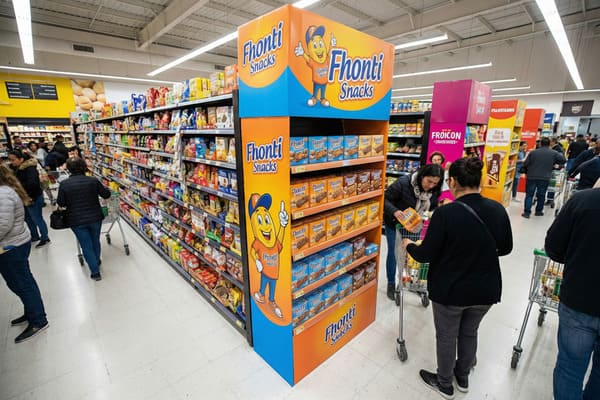
The primary purpose of an endcap display is to maximize product visibility and stop shoppers in their tracks. Retailers use these displays to feature promotions, seasonal items, or new launches that need special attention. By positioning products at the end of an aisle, you ensure they are seen by every customer navigating the store.
Strategic Functionality in Retail Layouts
The purpose of an endcap5 extends deep into shopper psychology and store logistics. In high-traffic environments like Walmart or Costco, the endcap acts as a "speed bump." Shoppers move quickly through main aisles. The endcap is designed to break their visual pattern. It must communicate the offer within three seconds. If the display is confusing or cluttered, it fails its purpose.
For heavy or premium goods, the purpose is also educational. A standard shelf cannot explain the technical features of a compound bow or a new electronic gadget. An endcap provides the surface area for graphics, bullet points, and imagery that educates the buyer. This is crucial for "impulse buys6" where the customer did not plan to purchase the item.
Structurally, the purpose determines the material. If the goal is to sell heavy beverages or tools, the display must act as a storage unit, not just a sign. We use heavy-duty corrugated board, often double-wall or reinforced flutes, to ensure the display functions as a mini-warehouse. This is vital for "PDQ" (Pretty Darn Quick) strategies where stock needs to be accessible and plentiful. If the display sags, it suggests the product is low quality. Therefore, the structural integrity is directly tied to the marketing purpose. A collapse defeats the purpose entirely by forcing store staff to remove the display for safety reasons, killing your sales potential immediately.
• Purpose vs. Structural Requirement
| Retail Goal | Required Structure | Ideal Material Spec |
|---|---|---|
| Quick Impulse Buy7 | Open bins or dump bins | B-Flute or C-Flute |
| Heavy Product Stock | Reinforced shelves/Pallet | EB-Flute or Double Wall |
| Brand Education8 | Large header cards/panels | High-quality clay coat print |
| Seasonal Promo | Modular/Stackable units | Standard corrugated |
I understand that a display must hold up physically to do its job marketing-wise. We use a specific internal reinforced structure for heavy client products to ensure the shelves stay flat and professional, allowing your brand story to be the hero rather than a sagging cardboard box.
What are end of aisle displays called?
Using the wrong terminology when ordering can lead to costly mistakes and confusion with suppliers. You want to be sure you are asking for exactly what fits your retail space.
These fixtures are most commonly known as endcaps or end-of-aisle displays. In the packaging and retail industry, they are also frequently referred to as POP (Point of Purchase) floor displays, feature ends, or gondola ends. The specific name often changes based on the retailer's preference or the specific structural style being used.
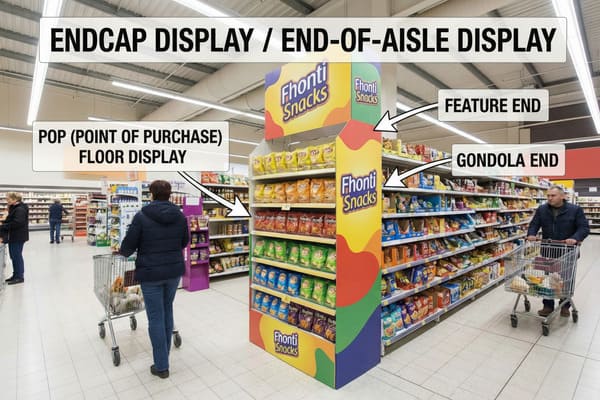
Industry Terminology and Structural Variations
Knowing the correct name is vital because "endcap" is a broad term. In the manufacturing world, we break this down into specific categories based on how the unit is constructed and where it sits.
1) Floor Displays: This is the general term. They stand on the floor. However, if you ask for a floor display, you might get a standard shelved unit.
2) Pallet Displays9: These are crucial for big-box retailers. They are built directly onto a standard 48×40 inch pallet (in the US). If you tell a supplier "endcap" but you need it for Costco, you actually need a "Pallet Display." The engineering is totally different because it must survive forklift handling.
3) Gondola Ends10: This usually refers to the permanent shelving at the end of an aisle. When we make cardboard for this, it is often a "Sidekick" or "Power Wing" that hangs off the side, or a "Dress-up Kit" that fits into the metal shelving.
4) Dump Bins: These are open-top displays for loose items.
The distinction matters for material choice. A "Pallet Display" often requires water-resistant footing or a "mop guard" because store floors get cleaned with machines. A standard "Floor Display" might not need that. Also, the "Gondola" dimensions vary by country. In the US, dimensions are standardized differently than in Europe or Asia. Mixing these up leads to displays that do not fit the assigned store space, resulting in immediate rejection by the retailer.
• Common Display Types
| Term | Description | Typical Use |
|---|---|---|
| Endcap | General term for aisle-end units | Supermarkets, Retail Chains |
| Pallet Display11 | Large unit on a wooden pallet | Costco, Sam's Club, Home Depot |
| Power Wing/Sidekick | Small unit hanging on the side | Light items, accessories |
| Dump Bin12 | Open container for loose stock | Discount items, candy, toys |
I prevent communication errors by asking for the specific retail requirements and floor plans right at the start. My design team provides 3D renderings that show exactly how the "endcap" or "pallet display" will look in the store, ensuring we are speaking the same language before we cut a single piece of paper.
What is the goal of a good end cap?
You might have a great product, but if the display looks cheap or confusing, customers will walk away. You need a clear objective for the design to ensure it converts traffic into revenue.
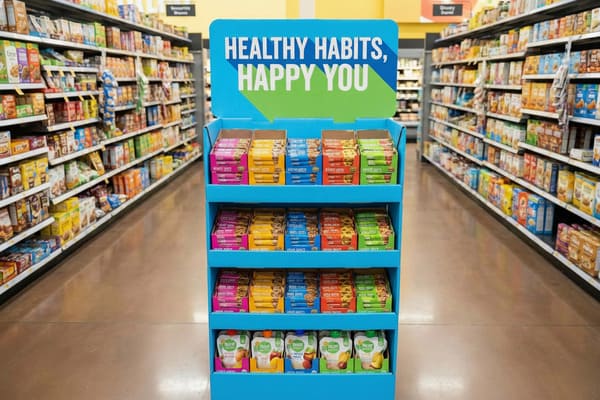
The goal is to grab attention instantly and convert a browser into a buyer. A successful end cap combines structural stability with high-impact graphics to tell a brand story. It must organize the inventory neatly and maintain a premium appearance throughout the entire promotion, avoiding any damage that could hurt the brand's reputation.
Achieving Sales Conversion through Quality
The ultimate goal is sales, but the path to sales is through "perceived value." Shoppers judge the quality of the product by the quality of the display. If the colors are faded or the cardboard is peeling, the customer assumes the product inside is old or cheap.
This brings us to the technical aspect of printing and coating. To achieve the goal of a "premium look," we cannot just use basic flexo printing on raw cardboard. We often use litho-lamination or high-quality digital printing13. Digital printing is becoming a huge trend because it allows for vibrant colors even on smaller production runs. It helps capture the attention of younger demographics like Gen Z, who value aesthetics and creativity.
Another goal is sustainability14. Modern consumers hate waste. A "good" end cap today is one that is 100% recyclable. It uses water-based inks and glues. If a brand uses a display full of plastic clips and non-recyclable coatings, it might backlash. The goal is to align the physical display with the brand's values.
Finally, the goal is "shoppability." The structural design must make it easy to take a product off the shelf. If the lip of the tray is too high, or if the products are packed too tightly, customers won't touch them. The engineering must balance holding the product securely during shipping while making it accessible in the store.
• Elements of a Successful Goal
| Feature | Impact on Shopper | Technical Requirement |
|---|---|---|
| Vibrant Color15 | Attracts eye from distance | 4C CMYK / Pantone Matching |
| Sturdy Shelves | Builds trust in quality | ECT-32 or ECT-44 Board |
| Easy Access | Encourages interaction | Ergonomic shelf height/lip |
| Eco-Material16 | Positive brand sentiment | Recycled pulp, veg-based ink |
I ensure your goal is met by strictly managing color consistency and material quality. I use advanced printing equipment to match your brand colors exactly, and I use only certified high-strength cardboard so that your display looks as good on the last day of the sale as it did on the first.
Conclusion
Cardboard endcap displays are durable, cost-effective sales tools. By choosing the right structure and manufacturer, you ensure your products are safe, your brand looks premium, and your sales increase significantly.
Explore how Cardboard Displays can enhance your marketing strategy and improve brand visibility in retail environments. ↩
Learn about intelligent structures and how they can optimize packaging strength and reduce costs, revolutionizing your display solutions. ↩
Understanding Comparative Cost Analysis helps businesses make informed decisions on display options. ↩
Exploring Design Flexibility can reveal how adaptable displays can enhance marketing strategies. ↩
Understanding endcaps can enhance your retail strategy, improving customer engagement and boosting sales. ↩
Exploring impulse buys can reveal effective tactics to increase unplanned purchases, maximizing your store's revenue. ↩
Explore this link to discover proven techniques that can enhance your retail strategy for quick impulse purchases. ↩
This resource offers insights into creating impactful brand education experiences that resonate with customers. ↩
Understanding Pallet Displays is essential for effective retail strategies, especially for big-box retailers. ↩
Exploring Gondola Ends can enhance your knowledge of retail layout and product placement. ↩
Understanding Pallet Displays can enhance your retail strategy, especially for bulk items. ↩
Exploring the use of Dump Bins can help you maximize sales of discount items and attract customers. ↩
Explore how digital printing enhances retail displays with vibrant colors and attracts younger consumers. ↩
Learn about sustainable practices in product displays that align with modern consumer values and reduce waste. ↩
Discover how vibrant colors can enhance shopper engagement and boost sales in retail environments. ↩
Learn about the positive effects of eco-friendly materials on brand image and customer loyalty. ↩