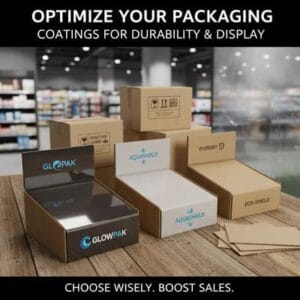
I help brands turn cardboard into sales tools. I solve tight timelines, strict specs, and hard retail rules. I design, print, test, and ship.
Yes. I offer custom printing for all POP display types. I handle structure, dielines, colors, coatings, and brand assets. I provide 3D renderings, samples, load tests, and fast runs. I print small batches and large orders with the same care.
I want this page to be useful. I will explain the key ideas. I will show clear steps. I will share a short story from my work.
What is point of purchase print?
I use "point of purchase print" to bring color, copy, and logos onto displays. I keep ink simple, clean, and brand safe. I match proof to press.
Point of purchase print means the graphics applied to displays at the place of buying. It covers brand colors, photos, UPC windows, callouts, and legal lines. It uses offset, digital, or flexo on cardboard or paperboard.
Print methods, materials, and when to pick each
Point of purchase print sits on top of structure. It drives attention first, then clarity. I select methods based on volume, lead time, and finish. I avoid jargon. I focus on fit for purpose. I stress proof control and color targets. I tie each choice to budget and retail rules. I design for end of life and recycling. I keep coatings recyclable where possible.
| Method | Best For | Speed | Unit Cost | Color Control | Notes |
|---|---|---|---|---|---|
| Digital (CMYK)1 | Small runs, many SKUs | Fast | Medium | Good | Personalization, quick edits |
| Offset (litho-lam)2 | Mid to large runs | Medium | Low at scale | Very High | Photo quality, brand-critical |
| Flexo | Very large runs | Fast | Low | Medium | Simple art, kraft vibe |
| Screen | Spot effects | Medium | High | High | White hits, heavy ink |
| Coatings | Protection, effect | — | — | — | Gloss, matte, soft-touch, anti-scuff |
| Substrates | CCNB, F-flute, E-flute | — | — | — | Balance strength and print pop |
Why it matters at retail
— Clear brand and price cues cut decision time.
— Bold headers and color blocks win from six feet.
— Clean dielines save pack-out time.
— Compliant claims avoid reprints.
— Eco inks and recyclable boards help brand goals.
I track trends. North America is steady. APAC grows fast. Europe raises the bar on sustainability. More buyers want recycled fiber, water-based inks, and light pack-outs. Digital print lets us run short, test fast, and roll new art without waste.
How to make a point of purchase display?
I break the process into simple steps. I share files early. I test early. I move fast after approval. I ship with clear labels.
Define goals, choose structure, build dielines, design graphics, prototype, test strength, print, die-cut, pack flat, and ship. Keep sign-off tight and specs clear.
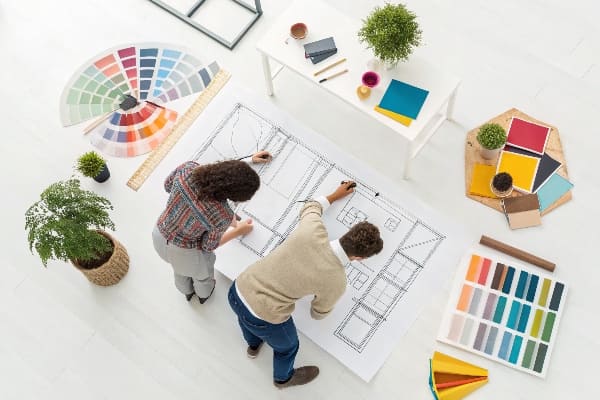
My step-by-step workflow and checks
I start with a brief. It lists store type, footprint, SKU count, shelf height, weight per tier, and target price point. I choose the structure: floor stand, pallet, tray, or counter. I draw the dieline3. I lock the fit for the product and for shipping. I set print rules: color targets, image DPI, and safe zones. I send a 3D render. I include quick notes for assembly.
Then I cut a sample. I test load. I run a drop test for transit. I tweak tabs and locks if needed. I confirm coatings based on store light and touch. I print a small pilot if timing allows. I then plan mass run windows and pack-out.
| Phase | Deliverable | Decision Gate | Risk Control |
|---|---|---|---|
| Brief | Spec sheet | Scope lock | Clarify store rules |
| Structure | Dieline + 3D | Fit check | SKU count vs. shelf |
| Graphics | Print-ready art | Color proof | Legal lines, UPC |
| Prototype | Physical sample | Load/ship test | Reinforce weak nodes |
| Pilot (opt.) | Short run | Retail review | Fix pack-out pain |
| Mass | Full run | Final QA | Random pull, ISTA |
I keep times short. I use flat-pack to cut freight and emissions. I log each change so the next reorder is smooth. I accept small losses up front if we gain repeat runs later. That is how I build trust.
I can share a short story. I worked with a hunting brand on a crossbow launch. The team had strict dates. The original stand leaned under load. We added a hidden brace and changed flute direction. The display passed load test4s. The rollout hit the date. The brand kept the format for future SKUs.
What is a point of purchase display or offer?
I treat "display" as the stand or tray. I treat "offer" as the incentive shown on it. The two work best when they talk to each other.
A point of purchase display holds and presents product near the buying moment. An offer is the message that drives action, like a discount, bundle, or gift with purchase. Together they boost visibility and conversion.
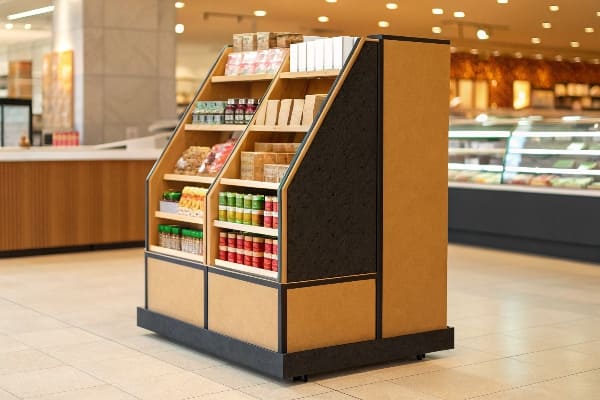
Types of displays and how offers fit
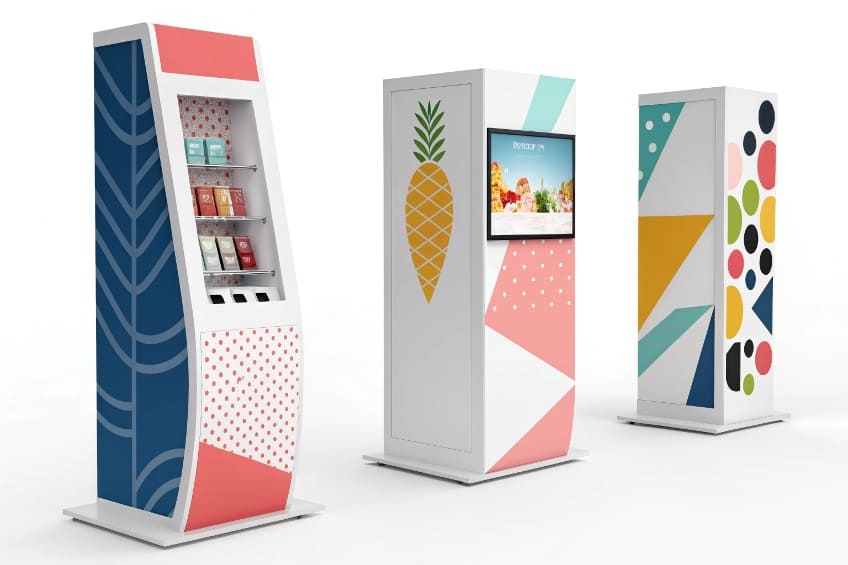
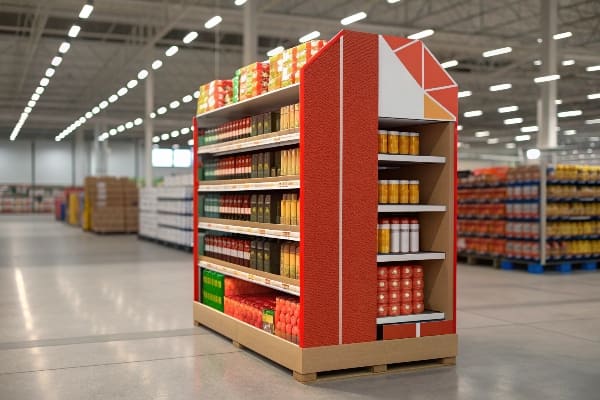
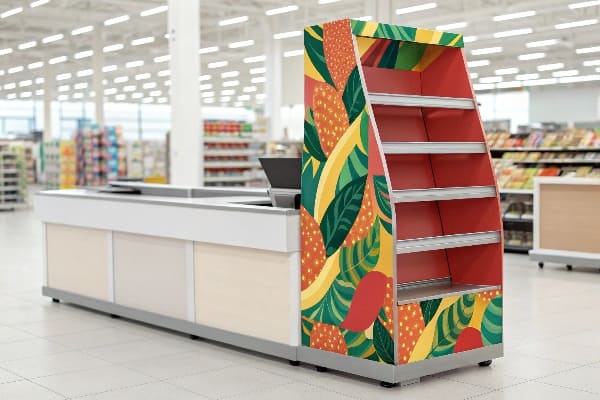
A floor display5 owns space and tells a story. A counter unit catches impulse buys. A pallet display moves volume in big-box stores. A shelf tray lifts facings and keeps packs neat. Clip strips bring small items to eye level. Some displays add simple tech like QR codes or motion sensors to pull attention. I match the type to the category, traffic, and margin.
| Display Type | Best Location | Offer Style | Pros | Watch-outs |
|---|---|---|---|---|
| Floor Stand | Aisle, end cap | Story + price | Big canvas, high impact | Needs stable base |
| Countertop | Checkout | Small impulse | Close to payment | Small footprint |
| Pallet | Warehouse club | Bulk bundle | Fast set, high volume | Strict pallet rules |
| Shelf Tray | Aisle shelf | Price tag sync | Low cost, tidy | Limited canvas |
| Clip Strip | Near core SKU | Add-on | Quick attach | Weight limits |
I keep offers simple. I use one lead message. I make price large and legible. I support it with a small benefit line. I keep claims compliant. I place a QR for specs or video if the product is technical. I plan for region tags or store tags that change often. I use easy-to-swap headers to avoid reprints. I design for sustainability6. I use recycled content and water-based inks. I keep glue low and avoid films when I can. I add anti-scuff coatings only when needed. Brands now ask for stronger green stories. I build that into both display and offer.
What is point of sale printing?
Many people mix this with POP print. I say point of sale printing is the print done right where the sale happens or for the checkout zone.
Point of sale printing refers to graphics for the purchase area, like counter mats, register toppers, wobblers, shelf talkers, and small signs. It complements POP displays and follows stricter size and safety rules.
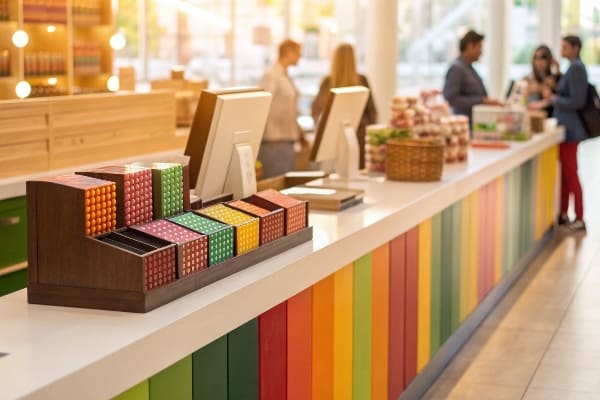
Formats, compliance, and fast-change needs
Point of sale items live very close to cash wraps and scanners. Space is tight. Staff needs to clean surfaces. Rules are strict. I choose durable coatings7 that still recycle where possible. I round corners for safety. I use adhesives that remove cleanly. I set font sizes that pass quick-read tests. I avoid glare that blocks barcodes.
| POS Item | Purpose | Typical Size | Material | Tip |
|---|---|---|---|---|
| Wobbler | Catch eye | 3–5 in | SBS + PET arm alt. paper arm | Keep weight light |
| Shelf Talker | Explain benefit | 3 x 1.5 in | CCNB | Match shelf label height |
| Counter Mat | Reinforce offer | 11 x 17 in | Laminated board alt. coated board | Anti-slip back |
| Register Topper | Price or promo | Varies | E-flute | Double-sided print |
| Danglers | Zone navigation | 8–12 in | F-flute | Check sprinkler clearance |
I push fast-change kits8 for POS. I group parts in labeled inner packs. I number steps on the insert. I print QR links to a 30-second build video. I test fit at one pilot store if time allows. I track feedback. I improve the next wave. I keep a clean file system so we can repeat or scale without delay.
I also keep color tight. POS sits next to many brands. A small shift looks big there. I use brand books. I match Pantone guides under D50 light. I send calibrated proofs. I do not ship until you sign off.
Conclusion
Custom POP printing works when process is clear, art is sharp, structure is strong, and offers stay simple.
Explore the benefits of Digital (CMYK) printing to understand its role in personalization and quick edits, crucial for modern marketing. ↩
Learn about Offset (litho-lam) printing to discover its high-quality output and cost-effectiveness for larger runs, essential for brand consistency. ↩
Understanding dielines is crucial for effective packaging design, ensuring your product fits perfectly and looks professional. ↩
Learning about load tests can help you ensure your packaging can withstand shipping and handling, preventing costly damages. ↩
Explore this link to understand how floor displays can enhance visibility and storytelling in retail environments. ↩
Discover innovative ways to incorporate sustainability into your retail displays, appealing to eco-conscious consumers. ↩
Explore this link to understand how durable coatings can enhance the longevity and safety of retail displays. ↩
Learn about fast-change kits and how they streamline the setup process, saving time and improving customer experience. ↩