
I sell into crowded aisles. I fight thin margins. I race deadlines. I also build fast tests. I share how I reduce risk with smart, sustainable cardboard displays.
CPG marketing is hard because channels fragment, costs swing, and shelves are crowded; brands win by tighter retail execution, faster design-to-shelf loops, and sustainable, customizable cardboard displays that test and scale quickly.
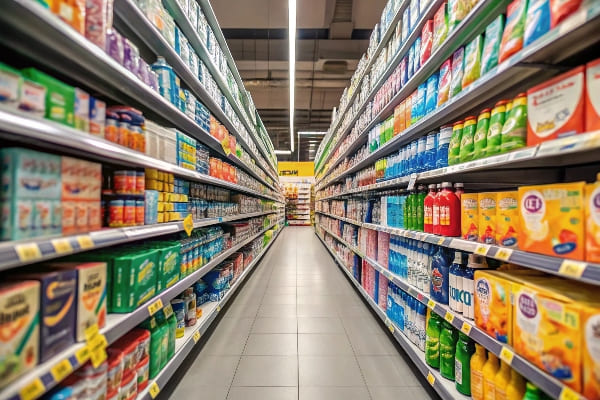
I learned these lessons on real floors. I run PopDisplay in Shenzhen. I manage three lines. I design, prototype, test, and ship displays for global launches. I make mistakes fast and fix them faster. I share what works next.
What are the challenges of the CPG industry?
I face many moving parts. Retail resets change dates. Buyers ask for last-minute swaps. Materials rise and fall. Store traffic shifts without warning.
The main challenges are margin pressure, retail execution gaps, supply risk, data silos, and sustainability compliance; I reduce them with rapid prototypes, flat-pack designs, clear QC gates, and certified, recyclable materials.
Retail reality I see
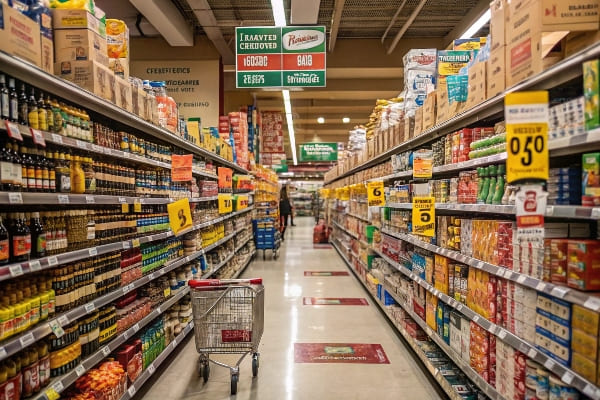
I see good brands lose on the last meter. The planogram1 looks fine on paper. The shelf looks messy in store. Associates are busy. A flimsy display collapses after a rush. A color shift breaks trust. I fix this with simple, strong structures. I mark parts. I print clear assembly steps. I add QR codes with build videos. I keep units flat-pack2 to cut freight and damage. I use water-based inks and tighter color targets. I test drop and load before mass runs. I learned this after a holiday launch for a snack client missed a week because of a weak base. That week hurt. The fix was thicker board and a quicker lock tab.
Operations reality I own
Supply is noisy. Pulp prices move. Energy costs rise. Ports slow. So I build short changeover times3. I keep digital print on standby for small waves. I set a two-sample rule: a white sample for fit and a color sample for print. I run strength tests that match the store path. I lock FSC and recycled content4 early for compliance. I push local kitting near the warehouse to speed turn.
| Challenge | Why it hurts | Display fix I use |
|---|---|---|
| Margin pressure5 | Trade spend eats profit | Simple dielines, fewer parts |
| Execution gaps | Setup errors kill impact | Numbered parts, QR build videos |
| Supply risk | Late fiber or inks | Dual materials, digital print backup |
| Sustainability6 | Non-recyclable coatings | Water-based inks, certified fiber |
| Data silos | No feedback loop | SKU-level photos, field forms |
What are the disadvantages of CPG?
I love the scale. I respect the risk. CPG can feel like a treadmill. Promotions pile up. Inventory ties cash. Returns hit late.
Disadvantages include commoditization, promotion addiction, slow innovation cycles, retailer power, and waste risk; I answer with faster prototypes, PDQ units, clear QC, and honest post-mortems after each run.
Where profit leaks
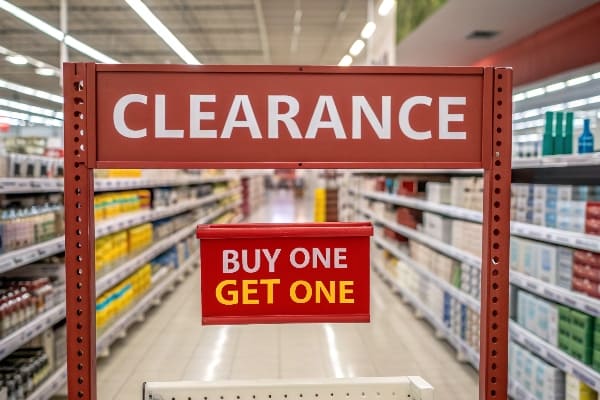
Prices are visible. Rivals copy fast. A weak launch drags for quarters. I saw this when a beauty client spread spend across many SKUs. Nothing stood out. We pulled back. We built one strong floor display7 with a hero SKU stack8. Sell-through rose because the message was clear. I keep messages short. I use bold panels. I let products do the talk. I avoid tiny copy. I test color under store lights, not studio lights. I keep tolerances simple so plants in different regions can match.
What I do to cut downside
I accept that samples cost time. I lose a little upfront. I win on repeat orders. I put QC at three gates9: board strength, print target, and transport. I give buyers a simple promise: no charge for design tweaks10 until the sample wins in hand. This builds trust. It keeps the brief tight.
| Disadvantage | Risk in market | My mitigation |
|---|---|---|
| Commoditization | Price wars11 | Distinct structures, bold brand blocks |
| Promo addiction | ROI noise | Fewer, better displays with clear goals |
| Slow cycles | Missed trend | Digital print for quick waves12 |
| Retailer power | Fees, chargebacks | Flat-pack accuracy, on-time ASN |
| Waste risk | Cost and image hit | Recyclable boards, no plastic lamination |
What are the major trends happening in the CPG industry?
I track shelf, shopper, and supply. I see clear signals. Some were fads. Many are now hard rules that shape every brief I touch.
Key trends are sustainability, faster personalization, retail media at shelf, smart and flat-pack displays, and Asia-Pacific growth; these trends reward simple designs, short runs, and measurable in-store tests.
What grows now
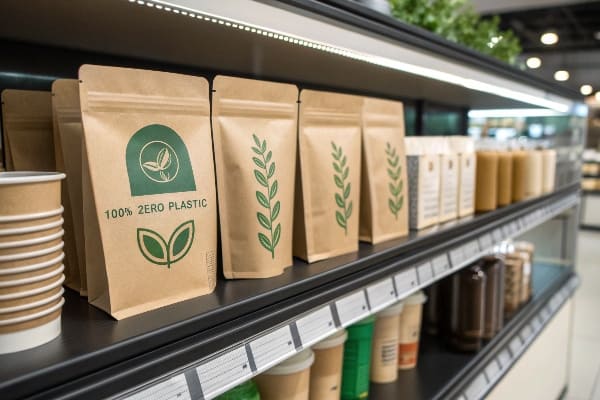
Sustainability is not a nice-to-have. Buyers ask for FSC and recycled content13 first. Water-based inks are standard in my plant. Flat-pack saves freight and storage. PDQ units move in and out fast in big box stores. Personalization also rises. Digital print14 lets me run short batches for regional flavors or sports tie-ins. Retail media moves in store. I print clean spaces for shelf talkers and QR to connect to media buys. Smart tags help count picks in pilots. Asia-Pacific keeps growing. Urban stores need lighter, modular displays. This matches cardboard well.
Numbers I use to plan
Display packaging demand is steady. I plan for mid-single digit growth through 2030. Corrugated usage rises with e-commerce and retail refresh. Floor displays keep a large share because they stop traffic and tell a simple story. These lines guide my capex and hiring.
| Trend | Why now | What I see on floors |
|---|---|---|
| Sustainability15 | Policy and shopper push | Recycled board, water-based inks |
| Personalization16 | Fragmented demand | Short digital print waves |
| Retail media | Measurable reach | QR panels, clean callouts |
| Smart displays | Need real data | Pick counts in pilots |
| APAC growth | Urban retail boom | Modular, light structures |
What is the future of CPG marketing?
I think the shelf becomes media. I think prototypes ship faster. I think waste drops. I think data returns to the brief.
The future favors shelf-as-media, rapid test-and-scale loops, closed-loop sustainability, and simple, strong cardboard displays that connect to digital journeys while staying recyclable and fast to make.
How I plan my next five years
I build around speed. I keep one line ready for rush work with digital print17. I hold standard die sets for common footprints. I train the team to swap in minutes. I invest in preflight tools18 that catch color and bleed issues. I push QR and NFC that point to reviews or setup videos. I avoid heavy gadgets on the unit. I keep structure simple and strong. I focus on design that helps staff set up fast. I test under real store light and footfall. I run field photos on day one to confirm build and facing.
What this means for partners
A buyer like David in the hunting space wants bold, safe, and on time. He designs in the US. He sends clear CAD. I build a white sample to check fit with crossbows and accessories. I test for load and tip on rough floors. I then print a color sample to lock the brand red and camo tones. I ship only after sign-off. I keep the first wave small to test in two regions. If it sells, we scale. Freight stays low because the units are flat-pack19. Waste stays low because the boards are recyclable20. Trust grows because the process is clear.
| Future bet | Action this year | Simple KPI |
|---|---|---|
| Shelf-as-media21 | Add QR and NFC zones | Scan rate, add-to-cart |
| Faster loops | Standard die library | Brief-to-ship days |
| Closed-loop green22 | Recycled board, FSC | Recycle rate proof |
| Human-proof setup | Fewer parts, labels | Setup time in store |
| Data to design | Field photo feedback | Fixes per next run |
Conclusion
I keep displays simple, strong, and green. I test small. I learn fast. I scale what proves out. This is how I win crowded aisles.
Understanding planograms can help retailers optimize shelf layouts for better sales performance. ↩
Exploring flat-pack packaging can reveal cost-saving and efficiency benefits for retailers. ↩
Understanding the advantages of short changeover times can enhance operational efficiency and responsiveness in your business. ↩
Exploring FSC certification and recycled content can help you ensure sustainability and compliance in your operations. ↩
Understanding margin pressure can help businesses strategize better and improve profitability. ↩
Exploring sustainability practices can lead to innovative solutions and enhance brand reputation. ↩
Exploring effective strategies for strong floor displays can enhance your retail environment and attract more customers. ↩
Understanding the concept of a hero SKU stack can help you optimize product displays and boost sales effectively. ↩
Exploring this link will provide insights into quality control processes that enhance product reliability and customer satisfaction. ↩
This resource will help you understand the importance of design flexibility in meeting client needs and improving final products. ↩
Understanding price wars can help businesses strategize effectively and maintain profitability. ↩
Exploring digital printing benefits can enhance your ability to adapt quickly to market changes. ↩
Understanding FSC and recycled content is crucial for sustainable practices and meeting buyer demands. ↩
Exploring digital print can reveal innovative ways to personalize products and improve customer engagement. ↩
Explore this link to understand how sustainability is shaping retail practices and consumer choices. ↩
Discover insights on how personalization is transforming the retail landscape and meeting consumer demands. ↩
Exploring this link will provide insights into how digital print can enhance efficiency and quality in your projects. ↩
This resource will help you understand essential preflight tools that ensure your print projects are error-free and professional. ↩
Explore how flat-pack shipping can reduce costs and improve efficiency in logistics. ↩
Learn about the significance of recyclable materials in reducing environmental impact. ↩
Explore this link to understand how Shelf-as-media can enhance customer engagement and boost sales. ↩
Discover the benefits of closed-loop green packaging and how it contributes to sustainability in retail. ↩