Are you struggling to get your products noticed in a crowded retail environment? Most brands face the challenge of blending in on standard shelves, missing out on critical impulse purchases.
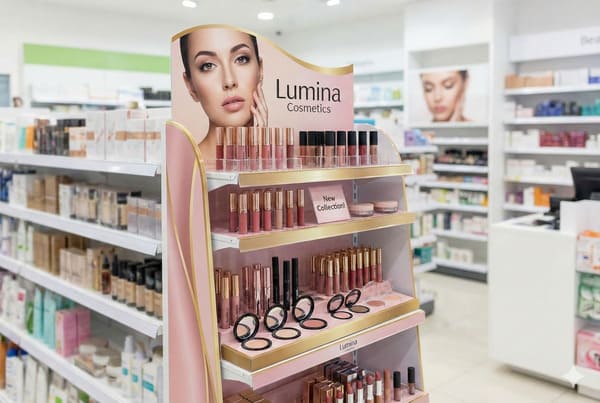
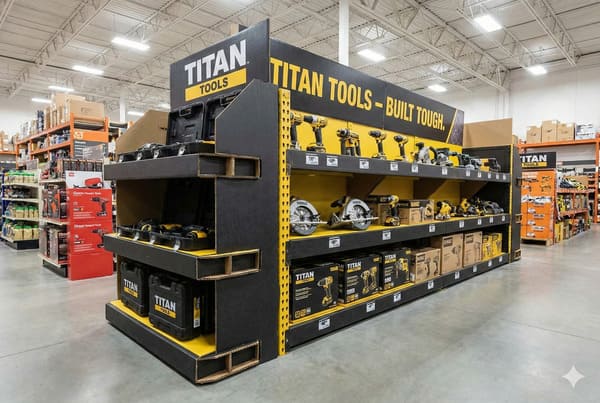
Yes, endcap displays are incredibly versatile and can be engineered for almost any product type. From lightweight cosmetics requiring high-resolution print headers to heavy outdoor equipment needing reinforced structural support, these displays adapt to various dimensions and weight requirements through custom corrugated engineering.
Endcap displays act as a blank canvas for your brand. They allow you to break free from the constraints of the standard aisle. Whether you are launching a new seasonal item or trying to clear inventory, the flexibility of cardboard structures means you are not limited by what you sell, but rather by how you choose to present it. Let's look at how they function across the board.
What are end cap displays used for?
Retail space is expensive and limited. You cannot afford to have your merchandise hidden away where customers might miss it during a quick shopping trip.
End cap displays are primarily used to maximize product visibility at the high-traffic ends of store aisles. They serve to highlight promotions, launch new products, and drive impulse sales by placing items directly in the shopper's main path, forcing engagement before they enter the aisle.
Structural Adaptability for Product Categories
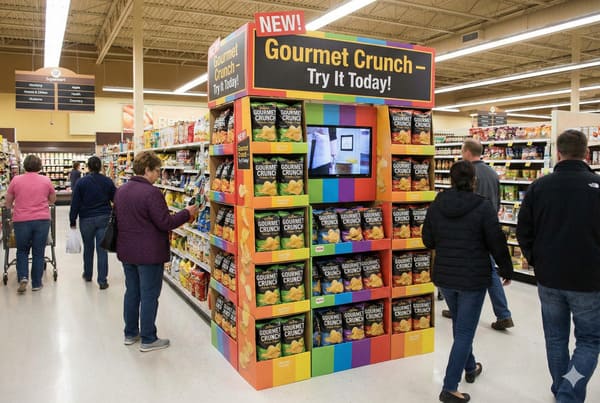
The true power of end cap displays lies in their structural engineering. Many people assume cardboard is only for light items like chips or candy. This is a misconception. In my factory, we adjust the internal structure of the corrugated board to suit the specific "load profile" of the merchandise. For Fast-Moving Consumer Goods (FMCG)1, the focus is often on volume. We use a gravity-feed design or a dump bin style that allows for messy, high-quantity stocking. This encourages shoppers to grab items quickly without worrying about messing up a neat display.
However, for heavier items like beverages or even hardware tools, we change the material composition. We utilize reinforced shelving with double-wall corrugated board and specific flute combinations, such as EB-flutes. This increases the Edge Crush Test (ECT)2 rating, ensuring the stand does not buckle under weight. For high-end cosmetics or electronics, the structure changes again. We prioritize smooth surfaces for high-quality printing over raw strength. We might use a B-flute which offers a flatter surface for lithographic laminating, ensuring your brand colors pop and the text is sharp. The physical "job" of the display shifts from holding weight to holding attention. It is about matching the engineering to the product's physical and marketing needs.
| Product Category | Primary Structural Need | Recommended Flute Type | Key Design Feature |
|---|---|---|---|
| FMCG (Snacks) | High Volume Capacity3 | B or E Flute | Dump bins or gravity feed |
| Beverages | Heavy Load Bearing | BC or EB Double Wall | Reinforced shelves & waterproof coating |
| Cosmetics | Visual Fidelity4 | E or B Flute | High-gloss print & intricate cutouts |
| Electronics | Security & Information | E Flute + Inserts | Locking tabs & detailed info panels |
I understand that trusting cardboard with valuable inventory can be scary. We run rigorous load-bearing tests in my facility using weights that exceed your actual product weight to ensure safety. I guarantee that the structure we prototype for you will handle the retail environment without collapsing.
Are end of aisle displays worth it?
Marketing budgets are tight and every dollar needs to show a return. You might worry that investing in temporary displays is a waste of money compared to digital ads.
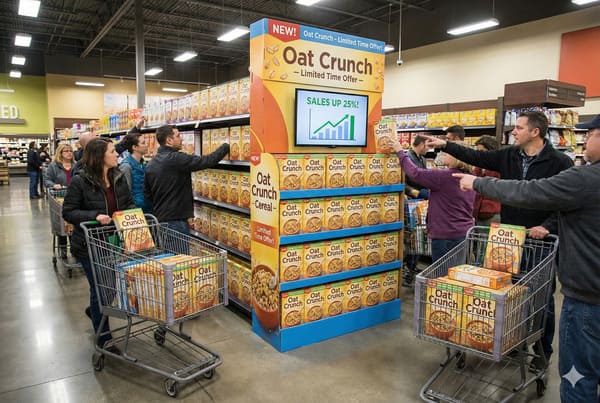
Research and sales data consistently show that end of aisle displays are highly worth the investment. They provide a verified lift in sales by capturing traffic that never enters the aisle, offering a high Return on Investment (ROI) through increased brand impressions and immediate conversion.
Cost Analysis and Return on Investment
When you analyze the cost of end of aisle displays, you must look at the "Cost Per Thousand5" (CPM) impressions compared to other media. A floor display in a high-traffic retailer like Walmart or Costco might be seen by thousands of people per day. The production cost of a cardboard display is relatively low, especially when compared to permanent metal or wood fixtures. This low barrier to entry makes them accessible even for short-term campaigns. The primary driver of value here is the "impulse buy6." Statistics suggest a significant portion of purchasing decisions are made in-store. An end cap capitalizes on this by interrupting the shopper's journey.
However, the "worth" of the display is heavily dependent on execution. A poorly made display that is difficult for store staff to assemble will likely be thrown away or hidden in the back. This destroys your ROI immediately. To ensure the investment pays off, the display must be "retailer friendly." This means it needs to be easy to ship, easy to set up, and durable enough to last the duration of the promotion (usually 2 to 4 weeks). If the display collapses or looks tattered after three days, it reflects poorly on the brand. Therefore, the initial saving on cheap materials often leads to a loss in sales. You must balance material cost with structural integrity to truly get your money's worth.
| ROI Factor | Description | Impact on Profit |
|---|---|---|
| Visibility | 100% exposure to main aisle traffic | High increase in brand awareness |
| Impulse Rate7 | Triggers unplanned purchases | Direct increase in sales volume |
| Material Cost8 | Lower than permanent fixtures | Maintains healthy profit margins |
| Setup Time | Must be under 5 minutes | Ensuring compliance by store staff |
I know that profit margins are your priority. I focus on flat-pack designs that reduce your shipping volume and logistics costs. We optimize the material usage to give you the best price without sacrificing the quality that drives your sales.
What are end caps used for?
Launching a seasonal product or a limited-time offer requires precise timing. Standard shelves are static and often cannot accommodate the rapid changes needed for specific marketing calendars.
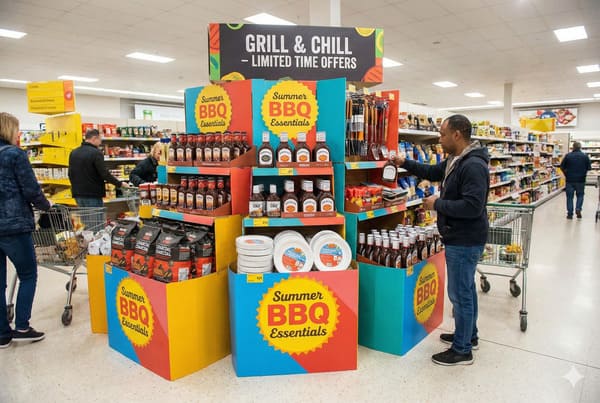
Retailers utilize end caps for strategic objectives such as clearing seasonal inventory, cross-merchandising complementary products, and establishing brand dominance during peak shopping periods. They are the primary tool for flexible, time-sensitive retail strategies that require quick rotation.
Strategic Deployment and Material Science
Beyond just holding products, end caps are used to execute specific retail strategies. One common use is cross-merchandising9. For example, placing a cardboard display of crackers next to the soup aisle, rather than in the cracker aisle. This suggests a meal solution to the shopper. To do this effectively, the display often needs to be narrower or have a specific footprint to fit in non-standard spaces. We design these with modularity in mind. Another critical use is seasonal dominance. During Q4, brands fight for space. Cardboard is the preferred material here because it is temporary and recyclable.
Sustainability is becoming a massive factor in how these are used. Brands now use end caps to signal their environmental commitment. Using unbleached, Kraft-style cardboard with minimal ink coverage can communicate "organic" or "natural" effectively. Conversely, a glossy finish communicates "premium." The choice of material is a marketing tool in itself. Furthermore, we are seeing a rise in demand for "retail-ready" packaging where the shipping box converts into the display. This reduces labor for the store clerks. If the display is too hard to work with, it gets ignored. The goal is to make the transition from the delivery truck to the sales floor as seamless as possible.
| Strategic Goal | Display Requirement | Material Consideration |
|---|---|---|
| Seasonal Promo10 | Fast assembly, short lifespan | Standard corrugated (Recyclable) |
| Cross-Sell | Small footprint, versatile placement | Light duty, narrow profile |
| Brand Launch11 | High visual impact, unique shape | Die-cut headers, premium print |
| Clearance | High capacity, messy stock | Reinforced bin structure |
I use 100% recyclable materials and eco-friendly vegetable-based inks in my factory. I can help you meet the strict sustainability requirements of major retailers while ensuring your seasonal promotions launch exactly when you need them.
What is an example of end cap in retail?
It is often hard to visualize how a flat piece of cardboard becomes a sturdy retail fixture. You might be worried about whether a paper product can really represent your brand's quality.
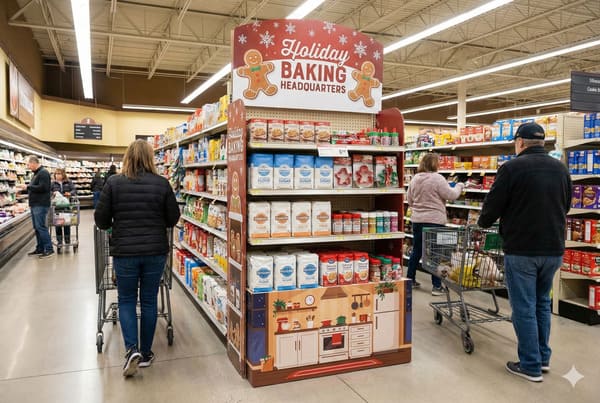
A classic example is a seasonal holiday promotion display found in major box stores. These units typically feature a large custom header for branding, multiple reinforced tiered shelves for products, and a sturdy base that withstands the wear and tear of shopping carts and cleaning equipment.
Anatomy of a High-Performance Display
Let's break down a specific example relevant to heavy-duty goods, like outdoor or hunting gear. Imagine an end cap designed for crossbow accessories. This is not a standard snack stand. The base of this display, known as the "kick plate12," needs to be waterproof. Store floors are mopped daily, and if the cardboard soaks up water, the whole tower falls. We use a special coating or a plastic clip-on guard at the bottom to prevent this. The shelves are not just flat sheets; they are engineered with a front lip. This lip does two things: it stops the product from sliding off when a customer bumps it, and it provides a face for price tags or branding strips.
The header card13 is the most critical part for capturing attention. It sits at eye level. In a successful example, this header is die-cut into a custom shape—perhaps the outline of a deer or a bow—rather than a boring rectangle. This breaks the visual monotony of the aisle. Inside the shelves, we might use dividers. If you are selling different sizes of bolts or arrowheads, these dividers keep the stock organized. Without them, the display becomes a mess in hours. A great example combines these functional elements (strength, organization, moisture protection) with high-impact graphics that tell a story instantly.
| Component | Function | Common Issue to Avoid |
|---|---|---|
| Header | Brand messaging & attraction14 | Text too small or cluttered |
| Shelves | Product support & organization15 | Sagging under heavy weight |
| Kick Plate | Structural base & protection | Water damage from floor cleaning |
| Side Panels | Additional branding space | Obstructed by neighboring shelves |
I provide free 3D renderings of these designs before we start production. I want you to see exactly how the header, shelves, and base come together so you can be confident the final result matches your vision perfectly.
Conclusion
Endcap displays are a powerful tool for any product type, offering a blend of visibility and versatility. By choosing the right structure and design, you can turn a simple cardboard stand into a high-performing sales machine.
Explore this link to discover effective strategies for showcasing FMCG products that drive sales and enhance customer engagement. ↩
Understanding the ECT is crucial for ensuring your packaging can withstand weight, making this resource invaluable for product display design. ↩
Understanding High Volume Capacity can help optimize packaging solutions for snacks, enhancing efficiency and sales. ↩
Exploring Visual Fidelity will reveal how it enhances brand appeal and consumer attraction in the cosmetics industry. ↩
Understanding CPM is crucial for evaluating the effectiveness of your advertising spend and maximizing ROI. ↩
Exploring impulse buying can reveal strategies to enhance sales through effective display placements. ↩
Understanding impulse rate can help retailers boost sales through strategic placement. ↩
Exploring material costs can reveal ways to optimize expenses and enhance profitability. ↩
Explore this link to understand how cross-merchandising can enhance shopper experience and boost sales. ↩
Explore this link to discover innovative ideas and best practices for creating impactful seasonal promotions. ↩
This resource offers insights into designing eye-catching displays that can elevate your brand launch and attract customers. ↩
Understanding the role of a kick plate can enhance your display's durability and effectiveness. ↩
Learn how to create eye-catching header cards that capture customer attention and boost sales. ↩
Explore this link to discover proven strategies that enhance brand messaging and attract more customers. ↩
This resource provides insights on optimizing product support and organization for better retail performance. ↩