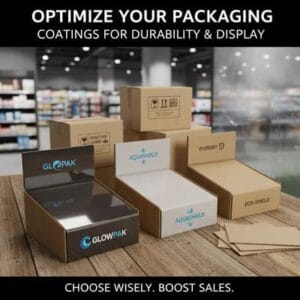
Retail shelves are more crowded than ever, and getting your product noticed is a massive challenge. You might be losing valuable sales simply because your items blend into the background.
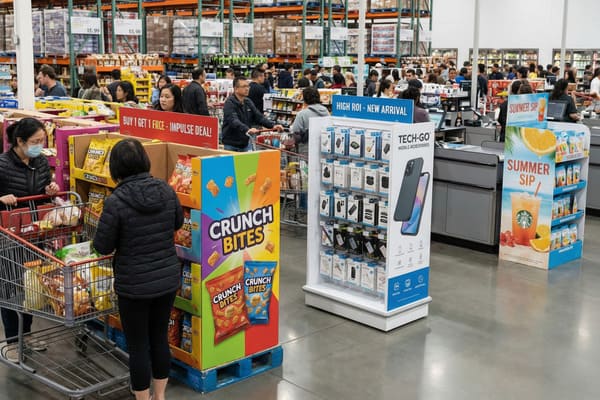
POP displays increase visibility, boost impulse buys, and offer a high ROI compared to permanent fixtures. They provide flexible branding opportunities, reduce shipping costs through lightweight designs, and improve product organization in high-traffic retail environments like Walmart or Costco.
Let's explore exactly why these temporary fixtures are becoming the standard for smart retail marketing strategies.
What are the benefits of pop displays?
Brands need cost-effective ways to stand out without breaking the bank. Why do top retailers prefer cardboard over metal for seasonal promotions?
The primary benefits include cost efficiency, rapid production speed, and complete design customization. They allow brands to launch seasonal campaigns quickly, minimize storage space with flat-packing, and support sustainability goals through the use of 100% recyclable corrugated materials.
Strategic Visibility and Cost-Efficiency
When we look at the retail landscape, specifically in competitive markets like North America and the fast-growing Asia-Pacific region, the dominance of floor displays is clear. Floor units currently hold a significant market share, estimated around 43.7%, because they interrupt the shopper's path. Unlike shelf items that wait to be found, a freestanding cardboard display proactively presents the product. This is crucial for Fast-Moving Consumer Goods (FMCG)1 and even durable goods like sporting equipment. The cost difference is the first major technical advantage. Producing a metal or wood fixture requires expensive tooling and long lead times. In contrast, corrugated cardboard displays2 use digital printing and automated cutting tables.
This technology allows for short-run production without the massive setup costs associated with traditional manufacturing. For a brand launching a new product, this means you can test a market with 500 units rather than committing to 5,000. Furthermore, the material science behind modern cardboard is impressive. We are not just talking about standard brown boxes. We use high-strength grades like double-wall BC-flute for heavy items, ensuring the stand can hold substantial weight—sometimes upwards of 20kg per shelf—while remaining light enough to ship inexpensively. This balance of structural integrity and low logistics cost is the driving force behind the industry's projected growth to over $41 billion by 2035.
| Feature | Cardboard POP Display | Permanent (Metal/Wood) Display |
|---|---|---|
| Production Cost3 | Low (Ideal for short-term) | High (Requires tooling) |
| Lead Time | Fast (10-15 days typical) | Slow (6-8 weeks typical) |
| Customization4 | High (Easy to print & cut) | Low (Rigid structure) |
| Shipping | Flat-packed (Low cost) | Assembled/Bulky (High cost) |
| Recyclability | 100% Recyclable | Difficult to separate materials |
I know that speed is money in retail. We offer free 3D renderings and samples to ensure your promotion launches on time, while my structural team guarantees the cardboard handles the weight without collapsing.
What are the pros and cons of point of sale display?
Every marketing tool has trade-offs that you need to consider. Understanding the strengths and weaknesses helps you manage expectations and budget effectively.
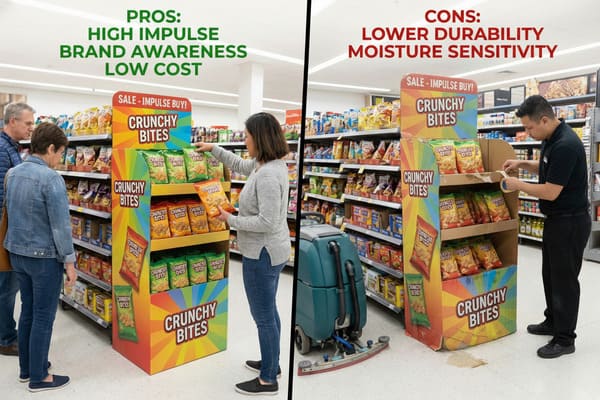
Pros include high impulse purchase rates, brand awareness, and low entry costs. Cons involve lower durability compared to permanent fixtures and potential moisture sensitivity. However, modern coatings and engineered structural designs significantly mitigate these lifespan issues in standard retail environments.
Navigating Durability and ROI
To make an informed decision, you must analyze the "Silent Salesman" effect against the physical limitations of paper-based materials. The pros are heavily weighted toward Return on Investment (ROI)5. A well-placed Point of Sale (POS) display6 acts as a billboard within the store. It creates a dedicated zone for your brand, free from competitors sitting inches away on a standard shelf. This visual dominance drives brand recall and impulse purchases, which is why sectors like cosmetics and food heavily rely on them. The entry cost is low enough that if a display boosts sales by even 15%, it often pays for itself within the first week.
However, the cons are technical and physical. Cardboard is hydroscopic; it absorbs moisture. In a retail environment where floors are mopped daily, a standard raw cardboard base can become soggy and collapse within days. This is a common pain point for inexperienced buyers. Additionally, cardboard has a finite lifespan. It is not designed to last for years. Friction from products being taken on and off the shelves will eventually wear down the edges. To combat this, we use specific technical solutions such as adding clear plastic mop guards (clips) to the bottom or applying aqueous, water-resistant coatings during the printing process. We also utilize "virgin" paper for the outer liner rather than recycled paper when structural stiffness is critical, as recycled fibers are shorter and weaker.
| Aspect | Pros | Cons | Mitigation Strategy |
|---|---|---|---|
| Marketing | High visibility, boosts impulse buys7 | Visual clutter if poorly designed | Use clean, bold graphics |
| Lifespan | Perfect for seasonal/promotional | Degrades over time (3-6 months) | robust structural engineering |
| Environment | Eco-friendly, biodegradable8 | Sensitive to humidity/water | Add plastic feet or waterproof coating |
| Logistics | Lightweight, easy to move | Can be damaged if mishandled | Reinforced packaging for transport |
I frequently solve durability concerns by adding waterproof bases or using reinforced double-wall corrugated board. My factory tests every batch to ensure they withstand retail wear and tear so your brand image remains pristine.
How effective are popups?
You might wonder if a temporary cardboard stand actually drives revenue. The data suggests these displays are powerful conversion tools when executed correctly.
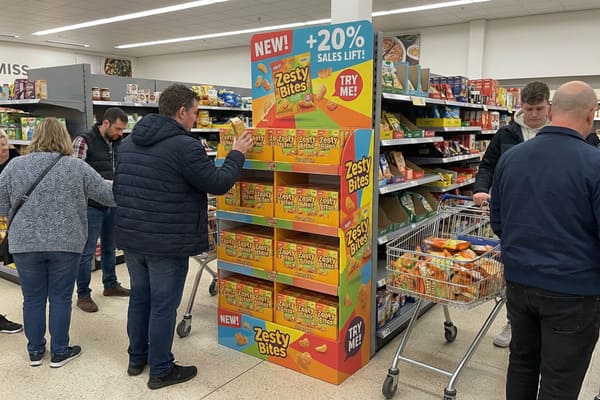
Popups are highly effective, with studies showing they can lift sales by over 20% for featured items. They disrupt the shopper's journey, focusing attention solely on your product, which is crucial for launching new items or clearing inventory in competitive sectors.
Measurable Impact on Retail Conversion
The effectiveness of POP (Point of Purchase9) displays, often referred to as "popups" in general marketing terms, is rooted in behavioral psychology. Shoppers in large warehouse stores or supermarkets often operate on autopilot. A freestanding display unit (FSDU) or a pallet display acts as a pattern interrupt. It forces the consumer to stop and look. Industry reports indicate that products featured on a secondary display can see sales lifts ranging from 20% to over 400% depending on the category. For instance, a "Countertop Display" placed near the register capitalizes on the final moments of the shopping trip, converting waiting time into buying time. This is incredibly effective for smaller items like batteries, candy, or small gadgets.
From a technical production standpoint, effectiveness is also linked to print quality. A washed-out, low-resolution display implies a low-quality product. We utilize offset printing and high-quality digital printing to ensure color consistency, matching your brand's Pantone colors exactly. This builds trust. Furthermore, the rise of "Smart Displays10" is increasing effectiveness. By integrating QR codes or NFC tags into the print design, brands can link the physical display to digital content, reviews, or coupons. This creates an omnichannel experience that modern consumers, especially Gen Z, expect. The ability to change these graphics quickly for different regions using digital printing means your marketing remains agile and targeted, maximizing the conversion rate per store.
| Metric | Impact of Effective POP Display | Why it Works |
|---|---|---|
| Sales Lift11 | +20% to +400% | Disrupts shopper autopilot |
| Brand Recall | Significantly Higher | Dedicated visual space |
| Speed to Market | Weeks instead of Months | Capitalizes on trends immediately |
| Customer Engagement12 | High (especially with QR/Tech) | Connects physical to digital |
I help clients maximize effectiveness by using high-quality digital printing that grabs attention instantly. We prototype relentlessly to ensure the structure supports your marketing message, helping you capture those crucial impulse buys.
What are the advantages of pop ups?
Beyond sales numbers, there are logistical and environmental advantages. Let's look at the operational side of using these displays.
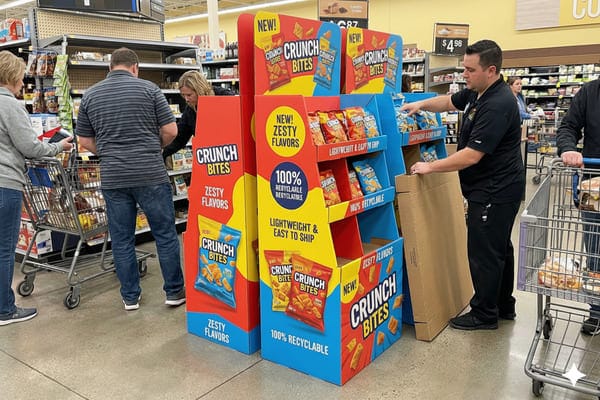
The advantages extend to logistics and sustainability. Pop ups are lightweight, reducing shipping carbon footprints, and are often flat-packed for easy assembly. They offer immense versatility in shape and size, from small counter units to large pallet displays, catering to diverse retail footprint requirements.
Logistics, Sustainability, and Customization
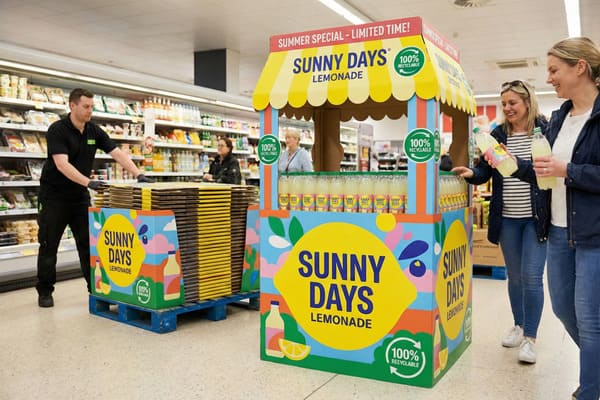
The logistical advantages of cardboard displays are often undervalued until you look at the shipping bill. Because these units are designed to be "flat-packed13," we can fit hundreds of units onto a single pallet. Compare this to pre-assembled metal or wood fixtures where you are essentially shipping air. This efficiency drastically reduces fuel consumption and transport costs, which is a key concern given current global supply chain volatility. For the retailer, the advantage lies in the ease of assembly. Complex displays get thrown away by busy store staff. We focus on "pop-up" mechanisms—designs that utilize internal elastic bands or clever folding techniques (resembling origami) to snap into shape in seconds. This ensures compliance; the display actually makes it onto the sales floor.
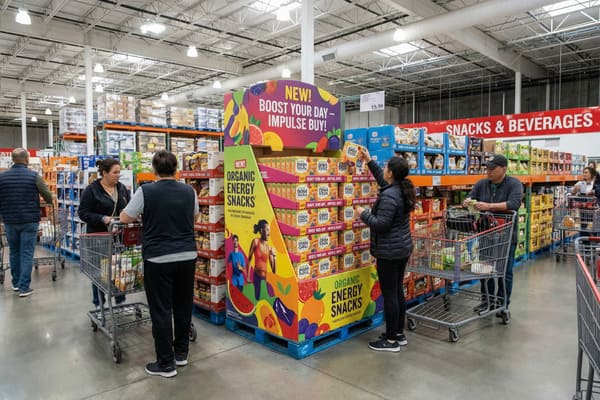
Sustainability is another massive advantage driving the market. With the "Display Packaging" market growing, there is intense pressure to reduce plastic. We are seeing a shift toward 100% recyclable materials14 and the use of soy-based or water-based inks which reduce Volatile Organic Compound (VOC) emissions. This allows brands to meet strict environmental regulations and appeal to eco-conscious consumers without sacrificing quality. Finally, the versatility is unmatched. Whether you need a "Sidekick Display" that hangs off a shelf or a massive "Pallet Display" for a Costco aisle, the material can be cut and folded into virtually any shape. This flexibility allows us to engineer heavy-duty structures capable of holding heavy outdoor gear or delicate structures for premium cosmetics.
| Operational Area | Advantage | Benefit to Brand |
|---|---|---|
| Shipping | Flat-pack design15 | Low freight costs & Carbon footprint |
| Store Operations | Quick assembly (Pop-up style) | Higher compliance rate by staff |
| Sustainability | Recyclable & Biodegradable16 | Meets "Green" consumer demand |
| Versatility | Infinite shapes/sizes | Fits any retail floor plan |
We prioritize ease of assembly because I know retailers hate complicated setups. My design team engineers flat-pack solutions that pop open in seconds, ensuring your display actually makes it onto the floor instead of staying in the backroom.
Conclusion
Cardboard displays offer a powerful combination of high visibility, low cost, and logistical efficiency. They are the smartest tool for brands looking to drive sales and enhance brand presence sustainably.
Explore this link to understand the evolving trends in FMCG, which can help you stay ahead in the competitive retail landscape. ↩
Discover how corrugated cardboard displays are revolutionizing retail marketing strategies, making them more effective and cost-efficient. ↩
Understanding the benefits of low production costs can help businesses make informed decisions for short-term marketing strategies. ↩
Exploring customization options can enhance your marketing efforts and improve customer engagement with your displays. ↩
Understanding ROI is crucial for maximizing profits in retail. Explore this link to learn how to effectively measure and enhance your ROI. ↩
POS displays are vital for driving sales. Discover insights on their impact on consumer behavior and how to optimize their effectiveness. ↩
Discover how high visibility can enhance your marketing strategy and drive impulse purchases effectively. ↩
Learn about the significance of eco-friendly packaging and its impact on sustainability and consumer choices. ↩
Explore how Point of Purchase displays can significantly enhance retail sales and customer engagement. ↩
Discover the advantages of Smart Displays and how they can create a seamless shopping experience for consumers. ↩
Understanding Sales Lift can help businesses enhance their strategies and boost revenue effectively. ↩
Exploring Customer Engagement strategies can reveal ways to connect better with customers and improve loyalty. ↩
Explore how flat-packed designs can optimize shipping efficiency and reduce costs, making them a smart choice for retailers. ↩
Learn about the significance of using recyclable materials in packaging to meet environmental standards and attract eco-conscious consumers. ↩
Explore how flat-pack design can significantly reduce shipping costs and environmental impact. ↩
Learn about the importance of recyclable and biodegradable materials in meeting consumer demand for sustainable products. ↩