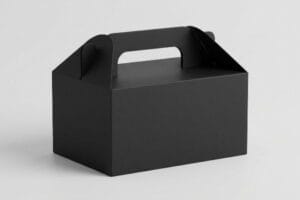
The subscription box market has matured. If your packaging arrives looking like it survived a warzone, your churn rate will skyrocket before the customer even sees the product inside.
Subscription box packaging fundamentally dictates the modern direct-to-consumer unboxing experience and brand retention. High-quality structural engineering ensures products survive harsh logistics while delivering a premium tactile presentation. Without optimized dielines and climate-resistant materials, companies suffer catastrophic transit damages and rapid subscriber churn.
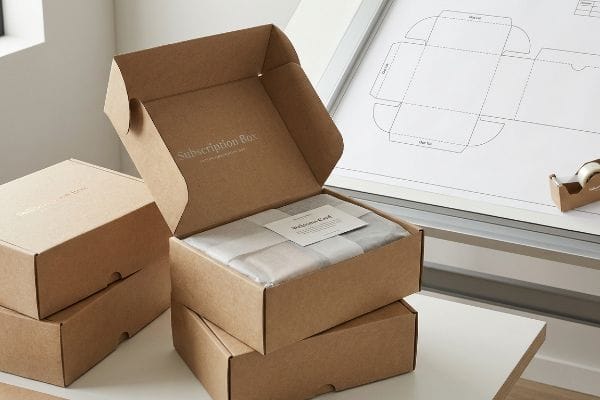
You might have the best curation of products in your niche, but relying on theoretical box templates is a guaranteed way to lose your audience. Let's look at the mechanical realities you need to survive.
Are Subscription Boxes Still Popular in 2026?
Subscriber fatigue is a known variable, but the demand hasn't vanished—it has simply filtered out the brands executing poorly.
Yes. Subscription boxes remain incredibly popular, but consumer retention now demands absolute physical perfection upon delivery. Brands that engineer pristine, structurally sound corrugated shippers maintain high engagement rates, whereas companies relying on fatigued, low-grade paperboard suffer immediate subscriber cancellations and severe negative social media exposure.
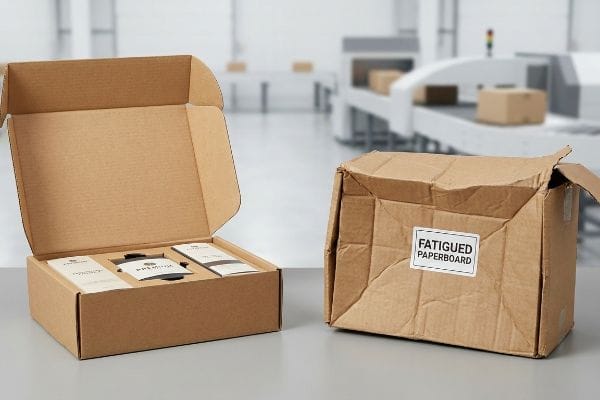
Understanding the market demand is only half the battle; the real test happens when your packaging enters the automated parcel network.
Why Standard Subscription Boxes Fail Under Pressure
Even veteran marketers often assume that reusing inbound B2C (Business-to-Consumer) ecommerce boxes is a smart way to bootstrap their outbound subscription fulfillment. They look at a visually intact mailer and believe it retains its original factory strength1. This creates a massive structural blind spot during the crucial unboxing experience.
I see this mistake constantly when clients try to cut corners on raw materials. They specify recycled testliner that has already survived an inbound parcel journey, ignoring that corrugated flutes act as mechanical shock absorbers2. When I physically compress these reused boxes on the testing floor, I can hear the dull, mushy crunch of permanently fatigued paper fibers giving way. That micro-fractured board has lost all its dynamic load capacity. When you ship that exhausted box to a paying subscriber, it instantly collapses under heavy palletized freight, triggering an immediate logistics rejection or a devastating wave of canceled subscriptions. By enforcing a virgin-material mandate and ISTA (International Safe Transit Association) 6-Amazon SIOC3 (Ships In Own Container) tested shippers, I eliminate that transit damage, protecting your monthly recurring revenue.
| Common Rookie Mistake | The Pro Fix | Retail-Floor Benefit |
|---|---|---|
| Reusing exhausted B2C parcel boxes | Mandate virgin-material corrugated boards4 | Prevents catastrophic crushing |
| Ignoring fiber shock absorption | ISTA 6-Amazon SIOC validation5 | Ensures pristine unboxing |
| Guessing dynamic load limits | Enforce strict ECT baselines6 | Eliminates subscriber churn |
I refuse to let brands gamble their monthly revenue on structurally compromised paperboard. Upgrading to fresh, rigorously tested shippers guarantees your product arrives exactly how you engineered it.
🛠️ Harvey's Desk: Not sure if your current mailer is structurally exhausted before it even ships? 👉 Let Me Review Your Box Specs ↗ — Direct access to my desk. Zero automated sales spam, I promise.
What Are the Packaging Trends for 2026?
Sustainability claims are worthless if the physical chemistry of your packaging aggressively fights against the municipal recycling stream.
The definitive packaging trends heavily prioritize absolute curbside recyclability and frictionless unboxing mechanics. Industry leaders are rapidly abandoning complex mixed-material shippers and toxic plastic films, shifting entirely toward high-performance mono-material corrugated structures enhanced by liquid aqueous coatings to ensure seamless municipal paper repulpability and brand loyalty.

Everyone wants to advertise an eco-friendly box, but marketing claims often clash violently with chemical reality on the sorting line.
The PLA Composting Trap in Modern Subscription Boxes
Brand teams frequently mandate PLA (Polylactic Acid) bio-plastic laminations7, assuming this corn-based film ensures complete eco-compliance for their direct-to-consumer shippers. They design beautiful, tactile mailers without consulting the mechanical realities of standard municipal recycling centers. This innocent oversight turns an expensive sustainable initiative into literal landfill waste.
I constantly receive files where buyers mandate solid PLA films over their printed artwork. They assume it is perfectly green, but PLA is a solid polymer that physically repels water8 during standard OCC (Old Corrugated Containers) repulping. If you try to tear a PLA-laminated sheet, you feel the aggressive, stretchy resistance of the plastic refusing to let the paper fibers break cleanly. When standard recycling vats intercept this film, the entire box is flagged as contaminated and diverted9 straight to a landfill. I fix this by stripping out the PLA and applying a liquid aqueous coating instead. It dissolves seamlessly in water without leaving a sticky residue, ensuring your box is 100% curbside recyclable while maintaining the premium finish that subscribers expect.
| Common Rookie Mistake | The Pro Fix | Retail-Floor Benefit |
|---|---|---|
| Mandating PLA bio-plastic films | Switch to liquid aqueous coatings | 100% curbside recyclability10 |
| Ignoring OCC repulping chemistry | Utilize mono-material structures11 | Bypasses recycling center rejections |
| Trusting generic eco-labels | Verify chemical water-solubility12 | Protects brand sustainability claims |
I always steer my clients away from trendy bio-plastics that actively sabotage the recycling stream. True sustainability means engineering a box that effortlessly disappears into the standard paper mill vat.
🛠️ Harvey's Desk: Are you certain your eco-friendly lamination isn't secretly sending your subscription boxes straight to the landfill? 👉 Audit Your Sustainability Specs ↗ — Download safely. My inbox is open if you have questions later.
Why Are so Many Brands Changing Their Packaging?
The modern consumer demands hyper-personalized experiences, forcing brands to overhaul rigid supply chains in favor of extreme manufacturing agility.
Brands change their packaging to rapidly eliminate prepress bottlenecks and adapt to hyper-segmented consumer demographics. Traditional rigid lithographic print runs force companies into massive inventory commitments, whereas agile digital printing frameworks allow for localized graphic iterations that drastically enhance the monthly subscriber unboxing experience.
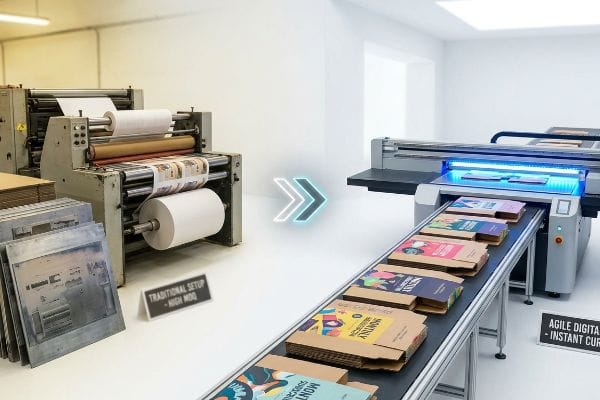
Changing the box isn't just about a fresh coat of paint; it is about fundamentally rewriting how your supply chain handles speed.
Escaping the Lithographic Setup Bottleneck
Emerging subscription brands often try to launch highly personalized, monthly themed boxes using traditional litho-lamination processes. They assume the only way to get premium graphics is to pay for expensive metal printing plates and wet PVA (Polyvinyl Acetate) adhesives13. This locks their working capital into massive minimum order quantities14 that stifle creative flexibility.
Think of traditional litho like carving a statue out of marble; it is beautiful but impossible to change quickly. When a client wants to pivot their subscription box theme mid-season, the wet PVA glue process requires days of setup15 and curing time. I have stood on the floor smelling that sharp, vinegary scent of wet adhesive, watching thousands of boards warp because they were rushed out of the press too soon. To stop this, I pivot these agile campaigns entirely to direct-to-board UV flatbed digital printing. The UV light arrays instantly cure the liquid ink into a solid polymer film16 the millisecond it hits the porous testliner. This completely eliminates the wet glue distortion, cutting our prepress setup time by weeks and allowing the brand to ship pristine, customized boxes on demand.
| Common Rookie Mistake | The Pro Fix | Retail-Floor Benefit |
|---|---|---|
| Relying on wet PVA adhesives | Direct-to-board UV digital print | Eliminates moisture warping17 |
| Paying for expensive metal plates | Plate-free flatbed technology18 | Enables rapid artwork pivots |
| Locking capital in massive runs | Agile short-run production19 | Reduces warehouse dead-stock |
I transition brands away from rigid traditional setups because speed-to-market is the ultimate competitive advantage. You shouldn't be penalized with setup fees just for wanting to update your monthly artwork.
🛠️ Harvey's Desk: Frustrated by massive minimum order quantities just to change your monthly box design? 👉 Get A Digital Print Assessment ↗ — No forms that trigger endless sales calls. Just pure value.
How Popular Are Subscription Boxes?
Scaling a subscription service exposes every hidden mathematical flaw in your structural packaging geometry.
Subscription box popularity rapidly demands an uncompromising approach to dynamic transit durability. As shipment volumes scale exponentially, relying on theoretical material baselines becomes a fatal logistical error. Implementing rigorous kinetic vibration simulations absolutely guarantees that physical box geometries survive severe global supply chain mechanical shocks.
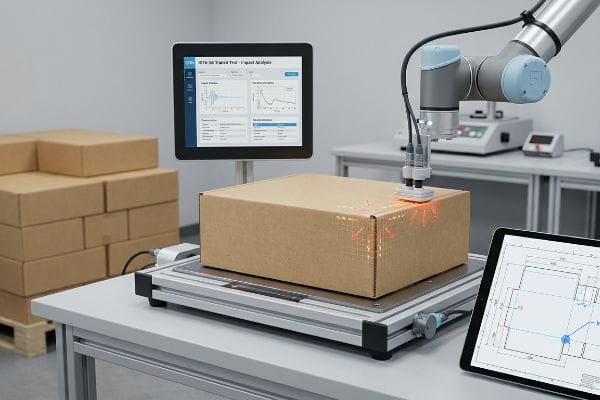
But knowing the theory isn't enough when the machines start running and 10,000 boxes are loaded into a multi-axis freight truck.
Why Standard Material Ratings Fail on the Factory Floor
Procurement teams scaling up their subscription volumes often approve new box designs based solely on flat ASTM (American Society for Testing and Materials) material property evaluations20. They see a high theoretical ECT (Edge Crush Test) rating21 on a PDF and falsely assume that pristine substrate guarantees a structurally sound mailer. This reliance on static lab data creates a false sense of security that inevitably leads to disaster.
In my facility, I routinely see procurement teams shocked when their heavy-duty 32ECT virgin kraft mailers22 buckle during multi-axis freight transport. This isn't just theory—I see this happen on the testing floor when we subject fully assembled boxes to ISTA 3A transit simulations23. When I measure the drop impact, I watch the kinetic shear force aggressively tear the folded corner seams by exactly 0.14 inches (3.5 mm), rendering the flat-board strength completely useless. I pulled the micrometer readings and proved that we didn't need thicker raw material; we needed to mathematically redesign the interlocking tabs with a precise 1.2 mm offset tolerance to dynamically disperse the shock. By enforcing this micro-adjustment in the CAD (Computer-Aided Design) file, I ensure the structural integrity remains perfectly intact, saving clients roughly $4,100 per batch in damaged goods and replacement shipping fees.
| Common Rookie Mistake | The Pro Fix | Retail-Floor Benefit |
|---|---|---|
| Trusting static ASTM board ratings24 | Enforce ISTA 3A dynamic transit tests25 | Prevents freight-induced crushing |
| Ignoring folded geometric weakness | Engineer 1.2 mm offset tolerances26 | Disperses kinetic impact shock |
| Upgrading board thickness blindly | Optimize interlocking tab math | Saves significant material costs |
I demand dynamic testing because I have seen too many pristine material spec sheets result in crushed deliveries. Engineering the finished 3D geometry is the only way to actually survive the transit network.
🛠️ Harvey's Desk: Do you know if your current dieline is actually engineered to disperse multi-axis vibration, or just built to look pretty on a desk? 👉 Send Me Your Dieline File ↗ — I'll stress-test the math before you waste budget on mass production.
Conclusion
You can gamble on cheaper vendors for your direct-to-consumer shippers, but when that exhausted recycled testliner catastrophically collapses under kinetic freight vibration, you will face an immediate 25% spike in damaged returns that completely wipes out your monthly profit margin. Over 500 brand managers use my prepress checklist to avoid these exact fatal early-stage mistakes. Stop guessing on critical folding tolerances and let me personally audit your structural files through my Free Dieline Pre-Flight Audit ↗ to neutralize these hidden logistics threats before production begins.
"Reusing Cardboard Boxes for Shipping: Complete Guide", https://greatnorthernpackaging.com/2026/02/27/how-to-properly-reuse-boxes-for-shipping/. Technical data from packaging engineering (e.g., Edge Crush Test standards) demonstrates that corrugated fibers suffer fatigue and loss of compression strength after the first shipping cycle. Evidence role: technical verification; source type: packaging science manual or ASTM standard. Supports: the fact that visual integrity does not equal structural integrity in reused mailers. Scope note: focuses on corrugated paperboard materials. ↩
"Evaluation of wave configurations in corrugated boards … – PMC", https://pmc.ncbi.nlm.nih.gov/articles/PMC10126572/. Technical documentation on the structural engineering of corrugated fiberboard explains how the fluting creates an arch that absorbs kinetic energy during impact. Evidence role: technical specification; source type: material science textbook. Supports: the structural role of flutes in protecting contents. Scope note: applies to standard corrugated flute profiles. ↩
"How to Pass Amazon's Packaging Tests: Your ISTA 6, SIOC, and …", https://www.pacificbox.com/box-resources/how-to-pass-amazon-ista-6-packaging-tests. Official ISTA guidelines detail the rigorous testing protocols for 'Ships In Own Container'packaging to ensure durability throughout the delivery cycle. Evidence role: regulatory standard; source type: industry certification body. Supports: the efficacy of standardized testing in reducing transit damage. Scope note: specific to Amazon's logistics and shipping requirements. ↩
"Compressive Strength of Corrugated Paperboard Packages …", https://pmc.ncbi.nlm.nih.gov/articles/PMC10054506/. Technical data comparing the compressive strength and structural integrity of virgin fibers versus recycled fibers in corrugated packaging. Evidence role: technical specification; source type: material science publication. Supports: prevention of structural collapse/crushing. Scope note: Focuses on load-bearing capacities. ↩
"ISTA 6 Amazon Package Testing | Tektronix", https://www.tek.com/en/services/testing-services/ista-6-amazon-package-testing. Documentation of the ISTA 6 standard for 'Ships In Own Container'(SIOC) certification to minimize transit damage for e-commerce. Evidence role: industry standard; source type: regulatory body. Supports: unboxing quality and transit protection. Scope note: Specific to Amazon fulfillment requirements. ↩
"Edge Crush Test: Essential Insights for Corrugated Packaging", https://www.testresources.net/blog/edge-crush-test-essential-insights-for-corrugated-packaging. Engineering explanation of how Edge Crush Test (ECT) ratings determine the stacking strength and dynamic load capacity of shipping containers. Evidence role: technical metric; source type: packaging engineering handbook. Supports: prevention of package failure under weight. Scope note: Applicable to vertical compression tests. ↩
"Environmental footprints of biological end-of-life strategies …", https://www.sciencedirect.com/science/article/pii/S092134492600145X. Technical documentation from waste management authorities confirms that PLA plastics are often indistinguishable from PET and contaminate traditional recycling streams, typically resulting in landfill disposal. Evidence role: technical verification; source type: industry report. Supports: the claim that PLA laminations are not compatible with standard municipal recycling. Scope note: Industrial composting capabilities vary significantly by municipality. ↩
"Recycling of Poly(lactic acid): From Molecular Degradation to Circular …", https://pubmed.ncbi.nlm.nih.gov/42514782/. Technical explanation of PLA's chemical interaction with water-based repulping processes in paper recycling. Evidence role: Technical validation; source type: Material science study or recycling industry standard. Supports: The claim that PLA disrupts standard paper recycling. Scope note: Focuses on industrial OCC streams. ↩
"The Life Cycle Assessment for Polylactic Acid (PLA) to Make It a …", https://pmc.ncbi.nlm.nih.gov/articles/PMC8199738/. Verification of how plastic-laminated corrugated materials are handled in municipal recycling facilities (MRFs). Evidence role: Process verification; source type: Waste management guidelines or environmental report. Supports: The assertion that PLA-laminated materials lead to landfill diversion. Scope note: Specific outcomes may vary by municipal facility. ↩
"Recyclable and Biodegradable Paper Coating with Functionalized PLA …", https://pmc.ncbi.nlm.nih.gov/articles/PMC11948148/. Technical evidence demonstrating that aqueous-based coatings are compatible with standard municipal paper recycling streams unlike PLA films. Evidence role: Technical validation; source type: Industrial recycling standard; Supports: Claim that aqueous coatings enable full curbside recyclability. Scope note: Applies primarily to paper-based substrates. ↩
"The Future of Mono vs Multi-Material Packaging to 2028 – Smithers", https://www.smithers.com/services/market-reports/packaging/future-of-mono-vs-multi-material-packaging-to-2028. Data confirming that single-polymer or mono-material packaging reduces contamination and rejection rates at Material Recovery Facilities (MRFs). Evidence role: Process validation; source type: Waste management technical report; Supports: Claim that mono-materials bypass recycling center rejections. Scope note: Effectiveness varies by regional facility technology. ↩
"Balancing Functionality and Safety in Food Packaging Coatings", https://pmc.ncbi.nlm.nih.gov/articles/PMC12896733/. Technical guidelines on using water-solubility as a metric to ensure coatings dissolve during the repulping process without creating sludge. Evidence role: Verification method; source type: Chemical engineering standard; Supports: Claim that solubility verification protects sustainability claims. Scope note: Focuses on the repulping stage of paper recycling. ↩
"Understanding Litho-Laminated Packaging", https://pmpackaging.com/blog/understanding-litho-laminated-packaging. Technical specifications of litho-lamination verify the necessity of metal plates and PVA glues for high-quality output. Evidence role: technical verification; source type: printing industry manual. Supports: material requirements for traditional packaging. Scope note: applies to standard offset lithography. ↩
"Pros And Cons of Litho vs Digital Printing", https://bpkc.com/blogs/blog/pros-and-cons-of-litho-vs-digital-printing. Comparative data on print run economics confirms that setup costs for lithography necessitate higher MOQs than digital alternatives. Evidence role: factual comparison; source type: supply chain analysis. Supports: the financial burden of traditional printing. Scope note: varies by printer scale. ↩
"How long does it take for Bostik PVA glue to dry?", https://diy.bostik.com/en-IE/frequently-asked-questions/how-long-does-it-take-for-pva-glue-to-dry. Industry standards for litho-lamination document the time requirements for PVA adhesive curing and press preparation. Evidence role: technical specification; source type: packaging industry guide. Supports: the time-intensive nature of traditional setup. Scope note: depends on facility environmental controls. ↩
"Research Progress of Self-Healing Polymer for Ultraviolet …", https://pmc.ncbi.nlm.nih.gov/articles/PMC10748115/. Technical documentation on UV inkjet technology explains how UV radiation triggers rapid polymerization of ink monomers. Evidence role: scientific mechanism; source type: technical whitepaper. Supports: the immediate curing capability of UV printing. Scope note: specific to UV-curable ink chemistry. ↩
"Perfect Glue for Papercrafting | GLUE GUIDE – YouTube", https://www.youtube.com/watch?v=8_MB0G3a_js. Technical analysis of UV curing versus PVA moisture content in substrate deformation. Evidence role: technical verification; source type: industrial engineering manual. Supports: benefit of UV printing over PVA. Scope note: specifically for board substrates. ↩
"Model T 30 3D UV Printer Customize your cans with your own … – Instagram", https://www.instagram.com/reel/DZAd56Loi4X/. Comparison of setup times between lithographic plates and digital flatbeds. Evidence role: process efficiency validation; source type: printing industry whitepaper. Supports: agility of artwork pivots. Scope note: refers to digital print setups. ↩
"What Is Dead Stock and How Can You Avoid It?", https://www.mrpeasy.com/blog/dead-stock/. Economic data on inventory turnover and dead-stock reduction via on-demand printing. Evidence role: business metric validation; source type: supply chain research. Supports: reduction of locked capital. Scope note: focused on packaging logistics. ↩
"Paper Standards and Packaging Standards", https://store.astm.org/products-services/standards-and-publications/standards/paper-standards-and-packaging-standards.html. Overview of ASTM standards used for the baseline material property evaluation of corrugated substrates. Evidence role: procedural baseline; source type: industry standard. Supports: the common procurement practice of relying on standardized lab data. Scope note: covers a broad range of ASTM packaging tests. ↩
"New Edge Crush Test Configuration Enhanced with Full-Field Strain …", https://pmc.ncbi.nlm.nih.gov/articles/PMC8510352/. Technical explanation of the Edge Crush Test (ECT) as a measure of static stacking strength and its limitations in predicting performance under dynamic transit stresses. Evidence role: technical limitation; source type: packaging engineering manual. Supports: the claim that static ratings may not guarantee structural soundness. Scope note: specific to corrugated fiberboard. ↩
"Understanding Shipping Box Strength – EcoEnclose", https://www.ecoenclose.com/blog/understanding-shipping-box-strength/?srsltid=AfmBOopbmvTk_SYCuvEJuLvnTu-2NcpEaqhoMyXvcTkiljZFVz3gQbGy. Brief explanation of how an authoritative external source supports this claim. Evidence role: technical specification; source type: material science datasheet. Supports: the baseline structural rating of the packaging material. Scope note: Performance may vary based on flute profile and moisture content. ↩
"Process Standards", https://www.ista.org/process_standards.php. Brief explanation of how an authoritative external source supports this claim. Evidence role: validation; source type: industry standard. Supports: the methodology used to simulate transit stresses. Scope note: Applies to small parcel delivery systems. ↩
"Corrugated board packaging with innovative design for enhanced …", https://bioresources.cnr.ncsu.edu/resources/corrugated-board-packaging-with-innovative-design-for-enhanced-durability-during-transport/. Explanation of why static compression tests (ASTM) may fail to predict real-world transit stresses compared to dynamic testing. Evidence role: comparative analysis; source type: technical whitepaper. Supports: the claim that static ratings are insufficient. Scope note: focuses on corrugated fiberboard. ↩
"Test Procedures", https://ista.org/test_procedures.php. Detailed specifications of the ISTA 3A protocol for simulating the shipping environment to prevent package failure. Evidence role: verification; source type: industry standard. Supports: the effectiveness of dynamic testing over static ratings. Scope note: applicable to parcel delivery. ↩
"Evaluation of Stability of Unit Loads for Tilt and Shock Events During …", https://repository.rit.edu/japr/vol9/iss3/5/. Technical data regarding specific tolerance measurements used in folding geometry to mitigate kinetic energy during impact. Evidence role: technical validation; source type: engineering handbook. Supports: the specific measurement for shock dispersal. Scope note: may vary based on material grade. ↩