Factory work looks simple. It is not. I run a cardboard display plant. Customers want speed and perfect print. Delays hurt launches. Here is the real picture.
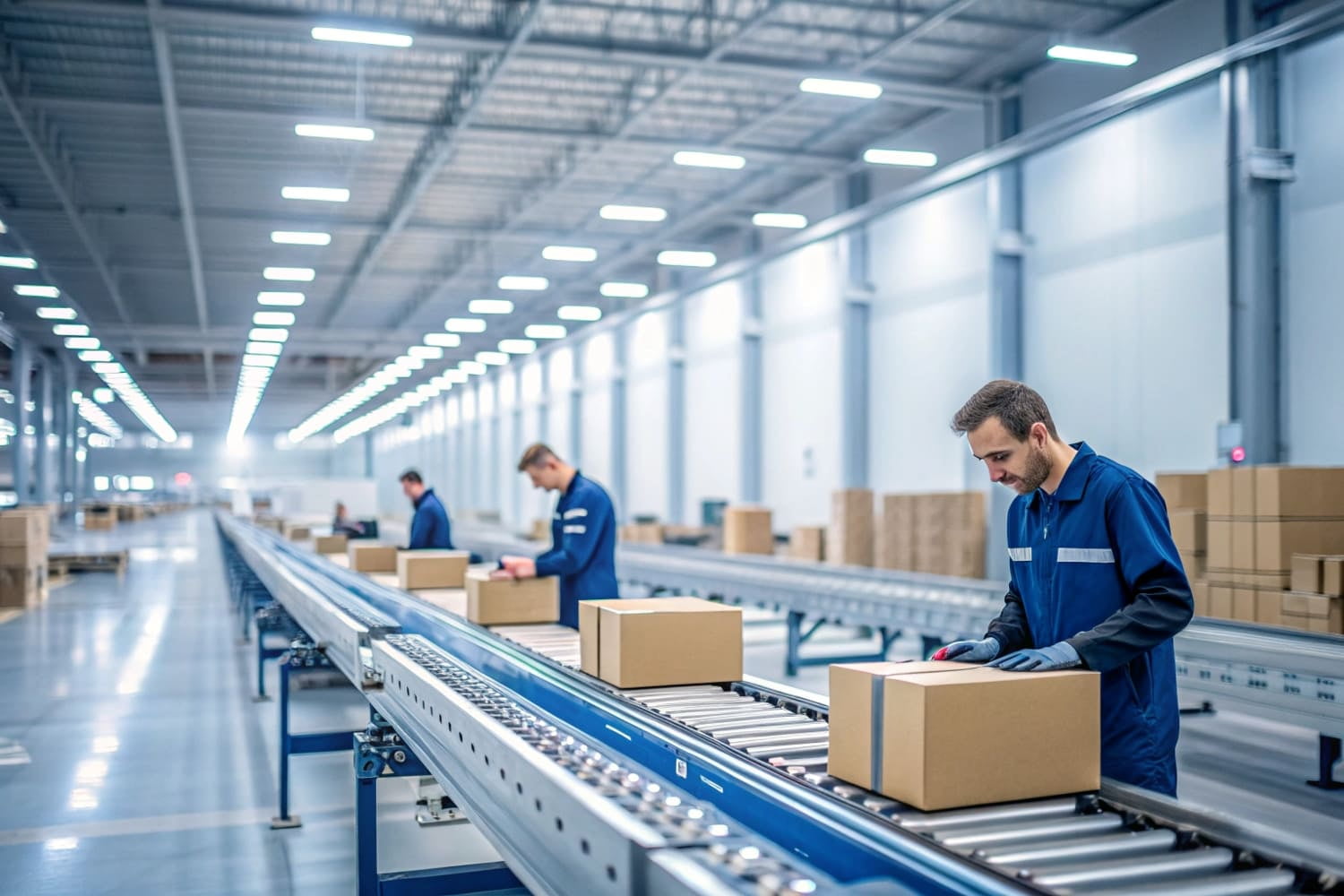
Working an assembly line is structured, fast, and team-driven. I build cardboard display POP units. The day mixes routine tasks, quality checks, and quick problem solving. Clear standards, safe movement, and steady takt keep stress low and output high.
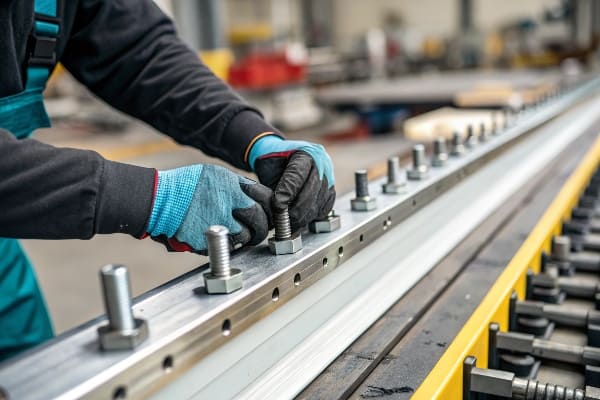
I make floor, countertop, pallet, and shelf displays for retail. I serve brands that push strict dates. I see how market growth shapes daily work. North America stays steady. Asia grows fast. Europe watches sustainability. Demand swings set our line pace, our staffing, and our overtime.
What are the pros and cons of working on an assembly line?
I like the rhythm. I also respect the grind. The line trains focus. The schedule is clear. The pace can bite when launches stack up.
Pros: stable schedule, clear roles, skill growth, team support. Cons: repetitive motion, strict pace, tight deadlines. In POP display plants, peak seasons add overtime. Good managers rotate tasks, set fair takt, and track quality so fatigue drops and rejects fall.
What I notice day to day
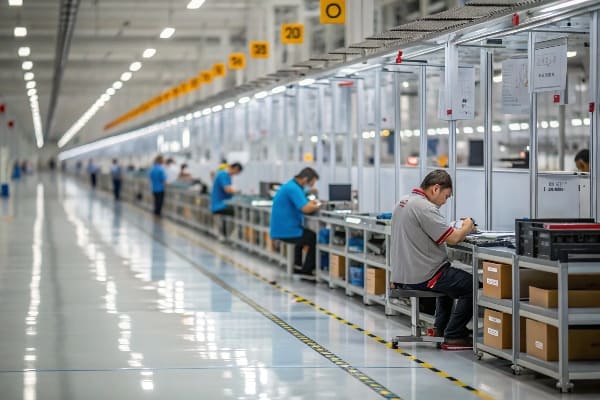
The line rewards simple habits. I start with a clean station1. I check the job traveler, the color swatches, and the critical dimensions. I match glue type to substrate. I work in small batches to see problems fast. I flag issues early. This reduces rework2 and keeps morale up.
How demand shapes the job
Display Packaging3 demand rises each year. Many reports project growth from about USD 24.7B in 2025 to about USD 41.7B by 2035. Corrugated board may exceed USD 300B by 2034. This growth brings steady work. It also brings tighter windows. Floor displays hold a large share, so setup times matter. I plan breaks around takt4 to keep output stable and injuries low.
| Factor | Pro on the line | Con on the line | My tip |
|---|---|---|---|
| Structure | Clear tasks and pace5 | Less variety | Rotate stations every 2 hours |
| Pay path | Skill tiers are visible | Raises tied to output | Track your metrics daily |
| Teamwork | Support during rush | Peer pressure | Use standups to surface risks |
| Learning | Fast feedback loops6 | Repetition fatigue | Add micro-goals per shift |
Is an assembler job hard?
It is hard at first. It gets easier. The body learns. The eyes learn. The hands learn. The key is setup and rhythm.
An assembler job is hard at first, then manageable with training. The real load is consistency. With jigs, checklists, and ergonomic setup, most people meet takt within weeks and stay safe.
What "hard" looks like in week one
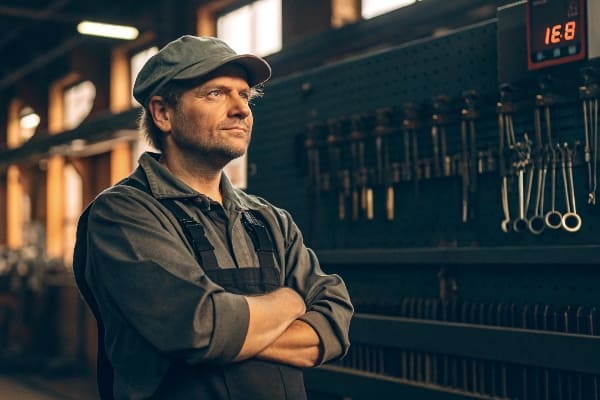
New hires fight two things: pace and precision. Takt time might be 45–90 seconds per unit on a PDQ or tray. That feels fast. I break the task into micro-steps: kit, fold, glue, press, inspect, pack. I teach a two-point quality check7: color match and panel squareness. I set tools within a forearm reach. I use bins with visual minimums. I keep feet shoulder-width and move the work, not the body.
How it becomes manageable
By week two or three, motion drops. We introduce jigs for fold lines and glue guides. We add poka-yoke tabs8 so parts can only fit one way. We use simple andon cards to call help. We train eyes on delta-E color variance9. We run quick loads on sample racks to confirm strength. As markets grow in Asia and North America, volumes jump, but a stable standard keeps stress down.
| Skill | Why it feels hard | How I make it easier | Result |
|---|---|---|---|
| Pace (takt)10 | Clock pressure | Break steps; audible metronome | Smooth flow |
| Precision11 | Color and fit | Swatches; go/no-go gauges | Fewer defects |
| Lifting | Repeats strain | Height-adjust tables; carts | Less fatigue |
| Focus | Monotony | Micro-goals; rotations | Fewer errors |
What problems did workers have with working on the assembly line?
People struggle with repetitive motion. People get bored. People fear speaking up when pace is strict. Materials vary. Colors drift. Schedules move.
Workers face monotony, strain injuries, color variation, wrong materials, poor communication, and rush changes. Clear SOPs, audits, real certifications, andon alerts, job rotation, and honest schedules fix most pain before it stops the line.
Where pain starts
I see pain when designs change late. Marketing can shift artwork near ship dates. Color targets move. A supplier might send a different flute or liner. This breaks settings. Workers get blamed for defects they did not cause. Another pain is false certificates12 from weak vendors. This risks audits and shipments. I prevent this with verified FSC13 and material reports on file and random checks. I also lock artwork 7–10 days before mass run. If a change must ship, I reset takt and tell the team why.
How we protect people and output
I use a simple rule: problems must be visible. We hang color swatches at eye level. We set first-article boards aside for each lot. We use andon tags14 for glue failure, print shift, and crushed corners. We rotate stations every two hours. We add five-minute stretch breaks each four hours. We also share demand context15. When POP display demand spikes, I explain the reason. People accept overtime if they see the why.
| Problem | Root cause | Fast countermeasure | Long-term fix |
|---|---|---|---|
| RMI strain16 | Awkward reach | Raise work height | Redesign station layout |
| Color drift | Ink or paper change | Recalibrate press | Supplier spec lock + audits |
| Late rush | Poor planning | Re-sequence jobs | Freeze art; S\&OP with sales |
| Certification risk17 | Fake docs | Spot-check QR/serials | Approved vendor list only |
| Quality blame | Hidden defects | First-article check | In-line poke-yoke + logs |
What does an assembly line worker do?
We kit parts. We fold and glue. We check print. We pack and label. We report problems fast. We keep the lane clear. We help our neighbor hit the same beat.
An assembly line worker kitts parts, assembles pieces, checks colors, glues, packs, and labels. They follow work instructions, keep pace, stop for safety, and hand off clean work to the next station.
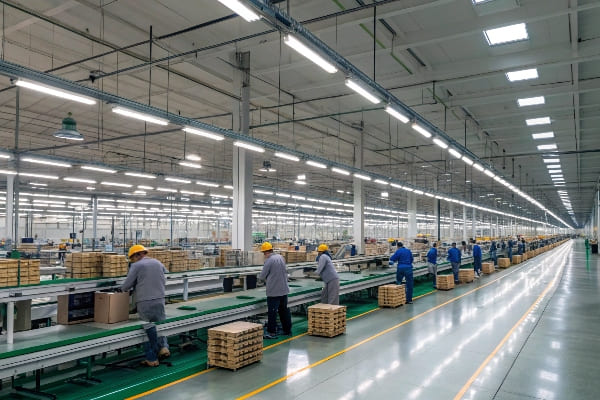
The daily flow in a cardboard display plant18
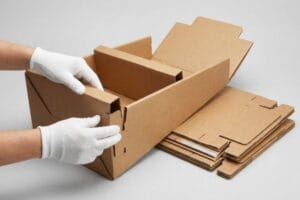
I start with the work order and the BOM. I confirm board grade, flute type, and print finish. I check the jig. I pull kits: trays, headers, side panels, hang tabs. I fold along scored lines. I apply hot melt or water-based glue within set beads. I press for dwell time. I verify color with a swatch card. I check strength on a sample rack. I stack units on a pallet with corner guards. I label cartons with lot and date. I scan to WMS. I flag issues with an andon tag and wait for a lead. This looks simple. It is a disciplined loop. The market demands make this loop matter. POP displays19 drive impulse buys in big-box stores. Asia's growth and Europe's push for sustainable ink raise standards. This gives me pride in each unit I send.
| Station | Core task | Quality check | Output measure |
|---|---|---|---|
| Kitting20 | Pick panels and hardware | Count and match codes | Kits per hour |
| Folding | Crease on scores | No cracks, clean edges | Units per hour |
| Gluing | Apply set bead | No squeeze-out, strong bond | Reject rate |
| QC | Color and fit | Swatch delta-E, square | Pass rate |
| Packing21 | Protect and label | Correct pack, label | Cartons per hour |
Conclusion
Assembly work rewards simple habits, honest pace, and visible standards. I keep people safe, keep quality high, and keep promises to customers. That is the work and the pride.
Exploring this link will provide insights on how a clean workspace enhances productivity and reduces errors. ↩
This resource will explain the importance of minimizing rework and its positive impact on team morale and productivity. ↩
Explore this link to understand the evolving trends in Display Packaging, which is crucial for staying competitive in the market. ↩
Learn about takt time and its significance in production efficiency, helping you optimize your workflow and reduce injuries. ↩
Understanding the advantages of clear tasks can enhance productivity and team efficiency. ↩
Exploring fast feedback loops can help you implement effective strategies for continuous improvement. ↩
Exploring the two-point quality check can enhance your knowledge of quality assurance practices, improving product reliability. ↩
Explore this link to understand how poka-yoke tabs enhance efficiency and reduce errors in production. ↩
Learn about delta-E color variance to see how it impacts color accuracy and quality in manufacturing. ↩
Understanding pace can enhance your workflow efficiency and help you manage time better. ↩
Exploring precision in manufacturing can lead to improved quality control and reduced defects. ↩
Exploring the risks of false certificates can help you avoid costly audits and ensure product integrity. ↩
Understanding verified FSC can help ensure sustainable sourcing and compliance in your supply chain. ↩
Explore this link to understand how andon tags enhance visibility and communication in production processes. ↩
Learn about the importance of demand context in production to improve efficiency and employee engagement. ↩
Understanding RMI strain can help improve workplace ergonomics and reduce injury risks. ↩
Exploring certification risk solutions can enhance compliance and protect your business from legal issues. ↩
Explore this link to understand the latest techniques and innovations in cardboard display manufacturing. ↩
Discover insights on how POP displays can significantly boost sales and enhance customer engagement. ↩
Explore this link to learn effective Kitting strategies that can enhance productivity and efficiency in your operations. ↩
Discover innovative Packing techniques that can streamline your logistics process and reduce costs. ↩