I build cardboard displays for retail. One night a display meltdown taught me more than any meeting. The story still guides my design, training, and client promises.
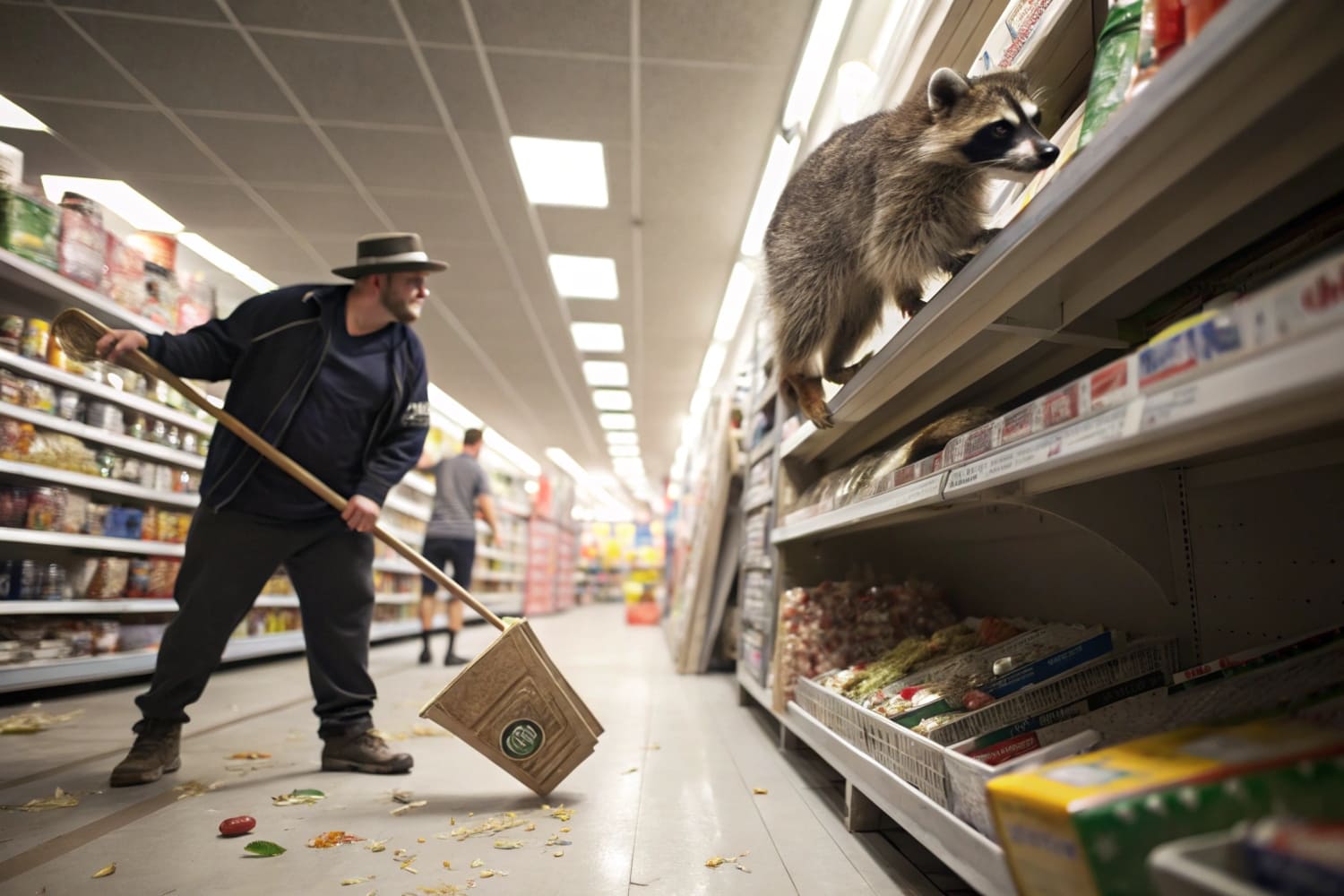
My craziest retail story happened on Black Friday when a pallet display collapsed after a wrong fold and a wet floor; no one got hurt, we recovered fast, and I changed our locks, labels, training, and transport tests to stop that ever happening again.
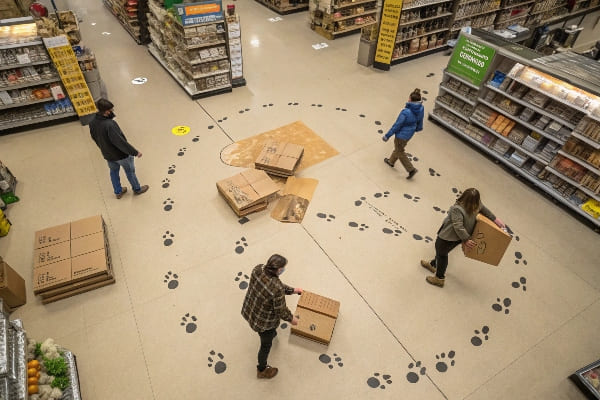
That night had speed, pressure, and noise. I saw how one weak joint turns into chaos. I felt how clear labels and fast assembly save people, time, and sales. I took those lessons back to my factory in Shenzhen. I baked them into design rules. I turned panic into process.
What is exciting about working in retail?
I like the tempo. I see shopper behavior live. I can fix problems today and see results tomorrow. This energy keeps my team sharp.
Retail is exciting because feedback is instant, launches move fast, and displays tell stories that change what people buy; I get data from aisles, I iterate designs in days, and I watch sales lift in real time.

Where the thrill comes from
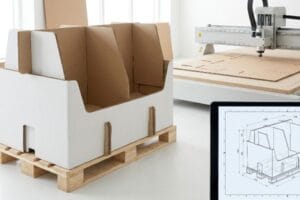
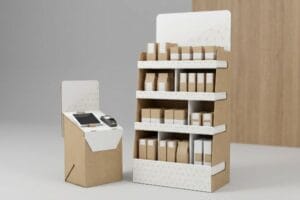
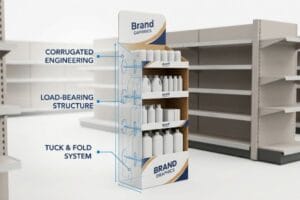
I run three production lines for custom cardboard displays1. I support U.S., Canada, U.K., and Australia programs. I ship floor, counter, and pallet displays. I also ship PDQ trays for big-box peaks. I see how a clean structure and a bold print change traffic and basket size. I pair design with strength tests. I run drop, vibration, and load checks. I train store teams with one-page guides and QR videos. I use simple fold codes. I print part IDs near every slot. I do it because speed wins. The market also helps. Floor POP stays one of the fastest-growing types. Digital print2 lets me run small batches and personal lines. Asia-Pacific grows fast. North America stays steady. Europe pushes green rules. These shifts keep my roadmap full and my crew busy.
Quick scorecard
| Exciting thing | Why it matters | How I design displays |
|---|---|---|
| Instant aisle data3 | Fix now, sell more | Rapid prototypes, small-batch digital print |
| Seasonal launches | Tight windows | Flat-pack kits, color-coded folds |
| Brand stories | Attention drives lift | Big headers, clear claims, QR to video |
| Sustainability push4 | Shopper trust | Recycled board, water-based inks |
| New tech | Faster cycles | CAD libraries, tap-to-assemble locks |
What annoys retail workers?
I hear the same pain often. Directions are unclear. Parts go missing. Colors shift under store lights. Timelines slip for no clear reason.
Retail workers get annoyed by confusing assembly, fragile parts, color mismatch, and late shipments; I remove friction with one-sheet guides, stronger board, color targets, and milestone tracking that locks dates.
What I learned on bad days
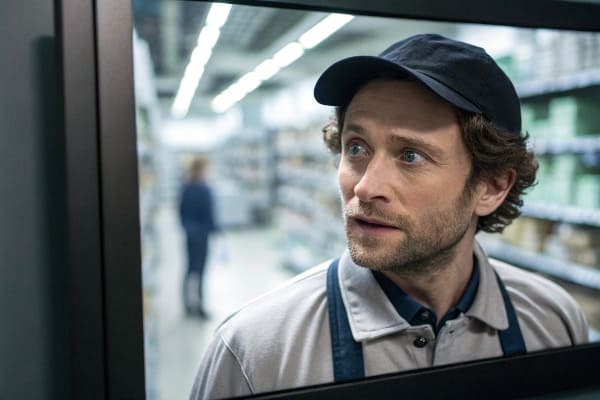
I still remember that wet-floor collapse. The fold tab looked like the lock tab. The night team rushed and guessed. The joint failed. Now I design with "can't-miss" geometry. Tabs are different shapes. Slots have icons. I print "1-2-3" near each step. I add a QR code to a 45-second video. I use heavier corrugated in stress points. I add nano-coatings5 when stores face moisture or UV. I test color under store LEDs and daylight. I send a small swatch ring to the brand and the store so the print matches. I guard the schedule. I break the plan into design, sample, test, and mass production. I allow free sample edits until approval. I accept small upfront loss, because repeat orders pay for it later. This makes floor staff happier and faster.
Annoyance → Root cause → Fix
| Annoyance | Root cause | My fix with cardboard displays |
|---|---|---|
| "This kit is confusing6." | Similar parts, vague steps | Shaped tabs, big icons, 1-2-3 prints, QR micro-video |
| "It bends too soon." | Under-spec board | Reinforced walls, wrap-around feet, load tests |
| "Colors look off." | Light shift, wrong profile | LED booth checks, ICC profiles, swatch ring |
| "We are late again." | Hidden risks | Milestone gates, transport buffers, line-of-balance |
| "Boxes got damaged7." | Weak packout | Corner guards, tighter fit, drop tests |
Why don't people like working in retail?
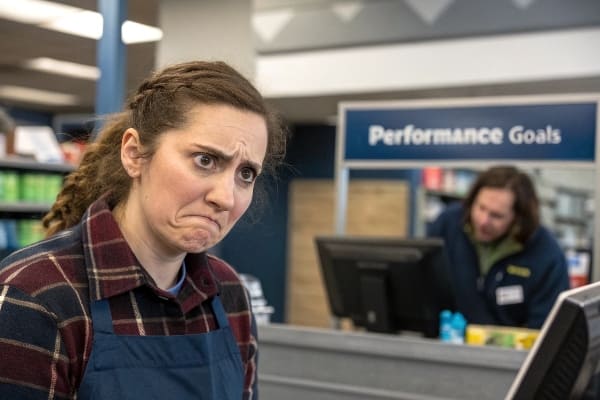
Some people do not like the stress. Some do not like weekend hours. Some feel unseen when tools fail and goals keep rising.
People dislike retail when pay feels low, hours feel tough, tasks feel rushed, and tools fail; better training, clearer kits, stronger displays, and fair plans reduce stress and help teams enjoy the work more.
The pressure is real, but fixable
Retail runs on thin margins. Pulp costs move. Tariffs can spike. Energy swings. This pressure rolls downhill. Store teams get fewer hands and more tasks. I cannot fix the whole model. I can fix what my kits ask of people. I cut assembly time with pre-glued seams8. I reduce parts to the few that matter. I build pallet displays that lift straight from the truck. I use flat-pack designs9 to cut freight and carbon. I choose recycled content where the supply is stable. I help buyers with proof of strength and certifications. I write honest lead times. I match color with tight controls. I check that the sample and the mass run use the same board grade. I share a simple dashboard so everyone knows status. These steps do not remove all strain. They make the work fairer and safer.
Reality map
| Reason people dislike it | Reality check | What I change in our displays |
|---|---|---|
| Unpredictable rushes10 | Peaks drive sales | Pre-kitted parts, fewer SKUs |
| Tight hours | Nights and weekends | "Five-minute build" targets |
| Low agency | Too many rules | Clear guides that allow safe tweaks |
| Breakage and returns11 | Hidden costs | Stronger feet, better packout |
| Waste | Bad for morale | Recyclable board, minimal plastic |
What is the show about working in retail?
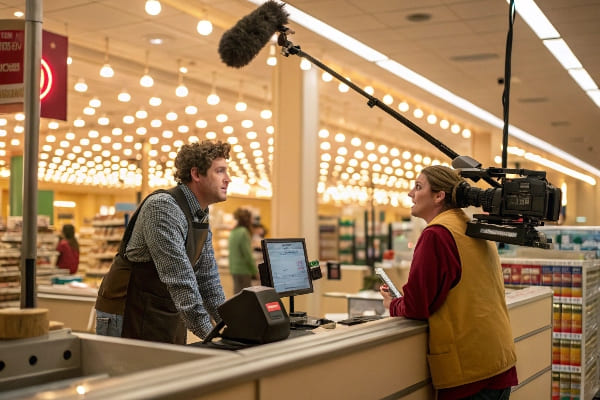
I watch shows about retail to relax and to learn. The scripts often show chaos, humor, and heart. The scenes also mirror real store life.
Shows about retail follow a team in a big-box store, mix humor with real pressure, and highlight friendship, customer quirks, inventory drama, and last-minute promos; I use those beats to design simpler, safer display kits.
What TV gets right, and how I use it
Scripts love last-minute floor resets12. That is real. They show pallets rolling in at 6 p.m. They show a new promo that starts tomorrow. They show a newbie who must build a big header while phones ring. Comedy comes from the scramble. Risk comes from weak parts. Heart comes from teammates who stay late and get it done. I design for that moment. I make locks click with one move. I print a giant "TOP" on the top. I add arrows that point to "Press here." I stop cross-compatible parts that invite wrong fit. I ensure a counter unit can sit on shelf or cash wrap. I use bold claims that shoppers get in two seconds. I make eco choices clear because Gen Z cares13 and asks. I test under time pressure so builds stay safe even on a bad shift.
Tropes, truth, takeaways
| Show trope | Real store version | Design takeaway |
|---|---|---|
| The overnight reset14 | Seasonal swap at speed | One-page build, numbered panels |
| The impossible promo15 | Surprise directive | Modularity, quick headers |
| The clumsy spill | Wet floors happen | Coated feet, moisture guards |
| The color debate | Lighting tricked them | LED booth proofing |
| The heart team-up | People save the day | Kits that respect time and safety |
Conclusion
Retail is fast, loud, and human. I turn wild nights into clear rules. I design displays that help teams win sales and go home on time.
Explore this link to understand how custom cardboard displays can enhance your marketing strategy and boost sales. ↩
Discover the advantages of digital print technology in packaging, including efficiency and customization options. ↩
Explore this link to understand how instant aisle data can enhance sales and improve inventory management. ↩
Discover insights on how sustainability initiatives can build shopper trust and influence purchasing decisions. ↩
Exploring nano-coatings can reveal innovative solutions for protecting products from moisture and UV damage. ↩
Explore this link to discover proven methods for making product kits clearer and more user-friendly. ↩
Learn about best practices for packaging to ensure your products arrive safely and undamaged. ↩
Explore how pre-glued seams can streamline assembly and reduce labor costs in retail. ↩
Learn about the advantages of flat-pack designs in minimizing freight costs and environmental impact. ↩
Understanding the impact of unpredictable rushes can help improve sales strategies and inventory management. ↩
Exploring solutions for breakage and returns can enhance customer satisfaction and reduce costs. ↩
Understanding last-minute floor resets can enhance your retail strategy and improve customer experience. ↩
Exploring Gen Z's values can help you tailor your marketing and product offerings to attract this influential demographic. ↩
Explore this link to understand how the overnight reset trope influences narrative pacing and character development. ↩
Discover insights on the impossible promo trope and how it can be effectively utilized in marketing strategies. ↩