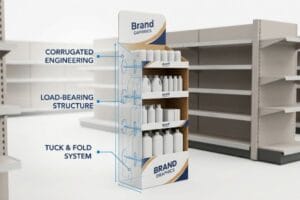
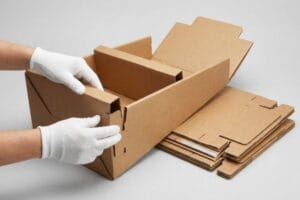
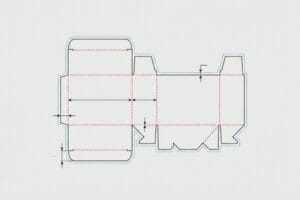
I used to dread grocery runs. Too many choices. Too many ads. Then I tried ALDI. The store felt calm, simple, and fast. I kept going back.
Yes. ALDI wins because it cuts noise, trims choices, moves fast, and passes savings to shoppers. Small formats, private labels, efficient displays, and tight labor models give low prices without fake "deals." The experience is simple, quick, and consistent.
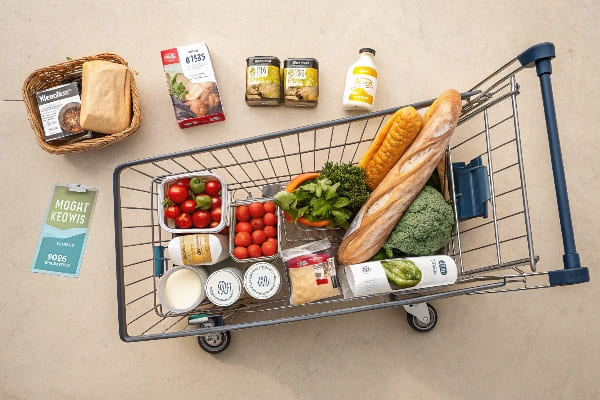
I want to explain why the model works, where it stumbles, and what this means for product displays. I run a cardboard display factory. I see how store rules shape real shopping.
What is the disadvantage of Aldi?
Many shoppers love the price. Some feel the limits. I hear the same points from buyers and from friends at home.
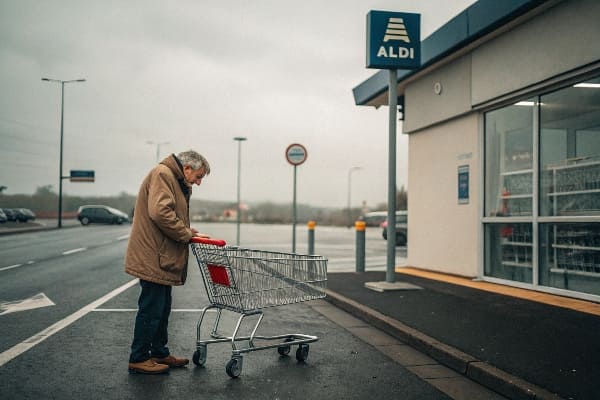
ALDI's main drawbacks are limited brands and fewer services. The selection is tight, name brands are rare, hours can be shorter, and amenities are basic. You bag your own groceries, rent a cart, and accept a simple store layout.
What I notice as a manufacturer
I build floor displays1 and PDQ trays for retail chains. ALDI2 favors simple corrugated units that set fast and ship well. That discipline helps prices. The trade-off is choice. If you want ten pasta sauces, you will not find them. If you want the lowest price on a house brand that tastes fine, you will smile. My team once mocked up a heavy-duty crossbow-accessory display for a U.S. client. The big-box version had lights and acrylic. The ALDI-style version had strong board, one shelf, and a clean message. The second one sold faster because it was clear and quick.
Common pain points and easy fixes
| Drawback | Why it happens | Workaround |
|---|---|---|
| Limited brands3 | Private label focus | Try the house brand once. Compare unit price and taste. |
| Shorter hours4 | Lean labor model | Plan a weekly big shop, not nightly trips. |
| Bring your own bags | Cut costs and waste | Keep foldable bags in your trunk. |
| Quarter for carts | Speeds returns | Keep a cart coin on your keychain. |
| Sparse décor | Lower overhead | Focus on labels, nutrition, and price tags, not signage. |
Why is Aldi called the Aisle of Shame?
Shoppers joke about one aisle that derails the list. I fall into it every time I "just need milk."
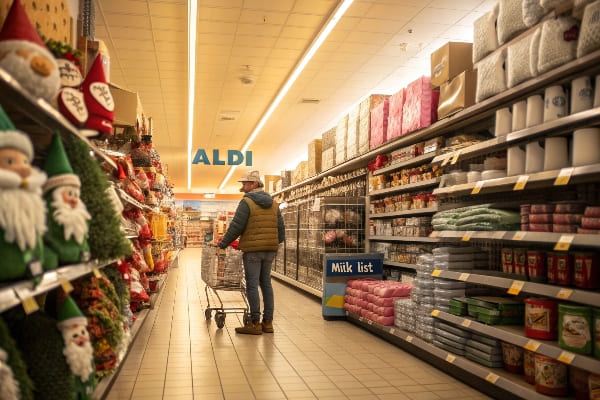
The "Aisle of Shame" is the middle aisle of weekly specials. It rotates non-food deals that trigger impulse buys. People feel "shame" because they planned bread and leave with a laminator, slippers, or garden tools.
How the middle aisle works
The middle runs on seasonal drops5 and limited-time "Finds." Price tags are bold. PDQ trays and pallet displays land fast. The mix is odd by design. It breaks habits and creates treasure-hunt joy6. As a display maker, I build flat-pack trays with clear front lips and strong internal supports. Teams in stores rip off the top, slide the tray onto a pallet, and the unit is live. No tools. No waste. That speed matters. A short life cycle needs fast set and easy teardown. When I tested a tool-hook version for hunting accessories, the simpler tray won. It kept costs low and setup under five minutes.
Shopper psychology in one quick table
| Element | What it is | Why it sells | Display tip |
|---|---|---|---|
| Scarcity7 | Limited time, limited stock | Fear of missing out | Use "weekly Finds" headers and clear price blocks |
| Surprise8 | Odd, rotating mix | Novelty beats routine | Keep clean category blocks per drop |
| Touch | Items within reach | Hands drive buys | Low front lips, stable corrugate inserts |
| Speed | Set in minutes | Staff stays on core tasks | Flat-pack, pre-filled, test weight early |
Why do cashiers sit down at Aldi?
People notice the stools. Some think it looks too casual. The truth is simple.
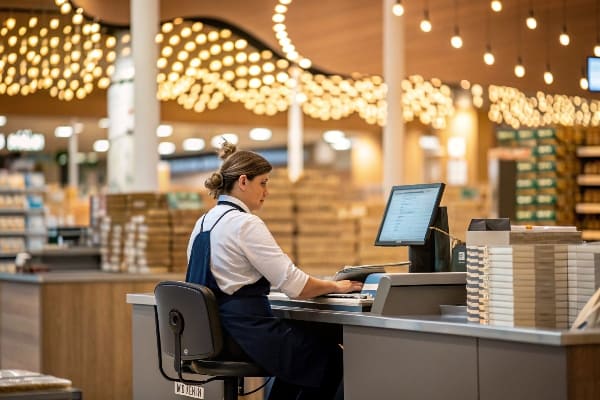
ALDI cashiers sit to scan faster and reduce fatigue. Seated checkout keeps pace steady, reduces injuries, and supports small teams. The long belts, big barcodes, and open carts make the whole lane flow.
What the seat changes on the lane
A seated cashier9 can reach the scanner, keyboard, and belt without strain. The motion is short and repeatable. Barcodes on private labels are big and well placed. Cashiers scan fast, then leave bagging to shoppers at a side counter. I watch this as a supplier who designs front-of-store trays. My trays must not block flow. They must ship flat, pop up in seconds, and hold their shape. When I swapped a bulky header for a slim one, belt jams10 dropped. The lane felt calm. Staff could keep scanning, which is the engine of ALDI's model.
Fast-lane design in practice
| Factor | What ALDI does | Benefit to shoppers | Impact on displays |
|---|---|---|---|
| Seated cashier | Short reach, steady pace | Faster lines | Keep display footprints narrow |
| Big barcodes11 | Face to scanner | Fewer rescans | Label panels unobstructed |
| Long belt | Stage and scan | Less crowding | No wobble near belt edge |
| Self-bagging | Bag after pay | Clear exit | Place impulse trays before pay point |
Why do some people not like Aldi?
Not everyone loves the model. That is fine. I ask them what bothers them. The answers repeat.
Some dislike ALDI for fewer brands, simple décor, cart deposits, and DIY bagging. A few worry about quality or produce freshness. Others miss in-store services like a deli or bakery.

Honest objections and what I tell clients
Choice matters to many people. If you want a specific national brand, you might leave empty-handed. If you want fresh bread sliced at a counter12, you will need another stop. That said, the private label quality13 is strong across staples. My own buyers in the U.S. test displays in ALDI-like formats because the space is tight and the reset is fast. We run strength tests on corrugated board, check color stability, and simulate long belt vibration. When a shopper doubts quality, clear packaging and simple claims help. When someone hates the cart coin, I tell them the truth: it keeps the lot tidy and prices low. For produce, I always check dates and feel the fruit. I also plan one more store for items ALDI does not carry.
Objections and simple answers
| Objection | What I say | Result |
|---|---|---|
| "Too few brands." | Try the house brand14 side-by-side once. | Many switch if taste matches. |
| "I hate the quarter." | It keeps carts organized and costs down. | Most accept after one trip. |
| "Stores look bare." | Less décor means lower prices15. | Focus shifts to labels and value. |
| "Produce varies." | Check dates and rotate picks. | Waste drops and quality rises. |
| "No deli or bakery." | Combine shops when needed. | Budget still wins overall. |
Conclusion
ALDI works because it strips out noise. The trade-offs are clear. If you want speed and savings, the model delivers. If not, that is okay.
Explore this link to learn effective strategies for creating impactful floor displays that attract customers and boost sales. ↩
Discover how ALDI's unique retail strategies influence product offerings and pricing, providing insights into their business model. ↩
Exploring house brands can lead to discovering quality products at lower prices, enhancing your shopping experience. ↩
Learning to plan your shopping can save time and ensure you get everything you need without the stress of shorter store hours. ↩
Understanding seasonal drops can enhance your shopping strategy, helping you find unique items before they're gone. ↩
Exploring the concept of treasure-hunt joy can reveal how it influences purchasing decisions and enhances the shopping experience. ↩
Understanding scarcity can enhance your marketing strategies by leveraging consumer behavior effectively. ↩
Exploring the role of surprise can help you create engaging shopping experiences that attract more customers. ↩
Explore how seated cashiers enhance efficiency and comfort in retail environments, improving customer service. ↩
Learn effective strategies to minimize belt jams, ensuring smoother operations and better customer experiences. ↩
Learn about the advantages of big barcodes in reducing checkout time and enhancing customer satisfaction. ↩
Exploring options for fresh bread can enhance your shopping experience and ensure you get the best quality. ↩
Understanding private label quality can help you make informed choices about store brands and their value. ↩
Explore the advantages of house brands, including quality and cost savings, to make informed shopping choices. ↩
Understanding the impact of lower prices can help you appreciate shopping strategies and budget management. ↩