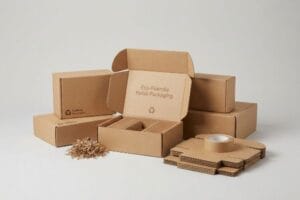
تقضي أسابيع في تطوير منتجك، لكن وضعه في عبوة رخيصة الثمن يضمن تجاهله. أرى أصحاب العلامات التجارية يخسرون أرباحهم لأن طريقة عرض منتجاتهم في نقاط البيع سيئة للغاية.
صناديق عرض المنتجات على طاولات البيع هي عبارة عن وحدات عرض هيكلية مصممة لعرض المنتجات مباشرةً على أسطح نقاط البيع في المتاجر. تعمل هذه الأنظمة المدمجة المصنوعة من الكرتون المموج على زيادة عمليات الشراء العفوية في المناطق ذات الحركة الكثيفة، وتتميز بأرفف متدرجة، وعلامات تبويب متشابكة، ورسومات مطبوعة بتقنية الطباعة الحجرية النابضة بالحياة، مصممة لجذب انتباه المتسوقين على الفور.

لكن معرفة ماهية هذه الوحدات على الورق لن ينقذك عندما يحين وقت تصنيعها فعلياً لبيئة متجر قاسية.
ما هي شاشات العرض على أسطح الطاولات؟
قد يبدو تصميم وحدة صغيرة لمكتب الدفع أمرًا بسيطًا، إلى أن يبدأ الزبائن المتحمسون بإسقاطها. فالجاذبية والتوازن المادي هما أكبر عدوين لك هنا.
تُعدّ وحدات العرض على الطاولات وحدات بيع بالتجزئة صغيرة الحجم، مصممة لتثبت بإحكام على الأسطح المستوية مثل منصات الدفع. وهي مصنوعة من ورق مقوى مموج متين، وتستخدم دعامات خلفية ممتدة أو قواعد وهمية للحفاظ على توازنها الهيكلي، مما يضمن قدرتها على حمل المنتجات الثقيلة مثل مستحضرات التجميل أو الأجهزة الإلكترونية بأمان دون أن تنقلب.
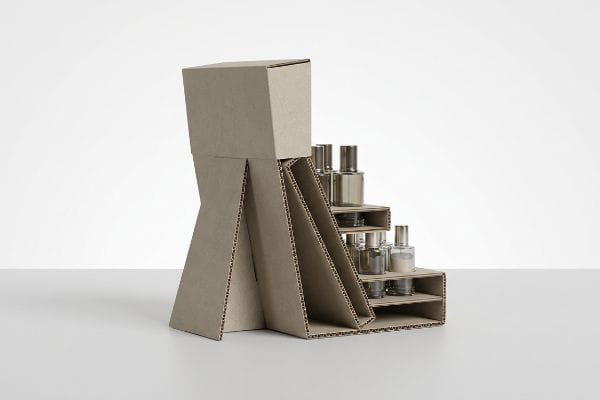
دعونا نلقي نظرة على سبب فشل العديد من هذه الوحدات بمجرد تحميلها بالمنتج الفعلي.
إتقان نقطة التحول في وحدات سطح العمل
غالباً ما ترسم فرق التسويق المبتدئة وحدات عرض جميلة وطويلة لزيادة مساحة لوحات الإعلانات دون مراعاة مركز الثقل. فهم يفترضون أن القاعدة المسطحة في التصميم ثلاثي الأبعاد ستتحمل تلقائياً وزن 6.8 كيلوغرام من مستحضرات التجميل. وهذا يتجاهل قوانين الفيزياء الأساسية في صالات العرض المزدحمة حيث تُنقل المنتجات بشكل غير منتظم.
ألاحظ هذه المشكلة باستمرار: يقوم أحد البائعين بتحميل زجاجات الشامبو الثقيلة على وحدة عرض منتصبة تمامًا، فأسمع صوت طقطقة خفيفة للوحة الخلفية وهي تنحني قبل أن تسقط الوحدة بأكملها على الأرض. إنها كارثة فوضوية تؤدي إلى سحب حملتك الإعلانية فورًا من ذلك الصندوق. ولحل هذه المشكلة، أحرص دائمًا على تطبيق نسبة عمق إلى ارتفاع صارمة تبلغ 2:3، وأضيف دعامة خلفية ممتدة.تعمل هذه الدعامة الميكانيكية البسيطة على نقل مركز الثقل إلى الخلف، مما يحافظ على ثبات وحدة العرض حتى عندما يندفع المتسوقون لأخذ المنتجات من الرف العلوي، وبالتالي تجنب عمليات استرداد الأموال الباهظة من المتاجر.
| أخطاء شائعة للمبتدئين | الحل الاحترافي | فوائد أرضية البيع بالتجزئة |
|---|---|---|
| قواعد طويلة وضيقة | نسبة العمق إلى الارتفاع 2:33 | يمنع الانقلاب للأمام |
| ألواح خلفية مسطحة | دعم ممتد لظهر الحامل4 | يعمل على تثبيت الأحمال السائلة الثقيلة |
| بافتراض تساوي الوزن | التسويق ذو الوزن السفلي الثقيل5 | يحافظ على تثبيت الشاشات بشكل آمن |
لا أسمح أبدًا لأي عميل بالموافقة على وحدة مكتبية طويلة دون اختبار توازنها المادي أولًا. هذا يوفر عليك عناء المكالمات المذعورة من تجار التجزئة الذين ينظفون مخزونك المتناثر من على الأرض.
🛠️ مكتب هارفي: هل أنت غير متأكد من ثبات وحدة الدفع الجديدة لديك تحت وطأة وزن المنتجات؟ 👉 اطلب تدقيقًا لخط القطع ↗ — تواصل مباشر مع مكتبي. أعدك بعدم تلقي أي رسائل تسويقية آلية مزعجة.
ما هي الطاولات في مجال عرض المنتجات؟
يُقسّم تجار التجزئة مساحات متاجرهم بدقة. إن فهم الفرق الميكانيكي بين مكتب المحاسبة ومنصة التحميل في الممر يُحدد استراتيجيتك الهيكلية بالكامل.
تُعدّ منصات الدفع في متاجر العرض المرئي مناطق معاملات تخضع لرقابة صارمة، وهي مُصممة خصيصًا لضمان سرعة تفاعل العملاء. وتلتزم هذه المنصات بمعايير محددة للارتفاع وسهولة الوصول، مما يستلزم تصميم شاشات العرض في نقاط البيع هندسيًا لضمان الامتثال لهذه المعايير، وبالتالي ضمان سهولة الوصول إلى المنتجات دون إعاقة أمين الصندوق أو مخالفة قواعد سهولة الوصول في المتجر.
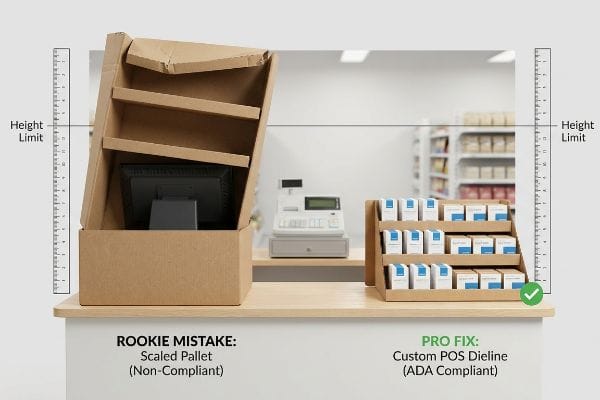
إن التعامل مع هذه المنطقة المتخصصة كرف عادي آخر هو أسرع طريقة لرفض إدارة المتجر لعملية طرح منتجك.
التحقق من واقع الوصول الأمامي لقانون الأمريكيين ذوي الإعاقة
تُقدّم العديد من شركات التجارة تصميمًا قابلًا للتطوير لعرض المنتجات، واعدةً بإمكانية تقليص حجم منصة عرض بنسبة 50% ووضعها بجوار صندوق الدفع. يُعجب مشتري العلامات التجارية بهذه الفكرة لأنها تبدو وكأنها صفقة أدوات فعّالة من حيث التكلفة، تُوفّر ميزانيتين مُسبقًا.
لكن منطقة الدفع تخضع لرقابة مشددة. جرب أحد العملاء طريقة "التقليص حسب المقاس"، وعندما قستُ العينة المطوية النهائية، وجدتُ أن الرف العلوي يقع خارج نطاق الوصول الأمامي المسموح به وفقًا لقانون الأمريكيين ذوي الإعاقة (ADA)، والذي يتراوح بين 38.1 و121.9 سم (15 إلى 48 بوصة) . شاهدتُ المشتري وهو يحاول جاهدًا إدخال الوحدة الضخمة تحت شاشة الماسح الضوئي، مما أدى إلى خدش الورقة العلوية المطبوعة حتى تقشرت وتمزقت. اضطررنا إلى فصل عمليات التصميم والتصنيع تمامًا. يجب تصميم وحدات نقاط البيع (POS) رياضيًا لتناسب قيود المساحة منذ البداية. يضمن القيام بذلك بشكل صحيح موافقة سلسة من بائع التجزئة ويمنع كابوس إعادة تصنيع دفعات كاملة بتكلفة باهظة.
| أخطاء شائعة للمبتدئين | الحل الاحترافي | فوائد أرضية البيع بالتجزئة |
|---|---|---|
| عرض منصات نقالة متقلصة | قوالب مخصصة لنقاط البيع7 | يناسب مناطق التسجيل المخصصة |
| تجاهل حدود الارتفاع | الالتزام بقواعد الوصول لذوي الاحتياجات الخاصة8 | يضمن سهولة وصول المتسوقين |
| حجب رؤية أمين الصندوق | أرفف متدرجة منخفضة الارتفاع | يمنع رفض مدير المتجر |
أفصل ملفات عرض المنتجات في نقاط البيع تماماً عن تصميمات الممرات لضمان الالتزام التام بالمساحات. إن الخطأ في هذا الأمر لا يُسيء إلى المظهر فحسب، بل يؤدي أيضاً إلى رفض فوري من كبرى متاجر التجزئة.
🛠️ مكتب هارفي: هل تُخالف وحدات الممرات المصغّرة لديكم قواعد الامتثال الخاصة بنقاط الدفع في المتاجر الكبرى سرًا؟ 👉 احصل على فحص امتثال ↗ — حمّله بأمان. صندوق بريدي مفتوح إذا كانت لديك أي أسئلة لاحقًا.
ما هي صناديق العرض المصممة حسب الطلب؟
إن التخصيص الحقيقي لا يقتصر على وضع شعار لامع على علبة عامة، بل هو هندسة هيكل متخصص يحتضن بدقة خصائص منتجك الفريدة.
صناديق العرض المصممة حسب الطلب هي أنظمة تغليف مصممة خصيصًا لتناسب أبعاد ووزن منتج معين بدقة. على عكس القوالب العامة، تتضمن هذه الوحدات المصممة خصيصًا هياكل CAD (التصميم بمساعدة الحاسوب) البارامترية، وبدلات انحناء متخصصة، وآليات تعشيق دقيقة لضمان تجميع سلس وأقصى قدر من المتانة أثناء النقل في ظروف البيع بالتجزئة القاسية.
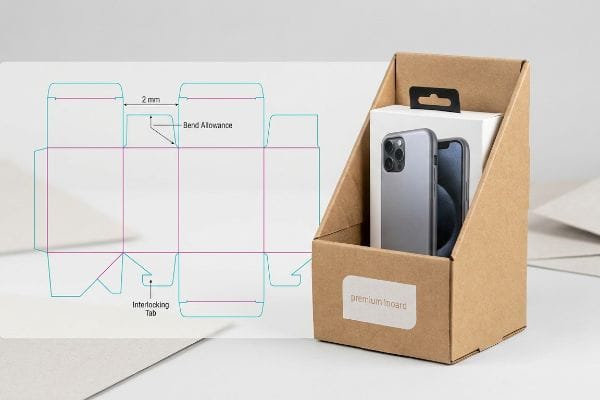
تبدأ الاحتكاكات التشغيلية دائمًا عندما تحاول فرق العلامات التجارية التعامل مع الهندسة الهيكلية المعقدة باستخدام أدوات الرسومات الأساسية المستندة إلى الويب.
مخاطر التصميم الهيكلي لأدوات الويب
كثيراً ما تحاول الفرق الإبداعية اختصار الوقت والجهد في سلسلة التوريد من خلال تكليف مسؤولي التسويق الرقمي برسم ألسنة متشابكة وفتحات طي مباشرة على منصات تصميم المواقع الإلكترونية الأساسية. يفترضون أنه إذا بدت الخطوط مستقيمة ومتناسقة على شاشة الكمبيوتر، فإن الكرتون سينطوي بشكل طبيعي تماماً في الواقع.
تخيل الأمر كمحاولة بناء منزل حقيقي باستخدام رسم تخطيطي. عندما تصل ملفات أدوات الويب المسطحة إلى طاولة القطع، تُفسد الرسومات المتجهة المُحوّلة إلى صور نقطية الحسابات الهيكلية تمامًا. لقد شاهدتُ عمال التعبئة والتغليف وهم يتصببون عرقًا ويلعنون على خط الإنتاج، وهم يكافحون مع ألسنة يزيد عرضها بمقدار 3.04 ملم بالضبط لأن أداة الويب لم تتمكن من تطبيق بدلات الانحناء التلقائية للكرتون المموج السميك.يتمزق ورق الكرافت الخام تحت الضغط، ويخرج الشريط اللاصق الشفاف القبيح، مما يُفسد المظهر الجمالي للعلامة التجارية. لذلك، أفرض شرطًا صارمًا: أُصدر ملف PDF مُصمم مسبقًا باستخدام برنامج احترافي، ويجب على العملاء تثبيته على الطبقة السفلية. هذا يضمن عملية تجميع سلسة تُقلل وقت عمل التعبئة والتغليف بالدقائق لكل وحدة.
| أخطاء شائعة للمبتدئين | الحل الاحترافي | فوائد أرضية البيع بالتجزئة |
|---|---|---|
| علامات تبويب الرسم في أدوات الويب | استخدام قوالب التصميم بمساعدة الحاسوب البارامترية10 | يضمن طيًا خاليًا من الاحتكاك |
| مع تجاهل سمك اللوح | تطبيق بدلات الانحناء11 | يمنع تمزق الفتحات المتشابكة |
| إعادة كتابة المعادلات الرياضية الهيكلية | قفل الطبقة الأساسية لملف PDF | يُلغي الحاجة إلى إعادة العمل المكلفة |
أرفض السماح للتلاعب بالبكسلات غير المختبرة بإفساد عملية طرح منتجات ضخمة في المتاجر. إن تثبيت الطبقة الأساسية المصممة هندسيًا يحمي الجدول الزمني ويحافظ على كفاءة تكاليف تجميع التغليف المشترك بشكل كبير.
🛠️ مكتب هارفي: هل يقوم مصممو الجرافيك لديكم عن طريق الخطأ بتجاوز خطوط الطي الميكانيكية المهمة؟ 👉 احصل على تدقيق هيكلي مجاني ↗ — لا نماذج تُسبب مكالمات مبيعات لا نهاية لها. فقط قيمة خالصة.
ما هو صندوق العرض في متاجر البيع بالتجزئة؟
يختلف الصندوق الذي يبدو جميلاً على الرف اختلافاً كبيراً عن الصندوق الذي يُشحن بأمان عبر المحيط. قوة تحمل الضغط الهيكلي أمر لا يقبل المساومة.
صندوق عرض المنتجات في المتاجر عبارة عن وحدة تغليف متعددة الأغراض مصممة لتحمل النقل الثقيل والتحول الفوري إلى وحدة عرض جاهزة للعرض على الرفوف. تعتمد هذه الهياكل على توجيهات محددة للألواح المموجة وحواف عالية المتانة لتحمل الضغط الرأسي الهائل على المنصات دون أن تتلف، مما يضمن عرض المنتج بشكل مثالي عند وصوله.
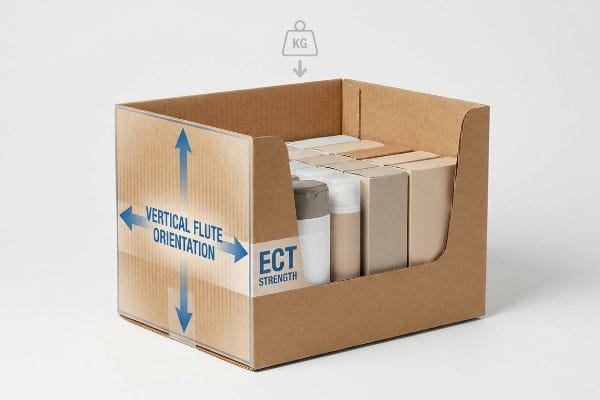
إن جعل شاشة واحدة تقف بشكل مستقيم في مختبر التصميم أمر سهل، ولكن إليك الحقيقة القاسية عندما تقوم بشحن 500 منها عبر البلاد.
لماذا تنهار صناديق القمامة المكشوفة في أرضية المصنع؟
كثيراً ما تستبدل فرق المشتريات الصناديق الرئيسية المغلقة بالكامل بالحاويات النصفية المفتوحة لتوفير تكاليف المواد الخام وإنشاء صناديق جاهزة للعرض على الرفوف فوراً. ويفترضون أن الجدران المموجة شديدة التحمل وحدها ستوفر قوة ضغط كافيةلحماية البضائع الداخلية أثناء النقل لمسافات طويلة.
في منشأتي، أرى باستمرار هذه الحيلة الموفرة للتكاليف تنقلب بنتائج كارثية خلال الاختبارات الأولية. عند إزالة الأغطية العلوية المتصلة للصندوق، يتم التخلص تمامًا من الغطاء العلوي المحيط بزاوية 360 درجة، مما يُفقد الوحدة قدرتها على توزيع ضغط الحمل العلوي. خلال اختبار تجريبي أُجري مؤخرًا قبل الإنتاج، شاهدتُ صندوقًا مفتوحًا ينحني تحت وزن علوي لا يتجاوز 85 كيلوغرامًا (187.5 رطلًا) - انحنت الألواح الجانبية للخارج مع صوت طقطقة عالٍ ومفاجئ. قمتُ بقياسات الميكرومتر وأثبتُّ أنه لا داعي للذعر وشراء دعامات داخلية باهظة الثمن. قمتُ بمحاذاة ألياف الكرتون المموجة بشكل عمودي تمامًا لزيادة قوة اختبار سحق الحواف (ECT)إلى أقصى حد. من خلال تطبيق هذا التعديل الدقيق في الملف الهيكلي، ضمنتُ أن الكراتين الرئيسية ستتحمل النقل البحري المزدوج، مما قضى تمامًا على نسبة تلف النقل المدمرة التي بلغت 12.4% للعميل دون زيادة تكلفة المواد.
| أخطاء شائعة للمبتدئين | الحل الاحترافي | فوائد أرضية البيع بالتجزئة |
|---|---|---|
| أسطح مفتوحة بدون دعامات | محاذاة المزامير بشكل عمودي تمامًا | يعيد السعة الحرجة للتحميل العلوي |
| بالاعتماد على إحصائيات اللوحة الخام | تطبيق معايير صارمة في مجال العلاج بالصدمات الكهربائية | يمنع السحق تحت المنصات |
| استخدام الألياف الأفقية | إعادة هندسة الرياضيات الهيكلية | ينجو من عبور المحيطات القاسي |
لا أسمح أبدًا بتصميم مفتوح من الأعلى بمغادرة قسم الاختبارات دون التحقق أولًا من قدرته على تحمل الأحمال الرأسية. إن التخلص من التصميمات الزائدة غير الضرورية هدفٌ نبيل، لكن قوانين الفيزياء دائمًا ما تفرض ثمنها في المستودع.
🛠️ مكتب هارفي: لا تدع عيبًا هيكليًا بحجم 2 مليمتر يُفسد إطلاقًا ضخمًا لـ 500 متجر. 👉 أرسل لي ملف تصميم القالب ↗ — سأُجري اختبارات دقيقة للحسابات قبل أن تُهدر ميزانيتك على الإنتاج الضخم.
خاتمة
يمكنك محاولة توفير بعض المال في البداية عن طريق قص الأجزاء العلوية وتجاهل اتجاه ألياف الكرتون المموج، ولكن عندما تنثني هذه الصناديق غير المدعومة تحت منصات التحميل المزدوجة، فإن ذلك يتسبب في مطالبات ضخمة من تجار التجزئة ويقضي تمامًا على هامش ربح حملتك. يستخدم أكثر من 500 مدير علامة تجارية قائمة التحقق الخاصة بي قبل الطباعة لتجنب هذه الأخطاء القاتلة في المراحل المبكرة. توقف عن التخمين بشأن دقة أبعاد الكرتون المموج، ودعني شخصيًا أراجع ملفاتك من خلال خدمة تدقيق القوالب المجانية ↗ لاكتشاف مخاطر التلف قبل الموافقة على الإنتاج بكميات كبيرة.
"كيفية اختيار ارتفاع عرض منتجاتك في متاجر التجزئة؟"، https://popdisplay.me/how-to-choose-your-retail-display-height/. [تحدد معايير الصناعة لتصميم تجهيزات متاجر التجزئة نسب العمق إلى الارتفاع المثالية لضمان الثبات ومنع الانقلاب تحت الحمل]. دور الدليل: المواصفات الفنية؛ نوع المصدر: دليل تصميم متاجر التجزئة. يدعم: مقاييس الثبات. ملاحظة النطاق: قد يختلف بناءً على الوزن الإجمالي للمنتج. ↩
"حوامل صور لاصقة من الورق المقوى - حامل صور لاصق..."، https://www.michaels.com/product/bright-creations-cardboard-display-stand-selfstick-cardboard-easel-backs-adhesive-photo-stand-for-artwork-posters-signs-white-5inch-50pack-177706394844086290. [توضح مبادئ الهندسة الميكانيكية كيف يؤدي تمديد قاعدة الدعم للخلف إلى تحريك مركز الثقل لزيادة الاستقرار الهيكلي]. دور الدليل: مبدأ فيزيائي؛ نوع المصدر: دليل هندسة إنشائية. الدعامات: آليات منع الانقلاب. ملاحظة النطاق: ينطبق تحديدًا على الوحدات الخفيفة القائمة بذاتها. ↩
"ما هو العمق القياسي لأسطح مطابخ سيزارستون؟ - سيزارستون"، https://www.caesarstoneus.com/blog/what-is-the-standard-depth-of-kitchen-countertops/. [تحدد معايير التصميم الصناعية لشاشات نقاط البيع نسب القاعدة إلى الارتفاع لضمان بقاء مركز الثقل ضمن المساحة المحددة]. دور الدليل: المواصفات الفنية؛ نوع المصدر: دليل هندسة التغليف. يدعم: منع الانقلاب الأمامي. ملاحظة النطاق: خاص بالهياكل الكرتونية خفيفة الوزن. ↩
[ملف PDF] قالب حامل العرض الخلفي - ftp.arcchurches.com، https://ftp.arcchurches.com/index.jsp/mLA094/604912/Easel%20Back%20Template.pdf. [تشير إرشادات التصميم الميكانيكي لوحدات البيع بالتجزئة إلى أن تمديد ظهر حامل العرض الخلفي يزيد من زاوية الدعم ويمنع الانقلاب تحت الحمل]. دور الدليل: أفضل ممارسات التصميم؛ نوع المصدر: دليل تصميم تجهيزات البيع بالتجزئة. يدعم: الثبات لأحمال السوائل الثقيلة. ملاحظة النطاق: ينطبق على أشكال العرض المائلة للخلف. ↩
إنتاج شاشات عرض المنتجات بتقنية التغذية بالجاذبية | علامة تجارية مخصصة...، https://pack-design.com/gravity-feed-product-display-production/. [تنص المبادئ الأساسية للتوازن الساكن على أن وضع معظم الكتلة في القاعدة يُخفض مركز الثقل، مما يزيد من الاستقرار]. دور الدليل: مبدأ فيزيائي؛ نوع المصدر: كتاب هندسة ميكانيكية. الدعامات: تثبيت آمن لشاشات العرض. ملاحظة النطاق: المبدأ العام للتوازن الفيزيائي. ↩
الفصل الثالث: الأجزاء القابلة للتشغيل، https://www.access-board.gov/ada/guides/chapter-3-operable-parts/. [توفر معايير قانون الأمريكيين ذوي الإعاقة (ADA) للتصميم المُيسّر نطاقات ارتفاع محددة للوصول الأمامي لضمان سهولة وصول الأفراد مستخدمي الكراسي المتحركة إلى العناصر]. دور الدليل: مواصفات فنية؛ نوع المصدر: لائحة حكومية. يدعم: قياسات الامتثال لمتطلبات الوصول وفقًا لقانون الأمريكيين ذوي الإعاقة (ADA). ملاحظة النطاق: ينطبق على متطلبات الوصول الأمامي في الأماكن العامة. ↩
"ما هو خط القطع في التغليف والطباعة؟ - PopDisplay"، https://popdisplay.me/what-is-a-dieline-in-packaging-print/. [تُعرّف أدلة التغليف والعرض الفنية خطوط القطع بأنها قوالب ثنائية الأبعاد تُستخدم لضمان ملاءمة هياكل نقاط البيع ثلاثية الأبعاد ضمن قيود مكانية دقيقة]. دور الدليل: معيار فني؛ نوع المصدر: دليل صناعي. يدعم: تحسين ملاءمة منطقة التسجيل. ملاحظة النطاق: ينطبق على قوالب التصميم الهيكلي. ↩
معايير إمكانية الوصول وفقًا لقانون الأمريكيين ذوي الإعاقة (ADA) - Access-Board.gov، https://www.access-board.gov/ada/. [تُحدد معايير ADA للتصميم المُيسّر متطلبات محددة لأقصى ارتفاع للوصول الأمامي لضمان سهولة الوصول للأفراد الذين يستخدمون الكراسي المتحركة]. دور الدليل: مواصفات فنية؛ نوع المصدر: لائحة حكومية. يدعم: متطلبات سهولة وصول المتسوقين. ملاحظة النطاق: يشير تحديدًا إلى حدود ارتفاع الوصول الأمامي. ↩
"ما هو عامل K؟ | شرح بدل ثني الصفائح المعدنية"، https://www.youtube.com/watch?v=kUizKC1gkg0. [تشرح معايير هندسة التغليف الفنية كيفية احتساب بدلات الثني بناءً على سُمك المادة لضمان دقة أبعاد الطي]. دور الدليل: المواصفات الفنية؛ نوع المصدر: دليل هندسي. يدعم: ضرورة الحسابات الهيكلية الدقيقة في تصميم الكرتون المموج. ملاحظة النطاق: ينطبق على المواد ذات السُمك الكبير. ↩
"أفضل برامج تصميم التغليف لعام 2026 - مقارنة ودليل"، https://printnow.com/blog/best-packaging-design-software. تشرح المراجع التقنية لتصميم التغليف الهيكلي كيف يضمن التصميم بمساعدة الحاسوب البارامتري دقة عالية في التفاوتات اللازمة للطي السلس. دور الدليل: التحقق التقني؛ نوع المصدر: دليل هندسي. يدعم: تفوق الخطوط البارامترية على الرسم باستخدام أدوات الويب. ملاحظة النطاق: ينطبق بشكل أساسي على الطيات الهيكلية المعقدة. ↩
"كيفية حساب بدل الانحناء وخصم الانحناء - يوتيوب"، https://www.youtube.com/watch?v=21Ky5ayg_q8. توضح أدلة علم المواد الخاصة بالكرتون المموج كيفية منع إجهاد المادة وتمزقها عند نقاط التعشيق من خلال حساب بدلات الانحناء. دور الدليل: التحقق الفني؛ نوع المصدر: معيار التصنيع. يدعم: منع الفشل الهيكلي أثناء التجميع. ملاحظة النطاق: يختلف بناءً على درجة وسمك الكرتون. ↩
"حاسبة قوة اختبار ضغط الصناديق (BCT) - ويستباك"، https://westpak.com/resources/calculator/box-compression-test/. [يوضح دليل هندسة التغليف أو التحليل الهيكلي للكرتون المموج كيف أن غياب الأغطية العلوية في صناديق التخزين عالية الصلابة (HSCs) يقلل بشكل كبير من قيمة اختبار ضغط الصناديق (BCT) مقارنةً بالصناديق المغلقة بالكامل]. دور الدليل: التحقق الفني؛ نوع المصدر: دليل هندسي. يدعم: عدم الاستقرار الهيكلي للصناديق المفتوحة من الأعلى أثناء النقل. ملاحظة النطاق: يركز على مقاييس الضغط الرأسي. ↩
[ملف PDF] مواصفات الكرتون المموج - رابطة صناديق الألياف، https://www.fibrebox.org/assets/2025/09/Walmart_Corrugated-Board_Specifications_Automation_Packaging_Standards.pdf. [تؤكد المواصفات الفنية لتغليف الكرتون المموج أن التوجيه الرأسي للخيوط يُحسّن قيمة اختبار مقاومة السحق للحواف (ECT) لزيادة قدرة تحمل الأحمال الرأسية]. دور الدليل: التحقق الفني؛ نوع المصدر: دليل هندسي. يدعم: العلاقة بين توجيه الألياف والقوة الهيكلية. ملاحظة النطاق: ينطبق تحديدًا على الكرتون المموج المصنوع من الألياف. ↩