I see the same grocery pain again and again. Too many choices. Slow lines. High prices. I felt this too. I looked for a simple model. I found ALDI.
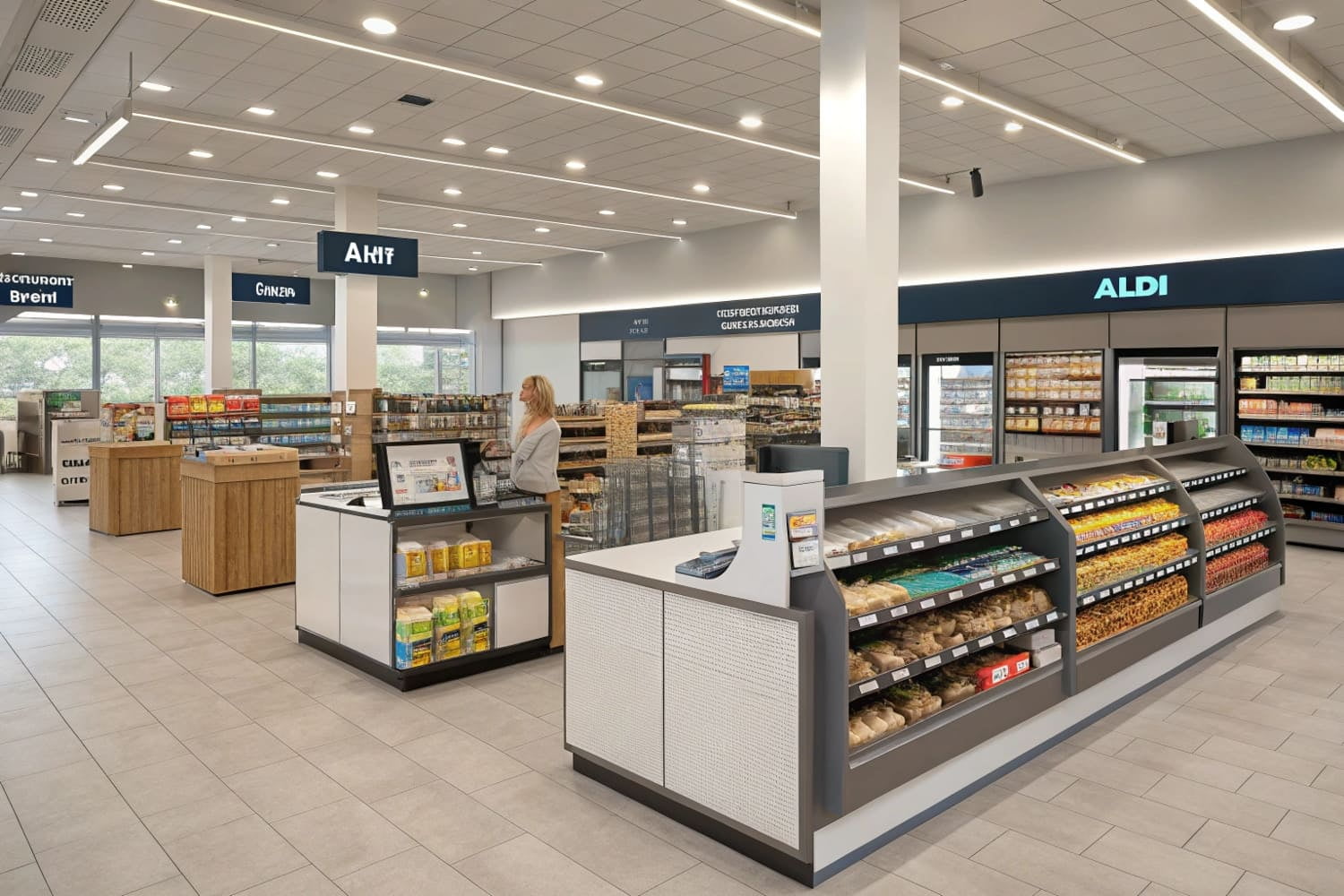
I like ALDI because it runs a lean store, uses clear displays, focuses on private labels, and passes savings to shoppers while keeping quality high. The layout is simple, the PDQ units are fast, and the checkout is quick.
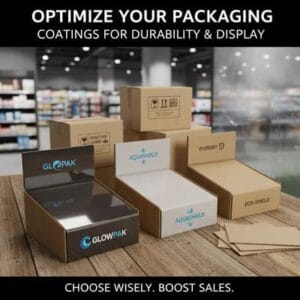
I build cardboard displays for brands, so I study retail systems. ALDI teaches me how less can sell more. The lessons help me design faster, stronger, and cleaner POP programs for my clients.
What do you like about ALDI?
I used to zigzag through big stores. I lost time and missed items. Then I tried ALDI. The store felt small, calm, and clear. I bought faster. I paid less.
I like ALDI for three things: tight assortment, fast in-and-out flow, and honest prices. Fewer SKUs reduce noise. Smart floor displays guide traffic. Pallet and PDQ units speed fills and refills without waste.
Assortment and Flow
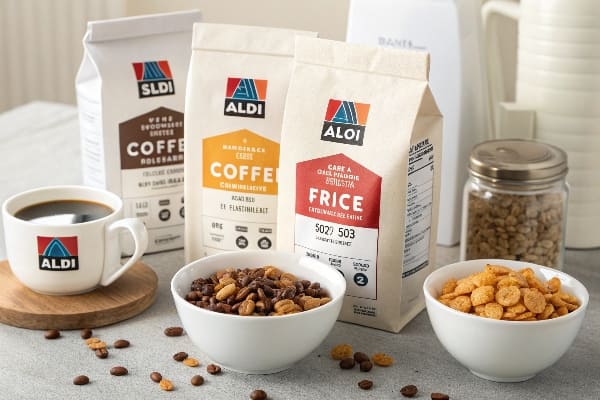
ALDI limits SKUs, so the shelf and floor stay clean. I design POP for this kind of flow. A small footprint must still win attention. I use strong color blocks1, tall headers, and easy copy. I avoid clutter. I test quick assembly, because staff time is tight. I also plan ship-in-display pallets for seasonal pushes. This fits ALDI's rhythm and it reduces labor.
Price and Perception
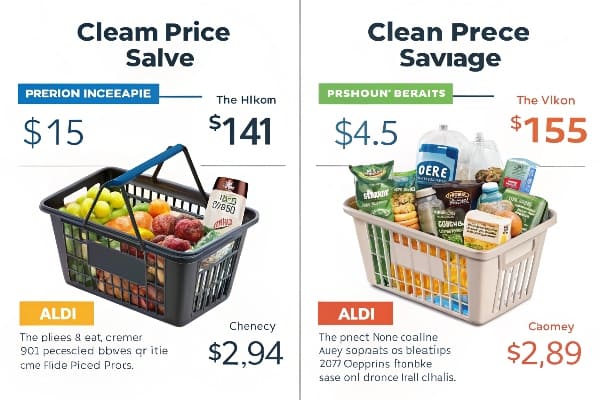
A clear value sign2 speaks louder than a loud design. I match ink choices, simple dielines, and flat-pack efficiency to keep cost down. Savings keep the price point strong, and the display still looks sharp.
Display Principles in Action
| ALDI Principle | Display Practice | Result |
|---|---|---|
| Fewer SKUs3 | Narrow, tall floor unit | Fast find and strong blocking |
| Simple layout4 | One-message header | Clear offer recall |
| Low labor | Pre-glued auto-lock base | 60-second setup |
| Value focus | Digital print short runs | No waste, fresh art |
| Seasonal pulse | Ship-in pallet | Rapid floor drop |
What's so good about ALDI's?
Many retailers talk speed and sustainability. Few hit both. ALDI does. I watch staff roll out pallet displays in minutes and keep aisles tidy all day.
ALDI is good because it turns logistics into shopper value: pallet-ready displays, PDQ trays, and simple wayfinding cut labor, reduce waste, and keep prices low while product stays front and center.
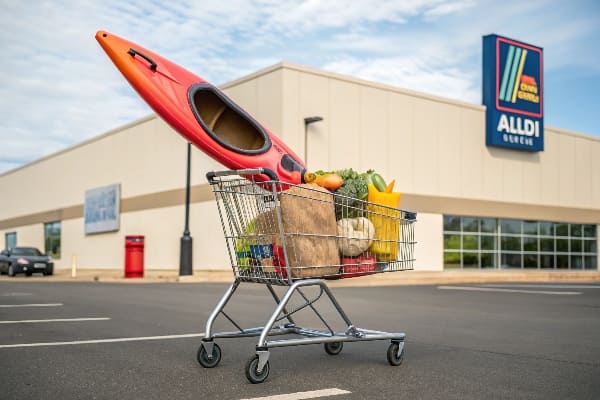
Speed that Shoppers Feel
Speed is not only backroom work. Shoppers feel it as clear sightlines and quick refills5. When I design PDQ trays, I choose corrugated grades that hold weight and resist scuff in high traffic. I add tear-away fronts for easy open. I number panels for foolproof setup. I test load and drop to protect edges. Fast retail is careful design.
Sustainability that Works on the Floor
ALDI's simple packaging reduces waste. I follow the same path. I specify recycled fiber6 where fit allows. I use water-based inks and no-plastic coatings when feasible. I design flat-pack to lower freight. I plan reuse for headers across seasons. Europe pushes this mindset, and North America now follows.
Fixtures and Fit
| Store Fixture | Cardboard Display Type | Why It Works |
|---|---|---|
| Aisle ends | Floor display with bold header7 | Stops traffic and tells one story |
| Checkouts | Countertop PDQ8 | Triggers impulse buys |
| Seasonal zone | Pallet display | Fast deployment, big volume |
| Coolers perimeter | Slim side-kick | Uses dead space without clutter |
This system matches market forces I track every week. Display packaging grows at a steady pace, and floor POP stays strong because it drives clear, direct impact. I build for that impact.
Why would you like to work at ALDI's?
I like teams that move fast and measure well. I run a factory, so I like clear goals. I like direct feedback. I like to fix problems and ship.
I would like to work at ALDI because the culture values ownership, lean process, and exact execution. I can bring design-to-delivery speed, clear QC, and lower total cost through smarter displays.
How My Operations Mind Fits
I manage three production lines. My team designs, prototypes, tests, and then scales. We freeze specs only after load and transit tests pass. That mindset fits ALDI's lean rhythm9. If I worked with ALDI's buying or merchandising teams, I would map each seasonal brief to a standard kit: a floor unit, a PDQ, and a pallet wrap. I would keep dielines stable, and swap graphics fast with digital print. I would lock QC with checklists on flute, ink, and fit. I would publish set-up videos10 with QR codes on master cartons.
Clear Metrics, Clear Wins
I would target three KPIs: setup minutes11, damage rates, and sell-through lift12. I would pilot two stores, then scale across regions. I would document learning, and I would roll it into the next run.
Skills to Store Impact
| Skill | ALDI Context | Impact |
|---|---|---|
| Structural design | Lean floor plans | Less space, more face |
| Digital print | Short seasonal pushes | Fresh art without waste |
| QC discipline | Fast turns | Fewer returns, steady supply |
| Logistics planning13 | Pallet-ready packs | Lower labor, faster drops |
| Cost engineering14 | Value promise | Price stays sharp |
What are positive things about ALDI?
I like good value. I like calm stores. I also like brands that keep waste low. ALDI shows that you can do all three at once.
Positive things include fair prices, fast shopping, clean aisles, and simple packaging. The displays are practical, recyclable, and quick to set up. Shoppers save time and money, and stores keep products in view.
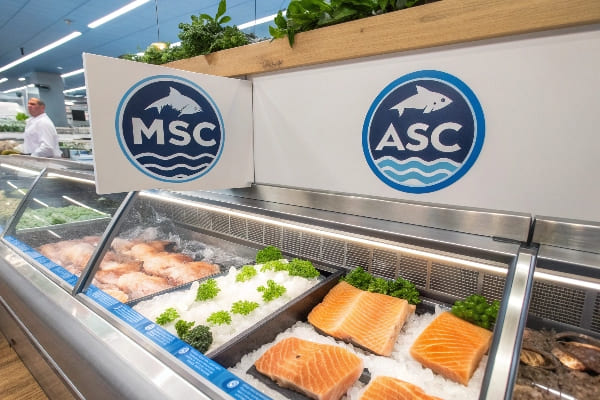
Value, Access, and Planet
ALDI protects price by trimming extras. That gives shoppers access to quality food and essentials. The model needs displays that speak one clear message and waste less. My team uses recycled fiber15 where fit allows and avoids coatings that block recycling. We also design for light weight without sag. We test edges for wear because high traffic can tear thin walls. We build flat-pack16 to cut freight and emissions. These choices link store goals with shopper trust.
Growth and Readiness
In my work, I see steady growth in display packaging17 and POP. Seasonal floor units keep rising because they move product now, not later. Private label is strong, so branding must be bold and simple. This suits cardboard well because it prints clean and folds fast.
Themes and Takeaways
| Theme | Example in Store | Cardboard Display Takeaway |
|---|---|---|
| Simplicity18 | One price, one message | Use one header line and big numerals |
| Speed | Pallet drop in minutes | Pre-packed trays and numbered panels |
| Sustainability19 | Recyclable packs | Water-based inks and mono-material |
| Value | Fewer frills | Efficient dielines and minimal parts |
| Consistency | Repeatable zones | Standard kits across seasons |
Conclusion
ALDI proves that simple systems win. I build displays that match this idea. Fewer parts. Faster setup. Strong value. Better results for shoppers and stores alike.
Explore this link to understand how strong color blocks can enhance visual appeal and attract customer attention. ↩
Discover the importance of clear value signs in marketing and how they can effectively communicate value to customers. ↩
Exploring this link will provide insights into how fewer SKUs can enhance customer experience and streamline inventory. ↩
This resource will explain the advantages of a simple layout in retail, helping you understand its impact on customer engagement. ↩
Explore how quick refills enhance shopper experience and operational efficiency in retail. ↩
Learn about the environmental benefits of recycled fiber in packaging and its role in reducing waste. ↩
Explore how a bold header can effectively capture customer attention and enhance sales in retail environments. ↩
Learn about the psychology behind countertop displays and how they can significantly boost impulse purchases at checkout. ↩
Understanding ALDI's lean rhythm can enhance your operational efficiency and align your strategies with best practices. ↩
Exploring resources on set-up videos can help improve your team's training and streamline production processes. ↩
Exploring this resource can provide insights on optimizing setup times, enhancing efficiency in your operations. ↩
This link will offer valuable strategies to boost sell-through rates, driving sales and improving inventory turnover. ↩
Exploring this link will provide insights into optimizing logistics, crucial for enhancing efficiency and reducing costs. ↩
Understanding cost engineering can help you maintain competitive pricing while ensuring quality, a key to retail success. ↩
Explore how recycled fiber enhances sustainability and reduces environmental impact in packaging. ↩
Learn about the advantages of flat-pack design in minimizing transportation costs and environmental footprint. ↩
Explore this link to understand the evolving trends in display packaging, which can enhance your marketing strategies. ↩
Exploring this link will reveal how simplicity enhances customer understanding and engagement. ↩
This resource will provide insights into sustainable practices that can improve brand image and customer loyalty. ↩