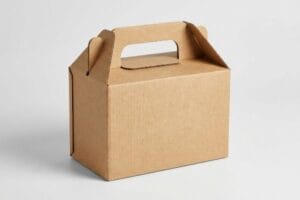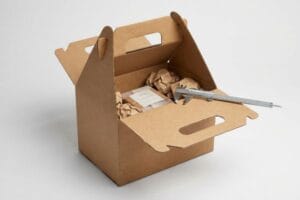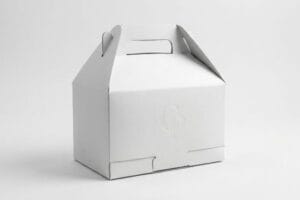
Die Markteinführung eines hochwertigen Pflanzenprodukts erfordert mehr als nur ein ansprechendes Logo; sie verlangt strukturelle Präzision. Wirkt Ihre Präsentation billig, werden Einzelhändler den wahrgenommenen Wert Ihrer Marke sofort herabsetzen.
Um die Verpackung von CBD-Geschenkboxen optimal zu verstehen, ist es unerlässlich, die hochwertige Integration von mikrogeriffelten Strukturen, kindersicheren Verschlüssen und gestochen scharfem Lithografiedruck zu beherrschen. Diese speziellen Sekundärverpackungen schützen empfindliche Glasfläschchen und steigern durch ihre luxuriöse Haptik die Markenbekanntheit im stark regulierten und wettbewerbsintensiven Einzelhandel.

Doch die Überbrückung der Kluft zwischen einer ansprechenden digitalen Darstellung und einer physischen, skalierbaren Verkaufsverpackung ist der Punkt, an dem die meisten Kampagnen stillschweigend ihr Marketingbudget aufbrauchen.
Was bedeutet „CBD-Verpackung“?
Die Umsetzung Ihrer botanischen Markenbotschaft in die physische Realität beginnt mit dem Rohmaterial. Wählt man das falsche Basismaterial, wird jede nachfolgende Druckschicht optisch misslingen.
CBD-Verpackungen sind spezielle, strukturelle Behältnisse, die zum Schutz, Transport und zur Vermarktung pflanzlicher Produkte entwickelt wurden. Diese Produktkategorie erfordert hochwertige Materialien wie mikrogewellte Wellpappe oder gebleichtes Sulfatpapier, um den empfindlichen Tinkturen optimalen Schutz zu gewährleisten und den Konsumenten ein hochwertiges haptisches Erlebnis zu bieten.

Die grundlegende Definition zu verstehen ist einfach, aber die Auswahl der richtigen Kartonqualität für eine hochwertige Geschenkverpackung stellt eine enorme praktische Hürde dar.
Beseitigung des Waschbretteffekts bei CBD-Geschenkboxen
Selbst erfahrene Marketingteams greifen bei der Gestaltung von Schutzverpackungen für schwere Glasfläschchen oft auf Standard-B-Welle zurück¹ . Sie gehen davon aus , dass eine dickere Pappe automatisch ein sichereres und hochwertigeres Auspackerlebnis ermöglicht. Diese theoretische Annahme ignoriert jedoch das Verhalten der Rohwellung unter Druck während des lithografischen Montageprozesses² .
Ich sehe diese Falle ständig, wenn Marken versuchen, hochwertige Grafiken auf Standardkarton für den Versand zu bringen. Der nasse PVA-Kleber (Polyvinylacetat) zieht die bedruckte Deckschichtbeim Aushärten in die Vertiefungen der dicken inneren Wellen. Wenn ich mit der Hand über die fertige Box auf dem Fabrikboden fahre, spüre ich eine deutlich unebene Oberfläche, die die luxuriöse Optik völlig zerstört. Um das zu beheben, empfehle ich die Verwendung von E-Welle (Mikro-Welle) oder direktem Litho-Lam auf SBS4 (Sustainable Bleached Sulfate). Diese dichtere Struktur beseitigt die Oberflächenrillen und sorgt für eine spiegelglatte Oberfläche, die sich ideal für hochwertige Verkaufsregale eignet, ohne die für den Schutz von empfindlichem Glas notwendige Druckfestigkeit zu beeinträchtigen.
| Häufiger Anfängerfehler | Die Profi-Lösung | Vorteil für die Verkaufsfläche |
|---|---|---|
| Bedruckung von dickem B-Wellenpapier für Luxusboxen | Wechseln Sie mit Litho-Lam auf SBS 5 zur E-Flöte. | Verhindert unebene Oberflächengrafiken |
| Die Schrumpfung des PVA-Klebstoffs wird vernachlässigt (6). | Verwenden Sie Mikroflöten mit höherer Faserdichte7 | Sorgt für ein glasglattes, angenehmes Hautgefühl |
| Die Stabilität wird für flache Wände geopfert | Ausgewogene Mikro-Flötenarchitektur | Schützt schwere Glasbehälter mit Tinkturen sicher |
Bei hochwertigen botanischen Produkten gehe ich niemals Kompromisse bei der Oberflächenspannung ein. Die Verwendung eines mikrogeriffelten Trägermaterials garantiert, dass Ihre Druckgrafik makellos bleibt, steigert sofort den wahrgenommenen Wert und verhindert, dass Käufer Ihr Produkt als billig abtun.
🛠️ Harveys Schreibtisch: Weisen Ihre Geschenkkartons unter hellem Ladenlicht sichtbare Rillen auf? 👉 Fordern Sie eine Substratprüfung an ↗ – Direkter Kontakt zu mir. Garantiert kein automatisierter Werbe-Spam.
Wie sieht eine CBD-Verpackung aus?
Die visuelle Identität im Botaniksektor basiert stark auf haptischen Oberflächen. Kunden kaufen mit den Händen, bevor sie überhaupt ihren Geldbeutel zücken.
CBD-Verpackungen wirken ausgesprochen hochwertig und zeichnen sich durch kontrastreiche Grafiken, minimalistisches Branding und spezielle haptische Oberflächen wie Soft-Touch-Laminierung oder partielle UV-Lackierung aus. Diese visuellen Merkmale sind gezielt darauf ausgelegt, Luxus zu vermitteln, das Vertrauen der Verbraucher zu stärken und das pflanzliche Produkt in der wettbewerbsintensiven Umgebung von Apotheken hervorzuheben.
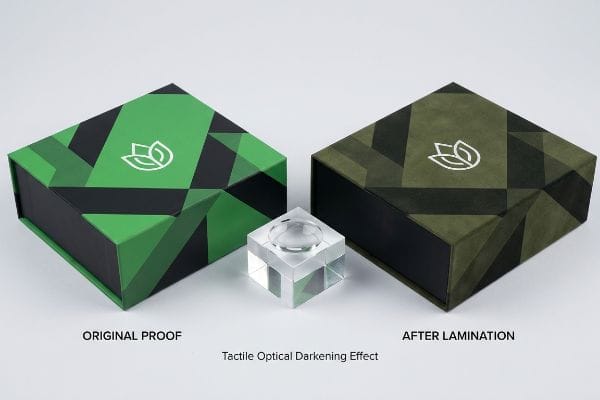
Eine matte, samtige Textur sieht auf dem Computerbildschirm zwar fantastisch aus, ihre Umsetzung in der Druckmaschine erfordert jedoch eine gnadenlose chemische Kompensation.
Der fühlbare optische Verdunkelungseffekt bei Premium-Ausführungen
Markendesigner fordern häufig eine hochwertige, griffige Thermolaminierung für ihre CBD-Geschenkboxen und erwarten, dass die CMYK -Farben (Cyan, Magenta, Gelb, Schwarz) exakt mit den digitalen Proofs übereinstimmen. Sie betrachten die haptische Folie als eine völlig unsichtbare Luxusschicht.
Es ist eine häufige Falle, die selbst erfahrene Einkaufsteams trifft. Wenn man eine mikroskopisch dünne, biaxial orientierte Polymerfolie auf Rohfarbe aufbringt, wirkt diese wie ein lichtabsorbierendes Vakuum. Ich erinnere mich, wie ich ein frisches Blatt vom Laminiergerät abzog und das leuchtende Markengrün sich abrupt in ein trübes, dunkles Olivgrün verwandelt hatte, wodurch der Farbtoleranzscan sofort negativ ausfiel. Die physikalisch-chemischen Eigenschaften der Folie dunkeln Pigmente um bis zu 5 %ab. Um dem entgegenzuwirken, wende ich in der Druckvorstufe eine strenge Laminierungskompensationskurve an, indem ich die Grundfarbdichte vor dem Drucken künstlich erhöhe, um die lichtabsorbierende Polymerschicht mathematisch zu durchdringen.
| Häufiger Anfängerfehler | Die Profi-Lösung | Vorteil für die Verkaufsfläche |
|---|---|---|
| Behandlung von Soft-Touch-Folie als unsichtbar | Wenden Sie eine Farbkorrekturkurve für die Druckvorstufe an10 | Gewährleistet die korrekte Farbwiedergabe der Marken |
| Laminierte Schachteln an Rohvorlagen anpassen | Physische Druckabfälle mit Instrumenten scannen11 | Vermeidet kostspielige Druckablehnungen |
| Die Lichtabsorption von Polymeren wird vernachlässigt 12 | Die Grundtintendichte leicht erhöhen | Sorgt für eine lebendige Präsenz im Regal |
Ich weigere mich, zuzulassen, dass ein hochwertiges Finish Ihre Markenidentität beeinträchtigt. Die Kalibrierung der Tintendichte vor dem Laminieren ist die einzige Möglichkeit, die luxuriöse Samt-Haptik zu erzielen und gleichzeitig Ihre visuelle Identität perfekt zu erhalten.
🛠️ Harveys Schreibtisch: Sind Ihre letzten matten Geschenkboxen verdächtig dunkler angekommen als in den digitalen Proofs? 👉 Lassen Sie Ihr Druckvorstufenprofil prüfen ↗ – Sicher herunterladen. Bei Fragen können Sie mich gerne kontaktieren.
Was sind kundenspezifische CBD-Boxen?
Die passgenaue Verpackung Ihrer Produkte ist im modernen Einzelhandel Standard. Doch eine optimale Passform dient nicht nur der Ästhetik, sondern auch der reibungslosen Entnahme.
Maßgefertigte CBD-Verpackungen sind präzisionsgefertigte Verpackungssysteme, die mathematisch exakt auf die Abmessungen eines bestimmten pflanzlichen Produkts abgestimmt sind. Diese Konstruktionen nutzen speziell angefertigte Stanzeinsätze, angepasste Toleranzen und markeneigene Grafiken, um zerbrechliche Glaskomponenten sicher zu schützen und gleichzeitig ein angenehmes und reibungsloses Auspackerlebnis zu ermöglichen.
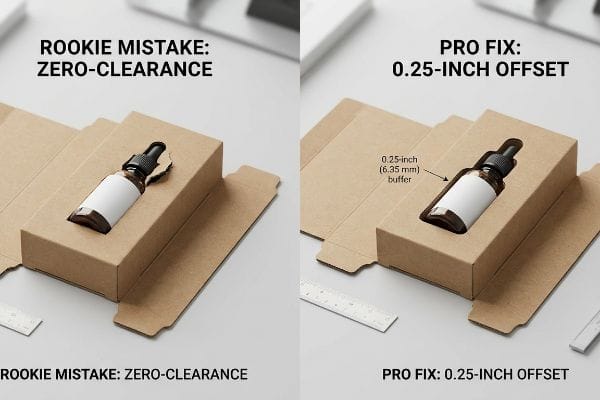
Die Entwicklung eines passgenauen Einsatzes, der eine Tinkturflasche eng umschließt, klingt logisch, doch die Konstruktion mit Nulltoleranz führt zu massiven logistischen Problemen.
Die Beherrschung verschachtelter Reibung in kundenspezifischen Einsätzen
Bei der Entwicklung individueller Geschenkverpackungen fertigen Designteams häufig gestanzte Innenschalen an, die exakt den Außenmaßen der Tinkturflasche entsprechen (1:1). Sie gehen davon aus, dass eine extrem dichte, spielfreie Passform den maximalen Schutz vor kinetischen Einwirkungen beim Transportbietet .
Stellen Sie sich vor, Sie versuchen, einen nassen Neoprenanzug auszuziehen; die Oberflächenspannung macht es unmöglich, ihn zu bewegen. Genau dieses Reibungsproblem beobachte ich in der Lohnabfüllanlage, wenn Arbeiter versuchen, schwere Glasflaschen in starre Spezialeinsätze zu stopfen. Man hört, wie der Karton quietscht und schließlich reißt, während sie die Komponenten zusammenpressen. Um dieses Problem zu lösen, schreibe ich eine geometrische Toleranz vor. Ich füge mathematisch einen minimalen Spielraum von 6,35 mm (0,25 Zoll)hinzu . Dadurch wird das Reibungsproblem vollständig gelöst.
| Häufiger Anfängerfehler | Die Profi-Lösung | Vorteil für die Verkaufsfläche |
|---|---|---|
| Konstruktion von 1:1-Nullspiel-Einsätzen | Fügen Sie einen 0,25-Zoll (6,35 mm) Offset-Puffer15 | Verhindert Frustration beim Auspacken |
| Glas in engen Karton pressen | Ingenieur präzise Maßtoleranzen | Beschleunigt die Lohnverpackung im Werk |
| Die Reibung von Rohkarton wird vernachlässigt | Verwenden Sie geometrische Mathematik für Abstände16 | Verhindert das Einreißen der inneren Präsentationsschalen |
Ich entwickle Pufferlösungen, die speziell darauf ausgelegt sind, Engpässe in der Lieferkette zu beseitigen. Durch die Überwindung dieser physikalischen Blockade bleibt Ihre individuelle Präsentation perfekt erhalten, was die Montage beschleunigt und Ihrem Käufer ein makelloses Ergebnis liefert.
🛠️ Harveys Schreibtisch: Reißen Ihre Lohnverpacker versehentlich Ihre individuellen Einlagen ein, weil sie zu eng sitzen? 👉 Fordern Sie Ihre Strukturtoleranzprüfung an ↗ — Keine Formulare, die endlose Verkaufsgespräche auslösen. Einfach nur echter Mehrwert.
Welche drei Arten von Schachteln gibt es?
Die Kategorisierung von Verpackungen in starre Kartons, Faltschachteln oder Wellpappversandtaschen erleichtert Einkäufern die Beschaffung. Die Umsetzung dieser spezifischen Verpackungsarten in großem Umfang erfordert jedoch strenge mathematische Präzision.
CBD-Verpackungen lassen sich im Wesentlichen in drei Typen unterteilen: stabile Faltschachteln für exklusive Geschenke, Faltschachteln für den leichten Einzelhandel und Versandtaschen aus Mikrowellpappe für den sicheren Transport im E-Commerce. Jeder Typ erfordert eine spezielle Konstruktion, um dynamische Belastbarkeit, ansprechendes Design und effiziente automatisierte Montage optimal aufeinander abzustimmen.
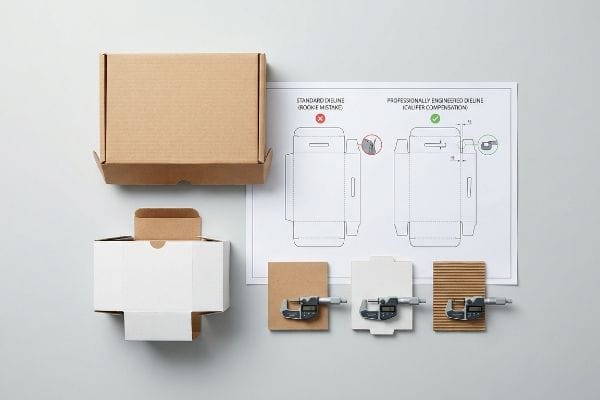
Doch die Kenntnis der Theorie dieser drei Kastentypen reicht nicht aus, wenn die automatisierten Maschinen mit voller Geschwindigkeit laufen.
Warum Standard-Stanzformen in der Fertigungshalle versagen
Einkaufsteams bestellen häufig Mikrowellpappen-Versandtaschen und Faltschachteln mit einfachen, flachen Stanzformen, die in Standard-Vektorsoftware erstellt wurden. Sie gehen fälschlicherweise davon aus, dass die zusammengebaute dreidimensionale Box perfekt ineinandergreift, wenn die Verriegelungslasche und der zugehörige Aufnahmeschlitz 17 exakt die gleiche Breite aufweisen
In meiner Produktionsstätte erlebe ich regelmäßig, wie diese theoretischen Flachdateien bei der Hochgeschwindigkeitsfertigung absolutes Chaos verursachen. Der Schwachpunkt liegt darin, dass die tatsächliche Dicke des gefalteten Substrats nicht berechnet wird. Biegt man eine 1,52 mm dicke E-Wellen-Platteum 90 Grad, verbraucht man Material. Wenn ich den Aufnahmeschlitz an der CAD-Stanzlinie nicht entsprechend anpasse, um diesen Biegeradius auszugleichen, verzieht sich das Display stark. Ich habe schon beobachtet, wie Montagearbeiter Laschen mit Gewalt in zu kleine Schlitze hämmern, die Wellen quetschen und die gesamte Geschenkbox verziehen. Um dies zu beheben, lese ich die Mikrometerwerte aus und nutze parametrische Algorithmen zur Dickenkompensation, um die Schlitze exakt zu erweitern. Durch diese extrem präzise Falttoleranz kann ich die Montagezeit um bis zu 30 % reduzierenundmeinen Kunden so erhebliche Lohnkosten bei großen Co-Packing-Aufträgen ersparen.
| Häufiger Anfängerfehler | Die Profi-Lösung | Vorteil für die Verkaufsfläche |
|---|---|---|
| Zeichnungslaschen und -schlitze im Breitenverhältnis 1:1 | Strenge Berechnung der Bremssattelkompensation anwenden20 | Garantiert rechtwinklige, bündige Ecken |
| Verbrauch von gefaltetem Plattenmaterial außer Acht gelassen | Schlitze so weit verbreitern, dass sie dem Biegeradius entsprechen21 | Spart enorm viel Arbeitszeit beim Lohnverpacken |
| Verwendung flacher Vektordateien für schwere Boxen | Ingenieur mit parametrischer Modellierungssoftware22 | Beseitigt zerdrückte und eingerissene Laschen |
Ich lasse nicht zu, dass ungenaue Geometrie Ihre Versandlinie verlangsamt. Die mathematische Berücksichtigung der exakten Plattenstärke garantiert, dass jede einzelne Box reibungslos und präzise zusammenpasst und schützt so sowohl Ihr Produkt als auch Ihre Gewinnspanne.
🛠️ Harveys Schreibtisch: Lassen Sie sich nicht von einem 2 Millimeter kleinen Konstruktionsfehler die Einführung in 500 Filialen vermasseln. 👉 Senden Sie mir Ihre Stanzdatei ↗ – ich prüfe die Berechnungen, bevor Sie Ihr Budget für die Massenproduktion verschwenden.
Abschluss
Sie können zwar einen günstigeren Anbieter wählen, doch wenn unausgeglichene Falttoleranzen dazu führen, dass sich Ihre hochwertigen Geschenkboxen verziehen, verlangsamt diese Reibung die Lohnverpackung um schätzungsweise 30 % und schmälert Ihre Gewinnspanne. Genau dieses Datenblatt verwenden meine zehn wichtigsten Einzelhandelskunden, um Druckfehler zu vermeiden. Hören Sie auf, über die Statik zu spekulieren, und lassen Sie mich Ihre Druckvorlage persönlich durch meinen kostenlosen Stanzform-Check führen, um kritische Reibungspunkte mathematisch zu eliminieren, bevor die Massenproduktion beginnt.
Wellpappe, https://en.wikipedia.org/wiki/Corrugated_fiberboard. Die technischen Spezifikationen von B-Welle bestätigen ihre gängige industrielle Anwendung zum strukturellen Schutz schwerer Glasprodukte. Belegfunktion: Technische Spezifikation; Quellentyp: Handbuch für Verpackungstechnik. Unterstützung: Die Standardverwendung von B-Welle für schwere Glasprodukte. Anmerkung: Die Materialeigenschaften variieren mit dem Flächengewicht (GSM). ↩
„Wie man den Welleneffekt beim Flexodruck behebt“, https://www.linkedin.com/posts/britto-mariyanus-iruthayaraj-34b42312a_flexoprinting-corrugatedpackaging-printquality-activity-7339575064712855554-D7Ib. Richtlinien für den industriellen Druck beschreiben die Verformung von Wellenblechen (Welleneffekt) unter Druckeinwirkung während des Lithografie-Laminierungsprozesses. Nachweisfunktion: Prozessvalidierung; Quellentyp: Handbuch für den industriellen Druck. Grundlage: Mechanisches Versagen von Rohwellenblechen beim Kaschieren. Anmerkung: Bezieht sich speziell auf die lithografische Kaschierung, nicht auf den Flexodruck. ↩
„Mit Wellpappkartons lässt sich der Erfolg messen“, https://www.billerud.com/products/packaging-materials/corrugated-materials/knowledge-center/washboarding. Technische Erklärung, wie die Schrumpfung von PVA-Klebstoff die Oberflächenspannung von Wellpappe während des Aushärtungsprozesses beeinflusst. Nachweisfunktion: Prozessvalidierung; Quellentyp: Handbuch der Klebstoffindustrie. Belege: Ursache für Oberflächenunregelmäßigkeiten. Anwendungsbereich: Gilt für dicke Wellenplatten. ↩
„Der ultimative Leitfaden für individuelle Wellpappverpackungen: E-Welle …“, https://crateform.com/blog/e-flute-vs-b-flute-the-ultimate-guide-to-corrugated-box-packaging. Vergleichende Analyse der Wellendichten und ihrer Auswirkungen auf Oberflächenglätte und Druckfestigkeit von Einzelhandelsverpackungen. Nachweisfunktion: Technische Spezifikation; Quellentyp: Leitfaden für Verpackungstechnik. Unterstützung: Materiallösung zur Reduzierung von Oberflächenrillen. Anwendungsbereich: Hohe Standards im Einzelhandel. ↩
„Litholaminierte Verpackungen – Accurate Box Company, Inc.“, https://accuratebox.com/our-packaging/litho-laminated-packaging/. Ein technischer Verpackungsleitfaden würde bestätigen, dass die Verwendung von E-Welle und SBS-Linern (Solid Bleached Sulfate) mittels lithografischer Laminierung den Welleneffekt im Vergleich zu B-Welle minimiert. Nachweisfunktion: Technische Spezifikation; Quellentyp: Handbuch der Verpackungsindustrie. Anwendungsbereich: Materialauswahl für glatte Oberflächen von Luxusverpackungen. Anmerkung zum Anwendungsbereich: Spezifisch für Litholaminierungsverfahren. ↩
„Auswirkungen von Feuchtigkeit im Laminierprozess – AICC Now“, https://now.aiccbox.org/effects-of-moisture-in-the-lamination-process/. Materialwissenschaftliche Dokumentationen erklären, wie Polyvinylacetat (PVA)-Klebstoffe während der Aushärtung schrumpfen und dadurch potenziell Oberflächenverformungen oder Schrumpfungen bei dünnen Substraten verursachen können. Nachweisfunktion: Validierung der chemischen Eigenschaften; Quellentyp: Technisches Datenblatt des Klebstoffs. Belege: Die technische Ursache von Oberflächenunregelmäßigkeiten. Anwendungsbereich: Allgemeines Klebstoffverhalten in Karton. ↩
„Mikrowellpappenverpackungen | EF N-Wellpappenkartons“, https://www.netpak.com/en/packaging-resources/industry-articles/micro-flute-packaging-efn-flute/. Technische Spezifikationen zu Mikrowellpappensubstraten bestätigen, dass eine höhere Faserdichte die strukturelle Steifigkeit erhöht und zu einer glatteren Oberfläche führt. Nachweisfunktion: Kennzahl für die Materialleistung; Quellentyp: Technisches Datenblatt der Fertigung. Unterstützt: Den Zusammenhang zwischen Faserdichte und haptischer Qualität. Anwendungsbereich: Gilt für hochwertige Verpackungssubstrate im Einzelhandel. ↩
„Was ist Farbgenauigkeit bei Verpackungen? Pantone-Matching …“, https://3dcolor.com/what-is-color-accuracy-in-packaging-pantone-matching-delta-e-and-why-brand-color/. Technische Erklärung, wie Soft-Touch-Folien einen optischen Verdunkelungseffekt erzeugen, der die CMYK-Farben von den Erwartungen des digitalen Proofs abweicht. Nachweisfunktion: Technische Verifizierung; Quellentyp: Handbuch der Druckindustrie. Begründung: Die Diskrepanz zwischen digitalen Proofs und der finalen Haptik. Anwendungsbereich: Speziell für Thermofolien auf bedruckten Substraten. ↩
„Einfluss der Wärmebehandlung auf die Filmmorphologie in biaxial laminierten Filmen …“, https://pmc.ncbi.nlm.nih.gov/articles/PMC12174661/. Die technischen Spezifikationen für die BOPP-Laminierung erklären die optische Verschiebung der Farbdichte beim Aufbringen des Films. Nachweisfunktion: quantitative Verifizierung; Quellentyp: Whitepaper der Druckindustrie. Belegt: Die Behauptung, dass Polymerfilme eine messbare Abnahme der Pigmenthelligkeit verursachen. Anmerkung zum Anwendungsbereich: Variiert mit dem Brechungsindex des Films. ↩
„Welche Fortschritte im Druck- und Grafikbereich die Zukunft prägen …“, https://popdisplay.me/what-advances-in-printing-and-graphics-are-shaping-the-look-and-feel-of-corrugated-packaging/. Technische Erklärung, wie Farbkorrekturkurven den Verdunkelungseffekt von Soft-Touch-Beschichtungen ausgleichen, um die Farbgenauigkeit zu erhalten. Nachweisfunktion: Technische Validierung; Quellentyp: Handbuch der Druckindustrie. Unterstützung: Verwendung von Kurven zur Sicherstellung der Farbkonsistenz einer Marke. Anwendungsbereich: Anwendbar auf matte Soft-Touch-Oberflächen. ↩
„Farbauftrag und Farbnormen | Ein BrandQ®-Webinar – YouTube“, https://www.youtube.com/watch?v=9_RgbVD_faQ. Industriestandard zur Überprüfung der Farbgenauigkeit laminierter Substrate mittels Spektralphotometern, um visuelle Abweichungen zu vermeiden. Nachweisfunktion: Verfahrensprüfung; Quellentyp: Technischer Leitfaden für Verpackungen. Unterstützt: Vermeidung von Druckausschuss. Anmerkung zum Anwendungsbereich: Fokus auf instrumentengestütztes Scannen im Vergleich zur visuellen Prüfung. ↩
„Die Rolle der Wechselwirkung zwischen Papier und Tinte für die Lichtechtheit von … verstehen“, https://pmc.ncbi.nlm.nih.gov/articles/PMC10145729/. Wissenschaftliche Erklärung, wie Polymerbeschichtungen Licht absorbieren und dadurch darunterliegende Tinten dunkler oder matter erscheinen lassen. Nachweisfunktion: wissenschaftliche Grundlage; Quellentyp: Fachzeitschrift für Materialwissenschaften. Unterstützt: Notwendigkeit der Erhöhung der Grundtintendichte. Anwendungsbereich: speziell für Laminate auf Polymerbasis. ↩
„Passgenauigkeit“, https://en.wikipedia.org/wiki/Engineering_fit. Kurze Erläuterung, wie Normen der Verpackungstechnik die Wirksamkeit von Passungen ohne Spiel im Vergleich zu berechneten Toleranzen für die Stoßdämpfung beim Transport von zerbrechlichem Glas bewerten. Nachweisfunktion: Technische Validierung; Quellentyp: Technisches Handbuch. Belege: Aussage zur Wirksamkeit des kinetischen Schutzes. Anwendungsbereich: Speziell für starre Stanzeinsätze. ↩
„Leitfaden zur Bestimmung der richtigen Größe von Einlegern für Versandkartons: Finden Sie die passende Produktgröße“, https://www.plusprinters.com/blog/mailer-box-inserts-size-guide/?srsltid=AfmBOoqA0gxJWgYIbJ__85tbMJPdO183-VgN1kFsDxtqypbIkzlloOIB. Ein Handbuch für Verpackungstechnik oder eine technische Spezifikation würde diese spezifische Toleranzmessung zur Vermeidung von Reibungsblockaden in Kartoneinlegern bestätigen. Nachweisfunktion: Technische Verifizierung; Quellentyp: Technisches Handbuch. Unterstützung: Die spezifische Messgröße für den Innenraumabstand. Hinweis: Die tatsächlichen Toleranzen können je nach Materialstärke und Produktgewicht variieren. ↩
„Was sind Produktverpackungseinsätze? – PopDisplay“, https://popdisplay.me/what-are-product-packaging-inserts%EF%BC%9F/. Eine anerkannte Quelle für Verpackungstechnik bestätigt Standardmaße für den Freiraum von Einsätzen, um eine problemlose Entnahme zu gewährleisten. Nachweisfunktion: Technische Validierung; Quellentyp: Leitfaden für die Verpackungsindustrie. Unterstützt: Die spezifische Puffermessung für reibungslose Entnahme. Anmerkung: Die Werte können je nach Materialstärke variieren. ↩
„Abschätzung der Druckfestigkeit von Wellpappe …“, https://pmc.ncbi.nlm.nih.gov/articles/PMC8467740/. Professionelle Konstruktionshandbücher beschreiben detailliert den mathematischen Ansatz zur Berücksichtigung von Faltverlusten und Materialstärke. Nachweisfunktion: Verfahrensprüfung; Quellentyp: Ingenieurhandbuch. Unterstützt: die Verwendung von Geometrie zur Vermeidung von Reibung und Einreißen. Anwendungsbereich: anwendbar auf Karton und Wellpappe. ↩
„Top-Tipps für die Konstruktion von Laschen und Schlitzen bei der Montage von Blechteilen – YouTube“, https://www.youtube.com/watch?v=DHcrX_ZnByA. Verpackungsnormen schreiben vor, dass Schlitze etwas größer als Laschen sein müssen, um Materialstärke und Falzzugabe zu berücksichtigen. Nachweisfunktion: Technische Validierung; Quellentyp: Konstruktionsleitfaden. Begründung: Warum ein Breitenverhältnis von 1:1 bei der Montage nicht funktioniert. Anwendungsbereich: Anwendbar auf Mikrowellpappe und Faltschachtelkarton. ↩
„Wellpappe und Materialqualitäten | 30.06.2021“, https://www.packagingstrategies.com/articles/96269-corrugated-board-and-material-grades. Überprüfung der branchenüblichen Dickenangaben für E-Welle-Wellpappe. Nachweisfunktion: Faktenprüfung; Quellentyp: Handbuch mit Industriestandards für die Verpackungsindustrie. Belege: Materialspezifikation. Anmerkung: Die Dicke kann je nach Hersteller leicht variieren. ↩
"[PDF] Cal Poly BSAE Bremssattel", https://digitalcommons.calpoly.edu/cgi/viewcontent.cgi?filename=1&article=1899&context=mesp&type=additional. Empirische Daten oder Fallstudien aus dem Bereich Wirtschaftsingenieurwesen zeigen, wie präzise Werkzeuganpassungen den manuellen Montageaufwand reduzieren. Nachweisfunktion: Leistungsvalidierung; Quellentyp: Studie im Bereich Wirtschaftsingenieurwesen. Belege: Effizienzbehauptung. Anmerkung: Der Prozentsatz variiert je nach Produktionsmenge und Qualifikation der Arbeitskräfte. ↩
„Optimierung der Nut- und Federverbindung für eine effiziente Metallverarbeitung“, https://sendcutsend.com/blog/mastering-tab-and-slot-design-for-efficient-metal-fabrication/?srsltid=AfmBOoojngUJTy4Q8enlOX6Yv88hUuX4T-tcK___t3m85LHWkx75ZzwK. Technische Dokumentation, die erläutert, wie die Blechdicke (Durchmesser) Anpassungen der Nutabmessungen erfordert, um eine optimale Passung zu gewährleisten. Nachweisfunktion: Technische Spezifikation; Quellentyp: Fertigungshandbuch. Bestätigt: Die Notwendigkeit des Dickenausgleichs für bündige Ecken. Anwendungsbereich: Betrifft hauptsächlich Faltschachteln und Wellpappe. ↩
„Biegeradien & Mindestbiegegrößen“, https://www.protocase.com/resources/bend-radii/. Maschinenbauprinzipien zur Materialdehnung und -stauchung beim Falten (Biegezugabe). Nachweisfunktion: mathematisches Prinzip; Quellentyp: Handbuch für Verpackungsdesign. Begründung: Notwendigkeit der Schlitzverbreiterung basierend auf dem Biegeradius, um Materialstau zu vermeiden. Anwendungsbereich: Besonders wichtig für Substrate mit hoher Flächenmasse oder dicken Wänden. ↩
„Verpackungsdesign mit CAD-Software: Eine Schritt-für-Schritt-Anleitung“, https://www.esko.com/en/blog/packaging-design-with-cad-software. Vergleichende Analyse von parametrischer 3D-Modellierung und 2D-Vektorzeichnung zur Validierung von Verpackungsstrukturen. Nachweisfunktion: Branchenübliche Best Practice; Quellentyp: Fallstudie aus der Softwareentwicklung. Belege: Die Behauptung, dass parametrische Modellierung physische Defekte wie eingedrückte Laschen bei schweren Kartons reduziert. Fokus: Komplexe, hochbelastbare Strukturkonstruktionen. ↩