Many brands fight for attention. Budgets feel tight. Deadlines push hard. I use product placement to stretch each dollar. It wins attention on screen and in stores with one plan.
The top five product placement strategies are character use, storyline mention, background set dressing, retail tie-ins with displays, and digital follow-ups with creators; choose based on goal, audience, timeline, and budget.

I want you to see how a clear plan links screens and aisles. I also want you to see real steps. I run a cardboard display factory, so I test these ideas each week.
What are product placement strategies?
Many people call any logo on a screen a placement. That view creates waste. I define strategies and link them to clear retail moves. This turns guesses into steps.
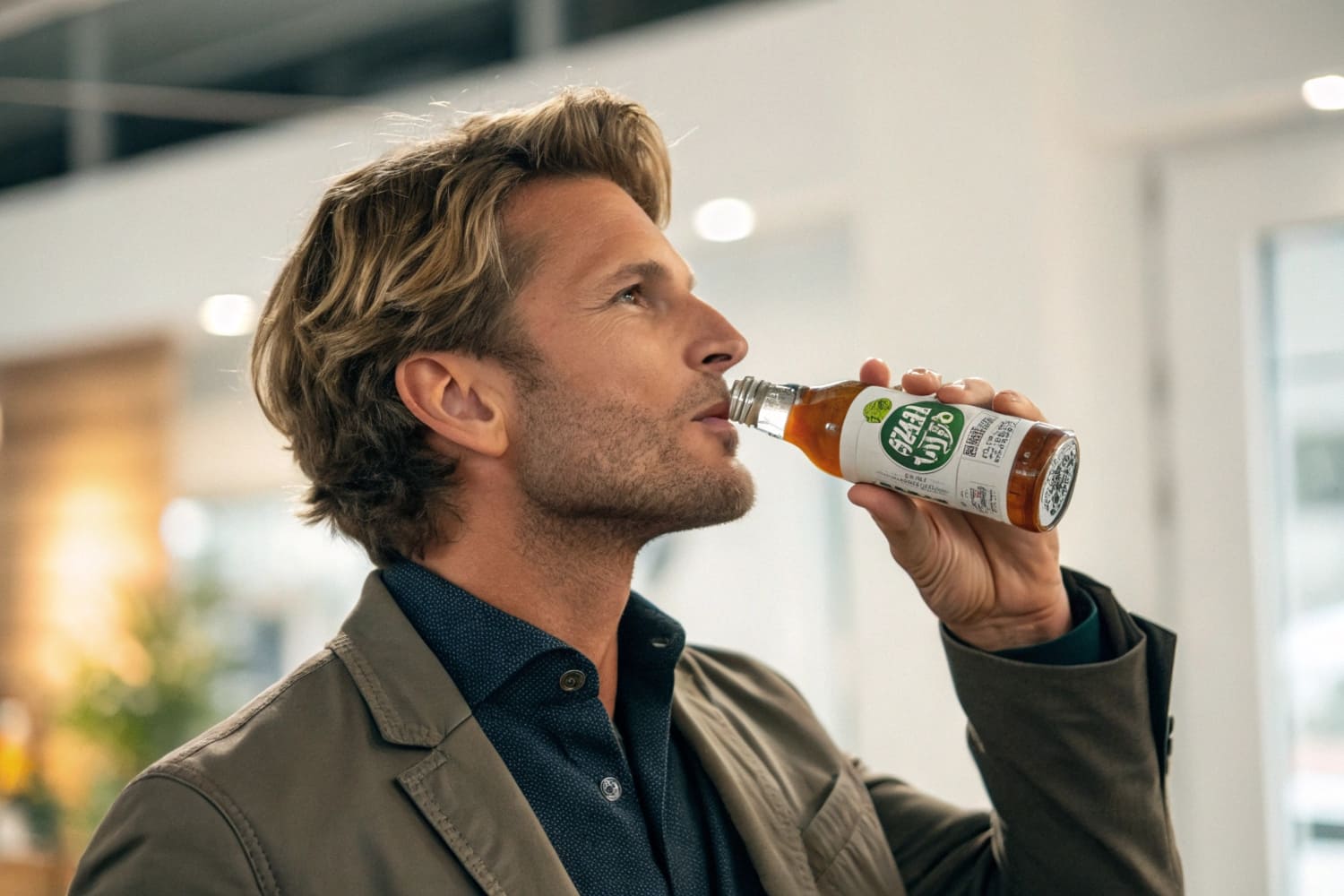
Product placement strategies are planned ways to put a brand inside stories and scenes so people notice and remember, then match those cues in stores with displays that make people buy.
How a strategy works with retail
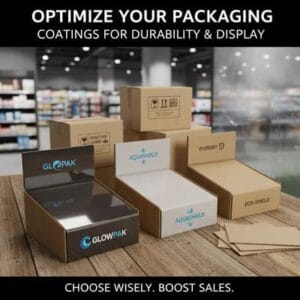
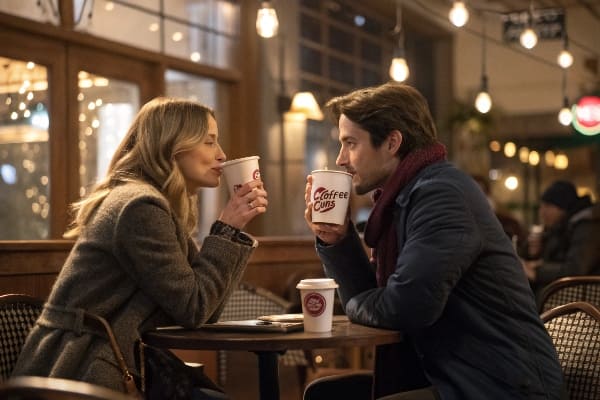
A good placement lives in two places. It lives first in a scene that people enjoy. It lives next in a store where people choose. I run three production lines for cardboard displays1, so I build that bridge. I take the colors, shapes, and lines from the scene. I print them on floor and counter displays. This keeps recall strong. Large floor displays keep leading share in POP because they grab space and eyes. In my North America orders, buyers ask for simple assembly and strong weight tests. In Europe, buyers ask for recycled boards2 and water-based inks. In Asia, brands move fast and want short runs with digital print. I plan the display early, not after the shoot. This avoids color gaps and late edits. I also use flat-pack designs to cut freight. I test for load and transport, then I align dates with launch windows. This keeps the story tight from screen to shelf.
| Strategy | Main goal | Best scene fit | Key retail link | Simple KPI |
|---|---|---|---|---|
| Character use3 | Trust and proof | Action or daily task | Floor display with hero image | Sales uplift |
| Storyline mention | Memory and talk | Dialogue beats | Header card with quote | Brand recall |
| Background set dressing | Reach and scale | Crowd or wide shots | Shelf trays and clip strips | Impressions |
| Retail tie-ins | Fast conversion | Any | PDQ at checkout | Impulse rate |
| Digital follow-ups4 | Community | Behind-the-scenes | QR to UGC page | Content saves/shares |
What product placement did Tom Cruise use?
People ask for proof that placement can move markets. I point to films that shaped taste. These cases show how story fit beats brute force logo shots.
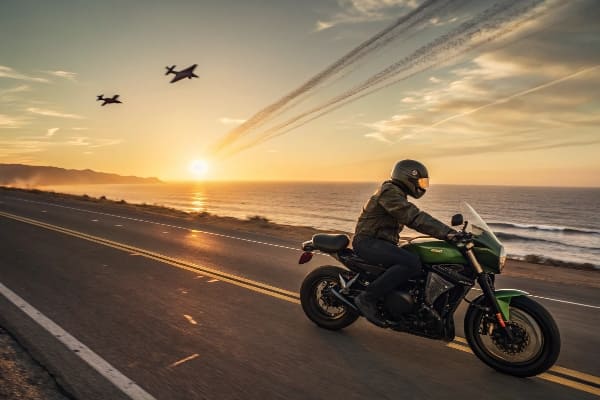
Tom Cruise films used Ray-Ban sunglasses (Risky Business, Top Gun), a Kawasaki motorcycle (Top Gun), BMW cars (Mission: Impossible), and a Lexus concept (Minority Report); brand-story fit sparked real consumer demand.
Iconic examples and what I copy in retail
I study famous placements to build store plans. Ray-Ban Wayfarers5 in "Risky Business" made a cool, bold look. Ray-Ban Aviators in "Top Gun" linked to speed and flight. The Kawasaki GPZ900R in "Top Gun" sold the idea of motion and edge. "Mission: Impossible" paired precision moves with BMW handling. "Minority Report" teased a Lexus future. Each brand met the story, not the other way around. I copy that match when I design displays for hunting tools, beauty, or snacks. If the screen shows speed, I tilt lines on the display. If the scene shows craft, I use matte boards and clean type. I keep setup simple for chains like Walmart and Costco, where PDQ and pallet displays move fast. I also keep green claims honest for the UK and EU, where buyers want recycled content and water-based inks. When I time a floor display6 to land with a trailer drop, I see higher week-one lifts.
| Film / Year | Product | Placement type | On-screen moment | Retail lesson |
|---|---|---|---|---|
| Risky Business | Ray-Ban Wayfarer7 | Character use | Dance/living room scenes | Hero image + counter units |
| Top Gun | Ray-Ban Aviator | Character use | Flight/motorcycle shots | Bold header, metallic ink accents |
| Top Gun | Kawasaki GPZ900R8 | Action prop | Runway and road sequences | Motion lines on floor display |
| Mission: Impossible | BMW vehicles | Action set piece | Chases and tech sequences | Tech copy; durability callouts |
| Minority Report | Lexus concept | Futurist prop | City of tomorrow | Minimal design; clean typography |
How to increase product placement?
Many brands try cold emails and wait. This slows results. I build a system that feeds teams what they need fast. It removes friction and cuts risk.
Audit story fit, pitch early, deliver a ready prop kit, offer a retail tie-in budget, secure usage rights, match in-store displays, and track uplift; speed plus fit increases placements.
My step-by-step plan
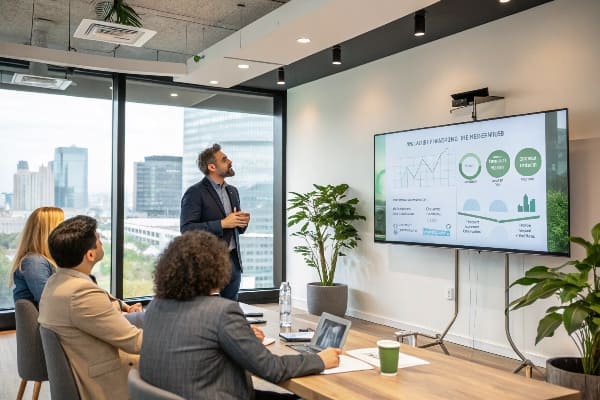
I start with a fit map. I list genres, themes, and props that match the brand. I keep a prop kit9 in safe stock with clear SKUs, dummy units, and replace parts. I prepare legal one-pagers for rights and usage. I build a look book10 with scene-ready angles and colors. I pitch early to prop masters and production designers. I keep timelines simple. I ship fast by flat-pack when needed. I add a retail offer in the pitch. I promise displays that match the scene on launch week. I plan floor displays for big pushes because they own space. I plan countertop units for impulse. I use recycled boards and water-based inks for EU chains. I set quality rules. I test print for color. I test load for safety. I log every fix. After the launch, I measure sales, footfall, and social saves. If the lift holds, I lock a long-term deal and reuse the kit.
| Action | Owner | Timeframe | Cost level | Main KPI | Tool I use |
|---|---|---|---|---|---|
| Story fit audit11 | Brand lead | 1 week | Low | Shortlist approved | Simple grid + briefs |
| Prop kit build | Ops + factory | 2 weeks | Medium | Kit ready and tested | Flat-pack samples |
| Early pitch | Biz dev | Ongoing | Low | Meetings booked | Warm intros + reels |
| Retail tie-in plan12 | Trade team | 1 week | Medium | Displays confirmed | Floor + PDQ layouts |
| Measurement | Analyst | 4 weeks | Low | Uplift vs baseline | POS + social scrape |
What are the three types of product placement?
People like simple rules. Three types help teams align. Each type needs a different display and a different budget.
Three main types are visual (on-screen logo), verbal (in-script mention), and active use (character handles the product); active use often drives the most recall and the strongest in-store lift.
Strengths, risks, and the right display
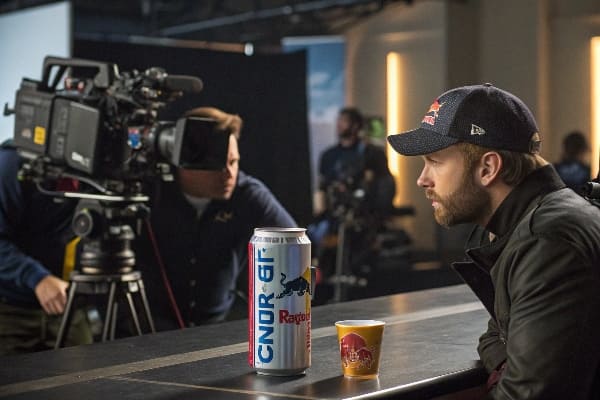
I use three buckets because teams remember them. Visual shows the brand in the frame. Verbal puts the brand in a line. Active use13 makes the brand part of the action. Visual is cheap and wide, but it can feel like wallpaper. Verbal is sticky, but it can feel forced. Active use feels natural and strong, but it needs more time and care. I match each type to a display. Visual pairs14 well with shelf trays and clip strips because they repeat the logo many times. Verbal pairs with header cards that quote the line. Active use pairs with floor displays because they can stage a small scene. When I sell into North America, I push floor displays because chains still value impact. My Asia clients want agile runs with digital print. My EU clients want recycled content and clean inks. I keep my designs light and strong to cut freight and damage.
| Type | Simple definition | Best use case | Main risk | Display link |
|---|---|---|---|---|
| Visual15 | Logo or product on screen | Wide shots and sets | Low attention | Shelf trays, clip strips |
| Verbal | Brand named in dialogue | Humor or quick info | Feels forced | Header with the quote |
| Active use16 | Character uses the item | Action or hero moment | Hard to secure | Floor display with scene cues |
Conclusion
Screen moments start desire. Store displays close the sale. I plan both at once. This simple plan saves time, cuts waste, and grows repeat orders with less risk.
Explore this link to understand how cardboard displays can enhance retail strategies and improve customer engagement. ↩
Discover the significance of recycled boards in retail packaging and how they contribute to sustainability efforts. ↩
Explore this link to discover how character use can enhance trust and proof in your marketing efforts. ↩
Learn about digital follow-ups and their role in building community and increasing content shares. ↩
Explore how Ray-Ban Wayfarers influenced fashion trends and retail strategies, providing insights for effective display designs. ↩
Learn best practices for creating impactful floor displays that drive sales and enhance customer engagement in retail environments. ↩
Discover how Ray-Ban Wayfarer became an iconic symbol in cinema and its impact on fashion marketing. ↩
Explore the role of Kawasaki GPZ900R in film marketing and its effect on motorcycle culture. ↩
Understanding prop kits can enhance your production design process, ensuring you have the right tools for success. ↩
A well-crafted look book can significantly elevate your branding efforts, showcasing your vision and style effectively. ↩
Understanding a Story fit audit can enhance your brand's narrative alignment and effectiveness. ↩
Exploring Retail tie-in plans can help you maximize visibility and sales through strategic partnerships. ↩
Explore this link to understand how active use can enhance brand engagement and create memorable customer experiences. ↩
Discover the importance of visual pairing in product displays and how it can effectively capture consumer attention. ↩
Explore this link to understand how visual branding can enhance your marketing strategy and capture audience attention. ↩
Discover insights on how showcasing products actively can drive engagement and influence purchasing decisions. ↩