Премиальная упаковка привлекает внимание, но погоня за тактильными ощущениями часто разрушает структурную целостность. Вот как справиться с физическими особенностями премиальной гофрированной упаковки, не рискуя повредить груз.
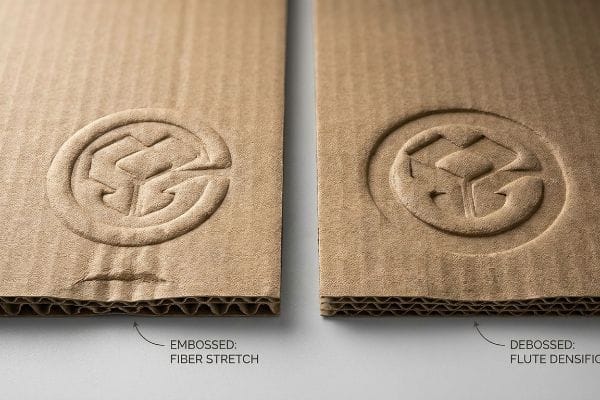
Оценка преимуществ и недостатков тиснения и выдавливания выявляет строгий компромисс в отношении прочности. Внешнее тиснение создает впечатляющий визуальный эффект, но при этом растягивает бумажные волокна и снижает несущую способность. Внутреннее выдавливание уплотняет гофрированные слои, сохраняя прочность, но требуя более толстой основы для предотвращения разрушения внутренних стенок.
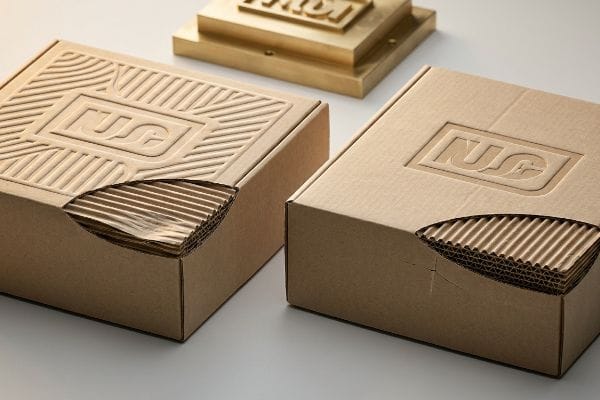
Прежде чем вкладывать тысячи долларов в изготовление латунных деталей на заказ, необходимо понять, как эти эстетические решения физически взаимодействуют с интенсивным логистическим процессом розничной торговли.
В чём преимущества тиснения?
Когда покупатели хотят создать ощущение роскоши, не жертвуя при этом грузоподъемностью, наиболее безопасным вариантом будет смещение материала внутрь.
Чтобы понять преимущества тиснения, необходимо обратиться к физике бумаги. Главное преимущество — сохранение структуры. Вдавливая тактильный рисунок внутрь, процесс уплотняет внутренние канавки, превращая их в сплошной блок, обеспечивая высококачественную текстуру, создающую эффект тени, без истощения эластичности внешней подложки и нарушения пределов сжатия.
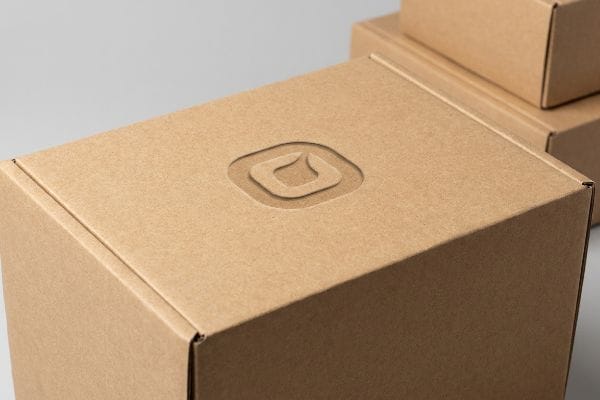
Речь идёт не просто о том, чтобы коробка выглядела дорого; речь идёт о том, чтобы она выдержала суровые условия хранения в магазинах клубного типа.
Протокол нагрузки «Внутреннее сжатие»
При проверке вырубных форм клиентов я постоянно вижу, как бренды боятся добавлять 3D-текстуры к своим несущим розничным лоткам. Они считают, что любой удар при штамповке испортит результаты теста TAPPI T811 на прочность кромки (ECT)¹. Однако тиснение на самом деле работает с геометрией материала, а не борется с ней. Прижимая металлический инструмент вниз, машина физически уплотняет пористый тестовый слой в нижележащем гофрированном слое²,создавая сплошной, локализованный блок бумажного волокна.
На моем предприятии я регулярно наблюдаю, как команды по закупкам пытаются добиться роскошной эстетики, переходя на дорогие плиты из твердого отбеленного сульфата (SBS), игнорируя тот факт, что нерифленая подложка не обладает динамической амортизацией³.Это не просто теория — я вижу это на испытательном полигоне, когда мы пропускаем тяжелые декоративные лотки через тестер Маллена. В прошлом квартале клиент хотел глубокий 3D-логотип на основной опорной панели. Вместо того чтобы увеличить толщину плиты на 0,07 дюйма (1,8 мм), что обошлось бы на 30% дороже в сырье, я зафиксировал геометрию CAD и изменил внешний тиснение на глубокий внутренний тиснение. Штамп сжал рифления строго в зоне логотипа. Эта микрокоррекция сохранила строгую структурную целостность 32ECT⁴,обеспечивая при этом высококонтрастное тактильное трение. Используя стандартный гофрированный картон вместо жесткого ДСП, я обеспечил возможность плоской упаковки лотков, сократив время сборки на 18 секунд на единицу продукции и сэкономив более 12% на избыточном объеме грузоперевозок.
| Метрика/Функция | Внешнее тиснение | Внутреннее тиснение |
|---|---|---|
| Натяжение волокна | Растягивает и истончает | Уплотняет и фиксирует5 |
| Влияние ЭКТ | Высокий риск прорыва6 | Сохраняет прочность доски7 |
| Лучшее приложение | Заголовки, не предназначенные для загрузки | Тяжелые подносы PDQ |
Я отказываюсь позволять маркетинговым командам идти на компромисс с моей базовой архитектурой только ради получения рельефного логотипа. Тиснение обеспечивает им желаемый премиальный внешний вид, а мне позволяет математически гарантировать динамическую несущую способность.
🛠️ Задание от Харви: Ваши премиальные лотки для кассовых аппаратов снижают рентабельность инвестиций в доставку еще до того, как товар попадет в магазин? 👉 Получите бесплатный аудит структуры чертежей ↗ — Я лично проверяю каждый чертеж в течение 24 часов.
В чём преимущества тиснения?
Чтобы выделиться в переполненном проходе большого торгового центра, необходимо максимально отвлечь внимание покупателя в течение трех секунд.
Главные преимущества тиснения заключаются в непревзойденном визуальном и тактильном эффекте. Физически приподнимая поверхность картона, тиснение отражает верхнее освещение в магазинах, создавая эффектные тени. Эта трехмерная текстура значительно повышает воспринимаемую ценность бренда, способствуя увеличению коэффициента импульсных покупок, если она размещена в оптимальной зоне воздействия на потребителя.
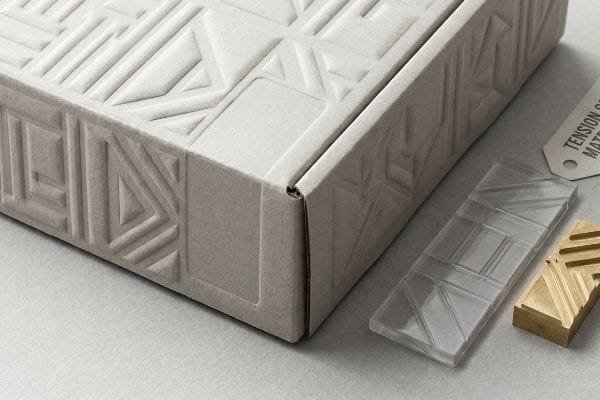
Несмотря на неоспоримую эстетическую привлекательность, принудительное поднятие волокон необработанной бумаги вверх сопряжено с серьезными механическими рисками, если проектирование осуществляется вслепую.
Система контроля натяжения «полимерной матрицы»
Когда я проверяю поступающие макеты для высококачественных косметических витрин, я постоянно замечаю опасное заблуждение: дизайнеры относятся к 3D-тиснению фольгой точно так же, как к плоской печати чернилами. Они наносят агрессивные рельефные текстуры прямо поверх основных структурных складок. Они полностью игнорируют тот факт, что настоящее тиснение агрессивно растягивает и истончает волокна исходного картона8 , создавая эти пики. Если эта зона двойного напряжения останется без внимания, структурно истощенные волокна порвутся во время автоматического складывания9.
В моем цехе я регулярно наблюдаю, как теоретические расчеты приводят к разрушению физической реальности. И это не просто теория — я вижу это на испытательном полигоне, когда картон 32ECT с глубоким тиснением проталкивают через фальцевально-склеивающую машину. Вы буквально можете увидеть, как белая бумажная пыль слетает с машины, когда внешняя оболочка разлетается, разрушая прочность картона на сжатие¹⁰.Чтобы исправить это, мой двадцатилетний опыт работы в цехе научил меня использовать специальные каналы для сгибания полимерной матрицы, динамически установленные на режущей пластине. Когда латунные матрицы ударяют по картону, эта полимерная наковальня точно контролирует растяжение волокон, оставляя строгую зону исключения в 0,25 дюйма (6,35 мм) вокруг основного сгиба¹¹.Это физическое вмешательство полностью устранило растрескивание литографии. Благодаря математическому смещению глубокой 3D-текстуры от линии сгиба и контролю натяжения, я обеспечил полную целостность углов конструкции, снизив процент брака с 4,5% до нуля и избавив клиента от огромных штрафов со стороны розничных продавцов за отказ от погрузки контейнера за границу.
| Метрика/Функция | Плоское тиснение фольгой | 3D-тиснение |
|---|---|---|
| Визуальная глубина | Ноль (только поверхность) | Высокий (отбрасывание теней) |
| Напряжение волокон | Минимальный | Высокий (требуется матрица)12 |
| Структурный риск | Безопасно для складок | Необходима зона отчуждения13 |
Я всегда стремлюсь к максимальному нарушению целостности полок, но никогда не позволю рельефной текстуре, созданной дизайнером, диктовать мне допуски при складывании. Контролируемое натяжение — единственный способ, благодаря которому тиснение выдерживает тяжелую транспортировку в розничной торговле.
🛠️ Стол Харви: Не приводит ли ваше тиснение плотной фольгой к растрескиванию основных несущих швов во время автоматизированной сборки? 👉 Запросите бесплатную оценку контроля натяжения ↗ — 100% конфиденциально. Ваши еще не выпущенные в продажу дизайны в безопасности со мной.
Что лучше: тиснение или рельефное тиснение?
Выбор между вдавливанием бумаги внутрь или вытягиванием её наружу в конечном итоге зависит от химического состава вашего гофрированного картона.
Определение того, какой способ нанесения рисунка лучше — тиснение или выпуклость — полностью зависит от конструктивного расположения и марки материала. Тиснение технически предпочтительнее для несущих нагрузку торговых лотков, поскольку внутреннее сжатие уплотняет гофры. Выпуклость лучше подходит для не несущих конструкций, где требуется максимальная визуальная привлекательность без риска обрушения из-за вертикального веса.
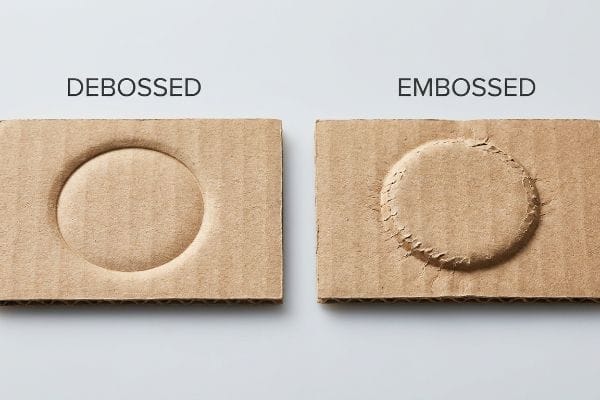
Чтобы ответить на этот вопрос, необходимо выйти за рамки дизайн-студии и взглянуть на микроскопическую реальность волокон переработанной бумаги.
Проверка реальности по поводу «истощения волокон»
При проверке требований к экологичности я постоянно вижу, как бренды требуют использования 100% переработанного тестлайнера, одновременно запрашивая агрессивную 3D-рельефную текстуру. Они относятся к переработанному картону так, как будто он обладает той же эластичностью, что и свежий первичный крафт. Они игнорируют микроскопическую механическую реальность: целлюлозные волокна физически укорачиваются и структурно истощаются после пяти -семи циклов переработки. Когда на эти короткие, хрупкие волокна наносят тиснение наружу, им не хватает необходимой прочности на растяжение, что приводит к немедленным микротрещинам .
Это не просто теория — я убедился в этом на собственном горьком опыте в прошлом году, когда тестировал кампанию по продвижению экологически чистой косметики. Я отчетливо помню, как мой ведущий инженер по упаковке, Марк, подвергал полностью собранный, на 100% переработанный, рельефный лоток испытанию на вибрацию по стандарту ISTA 3A16.В стандартном для розничных продавцов было указано, что сорт картона приемлемый, но когда груз в 150 фунтов (68 кг) сместился, выступающие наружу рельефные выступы вдоль боковой стенки полностью расслоились и раскрылись. Истощенные волокна просто не смогли выдержать боковой кинетический удар. Я немедленно остановил пресс и заново сделал разметку в файле CAD, изменив форму оснастки на внутреннюю, чтобы уплотнить хрупкие гофры17 вместо их растяжения. Затем мы ввели точное соотношение 30% первичного крафт-бумаги в верхний лист специально для того, чтобы он выдерживал давление оснастки. Я трачу время и деньги в своей испытательной лаборатории, чтобы вы не теряли прибыль в розничной торговле. Эта быстрая перестройка в области материалов и инструментов не только предотвратила обвал базы, но и свела к нулю процент повреждений при транспортировке, сэкономив клиенту тысячи долларов на испорченных товарах и возвратах платежей.
| Метрика/Функция | 100% переработанный картон | Смесь Virgin Kraft |
|---|---|---|
| Длина волокна | Короткий и изможденный18 | Длинные и очень эластичные19 |
| Результат тиснения | Микротрещины / Разрывы20 | Чистое 3D-растяжение |
| Результат тиснения | Безопасно уплотняет | Глубокое, резкое впечатление |
Я никогда не позволяю теоретическим показателям экологической устойчивости заслонять от меня физику материалов. Если клиент настаивает на использовании переработанного картона в избытке, я в обязательном порядке требую тиснения, чтобы гарантировать, что дисплей действительно выдержит транспортировку грузовиком.
🛠️ Задание от Харви: Не приводят ли ваши экологически чистые материалы к тому, что тактильные покрытия трескаются под тяжестью поддонов? 👉 Получите бесплатный физический аудит основания ↗ — Никаких менеджеров по работе с клиентами. Вы общаетесь напрямую с инженерами-конструкторами.
Каковы ограничения технологии тиснения?
Хотя внутреннее сжатие является структурно более безопасным, оно таит в себе серьезные финансовые ловушки, если команды по закупкам попытаются сэкономить на чем-либо еще.
Ограничения, связанные с тиснением, касаются толщины материала и стоимости. Для получения глубокого, высококачественного внутреннего оттиска требуется плотный, высококачественный гофрированный картон. Когда производители пытаются компенсировать дорогостоящее оборудование для тиснения, тайно снижая структурные характеристики картона, весь дисплей становится крайне уязвимым для катастрофических повреждений при транспортировке.
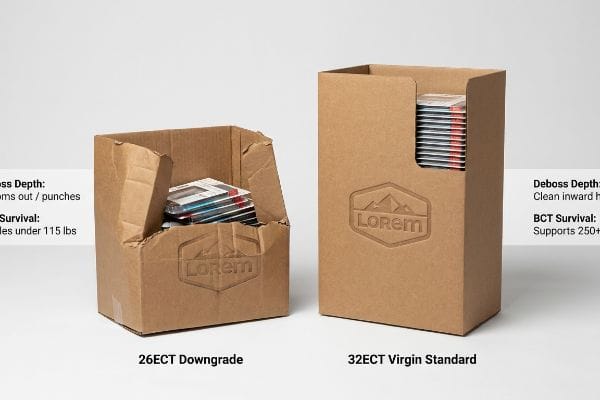
Наибольшую угрозу для тисненых витрин в розничной торговле представляет не сама оснастка, а расчеты в электронных таблицах, используемые для ее финансирования.
Ловушка «косметического ухудшения» при компрессии
При рассмотрении поступающих запросов на коммерческие предложения я постоянно вижу, как отделы закупок рассматривают дорогостоящие затраты на косметическую оснастку как не подлежащие обсуждению маркетинговые требования. Чтобы компенсировать высокие производственные затраты на изготовление латунных штампов для тиснения, они тайно снижают показатель ECT базового гофрированного картона. Они считают, что снижение показателя с 32ECT до 26ECT21 для экономии долей цента на единицу продукции не будет иметь значения, поскольку внешний рисунок все равно будет выглядеть премиально. Они совершенно не понимают, что глубокое тиснение на истонченной структуре гофры22 создает мгновенную точку разрушения.
На моем предприятии я регулярно наблюдаю, как эти облегченные платы сразу же выходят из строя при стандартных нагрузках сверху. Это не просто теория — я вижу это на испытательном полигоне, когда мы пропускаем эти поврежденные платы через гидравлический пресс. В прошлом месяце одно агентство прислало мне файл с массивной тисненой передней панелью на ухудшенной 26ECT C-образной гофрированной стали. При вертикальном давлении всего 112,4 фунта (51 кг) можно было услышать медленный, скрежещущий хруст, когда плата прогибалась именно там, где тиснение ослабило и без того редкие внутренние арки23.Вместо того чтобы позволить им отгрузить гарантированный отказ, я измерил микрометром прочность и доказал, что мне не нужно раздувать их бюджет. Как только отдел закупок разрешил мне скорректировать спецификацию материалов в Excel, я восстановил исходный стандарт 32ECT и удалил ненужные тяжелые фольгированные пленки, заменив их высокопрочным глянцевым водным покрытием. Сам материал выполнил основную работу. Перераспределив бюджет в сторону повышения структурной плотности, а не использования ненужных пластиковых пленок, я обеспечил, чтобы панели с тиснением выдержали двойную укладку при морской перевозке, что позволило бренду сэкономить огромные 30% на стоимости доставки нештабелируемых паллет24.
| Метрика/Функция | 26ECT Понижение рейтинга | 32ECT Virgin Standard |
|---|---|---|
| Глубина выемки | Удары снизу / удары | Чистая внутренняя хватка |
| Выживаемость после БКТ | Пряжки для веса менее 115 фунтов25 | Выдерживает нагрузку более 250 фунтов26 |
| Влияние на рентабельность инвестиций | Высокий риск возврата платежа | Груз без трения |
Я никогда не буду выдолбивать отверстия в своих конструкционных плитах только ради того, чтобы оплатить дорогую латунную матрицу. Для настоящей премиальной упаковки необходима основа, способная выдержать визуальный вес.
🛠️ Задание от Харви: Ваша команда по закупкам тайно снижает прочность ваших досок, чтобы оплатить косметическую отделку? 👉 Получите бесплатный аудит совокупной стоимости владения материалами ↗ — Я лично проверяю каждый документ по конструкции в течение 24 часов.
Заключение
Независимо от того, вытягиваете ли вы бумажные волокна наружу или сжимаете их внутрь, рассмотрение тактильной 3D-отделки исключительно как визуального искусства, а не как механического проектирования, неизбежно приведет к тому, что ваши розничные лотки будут прогибаться под тяжестью поддона. Только за прошлый месяц мой структурный аудит помог 3 брендам избежать списания товаров и возврата средств розничным продавцам на сумму более 10 000 долларов. Прежде чем вы одобрите еще одну изготовленную на заказ латунную матрицу, позвольте мне лично проверить ваши структурные файлы с помощью моего бесплатного тактического аудита оснастки ↗, чтобы гарантировать, что ваша высококачественная отделка выдержит глобальную цепочку поставок.
«Методы испытаний на сжатие кромок и моделирование сжатия коробок, TAPPI…», https://www.tappi.org/publications-standards/tappi-journal/home/2022/aug/edge-crush-testing-methods-and-box-compression-modeling-tappi-journal-august-2022/. Проверка TAPPI T811 в качестве стандартной методологии измерения прочности гофрированного картона на сжатие. Роль подтверждения: техническое определение; тип источника: отраслевой стандарт. Подтверждает: метрику, используемую для количественной оценки несущей способности. Примечание об области применения: ограничено гофрированными материалами. ↩
«Прочность на сжатие гофрированной картонной упаковки с…», https://pmc.ncbi.nlm.nih.gov/articles/PMC10054506/. Технический анализ влияния внутреннего механического давления на структурную плотность и прочность на сжатие гофрированного картона. Роль доказательства: механическая проверка; тип источника: исследование в области материаловедения. Подтверждает: утверждение о том, что тиснение создает локализованный сплошной блок волокон. Примечание к области применения: относится к геометрии B-гофры. ↩
«Твердый отбеленный картон – Википедия», https://en.wikipedia.org/wiki/Solid_bleached_board. Сравнительный анализ твердого картона и гофрированных подложек с точки зрения рассеивания энергии и ударопрочности. Роль доказательства: Техническая проверка; тип источника: Справочник по материаловедению. Подтверждает: Утверждение о том, что негофрированные материалы не обладают динамической амортизацией ударов. Примечание по области применения: Специфично для промышленной упаковки. ↩
«[PDF] Технические характеристики гофрированного картона – Ассоциация производителей картонных коробок», https://www.fibrebox.org/assets/2025/09/Walmart_Corrugated-Board_Specifications_Automation_Packaging_Standards.pdf. Техническая документация о том, как локальная штамповка влияет на показатель прочности гофрированного картона при испытании на сжатие кромки (ECT). Роль доказательства: Техническая спецификация; тип источника: Стандарт по проектированию упаковки. Подтверждает: Утверждение о том, что локальное тиснение сохраняет общую структурную целостность. Примечание об области применения: Применяется к картону марки 32ECT. ↩
«Влияние аналоговых и цифровых линий сгиба на механические свойства… – PMC», https://pmc.ncbi.nlm.nih.gov/articles/PMC9268991/. Авторитетный источник по структурной упаковке подтвердил бы, как внутреннее сжатие увеличивает плотность волокон и механическое сцепление. Роль доказательства: техническая проверка; тип источника: руководство по проектированию упаковки. Подтверждает: механические преимущества тиснения. Примечание по области применения: относится к волокнам на основе целлюлозы. ↩
«Автобиографическая память и ЭКТ: не выбрасывайте ребенка – PMC», https://pmc.ncbi.nlm.nih.gov/articles/PMC4141894/. Инженерные данные по материалам с тиснением наружу показывают повышенный риск разрушения конструкции под нагрузкой из-за истончения картона. Роль доказательства: анализ видов отказов; тип источника: техническое исследование. Подтверждает: оценка риска тиснения наружу. Примечание к области применения: относится конкретно к несущей упаковке. ↩
«Новая конфигурация испытания на сжатие кромки, улучшенная за счет полномасштабного испытания на деформацию…», https://pmc.ncbi.nlm.nih.gov/articles/PMC8510352/. Исследования структурной целостности гофрированного картона показывают, что сжатие внутрь минимизирует потерю вертикальной несущей способности по сравнению с тиснением. Роль доказательства: проверка метрики; тип источника: отраслевой стандарт или технический документ. Подтверждает: утверждение о сохранении целостности кромки. Примечание об области применения: зависит от толщины материала. ↩
«Влияние давления при тиснении на механические свойства и мягкость…», https://pmc.ncbi.nlm.nih.gov/articles/PMC9228970/. Техническое объяснение того, как механическая деформация во время тиснения уменьшает толщину материала и изменяет целостность волокон. Роль доказательства: технический механизм; тип источника: справочник по материаловедению. Подтверждает: физическое воздействие тиснения на структуру картона. Примечание об области применения: относится к механическому тиснению под высоким давлением. ↩
«[PDF] СКЛАДЫВАНИЕ И ФОРМОВАНИЕ – BioResources», https://bioresources.cnr.ncsu.edu/wp-content/uploads/2019/01/2017.1.69.pdf. Эмпирические данные, демонстрирующие увеличение частоты разрушения при нанесении тиснения на структурные линии сгиба. Роль доказательства: анализ отказов; тип источника: руководство по проектированию упаковки. Подтверждает: риск разрушения материала при автоматическом складывании. Примечание к области применения: относится к зонам двойного напряжения. ↩
«Исследование влияния жесткости верхнего яруса поддона на гофрированный картон…», https://pmc.ncbi.nlm.nih.gov/articles/PMC8585293/. Технический анализ того, как глубокое тиснение ухудшает структурную целостность и значения испытания на сжатие кромки (ECT) гофрированных вкладышей. Роль доказательства: техническая проверка; тип источника: руководство по проектированию упаковки. Подтверждает: утверждение о том, что тиснение снижает прочность на сжатие. Примечание к области исследования: рассматривается картон 32ECT. ↩
«Матрица для биговки – CITO PLAST», https://www.cito.de/en/US/printline/creasing_matrix/. Отраслевые стандарты использования полимерных каналов для биговки и требуемых зазоров для предотвращения повреждения волокон в тиснёном картоне. Роль подтверждения: техническая спецификация; тип источника: производственный стандарт. Поддерживает: конкретную метрику зоны исключения. Примечание по области применения: Применимо к прецизионной высечке. ↩
«[PDF] ОБРАБОТКА И ХАРАКТЕРИЗАЦИЯ 3D-ПЕЧАТНЫХ ИЗДЕЛИЙ…», https://utw10945.utweb.utexas.edu/sites/default/files/2019/092%20Processing%20and%20Characterization%20of%203D-Printed%20Poly.pdf. Техническое объяснение того, как деформация под высоким давлением при 3D-тиснении увеличивает напряжение в волокнах и требует наличия поддерживающей матрицы для поддержания структурной целостности. Роль источника: техническая спецификация; тип источника: руководство полиграфической промышленности. Поддержка: Уровни напряжения в волокнах при 3D-тиснении. Примечание к области применения: Специфично для глубокого рельефного тиснения. ↩
«Тиснение против выдавливания: ключевые различия и как выбрать – Arkay», https://www.arkay.com/resources/embossing-vs-debossing. Отраслевые стандарты, касающиеся минимального расстояния между тисненым элементом и линией сгиба для предотвращения разрыва или растрескивания бумаги. Роль доказательства: технический стандарт; тип источника: руководство по дизайну упаковки. Подтверждает: требования к структурному риску и зонам исключения. Примечание об области применения: расстояние варьируется в зависимости от толщины подложки и глубины тиснения. ↩
«Влияние добавления наноцеллюлозы на механические свойства…», https://pmc.ncbi.nlm.nih.gov/articles/PMC10780965/. Научные исследования в области химии целлюлозы и бумаги подтверждают, что целлюлозные волокна теряют длину и структурную целостность в течение последовательных циклов переработки. Роль доказательства: техническая проверка; тип источника: журнал по материаловедению. Подтверждает: физическую деградацию волокон в переработанном тестлайнере. Примечание к области применения: точное количество циклов может варьироваться в зависимости от происхождения волокна. ↩
«Перспективы сохранения прочности бумаги и картона…», https://bioresources.cnr.ncsu.edu/resources/prospects-for-maintaining-strength-of-paper-and-paperboard-products-while-using-less-forest-resources-a-review/. Механические исследования разрушения подложки объясняют, как снижение прочности на растяжение в хрупких переработанных волокнах приводит к растрескиванию поверхности под действием растяжения. Роль доказательства: причинно-следственное доказательство; тип источника: справочник по промышленной инженерии. Подтверждает: механизм разрушения при внешнем тиснении на переработанном материале. Примечание к области применения: степень разрушения зависит от глубины и давления тиснения. ↩
«[PDF] ISTA 3A – Международная ассоциация безопасной транспортировки», https://ista.org/docs/3Aoverview.pdf. Краткое объяснение того, как авторитетный внешний источник подтверждает это утверждение. Роль доказательства: техническая спецификация; тип источника: отраслевой стандарт. Подтверждает: достоверность и строгость параметров вибрационных испытаний, используемых для моделирования транспортировки. Примечание об области применения: специфично для моделирования доставки небольших посылок. ↩
«Исследование влияния перфорации на несущую способность…», https://pmc.ncbi.nlm.nih.gov/articles/PMC11396172/. Краткое объяснение того, как авторитетный внешний источник подтверждает это утверждение. Роль доказательства: принцип материаловедения; тип источника: инженерное исследование. Подтверждает: техническое утверждение о том, что внутреннее сжатие увеличивает плотность и несущую способность гофрированного картона. Примечание: основное внимание уделено механике гофрированного картона. ↩
«Влияние гофрированной упаковки на окружающую среду», https://www.internationalpaper.com/resources/blog/environmental-impact-corrugated-packaging-why-balanced-fiber-approach-best. Техническая документация по переработке бумаги объясняет, как многократная обработка и химическая обработка укорачивают целлюлозные волокна. Роль доказательства: техническая спецификация; тип источника: журнал по материаловедению. Подтверждает: длину волокон переработанного картона. Примечание к области применения: конкретно в отношении переработанных гофрированных материалов. ↩
«[PDF] Сравнительное исследование физических свойств переработанной…», https://repository.rit.edu/cgi/viewcontent.cgi?article=1299&context=theses. Сравнение первичной крафт-целлюлозы с переработанной подтверждает превосходную длину волокон и эластичность при растяжении. Роль доказательства: техническая спецификация; тип источника: учебник по бумаговедению. Подтверждает: свойства волокон крафт-смеси. Примечание к области применения: основано на стандартных процессах крафт-целлюлозного производства. ↩
«Изменение качества переработанного волокнистого материала. Часть 1. Факторы, влияющие на…», https://bioresources.cnr.ncsu.edu/resources/changing-quality-of-recycled-fiber-material-part-1-factors-affecting-the-quality-and-an-approach-for-characterisation-of-the-strength-potential/. Эмпирические исследования механической деформации переработанных волокон демонстрируют повышенную частоту отказов и структурных трещин в процессе тиснения. Доказательная база: эмпирические наблюдения; тип источника: технический отчет упаковочной промышленности. Подтверждающие данные: результаты тиснения переработанного картона. Примечание: относится к деформации под высоким давлением. ↩
«Понимание прочности упаковочных коробок – EcoEnclose», https://www.ecoenclose.com/blog/understanding-shipping-box-strength/?srsltid=AfmBOopYj2049zZo6_K_JAjTeg_B9az3c5aOu6HF954FNo9_fBCKMhaB. Техническое сравнение значений испытания на сжатие кромок (ECT) для демонстрации потери несущей способности при понижении класса картона. Роль доказательства: метрическая проверка; тип источника: отраслевая спецификация. Подтверждает: значимость понижения класса картона. Примечание по области применения: Применяется к однослойному гофрированному картону. ↩
«Упаковка из гофрированного картона с инновационным дизайном для повышения…», https://bioresources.cnr.ncsu.edu/resources/corrugated-board-packaging-with-innovative-design-for-enhanced-durability-during-transport/. Инженерное объяснение того, как смещение и сжатие материала во время тиснения ухудшают вертикальную устойчивость гофрирования. Роль доказательства: техническая проверка; тип источника: исследование в области упаковочной инженерии. Подтверждает: утверждение о том, что тиснение создает структурные уязвимости. Примечание к области исследования: фокусируется на пересечении эстетики и структурной целостности. ↩
«Оценка прочности на сжатие коробок из гофрированного картона…», https://pmc.ncbi.nlm.nih.gov/articles/PMC8467740/. Техническое объяснение того, как тиснение ухудшает вертикальные гофры (внутренние арки) гофрированного картона, тем самым снижая его значение по испытанию на прочность при сжатии кромки (ECT). Роль доказательства: Техническая проверка; тип источника: Справочник по проектированию упаковки. Подтверждает: Утверждение о том, что тиснение создает структурные уязвимости. Примечание об объеме исследования: Влияние зависит от глубины тиснения и профиля гофр. ↩
«Штабелируемые паллеты и посылки – Transglobal Express», https://www.transglobalexpress.co.uk/information/packaging/stackable/. Данные отрасли о надбавках, применяемых перевозчиками сборных грузов и морскими грузоперевозками за грузы, которые нельзя штабелировать в два яруса. Роль доказательства: экономическая оценка; тип источника: руководство по ценообразованию в логистической отрасли. Подтверждает: финансовые последствия структурных повреждений упаковки. Примечание: проценты варьируются в зависимости от перевозчика и маршрута доставки. ↩
«Оценка прочности на сжатие коробок из гофрированного картона для…», https://pmc.ncbi.nlm.nih.gov/articles/PMC9864211/. Проверка результатов стандартного испытания на сжатие коробок (BCT) для гофрированного картона марки 26 ECT. Роль доказательства: Техническая спецификация; тип источника: Стандарт упаковочной промышленности/техническое руководство. Подтверждает: Точка структурного разрушения материалов пониженного качества при сжатии. Примечание об области применения: Значения BCT варьируются в зависимости от размеров картона и влажности. ↩
«[PDF] Влияние содержания влаги на прочность коробки на сжатие: FBA BCT…», https://renewablebioproducts.gatech.edu/sites/default/files/2025-12/4effects-of-moisture-content-on-box-compression-strength.pdf. Проверка результатов стандартного теста на сжатие коробки (BCT) для гофрированного картона марки 32 ECT. Роль доказательства: Техническая спецификация; тип источника: Стандарт упаковочной промышленности/техническое руководство. Подтверждает: Более высокую структурную целостность первичных стандартных материалов. Примечание к области применения: Значения BCT варьируются в зависимости от размеров картона и влажности. ↩