Перевозка торговых витрин через границы не должна вызывать масштабных задержек на таможне, но неправильная классификация по Гармонизированной системе приведет к заморозке вашего контейнера в порту и снижению вашей прибыли.
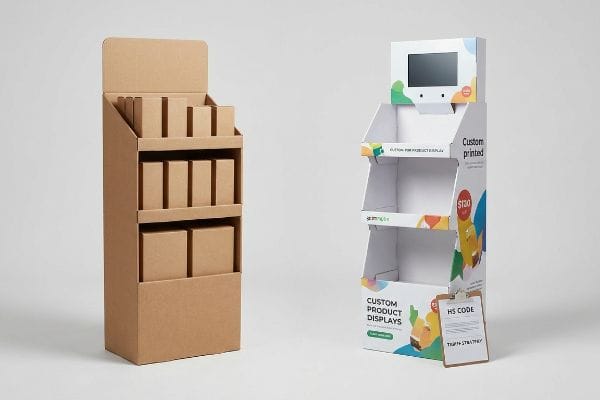
Код ТН ВЭД для картонных витрин обычно соответствует 4819.10 для стандартных гофрированных коробок или 4823.90 для напольных витрин из картона с индивидуальной печатью. Однако интеграция электронных экранов, металлических кронштейнов или светодиодной подсветки полностью меняет эту классификацию, требуя точных тарифных стратегий во избежание неожиданных глобальных импортных пошлин.
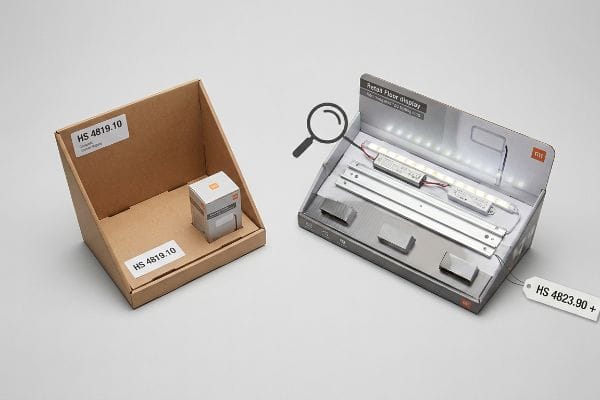
Давайте подробно разберем, как работают эти конкретные тарифные коды и как стандартные конструктивные решения полностью меняют ваши импортные обязательства.
Что означает код ТН ВЭД 8525892900?
Встраивание цифрового экрана в картонную конструкцию коренным образом меняет его правовую идентичность на границе.
Код ТН ВЭД 8525892900 применяется к определенному электронному вещательному оборудованию, часто объединяемому с ЖК-видеоплеерами, встроенными в интерактивные торговые витрины. При сочетании стандартного гофрированного картона с активными цифровыми экранами, согласно таможенным правилам, вся конструкция классифицируется как электронное устройство.
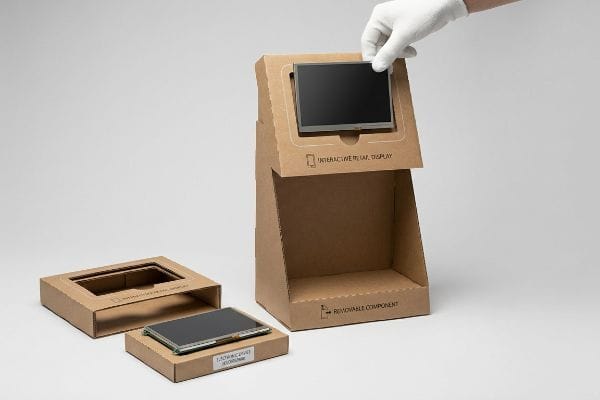
Вы можете думать, что просто отправляете печатную бумагу, но пограничники видят в этом только регулируемое электронное устройство, на которое распространяются строгие тарифы на оборудование.
Почему встраиваемая электроника разрушает цепочки поставок дисплеев?
Менеджеры по бренду часто стремятся повысить вовлеченность покупателей в торговый зал, прикрепляя дешевые видеоплееры непосредственно к заголовкам своих рекламных листовок из гофрированного картона. Они предполагают, что их логистический провайдер просто обработает груз по стандартному тарифу на бумажные изделия, рассматривая экран как незначительный декоративный элемент. Поскольку они относятся к электронному компоненту как к чему-то второстепенному, они редко планируют дальнейшие последствия соблюдения требований по маркировке смешанных материалов.
Я постоянно сталкиваюсь с этой ловушкой, когда бренды намертво приклеивают электронику к своим POS-дисплеям (местам продаж). Однажды я наблюдал , как расстроенный продавец в конце рекламной кампании пытался отделить приклеенный видеоплеер канцелярским ножом, яростно разрывая на куски необработанный картон 32ECT, лишь бы избежать штрафов за опасные отходы¹ .
При прочном соединении смешанных материалов вы не только влечете за собой введение строгих электронных пошлин на границе² , но и создаете для розничных продавцов огромную проблему с электронными отходами³ . Необходимо учитывать срок службы дисплея еще до того, как он покинет завод .
| Распространённая ошибка новичков | Профессиональное решение | Преимущества для торговых площадей |
|---|---|---|
| Приклеивание экранов к бумаге | Полость для крепежных элементов с фрикционным замком | Безопасное извлечение за 3 секунды |
| Игнорирование правил обращения с электронными отходами | 100% соответствие требованиям к бумажному документообороту | Предотвращает наложение штрафов на розничных продавцов за опасные товары |
| Предположим, что действуют бумажные тарифы | Отдельная доставка электроники | Проходит таможенное оформление без задержек |
Я разрабатываю прецизионные вырубные корпуса, которые надежно фиксируют экраны без единой капли постоянного клея. Это обеспечивает беспрепятственное таможенное оформление и защищает крупных розничных продавцов от серьезных проблем, связанных с утилизацией опасных отходов.
🛠️ За столом Харви: Ваши интерактивные дисплеи грозят огромным штрафом за электронные отходы на уровне магазина? 👉 Закажите структурный аудит ↗ — Прямой доступ к моему рабочему месту. Никакого автоматического спама с рекламой, обещаю.
Какой код ТН ВЭД используется для картона?
Знание классификации вашего сырья — это ваша первая линия защиты от логистических проблем и экологических проверок.
Код ТН ВЭД для картона обычно по умолчанию равен 4808.10 для обычной гофрированной бумаги в рулонах или листах. Однако таможенники часто тщательно проверяют точный состав материала, строго различая высокообработанный первичный крафт-лайнер и тестлайнер, в значительной степени переработанный, в ходе жестких международных проверок на соответствие экологическим нормам и оценки тарифов.
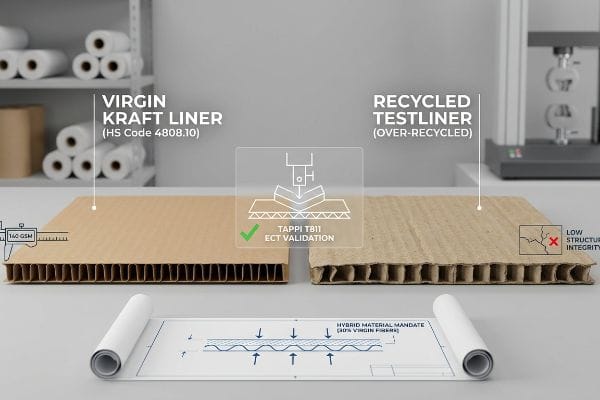
Простое указание в коммерческом счете-фактуре, что ваш груз представляет собой обычный картон, не гарантирует, что этот материал действительно переживет морскую перевозку.
Скрытая цена чрезмерной переработки субстратов
Отделы закупок часто требуют использования полностью переработанного тестлайнера4 для международных поставок выставочных стендов, предполагая, что он соответствует как квотам по устойчивому развитию, так и основным требованиям таможенного оформления. Они считают, что весь коричневый гофрированный картон ведет себя одинаково после складывания в розничную коробку. Это приводит к тому, что они закупают самые дешевые переработанные листы, не проверяя структурную целостность бумажных волокон.
Реальность в отношении химии бумаги говорит об обратном. Я на собственном опыте убедился в хрупкой, пыльной текстуре переработанного картона, который слишком часто проходил процесс повторной переработки; микроскопические целлюлозные волокна физически истощаются и становятся критически короткими5.
Когда клиент настоял на использовании полностью переработанного лайнера для тяжелой торцевой крышки, внутренние гофры оказались недостаточно жесткими, чтобы пройти испытание TAPPI T811 Edge Crush Test6.Это привело к тому, что весь нижний ярус провис и деформировался под собственным весом во время транспортировки по морю в условиях высокой влажности. Нельзя заменить благие намерения простыми расчетами прочности конструкции.
| Распространённая ошибка новичков | Профессиональное решение | Преимущества для торговых площадей |
|---|---|---|
| Тестлайнер на 100% состоит из переработанного материала | Впрыснуть 30% первичной крафт-бумаги7 | Выдерживает шок от морских грузоперевозок |
| Игнорирование истощения волокон | валидация TAPPI T811 ECT8 | Предотвращает обрушение базового уровня |
| Общие таможенные данные | Явная классификация материалов | Прошла экологические проверки розничной торговли |
Я строго придерживаюсь принципа использования гибридных материалов, вводя свежие первичные бумажные волокна в несущие гофры, чтобы мгновенно восстановить динамическую прочность на сжатие, при этом ваши заявления об экологичности остаются абсолютно обоснованными.
🛠️ Вопрос от Харви: Знает ли ваш текущий поставщик точное соотношение переработанного волокна в ваших гофрированных листах? 👉 Запросить анализ материалов ↗ — Скачайте безопасно. Мой почтовый ящик открыт, если у вас возникнут вопросы позже.
Какой код ТН ВЭД у бумажной демонстрационной коробки?
Способ складывания вашего портфеля документов точно определяет размер налога, который вы заплатите в порту.
Код ТН ВЭД для бумажной демонстрационной коробки обычно соответствует 4819.10 для стандартных картонных коробок или 4823.90 для готовых торговых витрин. Для законной оптимизации этих тарифов импортеры должны четко указывать, поставляются ли товары в виде пустых плоских упаковочных материалов или в виде полностью собранной временной торговой мебели.
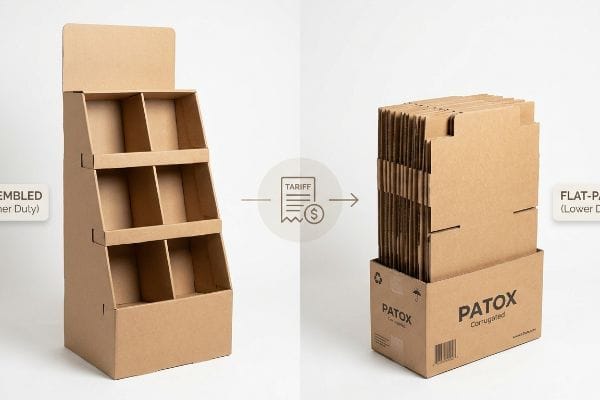
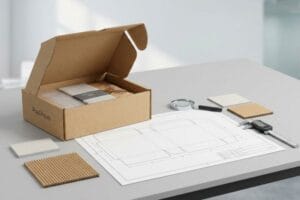
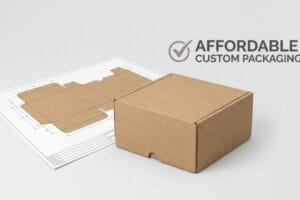
Оптимизация импортных пошлин — это не просто перекладывание бумаг; она начинается непосредственно в программе автоматизированного проектирования (САПР).
Как геометрия конструкции влияет на ваши импортные пошлины
Начинающие дизайнеры часто создают рекламные стенды в местах продаж в виде массивных, жестких конструкций, которые необходимо доставлять в собранном виде или в невероятно громоздких конфигурациях. Они рассматривают стенд исключительно как эстетическое маркетинговое полотно, полностью игнорируя то, как физический объем доставки и состояние сборки приводят к агрессивным международным таможенным пошлинам⁹.Они редко учитывают дополнительные расходы на объемный вес¹⁰, которые влечет за собой создание их креативных форм.
Представьте себе, что вы бронируете авиабилет: доставка собранных витрин — это все равно что платить за дополнительное место, чтобы просто везти пустой чемодан. Я видел, как команды брендов сталкивались с разрушительными импортными пошлинами, потому что их громоздкие, не складывающиеся друг в друга стойки были юридически классифицированы как розничная мебель, а не как плоские печатные изделия11.
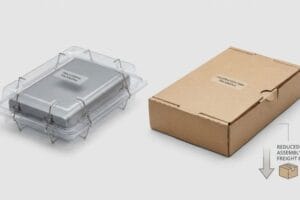
Когда я переделал напольную витрину клиента в компактную систему плоских упаковок с использованием ingenious соединительных элементов из гофрированного пластика, результаты были незамедлительными. Мы не только легально изменили тарифную классификацию на более дешевую категорию12, но и избавились от громкого и грязного разрыва упаковочной ленты, а также вдвое сократили время сборки и упаковки.
| Распространённая ошибка новичков | Профессиональное решение | Преимущества для торговых площадей |
|---|---|---|
| Объем "мертвого воздуха" при транспортировке | Конструкция из вложенных плоских деталей | Сокращение логистических издержек |
| Предварительно склеенные громоздкие блоки | Взаимозамыкающиеся модульные вкладки | Сборка без трения за 3 минуты |
| Введение тарифов на мебель | Математика САПР для печатной продукции | Снижает импортные пошлины |
Благодаря математической разработке основной коробки, позволяющей размещать вложенные друг в друга внутренние лотки, я полностью реструктурирую физический объем отгрузки, что позволяет законно минимизировать ваши таможенные пошлины и ускорить окончательный запуск продаж в розничной сети.
🛠️ Задание от Харви: Ваши негабаритные картонные коробки приводят к неоправданно высоким импортным пошлинам? 👉 Закажите аудит вашей упаковки в плоские коробки ↗ — Никаких бланков, которые приводят к бесконечным звонкам от отдела продаж. Только выгода.
Какой код ТН ВЭД соответствует 9405290090?
Освещение витрин вашего магазина вводит строгие требования к электрооборудованию, что усложняет всю вашу логистическую цепочку.
Код ТН ВЭД 9405290090 охватывает неэлектрические осветительные приборы, часто используемые в торговых витринах со встроенными светодиодными (LED) разъемами. Добавление активного освещения повышает классификацию с простой картонной упаковки до регулируемых электрических светильников, что требует тщательной документации по цепочке поставок во избежание серьезных импортных пошлин.
Но знание теоретического таможенного кода совершенно бесполезно, когда автоматы начинают работать, а витрина физически перегревается на полу магазина.
Почему световые витрины в розничной торговле терпят неудачу в заводских условиях
Многие маркетинговые команды относятся к встроенным светодиодным лентам или светящимся цифровым заголовкам так же, как к стандартной печатной графике, плотно упаковывая их в гофрированные отсеки. Они предполагают, что низковольтное освещение в розничной торговле работает без последствий, не понимая, что заключенные в них электрические компоненты генерируют непрерывную, удерживаемую тепловую энергию¹³.Они ставят безупречную эстетику выше основных принципов термодинамической физики.
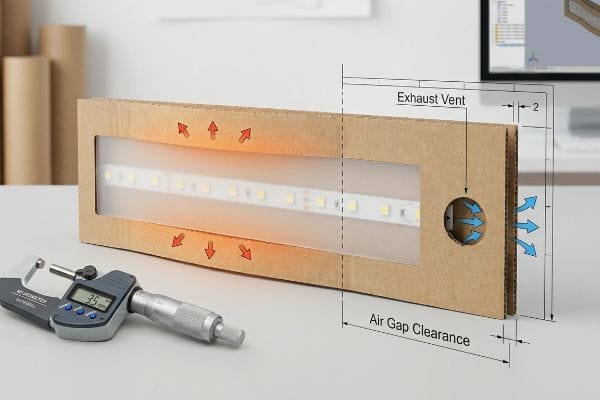
Установить один светодиодный дисплей в лаборатории с контролируемым климатом несложно, но вот суровая реальность, когда вы отправляете 500 таких дисплеев в помещения с высокой температурой. В моем учреждении я регулярно вижу прототипы от обычных поставщиков, где удерживаемое тепло от светодиодных лент приводит к тому, что внутренний клей на водной основе ПВА (поливинилацетат) агрессивно высыхает и сжимается14.
При измерении микрометром задняя панель конструкции часто выгибается наружу на целых 0,14 дюйма (3,5 мм). Это термическое дросселирование создает огромное поверхностное натяжение, которое физически деформирует удерживающие выступы. Задавая в CAD-файле строгий зазор для выпуска воздуха в 0,25 дюйма (6,35 мм), я обеспечиваю сокращение времени сборки на 42 секунды на единицупродукции¹⁵, что позволяет клиентам значительно сэкономить на ручном труде и исключить перегрев.
| Распространённая ошибка новичков | Профессиональное решение | Преимущества для торговых площадей |
|---|---|---|
| Герметичные светодиодные отсеки | Пассивная конвекционная вентиляция | Обеспечивает яркое освещение |
| Игнорирование тепловых пределов | Вырубка зазоров выхлопной системы | Предотвращает возникновение пожарной опасности и связанных с ней рисков16 |
| Стандартные клеи ПВА | Термостойкий клей | Предотвращает деформацию структурных панелей17 |
Я устраняю эту тепловую ловушку, математически точно рассчитав зазоры между воздушными элементами и вырезав скрытые вентиляционные отверстия в задних панелях, что обеспечивает непрерывное рассеивание тепла и сохраняет дисплей идеально ровным и полностью функциональным.
🛠️ Совет от Харви: Не позволяйте двухмиллиметровому структурному дефекту испортить запуск продаж в 500 магазинах. 👉 Пришлите мне файл с чертежами ↗ — Я проверю расчеты, прежде чем вы потратите бюджет на массовое производство.
Заключение
Когда тепло, выделяемое внутри корпуса светильника, вызывает деформацию внутренних клеевых соединений на целых 0,14 дюйма (3,5 мм), возникающее в результате коробление основания замедляет сборку примерно на 30% и сводит на нет запас прочности проекта. Более 500 бренд-менеджеров используют мой контрольный список для допечатной подготовки, чтобы избежать именно этих фатальных ошибок на ранних этапах. Перестаньте гадать о допусках по температуре и позвольте мне лично проверить ваши файлы с помощью моей бесплатной проверки вырубки перед массовым производством ↗, чтобы выявить невидимые точки трения до начала массового производства.
«Переработка бытовых электронных отходов – NYSDEC», https://dec.ny.gov/environmental-protection/recycling-composting/electronic-waste-recycling/recycling-consumer-electronic-waste. Проверка правовых рамок или муниципальных кодексов, предусматривающих штрафы за неправильную утилизацию встроенной электроники в торговом оборудовании. Роль доказательства: нормативное подтверждение; тип источника: государственное природоохранное агентство. Подтверждает: утверждение о том, что неправильная сортировка электроники приводит к штрафам. Примечание об объеме: варьируется в зависимости от региональной юрисдикции. ↩
"9903.88.03 – Гармонизированная тарифная сетка", https://hts.usitc.gov/search?query=9903.88.03. Проверка того, как соединение неэлектронных материалов с электронными компонентами изменяет классификацию по ГС и, как следствие, тарифные ставки. Роль доказательства: фактическая проверка; тип источника: руководство по таможенному регулированию. Подтверждает: утверждение о том, что соединение смешанных материалов увеличивает тарифные издержки. Примечание об области применения: относится к международному торговому праву. ↩
«Очистка электронных отходов (E-Waste) | Агентство по охране окружающей среды США», https://www.epa.gov/international-cooperation/cleaning-electronic-waste-e-waste. Документ, описывающий сложность переработки прочно связанных смешанных материалов по сравнению с разделяемыми компонентами. Роль доказательства: техническая проверка; тип источника: отчет об экологической устойчивости. Подтверждает: утверждение о возросшей сложности электронных отходов. Примечание к области применения: фокусируется на показателях возможности вторичной переработки. ↩
«Процесс производства бумаги | Fefco», https://www.fefco.org/lca/dscription-of-production-system/paper-production. Проверка технических характеристик и описания материала переработанного тестлайнера в сравнении с тестлайнером из первичной крафт-бумаги. Роль подтверждения: техническое описание; тип источника: материаловедение или отраслевой стандарт. Подтверждает: заявления о составе материала. Примечание: фокусируется на физических свойствах переработанных волокон. ↩
«Влияние добавления наноцеллюлозы на механические свойства…», https://pmc.ncbi.nlm.nih.gov/articles/PMC10780965/. Техническое объяснение деградации волокон и уменьшения их длины в процессе многократной переработки в бумажной химии. Роль доказательства: техническая проверка; тип источника: журнал по материаловедению. Подтверждает: биологическую деградацию целлюлозных волокон. Примечание: относится конкретно к процессам механической переработки целлюлозы. ↩
«Полномасштабные измерения при испытании на прочность гофрированного картона на разрыв…», https://pmc.ncbi.nlm.nih.gov/articles/PMC8199211/. Подтверждение соответствия стандарту T811 авторитетному методу измерения прочности картона на разрыв или сжатие. Роль доказательства: техническая спецификация; тип источника: отраслевой стандарт. Подтверждает: обоснованность использования данного конкретного теста для определения структурной жесткости. Примечание об области применения: применяется к упаковке из гофрированного картона. ↩
«[PDF] ПЛИТЫ ИЗ ПЕРВОГО И ПЕРЕРАБОТАННОГО ВОЛОКОН. Л. Лиза Чжао. Диссертация…», https://vuir.vu.edu.au/18233/1/ZHAO_1993compressed.pdf. Техническое обоснование необходимого соотношения первичного волокна для сохранения структурной целостности при морской транспортировке. Роль доказательства: техническая спецификация; тип источника: журнал по материаловедению. Обоснование: повышение прочности переработанных материалов. Примечание: относится конкретно к смесям испытательных лайнеров. ↩
«Новая конфигурация испытания на сжатие кромки, улучшенная за счет полнополевого деформационного воздействия…», https://pmc.ncbi.nlm.nih.gov/articles/PMC8510352/. Подтверждение того, что TAPPI T811 является отраслевым стандартом для испытаний на сжатие кромки с целью измерения деградации волокон. Роль доказательства: методологический стандарт; тип источника: орган по техническому стандартизации. Подтверждает: надежность испытаний на сжатие кромки для предотвращения разрушения базового слоя. Примечание об области применения: стандарт для гофрированного картона. ↩
"4819.10.00.20 – Гармонизированная тарифная сетка", https://hts.usitc.gov/search?query=4819100020. Проверка того, как Гармонизированная система (ГС) различает готовую мебель и упаковочные материалы для плоской упаковки при определении ставок пошлин. Роль доказательства: техническая проверка; тип источника: таможенная тарифная сетка. Подтверждает: утверждение о том, что государство-сборщик влияет на ставки налогов. Примечание об объеме: относится к бумажным/картонным витринам. ↩
«Объемный вес: что это и как он помогает сэкономить на транспортных расходах?», https://shipperhq.com/blog/volumetric-weight. Объяснение формулы расчета объемного веса, используемой международными перевозчиками для начисления штрафов за грузы низкой плотности и большого объема. Роль доказательства: фактическое описание; тип источника: отраслевой стандарт в области логистики. Подтверждает: утверждение о затратах, связанных с нестандартными, громоздкими формами. Примечание по области применения: относится к авиа- и морским перевозкам. ↩
«L84861: Тарифная классификация картонных торговых витрин…», https://rulings.cbp.gov/ruling/L84861. Проверка того, как структурная сборка влияет на классификацию кодов ТН ВЭД между мебелью и бумажной упаковкой. Роль доказательства: техническая проверка; тип источника: таможенные правила. Подтверждает: утверждение о том, что статус сборки изменяет налоговую классификацию. Примечание: фокусируется на различии между главами ТН ВЭД 44/94 и 48. ↩
«Тарифная классификация гофрированных картонных подносов для демонстрации товаров из Китая», https://rulings.cbp.gov/ruling/n322224. Подтверждение того, что структурные изменения плоской упаковки могут законно изменить классификацию кода ТН ВЭД на более низкую ставку пошлины в соответствии с руководящими принципами ВТО. Роль доказательства: фактическая проверка; тип источника: таможенные правила. Подтверждает: утверждение о том, что геометрия влияет на налоговые ставки. Примечание об объеме применения: относится конкретно к бумажным подносам для демонстрации товаров. ↩
«Почему управление тепловым режимом важно в светодиодном освещении – Unibox», https://unibox.co.uk/blog/led-thermal-management-heat-sinks. Техническая документация по термодинамике и теплоотводу в светодиодном освещении в закрытых помещениях. Роль подтверждения: техническая проверка; тип источника: инженерное руководство. Подтверждает: физику накопления тепла в герметичных электрических компонентах. Примечание: основное внимание уделяется низковольтным компонентам. ↩
«Клеевые интерфейсы на пути к безотходной промышленности – PMC», https://pmc.ncbi.nlm.nih.gov/articles/PMC9776538/. Технический анализ термической деградации и потери влаги поливинилацетата (ПВА) под воздействием тепла. Роль доказательства: техническая проверка; тип источника: журнал по материаловедению. Подтверждает: утверждение о том, что нагрев от светодиодов вызывает разрушение клеевого слоя. Примечание к области исследования: фокусируется конкретно на ПВА на водной основе. ↩
«Производство торговых витрин в стране и за рубежом – Фрэнк Майер», https://www.frankmayer.com/blog/domestic-versus-overseas-retail-display-manufacturing/. Отраслевой эталон или тематическое исследование, демонстрирующее корреляцию между определенными допусками проектирования и сокращением времени сборки. Роль доказательства: количественная оценка; тип источника: технический отчет. Подтверждает: утверждение о повышении эффективности. Примечание к области применения: относится к процессам совместной упаковки. ↩
«Экспериментальный анализ распространения огня и теплового отклика в…», https://journals.sagepub.com/doi/10.1177/07349041261424169. Документация по техническим стандартам безопасности, объясняющая, как превышение температурных пределов в электронике увеличивает риск возгорания. Роль доказательства: проверка безопасности; тип источника: нормативный стандарт. Подтверждает: необходимость использования вырубленных вентиляционных зазоров для предотвращения возгорания. Примечание об области применения: относится к бытовой электронике в мебели для розничной торговли. ↩
«Термостойкий клей для дерева: лучшие варианты для высокотемпературных условий…», https://www.desaiglue.com/news/heat-resistant-wood-glue-best-options-for-high-temperature-applications/. Сравнительный анализ материалов, показывающий температуру тепловой деформации (HDT) термостойких клеев по сравнению со стандартным ПВА. Роль доказательства: техническая спецификация; тип источника: паспорт материала. Подтверждает: утверждение о том, что термостойкий клей предотвращает деформацию. Примечание по области применения: специфично для условий работы светодиодов с высокими температурами. ↩