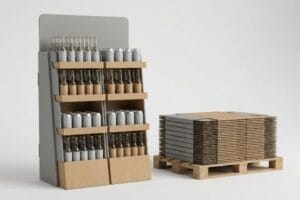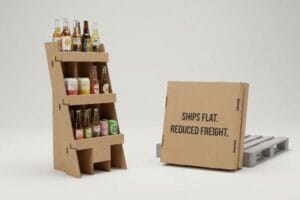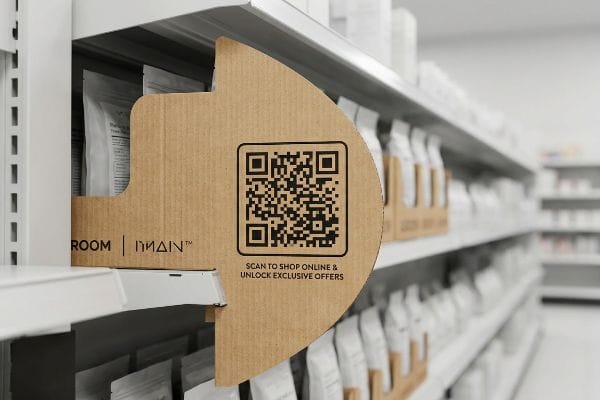
Бренды часто спрашивают меня, может ли физическое торговое пространство действительно стимулировать цифровые продажи. Краткий ответ: да, но только если правильно спроектировать мост между физическими торговыми точками и цифровыми продажами.
Да. Дисплеи Power Wing легко поддерживают как импульсивные покупки в магазинах, так и онлайн-продвижение в сфере электронной коммерции. Благодаря интеграции сканируемых QR-кодов (Quick Response) и специальных цифровых призывов к действию непосредственно в физическую гофрированную конструкцию, эти компактные вспомогательные устройства плавно перенаправляют покупателей из офлайн-магазинов в вашу цифровую воронку продаж.
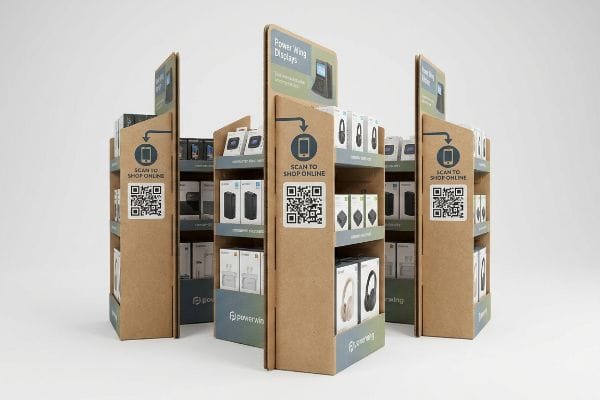
Давайте рассмотрим реальные структурные механизмы, обеспечивающие эффективную работу этого перехода от физического к цифровому формату в сфере продаж.
Что такое «Power Wing» в розничной торговле?
Прежде чем оптимизировать кампанию для кросс-канального маркетинга, необходимо понять физические ограничения самого оборудования.
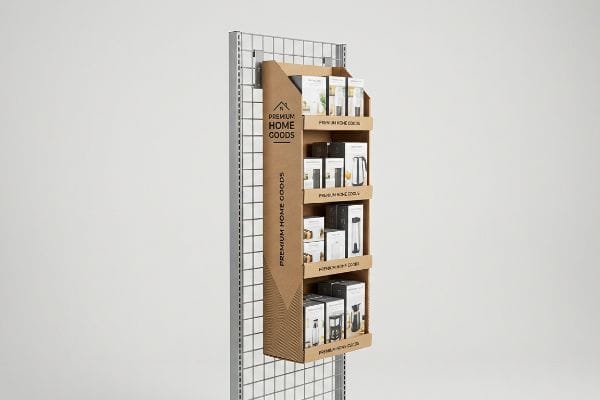
В розничной торговле стеллажная стойка — это высокоэффективная конструкция из проволоки или гофрированного картона, предназначенная для подвешивания по бокам стандартных торцевых стеллажей. Как правило, такие стойки имеют высоту 48 дюймов (121,9 см) и ширину 14 дюймов (35,5 см). Они ориентированы на оживленные перекрестки, чтобы мгновенно привлечь внимание покупателей.
Однако простого знания стандартных размеров недостаточно для гарантии успешного внедрения.
Реальность Universal Sidekick 48×14
Многие маркетинговые команды проектируют подвесные витрины, исходя исключительно из грузоподъемности товара, полагая, что любую вертикальную коробку можно просто прикрепить к торцу прохода. Часто они разрабатывают эскизы нестандартных размеров, чтобы максимально увеличить пространство на полках, полагая, что ритейлер адаптируется к их уникальным габаритам.
Такой индивидуальный подход обычно приводит к огромным проблемам. Даже опытные дизайнеры часто упускают из виду строгие пространственные ограничения, характерные для торцевых полок. Я регулярно вижу стеллажи нестандартных размеров, которые всего на дюйм шире, чем нужно, из-за чего продавцу приходится потеть и бороться, пытаясь втиснуть стеллаж между соседними полками. Можно почти услышать скрежет необработанного картона, бьющегося о металлические стойки. Чтобы предотвратить это, я устанавливаю строгий высоты 48 дюймов (121,9 см) и ширины 14 дюймов (35,5 см)¹ . Эта точная геометрия гарантирует универсальную совместимость со всеми крупными розничными сетями США²,полностью исключая необходимость ручной доработки на месте.
| Распространённая ошибка новичков | Профессиональное решение | Преимущества для торговых площадей |
|---|---|---|
| Свесы нестандартной ширины | Строгий замок длиной 14 дюймов (35,5 см)3 | Подходит для универсальных американских торцевых заглушек |
| Игнорирование вертикальных ограничений | Максимальная высота 48 дюймов (121,9 см)4 | Отсутствие блокировки основных полок |
| Хлипкие картонные крючки | Универсальный металлический кронштейн | Предотвращает разрыв изделия |
Я никогда не позволяю клиенту окончательно утвердить подвесную витрину, не убедившись в точном соблюдении этих габаритных ограничений. Соблюдение универсальных размеров означает, что ваш товар действительно будет подвешен, а не отправлен на свалку.
🛠️ Рабочий стол Харви: Не уверены, подойдут ли размеры вашего нового помощника к стандартной торцевой полке в крупном магазине? 👉 Получите бесплатную проверку размеров ↗ — Прямой доступ к моему рабочему столу. Никакого автоматического спама с рекламой, обещаю.
Какие существуют пять типов дисплеев?
Понимание более широкой экосистемы торговых точек помогает вам более эффективно использовать подвесные рекламные конструкции.
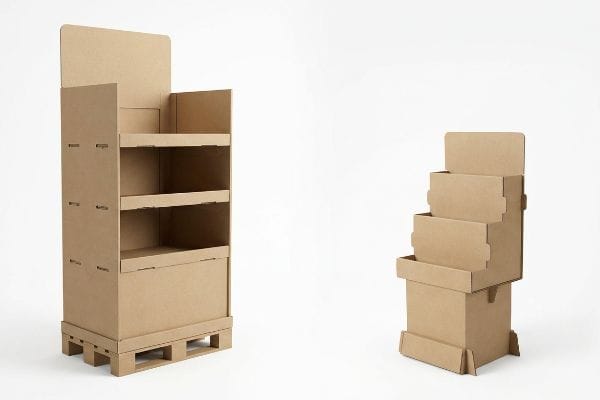
В современных розничных магазинах обычно используются пять типов витрин: напольные, настольные, палетные, готовые к размещению на полках, а также подвесные стеллажи. Каждая отдельная категория требует уникальной конструкции, точной плотности материала и особых логистических решений для размещения в определенных зонах магазина с высокой проходимостью.
Выбрать категорию легко, но адаптация ваших изображений для всех категорий — вот где рекламные кампании терпят неудачу.
Иллюзия пола и прилавка, подогнанных под размер
Часто встречается ошибка, когда бренд успешно запускает огромную торговую витрину и тут же решает уменьшить ее масштаб для размещения кассы. Они поручают своей команде дизайнеров просто уменьшить файл САПР (системы автоматизированного проектирования) на 50 процентов, предполагая, что структурная целостность уменьшится пропорционально5.
Я постоянно вижу подобные попытки сжатия, и они всегда терпят неудачу на полу. Когда вы берете напольный стеллаж, закрепленный на поддоне GMA (Ассоциация производителей продуктов питания) размером 48×40 дюймов (121,9×101,6 см), и искусственно сжимаете его до размеров столешницы, центр тяжести резко смещается. Однажды я наблюдал, как красиво оформленная, сжатая витрина мгновенно опрокинулась назад, когда продавец загружал товары на верхнюю полку, разбросав повсюду тяжелые бутылки с шампунем. Чтобы исправить это, я навсегда разделил инженерные процессы. Напольные стеллажи математически рассчитаны на большие динамические нагрузки, в то время как стеллажи для прилавков полностью перепроектированы в соответствии с ограничениями ADA (Закон об американцах с ограниченными возможностями) по вылету вперед⁶ , поддерживая строгое соотношение глубины и высоты 2:3 для абсолютной устойчивости⁷ .
| Распространённая ошибка новичков | Профессиональное решение | Преимущества для торговых площадей |
|---|---|---|
| 50% масштабирование | Полная структурная реконструкция | Остановки, кассовые аппараты, опрокидывания |
| Игнорирование ограничений по охвату | Зона ADA 15-48 дюймов (38,1-121,9 см)8 | Обеспечивает законный доступ покупателей |
| Слишком высокий для прилавков | Соотношение глубины и высоты 2:39 | Предотвращает «слепые зоны» для кассира |
Я всегда советую своим клиентам рассматривать каждую отдельную категорию как совершенно новую инженерную задачу. Вы просто не сможете обойти физические пределы пространства и гравитации, изменив размер цифрового файла.
🛠️ Стол Харви: Задумываетесь, не нарушает ли ваша уменьшенная версия прилавка строгие установленные законом ограничения по вылету и не грозит ли отказом со стороны управляющего магазином? 👉 Скачайте руководство по соблюдению требований ADA в розничной торговле ↗ — Скачайте безопасно. Мой почтовый ящик открыт, если у вас возникнут вопросы позже.
Как розничные продавцы используют витрины?
Переходя от подвесных конструкций к основной презентации продукта, визуальная проницаемость становится мощным фактором, определяющим конверсию.
Розничные продавцы используют витрины и коробки с вырубкой, чтобы предоставить потребителям прямой визуальный доступ к товару внутри. Наклеивая прозрачные полимерные пленки на открытые вырезы на складных картонных коробках, бренды могут демонстрировать премиальную текстуру продукции, обеспечивая при этом надежную защиту от пыли и повреждений при обращении в магазине.
Но знания теории недостаточно, когда запускаются машины и меняется влажность.
Почему стандартные заплатки для окон не справляются со своей задачей в заводских условиях
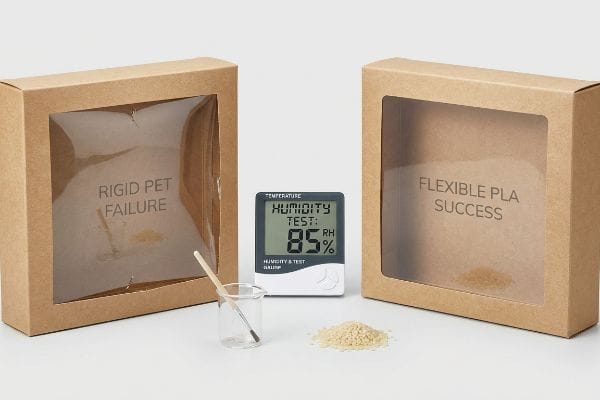
Менеджеры по бренду часто требуют наличия больших смотровых окон на необработанных складных коробках из крафт-бумаги, полагая, что любая стандартная прозрачная пластиковая пленка легко приклеится к картону. Они отдают приоритет максимальной видимости продукта и выбирают жесткие ПЭТ (полиэтилентерефталатные) вставки¹⁰,полагаясь на стандартные клеи для скрепления системы во время длительных морских перевозок.
Это не просто теория — я вижу это на испытательном полигоне, когда высокопрочные оконные пленки подвергаются воздействию атмосферных изменений. В моем учреждении, когда мы тестируем жесткую ПЭТ-пленку, приклеенную к пористому крафт-картону в наших камерах с повышенной влажностью, эти два материала расширяются с совершенно разной скоростью¹¹ . Я измеряю сильное внутреннее искривление, иногда до 0,14 дюйма (3,5 мм), в результате чего жесткий пластик буквально отрывается от подложки с острым треском. Чтобы исправить это, я полностью перенастраиваю наши машины для приклеивания окон, чтобы они работали с высокоэластичным, климатоустойчивым клеем в сочетании с гибкой пленкой из ПЛА (полимолочной кислоты). Благодаря обеспечению этой гибкости я гарантирую, что структурная целостность остается идеально ровной, полностью исключая деформацию от влаги и экономя клиентам примерно 18 % на возвратах поврежденных товаров¹² от крупных розничных сетей.
| Распространённая ошибка новичков | Профессиональное решение | Преимущества для торговых площадей |
|---|---|---|
| Жесткий ПЭТ на крафт-бумаге | Гибкая пленка из полимолочной кислоты (PLA)13 | Экологически чистый и плоский |
| Стандартный твердый клей | Эластичный клей, устойчивый к воздействию климата14 | Предотвращает отрыв окон |
| Огромные вырезанные пустоты | Структурные границы15 | Предотвращает деформацию ящика под нагрузкой |
Я категорически отвергаю жесткие пленки на пористых подложках, потому что с точки зрения химической физики это просто не работает. Единственный способ гарантировать безупречный внешний вид товара в розничной торговле — это придать клеевому слою гибкость.
🛠️ Вопрос от Харви: Знаете ли вы точный коэффициент теплового расширения вашей текущей прозрачной оконной пленки по сравнению с картоном? 👉 Получите бесплатный аудит спецификации материалов ↗ — Я проверю расчеты, прежде чем вы потратите бюджет на массовое производство.
Заключение
Вы можете выбрать самую дешевую жесткую ПЭТ-пленку для своих коробок с окошками, но когда атмосферная влага приводит к отрыву этих окошек во время морской транспортировки, это немедленно вызывает отказ со стороны розничных продавцов, что полностью уничтожает вашу квартальную прибыль. Более 500 бренд-менеджеров используют мой контрольный список для допечатной подготовки, чтобы избежать именно этих фатальных ошибок на ранних этапах. Перестаньте гадать о коэффициентах химического расширения и позвольте мне лично проверить ваши спецификации с помощью моего бесплатного аудита спецификации материалов ↗, чтобы выявить фатальные ошибки до начала массового производства.
«Дисплеи Power Wing & Sidekick», https://brownpackaging.com/custom-packaging-products/pop-displays/corrugated/power-wing-sidekick/. Подтверждение того, что эти конкретные размеры являются отраслевым стандартом для дисплеев Sidekick/Power Wing. Роль подтверждения: техническая спецификация; тип источника: спецификация производителя. Поддерживает: стандартные физические размеры. Примечание об области применения: относится к стандартным американским гофрированным дисплеям. ↩
«Гофрированные торговые витрины», https://www.boxmaker.com/retail-displays/. Подтверждение того, что размеры 48×14 приняты в качестве универсального стандарта крупными розничными сетями США для обеспечения совместимости с торцевыми витринами. Роль доказательства: фактическое подтверждение; тип источника: отраслевые руководства по розничной торговле. Подтверждает: утверждение об универсальной совместимости. Примечание об области применения: ограничено крупными розничными сетями США. ↩
«Стандартные боковые витрины Power Wing Sidekick», https://www.creativedisplaysnow.com/display/power-wing-sidekick-displays/. В руководстве по отраслевым спецификациям для торгового оборудования указано, что стандартная ширина универсальных боковых креплений для обеспечения совместимости составляет 14 дюймов. Доказательство: техническая спецификация; тип источника: отраслевой стандарт/руководство производителя. Подтверждает: требования к размерам для торцевых витрин в розничной торговле. Примечание по области применения: в основном применяется в розничной торговле США. ↩
«Столешница Cardobard Sidekick Display, Powerwing…», https://grandfly.com/cardboard-display/sidekick-powerwing-display/. В руководствах по планировке торговых площадей и каталогах производителей указана максимальная высота стоек Sidekick, чтобы избежать блокировки основных полок. Доказательство: техническая спецификация; тип источника: каталог производителя. Опоры: вертикальные ограничения светильников Powerwing. Примечание: 48 дюймов — это общепринятое универсальное ограничение, но оно может варьироваться в зависимости от конкретного продавца. ↩
«КОНСТРУКЦИЯ КОНСТРУКЦИЙ ИНТЕРАКТИВНЫХ ВИТРИН…», https://www.bcipkg.com/display-structural-design-for-interactive-retail-displays/. В руководстве по проектированию конструкций или упаковки объясняется, почему физическая прочность и несущая способность не масштабируются линейно с размером. Роль доказательства: техническая проверка; тип источника: инженерное руководство. Подтверждает: утверждение о том, что пропорциональное масштабирование в САПР не обеспечивает пропорциональную структурную целостность. Примечание по области применения: относится конкретно к гофрированному картону и жестким торговым витринам. ↩
«Стойки продаж и обслуживания», https://www.access-board.gov/ada/guides/animations/sales-and-service-counters.html. Объяснение стандартов доступности ADA в отношении максимальной глубины досягаемости для стоек, обращенных к посетителям. Роль доказательства: проверка регулирующими органами; тип источника: государственное регулирование. Подтверждает: требование к проектированию стоек. Примечание об области применения: законодательство США. ↩
«Коэффициенты механического опрокидывания | Физика Ван – Университет Иллинойса», https://van.physics.illinois.edu/ask/listing/17026. Инженерные рекомендации по оптимальному соотношению глубины основания к высоте для предотвращения опрокидывания торговых витрин. Роль подтверждения: Техническая спецификация; тип источника: справочник по промышленной инженерии. Поддержка: Структурная устойчивость прилавков. Примечание к области применения: Специфично для легких торговых витрин. ↩
«Стандарты доступности ADA», https://www.access-board.gov/ada/. Подтверждение соответствия стандартам Закона об американцах с ограниченными возможностями (ADA) в отношении диапазона досягаемости рабочих частей и доступности дисплея. Роль подтверждения: технический стандарт; тип источника: нормативный документ. Поддерживает: требования к доступности для покупателей. Примечание об области применения: применяется к доступным диапазонам досягаемости для лиц в инвалидных колясках. ↩
«Как выбрать высоту для торгового стенда?», https://popdisplay.me/how-to-choose-your-retail-display-height/. Проверка соответствия стандартным пропорциям для настольных торговых стендов для обеспечения видимости и устойчивости. Роль доказательства: проектная спецификация; тип источника: руководство по мерчандайзингу в розничной торговле. Поддержка: предотвращение «слепых зон» для продавцов. Примечание к области применения: специфично для геометрии настольных торговых стендов. ↩
«Упаковка с окошком | Выбор пленки – Netpak», https://www.netpak.com/en/packaging-resources/industry-articles/window-packaging-folding-cartons-film-choices/. Подтверждение того, что ПЭТ является стандартным промышленным материалом для прозрачных смотровых окон в складных картонных коробках благодаря своей оптической прозрачности и структурной жесткости. Роль подтверждения: техническая спецификация; тип источника: материаловедение или справочник по упаковочной промышленности. Подтверждает: выбор материала для обеспечения видимости продукта. Примечание по области применения: фокусируется на свойствах ПЭТ в упаковочных приложениях. ↩
«Обзор бумаги и бумажной пищевой упаковки… – PMC», https://pmc.ncbi.nlm.nih.gov/articles/PMC6801293/. Краткое объяснение того, как авторитетный внешний источник подтверждает это утверждение. Роль доказательства: техническая проверка; тип источника: учебник по материаловедению. Подтверждает: несоответствие коэффициентов расширения между полимерами и субстратами на основе целлюлозы. Примечание: относится конкретно к напряжениям, вызванным влажностью. ↩
«Во сколько на самом деле может обойтись вашему бизнесу поврежденная упаковка», https://www.amcor.com/insights/blogs/how-much-a-damaged-pack-can-really-cost-your-business. Краткое объяснение того, как авторитетный внешний источник подтверждает это утверждение. Роль доказательства: количественный сравнительный анализ; тип источника: отчет по логистике цепочки поставок. Подтверждает: финансовые последствия дефектов упаковки для показателей возврата платежей в розничной торговле. Примечание по области применения: варьируется в зависимости от розничного продавца и категории товара. ↩
«Обзор потенциала биоразлагаемого полимера полимолочной кислоты… – PMC», https://pmc.ncbi.nlm.nih.gov/articles/PMC11091039/. Техническое сравнение свойств материалов PLA и PET с точки зрения воздействия на окружающую среду и адгезии поверхности в упаковке. Роль доказательства: техническая проверка; тип источника: исследование в области материаловедения. Подтверждает: утверждение о том, что PLA является экологически чистым и имеет более ровную поверхность. Примечание по области применения: специально для тонкопленочных применений в розничной торговле. ↩
«Программа самооценки сохранения коллекций (PSAP) | Клеи», https://psap.library.illinois.edu/collection-id-guide/adhesives. Анализ того, как эластичные клеи регулируют термическое расширение и сжатие, предотвращая расслоение подложки. Роль доказательства: техническая проверка; тип источника: отраслевой стандарт клеевых материалов. Подтверждает: утверждение о том, что эластичные клеи предотвращают отклеивание оконных заплаток. Примечание по области применения: относится к гибридным соединениям пластика и бумаги. ↩
«Основы прочности: обеспечение структурной целостности вашей упаковки…», https://www.adamslitho.com/new-blog-1/the-pillars-of-strength-ensuring-structural-integrity-in-your-packaging-design. Инженерные данные о влиянии ширины бортиков на прочность гофрированного и крафт-картона при вертикальном сжатии. Роль доказательства: структурный анализ; тип источника: руководство по проектированию упаковки. Подтверждает: утверждение о том, что бортики предотвращают смятие коробки под нагрузкой. Примечание: основное внимание уделяется несущей способности торговых витрин. ↩