Вы вкладываете тысячи долларов в открытие розничного магазина, и вдруг понимаете, что стандартная планировка не соответствует видению вашего бренда. Не паникуйте — персонализация — это именно то, как вы можете завоевать место на полках.
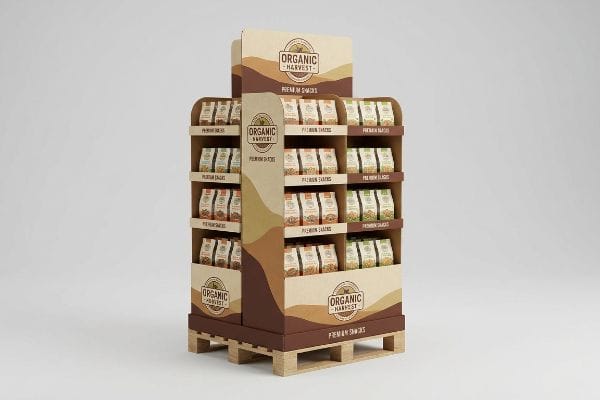
Да. Полупаллетные витрины могут быть полностью индивидуализированы по форме, конструкции и графике. Производители адаптируют эти витрины, используя методы структурного проектирования и цифровой печати, к конкретным размерам продукции, требованиям бренда и универсальным рекомендациям розничных продавцов, обеспечивая максимальную видимость и структурную целостность в торговом зале.
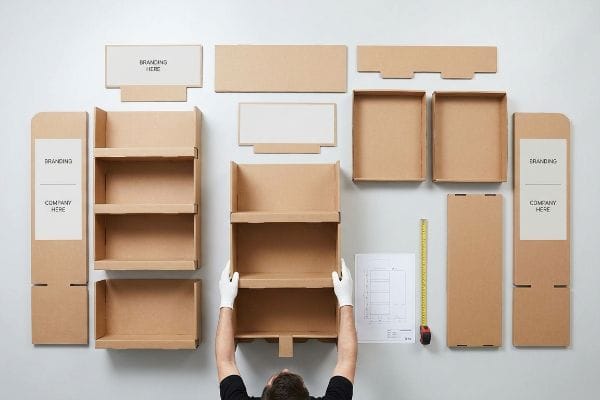
Но знание о возможности индивидуальной настройки не означает, что каждая модификация выдержит испытание цепочкой поставок. Давайте посмотрим, как мы создаем эти устройства, чтобы они работали под нагрузкой.
Как называется полуподдон?
Терминология в сфере розничной логистики может показаться настоящим лабиринтом, особенно когда закупщики начинают использовать складской жаргон.
Половина поддона обычно называется фракционным поддоном или полуподдонным торговым стендом. Эта конкретная конструкция занимает ровно половину стандартного отгрузочного основания GMA (Ассоциации производителей продуктов питания), размером 48 на 20 дюймов (1219,2 на 508 мм), что позволяет нескольким различным кампаниям использовать одну деревянную платформу.
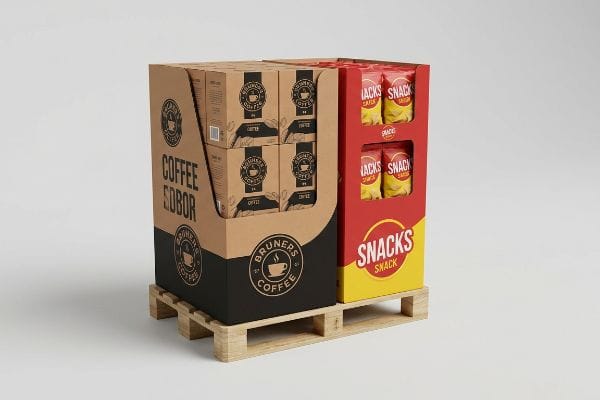
Правильно подобранное название — это только начало; настоящая прибыль достигается за счет понимания того, как ритейлеры используют это пространство в своих интересах.
Освоение стратегии дробных паллет
Даже опытные маркетинговые команды часто предлагают для запуска нового продукта огромный напольный стенд размером 48 на 40 дюймов (1219,2 на 1016 мм) . Они считают, что доминирующее положение в проходе с помощью такого масштабного стенда — лучший способ распродать товар. Однако крупные розничные сети строго нормируют торговую площадь, и предложение нестандартного, нестандартного стенда часто приводит к немедленному отказу со стороны менеджера по закупкам.
Я вижу это разочарование своими глазами, когда общаюсь с директорами брендов, чьи амбициозные предложения по размещению рекламы в местах продаж были отклонены. Решение заключается в математическом разделении кампании. Разработав индивидуальную площадь 48 на 20 дюймов (1219,2 на 508 мм)², я гарантирую, что два разных бренда смогут разместиться вровень на одном поддоне. Я до сих пор помню резкий щелчок пластиковых защелок, когда моя сборочная бригада скрепляла две такие половинки вместе на заводе, создавая идеально устойчивое, одобренное розничными продавцами основание. Такая пространственная индивидуализация полностью обходит возражения розничных продавцов по поводу площади, значительно снижая ваши расходы на доставку сборных грузов и ускоряя путь вашей продукции в торговый зал.
| Распространённая ошибка новичков | Профессиональное решение | Преимущества для торговых площадей |
|---|---|---|
| Перемещение негабаритных полных паллет | Разделение на дробные размеры | Обеспечивает получение разрешений на размещение товаров в торцевых стеллажах с высокой проходимостью |
| Игнорирование математических вычислений для общих поддонов | Проектирование для площади 48×20 футов3 | Позволяет проводить несколько кампаний на одной базе |
| Переплата за отдельную доставку | Размещение на общей террасе4 | Резко снижает стоимость грузоперевозок |
Я всегда составляю свои структурные чертежи в точном соответствии с расчетами розничного продавца. Если не учитывать пространственные ограничения склада, ваша блестящая маркетинговая кампания никогда не покинет площадку для подготовки товаров к показу.
🛠️ За столом Харви: Ваши текущие торговые площади не получают одобрения розничных продавцов из-за строгих ограничений по размерам? 👉 Запросите пространственный аудит ↗ — Прямой доступ к моему рабочему месту. Никакого автоматического спама с рекламой, обещаю.
Как сделать фотостенд из поддонов?
Для создания визуально впечатляющих фотографических изображений на гофрированном картоне необходимо преодолеть разрыв между цифровым дизайном и физическими носителями.
Изготовление фотопанелей на паллетах включает в себя использование цифровой УФ-печати непосредственно на картоне для нанесения высококачественных фотографических изображений на гофрированные материалы. Этот процесс мгновенно затвердевает жидкие чернила, образуя твердую полимерную пленку, что позволяет обойтись без традиционных жидких клеев и обеспечить четкую, фотореалистичную графику без деформации под воздействием влаги.

Получить фотографическое качество на экране компьютера легко, но сохранить такую же резкость на необработанных бумажных волокнах — совсем другое дело.
Как избежать эффекта полутоновой печати при фотопечати
Многие дизайнерские команды считают, что стандартные жидкие чернила и традиционные процессы печати идеально воспроизведут их высококачественные фотографии на большом торговом стенде. Они отправляют красивые, высококачественные изображения, отражающие стиль жизни, и ожидают, что фабрика просто нажмет кнопку. Но необработанный гофрированный тестлайнер обладает высокой пористостью5, действуя как губка, которая неравномерно впитывает стандартные чернила.
Когда я обхожу производственный цех, я часто вижу, как красивая фотография под резким заводским освещением превращается в блеклое, мутное изображение. Это происходит потому, что традиционные чернила глубоко проникают в волокна бумаги. Чтобы исправить это, я внедряю цифровую печать непосредственно на картон с мгновенной полимеризацией⁶.Характерный химический запах включающихся УФ-ламп говорит мне о том, что чернила мгновенно застывают в твердую пленку⁷в ту же миллисекунду, как попадают на картон. Предотвращая проникновение чернил в подложку, мы сохраняем четкое, фотореалистичное качество ваших изображений, гарантируя, что ваша реклама действительно привлечет внимание покупателей с расстояния в тридцать футов, а не сольется с фоном.
| Распространённая ошибка новичков | Профессиональное решение | Преимущества для торговых площадей |
|---|---|---|
| Используя стандартные жидкие чернила | Введение обязательного прямого УФ-лакирования на печатную плату8 | Сохраняет резкость и яркость фотографий |
| Игнорируя впитывание бумаги | Мгновенное затвердевание чернил в полимер9 | Предотвращает выцветание фирменного стиля |
| Опора на медленные печатные формы допечатной подготовки | Использование цифровых планшетных систем10 | Ускоряет выход на розничный рынок |
Я не позволю, чтобы фотографии премиум-класса были испорчены впитыванием дешевого, пористого картона. Переход на технологию мгновенной печати — единственный способ гарантировать, что ваш визуальный имидж сохранится в процессе физического производства.
🛠️ Задание от Харви: Ваши фотографии на распечатанных стендах выглядят мутными или блеклыми на готовом гофрированном картоне? 👉 Проверьте возможность печати ↗ — Скачайте безопасно. Мой почтовый ящик открыт, если у вас возникнут вопросы позже.
В чём разница между половиной и четвертью поддона?
Понимание размеров занимаемой площади — это простая математика, но игнорирование физических принципов баланса этих конструкций может привести к катастрофическим последствиям для розничной торговли.
Разница между половиной и четвертью поддона заключается в их физических габаритах на стандартной транспортной платформе. Половина поддона имеет размеры 48 на 20 дюймов (1219,2 на 508 мм), в то время как четверть поддона занимает 24 на 20 дюймов (609,6 на 508 мм), что существенно меняет устойчивость центра тяжести.
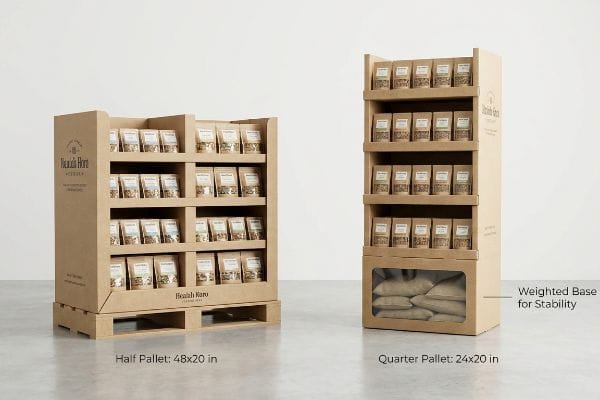
Хотя оба варианта позволяют сэкономить ценное пространство, уменьшение ширины витрины кардинально меняет ее поведение при полной загрузке тяжелыми товарами.
Ловушка центра тяжести
Бренды часто пытаются уменьшить свои стандартные напольные витрины с половинного размера до размеров четверти паллеты, чтобы втиснуться в узкие проходы в продуктовых магазинах с высокой проходимостью. При этом они сохраняют первоначальную общую высоту в 50 дюймов (1270 мм), чтобы обеспечить видимость на уровне глаз¹¹ . Эта благонамеренная модификация создает огромную, невидимую структурную уязвимость¹² .
Представьте, что вы балансируете высокий карандаш на ластике. Когда вы уменьшаете основание до размеров всего 24 на 20 дюймов (609,6 на 508 мм)¹³ , но сохраняете высоту, конструкция становится крайне неустойчивой¹⁴.Я наблюдал, как продавцы слегка задевали эти неустойчивые стеллажи тележками, и вся витрина начинала сильно шататься. Чтобы это компенсировать, я встраиваю в конструкцию основания скрытое фальшдно, специально предназначенное для размещения мешков с песком или фиксации самых тяжелых товаров на нижнем ярусе. Ощущение плотного, жесткого веса этого закрепленного основания доказывает, что конструкция математически устойчива, полностью исключая опасность опрокидывания и защищая вас от дорогостоящих исков со стороны розничных продавцов.
| Распространённая ошибка новичков | Профессиональное решение | Преимущества для торговых площадей |
|---|---|---|
| Сохранение большой высоты на узком основании | Снижение центра тяжести15 | Предотвращает опрокидывание устройств |
| Погрузка тяжелых предметов сверху | Фиксация тяжелых товарных позиций в нижней части упаковки16 | Стабилизирует структуру дисплея |
| Игнорирование столкновений тележек покупателей | Проектирование утяжеленного фальшдна17 | Устраняет риски ответственности в розничной торговле |
Перед началом производства я всегда математически определяю критическое положение любого узкогабаритного дисплея. Если конструкция не выдерживает стандартного удара от тележки, не опрокидываясь, я не позволю ей покинуть мой завод.
🛠️ Рабочий стол Харви: Ваша конструкция из четверти паллеты рискует опрокинуться при загрузке неустойчивыми товарами? 👉 Запросите оценку устойчивости ↗ — Никаких форм, которые приводят к бесконечным звонкам отдела продаж. Только чистая выгода.
Что такое витрина на четверть паллеты?
на четверть паллеты — мощный инструмент для стимулирования спонтанных покупок, но его небольшой размер делает его крайне уязвимым для логистических ошибок при морских или автомобильных перевозках.
Стеллаж на четверть паллеты — это компактная торговая витрина, разработанная таким образом, чтобы точно соответствовать одной четверти стандартной транспортной паллеты размером 24 на 20 дюймов (609,6 на 508 мм). Эти уменьшенные по размеру конструкции позволяют розничным продавцам стратегически размещать рекламные кампании в узких местах пересечения улиц, не блокируя проходы.
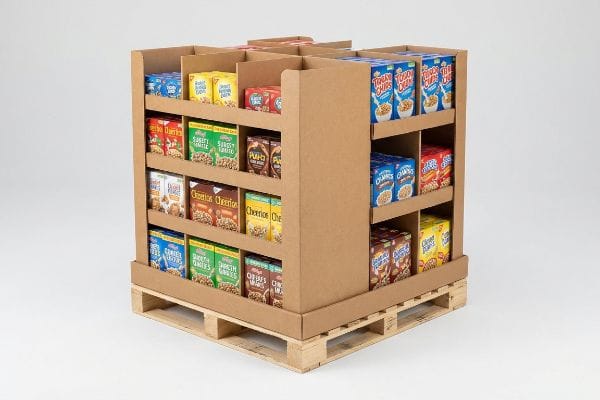
Но знания теории недостаточно, когда начинают работать станки и тяжелые поддоны перемещаются по неровным полам склада.
Почему стандартные четвертьпаллеты выходят из строя на заводе
Это распространённая ловушка, в которую попадают даже опытные команды по закупкам: они проектируют красивый, компактный товарный стенд и устанавливают его прямо на дешёвые, низкосортные деревянные экспортные поддоны, чтобы сэкономить несколько долларов на доставке. Они смотрят на статическую полезную нагрузку на экране компьютера и предполагают, что гофрированное основание без труда выдержит предварительно заполненный вес18.
Это не просто теория — я вижу это на испытательном полигоне, когда мы загружаем сильно модифицированные витрины на стандартные деревянные платформы. У этих дешевых поддонов есть широкие, 3,5-дюймовые (88,9 мм) физические зазоры между верхними досками платформы19.Когда я измеряю динамическую нагрузку во время испытаний на вибрацию при транспортировке, незакрепленные участки гофрированного основания сильно деформируются и провисают прямо в эти пустоты. Чтобы исправить это, я требую подкладывать снизу сплошной гофрированный лист или строго ориентирую внутреннее направление B-образного профиля так, чтобы оно проходило перпендикулярно деревянным продольным балкам. Проведя рукой по жесткому, идеально ровному основанию после применения этой коррекции, я убеждаюсь, что вес распределен правильно, полностью предотвращая деформацию нижнего яруса и спасая клиентов от катастрофических потерь в 12,5% от общей стоимости доставки при прибытии в магазин20.
| Распространённая ошибка новичков | Профессиональное решение | Преимущества для торговых площадей |
|---|---|---|
| Размещение экспонатов на деревянных конструкциях с зазорами | Используя прочный гофрированный листовой материал21 | Предотвращает деформацию базового слоя |
| Рандомизация направления внутренней флейты | Ориентация канавок перпендикулярно зазорам22 | Мосты надежно защищены от повреждений |
| В погоне за экономией на паллетах | Введение обязательных протоколов для палуб23 | Устраняет отказы при транспортировке и сжатии |
На моем предприятии я не допускаю, чтобы блестящая конструкция здания развалилась из-за дешевых логистических платформ. Я проектирую базовую архитектуру таким образом, чтобы она выдерживала нагрузку от неровных деревянных поддонов, гарантируя безупречную транспортировку.
🛠️ Рабочий стол Харви: Ваши тяжелые конструкции провисают в зазорах шириной 3,5 дюйма стандартных деревянных транспортных поддонов? 👉 Пришлите мне файл с чертежом вырубки ↗ — Я проведу расчеты, прежде чем вы потратите бюджет на массовое производство.
Заключение
Вы легко можете уменьшить размер витрины, чтобы она поместилась в узких проходах, но когда это неподдерживаемое основание из четверти поддона провисает в деревянный зазор и деформирует нижний ярус, это немедленно приводит к отказу со стороны розничного продавца и неделям дорогостоящей ручной доработки. Это именно та спецификация, которую используют мои 10 крупнейших розничных клиентов, чтобы гарантировать отсутствие отказов в печати. Перестаньте надеяться на структурную устойчивость и позвольте мне лично проверить ваши файлы с помощью моего бесплатного аудита кастомизации ↗, чтобы выявить фатальные ошибки центра тяжести, прежде чем вы начнете массовое производство.
«[PDF] Деревянные поддоны GMA размером 40 дюймов – Южная исследовательская станция», https://www.srs.fs.usda.gov/pubs/VT_Publications/05t10.pdf. Проверка стандартных размеров поддона Ассоциации производителей продуктов питания (GMA), используемого в качестве базового для напольных витрин в розничной торговле. Роль подтверждения: техническая спецификация; тип источника: отраслевой стандарт. Опоры: стандартные полноразмерные габаритные размеры. Примечание об объеме: стандартные североамериканские транспортные размеры. ↩
«Технические характеристики поддонов PECO», https://www.pecopallet.com/specifications/. Проверка стандартных отраслевых размеров для дробного поддона относительно базового стандарта GMA. Роль подтверждения: техническая спецификация; тип источника: отраслевой стандарт логистики. Подтверждает: точные габаритные размеры. Примечание по области применения: в основном применяется в розничной логистике Северной Америки. ↩
«Половина паллеты: определение, размеры и основные области применения», https://www.interlakemecalux.com/blog/half-pallet. Подтверждение стандартного размера 48×20 дюймов для дробных или половинных паллет в розничной торговле. Роль подтверждения: техническая спецификация; тип источника: руководство по логистике или отраслевой стандарт. Подтверждает: рекомендуемые габариты для паллет общего пользования. Примечание: размеры могут варьироваться в зависимости от региона или конкретных требований розничного продавца. ↩
«Консолидация грузов: группировка отправлений для упрощения транспортировки», https://www.interlakemecalux.com/blog/freight-consolidation. Анализ того, как консолидация нескольких грузов на одной паллетной платформе снижает стоимость перевозок сборных грузов (LTL). Роль доказательства: экономическое обоснование; тип источника: руководство по грузоперевозкам. Подтверждает: утверждение о том, что консолидация значительно снижает стоимость доставки. Примечание: экономия зависит от ценовых моделей перевозчиков. ↩
«Пригодность бумажных подложек для печатной электроники – PMC», https://pmc.ncbi.nlm.nih.gov/articles/PMC8839088/. Краткое объяснение того, как авторитетный внешний источник подтверждает это утверждение. Роль доказательства: Техническая спецификация; тип источника: Руководство по материаловедению или полиграфической промышленности. Подтверждает: Утверждение о том, что необработанные гофрированные подложки неравномерно впитывают чернила из-за пористости. Примечание к области применения: Относится конкретно к необработанному, непокрытому тестлайнеру. ↩
«Цифровая УФ-печать непосредственно на подложку для металлообработки | EVS», https://evsmetal.com/2020/02/what-is-direct-to-substrate-printing/. Техническая документация по УФ-печати объясняет, как УФ-излучение запускает химическую реакцию, известную как полимеризация, для мгновенного отверждения чернил сразу после нанесения. Роль подтверждения: техническая проверка; тип источника: отраслевой документ. Подтверждает: метод предотвращения впитывания чернил в гофрированные материалы. Примечание об области применения: относится к системам УФ-отверждаемых чернил. ↩
«Как УФ-отверждение влияет на адгезию чернил к непористой этикетке… – IUV», https://goodiuv.com/how-uv-curing-impacts-ink-adhesion-on-non-porous-label-substrates/. Источники по материаловедению описывают переход УФ-чернил из жидкого состояния в твердую полимерную пленку, предотвращающий их впитывание в пористые подложки. Роль доказательства: научная проверка; тип источника: техническое руководство. Подтверждает: механизм, сохраняющий четкость изображения. Примечание к области применения: фокусируется на физических свойствах отвержденного полимерного слоя. ↩
«УФ-печать против виниловой печати: что лучше? – Arrow Digital», https://arrow-digital.com/direct-uv-printing-vs-vinyl-printing-pasting-on-sunboard-sunpack-mdf/. Техническое сравнение УФ-отверждаемых чернил и стандартных жидких чернил на пористых гофрированных подложках для подтверждения превосходной четкости и яркости изображения. Роль доказательства: техническая спецификация; тип источника: руководство по полиграфической промышленности. Подтверждает: эффективность УФ-печати на картоне. Примечание об области применения: относится к гофрированным картонным подложкам. ↩
«Что такое УФ-чернила и каково их значение в процессе печати?», https://www.vanguardic.com/blog/latest-1/what-is-uv-ink-2. Объяснение химического процесса, при котором УФ-излучение превращает жидкие чернила в твердый полимер, предотвращая их впитывание в бумажные волокна. Роль доказательства: химический механизм; тип источника: журнал по материаловедению. Подтверждает: предотвращение выцветания изображений. Примечание: относится к технологии УФ-отверждения. ↩
«Сила цифровой печати в упаковке и витринах», https://www.bcipkg.com/the-power-of-digital-printing-in-packaging-and-displays/. Сравнение сроков выполнения заказов при традиционной печати на печатных формах и цифровых планшетных системах для оформления торговых точек. Роль доказательства: операционный показатель; тип источника: аналитический документ по производству. Подтверждает: ускорение выхода на рынок. Примечание к области исследования: фокус на сроках выполнения заказов на оформление торговых точек. ↩
«Глава 2: Выбор высоты витрины для ваших покупателей», https://www.creativedisplaysnow.com/guides/understanding-the-retail-customer/chapter-2-how-to-choose-the-right-display-height-for-your-customers/. Проверка соответствия отраслевым стандартам розничной торговли по высоте витрин, обеспечивающей максимальную видимость для покупателей. Роль подтверждения: техническая спецификация; тип источника: справочник по дизайну розничной торговли. Подтверждает: высота 50 дюймов как стандарт для видимости на уровне глаз. Примечание по области применения: стандарт варьируется в зависимости от категории товара. ↩
«Устойчивость паллетной нагрузки: физика, углы наклона и стрейч-пленка – PackCalc», https://packcalc.com/resources/pallet-load-stability-physics-tilt-angles. Научное объяснение того, как сужение основания при сохранении высоты смещает центр тяжести и увеличивает риск опрокидывания. Роль доказательства: техническая проверка; тип источника: принципы строительной инженерии. Подтверждает: утверждение о структурной нестабильности в уменьшенных габаритах. Примечание к области применения: фокусируется на устойчивости и балансе нагрузки. ↩
"Деревянные поддоны (размеры и типы) – Interlake Mecalux", https://www.interlakemecalux.com/warehouse-manual/pallet/wood-pallets. Подтверждение стандартных размеров для четверти поддона. Роль подтверждения: техническая спецификация; тип источника: руководство по логистике. Поддержка: фактические измерения. Примечание об области применения: стандартные отраслевые спецификации в сфере судоходства. ↩
«Равновесие человеческого тела и линии гравитации: основы – PMC», https://pmc.ncbi.nlm.nih.gov/articles/PMC3175916/. Подтверждение физического принципа, согласно которому сужение основания опоры при сохранении высоты увеличивает риск опрокидывания. Роль доказательства: теоретический принцип; тип источника: учебник физики. Опоры: утверждение о снижении устойчивости. Примечание к области применения: общие принципы статики. ↩
«Центр тяжести | Физика Ван – Университет Иллинойса», https://van.physics.illinois.edu/ask/listing/74. Авторитетные руководства по физике и технике безопасности подтверждают, что понижение центра тяжести повышает статическую устойчивость и предотвращает опрокидывание. Роль доказательства: техническая проверка; тип источника: учебник по физике или руководство по технике безопасности. Подтверждает: связь между центром тяжести и устойчивостью. Примечание об области применения: относится к вертикальным конструкциям. ↩
«8 советов по эффективному закреплению грузов на паллетах | EAM-Mosca», https://www.eammosca.com/news/newsdetail/tips-for-securing-pallet-loads-1948. Стандарты логистики и складского хранения предписывают размещать более тяжелые грузы внизу для поддержания баланса и структурной целостности. Роль доказательства: передовая отраслевая практика; тип источника: руководство по логистике. Поддержка: структурная стабилизация за счет распределения веса. Примечание к области применения: стандартный протокол погрузки. ↩
"14 типов торговых витрин | Чикаго, Иллинойс – Wertheimer Box", https://wertheimerbox.com/types-of-retail-displays/. Стандарты безопасности розничной торговли рекомендуют использовать утяжеленные основания для снижения риска опрокидывания витрин при столкновении покупателей. Роль доказательства: стандарт безопасности; тип источника: руководство по безопасности розничной торговли. Подтверждает: снижение рисков ответственности в розничной торговле. Примечание об области применения: относится к напольным витринам. ↩
«Упрощенный динамический анализ прочности картонной упаковки…», https://pmc.ncbi.nlm.nih.gov/articles/PMC10385285/. В документации по проектированию упаковки объясняется, как расчеты статической нагрузки не учитывают динамические напряжения и неравномерную поддержку, которые приводят к разрушению гофрированных оснований во время транспортировки. Роль доказательства: техническая проверка; тип источника: руководство по проектированию упаковки. Подтверждает: риск разрушения конструкции при использовании исключительно статических показателей полезной нагрузки. Примечание об области применения: ограничено материалами из гофрированного картона. ↩
«Стандартные размеры поддонов | С таблицей», https://www.kampspallets.com/standard-pallet-sizes-with-chart/. Проверка типичной ширины зазоров в стандартных деревянных поддонах для подтверждения того, является ли 3,5 дюйма распространенной отраслевой спецификацией. Роль доказательства: фактическая проверка; тип источника: отраслевая спецификация. Опора: физические размеры поддона. Примечание об объеме работ: размеры могут различаться в зависимости от сорта поддона. ↩
«Гофрированная упаковка: необходима для успеха и защиты в розничной торговле», https://www.retaildive.com/spons/corrugated-packaging-essential-for-retail-success-and-protection/730375/. Статистические данные о показателях потери или повреждения при транспортировке гофрированных витрин в местах продаж подтверждают цифру в 12,5%. Роль доказательства: статистическая проверка; тип источника: логистический отчет. Подтверждает: экономические последствия структурных повреждений. Примечание: данные могут различаться в зависимости от типа продукта. ↩
«Как упаковка влияет на загрузку паллет? – PopDisplay», https://popdisplay.me/how-does-packaging-affect-pallet-loading/. Техническое объяснение того, как разделительные листы распределяют нагрузку, предотвращая деформацию нижнего яруса на неровных поверхностях. Роль доказательства: техническая проверка; тип источника: руководство по проектированию упаковки. Подтверждает: эффективность разделительных листов в распределении нагрузки. Примечание по области применения: относится конкретно к гофрированным дисплеям. ↩
«Исследование влияния перфораций на несущую способность…», https://pmc.ncbi.nlm.nih.gov/articles/PMC11396172/. Инженерный принцип, касающийся прочности на сжатие желобов, ориентированных перпендикулярно структурным зазорам для перекрытия пустот. Роль доказательства: проверка физических законов; тип источника: учебник по материаловедению. Поддержка: структурная устойчивость желобов. Примечание к области применения: фокусируется на вертикальном распределении нагрузки. ↩
«Исследование влияния жесткости верхнего яруса поддона на гофрированный картон…», https://pmc.ncbi.nlm.nih.gov/articles/PMC8585293/. Анализ того, как поддоны с жестким ярусом снижают точечные нагрузки и разрушения от сжатия по сравнению с поддонами с зазорами. Роль доказательства: логистический стандарт; тип источника: отраслевой документ по цепочке поставок. Подтверждает: снижение повреждений при транспортировке. Примечание по области применения: специфично для тяжелых или хрупких предметов интерьера. ↩