Вы готовитесь к масштабному запуску розничной сети, но доверять хрупкие коробки тяжелым товарам кажется огромным риском. Обрушение витрины в проходе означает мгновенный отказ со стороны розничных продавцов и пустую трату бюджета.
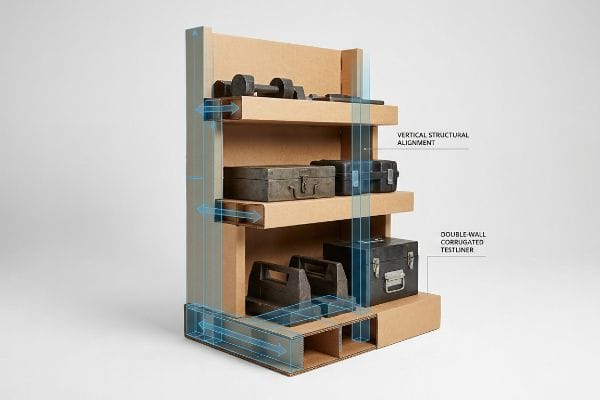
Да. Картонные витрины надежно выдерживают нагрузку от тяжелых товаров при условии стратегического вертикального выравнивания конструкции. Благодаря использованию двухслойного гофрированного картона и специализированной архитектуры распределения веса, эти прочные витрины могут безопасно выдерживать сотни килограммов (кг) без деформации под воздействием стандартного складского сжатия или суровых условий розничной торговли.
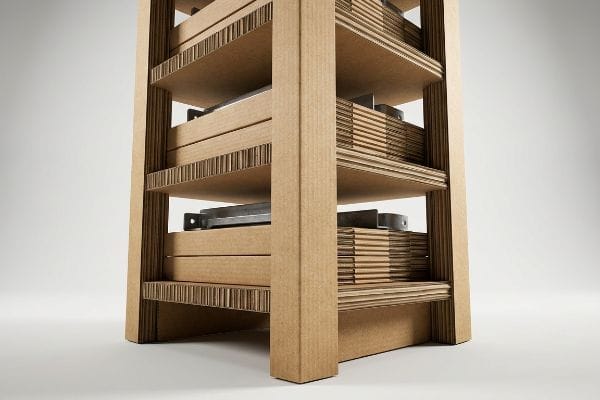
Понимание теории — это лишь первый шаг; чтобы выдержать физические нагрузки в большом торговом центре с высокой проходимостью, необходимо глубже изучить материаловедение.
Может ли картон выдержать вес?
Нагромождение тяжелых товаров на стандартную бумажную конструкцию обычно заканчивается катастрофой, если игнорировать фундаментальные законы структурной физики и ориентации материалов.
Да. Стандартный картон способен динамически выдерживать вес, если его внутренние арочные гофры ориентированы идеально вертикально. Такое выравнивание превращает обычный картон в жесткие несущие колонны, максимально увеличивая показатель прочности на сжатие по краю (ECT), что предотвращает катастрофическое коробление во время транспортировки грузов в два яруса морским транспортом и при стандартных операциях хранения на складах розничной торговли.
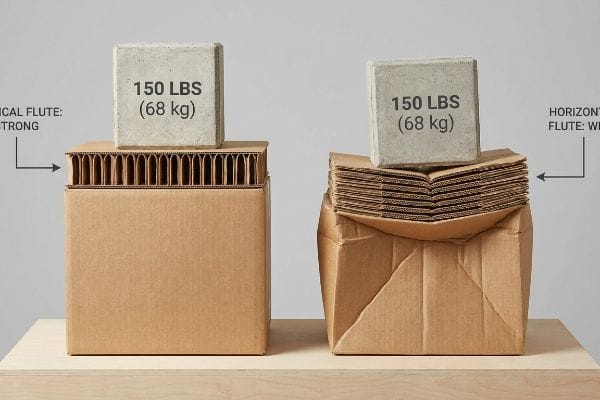
На цифровом макете он выглядит прочным, но в реальности на упаковочной линии все обстоит совсем иначе.
Понимание того, почему картон может выдерживать вес
Даже опытные дизайнеры часто упускают из виду этот недостаток, полагая, что простой выбор более толстого материала автоматически гарантирует высокую динамическую несущую способность. Они сосредотачиваются на внешнем оформлении и стандартных плоских контурах, вырезанных штампом, доверяя тому, что плотность печатной платы сама по себе послужит достаточным амортизатором.
На моем предприятии я регулярно наблюдаю, как прекрасно напечатанные конструкции мгновенно разрушаются из-за того, что направление волокон было задано горизонтально, а не вертикально. Когда спешащий упаковщик складывает 68 кг бутылок с напитками на этот неправильно расположенный поднос, вы буквально слышите, как внутренние бумажные волокна рвутся с глухим, отвратительным хрустом. Я исправляю это, математически фиксируя направление гофрирования строго перпендикулярно полу1 в нашем программном обеспечении САПР (системе автоматизированного проектирования) перед печатью. Обеспечивая этот вертикальный путь передачи нагрузки, мы восстанавливаем критические пределы сжатия коробки2, полностью исключая повреждения при транспортировке и предотвращая дорогостоящие структурные повреждения, возмещаемые крупными американскими розничными сетями.
| Распространённая ошибка новичков | Профессиональное решение | Преимущества для торговых площадей |
|---|---|---|
| Горизонтальная ориентация зерен | Блокировка вертикальных направляющих канавки3 в САПР | Предотвращает раздавливание нижнего яруса |
| Опираясь исключительно на толщину доски | Инженерные несущие колонны | Максимизирует динамические пределы нагрузки4 |
| Игнорирование выступающих краев поддона | Обеспечьте отсутствие выступающих элементов на фундаменте5 | Выдерживает двойную укладку при транспортировке |
Я никогда не полагаюсь только на толщину материала для решения структурных проблем. Когда вы заставляете физическую геометрию выдерживать нагрузку, вы значительно снижаете затраты на сырье, при этом сохраняя прочность конструкции даже при самых сильных вибрациях во время транспортировки.
🛠️ Рабочий стол Харви: Не уверены, правильно ли выровнен ваш шаблон для демонстрации вертикального направления волокон? 👉 Пришлите мне ваш плоский шаблон ↗ — Прямой доступ к моему рабочему столу. Никакого автоматического спама с рекламой, обещаю.
Какие ограничения есть у картона?
Несмотря на невероятное соотношение прочности и веса, стандартный картон обладает присущими ему физическими уязвимостями, которые немедленно проявляются при воздействии неконтролируемых факторов окружающей среды.
Картон имеет определенные ограничения в отношении влагопоглощения и длительного воздействия высокой влажности. Поскольку сырые целлюлозные волокна активно поглощают окружающий водяной пар, стандартные гофрированные конструкции сильно набухают и быстро подвергаются усталости при сжатии, что требует применения специальных жидких водных покрытий для предотвращения механического разрушения во время жестких рекламных кампаний на открытом воздухе.
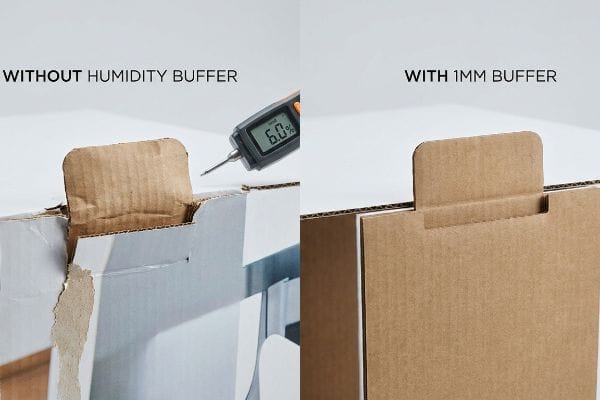
Хотя погода представляет собой очевидную угрозу, именно невидимый микроклимат внутри транспортного контейнера губит большинство кампаний.
Преодоление ограничений, с которыми сталкивается картон
Отделы закупок часто разрабатывают рекламные стенды в офисах с кондиционированием воздуха, устанавливая жесткие допуски на пазы, основываясь исключительно на абсолютном диаметреплоского материала. Естественно, они предполагают, что вырубленный язычок, идеально подходящий к чистому чертежному столу, будет собран с той же точностью в торговом зале.
Реальность становится суровой, когда эти плоские упаковки лежат в регионах с высокой влажностью, таких как Флорида, в течение трех недель. Пористая пленка 32ECT впитывает влагу из окружающей среды и физически разбухает7, а это значит, что идеально ровный паз внезапно становится слишком узким. Когда продавцы пытаются силой соединить эти разбухшие части, я наблюдал, как толстая гофрированная бумага сильно деформируется и трескается, портя литографическую ламинацию. Я предотвращаю это, автоматически создавая специальный буфер влажности толщиной 0,04 дюйма (1 мм)8 непосредственно в приемных пазах. Эта микрорегулировка гарантирует беспроблемную сборку без разрывов для продавца, сокращая время установки в магазине вдвое и сохраняя безупречный внешний вид бренда.
| Распространённая ошибка новичков | Профессиональное решение | Преимущества для торговых площадей |
|---|---|---|
| Проектирование для абсолютно сухого картона | Добавьте буфер влажности толщиной 1 мм9 | Обеспечивает сборку защелки без трения |
| Игнорируя разбухание воздуха в складских помещениях | Инженер расширил приемные слоты | Предотвращает разрыв литографического ламинирования10 |
| Использование необработанных досок в уличных конструкциях | Нанесите целенаправленные жидкие полимерные покрытия11 | Блокирует поглощение влаги, вызывает усталость |
Я всегда закладываю математические механизмы защиты от воздействия окружающей среды. Предугадывая физическое набухание бумажных волокон, вы предотвращаете масштабные задержки в работе и гарантируете своевременную и правильную выкладку товара.
🛠️ Задание от Харви: Ваши сезонные товары незаметно впитывают влагу и теряют 30% своей прочности еще до того, как попадут на прилавок? 👉 Ознакомьтесь с моим полным контрольным списком качества ↗ — Скачайте безопасно. Мой почтовый ящик открыт, если у вас возникнут вопросы позже.
Как называется прочный картон?
Для поиска подходящего материала необходимо разобраться в запутанной терминологии поставщиков и найти конкретный материал, способный выдержать агрессивные условия розничной торговли.
В секторе промышленной упаковки прочный картон называется двухслойным гофрированным картоном. Этот прочный материал сочетает в себе два отдельных слоя гофрированной бумаги, разделенных структурными вкладышами, что обеспечивает исключительную устойчивость к смятию по краям и динамическую грузоподъемность, специально разработанную для массивных паллетных витрин в магазинах.
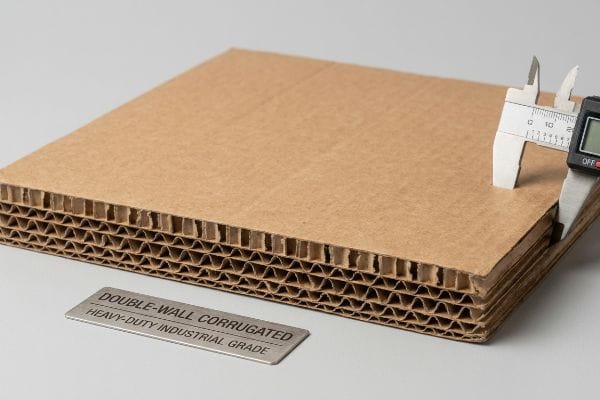
Просто попросить у поставщика плиту повышенной прочности — рискованная затея, если вы не укажете точный состав волокон.
Определение того, что на самом деле представляет собой прочный картон
Это распространенная ловушка, в которую попадают даже опытные команды по закупкам, когда они требуют использования полностью переработанного тестлайнера для тяжелых товаров, полагая, что он обладает точно такой же физической целостностью, как и новый картон. Они ошибочно считают, что высокая толщина сама по себе компенсирует структурную деградацию , присущую процессу переработки бумаги¹² .
Представьте себе волокна переработанной бумаги как резинку, которую слишком много раз растягивали; после многочисленных циклов переработки целлюлоза механически укорачивается и теряет свою эластичность¹³.Я лично был свидетелем того, как эти чрезмерно переработанные гофрированные листы мгновенно разрушались во время испытаний, ломаясь с резким треском прямо по центру панели. Я настаиваю на использовании гибридного подхода к материалам, вводя ровно 30 процентов первичного крафт-материала¹⁴непосредственно в несущие гофрированные листы. Это стратегическое введение длинных, свежих волокон мгновенно восстанавливает динамическую прочность на сжатие, гарантируя, что дисплей выдержит сильные многоосевые вибрации при транспортировке, одновременно соответствуя требованиям законодательства в области устойчивого развития.
| Распространённая ошибка новичков | Профессиональное решение | Преимущества для торговых площадей |
|---|---|---|
| Закупка высококачественных переработанных картонных листов | Впрыскивание первичных крафт-волокон15 | Восстанавливает необходимую силу компрессии |
| Игнорируя микроскопическое истощение волокон | Укажите профиль канавки с двойными стенками16 | Предотвращает деформацию центральной панели |
| Опираясь на лабораторные испытания плоских материалов | Выполнение полных динамических транзитных операций | Исключает повреждения груза при транспортировке |
Я отказываюсь идти на компромисс в отношении плотной рекламной кампании, используя бумагу с нарушенной структурной целостностью. Добавление первичных волокон в профиль вашего прочного картона — единственный математически доказанный способ гарантировать как устойчивость розничной торговли, так и выживание компании.
🛠️ Задание от Харви: Ваш нынешний поставщик тайно понижает качество вашей древесноволокнистой плиты, чтобы финансировать отделку фольгой? 👉 Запросите бесплатный аудит материалов ↗ — Никаких форм, которые приводят к бесконечным звонкам от отдела продаж. Только чистая выгода.
Какой вес может выдержать гофрированный картон?
Для того чтобы довести конструкцию из картона до предельного веса, требуется безупречное сочетание точной геометрии конструкции и строго соблюдаемых допусков при механическом производстве.
Гофрированный картон может выдерживать вес, превышающий 2500 фунтов (1134 кг), при использовании в качестве складского паллетного дисплея. Для достижения такой огромной динамической грузоподъемности требуется интеграция целенаправленного усиления двойных стенок, жестких внутренних H-образных перегородок и влагостойких барьерных покрытий, полностью нейтрализующих сильные механические сдвиговые нагрузки во время транспортировки.
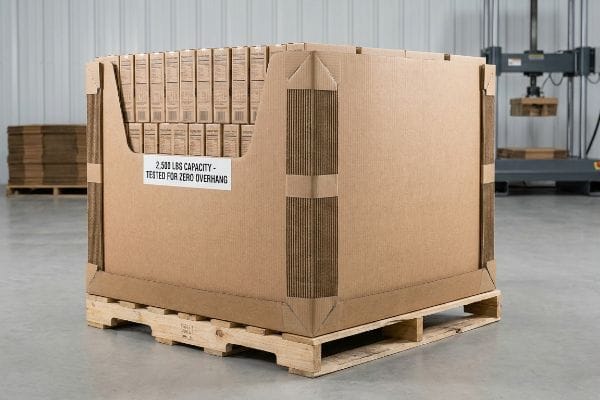
Но знания теории недостаточно, когда на практике начинает работать тяжелая складская техника.
Почему стандартный картон не подходит для использования на производстве
Отделы закупок часто отправляют на стандартные испытания на вертикальное падение сильно нагруженные торговые витрины¹⁷ , предполагая, что базовые модели свободного падения точно подтверждают пределы их структурной прочности. Они полагаются на теоретические диаграммы статического давления, полностью ожидая, что необработанные гофрированные листы будут вести себя предсказуемо при стандартной логистической обработке.
Установить один дисплей в лабораторных условиях несложно, но вот суровая реальность, когда вы отправляете 500 таких дисплеев, заполненных тяжелыми жидкостями. Как только предварительно заполненный дисплей превышает порог в 150 фунтов (68 кг)¹⁸, стандартные методы обработки становятся неактуальными, и работники склада начинают использовать сильные вращательные удары, которые вызывают резкое боковое кинетическое сдвиговое воздействие. На моем предприятии я тестирую это, используя протоколы ISTA (Международная ассоциация безопасной транспортировки)2B¹⁹, и я видел, как стандартные угловые швы разрывались за миллисекунды, обнажая грязный, влажный клей ПВА (поливинилацетат) под ними. Я решаю эту проблему, искусственно уменьшая площадь основания основной коробки ровно на 0,5 дюйма (12,7 мм), чтобы гарантировать отсутствие выступа поддона. Благодаря надежному креплению углов к прочному деревянному настилу я предотвращаю разрывы углов нижнего яруса, экономя клиентам тысячи долларов на логистике возврата сборных грузов и штрафах за повреждения у розничных продавцов.
| Распространённая ошибка новичков | Профессиональное решение | Преимущества для торговых площадей |
|---|---|---|
| Использование лабораторных таблиц статического давления | Аудит с использованием интенсивных краевых перепадов | Подтверждает реальные кинетические пределы |
| Допускается микроскопический выступ поддона | Уменьшение габаритов на 12,7 мм20 | Обеспечивает надежное крепление углов конструкции |
| Тестирование профилей падения легких предметов | Обязательное моделирование перевозок тяжелых грузов | Устраняет огромные комиссии за возврат платежей21 |
Я систематически уничтожаю прототипы на своих вибрационных стендах, чтобы они не вышли из строя в реальных условиях. Избыточное усложнение углов основания — единственный способ защитить прибыльность вашего бренда от небрежного обращения на складе.
🛠️ Вопрос от Харви: Вы точно знаете, какую динамическую силу сдвига испытывают углы вашей основной коробки во время морской перевозки в контейнере 40HQ? 👉 Пришлите мне файл с чертежом высечки ↗ — я проведу стресс-тестирование, прежде чем вы потратите бюджет на массовое производство.
Заключение
Вы можете рискнуть, выбрав более дешевого поставщика, но когда перегруженный дисплей подвергается сильному вращательному падению, повреждение угла приводит к немедленному отказу со стороны розничного продавца, полностью сводя на нет прибыль вашей рекламной кампании. Это точная спецификация, которую используют мои 10 крупнейших розничных клиентов, чтобы гарантировать отсутствие отказов в печати. Прекратите рисковать, используя непроверенные данные о грузоподъемности, и позвольте мне лично проверить геометрию вашей конструкции с помощью моего бесплатного стресс-теста Dieline ↗, чтобы выявить критические слабые места до начала массового производства.
«Исследование влияния перфорации на несущую способность…», https://pmc.ncbi.nlm.nih.gov/articles/PMC11396172/. Инженерная документация о взаимосвязи между ориентацией гофр и прочностью на сжатие гофрированного картона. Роль доказательства: техническая проверка; тип источника: руководство по строительной инженерии. Подтверждает: утверждение о том, что вертикальное расположение максимизирует несущую способность. Примечание к области применения: относится к гофрированному древесноволокнистому картону. ↩
«Испытание на сжатие коробки: стандарты, методы и калибровка | Worldoftest», https://www.worldoftest.com/articles/box-compression-test-standards-methods-calibration/. Отраслевые стандарты для испытания на сжатие коробки (BCT) и влияние ориентации материала на предельные нагрузки. Роль доказательства: проверка метрик; тип источника: отраслевой стандарт/ASTM. Подтверждает: утверждение о том, что ориентация восстанавливает структурные пределы. Примечание к области применения: фокусируется на стандартизированных метриках упаковки. ↩
«Оценка прочности на сжатие коробок из гофрированного картона…», https://pmc.ncbi.nlm.nih.gov/articles/PMC8467740/. Техническое объяснение того, как вертикальное расположение гофр максимизирует прочность на сжатие за счет использования структурной арки материала. Роль доказательства: техническая проверка; тип источника: инженерное руководство. Подтверждает: утверждение о том, что вертикальная ориентация предотвращает смятие. Примечание об области применения: относится конкретно к гофрированному картону. ↩
«Упаковка из гофрированного картона с инновационным дизайном для повышения…», https://bioresources.cnr.ncsu.edu/resources/corrugated-board-packaging-with-innovative-design-for-enhanced-durability-during-transport/. Анализ того, как внутренние структурные усиления повышают способность картона выдерживать изменяющийся вес во время транспортировки. Роль доказательства: показатель эффективности; тип источника: исследование в области материаловедения. Подтверждает: эффективность инженерных колонн в зависимости от толщины картона. Примечание к области исследования: фокусируется на динамической, а не статической нагрузке. ↩
«[PDF] Влияние смещения паллетизированных коробок на прочность на сжатие унифицированных…», https://digitalcommons.calpoly.edu/cgi/viewcontent.cgi?article=1067&context=it_fac. Эмпирические данные, показывающие процент потери прочности картонных коробок при их выступе за край паллеты. Роль доказательства: снижение риска; тип источника: логистический стандарт. Подтверждает: необходимость нулевого выступа для устойчивости при штабелировании в два яруса. Примечание по области применения: применяется к промышленным стандартам транспортировки. ↩
«Влияние относительной влажности, количества дней хранения и упаковки на орехи пекан…», https://pmc.ncbi.nlm.nih.gov/articles/PMC10092868/. Техническая документация по материаловедению, объясняющая, почему измерения сухим штангенциркулем не учитывают гигроскопическое расширение картона. Роль доказательства: техническая проверка; тип источника: инженерное руководство. Подтверждает: неточность использования измерений сухим штангенциркулем для прецизионной сборки. Примечание: основное внимание уделяется гофрированному картону. ↩
«[PDF] Влияние содержания влаги на прочность коробки на сжатие: FBA BCT…», https://renewablebioproducts.gatech.edu/sites/default/files/2025-12/4effects-of-moisture-content-on-box-compression-strength.pdf. Техническое подтверждение реакции картона, прошедшего испытание на сжатие по краю (ECT) при 32 градусах, на высокую влажность и связанные с этим изменения размеров целлюлозных волокон. Роль доказательства: техническая спецификация; тип источника: справочник по материаловедению. Опора: физическое набухание картона во влажных условиях. Примечание к области применения: основное внимание уделяется материалам, прошедшим испытание на сжатие по краю (ECT). ↩
«[PDF] Хранение и обращение с гофрированными упаковочными материалами», https://www.fibrebox.org/assets/2025/07/B155_TR2-3_Storage_and_Handling_2018_Edition.pdf. Проверка соответствия отраслевым стандартам допусков и зазоров, используемых для компенсации гигроскопического расширения в конструкции гофрированной упаковки. Роль доказательства: инженерный эталон; тип источника: отраслевой стандарт упаковки. Подтверждает: эффективность буфера толщиной 1 мм для обеспечения стабильности сборки. Примечание об области применения: акцент на допусках в конструкции. ↩
«Влияние относительной влажности на прочность на сжатие…», https://open.clemson.edu/all_theses/3225/. Технические характеристики, касающиеся стандартных допусков на расширение при повышенной влажности в конструкции картона. Роль подтверждения: техническая проверка; тип источника: справочник по проектированию упаковки. Опоры: требуется буфер 1 мм. Примечание об области применения: относится к допускам сборки вкладок. ↩
«Влияние влажности и температуры на механические свойства…», https://bioresources.cnr.ncsu.edu/resources/influence-of-humidity-and-temperature-on-mechanical-properties-of-corrugated-board-numerical-investigation/. Анализ того, как расширение материала в условиях высокой влажности приводит к расслоению или разрыву литографически напечатанных ламинатов. Роль доказательств: причинно-следственный механизм; тип источника: журнал по материаловедению. Подтверждает: влияние набухания на ламинирование. Примечание: посвящено литографическому ламинированию. ↩
«Какие покрытия лучше всего подходят для гофрированной упаковки? – PopDisplay», https://popdisplay.me/what-coatings-work-best-for-corrugated-packaging/. Оценка полиуретановых или полимерных жидких покрытий в снижении структурной усталости, вызванной влагой, в материалах на основе целлюлозы. Роль доказательства: проверка эксплуатационных характеристик; тип источника: аналитический документ по промышленным покрытиям. Подтверждает: эффективность полимерных покрытий в условиях эксплуатации на открытом воздухе. Примечание к области применения: конкретно в отношении поглощения влаги. ↩
«Переработанные волокна для экологически чистого гибридного фиброцементного материала», https://pmc.ncbi.nlm.nih.gov/articles/PMC8125422/. Техническое объяснение того, как многократная переработка укорачивает целлюлозные волокна, что приводит к снижению прочности на растяжение и разрыв по сравнению с первичными волокнами. Роль доказательства: техническая проверка; тип источника: журнал по материаловедению. Подтверждает: утверждение о потере физической целостности в переработанном испытательном слое. Примечание к области исследования: акцент на длине волокон и свойствах сцепления. ↩
«Влияние добавления наноцеллюлозы на механические свойства…», https://pmc.ncbi.nlm.nih.gov/articles/PMC10780965/. Техническое объяснение того, как многократные процессы переработки приводят к уменьшению длины и структурной целостности целлюлозных волокон. Роль доказательства: научный механизм; тип источника: статья по материаловедению. Подтверждает: утверждение о том, что переработанные волокна со временем ослабевают. Примечание: фокусируется на деградации целлюлозы в процессе производства целлюлозы. ↩
«Прочность на сжатие гофрированной картонной упаковки с…», https://pmc.ncbi.nlm.nih.gov/articles/PMC10054506/. Отраслевой стандарт или техническое исследование, подтверждающее, что 30%-ная смесь первичных волокон восстанавливает динамическую прочность на сжатие в переработанном картоне. Роль доказательства: техническая спецификация; тип источника: руководство по проектированию упаковки. Подтверждает: конкретное соотношение 30% для несущей способности. Примечание об области применения: может варьироваться в зависимости от марки переработанного материала. ↩
«[PDF] Сравнительное исследование физических свойств переработанного…», https://repository.rit.edu/cgi/viewcontent.cgi?article=1299&context=theses. Техническое объяснение того, как первичные крафт-волокна повышают структурную целостность и прочность на сжатие прочного картона по сравнению с переработанными материалами. Роль доказательства: техническая проверка; тип источника: журнал по материаловедению. Подтверждает: эффективность первичных волокон в восстановлении прочности. Примечание к области применения: конкретно относится к длине и связям целлюлозных волокон. ↩
«Оптимальное проектирование двухслойной гофрированной картонной упаковки – PMC», https://pmc.ncbi.nlm.nih.gov/articles/PMC8950760/. Инженерные данные, показывающие, как двухслойная гофрировка увеличивает момент инерции, предотвращая деформацию центральных панелей. Роль доказательства: конструктивная спецификация; тип источника: отраслевой стандарт упаковки. Поддержка: предотвращение деформации панелей. Примечание об области применения: применяется к вертикальным сжимающим нагрузкам. ↩
«Стандарты испытаний упаковки на падение: руководство ASTM против ISTA | Worldoftest», https://www.worldoftest.com/articles/packaging-drop-test-standards-astm-vs-ista-guide/. Проверка отраслевых стандартных протоколов испытаний на падение (таких как ASTM или ISTA), используемых для моделирования воздействия логистических процессов на несущие конструкции. Роль подтверждения: технический стандарт; тип источника: отраслевой регулирующий орган. Поддерживает: методологию проверки пределов веса конструкций. Примечание об области применения: применяется к стандартизированной логистике упаковки. ↩
«Процедуры OSHA по безопасным пределам веса при ручном подъеме грузов», http://www.osha.gov/laws-regs/standardinterpretations/2013-06-04-0. Подтверждение отраслевых стандартных пределов веса в случаях, когда ручная погрузка переходит на использование специализированного оборудования или повышается риск грубого обращения. Роль доказательства: фактическая основа; тип источника: руководство по логистике. Подтверждает: утверждение о том, что поведение при погрузке меняется при весе 150 фунтов. Примечание об объеме применения: может варьироваться в зависимости от региональных стандартов OSHA или стандартов безопасности. ↩
«Процедуры испытаний – Международная ассоциация безопасной транспортировки», https://ista.org/test_procedures.php. Проверка конкретных требований к испытаниям и моделирования механических напряжений, определенных стандартом ISTA 2B. Роль подтверждения: валидация методологии испытаний; тип источника: отраслевой стандарт. Подтверждает: использование стандартизированных испытаний для моделирования повреждений при транспортировке. Примечание об области применения: относится конкретно к испытанию на транспортировку 2B. ↩
«[PDF] Влияние жесткости настила поддонов и удельных коэффициентов нагрузки на…», https://www.unitload.vt.edu/content/dam/unitload_vt_edu/graduate-research-and-subpages-pictures-and-docs/thesis-and-dissertations-/Baker%20-%20ETD%20-%20Effect%20of%20pallet%20deckboard%20stiffness%20and%20unit%20load%20factors%20on%20corrugated%20box%20compression%20strength.pdf. Техническое подтверждение требуемого размера (полдюйма) для предотвращения деформации углов в гофрированных транспортных контейнерах. Роль подтверждения: техническая спецификация; тип источника: справочник по упаковочной инженерии. Опоры: точный допуск на размеры для несущей способности. Примечание об области применения: относится конкретно к стандартным размерам поддонов. ↩
«Какие ошибки в контрактной упаковке приводят к возврату средств розничными продавцами?», https://www.industrialpackaging.com/blog/copacker-mistakes-retailer-chargebacks. Количественная оценка финансовых штрафов, налагаемых крупными розничными сетями за дефекты упаковки во время транспортировки. Роль доказательства: экономический эффект; тип источника: отчет логистической отрасли. Подтверждает: финансовый риск неадекватных испытаний на падение. Примечание по области применения: варьируется в зависимости от контракта с розничным продавцом. ↩