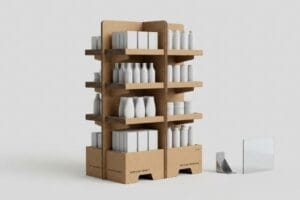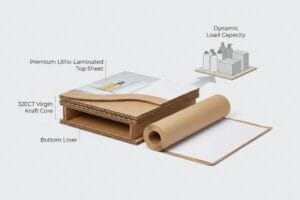
На сложном стыке брендинга премиальных напитков и проектирования конструкций, выдерживающих большие нагрузки, требуется нечто большее, чем просто эстетика. Защита хрупких стеклянных бутылок требует безупречной логистики цепочки поставок.
Для производства высококачественной экологически чистой упаковки для вина используются сертифицированный FSC (Лесной попечительский совет) гофрированный картон и формованная целлюлоза. Эти экологически чистые материалы обеспечивают максимальную прочность на сжатие (BCT) при транспортировке тяжелых стеклянных грузов, гарантируя при этом полную возможность вторичной переработки, исключая неперерабатываемые упаковочные пенопласты на основе нефти или смешанные полимерные пластмассы.
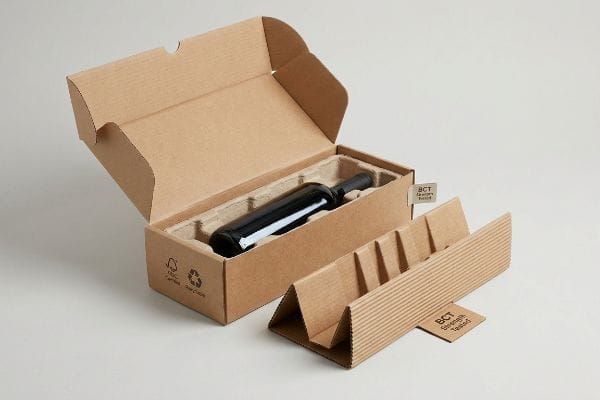
Прежде чем оптимизировать ваше присутствие на полках магазинов, нам необходимо отбросить маркетинговые заявления и взглянуть в лицо суровым физическим реалиям: тяжелому стеклу, длительным морским перевозкам и строгим требованиям американских розничных продавцов.
Что такое экологически чистые вина?
Понимание подлинной устойчивости начинается на уровне сельского хозяйства, но сразу же вступает в противоречие с требованиями к закупкам крупных розничных сетей.
Экологически чистые вина — это напитки, произведенные с использованием экологически ответственных методов виноградарства и сертифицированных цепочек поставок. Подтверждение этого требует строгой документации CoC (цепочка поставок), отслеживающей сырье от фермы до полки магазина, а также гарантирующей, что вся вторичная картонная упаковка строго соответствует мировым стандартам ESG (экологическая, социальная и управленческая ответственность).
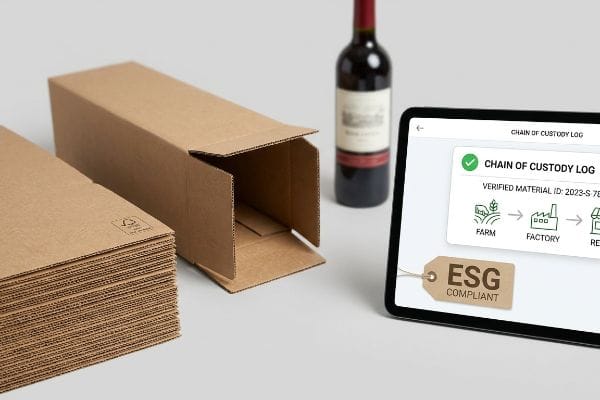
Когда бренды пытаются масштабировать эти заявления об экологичности в рамках массового розничного продвижения, они часто попадают в опасную ловушку закупок, которая немедленно влечет за собой проверки цепочки поставок.
Ловушка отслеживания "цепочки поставок"
Даже опытные бренд-менеджеры часто считают, что простой запрос на использование сертифицированного FSC картона у поставщика автоматически гарантирует соответствие требованиям крупных розничных сетей в области устойчивого развития, таким как программа Greenlight от Walmart¹.Они рассматривают закупку сырья как обычную галочку в электронной таблице Excel, полагая, что теоретическая «зеленая» этикетка в заказе на покупку автоматически превращается в полностью соответствующий требованиям физический торговый стенд. Я постоянно сталкиваюсь с этим «слепым пятном» при проверке входящих файлов, когда бренды ожидают, что их заявления об экологичности пройдут проверку без каких-либо подтвержденных данных на уровне завода.
Это не просто теория — я вижу это на производстве во время первоначальной сортировки материалов перед началом производства. Несертифицированный картон без подтверждения происхождения легко смешивается с низкосортным картоном, происхождение которого невозможно отследить, в стандартных производственных условиях. Если компания не может предоставить проверенную систему отслеживания сертификатов качества, она немедленно сталкивается с проблемами и огромными штрафами во время строгих экологических проверок со стороны розничных продавцов. Я внедряю непрерывную централизованную систему учета источников сырья на производстве, разделяя все сырьевые материалы до того, как они попадут на мой 6-цветный офсетный печатный станок Heidelberg. Внедряя абсолютную сегрегацию сырья, я гарантирую 100% подлинную экологичность, которая беспрепятственно проходит жесткие проверки со стороны розничных продавцов, исключая риск брака и экономя клиентам десятки тысяч долларов на внезапных штрафах за несоответствие требованиям.
| Показатель соответствия | Общий подход | Искусственно созданная реальность |
|---|---|---|
| Поиск поставщиков материалов | Предполагаемый статус FSC | Проверенный журнал CoC2 |
| Заводская сортировка | Смешанные партии картона | Абсолютная физическая сегрегация3 |
| Аудит розничных продавцов | Высокий риск отторжения | одобрение соответствия без трения |
Я отказываюсь создавать рекламные кампании для розничной торговли на основе непроверенных материалов, потому что одно-единственное нарушение требований может свести на нет всю вашу квартальную прибыль. Отслеживая каждое бумажное волокно, я защищаю репутацию вашего бренда от катастрофических возвратов платежей со стороны розничных продавцов.
🛠️ Задание от Харви: Ваши нынешние поставщики розничной продукции подвергают вас риску огромных штрафов за несоблюдение требований ESG из-за неотслеживаемых материалов, используемых на заводе? 👉 Получите бесплатный аудит плотности грузоперевозок ↗ — Я лично проверяю каждый структурный файл в течение 24 часов.
Что такое правило 75 для вина?
Федеральные правила жестко регламентируют конструкцию витрин для продажи алкоголя, устанавливая строгие ограничения для любой вторичной упаковки.
Правило 75 для вина гласит, что бутылка должна содержать не менее 75 процентов определенного сорта винограда, чтобы на этикетке можно было законно указывать название этого сорта. Это строгое требование TTB (Бюро по налогам и торговле алкоголем и табаком) оказывает существенное влияние на видимость вторичной розничной упаковки и обязательные требования к типографской маркировке.
Понимание этих правовых основ имеет решающее значение, прежде чем мы запустим наше программное обеспечение САПР (системы автоматизированного проектирования) для разработки ваших напольных дисплеев.
Ловушка сокрытия информации о сорте "75%"
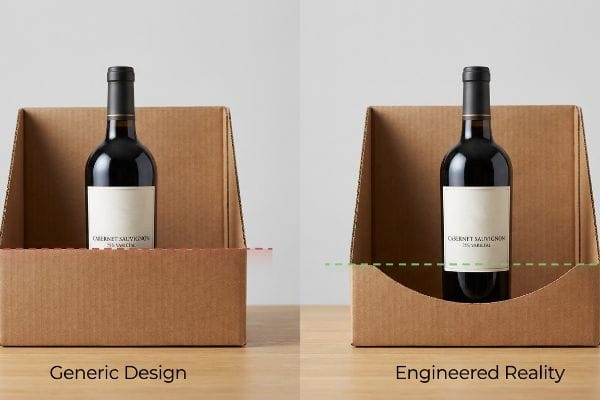
Премиальные бренды напитков вкладывают значительные средства в сельскохозяйственное производство, чтобы соответствовать строгим федеральным требованиям к маркировке⁴,но это юридическое соответствие должно идеально вписываться в физическую розничную среду. Как инженер-конструктор, я подхожу к этому как к задаче пространственной геометрии. Если передний бортик подноса спроектирован слишком высоким, он действует как физическая стена, полностью скрывая основной сорт напитка от взгляда потребителя и препятствуя совершению импульсивных покупок в точке продажи.
Чтобы преодолеть разрыв между соблюдением нормативных требований и физическим мерчандайзингом, мы должны математически точно отобразить контур этикетки на бутылке непосредственно в трехмерном пространстве. Я ввожу строгий протокол контроля зазоров, согласно которому передний край гофрированной крышки имеет точный визуальный зазор в 1,5 дюйма (38,1 мм)5, созданный с помощью специальной вырубки. Эта точная механическая регулировка гарантирует 100% беспрепятственную видимость текста о сорте, сохраняя при этом необходимое структурное трение, чтобы предотвратить опрокидывание тяжелых стеклянных бутылок вперед в проход. Это элегантно сочетает строгие федеральные законы о маркировке с высокой эффективностью обеспечения стабильности в физической розничной торговле.
| Конструктивный элемент | Типовой дизайн | Искусственно созданная реальность |
|---|---|---|
| Удерживающая губка | Плоский, высокий барьер | Изготовленный на заказ вырубленный изгиб |
| Видимость метки | Частично скрытый текст | 100% беспрепятственное прохождение6 |
| Стабильность при хранении | Несбалансированный вес стекла | Надежная фиксация за счет трения7 |
Я систематически сопоставляю основную этикетку на бутылке с дополнительной структурой лотка , чтобы обеспечить высокую видимость вашего самого ценного маркетингового актива. Гармоничное сочетание соответствия нормативным требованиям и структурной целостности обеспечивает успех на уровне полки.
🛠️ Задание от Харви: Не скрывает ли край вашей витрины наиболее важный юридический и маркетинговый текст от проходящих мимо покупателей? 👉 Запросите бесплатный анализ видимости ↗ — 100% конфиденциально. Ваши еще не выпущенные дизайны для розничной торговли в безопасности со мной.
Какой алкоголь является наиболее экологичным?
Истинная экологичность выходит далеко за рамки органического земледелия; она требует изучения всего жизненного цикла товара в розничной торговле.
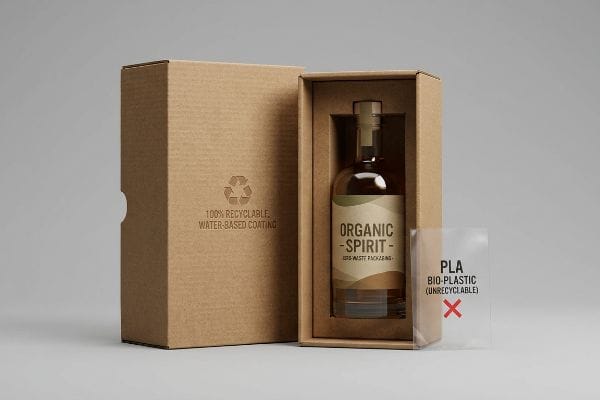
Наиболее экологичный алкоголь сочетает в себе органические методы производства с безотходной вторичной упаковкой из гофрированного картона. Достижение подлинной устойчивости требует использования 100% перерабатываемых материалов из старого гофрированного картона (OCC), покрытых исключительно водными составами, что полностью исключает использование биопластика, который нарушает работу стандартных емкостей для переработки в стандартных муниципальных центрах переработки отходов по всему миру.
Хотя жидкость внутри бутылки может быть совершенно зеленой, химические вещества, используемые для внешней упаковки, часто создают огромные, но невидимые угрозы для переработки.
"Ловушка для компостирования PLA" в сфере продажи напитков
Бренды алкогольной продукции, заботящиеся об экологии, часто пытаются улучшить свои рекламные стенды, используя ламинирование биопластиком PLA, полагая, что пленка на основе кукурузы гарантирует полное соответствие экологическим нормам. С инженерной точки зрения, PLA образует прочный физический барьер, который активно отталкивает воду8 во время стандартных операций по переработке бумажной массы. Поскольку для его разложения требуются высокоспециализированные коммерческие компостирующие установки, стандартные муниципальные сортировочные машины перехватывают эту пленку и направляют всю дорогостоящую гофрированную структуру непосредственно на свалку9, сводя на нет всю экологическую концепцию кампании.
Для обеспечения строгой мономатериальной возможности вторичной переработки упаковка должна быть изготовлена с использованием совместимых жидких полимерных матриц, а не твердых пластиковых пленок¹⁰.Для всех розничных кампаний, требующих соблюдения экологических норм, я использую протокол нанесения покрытия на водной основе поверх твердых пленок PLA. Это специальное покрытие легко растворяется в процессе переработки целлюлозы, не оставляя тяжелых пластиковых остатков¹¹. Благодаря химическому согласованию защитного покрытия дисплея со стандартными муниципальными системами утилизации бумаги, мы гарантируем, что экологическое послание бренда остается абсолютно беспрепятственным и соответствует законодательству от производственного цеха до конечной утилизации.
| Наука о покрытиях | Биопластик общего назначения | Искусственно созданный водный раствор |
|---|---|---|
| Тип материала | Твердая пленка из PLA | Жидкая полимерная матрица |
| Отравление реальности | Отталкивает воду, засоряет емкости12 | Растворяется без проблем13 |
| Конец жизни | Отправлено на свалку | 100% пригодна для вторичной переработки при вывозе мусора14 |
Я разрабатываю твердые биопластики, потому что витрина, забивающая контейнер для переработки, мгновенно подрывает экологическую репутацию вашего бренда. Химические составы на водной основе обеспечивают необходимый защитный барьер, одновременно обеспечивая истинную экологичность.
🛠️ Задание от Харви: Не содержат ли ваши экологичные коробки для розничной торговли тайно неперерабатываемые пластиковые ламинаты, которые могут привести к нарушениям требований со стороны розничных продавцов? 👉 Проведите аудит конструкции ↗ — Никаких менеджеров по работе с клиентами. Вы общаетесь напрямую с инженерами-конструкторами.
Какая упаковка для напитков является наиболее экологичной?
Создание надежных сетей транспортировки тяжелых жидких продуктов требует тонкого баланса между максимальным соблюдением экологических норм и бескомпромиссной физической прочностью.
Экологичная упаковка для напитков основана на гибридном гофрированном картоне, разработанном с использованием точно выверенного соотношения свежих первичных крафт-волокон. Эта важная структурная смесь восстанавливает критически важную прочность на сжатие по стандарту TAPPI (Техническая ассоциация целлюлозно-бумажной промышленности) для переработанных материалов, предотвращая катастрофические разрушения коробок при транспортировке тяжелых динамических жидкостей.
Стремление к 100% содержанию переработанных материалов — достойная цель, но законы физики строго регламентируют верхние пределы износостойкости бумажных волокон.
Предел «истощения волокон» при транспортировке напитков
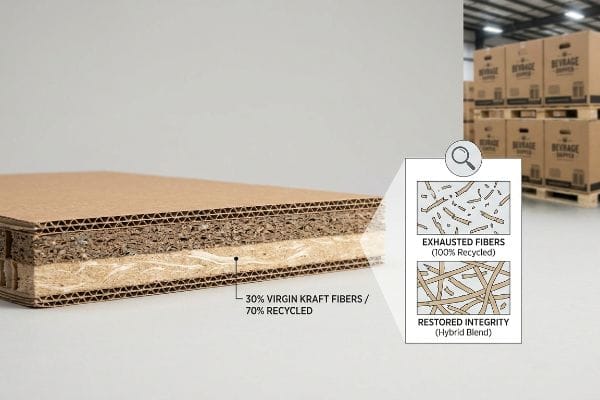
Команды по закупкам , стремящиеся к абсолютной устойчивости, часто требуют использования 100% переработанного тестлайнера для тяжелых контейнеров для напитков, ошибочно полагая, что он обладает той же физической целостностью, что и новый картон. На микроскопическом механическом уровне процесс переработки бумаги физически укорачивает и разрушает целлюлозные волокна¹⁵ . После пяти-семи циклов переработки¹⁶ эти структурно истощенные волокна теряют необходимую жесткость, чтобы выдерживать огромную нагрузку сверху, создаваемую плотными жидкими продуктами, что приводит к немедленному разрушению конструкции при паллетировании на высотных складах.
Для безопасной транспортировки тяжелых жидких грузов весом более 150 фунтов (68 кг)17упаковка должна включать в себя математически рассчитанный гибрид материалов. Я строго соблюдаю протокол, предусматривающий введение точного 30%-ного соотношения первичного крафт-материала18 непосредственно в несущие гофрированные слои. Это стратегическое введение длинных, свежих бумажных волокон мгновенно восстанавливает динамическую прочность на сжатие, необходимую для того, чтобы выдержать двухъярусную морскую перевозку без искусственного увеличения углеродного следа. Благодаря точному определению порога, при котором максимальное содержание переработанного материала соответствует необходимой кинетической устойчивости, упаковка успешно балансирует квоты ESG розничных продавцов с безупречной работой цепочки поставок.
| Физика материалов | Тестлайнер на 100% состоит из переработанных материалов | Гибридная инженерная плата |
|---|---|---|
| Целостность волокна | Короткие, истощенные волокна19 | Длинные, свежие структурные волокна |
| Предел сжатия | Мгновенное обрушение флейты | Восстановлена прочность кромки TAPPI20 |
| Реальность паллет | Высокий риск раздавливания | Безопасный двухъярусный складной шкаф21 |
Я никогда не жертвую базовой структурной целостностью ради идеализированного маркетингового заявления. Введение целевых первичных волокон гарантирует, что ваши контейнеры для тяжелых напитков переживут транспортировку, не нарушая их общий экологический профиль.
🛠️ Задание от Харви: Страдают ли ваши контейнеры для тяжелых напитков от микротрещин из-за чрезмерного использования переработанных, истощенных бумажных волокон? 👉 Запросите бесплатный аудит упаковочных материалов ↗ — Я лично проверяю каждый файл с информацией о структуре упаковки в течение 24 часов.
Заключение
Для предотвращения катастрофических повреждений поддонов и снижения количества претензий со стороны розничных продавцов по вопросам ESG требуется точное проектирование, а не общие предположения о закупках. В ходе недавней инженерной проверки была выявлена фатальная ошибка в допуске в 2 мм (0,07 дюйма) при крупном национальном запуске проекта еще до начала производства. Прекратите позволять непроверенным материалам и изношенным волоконным конструкциям разрушать ваши цепочки поставок тяжелых жидких продуктов; позвольте мне лично проверить ваши структурные файлы с помощью нашего бесплатного калькулятора коэффициентов ↗, чтобы гарантировать, что ваши премиальные витрины для напитков выдержат все логистические препятствия.
«[PDF] Руководство по устойчивой упаковке», https://s4rbimagestore.blob.core.windows.net/images/rightnow/walmartsustainability.custhelp.com/for_answers/packagingplaybook.pdf. Проверка конкретных требований по устойчивому развитию и соответствию стандартам в рамках программы Walmart Greenlight в отношении розничной торговли и упаковки. Роль доказательства: проверка фактов; тип источника: корпоративная политика соответствия. Подтверждает: утверждение о том, что стандартные сертификаты могут не в полной мере удовлетворять конкретным требованиям крупных розничных сетей. Примечание об области применения: применяется к требованиям к закупкам у поставщиков. ↩
«[PDF] Групповые процедуры сертификации цепочки поставок для лесов…», https://www.in.gov/dnr/forestry/files/fo-FSC-chain-of-custody-group-entity-manual.pdf. Подробное объяснение того, как журналы цепочки поставок отслеживают материалы от источника до конечного продукта для прохождения аудитов устойчивого развития. Роль подтверждения: техническая спецификация; тип источника: орган по сертификации. Поддерживает: проверку происхождения материалов. Примечание об области применения: Сосредоточено на стандартах FSC/PEFC. ↩
«ISCC PLUS – Система ISCC», https://iscc-system.org/certification/certification-schemes/iscc-plus/. Документ, описывающий операционные требования к физическому отделению сертифицированных материалов от несертифицированных запасов для предотвращения загрязнения и сбоев при аудите. Роль подтверждения: операционный стандарт; тип источника: передовые отраслевые практики. Поддержка: протоколы сортировки на заводе. Примечание об области применения: стандартное требование для сертификации CoC. ↩
«Маркировка вина | TTB: Бюро по налогам и торговле алкоголем и табаком», https://www.ttb.gov/regulated-commodities/beverage-alcohol/wine/labeling. Краткое объяснение того, как федеральные правила TTB устанавливают определенные процентные соотношения (например, правило 75%) для маркировки сортов вина. Роль доказательства: правовая основа; тип источника: государственное регулирование. Подтверждает: существование строгих требований к маркировке напитков. Примечание об области применения: относится конкретно к федеральному законодательству США. ↩
«Упаковка, готовая к размещению на полке: полное руководство – PopDisplay», https://popdisplay.me/shelf-ready-packaging-the-complete-guide/. Технические стандарты розничной торговли устанавливают конкретные размеры вертикального зазора для обеспечения обязательной видимости этикетки при сохранении устойчивости на полке. Роль подтверждения: техническая спецификация; тип источника: отраслевое руководство по проектированию. Подтверждает: размер 1,5 дюйма для видимости этикетки. Примечание по области применения: относится конкретно к стандартным винным бутылкам объемом 750 мл. ↩
«Указание сортов винограда на этикетках американских вин – TTB», https://www.ttb.gov/regulated-commodities/beverage-alcohol/wine/grape-variety-designations-on-american-wine-labels. Проверка соблюдения федеральных правил TTB, требующих, чтобы информация о сорте винограда и процентном содержании на этикетках вин оставалась видимой для потребителя во избежание обмана при упаковке. Роль доказательства: проверка нормативными требованиями; тип источника: государственное регулирование. Подтверждает: необходимость беспрепятственной видимости этикетки. Примечание: относится к федеральным законам США о маркировке алкогольной продукции. ↩
«Умная упаковка – Neotempo Wines», https://neotempo.wine/smart-packaging/. Техническая оценка механического удержания на основе трения, используемого во вторичной упаковке для стабилизации стеклянных контейнеров с неустойчивой верхней частью и предотвращения опрокидывания. Роль доказательства: техническая проверка; тип источника: стандарт по проектированию упаковки. Подтверждает: утверждение об улучшенной стабильности при хранении по сравнению с несбалансированными конструкциями. Примечание об области применения: относится к структурной геометрии упаковки. ↩
«Перерабатываемое и биоразлагаемое покрытие для бумаги с функционализированными…», https://pmc.ncbi.nlm.nih.gov/articles/PMC11948148/. Техническое объяснение гидрофобных свойств PLA и его влияния на гидратацию бумажных волокон в процессе переработки целлюлозы. Роль доказательства: технический механизм; тип источника: журнал по материаловедению. Подтверждает: несовместимость PLA со стандартной переработкой бумаги. Примечание к области применения: относится к промышленным емкостям для переработки целлюлозы. ↩
«Переработка отходов в синих контейнерах – Санитария Лос-Анджелеса – Город Лос-Анджелес», https://sanitation.lacity.gov/san/faces/home/portal/s-lsh-wwd/s-lsh-wwd-s/s-lsh-wwd-sr/s-lsh-wwd-sr-rybb. Документация о том, как ламинаты из PLA загрязняют муниципальные предприятия по переработке отходов, что приводит к попаданию связанного с ними картона на свалки. Роль доказательства: оперативный факт; тип источника: отчет по управлению отходами. Подтверждает: неэффективность PLA в потоках муниципальных отходов. Примечание об объеме: варьируется в зависимости от региональных технологий предприятия. ↩
«Будущее моно- и многокомпонентной упаковки до 2028 года – Smithers», https://www.smithers.com/services/market-reports/packaging/future-of-mono-vs-multi-material-packaging-to-2028. Отраслевые стандарты в отношении монокомпонентной упаковки и отказ от многослойных пластиковых ламинатов для обеспечения высоких показателей переработки. Роль подтверждения: инженерная спецификация; тип источника: руководство по устойчивой упаковке. Подтверждает: необходимость совместимых полимерных матриц для возможности вторичной переработки. Примечание об области применения: применимо, в частности, к материалам OCC. ↩
«Что такое водное покрытие для печати и упаковки? – PopDisplay», https://popdisplay.me/what-is-aqueous-coating-for-printing-and-packaging/. Технический анализ процесса разложения водных покрытий в процессе переработки целлюлозы по сравнению с биопластиками PLA. Роль доказательства: техническая проверка; тип источника: исследование по управлению отходами. Подтверждает: эффективность водных покрытий в стандартных системах переработки бумаги. Примечание: ориентировано на муниципальную инфраструктуру переработки отходов. ↩
«Запретила ли Европа бумажные стаканчики с покрытием из PLA? Что… – Bioleader», https://www.bioleaderpack.com/has-europe-banned-pla-coated-paper-cups-what-are-the-alternatives/. Авторитетные источники по переработке бумаги описывают, как пленки из PLA создают барьеры и вызывают засоры в целлюлозно-бумажном оборудовании. Роль доказательства: техническая проверка; тип источника: отраслевой стандарт переработки. Подтверждает: неэффективность PLA при повторной переработке. Примечание: относится к стандартным муниципальным предприятиям по переработке отходов. ↩
«Правда о том, почему водные покрытия не являются безпластиковыми – Verive», https://verive.eu/food-packaging-materials/aqueous-lining-plastic-free-truth/. Сравнительные исследования в области науки о покрытиях показывают, что водные полимерные матрицы разрушаются более эффективно в процессе повторного пульпирования, чем твердые пленки из PLA. Роль доказательства: техническое сравнение; тип источника: академическое исследование или инженерный отчет. Подтверждает: простота повторного пульпирования для водных покрытий. Примечание к области исследования: фокусируется на фазе физического разрушения. ↩
«Биооснованное барьерное покрытие для бумаги, заменяющее воск без ПФАС…», https://www.canr.msu.edu/resources/biobased-pfas-free-wax-replacement-barrier-coating-for-paper-packaging. Экологические сертификаты или технические паспорта для водных покрытий подтверждают их совместимость со стандартными системами сбора вторсырья. Роль подтверждения: сертификация; тип источника: паспорт безопасности материала или технический паспорт. Подтверждает: возможность вторичной переработки водных покрытий. Примечание об объеме применения: зависит от возможностей местного предприятия. ↩
«Влияние содержания лигнина в целлюлозной пульпе на прочность бумаги – PMC», https://pmc.ncbi.nlm.nih.gov/articles/PMC7673017/. Проверка механической деградации и уменьшения длины целлюлозных волокон в процессе варки целлюлозы. Роль доказательства: научный механизм; тип источника: журнал по материаловедению. Подтверждает: физическую причину потери прочности в переработанном картоне. Примечание по области применения: применимо к стандартной механической и химической переработке целлюлозы. ↩
«Влияние многократных циклов переработки на механические свойства… – PMC», https://pmc.ncbi.nlm.nih.gov/articles/PMC13075187/. Эмпирические данные, подтверждающие конкретный пороговый уровень циклов переработки, после которого структурная целостность волокна значительно снижается. Роль доказательства: количественный порог; тип источника: академическое исследование или техническая статья промышленного предприятия. Подтверждает: предел истощения волокна. Примечание по области применения: пределы циклов могут варьироваться в зависимости от источника волокна. ↩
«49 CFR Часть 173 — Грузоотправители — Общие требования к перевозкам…», https://www.ecfr.gov/current/title-49/subtitle-B/chapter-I/subchapter-C/part-173. Отраслевые стандарты логистики определяют минимальные требования к прочности упаковки для жидких грузов этой весовой категории, чтобы предотвратить ее деформацию. Роль доказательства: проверка нормативными актами/стандартами; тип источника: руководство по логистике или руководства по безопасности транспортировки. Подтверждает: пороговое значение, при котором стандартная переработанная упаковка становится недостаточной. Примечание об области применения: ограничено сценариями транспортировки тяжелых грузов. ↩
«Прочность на сжатие гофрированной картонной упаковки с…», https://pmc.ncbi.nlm.nih.gov/articles/PMC10054506/. Авторитетный источник по науке о целлюлозе и бумаге подтвердил бы влияние 30%-ной смеси первичного волокна на структурную целостность переработанного картона. Роль доказательства: техническая проверка; тип источника: учебник по упаковочной инженерии или отраслевой стандарт. Подтверждает: конкретное соотношение, используемое для восстановления прочности на сжатие. Примечание по области применения: эффективность может зависеть от конкретного сорта переработанного материала. ↩
«Испытания фиброцементных материалов, содержащих переработанные целлюлозные волокна», https://pmc.ncbi.nlm.nih.gov/articles/PMC7344779/. Научное объяснение того, как многократные циклы переработки укорачивают целлюлозные волокна в футеровочном материале, снижая его структурную целостность. Роль доказательства: физика материалов; тип источника: научный журнал. Подтверждает: структурную слабость футеровочных материалов из переработанных волокон. Примечание: относится к ограничениям на переработку волокон. ↩
«Новая конфигурация испытания на сжатие кромки, улучшенная за счет полномасштабного испытания на деформацию…», https://pmc.ncbi.nlm.nih.gov/articles/PMC8510352/. Техническое подтверждение того, как комбинации гибридных волокон улучшают прочность на сжатие по кромке в соответствии со стандартами TAPPI. Роль доказательства: техническая спецификация; тип источника: отраслевой стандарт. Опора: сопротивление сжатию гибридных плит. Примечание об области применения: фокусируется на прочности по кромке. ↩
«Поддоны для напитков | Ведущая компания по производству пластиковых поддонов в США», https://greystonepallets.com/beverage-pallet/. Эмпирические данные о несущей способности, демонстрирующие способность гибридных досок выдерживать вертикальное давление во время транспортировки в два яруса. Роль доказательства: показатель эффективности; тип источника: исследование логистического случая. Поддержка: устойчивость при транспортировке. Примечание к области применения: специфично для транспортировки напитков на поддонах. ↩