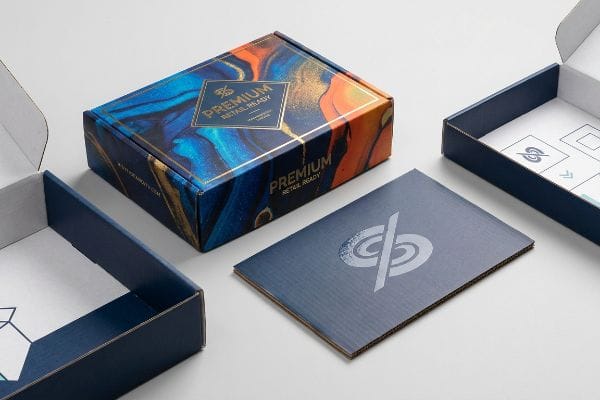
Бренды требуют премиальной эстетики в розничной торговле, не жертвуя при этом экологичностью или скоростью. Развитие технологий печати превратило обычный коричневый картон в высококачественное маркетинговое полотно, привлекающее внимание покупателей на полках магазинов.
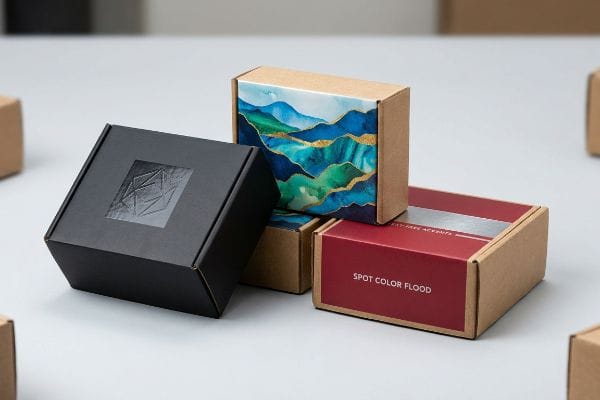
К числу достижений в области графики для гофрированной упаковки относятся УФ-печать на планшетных принтерах, ламинирование с эффектом мягкого прикосновения и технология заливки цветом. Эти инновации устраняют традиционные проблемы допечатной подготовки, предотвращают появление полутоновой зернистости на пористых материалах и обеспечивают тактильные, высококонтрастные визуальные эффекты, превращая стандартные транспортные коробки в премиальные, готовые к продаже товары.
Но знания теоретических возможностей современных печатных станков недостаточно, когда ваши заготовки попадают в цех.
Каково будущее гофрированной упаковки?
Времена, когда приходилось неделями ждать изготовления металлических печатных форм, прошли. Розничная торговля развивается со скоростью социальных сетей, и упаковка должна мгновенно адаптироваться.
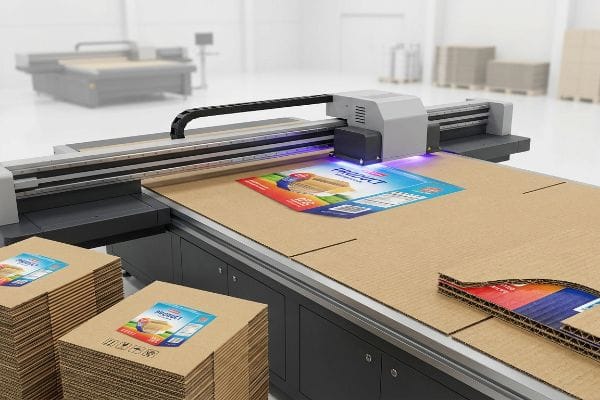
Будущее гофрированной упаковки во многом зависит от прямой УФ-цифровой печати на картоне. Эта технология, не требующая печатных форм, мгновенно затвердевает под воздействием ультрафиолетового света, обходя традиционные жидкие клеи и деформацию от влаги, что позволяет создавать гибкие, высококачественные небольшие тиражи, соответствующие темпам розничных кампаний.
Обход аналоговых узких мест звучит идеально на бумаге, но только если вы понимаете, как чернила физически взаимодействуют с подложкой.
Почему прямое УФ-отверждение заменяет аналоговые узкие места
Начинающие дизайнеры часто считают, что традиционная литография с ламинированием — единственный способ добиться высококачественной графики на толстых дисплеях. Они строят сложные графики, ожидая, пока будут напечатаны и приклеены к гофрированной основе листы с покрытием , которые затем оставляют сохнуть на несколько дней¹ .
Этот медленный аналоговый процесс снижает скорость вывода продукции на рынок. На моем предприятии я регулярно вижу, как бренды упускают возможность запуска своей продукции в розничную продажу, потому что традиционный клей на водной основе ПВА (поливинилацетат) сохнет 24 часа²,оставляя сильный запах засохшего клея на полу цеха. Я решаю эту проблему, полностью перейдя на УФ-печать на планшетном принтере для быстрого развертывания. Благодаря мгновенной полимеризации чернил в ту же миллисекунду, когда они попадают на основу, я полностью исключаю использование влажного клея. Вы получаете сверхчеткую графику без деформации от влаги, что ускоряет общее время сборки и упаковки примерно на 20%³ и позволяет вывести ваши дисплеи в магазины на несколько недель раньше.
| Распространённая ошибка новичков | Профессиональное решение | Преимущества для торговых площадей |
|---|---|---|
| Использование медленных аналоговых печатных форм | Цифровая УФ-печать непосредственно на картон | Сокращает сроки поставки на 14 дней4 |
| Использование влажного клея ПВА для срочных работ | Мгновенная полимеризация чернил под воздействием УФ-излучения5 | Полностью предотвращает деформацию от влаги6 |
| Перепроизводство для оправдания затрат на оснастку | Гибкие краткосрочные цифровые пакеты | Устраняет неликвидные складские запасы |
Я не позволю аналоговым задержкам допечатной подготовки испортить быстро развивающийся сезонный запуск. Переход на цифровую печать без использования печатных форм гарантирует, что ваш бренд появится на полках магазинов именно тогда, когда начнется маркетинговая кампания.
🛠️ Рабочий стол Харви: Замедляют ли аналоговые печатные формы запуск вашей срочной рекламной кампании? 👉 Запросите аудит цифровой целесообразности ↗ — Прямой доступ к моему рабочему столу. Никакого автоматического спама с рекламными предложениями, обещаю.
Каков процесс печати на гофрированных коробках?
Вдавливание чернил в волокна необработанной бумаги — это сложный химический процесс. Нельзя обращаться с пористой бумагой так же, как с глянцевой страницей журнала.
Процесс печати на гофрокартонных коробках обычно включает флексографическую прямую печать, литографическое ламинирование или цифровую планшетную печать. Каждый метод по-разному наносит чернила на бумажные волокна, что требует строгой допечатной калибровки для управления увеличением размера точки, поглощением поверхности и плотностью цвета в условиях яркого освещения в торговых помещениях.
Вы можете выбрать идеальный оттенок на экране с подсветкой, но реальная бумага расскажет совсем другую историю.
Скрытая опасность полутонового эффекта CMYK
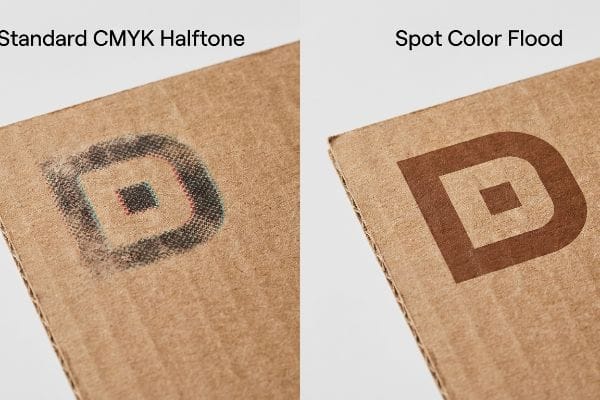
Многие маркетинговые команды часто преобразуют стандартные корпоративные логотипы в стандартные форматы CMYK (голубой, пурпурный, желтый, ключевой) перед отправкой файлов на завод. Они предполагают, что цифровая печать будет идеально соответствовать их цифровым трафаретамна всех типах упаковочных материалов.
Такое предположение приводит к масштабной визуальной катастрофе на необработанном тестовом картоне. При проверке стандартных четырехцветных отпечатков на незапечатанных листах я вижу крошечные перекрывающиеся полутоновые точки, неравномерно впитывающиеся в шероховатые волокна⁸,оставляя порошкообразную, блеклую поверхность, которая на ощупь кажется шероховатой. Чтобы предотвратить эту полутоновую грязь, я ввожу протокол заливки плашечными цветами для основных логотипов. Заменив оптическое смешивание точек CMYK одной плотно смешанной краской Pantone⁹,я обеспечиваю плавную заливку пигментом, которая максимально повышает контрастность и видимость бренда с расстояния 6 метров. Это устраняет размытые края и предотвращает отказ розничных продавцов от демонстрации товаров, которые выглядят как дешевые подделки.
| Распространённая ошибка новичков | Профессиональное решение | Преимущества для торговых площадей |
|---|---|---|
| Печать сплошных логотипов с использованием CMYK | Указание точных плашечных цветов Pantone10 | Обеспечивает видимость в проходе шириной 30 футов |
| Игнорируя поглощение волокнами сырой бумаги11 | Заливая доску густыми чернилами | Предотвращает выцветание фирменных цветов |
| Доверие к экранам компьютеров с подсветкой | Физическое соответствие цвета при нанесении12 | Обеспечивает строгое соответствие фирменному стилю |
Я никогда не допускаю попадания некалиброванного CMYK-файла на свои печатные станки. Изолирование важнейших фирменных цветов с помощью специальной плашечной краски — единственный математически обоснованный способ гарантировать оптическое превосходство в переполненном торговом зале.
🛠️ За столом Харви: Задумываетесь, почему ваш яркий логотип выглядит блеклым и мутным на необработанном картоне? 👉 Получите бесплатную проверку цвета на этапе допечатной подготовки ↗ — Скачайте безопасно. Мой почтовый ящик открыт, если у вас возникнут вопросы позже.
Какие тенденции формируют современный дизайн упаковки и этикеток?
Бренды активно стремятся к созданию тактильных ощущений, чтобы выделиться. Если упаковка производит впечатление премиального товара, потребитель сразу же воспринимает продукт как высококачественный.
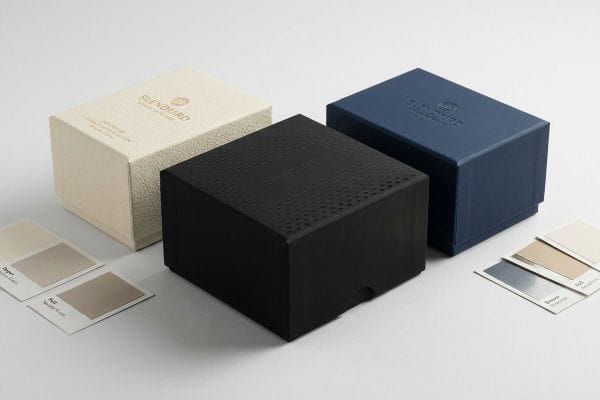
Современный дизайн упаковки и этикеток все чаще формируется за счет тактильных поверхностей, таких как термоламинирование с эффектом мягкого прикосновения, толстослойные УФ-лаки и тиснение. Эти мультисенсорные тенденции стимулируют импульсивные покупки, превращая обычный картон в роскошные, гладкие на ощупь материалы, которые визуально и физически меняют облик розничной торговли.
Однако добавление текстуры класса люкс влечёт за собой сложные химические реакции, которые могут полностью подорвать основной графический стиль вашего бренда.
Объяснение эффекта «тактильного оптического затемнения»
Бренд-команды любят использовать высококачественную термоламинацию с мягким покрытием13 для своих эксклюзивных демонстрационных лотков. Они рассматривают ее как простой невидимый слой, полагая, что она визуально не повлияет на напечатанные цвета Pantone.
Представьте себе мягкую на ощупь пленку как сильно затемненные солнцезащитные очки на упаковке. В моем цехе я измеряю микроскопическую полимерную структуру этой гладкой, бархатистой пленки и наблюдаю, как она действует как поглощающий свет вакуум. Когда неопытные закупщики пропускают компенсацию на этапе допечатной подготовки, пленка физически затемняет печатные пигменты до 5%¹⁴, вызывая резкое изменение цвета Delta-E. Я исправляю это, внедряя математическую кривую уменьшения голубого цвета на 10% в программное обеспечение RIP¹⁵( растровый процессор изображений) перед печатью. Заранее осветляя базовые чернила, я преодолеваю поглощение света полимером, избавляя клиентов от катастрофической перепечатки стоимостью в несколько тысяч долларов, вызванной забракованными, некачественными торговыми стендами.
| Распространённая ошибка новичков | Профессиональное решение | Преимущества для торговых площадей |
|---|---|---|
| Наклеивание мягкой на ощупь пленки вслепую | Впрыскивание допечатной цветовой компенсации16 | Строго придерживается фирменных цветов |
| Игнорируя цветовой сдвиг Delta-E17 | Сканирование с помощью физического спектрофотометра | Предотвращает дорогостоящие отказы со стороны розничных продавцов |
| Предположим, что тактильная пленка невидима | Математическое сокращение плотности чернил18 | Сохраняет яркость и четкость графики |
Я физически сканирую каждый ламинированный оттиск при освещении D50, потому что отказываюсь гадать о физике цвета. Необходимо активно корректировать кривые допечатной подготовки, чтобы противостоять эффекту оптического затемнения, характерному для высококачественных пленок.
🛠️ Задание от Харви: Ваша последняя партия коробок с матовым ламинированием неожиданно получилась темной и мутной? 👉 Закажите руководство по предпечатной ламинации ↗ — Никаких форм, которые приводят к бесконечным звонкам от отдела продаж. Только выгода.
Что такое дизайн упаковки?
Разработка дизайна для плоского экрана совершенно отличается от разработки дизайна для трехмерной складной конструкции. Ваше изображение должно физически выдержать обработку на автоматизированном вырубном оборудовании.
Дизайн упаковки — это стратегическая интеграция типографики, фирменных цветов и изображений на точно выверенной структурной вырубке. Он требует расчета допусков на механические сгибы, учета полей для автоматической вырубки и согласования визуальной иерархии с физической геометрией собранного торгового стенда.
Но знания теории недостаточно, когда машины начинают запускать вашу высокоскоростную производственную партию.
Почему стандартные коммерческие системы прочистки труб не работают на заводе
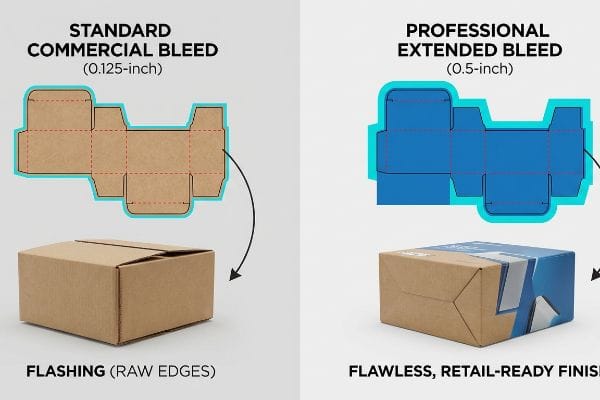
Графические дизайнеры, переходящие из коммерческой печати, часто применяют стандартные поля обрезки шириной 0,125 дюйма (3,17 мм)19 к для печати на гофрированной бумаге . Логично предположить, что тонкой защитной сетки достаточно, чтобы закрыть край режущего лезвия.
В моем цехе я регулярно наблюдаю, как крошечный отступ эффектно нарушается во время автоматической литографической ламинации. Приклеивание печатного верхнего листа к толстому картону с гофрированной структурой создает более широкий механический сдвиг20, поскольку влажный клей схватывает бумагу. Когда стальная линейка ударяет по картону с громким механическим хрустом, стандартного отступа в 0,125 дюйма (3,17 мм)21 оказывается недостаточно, что приводит к «облою» — обнажению необработанных коричневых краев на готовом сложенном изделии. Я строго соблюдаю огромный отступ в 0,5 дюйма (12,7 мм) за физической линией обрезки для всех ламинированных изделий. Благодаря значительному расширению изображения я гарантирую, что графика полностью обернется вокруг каждого открытого края, исключая ручную доработку и экономя клиентам примерно 2500 долларов на ненужных работах по монтажу.
| Распространённая ошибка новичков | Профессиональное решение | Преимущества для торговых площадей |
|---|---|---|
| При использовании поля для печати 0,125 дюйма (3,17 мм)22 | Обязательный сброс давления 0,5 дюйма (12,7 мм)23 | Предотвращает появление необработанных коричневых краев |
| Игнорируя механическое смещение ламинирования24 | Расширение графических элементов за пределы радиуса сгиба | Гарантирует превосходный внешний вид |
| Обращение с гофрированным картоном как с тонкой бумагой | Создание масштабной системы безопасности | Исключает задержки, связанные с доработкой на заводе |
Я немедленно верну дизайнеру файл, если в нем отсутствует полудюймовый отступ. Обеспечение этой существенной физической защиты является обязательным условием для получения безупречного, готового к продаже результата.
🛠️ Совет от Харви: Не позволяйте двухмиллиметровому структурному дефекту испортить запуск продаж в 500 магазинах. 👉 Пришлите мне файл с чертежами ↗ — Я проверю расчеты, прежде чем вы потратите бюджет на массовое производство.
Заключение
Вы можете утвердить прекрасное цифровое изображение, но когда стандартный отступ в 0,125 дюйма (3,17 мм) нарушается во время автоматической ламинации, оставляя незакрашенные коричневые края, это вызывает огромные проблемы, замедляя конвейер примерно на 30% и приводя к немедленному отказу со стороны розничных продавцов. Более 500 бренд-менеджеров используют мой контрольный список для допечатной подготовки, чтобы избежать именно этих фатальных ошибок на ранних этапах. Перестаньте гадать о заводских допусках и позвольте мне лично проверить ваш макет с помощью моей бесплатной предпечатной проверки высечки ↗, чтобы выявить фатальные ошибки до начала массового производства.
«Литофилламинированная микрофлейта», https://mm.group/packaging/technologies/lamination/. Технические характеристики литофилламинирования подтверждают, что для отверждения клея между печатной подложкой и гофрированным слоем требуется значительное время выдержки, чтобы предотвратить деформацию. Роль доказательства: проверка технического процесса; тип источника: руководство по промышленному производству. Подтверждает: утверждение о том, что аналоговые процессы создают временные узкие места. Примечание к области применения: конкретная продолжительность зависит от химического состава клея. ↩
"Сколько времени сохнет клей ПВА на дереве, бумаге и картоне? | lux-x", https://lux-x.com/en/novosti/skilki-sohne-klej-pva-na-riznih-poverhnyah/. Техническое подтверждение временных рамок высыхания и отверждения промышленных клеев на основе поливинилацетата. Роль подтверждения: Техническая спецификация; тип источника: Технический паспорт материала или руководство по производству. Подтверждает: Сравнение аналогового времени высыхания и цифрового мгновенного отверждения. Примечание по области применения: Время отверждения может варьироваться в зависимости от влажности окружающей среды и пористости подложки. ↩
«Сила цифровой печати в упаковке и дисплеях», https://www.bcipkg.com/the-power-of-digital-printing-in-packaging-and-displays/. Данные отрасли о повышении производительности при исключении этапов сушки влажного клея в процессе сборки. Роль доказательства: Показатель производительности; тип источника: Отраслевой аналитический отчет или тематическое исследование. Подтверждает: Утверждение о повышении операционной эффективности за счет УФ-отверждения. Примечание к области применения: Процентное значение является приблизительной оценкой, основанной на средних рабочих процессах предприятия. ↩
«Печать коробок по запросу: полное руководство по повышению эффективности в 2026 году», https://arrsys.com/eliminating-wasted-inventory-the-ultimate-guide-to-on-demand-box-printing-2026/. Авторитетный отраслевой эталон или тематическое исследование могли бы подтвердить среднее сокращение времени выполнения заказа при переходе от аналоговых печатных форм к цифровой УФ-печати. Роль доказательства: количественная проверка; тип источника: отчет об отраслевом эталоне. Подтверждает: повышение эффективности времени выполнения заказа. Примечание: фактическое сокращение может варьироваться в зависимости от объема печати и поставщика. ↩
«Понимание роли взаимодействия бумаги и чернил в… – PMC», https://pmc.ncbi.nlm.nih.gov/articles/PMC10145729/. Техническая документация по фотополимеризации подтвердит химический процесс и скорость отверждения УФ-чернил на подложках из печатной платы. Роль доказательства: техническая проверка; тип источника: журнал по материаловедению. Подтверждает: механизм отверждения. Примечание к области применения: ограничено системами УФ-отверждаемых чернил. ↩
«Скручивание гофрированного картона: причины и способы устранения», https://imisrise.tappi.org/download.aspx?key. Сравнительные исследования в области упаковочной инженерии продемонстрируют, как исключение клеев на водной основе с помощью УФ-отверждения предотвращает деформацию подложки. Роль доказательства: проверка физических свойств; тип источника: исследование в области упаковочной инженерии. Подтверждает: заявления о структурной целостности. Примечание: эффект зависит от конкретного сорта картона и влажности окружающей среды. ↩
«RGB против CMYK: руководство по идеальным цветам для печати 2026 года», https://www.jukeboxprint.com/blog/rgb-vs-cmyk-for-print. Техническое объяснение различий между аддитивными цветовыми моделями RGB, используемыми в цифровых экранах, и субтрактивной CMYK-печатью на пористых подложках. Роль доказательства: техническая проверка; тип источника: отраслевой стандарт полиграфической промышленности. Подтверждает: несоответствие между цифровым дизайном и физическим результатом. Примечание по области применения: конкретно в отношении немелованного гофрированного картона. ↩
«Галохромные чернила, нанесенные на картон для предотвращения порчи продуктов питания…», https://pmc.ncbi.nlm.nih.gov/articles/PMC9502810/. Техническое объяснение увеличения размера точек и капиллярного эффекта в пористых бумажных подложках, вызывающих деградацию полутонов. Роль доказательства: механическая проверка; тип источника: учебник по полиграфии. Подтверждает: утверждение о неравномерном впитывании в волокна бумаги. Примечание об области применения: относится конкретно к незапечатанным тестовым лайнерам. ↩
«Плавные цвета против CMYK для дизайна упаковки – что лучше…», https://stampaprints.com/blog/spot-color-vs-cmyk-for-packaging/?srsltid=AfmBOormModg4WRRraP9y67byGuxEiK_Vypw044zlHdAwE5bBEz7oeTe. Технические доказательства более высокой непрозрачности и насыщенности предварительно смешанных плашечных красок по сравнению с полутоновой CMYK на абсорбирующих материалах. Роль доказательства: техническая проверка; тип источника: руководство по управлению цветом. Подтверждает: утверждение о том, что плашечные цвета максимально повышают узнаваемость бренда. Примечание по области применения: специфично для высококонтрастного брендинга на пористых подложках. ↩
«PMS против CMYK для упаковки: что лучше?», https://pax.solutions/corrugated-packaging/pms-vs-cmyk-for-packaging/. Авторитетное руководство по печати объяснило бы, почему плашечные цвета обеспечивают более высокую насыщенность и однородность на пористых подложках, чем триадные цвета CMYK. Роль подтверждения: техническая проверка; тип источника: отраслевой стандарт. Подтверждает: использование цветов Pantone для повышения узнаваемости бренда. Примечание по области применения: специфично для гофрированных/немелованных материалов. ↩
«Влияние красителей на содержание тяжелых металлов в переработанном картоне…», https://bioresources.cnr.ncsu.edu/resources/the-effect-of-colorants-on-the-content-of-heavy-metals-in-recycled-corrugated-board-papers/. В технических статьях по материаловедению или полиграфии подробно описывается, как пористость волокон сырой бумаги приводит к впитыванию чернил и размыванию цвета. Роль доказательства: научный механизм; тип источника: техническая статья. Подтверждает: утверждение о том, что впитывание волокон влияет на яркость цвета. Примечание по области применения: относится к немелованному крафт-картону и тестовому лайнерному картону. ↩
«Цифровой процесс для создания более качественных схем нанесения чернил – pffc-online.com», https://www.pffc-online.com/news/16490-a-digital-process-to-create-better-ink-drawdowns. Профессиональный ресурс по графическому дизайну сравнивал бы неточность RGB-подсветки экранов с физическими образцами чернил для окончательного утверждения производства. Роль доказательства: передовая практика в отрасли; тип источника: профессиональное руководство по печати. Подтверждает: необходимость схем нанесения чернил для соответствия фирменному стилю. Примечание об области применения: стандарт для офсетной и флексографической печати. ↩
«Что такое точность цветопередачи в упаковке? Подбор цветов по системе Pantone…», https://3dcolor.com/what-is-color-accuracy-in-packaging-pantone-matching-delta-e-and-why-brand-color/. Техническая спецификация или руководство по печати, объясняющее, как тактильные пленки изменяют визуальное восприятие и насыщенность основных печатных цветов. Роль доказательства: Техническая проверка; тип источника: Руководство полиграфической отрасли. Подтверждает: Утверждение о том, что тактильные поверхности влияют на восприятие цвета. Примечание по области применения: Сосредоточено на термоламинировании. ↩
«Устранение неполадок, связанных со сдвигом цвета при ламинировании – Университет Нобелуса», https://nobelusuniversity.com/2023/02/17/troubleshooting-color-shift-in-lamination/. Технические данные, подтверждающие конкретный процент потемнения пигмента и результирующий сдвиг цвета Delta-E, вызванный полимерными пленками с мягким покрытием. Роль доказательства: количественная оценка; тип источника: техническое руководство по полиграфическому производству. Подтверждает: конкретное измерение оптического потемнения. Примечание по области применения: результаты могут различаться в зависимости от производителя пленки. ↩
"Настройка компенсации усиления точки в программном обеспечении RIP для полутоновой печати...", https://www.youtube.com/watch?v=BjgkGau4rdc. Отраслевые стандарты для корректировки цветовых кривых в программном обеспечении для обработки растровых изображений с целью компенсации светопоглощающих свойств матовых или мягких на ощупь покрытий. Роль подтверждения: проверка процесса; тип источника: техническое руководство по допечатной подготовке. Поддерживает: использование уменьшения яркости голубого цвета для поддержания точности цветопередачи бренда. Примечание по области применения: точные проценты часто калибруются на предприятии. ↩
«Ламинирование с эффектом мягкого прикосновения: поднимите упаковку на новый уровень роскоши», https://www.epackprinting.com/support/soft-touch-lamination-add-a-velvety-luxurious-feel-to-your-products/. Технические руководства по полиграфическому производству объясняют, как покрытия с эффектом мягкого прикосновения изменяют поглощение света, что требует допечатной корректировки цвета для сохранения соответствия фирменному стилю. Роль доказательства: техническая проверка; тип источника: отраслевое руководство. Подтверждает: необходимость цветовой компенсации для пленок. Примечание об области применения: относится только к покрытиям с эффектом мягкого прикосновения. ↩
«Что такое Delta E (ΔE)? Понимание различий в цвете при контроле качества», https://sensing.konicaminolta.eu/mi-en/colourblogtop/colour-blog/whatisdeltae. В литературе по науке о цвете Delta-E определяется как стандартный показатель воспринимаемых различий в цвете, которые могут усиливаться при использовании тактильных накладок. Роль доказательства: определение показателя; тип источника: научный журнал. Подтверждает: использование спектрофотометров для измерения цветовых отклонений. Область применения: общая наука о цвете, применяемая к упаковке. ↩
«Понимание важности баланса серого для управления технологическим процессом», https://www.youtube.com/watch?v=fLTLIb-BbII. Профессиональные стандарты печати описывают требование уменьшить общее покрытие чернилами (TAC) для предотвращения оптического потемнения при нанесении тактильных пленок. Роль подтверждения: техническая спецификация; тип источника: профессиональное руководство по печати. Подтверждает: уменьшение плотности чернил для повышения четкости изображения. Примечание об области применения: применяется к тактильным покрытиям. ↩
«Будет вылет страниц (и другие дизайнерские термины, которые вам следует знать)», https://dar.uga.edu/2019/there-will-be-bleed-and-other-design-terms-you-should-know/. Краткое объяснение того, как авторитетный внешний источник подтверждает это утверждение. Роль доказательства: проверка технических характеристик; тип источника: руководство по полиграфическому производству. Подтверждает: стандартный отраслевой показатель вылета страниц при коммерческой печати. Примечание по области применения: обычно применяется к листовой коммерческой печати. ↩
«Понимание литографически ламинированной упаковки и однослойной упаковки…», https://pmpackaging.com/posts/2025/03/understanding-litho-laminated-packaging. Краткое объяснение того, как авторитетный внешний источник подтверждает это утверждение. Роль доказательства: валидация процесса; тип источника: учебник по упаковочной инженерии. Подтверждает: физическое явление смещения бумаги во время процесса ламинирования с использованием влажного клея. Примечание к области применения: фокусируется на ошибках совмещения, вызванных клеем. ↩
«Литофло-ламинирование против цифровой печати: мнение промышленного покупателя…», https://mdmpkg.com/litho-laminted-vs-digital-printing-premium-corrugated-packaging-2/. Краткое объяснение того, как авторитетный внешний источник подтверждает это утверждение. Роль доказательства: техническая спецификация; тип источника: руководство по производству. Подтверждает: недостаточность стандартных коммерческих полей для обрезки в процессах ламинирования с высокой скоростью смены кадров. Примечание об области применения: специфично для применения с гофрированным картоном типа B. ↩
«Понимание важности поля для обрезки в дизайне упаковки», https://epacflexibles.com/understanding-the-importance-of-bleed-in-packaging-design/?srsltid=AfmBOooqFchFyOYjS-J2t_XSFFIWN4KENL28bvMGJvEhG-02C47RH6er. Проверка стандартных размеров поля для обрезки при коммерческой печати и объяснение того, почему они часто недостаточны для сложной 3D-упаковки. Роль доказательства: техническая спецификация; тип источника: справочник полиграфической отрасли. Подтверждает: выявление несоответствия стандартных полей для обрезки. Примечание по области применения: сравнение коммерческой печати и промышленной упаковки. ↩
«Как мы используем поля для обрезки в наших индивидуальных проектах – CompanyBox», https://companybox.com/blog/how-we-use-bleed-in-our-custom-designs/. Подтверждение требований к расширенным полям для обрезки, необходимым для предотвращения появления необработанных краев при автоматической высечке. Роль подтверждения: технический стандарт; тип источника: руководство по производству упаковки. Поддержка: профессиональное решение проблемы промышленных полей для обрезки. Примечание об области применения: специфично для производственных сред с высокими требованиями к точности. ↩
«Моделирование складок упаковки в металлополимерных ламинатах», https://openresearch.surrey.ac.uk/esploro/outputs/doctoral/Modelling-of-packaging-folds-in-metal-polymer/99514343102346. Техническое объяснение смещения слоев ламинирования в процессе складывания и его влияния на выравнивание графики. Роль доказательства: техническое явление; тип источника: журнал по упаковочной инженерии. Подтверждает: необходимость расширения графики за пределы радиусов сгиба. Примечание по области применения: применимо к ламинированным подложкам. ↩