Пытаетесь выделить свой винный бренд, не нарушая требований розничных продавцов к экологичности? Просто наклеить зеленый логотип на коробку уже недостаточно. Вот инженерная правда.
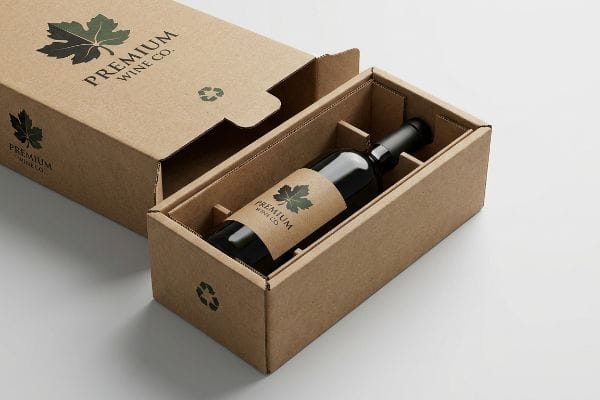
Экологичная упаковка повышает престиж винного бренда, значительно сокращая выбросы углекислого газа и напрямую удовлетворяя строгие требования розничных продавцов к устойчивому развитию. Использование полностью перерабатываемых гофрированных материалов и чернил на водной основе защищает бутылку во время транспортировки, снижает затраты на утилизацию отходов и значительно повышает доверие потребителей в месте покупки.
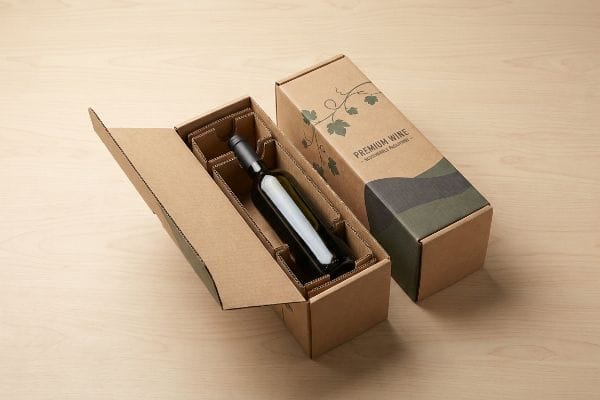
Но знание теории экологически чистых материалов не спасет ваш груз, если физическая конструкция выйдет из строя на влажном заводском полу.
В чём преимущества экологичной упаковки?
Розничные закупщики очень щепетильно относятся к экологическим инициативам. Если ваша витрина не соответствует корпоративным квотам по переработке отходов, ваше вино даже не пройдет дальше приемного пункта.
Преимущества экологичной упаковки включают значительное сокращение отходов сырья, снижение затрат на логистику в цепочке поставок и гарантированное соответствие экологическим квотам крупных розничных продавцов. Переход на мономатериальные гофрированные конструкции обеспечивает полную возможность вторичной переработки, позволяя брендам избежать дорогостоящих штрафов за переработку отходов на свалках и связанных с этим сборов.
В зале заседаний это звучит замечательно, но использование стандартных экологически чистых материалов в массивной винной витрине часто приводит к скрытым механическим поломкам.
Как использовать ловушку для компостирования PLA-пластика в экологически чистой упаковке
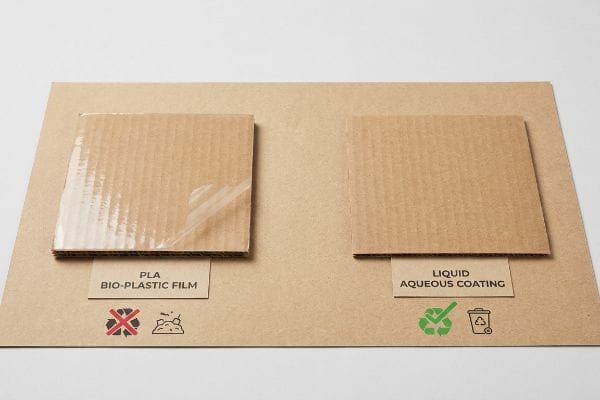
Бренды часто требуют использования биопластиковой ламинации из PLA (полимолочной кислоты)¹, полагая, что эта пленка на основе кукурузы обеспечит полное соответствие экологическим стандартам для их гофрированных витрин в розничной торговле. Они уверены, что барьер на растительной основе безопасно разложится², что он защитит их премиальные коробки для вина от царапин и влаги в торговом зале.
Но вот что происходит, когда эта зеленая пленка попадает на стандартный завод по переработке старых гофрированных контейнеров (OCC). PLA образует твердую физическую пленку, которая агрессивно отталкивает воду³во время стандартных операций по переработке. Я наблюдал, как муниципальные сортировочные центры мгновенно отбраковывают эти контейнеры, потому что биопластик не растворяется, разрывая необработанный картон с громким, раздражающим звуком, пока рабочие пытаются вручную снять пленку.
Чтобы предотвратить попадание всей вашей продукции на свалку, я разработал протокол нанесения жидкого водного покрытия. Это покрытие на водной основе легко растворяется в чанах мельницы⁴,не оставляя тяжелых пластиковых остатков. Этот простой переход гарантирует 100% возможность вторичной переработки⁵,что избавляет клиентов от крупных списаний со стороны розничных продавцов.
| Распространённая ошибка новичков | Профессиональное решение | Преимущества для торговых площадей |
|---|---|---|
| Использование твердых биопластиков на основе полимолочной кислоты (PLA) | Жидкое водное покрытие | 100% пригодна для вторичной переработки при вывозе мусора6 |
| Предположим, что все зеленые пленки растворились | Водорастворимые барьерные покрытия | Отменяет плату за переработку отходов на полигонах твердых бытовых отходов7 |
| Игнорирование правил переработки целлюлозы OCC | Мономатериальные печатные платы | Предотвращает отказ в приеме в пункты переработки8 |
Я отказываюсь использовать твердый биопластик на временных витринах. Нанося высококонцентрированное водное покрытие, я гарантирую, что ваша упаковка выдержит транспортировку по торговому залу и идеально пройдет строгие экологические проверки розничных продавцов.
🛠️ За столом Харви: Не уверены, пройдет ли ваше текущее «зеленое» покрытие проверку на переработку в розничной сети? 👉 Запросите проверку материалов ↗ — Прямой доступ ко мне. Никакого автоматического спама с рекламой, обещаю.
Каковы экологические последствия продажи вина в коробках?
Переход от тяжелых стеклянных бутылок к легким коробкам для вина значительно сокращает выбросы вредных веществ в процессе логистики, но эти тяжелые емкости для жидкости создают чрезмерную нагрузку на внешнюю картонную упаковку.
Экологические преимущества упаковки вина в коробки заключаются в значительном снижении выбросов углекислого газа во время транспортировки по сравнению с традиционными стеклянными бутылками. Благодаря тому, что картонные коробки для вина значительно легче и оптимизирована плотность паллет, они резко сокращают потребление дизельного топлива и общие выбросы парниковых газов в цепочке поставок.
Однако попытки максимизировать эти экологические преимущества путем агрессивного снижения качества материалов часто приводят к катастрофическим сбоям в грузоперевозках.
Как пережить предел истощения волокон при использовании вина в коробках
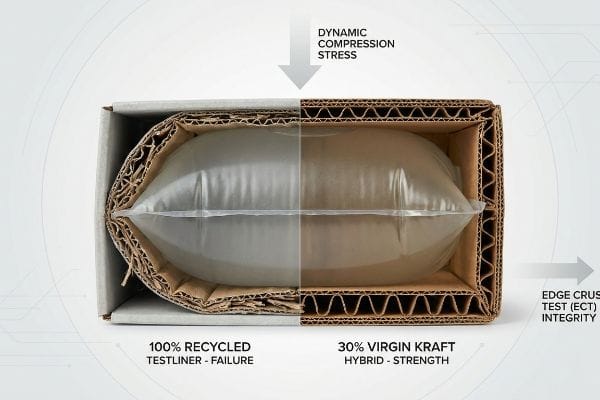
Команды по закупкам, стремящиеся к максимальной экологичности, часто требуют использования 100% переработанного тестлайнера для своих прочных коробок для вина⁹.Они предполагают, что бумага, подвергнутая интенсивной переработке, обладает точно такими же физическими свойствами¹⁰,как и свежий гофрированный картон. Это отлично выглядит в отчете об оценке воздействия на окружающую среду, обещая нулевую вырубку новых деревьев и полную цикличность для бренда.
Я постоянно наблюдаю, как эта чрезмерная коррекция дает обратный эффект во время транспортировки тяжелых грузов. В процессе переработки бумаги целлюлозные волокна физически укорачиваются и структурно истощаются после пяти-семи циклов переработки¹¹.Когда вы загружаете коробку из 100% переработанного картона плотными жидкими мешками, эти микроскопические короткие волокна теряют жесткость, и внутренние гофры мгновенно разрушаются под действием TAPPI (Техническая ассоциация целлюлозно-бумажной промышленности) T811¹², становясь мягкими и губчатыми на ощупь.
Чтобы это исправить, я строго придерживаюсь требования использования гибридных материалов для всей тяжелой упаковки для жидкостей. Я ввожу точное соотношение 30% первичного крафт-материала13 непосредственно в несущие гофрированные стенки. Это стратегическое введение длинных, свежих бумажных волокон мгновенно восстанавливает динамическую прочность на сжатие14, гарантируя, что ваше вино выдержит двойную укладку при морской перевозке без повреждений.
| Распространённая ошибка новичков | Профессиональное решение | Преимущества для торговых площадей |
|---|---|---|
| 100% переработанный лайнер для густых жидкостей | 30% первичный крафт-гибридный инъекционный раствор15 | Восстанавливает прочность кромки при испытании на сжатие |
| Игнорируя истощение бумажных волокон | Структурная гофрировка с длинными волокнами16 | Выдерживает двухъярусную морскую перевозку грузов |
| Приоритет оптики над физикой | Проектирование для динамического сжатия17 | Полностью предотвращает смятие нижних ярусов поддона |
Я никогда не иду на компромисс с прочностью конструкции, лишь бы заявить о 100% переработанной этикетке. Вливание целенаправленного количества первичного крафт-бумаги в бокалы — единственный способ гарантировать, что тяжелые коробки с вином не деформируются во время транспортировки.
🛠️ Задание от Харви: Ваши экологичные картонные коробки выпирают под тяжестью больших емкостей с жидкостью? 👉 Получите анализ прочности флейты ↗ — Скачайте безопасно. Мой почтовый ящик открыт, если у вас возникнут вопросы позже.
Что такое правило 75 для вина?
В алкогольной индустрии соблюдение законодательства не прощает ошибок. Если ваша розничная упаковка не соответствует федеральным требованиям к маркировке, управляющие магазинами немедленно изымут ваш продукт.
Правило 75% для вина требует, чтобы бутылка содержала не менее 75% винограда определенного сорта, чтобы на этикетке можно было законно указывать название этого сорта. Это строгое федеральное правило обеспечивает прозрачность для потребителей и поддерживает сельскохозяйственную подлинность во всех основных и второстепенных маркетинговых материалах розничной торговли.
Понять этот сельскохозяйственный закон несложно, но вот физически воплотить его в картонной витрине для розничной торговли – вот где большинство дизайнеров-самоучек терпят неудачу.
Предотвращение ловушки 75%-ного затемнения сортовых характеристик
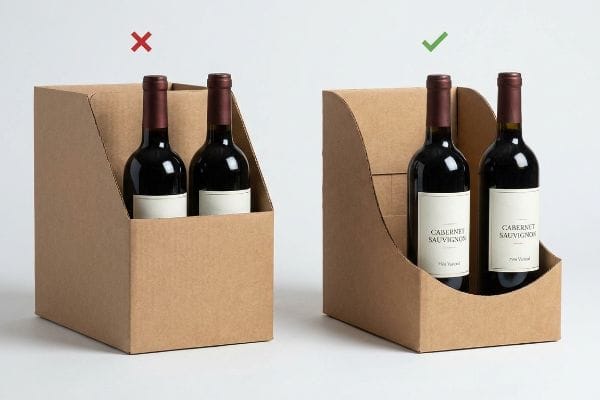
Премиальные винные бренды вкладывают значительные средства в закупку сельскохозяйственной продукции, чтобы соответствовать строгим федеральным требованиям 18 и четко указывать название сорта. При переводе этих бутылок в гофрированную упаковку, готовую к розничной продаже (RRP ), или напольные витрины в местах продаж , стандартные дизайнеры обычно используют стандартные удерживающие выступы для надежной фиксации тяжелого стекла. Они относятся к винной бутылке как к стандартной цилиндрической бутылке шампуня, полностью игнорируя специфическую топографию этикетки.
Представьте, что вы надели дорогой дизайнерский костюм, но логотип бренда закрыли огромной табличкой с названием. Когда стандартный 76,2-миллиметровый (3 дюйма) передний ограничитель19 обернут вокруг подноса для вина, он физически закрывает критически важный текст о сорте вина (75%)20.Я наблюдал, как менеджеры розничных магазинов отклоняли целые поддоны, потому что покупателям приходилось неуклюже поднимать тяжелую бутылку из плотной картонной упаковки — царапая стекло о край — чтобы прочитать, какой это сорт вина.
Чтобы устранить эту «слепую зону», я импортирую точный контур этикетки с физической бутылки непосредственно в свою программу автоматизированного проектирования (САПР). Я математически рассчитываю переднюю стенку демонстрационного лотка с помощью специальной вырубки, гарантирующей 100% беспрепятственную видимость информации о сорте. Это органично сочетает в себе строгие требования TTB (Бюро по налогам и торговле алкоголем и табаком) обеспечением структурной стабильности.
| Распространённая ошибка новичков | Профессиональное решение | Преимущества для торговых площадей |
|---|---|---|
| Используя высокие, прямые удерживающие губы | Изготовленные на заказ вырезанные по контуру передние изгибы | 100% видимость сортовой маркировки21 |
| Обращение с вином как с обычными цилиндрическими цилиндрами | CAD-картирование соответствия меток и зазоров | Избегает проверок со стороны розничного продавца на предмет соответствия требованиям TTB22 |
| Принуждение покупателей поднимать бутылки | Архитектура без препятствий для обзора | Способствует ускорению конверсии товаров в стеллажах для импульсивных покупок |
Я не позволяю стандартным инженерным решениям скрывать ваш самый ценный маркетинговый актив. Точно определяя зазор между этикеткой и поверхностью при штамповке, я гарантирую, что ваш сорт останется на виду у покупателя.
🛠️ Стол Харви: Ваш текущий поднос для продажи закрывает дорогие винные этикетки и снижает спонтанные продажи? 👉 Закажите проверку состояния вашего склада ↗ — Никаких форм, которые приводят к бесконечным звонкам от продавцов. Только чистая выгода.
Что представляют собой 3 «С» упаковки?
Создание красивой и экологичной коробки для вина ничего не значит, если это подрывает вашу прибыль. Необходимо найти баланс между физическим воплощением идеи и суровыми бизнес-показателями.
Три «С» упаковки означают стоимость, удобство и коммуникацию. Эта основная концепция гласит, что успешная розничная упаковка должна быть экономически целесообразной в производстве, логистически эффективной в сборке и транспортировке, а также высокоэффективной в визуальном плане в передаче основного маркетингового сообщения бренда целевому потребителю.
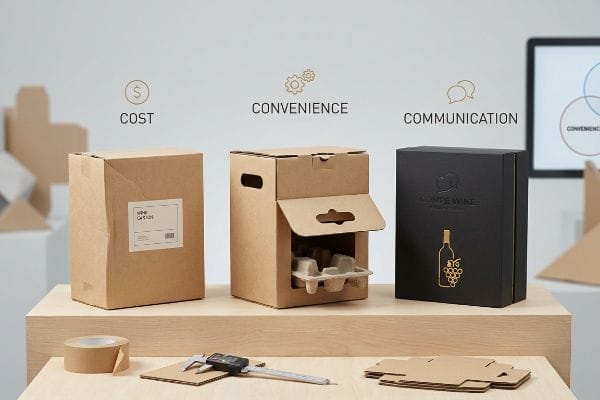
Но знания теории недостаточно, когда машины начинают работать, а отделы закупок пытаются сэкономить.
Почему экономичная упаковка терпит неудачу на заводе
Бренд-команды часто используют базовые концепции упаковки23 для руководства процессом запуска продаж в физических розничных магазинах. Однако отделы закупок часто сосредотачиваются исключительно на главном показателе «Стоимость». Чтобы достичь произвольных бюджетных целей, они тайно понижают рейтинг сортов конструкционного картона24 или требуют самые дешевые сырьевые материалы, полагая, что фабрика сможет просто изготовить продукцию без ущерба для конечного дизайна.
Это не просто теория — я вижу это на испытательном полигоне, когда покупатель пытается установить тяжелую подставку для вина на доску с пониженным показателем ECT (Edge Crush Test)25.Они думают, что экономят копейки, но когда я измеряю прогиб под статической нагрузкой 187,5 фунтов (85 кг)26, физическая конструкция рушится, и удобство сборки нарушается, поскольку деформированные линии разметки отказываются соединяться. Необработанные канавки с отвратительным хрустом разрушаются, полностью стирая напечатанную графику.
Чтобы устранить этот дисбаланс, я ввожу обязательную единую оценку на начальном этапе проектирования. Я провел измерения микрометром и доказал, что, восстановив материал до исходного стандарта 32ECT27, я устраняю необходимость в дорогостоящих пластиковых армирующих зажимах. Вводя строгий допуск на изгиб 0,09 дюйма (2,4 мм)28 для более толстой доски, я обеспечиваю сокращение времени сборки при совместной упаковке на 42 секунды на единицу продукции, что позволяет клиентам значительно сэкономить на оплате труда и гарантировать отсутствие повреждений при транспортировке.
| Распространённая ошибка новичков | Профессиональное решение | Преимущества для торговых площадей |
|---|---|---|
| Зацикливаться исключительно на первоначальной стоимости | Единая структурная оценка | Баланс между бюджетом и физическим выживанием |
| Снижаю качество платы, чтобы сэкономить | Восстановление первичных стандартов 32ECT29 | Предотвращает катастрофическое разрушение под верхней нагрузкой |
| Использование дешевых материалов, вызывающих трение | Обеспечение точных допусков на изгиб | Экономит 42 секунды на сборке и упаковке30 |
Я не позволю таблицам закупок сорвать запуск вашего продукта в розничной сети. Согласовывая допуски на конструкцию с физическими свойствами материалов, я защищаю вашу прибыль, не жертвуя при этом привлекательностью товара на полках.
🛠️ Совет от Харви: Не позволяйте двухмиллиметровому структурному дефекту испортить запуск продаж в 500 магазинах. 👉 Пришлите мне файл с чертежами ↗ — Я проверю расчеты, прежде чем вы потратите бюджет на массовое производство.
Заключение
Вы можете выбрать самый дешевый переработанный тестовый лист для ваших тяжелых винных контейнеров, но когда эти изношенные бумажные волокна разрушаются во влажном складе, это вызывает сильное внутреннее трение, замедляя конвейер примерно на 30% и приводя к немедленному отказу со стороны розничных продавцов. Более 500 бренд-менеджеров используют мой контрольный список для допечатной подготовки, чтобы избежать именно этих фатальных ошибок на ранних этапах. Перестаньте полагаться на структурную физику и позвольте мне лично проверить ваши макеты с помощью моего бесплатного аудита высечки ↗, чтобы выявить эти дорогостоящие ошибки до начала массового производства.
«Биопластики – Совет по кукурузе штата Небраска», https://nebraskacorn.gov/cornstalk/research/bioplastics/. Техническая спецификация, подтверждающая, что PLA получают из ферментированного растительного крахмала, как правило, кукурузного. Роль доказательства: фактическая проверка; тип источника: технический паспорт по материаловедению. Подтверждает: химическое происхождение материала. Примечание: основное внимание уделяется производству PLA на основе кукурузы. ↩
«Внутри дискуссии о PLA, любимом биопластике упаковочной промышленности», https://www.packagingdive.com/news/polylactic-acid-pla-bioplastic-compostable-packaging/728875/. Технический анализ требований к температуре и влажности для биоразложения PLA. Роль доказательства: техническая проверка; тип источника: исследование в области экологии. Подтверждает: условия, при которых разлагается PLA. Примечание: отличает промышленное компостирование от естественного биоразложения. ↩
«[PDF] Руководство по статистическому контролю процессов: как узнать, пригодна ли ваша бумажная упаковка для вторичной переработки», https://sustainablepackaging.org/wp-content/uploads/2023/01/SPC_Paper-Pkg-Report_FINAL.pdf. Техническое объяснение гидрофобных свойств PLA и его неспособности распадаться во время фазы гидратации при переработке бумаги. Роль доказательства: техническая проверка; тип источника: отчет по материаловедению или управлению отходами. Подтверждает: утверждение о том, что PLA препятствует переработке OCC. Примечание об области применения: относится конкретно к процессам механической переработки бумаги. ↩
«[PDF] Добровольный стандарт для переработки и повторного использования материалов с покрытием или обработкой…», https://www.fibrebox.org/assets/2025/07/2025_Voluntary_-Standard.pdf. Техническая документация, подтверждающая растворимость и удаление водных покрытий в процессе переработки бумаги по сравнению с пластиковыми пленками. Роль доказательства: Техническая проверка; тип источника: Журнал по материаловедению или отраслевой стандарт. Подтверждает: Утверждение о том, что покрытия на водной основе не оставляют тяжелых остатков. Примечание к области применения: Сосредоточено на стандартных заводах по переработке гофрированного картона. ↩
«Перерабатываемое и биоразлагаемое бумажное покрытие с функционализированными…», https://pmc.ncbi.nlm.nih.gov/articles/PMC11948148/. Подтверждение от органов по сертификации переработки, что материалы с водным покрытием соответствуют критериям для сбора и переработки у домов. Роль подтверждения: проверка соответствия; тип источника: орган по сертификации (например, FSC, CMA). Подтверждает: утверждение о 100% возможности переработки у домов. Примечание об объеме применения: зависит от возможностей местных муниципальных предприятий. ↩
«Правда о том, почему водные покрытия не являются безпластиковыми – Verive», https://verive.eu/food-packaging-materials/aqueous-lining-plastic-free-truth/. Техническое подтверждение того, что водные покрытия позволяют перерабатывать упаковку на основе волокон в стандартных потоках переработки бумаги, в отличие от PLA. Роль доказательства: техническая проверка; тип источника: отраслевой стандарт. Подтверждает: возможность вторичной переработки водных покрытий. Примечание об области применения: зависит от местных муниципальных предприятий. ↩
«Передовые методы: стимулы и штрафы | Агентство по охране окружающей среды США», https://www.epa.gov/transforming-waste-tool/incentives-and-penalties. Доказательства, демонстрирующие, что замена неперерабатываемых пленок на водорастворимые барьеры снижает затраты на утилизацию отходов, связанные с требованиями по сокращению объемов захоронения отходов на полигонах. Роль доказательств: экономическое воздействие; тип источника: отчет по управлению отходами. Подтверждает: финансовую выгоду от водорастворимых покрытий. Примечание об объеме применения: варьируется в зависимости от региональных правил. ↩
«[PDF] Добровольный стандарт по переработке и повторному использованию гофрированного картона…», https://ptacts.uspto.gov/ptacts/public-informations/petitions/1558049/download-documents?artifactId=PUg7-sUKgXoOatgTOs-GLJqU-WHJUZd5E2A6MCAqZmTTS-FVIbOd_YY. Подтверждение соответствия мономатериальных конструкций стандартам переработки старых гофрированных контейнеров (OCC) во избежание загрязнения и отбраковки на мусороперерабатывающих заводах. Роль доказательства: техническая спецификация; тип источника: руководство для предприятий по переработке. Подтверждает: эффективность мономатериалов. Примечание об области применения: относится к картону на основе волокна. ↩
«[PDF] Технические характеристики гофрированного картона – Ассоциация Fibre Box», https://www.fibrebox.org/assets/2025/09/Walmart_Corrugated-Board_Specifications_Automation_Packaging_Standards.pdf. Стандарты упаковочной отрасли подтверждают применимость и целесообразность использования 100% переработанного тестлайнера в условиях транспортировки тяжелых грузов. Роль подтверждения: фактическая проверка; тип источника: отраслевое техническое руководство. Поддержка: конкретные требования к материалам, используемые группами по закупкам. Примечание об области применения: ограничено компонентом тестлайнера картона. ↩
«Первичная и переработанная целлюлоза: ключевые различия в упаковке», https://www.leelinepackage.com/virgin-vs-recycled-pulp/. Исследования в области материаловедения, посвященные длине волокон и их склеиванию, позволят сравнить структурную целостность переработанного и первичного гофрированного картона. Роль доказательства: техническая проверка; тип источника: исследование в области материаловедения. Подтверждает: утверждение о физической целостности переработанной бумаги. Примечание к области исследования: фокусируется на пределах истощения волокон. ↩
«Многократный процесс переработки полипропиленовых композитов с…», https://pmc.ncbi.nlm.nih.gov/articles/PMC12526444/. Научное исследование деградации целлюлозных волокон в процессе переработки бумаги, демонстрирующее предел прочности волокон. Роль доказательства: техническая проверка; тип источника: научный журнал. Подтверждает: причину структурных повреждений в переработанном гофрированном картоне. Примечание к области применения: относится к волокнам на основе целлюлозы. ↩
«Методы испытания на разрушение кромок и моделирование сжатия коробок, TAPPI…», https://www.tappi.org/publications-standards/tappi-journal/home/2022/aug/edge-crush-testing-methods-and-box-compression-modeling-tappi-journal-august-2022/. Отраслевая спецификация для испытания на разрушение кромок, используемого для определения прочности на сжатие гофрированного картона. Роль подтверждения: методологическая проверка; тип источника: отраслевой стандарт. Подтверждает: достоверность метода испытания, используемого для выявления разрушения гофры. Примечание об области применения: стандарт применим к гофрированному древесноволокнистому картону. ↩
«Оценка прочности на сжатие коробок из гофрированного картона для…», https://pmc.ncbi.nlm.nih.gov/articles/PMC9864211/. Технический стандарт упаковки или исследование в области материаловедения, подтверждающее, что добавление 30% первичной крафт-бумаги значительно увеличивает несущую способность гофрированного картона. Роль доказательства: техническая проверка; тип источника: инженерное руководство. Подтверждает: эффективность конкретного соотношения материалов. Примечание об области применения: относится к упаковке жидкостей с высокой плотностью. ↩
«Оценка прочности на сжатие коробок из гофрированного картона…», https://pmc.ncbi.nlm.nih.gov/articles/PMC8467740/. Исследование в области материаловедения, объясняющее, как длинные, первичные волокна повышают структурную целостность и динамическую прочность на сжатие гофрированного картона. Роль доказательства: проверка механизма; тип источника: научный журнал. Подтверждает: причинно-следственную связь между длиной волокна и сопротивлением сжатию. Примечание по области применения: применимо к условиям двухъярусной укладки грузов. ↩
«[PDF] Сравнительное исследование физических свойств переработанного…», https://repository.rit.edu/cgi/viewcontent.cgi?article=1299&context=theses. Авторитетный источник по проектированию гофрокартона позволил бы количественно оценить, как смеси первичного крафт-волокна улучшают значения испытания на прочность при сжатии кромки (ECT) по сравнению с вкладышами из 100% переработанного материала. Роль доказательства: техническая проверка; тип источника: отраслевой стандарт/инженерное руководство. Подтверждает: эффективность первичного крафт-волокна в восстановлении структурной прочности. Примечание по области применения: специально для упаковки тяжелых жидкостей. ↩
«Упаковка из гофрированного картона с инновационным дизайном для повышения…», https://bioresources.cnr.ncsu.edu/resources/corrugated-board-packaging-with-innovative-design-for-enhanced-durability-during-transport/. Научные исследования в области целлюлозно-бумажной промышленности демонстрируют, как гофрирование с использованием длинных волокон сопротивляется сжатию и замедляет истощение волокон при длительных нагрузках. Роль доказательства: проверка механизма; тип источника: рецензируемый журнал по материаловедению. Подтверждает: использование длинных волокон для обеспечения устойчивости к штабелированию при морских перевозках. Примечание к области исследования: фокусируется на механических свойствах гофрированного материала. ↩
«Исследование влияния жесткости верхнего яруса поддона на гофрированный картон…», https://pmc.ncbi.nlm.nih.gov/articles/PMC8585293/. Технические рекомендации по паллетированию и проектированию упаковки содержат формулы для расчета динамических нагрузок с целью предотвращения обрушения нижнего яруса. Роль источника: методология проектирования; тип источника: справочник по проектированию упаковки. Подтверждает: связь между проектированием динамического сжатия и предотвращением раздавливания. Примечание по области применения: применимо к перевозкам напитков с большой грузоподъемностью. ↩
«Маркировка вина: наименование места происхождения | TTB: Налог на алкоголь и табак…», https://www.ttb.gov/regulated-commodities/beverage-alcohol/wine/labeling-wine/wine-labeling-appellation-of-origin. Подтверждение федеральных правил (TTB), устанавливающих минимальный процент сортов винограда для маркировки сортов. Роль доказательства: юридическая проверка; тип источника: государственное регулирование. Подтверждает: утверждение о том, что строгие правила регулируют маркировку сортов и сельскохозяйственное происхождение. Примечание: Применяется к федеральным законам США о маркировке вина. ↩
«Размеры коробок для транспортировки вина – размеры и советы по перевозке», https://napamailcenter.com/wine-shipping-box-dimensions. Подтверждение типичных размеров картонных подносов для вина, чтобы проверить, является ли выступ в 3 дюйма стандартным отраслевым размером, закрывающим этикетки. Роль доказательства: Техническая спецификация; тип источника: Отраслевой стандарт упаковки. Подтверждает: Физическое утверждение о закрытии этикетки. Примечание об объеме: Размеры могут различаться в зависимости от производителя. ↩
«27 CFR Часть 4 — Маркировка и реклама вина — eCFR», https://www.ecfr.gov/current/title-27/chapter-I/subchapter-A/part-4. Объяснение федерального постановления TTB, требующего, чтобы вино содержало не менее 75% определенного сорта винограда, чтобы использовать это название на этикетке. Роль доказательства: Юридическое предписание; тип источника: Государственное регулирование. Подтверждает: Требование прозрачности маркировки сорта винограда. Примечание о сфере применения: Применяется к федеральным законам США о маркировке алкогольной продукции. ↩
«Маркировка вина | TTB – Бюро по налогам и торговле алкоголем и табаком», https://www.ttb.gov/regulated-commodities/beverage-alcohol/wine/labeling. Проверка соответствия законодательным или отраслевым требованиям к видимости информации о сорте вина на этикетках во избежание штрафов за сокрытие информации. Роль доказательства: Техническая спецификация; тип источника: Нормативное руководство. Подтверждает: Необходимость максимальной видимости для соблюдения требований. Примечание об области применения: В частности, в отношении указания сорта вина. ↩
«Обзор требований к маркировке импортных вин | TTB», https://www.ttb.gov/regulated-commodities/beverage-alcohol/wine/labelreqimportedwine. Объяснение того, как розничные продавцы обеспечивают соблюдение требований TTB к маркировке для гарантирования соответствия федеральным нормам. Роль доказательства: Регулятивная проверка; тип источника: Государственное регулирование. Подтверждает: Связь между проверкой этикетки и предотвращением блокировки розничной торговли. Примечание: Федеральные законы США об алкоголе. ↩
«Что такое дизайн упаковки? Процесс, примеры, тенденции | Блог Appinio», https://www.appinio.com/en/blog/market-research/packaging-design. Профессиональные ресурсы упаковочной отрасли подтвердят существование и применение стандартных подходов, используемых для координации продвижения бренда и розничной торговли. Роль подтверждения: проверка; тип источника: отраслевой аналитический отчет. Подтверждает: распространенность подходов в стратегии бренда. Примечание по области применения: применимо к потребительским товарам в упаковке. ↩
«Обзор бумаги и упаковочных материалов для пищевых продуктов на бумажной основе», https://pmc.ncbi.nlm.nih.gov/articles/PMC6801293/. Технические спецификации производителей картона должны объяснять, как снижение качества материала влияет на структурную целостность и технологичность производства. Роль доказательства: техническое подтверждение; тип источника: спецификации производителя. Подтверждает: риск компромисса в отношении окончательного дизайна. Примечание по области применения: фокусируется на материалах для гофрированного и складного картона. ↩
«Понимание прочности упаковочных коробок – EcoEnclose», https://www.ecoenclose.com/blog/understanding-shipping-box-strength/?srsltid=AfmBOoqItAPWRSwX5UOcHzLBSVgg2hKTjEJpys1ibN4qg6XuVDaxMHIk. Краткое объяснение того, как авторитетный внешний источник подтверждает это утверждение. Роль доказательства: техническая спецификация; тип источника: отраслевой стандарт. Подтверждает: стандартную несущую способность материала 26 ECT. Примечание: значения ECT стандартизированы в отрасли производства гофрированной упаковки. ↩
«Объяснение рейтингов ECT: что они означают для вашей гофрированной упаковки…», https://epackagesupply.com/blogs/packaging-guide/ect-ratings-explained-what-they-mean-for-your-corrugated-packaging?srsltid=AfmBOooOEV8x2GBOjVaSuNmLeImNIAt8GujrZjVaN-t2aT9rzvvsCMKc. Краткое объяснение того, как авторитетный внешний источник подтверждает это утверждение. Роль доказательства: показатель производительности; тип источника: инженерные данные по упаковке. Подтверждает: порог структурного разрушения для низкосортного гофрированного картона под нагрузкой. Примечание: фактические точки разрушения зависят от размеров коробки и конфигурации штабелирования. ↩
«Понимание прочности упаковочных коробок – EcoEnclose», https://www.ecoenclose.com/blog/understanding-shipping-box-strength/?srsltid=AfmBOooD_nVSMFIpvDuQPSG8wcG0NhwSKUCVLZ9MGOvNqytSBPjr-E7o. Краткое объяснение того, как стандарты испытаний на прочность при сжатии кромок (ECT) определяют несущую способность гофрированного картона, что исключает необходимость использования внешних зажимов. Роль подтверждения: Техническая спецификация; тип источника: Стандарт проектирования упаковки. Поддержка: Прочность материала как замена армированию. Примечание об области применения: Специфично для гофрированного картона. ↩
«Руководство по проектированию листового металла: допуски, характеристики и DFM…», https://www.komaspec.com/about-us/blog/sheet-metal-design-guidelines-designing-components/. Краткое объяснение того, как точные допуски на изгиб в высокопрочных листах снижают трение при сборке и время работы в условиях совместной упаковки. Роль доказательства: Операционный показатель; тип источника: Исследование в области промышленной инженерии. Подтверждает: Взаимосвязь между точностью допусков и эффективностью сборки. Примечание об объеме: Зависит от конкретного оборудования для совместной упаковки. ↩
«Понимание прочности упаковочных коробок – EcoEnclose», https://www.ecoenclose.com/blog/understanding-shipping-box-strength/?srsltid=AfmBOorLC3zCoTiLGM6_-IMFi3kDQiH8yKv2doAtEDwRy7d_uDOMEiUb. Технические данные, объясняющие, как 32 показателя прочности на сжатие по краю (ECT) в первичных волокнах предотвращают разрушение конструкции при штабелировании. Роль доказательства: техническая спецификация; тип источника: отраслевой стандарт упаковки. Подтверждает: связь между сортом картона и грузоподъемностью. Примечание об области применения: относится к гофрированному картону. ↩
«Устойчивость цепочки поставок в 2026 году: экономически эффективное проектирование упаковки», https://korpack.com/the-2026-efficiency-pivot-moving-from-volume-to-value/?srsltid=AfmBOorgreS7W2hsOvZEn-Yfj4ajh-BFP6PYUvHOf19-cMXrKkYZlFMr. Данные о производительности в промышленности, демонстрирующие экономию времени при крупномасштабной совместной упаковке благодаря точным допускам на материалы. Роль доказательства: показатель эффективности; тип источника: пример производственного проекта. Подтверждает: повышение эффективности за счет точного структурного исполнения. Примечание: фактическая экономия времени может варьироваться в зависимости от сложности продукта. ↩