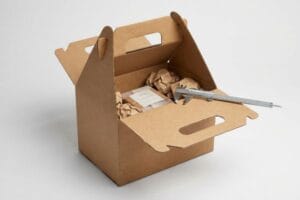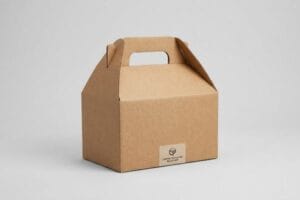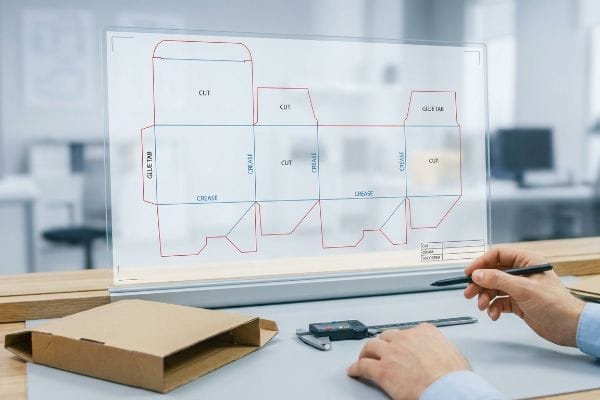
Вы смотрите на плоский векторный рисунок на экране и задаетесь вопросом, как он волшебным образом превращается в трехмерную структурную модель, способную выдержать все этапы цепочки поставок в розничной торговле.
Разработка вырубной формы для упаковки требует точного расчета пространственных координат, припусков на изгиб и толщины материала. Она служит основным двухмерным чертежом, который направляет автоматизированные заводские станки с ЧПУ (числовым программным управлением) для точной резки, биговки и сгибания толстого гофрированного картона, превращая его в полноценные трехмерные торговые витрины.
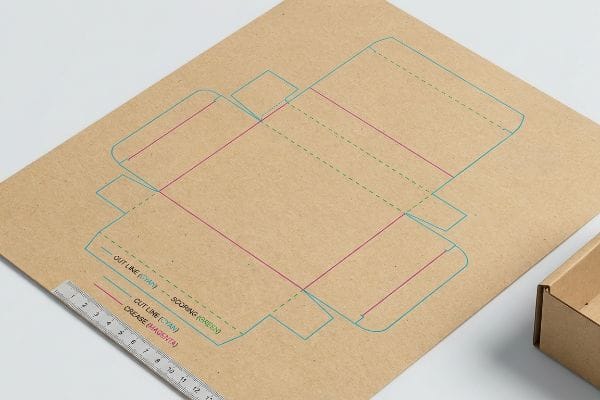
Знание теории линий и складок — это одно, но перевод этой цифровой геометрии в физический картон требует серьезной инженерной дальновидности.
Каковы 7 основных шагов в разработке дизайна упаковки?
Пропуск важнейших этапов строительства гарантирует катастрофические разрушения на строительной площадке крупного торгового центра.
Семь основных этапов проектирования упаковки включают определение ограничений для розничной торговли, разработку структурного чертежа в САПР (системе автоматизированного проектирования), применение компенсации калибра, создание графического дизайна, 3D-прототипирование, допечатную калибровку и изготовление оснастки для массового производства. Точное следование этой последовательности предотвращает серьезные сбои в цепочке поставок.
Позвольте мне рассказать вам, как это происходит, когда вы переходите от концепции к физическому воплощению.
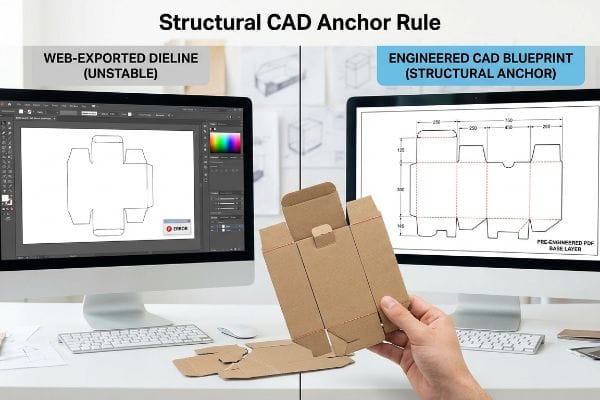
Правило анкеровки в САПР для строительных конструкций
Начинающие дизайнеры часто полностью пропускают этап проектирования конструкций, сразу переходя к созданию эстетической графики. Они пытаются нарисовать сложные взаимосвязанные элементы интерфейса1 непосредственно в простых веб-инструментах или в любительских программах для создания иллюстраций, предполагая, что плоская визуальная форма естественным образом выдержит вес.
Я постоянно сталкиваюсь с этой ловушкой. Клиент передает мне выкройку, экспортированную из веб-интерфейса, но поскольку веб-инструменты выводят исключительно растровые изображения или несвязанные векторные изображения, вся лежащая в основе структурная математика рушится. Когда моя заводская бригада пытается разрезать картон, жесткий картон рвется прямо по шву, потому что в нем нет припусков на изгиб. Я до сих пор слышу громкий звук разрыва необработанного тестлайнера, когда упаковщик пытается силой закрепить незаложенный фиксирующий язычок. Чтобы предотвратить это, я создаю предварительно подготовленный PDF-файл непосредственно из нашего промышленного программного обеспечения. Вы импортируете этот PDF-файл, привязываете его к нижнему слою и применяете только поверхностную графику, обеспечивая структурную целостность, позволяющую легко выдерживать динамическую нагрузку в 2500 фунтов (1133 кг)без разрушения.
| Распространённая ошибка новичков | Профессиональное решение | Преимущества для торговых площадей |
|---|---|---|
| Рисование контурных линий в инструментах веб-дизайна | Блокировка предварительно созданного базового слоя PDF-файла | Экономия времени сборки на 45 секунд на единицу продукции3 |
| Не принимая во внимание физическую толщину платы | Расчет точных припусков на изгиб4 | Предотвращает разрыв графического изображения на верхнем слое |
| Начнём с произведений искусства | Завершение структурных математических расчетов перед построением графиков | Исключает дорогостоящую переработку графического дизайна |
Я категорически отвергаю любые художественные решения, которые противоречат моим расчетам по конструкции. Закрепляя ваши графические элементы строго на разработанном мной базовом слое, мы гарантируем беспроблемную сборку и исключаем риск обрушения витрин в торговом зале.
🛠️ За столом Харви: Не уверены, правильно ли рассчитаны параметры вашей выкройки, экспортированной из интернета? 👉 Позвольте мне проверить ваш файл ↗ — Прямой доступ к моему рабочему столу. Никакого автоматического спама с рекламой, обещаю.
Что представляют собой четыре «С» дизайна упаковки?
Сбалансированное сочетание этих основных принципов — единственный способ выжить в условиях розничной торговли с большим объемом продаж.
Четыре «С» дизайна упаковки означают: стоимость, концепция, удобство и коммуникация. Эта стратегическая концепция гарантирует, что физические торговые витрины обеспечивают баланс между бюджетом на сырье и структурной целостностью, бесперебойной сборкой в цепочке поставок и четким визуальным мерчандайзингом, успешно привлекающим внимание покупателей.
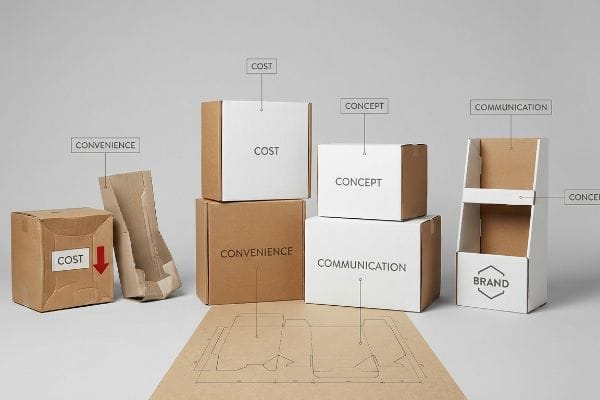
Однако знание этих четырех столпов бесполезно, если рассматривать их как отдельные пункты в списке требований.
Как избежать ловушки «стоимость против удобства»
Команды по закупкам брендов часто используют концепцию «четырех С»(4C) для руководства процессом открытия физических розничных магазинов. Покупатели часто хотят знать, можно ли просто снизить качество материалов, чтобы улучшить свою маржу, рассматривая себестоимость единицы продукции как единственный важный показатель.
Это опасный дисбаланс. Я видел, как клиенты тайно понижали класс своего базового гофрированного картона с 32 ECT (тест на прочность кромки) до 26 ECT6 , чтобы сэкономить несколько центов на единицу продукции. Но когда конструкция деформируется под тяжестью поддона, удобство сборки полностью нарушается из-за деформированных и смятых линий. Я лично наблюдал, как расстроенные продавцы в магазинах резали пальцы о деформированные края картона, с трудом собирая хрупкую витрину. Мы математически связываем стоимость ваших конструкционных материалов напрямую с удобством цепочки поставок. Отказываясь от выемки полостей в картоне, мы обеспечиваем беспроблемную упаковку и предотвращаем повреждения при транспортировке, что в конечном итоге защищает вашу прибыль от крупных списаний со стороны розничных продавцов7.
| Распространённая ошибка новичков | Профессиональное решение | Преимущества для торговых площадей |
|---|---|---|
| Снижение уровня ECT на плате для экономии средств | Строгое соблюдение минимального значения в 32 ECT8 | Предотвращает разрушение базового уровня |
| Отделение затрат от логики цепочки поставок | Связь плотности материала со скоростью сборки9 | Значительно сокращает время на упаковку |
| Игнорирование воздействия вибрации при транспортировке | Инженерная кинетическая амортизация ударов10 | Исключает возможность возврата платежей по ущербу, причиненному розничным продавцам |
Я категорически запрещаю снижение качества конструкционного картона ради финансирования излишнего декоративных элементов. Объединив четыре основных компонента, я гарантирую, что вся ваша система упаковки принесет положительную отдачу от инвестиций, а не приведет к дорогостоящим логистическим сбоям.
🛠️ Задание от Харви: Не разрушает ли ваша экономия на закупках ваше удобство в плане функционирования здания? 👉 Проверьте свой баланс затрат ↗ — Скачайте безопасно. Мой почтовый ящик открыт, если у вас возникнут вопросы позже.
Как шаг за шагом разработать дизайн упаковки?
Переход от плоского экрана к физическому модулю требует строгих математических корректировок.
Поэтапный процесс проектирования упаковки включает в себя определение физических размеров, выбор толщины материала, создание цифровой вырубки, применение компенсации за радиусы сгиба, изготовление физического образца белого цвета, проведение испытаний на падение при транспортировке и, наконец, нанесение графики CMYK (голубой, пурпурный, желтый, ключевой) для литографической допечатной подготовки.
Самый важный этап происходит незаметно, в фоновом режиме, еще до того, как хоть одна капля чернил коснется бумаги.
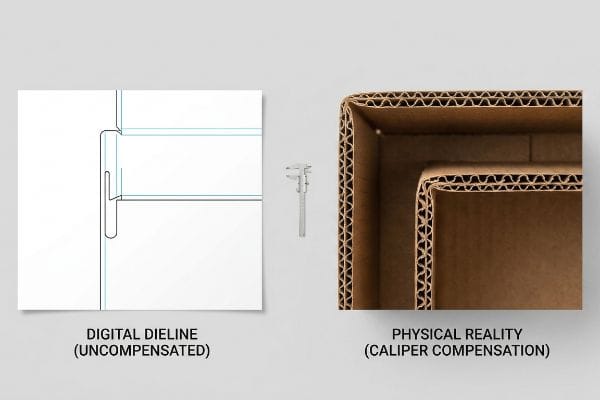
Реальность компенсации за использование штангенциркуля
Графические дизайнеры часто создают в программах для создания иллюстраций соединительные выступы и прорези для сгиба точно такой же ширины, как и сопрягаемая панель. Они рассматривают толстый гофрированный картон так, как если бы это был микроскопический лист бумаги для принтера, предполагая, что для сгиба на 90 градусов не требуется дополнительного места11.
Представьте себе, что вы сгибаете толстый резиновый коврик: его внешняя сторона растягивается и расходует материал. Когда панель из гофрированного картона толщиной 0,11 дюйма (3 мм)сгибается , этот физический калибр должен куда-то деться. Если приемный паз на линии высечки не расширен, чтобы компенсировать внешний радиус сгиба,физический дисплей сильно прогнется. Я стоял на конвейере и чувствовал жесткое сопротивление первичного крафт-картона, который отказывается входить в паз меньшего размера, заставляя рабочих хвататься за грязную прозрачную ленту, чтобы просто скрепить углы. Мы автоматически применяем алгоритмы компенсации калибра к каждому отдельному сгибу, добавляя определенные допуски на изгиб, чтобы ваши дисплеи собирались без трения и идеально ровно располагались.
| Распространённая ошибка новичков | Профессиональное решение | Преимущества для торговых площадей |
|---|---|---|
| Создание пазов точно такой же ширины, как и вкладки | Добавление зазоров с радиусом сгиба 1-2 мм14 | Обеспечивает фиксацию защелки без трения |
| Отношение к флейте си как к плоской бумаге | Расчет растяжения внешнего материала15 | Предотвращает деформацию картонных стенок |
| Опираясь на плоские 2D-измерения | Использование параметрического 3D CAD-моделирования16 | Избавляет от необходимости использовать некрасивую ленту |
Если клиент присылает плоский файл Illustrator для гофрированного дисплея, я полностью переделываю пазы. Я отказываюсь позволять некомпенсированным цифровым вычислениям превращать сборочный кошмар в моем цехе.
🛠️ За столом Харви: Вас беспокоит, что ваши существующие пазы для штамповки могут заклинить во время заводской сборки? 👉 Проверьте свои расчеты штамповки ↗ — Никаких бланков, которые приводят к бесконечным звонкам от отдела продаж. Только чистая выгода.
Где можно найти бесплатные шаблоны для вырубки?
Загрузка случайных линий развертки из интернета — это огромный логистический риск.
Бесплатные шаблоны для развертки можно найти в библиотеках производителей упаковки, базах данных программного обеспечения для проектирования конструкций и на специализированных отраслевых порталах. Однако универсальные шаблоны не учитывают допуски по материалам, коэффициенты компенсации влажности и точную расчетную нагрузку, что делает их крайне рискованными для проведения масштабных рекламных кампаний в крупных розничных сетях.
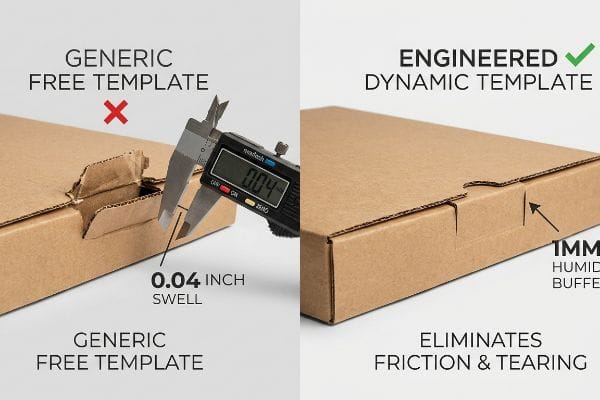
Установить один дисплей в лаборатории с контролируемым климатом несложно, но вот суровая реальность, с которой вы сталкиваетесь, когда перевозите 500 таких дисплеев через океан.
Почему стандартные шаблоны не работают на производстве
Отделы закупок часто скачивают стандартные бесплатные шаблоны, предполагая, что базовая коробка с прорезями — это универсальная константа. Они считают, что форма вырубки, идеально подходящая для сухого склада в Аризоне, автоматически будет так же хорошо работать во влажном прибрежном климате17 без каких-либо структурных изменений.
На моем предприятии я регулярно наблюдаю разрушения, вызванные использованием шаблонов, не подверженных статическому электричеству. Когда гофрированные плоские упаковки перевозятся морским транспортом или хранятся в зонах с высокой влажностью, таких как Флорида, пористая подложка физически поглощает окружающую влагу¹⁸.Я проверяю это с помощью цифрового микрометра, и паз, идеально подходящий к выступу на экране, внезапно раздувается ровно на 0,04 дюйма (1 мм), становясь слишком узким. Когда команда по сборке пытается силой соединить разбухшие детали, трение сдавливает внутренние гофры¹⁹и рвет дорогостоящий литографически ламинированный верхний лист. Я автоматически встраиваю строгий буфер влажности в приемные пазы наших механизмов блокировки. Математически учитывая расширение бумаги, я гарантирую, что сборка будет происходить без трения независимо от влажности окружающей среды на складе, полностью исключая разрывы дисплеев и экономя тысячи долларов на ручной доработке.
| Распространённая ошибка новичков | Профессиональное решение | Преимущества для торговых площадей |
|---|---|---|
| Использование статических бесплатных шаблонов | Разработка динамического буфера влажности | Предотвращает разрыв язычка в условиях влажного климата20 |
| Игнорируя набухание бумаги от влаги | Увеличение зазора паза на 1 мм21 | Гарантирует беспроблемную совместную упаковку |
| Тестирование проводится только в сухих помещениях с кондиционированием воздуха | Имитация расширения при высокой влажности | Предотвращает деформации, связанные с массовым транспортом |
Я никогда не доверяю бесплатным шаблонам, рассчитанным на неконтролируемую логистику. Тщательно корректируя зазоры в слотах с учетом колебаний, вызванных воздействием окружающей среды, я защищаю вашу кампанию от микроскопических сбоев, связанных с трением.
🛠️ Совет от Харви: Не позволяйте двухмиллиметровому структурному дефекту испортить запуск продаж в 500 магазинах. 👉 Пришлите мне файл с чертежами ↗ — Я проверю расчеты, прежде чем вы потратите бюджет на массовое производство.
Заключение
Вы можете полагаться на бесплатные шаблоны, но когда картон для гофрокартона разбухает во влажном складе и рвется во время принудительной сборки, это создает огромные проблемы, замедляя конвейер примерно на 30% и полностью сводя на нет прибыльность вашего проекта. Более 500 бренд-менеджеров используют мой контрольный список для допечатной подготовки, чтобы избежать именно этих фатальных ошибок на ранних этапах. Перестаньте гадать о допустимых параметрах окружающей среды и позвольте мне лично проверить ваши структурные файлы с помощью моего бесплатного аудита высечки ↗, чтобы выявить эти невидимые проблемные места, прежде чем вы дадите разрешение на массовое производство.
«Исследование влияния перфораций на несущую способность…», https://pmc.ncbi.nlm.nih.gov/articles/PMC11396172/. Технические рекомендации по упаковке подробно описывают, почему для обеспечения структурной стабильности и сборки защелкивающихся элементов требуется точное САПР-проектирование. Роль доказательства: техническая проверка; тип источника: отраслевое руководство. Подтверждает: необходимость этапа проектирования несущих конструкций. Примечание к области применения: относится к торговым витринам в розничной торговле. ↩
«Упрощенный динамический анализ прочности картонной упаковки…», https://pmc.ncbi.nlm.nih.gov/articles/PMC10385285/. Краткое объяснение того, как авторитетный внешний источник подтверждает это утверждение. Роль доказательства: техническая проверка; тип источника: промышленный инженерный стандарт. Подтверждает: удельную несущую способность инженерной структурной упаковки. Примечание об области применения: несущая способность зависит от марки картона и профиля гофры. ↩
«Упаковка из гофрированного картона с инновационным дизайном для повышения…», https://bioresources.cnr.ncsu.edu/resources/corrugated-board-packaging-with-innovative-design-for-enhanced-durability-during-transport/. Краткое объяснение того, как авторитетный внешний источник подтверждает конкретный показатель сокращения времени сборки с использованием предварительно разработанных шаблонов. Роль доказательства: количественная проверка; тип источника: отраслевой эталон или тематическое исследование. Подтверждает: эффективность структурных анкеров CAD. Примечание к области применения: относится к ручной сборке узлов. ↩
«Почему рельефные элементы имеют решающее значение для успешной гибки листового металла…», https://www.youtube.com/watch?v=UEvZDzaoQwY. Краткое объяснение того, как инженерные стандарты толщины материала и припусков на изгиб предотвращают поверхностные напряжения и разрывы в печатной упаковке. Роль доказательства: техническая проверка; тип источника: руководство по проектированию упаковки. Подтверждает: важность структурной математики. Примечание к области применения: специфично для гофрированного картона или толстого картона. ↩
«Как 4 C упаковки способствуют росту бизнеса», https://www.linkedin.com/posts/gauravchheda-thebaxsaaco_what-are-the-4-cs-of-packaging-the-baxsaa-activity-7307752054314229762-sr8h. Подтверждение того, что концепция «четырех C» является признанным стандартом, используемым командами по закупкам для запуска продукции в розничной торговле. Роль доказательства: подтверждение профессиональной практики; тип источника: отраслевой документ или руководство по проектированию упаковки. Поддерживает: широкое применение стратегической концепции. Примечание по области применения: применимо к крупным розничным сетям с большим объемом продаж. ↩
«Объяснение рейтингов ECT: что они означают для вашей гофрированной упаковки», https://epackagesupply.com/blogs/packaging-guide/ect-ratings-explained-what-they-mean-for-your-corrugated-packaging?srsltid=AfmBOoqAfX8he0i2EGuG95ufJAN30Zw3SEgsnkvbRf7wSAc5IWY7SgJy. Технические характеристики рейтингов испытаний на сжатие кромок (ECT) демонстрируют, как снижение класса картона влияет на прочность при вертикальном сжатии и устойчивость поддона. Роль доказательства: Техническая проверка; тип источника: Стандарт проектирования упаковки. Подтверждает: Риск структурного разрушения при снижении класса материала. Примечание об области применения: Характеристики зависят от конструкции картона и влажности. ↩
«Какие ошибки в контрактной упаковке приводят к возврату средств розничным продавцам…», https://www.industrialpackaging.com/blog/copacker-mistakes-retailer-chargebacks. В руководствах для розничных поставщиков изложены финансовые штрафы, налагаемые на поставщиков за нарушения в упаковке, которые приводят к повреждению товаров или неэффективной разгрузке. Роль доказательства: проверка деловой практики; тип источника: руководства розничных продавцов по соблюдению требований. Подтверждает: финансовые последствия нарушения целостности упаковки. Примечание: структура возврата средств различается в зависимости от розничного продавца. ↩
«Объяснение рейтингов ECT: что они означают для вашей…», https://epackagesupply.com/blogs/packaging-guide/ect-ratings-explained-what-they-mean-for-your-corrugated-packaging?srsltid=AfmBOoomuM2LaHalPr-57Uo7fI8v_-6ZAXfaTyvCNAq5BmM2whhJRZ_N. Техническая документация от инженеров-упаковщиков, объясняющая, как рейтинги испытаний на сжатие кромок (ECT) соотносятся с прочностью штабелирования и предотвращением структурных повреждений нижних ярусов. Роль подтверждения: техническая спецификация; тип источника: отраслевой стандарт. Опоры: 32 ECT предотвращает сжатие нижнего яруса. Примечание об области применения: минимальные требования различаются в зависимости от общего веса поддона. ↩
«Влияние совместной упаковки на сроки запуска продукта», https://www.econo-pak.com/articles/the-impact-of-co-packing-on-product-launch-timelines/. Операционный анализ, показывающий, как жесткость и плотность упаковочных материалов влияют на скорость ручной и автоматизированной сборки на предприятиях по совместной упаковке. Роль доказательства: операционный показатель; тип источника: анализ цепочки поставок. Подтверждает: плотность материала влияет на время сборки. Примечание по области применения: относится конкретно к крупномасштабной розничной сборке. ↩
«Процедуры тестирования – Международная ассоциация безопасной транспортировки», https://ista.org/test_procedures.php. Исследования в области логистики и цепочек поставок, демонстрирующие снижение повреждений продукции и последующих финансовых штрафов для розничных продавцов благодаря специализированной конструкции амортизирующей упаковки. Роль доказательства: причинно-следственная связь; тип источника: аналитический документ по логистике. Подтверждает: амортизация исключает возврат платежей. Примечание: эффективность зависит от конкретного способа транспортировки. ↩
«Аналитическое определение жесткости на изгиб пятислойной упаковки…», https://pmc.ncbi.nlm.nih.gov/articles/PMC8777652/. Технические стандарты на упаковку подробно описывают необходимость учета припуска на изгиб на основе толщины материала для предотвращения деформации и обеспечения плотного прилегания. Роль подтверждения: техническая спецификация; тип источника: инженерный справочник. Подтверждает: требование компенсации толщины материала в конструкции гофрированной упаковки. Примечание об области применения: применяется к материалам, толщина которых значительна по сравнению с радиусом сгиба. ↩
«Гофрированный картон и марки материалов – стратегии упаковки», https://www.packagingstrategies.com/articles/96269-corrugated-board-and-material-grades. Проверка стандартных промышленных спецификаций толщины для гофрированного картона B-типа. Роль подтверждения: проверка фактов; тип источника: отраслевой технический стандарт. Подтверждает: точность размеров материала. Примечание об области применения: возможны незначительные расхождения между различными производителями. ↩
«Освоение радиуса изгиба листогибочного пресса – станок ADH», https://www.adhmt.com/press-brake-bend-radius/. Техническое подтверждение принципа, согласно которому радиусы изгиба в толстых материалах требуют корректировки конструкции для предотвращения деформации. Роль доказательства: Техническое подтверждение; тип источника: Руководство по проектированию упаковки. Поддержка: Требования к геометрическому дизайну. Примечание об области применения: Специфично для гофрированного картона или толстостенных материалов. ↩
«Руководство по проектированию конструкции бумажной упаковки», https://greendotpackaging.com/paper-packaging-structural-design-guide/. Авторитетные руководства по проектированию упаковки указывают необходимые зазоры с учетом толщины материала и радиуса сгиба для обеспечения надежной фиксации язычков. Доказательство: техническая спецификация; тип источника: инженерное руководство. Подтверждает: необходимость зазоров 1-2 мм для фиксации язычков. Примечание об объеме: конкретные параметры могут варьироваться в зависимости от толщины материала. ↩
«Полное руководство по гофрированным коробкам», https://www.shorr.com/resources/blog/ultimate-guide-corrugated-boxes/. Технические стандарты для гофрированного картона описывают, как внешний слой растягивается относительно внутреннего слоя во время складывания, влияя на конечные размеры. Роль подтверждения: техническая спецификация; тип источника: промышленный стандарт. Подтверждает: необходимость расчета растяжения материала для гофрированного картона типа B. Примечание об области применения: применимо к гофрированному древесноволокнистому картону. ↩
«Программное обеспечение для проектирования упаковки | Autodesk Fusion», https://www.autodesk.com/solutions/design-manufacturing/consumer-products/packaging-design-software. В отраслевых аналитических отчетах по устойчивой упаковке демонстрируется, как параметрическое 3D-моделирование позволяет создавать точные структурные соединения, заменяющие клейкую ленту. Роль доказательства: передовой отраслевой опыт; тип источника: технический аналитический отчет. Подтверждает: эффективность 3D CAD в создании коробок без использования ленты. Примечание: эффективность зависит от точности производства. ↩
«Влияние относительной влажности на прочность на сжатие…», https://open.clemson.edu/all_theses/3225/. Техническая документация по упаковочной инженерии объясняет, как гигроскопичные материалы, такие как гофрированный картон, теряют прочность на сжатие и изменяют размеры в зависимости от относительной влажности. Роль доказательства: техническая проверка; тип источника: справочник по упаковочной инженерии. Подтверждает: утверждение о том, что факторы окружающей среды требуют структурной корректировки вырубных форм. Примечание по области применения: относится конкретно к упаковочным материалам на основе целлюлозы. ↩
«Влияние влажности и температуры на механические свойства…», https://bioresources.cnr.ncsu.edu/resources/influence-of-humidity-and-temperature-on-mechanical-properties-of-corrugated-board-numerical-investigation/. Авторитетные источники по материаловедению подтверждают, что целлюлозные волокна в гофрированном лайнере гигроскопичны и расширяются при поглощении влаги. Роль доказательства: фактическая проверка; тип источника: техническое руководство по упаковочной промышленности. Подтверждает: причину набухания материала в условиях высокой влажности. Примечание: скорость расширения варьируется в зависимости от марки лайнера и плотности (GSM). ↩
«Прочность на сжатие гофрированной картонной упаковки…», https://pmc.ncbi.nlm.nih.gov/articles/PMC10054506/. В руководствах по проектированию гофрированной упаковки объясняется, как чрезмерное усилие при сборке увеличенных выступов приводит к разрушению внутренних гофр. Роль доказательства: технический механизм; тип источника: документ по проектированию в области строительной инженерии. Подтверждает: механическую причину разрушения конструкции в разбухшей упаковке. Примечание к области применения: относится конкретно к вертикальному сжатию гофр. ↩
«Измерение механических свойств картона в…», https://research.fs.usda.gov/treesearch/30517/. Исследования в области материаловедения, посвященные поведению целлюлозных волокон в условиях высокой влажности, подтверждают, что влага снижает структурную целостность складок и выступов, приводя к их разрушению. Роль доказательства: причинно-следственная связь; тип источника: научное исследование. Подтверждает: пользу инженерных буферов влажности. Примечание: относится к пористым материалам на основе бумаги. ↩
«[PDF] Влияние относительной влажности на прочность на сжатие…», https://open.clemson.edu/context/all_theses/article/4232/viewcontent/Brown_clemson_0050M_15634.pdf. Инженерное руководство или руководство по стандартам упаковки должны подтвердить конкретные допуски, необходимые для компенсации гигроскопического расширения картона. Роль подтверждения: техническая спецификация; тип источника: инженерное руководство. Подтверждает: использование определенных зазоров для обеспечения упаковки без трения. Примечание об области применения: потребности в зазорах могут варьироваться в зависимости от плотности материала (GSM). ↩