Вы определили основную концепцию своего бренда, но как это будет выглядеть в условиях переполненного торгового зала? Когда цифровая теория сталкивается с физической реальностью, непроверенные стратегии быстро истощают ваш маркетинговый бюджет.
К другим типам стратегии развития бренда относятся пространственный мерчандайзинг, физический когнитивный таргетинг и структурное согласование бренда. Эти тактильные методы гарантируют, что цифровая ценность вашего бренда органично трансформируется в трехмерные гофрированные структуры, максимизируя видимость в торговом зале, оптимизируя логистику цепочки поставок и обеспечивая измеримые показатели конверсии в точках продаж в различных крупных торговых центрах.
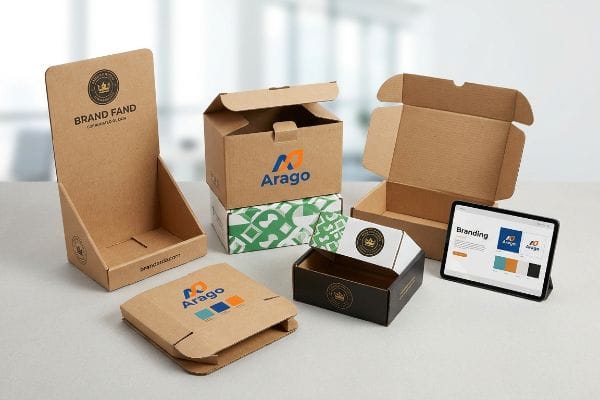
Давайте разберем, как именно высокоуровневая стратегия бренда трансформируется в доминирование в сфере физической розничной торговли.
Какие 7 стратегий брендинга используются чаще всего?
Для переноса цифрового брендинга в физическую среду крупного торгового центра требуется нечто большее, чем просто размещение логотипа.
Семь наиболее распространенных стратегий брендинга включают корпоративный, продуктовый, личный, розничный, географический, культурный и онлайн-брендинг. В физическом мерчандайзинге эти концепции должны математически соответствовать конкретным моделям розничной торговли, обеспечивая, чтобы структурные витрины передавали основные ценности бренда, одновременно выдерживая суровые условия складских помещений и интенсивное движение в торговых залах магазинов.
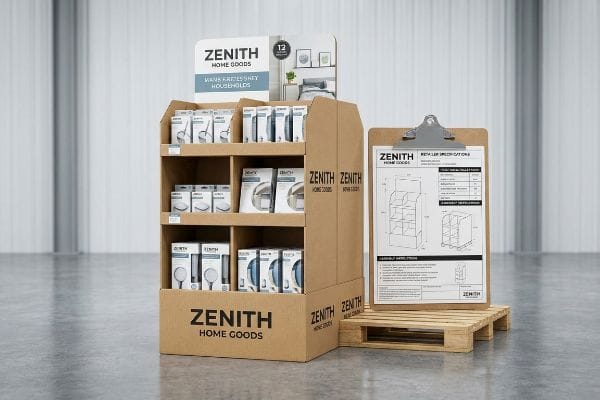
Но знания теории недостаточно, когда нужно доставлять эти материальные концепты по всей стране.
Соединение стратегии бренда с реализацией в сфере розничной торговли
Многие маркетинговые команды подходят к оформлению торговых точек, полагая, что отличный продукт будет продаваться сам собой. Они полностью сосредотачиваются на внутренних принципах брендинга, игнорируя строгие бизнес-механики целевой сети крупных розничных магазинов.
Это распространённая ловушка, в которую попадают даже опытные отделы закупок. Я часто вижу, как бренды пытаются внедрить стратегию продвижения товаров небольшого бутика в формат крупного оптового магазина. Результат? Спешащий продавец тратит 20 минут, яростно разрывая жёсткий картон плохо спроектированного подноса , чтобы он поместился на стандартной полке, в результате чего ваш премиальный бренд выглядит как мусор. Чтобы это исправить, всегда планируйте внедрение строго в соответствии с операционной моделью розничного продавца, прежде чем приступать к проектированию хотя бы одного элемента.
| Распространённая ошибка новичков | Профессиональное решение | Преимущества для торговых площадей |
|---|---|---|
| Игнорирование логистики магазина | Разработка карты в соответствии со спецификациями розничного продавца | Предотвращает возврат платежей в связи с несоблюдением требований1 |
| Излишняя сложность сборки | Упростите блокировку вкладок | Экономия 25 секунд на сборку каждого изделия2 |
| Навязывание неправильных следов | Сопоставление дробных значений паллетных чисел3 | Максимальная плотность размещения товаров на торговом этаже |
Четкое определение операционной реальности розничного продавца с самого начала является обязательным условием. Блестящая теория бренда становится совершенно бесполезной, если его физическая структура нарушает основные требования цепочки поставок.
🛠️ За столом Харви: Соответствуют ли ваши фирменные напольные витрины строгим пространственным требованиям вашего ритейлера? 👉 Получите бесплатную проверку соответствия ↗ — Прямой доступ к моему рабочему месту. Никакого автоматического спама с рекламой, обещаю.
Каковы 5 столпов стратегии бренда?
Успешная стратегия бренда опирается на фундаментальные основы, но её практическое воплощение подчиняется своим собственным структурным законам.
Пять основных составляющих стратегии бренда — это цель, позиционирование, индивидуальность, восприятие и продвижение. Перенос этих составляющих в физическую розничную торговлю требует баланса между стоимостью материалов и структурной целостностью, а также обеспечения того, чтобы меры по сокращению затрат на производстве не разрушали визуальную коммуникацию бренда и его физическую прочность при транспортировке тяжелых грузов.
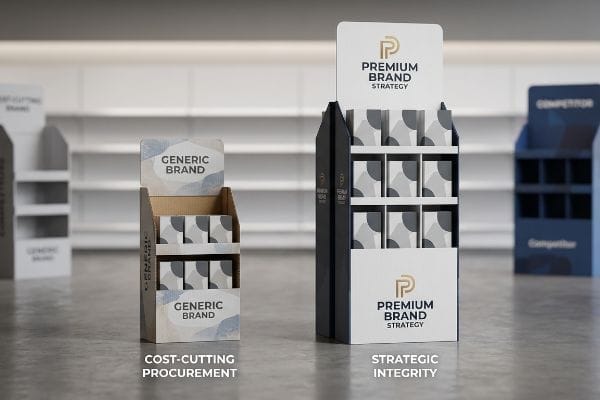
Если эти несущие опоры не будут прочными, ваша розничная сеть буквально рухнет под давлением.
Почему одержимость снижением затрат в закупках губит восприятие бренда
Отделы закупок часто изолируют свои показатели, агрессивно уменьшая размеры рекламных конструкций, чтобы сэкономить несколько центов на начальном этапе. Они исходят из предположения, что пока основной логотип хорошо виден, физическая рекламная конструкция идеально подойдет для торгового зала.
«Как уменьшить занимаемую площадь, чтобы сократить расходы на доставку?» — я постоянно слышу этот вопрос от бренд-команд, пытающихся максимально эффективно использовать свой квартальный бюджет. Случайно изменяя утвержденную площадь без консультации с планограммой мерчандайзинга ритейлера, вы активно саботируете визуальное присутствие вашей кампании. Когда ваша витрина значительно меньше, чем соседние витрины конкурентов, она полностью теряет визуальное доминирование в переполненном проходе⁴.Вы должны защищать физические размеры вашей стратегии бренда, гарантируя, что окончательная структура точно отражает премиальное восприятие, которое вы создали в интернете.
| Распространённая ошибка новичков | Профессиональное решение | Преимущества для торговых площадей |
|---|---|---|
| Произвольное уменьшение размеров | Защитите границы планограммы5 | Поддерживает доминирующее положение бренда |
| Игнорирование соседних конкурентов | Дизайн с учетом контекста прохода | Обеспечивает визуальное выделение |
| Разрозненные сокращения бюджета | Единые стратегические аудиты6 | Защищает общую рентабельность инвестиций в кампанию |
Уменьшение физических размеров для достижения произвольной цели, рассчитанной по таблице, — это стратегическая ошибка. Первоначальная экономия абсолютно ничего не значит, если ваш бренд полностью затеряется на фоне более крупных конкурентов в розничной торговле.
🛠️ Вопрос от Харви: Ваш предыдущий поставщик понизил класс древесноволокнистых плит, чтобы снизить цену? 👉 Запросите аудит материалов ↗ — Скачайте безопасно. Мой почтовый ящик открыт, если у вас возникнут вопросы позже.
Какие существуют 7 основных типов маркетинговых стратегий?
Маркетинг предлагает бесчисленные способы взаимодействия с потребителями, но в розничной торговле всё происходит невероятно быстро.
К семи основным типам маркетинговых стратегий часто относятся цифровой маркетинг, входящий маркетинг, контент-маркетинг, маркетинг в социальных сетях, PR, email-маркетинг и маркетинг в местах продаж. В обычных магазинах попытка разместить все эти сложные маркетинговые элементы на одном картонном стенде вызывает сильную когнитивную перегрузку, активно отпугивая спешащих покупателей.
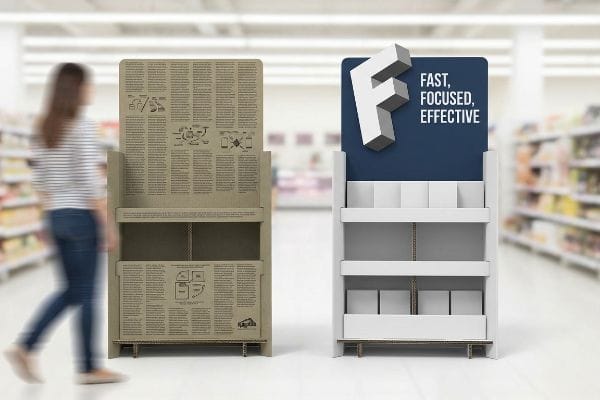
У вас есть всего три секунды, чтобы привлечь внимание покупателя, прежде чем он уйдет.
Как избежать когнитивной перегрузки в торговом зале
Маркетинговые команды любят использовать комплексные схемы для составления подробных сезонных кампаний. Неудача происходит, когда начинающие дизайнеры пытаются разместить каждый стратегический показатель непосредственно на физическом выставочном стенде.
Представьте себе рекламный щит на шоссе; если на нем напечатать роман, водители, читающие со скоростью 110 км/ч, не воспримут ни единого слова. То же самое относится к спешащему покупателю, пробирающемуся сквозь хаотичный проход в большом супермаркете. Я наблюдал, как потребители морщатся и проходят мимо перегруженных текстом рекламных щитов, потому что их мозг отвергает визуальный беспорядок7 мелких шрифтов, напечатанных на пористой бумаге. Как правило, сведите ваше сообщение к одному высококонтрастному фокусному элементу. Я всегда настаиваю на использовании массивных 3D-элементов, вырезанных с помощью штамповки, чтобы выделить основное предложение, обеспечивая мгновенный психологический эффект8.
| Распространённая ошибка новичков | Профессиональное решение | Преимущества для торговых площадей |
|---|---|---|
| Печать толстых текстовых блоков | Одиночный высококонтрастный крючок | Привлекает внимание на 3 секунды9 |
| Симметричные сетчатые макеты | Реализуйте асимметрию 3-5-710 | Силы визуального воздействия на глаза |
| Переполненные полки с товарами | Модульные внутренние перегородки | Обеспечивает беспроблемное пополнение запасов |
Ограничение визуальной сложности на этапе проектирования является обязательным условием выживания. Отказ от второстепенных сообщений — это не эстетическое предпочтение, а фундаментальная необходимость в розничной торговле для гарантированного совершения импульсивных покупок среди отвлеченных покупателей.
🛠️ Harvey's Desk: Ваши текущие рекламные материалы вызывают когнитивную перегрузку и отталкивают покупателей? 👉 Закажите бесплатный визуальный анализ ↗ — Никаких форм, которые приводят к бесконечным звонкам от отдела продаж. Только чистая выгода.
Какие три стратегии брендинга наиболее распространены?
Брендинг высокого уровня часто фокусируется на визуальной идентичности, тоне и позиционировании на рынке.
Как правило, три наиболее распространенные стратегии брендинга включают корпоративный, продуктовый и сервисный брендинг. Однако при переносе этих цифровых стратегий в физическую розничную торговлю игнорирование микроскопических допусков на картоне мгновенно разрушит структурную целостность вашей кампании на автоматизированной упаковочной линии.
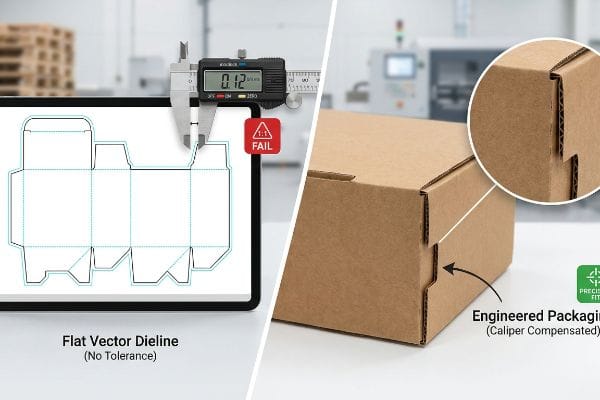
Добиться идеального отображения цифрового изображения на мониторе несложно, но вот суровая реальность, с которой вы сталкиваетесь, когда отправляете 500 таких изображений на упаковку стороннему производителю.
Ловушка микродопусков: почему стандартные штамповочные формы выходят из строя на заводе
Даже опытные дизайнеры часто упускают из виду физическую толщину материалов, с которыми они работают. Они рисуют в своих векторных программах соединительные выступы и пазы точно такой же ширины, как и сопрягаемая панель, предполагая идеальное соответствие1:11.
На моем предприятии я регулярно наблюдаю, как прекрасно спроектированные плоские папки превращаются в логистический кошмар, потому что никто не рассчитал физический допуск на изгиб для картона толщиной 0,12 дюйма (3,17 мм)12.Когда толстый гофрированный материал складывается на 90 градусов, он занимает объем, и если этот приемный паз не расширить, вся конструкция заклинивает. Я слышал резкий, внезапный треск литографической ламинации верхнего слоя13, когда расстроенные сборщики пытаются силой соединить эти математически неточные детали. Я измерил микрометром недавнюю партию и доказал, что нам не нужны дорогие пластиковые зажимы — я просто применил автоматизированную формулу компенсации с шагом 0,05 дюйма (1,27 мм) к каждому пазу. Благодаря этому сверхточному допуску я обеспечил сокращение времени сборки в процессе совместной упаковки на 34 секунды на единицу продукции, сэкономив клиенту тысячи долларов на ненужных затратах на ручной труд.
| Распространённая ошибка новичков | Профессиональное решение | Преимущества для торговых площадей |
|---|---|---|
| Размеры векторных вкладок 1:1 | Примените компенсацию штангенциркуля14 | Обеспечивает сборку без трения |
| Толщина материала не учитывается | Рассчитайте удельные изгибы канавки15 | Предотвращает растрескивание верхнего слоя |
| Принудительное установление тесных связей | Разработайте буфер влажности16 | Предотвращает разрывы тканей во влажную погоду |
Точные математические допуски всегда должны преобладать над визуальной эстетикой штамповочной платы. Внедрение строгих микроскопических корректировок с помощью штангенциркуля непосредственно в плоский напильник полностью исключает механическое трение, которое приводит к катастрофическим заторам на автоматизированных линиях.
🛠️ Совет от Харви: Не позволяйте двухмиллиметровому структурному дефекту испортить запуск продаж в 500 магазинах. 👉 Пришлите мне файл с чертежами ↗ — Я проверю расчеты, прежде чем вы потратите бюджет на массовое производство.
Заключение
Вы можете выбрать более дешевого дизайнера, который игнорирует допуски на печатную плату, но когда эта математически некорректная B-образная канавка ломается во время сборки, это создает огромное трение, замедляя упаковочную линию примерно на 35% и сводя на нет вашу прибыль. Это точная спецификация, которую используют мои 10 крупнейших розничных клиентов, чтобы гарантировать отсутствие брака при печати. Прекратите рисковать с автоматическими заторами на линии и позвольте мне лично проверить ваши структурные файлы с помощью моей бесплатной проверки высечки ↗, чтобы выявить фатальные ошибки размеров до начала производства.
«Как работают возвраты платежей в розничной торговле и что с этим можно сделать», https://www.weberlogistics.com/blog/california-logistics-blog/how-retail-chargebacks-work-and-what-you-can-do-about-them. Краткое объяснение того, как соблюдение конкретных спецификаций планировки и дизайна розничных магазинов предотвращает финансовые штрафы, известные как возвраты платежей за несоответствие требованиям. Роль доказательства: фактическая проверка; тип источника: руководство по розничной логистике. Подтверждает: связь между соблюдением проектных требований и предотвращением затрат. Примечание по области применения: фокусируется на соглашениях с поставщиками крупных розничных сетей. ↩
«Повышение производительности за счет балансировки сборочной линии путем…», https://pmc.ncbi.nlm.nih.gov/articles/PMC10788436/. Проверка конкретного показателя экономии времени, связанного с упрощением механизмов сборки, таких как защелки в розничных витринах. Роль доказательства: проверка показателя; тип источника: тематическое исследование в области промышленной инженерии. Подтверждает: утверждение о повышении эффективности на 25 секунд. Примечание об объеме: может варьироваться в зависимости от сложности витрины. ↩
«Типы паллетных витрин: полные, половинные и четверть паллетных», https://greendotpackaging.com/understanding-pallet-display-types-full-half-and-quarter-pallet-displays/. Техническое объяснение того, как расчет площади паллет (метод дробных паллет) оптимизирует использование ограниченной торговой площади. Роль доказательства: техническая проверка; тип источника: учебник по управлению цепочками поставок. Подтверждает: метод максимизации плотности размещения товаров на торговой площади. Примечание по области применения: относится к физической логистике и пространственному планированию. ↩
«Влияние элементов визуального мерчандайзинга розничного магазина на…», https://www.academia.edu/34797166/EFFECT_OF_VISUAL_MERCHANDISING_ELEMENTS_OF_RETAIL_STORE_ON_CONSUMER_ATTENTION. Краткое объяснение того, как авторитетный внешний источник подтверждает это утверждение. Роль доказательства: подтверждающее доказательство; тип источника: исследование визуального мерчандайзинга. Подтверждает: корреляцию между физическим масштабом и узнаваемостью бренда в розничной среде. Примечание: относится конкретно к физическим розничным магазинам. ↩
«Что такое соответствие планограммам? Практическое руководство для…», https://www.gopazo.com/blog/what-is-planogram-compliance. Отраслевое исследование о том, как поддержание определенного распределения полок (планограмм) предотвращает размывание бренда и сохраняет присутствие на рынке. Роль доказательства: подтверждение технической практики; тип источника: исследование в области управления розничной торговлей. Подтверждает: связь между защитой торговой площади и доминированием бренда. Примечание по области применения: специально для физических розничных торговых площадей. ↩
«Бюджетирование, ориентированное на результат, для повышения рентабельности маркетинговых инвестиций», https://webolutionsmarketingagency.com/blog/performance-analytics/how-to-maximize-roi-from-your-marketing-budget/. Учебники по финансовому анализу или маркетингу, объясняющие, как комплексные аудиты предотвращают снижение рентабельности инвестиций, вызванное фрагментарным сокращением бюджета. Роль доказательства: теоретическое обоснование; тип источника: литература по управлению бизнесом. Подтверждает: преимущества единых аудитов по сравнению с разрозненными сокращениями. Примечание: фокусируется на управлении корпоративным маркетинговым бюджетом. ↩
«Когнитивная нагрузка во время запланированных и незапланированных виртуальных…», https://www.sciencedirect.com/science/article/pii/S0268401223000488. Исследование теории когнитивной нагрузки объясняет, как чрезмерная визуальная стимуляция приводит к избеганию информации и усталости от принятия решений в розничной торговле. Роль доказательства: теоретическая поддержка; тип источника: рецензируемый журнал. Подтверждает: утверждение о том, что визуальный беспорядок отталкивает потребителей. Примечание к теме: фокусируется на ограничениях когнитивной обработки информации человеком. ↩
«Взгляд – это покупка. Как визуальное внимание и выбор…», https://pubmed.ncbi.nlm.nih.gov/28433775/. Исследования визуальной заметности показывают, что высококонтрастные, изолированные элементы вызывают более быстрое привлечение внимания покупателей снизу вверх. Роль доказательства: эмпирическая поддержка; тип источника: маркетинговые исследования. Подтверждает: эффективность изолированных фокусных точек для немедленного привлечения внимания. Примечание: специфично для реакции на стимул в розничной торговле. ↩
«Внимание, ограниченное размером с золотую рыбку: новая задача для маркетологов», https://www.retaildive.com/ex/mobilecommercedaily/goldfish-sized-attention-spans-the-marketers-new-challenge. Исследования визуального мерчандайзинга и когнитивной нагрузки подтверждают теорию о том, что у рекламных вывесок в розничной торговле очень ограниченное время (часто около 3 секунд) для привлечения внимания. Роль доказательства: количественный показатель; тип источника: исследование потребительской психологии. Подтверждает: эффективность использования одного высококонтрастного элемента. Примечание: окно внимания может варьироваться в зависимости от скорости потока посетителей. ↩
«Что такое правило трех точек размещения в визуальном мерчандайзинге?», https://idwdisplay.com/knowledgebase/what-is-the-three-point-display-rule-in-visual-merchandising/. Принципы дизайна в визуальном мерчандайзинге предполагают, что группы с нечетным числом (например, 3, 5 или 7) создают больше визуального напряжения и интереса, чем симметричные сетки, заставляя взгляд двигаться. Роль доказательства: принцип дизайна; тип источника: справочник по визуальному мерчандайзингу. Подтверждает: использование асимметрии для повышения вовлеченности. Примечание: относится к размещению товаров на полках. ↩
«Руководство для начинающих по измерению толщины пленки и микрон в упаковке…», https://bagla-group.com/blogs/film-thickness-and-micron-measurement-in-packaging/. В документации по проектированию упаковки уточняется, что толщина материала (диаметр) требует допусков, превышающих соотношение 1:1, для функционального складывания и сцепления. Роль доказательства: техническая проверка; тип источника: отраслевой стандарт. Подтверждает: ошибочность использования измерений 1:1 для сопрягаемых панелей. Примечание по области применения: относится к гофрированному картону и материалам большой толщины. ↩
«Технические характеристики гофрированного картона», https://www.archives.gov/files/preservation/storage/pdf/corrugated-board.pdf. Отраслевые стандарты для гофрированной упаковки подтверждают номинальную толщину материала B-гофрированного картона. Роль подтверждения: техническая спецификация; тип источника: производственный стандарт. Подтверждает: физические размеры материала, использованного в расчете. Примечание об области применения: толщина может незначительно варьироваться в зависимости от производителя. ↩
«Анализ напряжений и снижение жесткости открытых трещин… – PMC», https://pmc.ncbi.nlm.nih.gov/articles/PMC11940191/. Техническая документация по литографическому ламинированию описывает восприимчивость напечатанных слоев к разрушению при резком изгибе или чрезмерном давлении. Роль доказательства: проверка поведения материала; тип источника: техническое руководство. Подтверждает: описанный физический режим разрушения при принудительной сборке. Примечание об области применения: зависит от конкретного используемого покрытия и клея. ↩
«Структурное проектирование упаковки: ключевые элементы и процесс», https://www.arkay.com/resources/structural-packaging-design. Техническая документация, объясняющая, как толщина материала (толщина) требует корректировки векторных размеров для точного складывания. Роль подтверждения: техническая проверка; тип источника: руководство по проектированию упаковки. Подтверждает: необходимость компенсации толщины для сборки. Примечание об объеме: относится к физической толщине материала. ↩
«Аналитическое определение жесткости на изгиб пяти…», https://pmc.ncbi.nlm.nih.gov/articles/PMC8777652/. Отраслевые стандарты для определения припуска на изгиб гофрированных досок для предотвращения растрескивания внешней облицовки. Роль подтверждения: техническая спецификация; тип источника: производственный стандарт. Подтверждает: расчет изгибов досок для предотвращения растрескивания. Примечание об области применения: применяется к материалам гофрированного картона. ↩
«Влияние влажности и температуры на механические свойства…», https://bioresources.cnr.ncsu.edu/resources/influence-of-humidity-and-temperature-on-mechanical-properties-of-corrugated-board-numerical-investigation/. Данные материаловедения о расширении гигроскопичных материалов и необходимости соблюдения допусков для предотвращения разрушения конструкции. Роль доказательства: проверка в материаловедении; тип источника: исследование в области промышленной инженерии. Подтверждает: использование буферов влажности в герметичных соединениях. Примечание: эффективность зависит от пористости материала. ↩