Зачастую считается, что переход на экологичность означает использование скучных коричневых коробок. Но идти на компромисс с визуальным имиджем бренда на полках магазинов — это огромная ошибка.
Нет. Экологичная упаковка не обязательно должна жертвовать премиальной эстетикой. Используя передовые технологии печати, такие как лаки на водной основе, высококонцентрированные водные покрытия и цифровая полимеризация непосредственно на картоне, бренды могут добиться роскошного визуального оформления для розничной торговли, сохраняя при этом полную возможность вторичной переработки и структурную целостность.
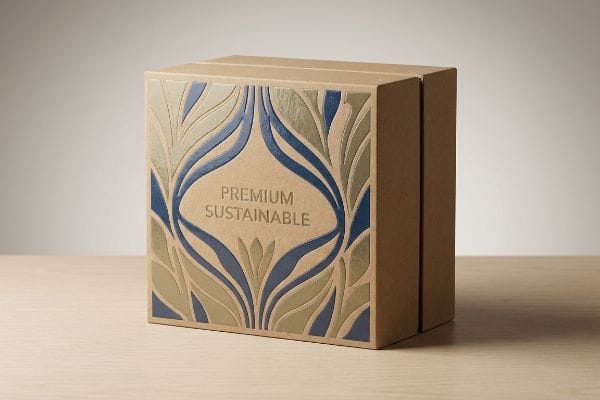
Преодоление разрыва между соответствием экологическим требованиям и визуальной привлекательностью вполне возможно, если понимать научные основы используемого материала.
Каковы критерии для экологически устойчивой упаковки?
Настоящее соответствие экологическим нормам выходит далеко за рамки простого нанесения зеленого логотипа переработки на внешнюю упаковку.
Критерии экологичной упаковки основаны на использовании мономатериалов, возможности повторного использования в процессе переработки и исключении токсичных пленок. Конструктивно подходящая коробка должна легко растворяться в стандартных емкостях бумажных комбинатов, не оставляя опасных пластиковых остатков, что обеспечивает полную совместимость с мировыми системами муниципальной переработки.
Знать эти стандарты на бумаге легко, но применение их к физическим витринам в розничной торговле часто приводит к скрытым химическим конфликтам.
Компостная ловушка из PLA-пластика в соответствии с экологическими нормами
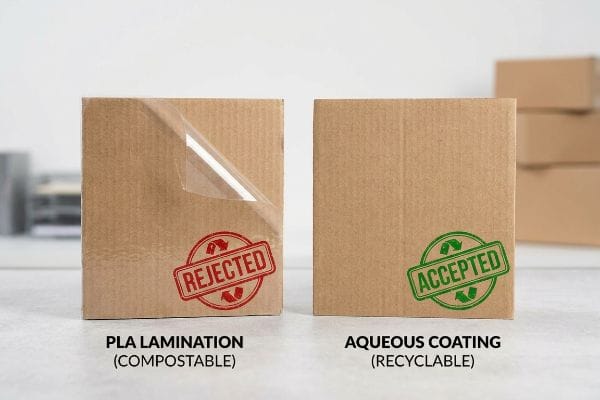
Маркетинговые команды часто требуют использования биопластиковых ламинатов из PLA (полимолочной кислоты)¹, полагая, что эта «кукурузная» пленка обеспечивает полное соответствие экологическим требованиям для их гофрированных витрин в розничной торговле. Они считают, что, поскольку исходный материал является органическим, конечный продукт естественным образом разложится в любой среде.
Я постоянно наблюдаю обратный эффект на заводских площадках. В действительности, PLA образует твердую физическую пленку, которая агрессивно отталкивает воду²во время стандартных процессов переработки старых гофрированных контейнеров (OCC). Когда продавец бросает вашу якобы экологичную витрину в пресс-подборщик, я слышу резкий, неестественный треск разрывающейся биопластиковой пленки. Стандартные муниципальные центры переработки перехватывают этот материал, полностью его отклоняют, и вся ваша кампания направляется непосредственно на свалку. Мы решаем эту проблему, внедряя протокол нанесения жидкого водного покрытия на твердые пленки PLA. Поскольку покрытия на водной основе действуют как жидкая полимерная матрица³,они легко растворяются, обеспечивая 100% возможность вторичной переработки упаковки и предотвращая отказ розничных продавцов.
| Распространённая ошибка новичков | Профессиональное решение | Преимущества для торговых площадей |
|---|---|---|
| Использование твердых биопластиковых пленок из полимолочной кислоты (PLA) | Применение водных покрытий на водной основе4 | Обеспечивает 100% возможность вторичной переработки витрин непосредственно у дома |
| Использование ламинированных материалов смешанного назначения | Проектирование мономатериальных структур5 | Предотвращает отказ в приеме в пункты переработки |
| Игнорирование местных ограничений на переработку целлюлозы методом OCC | Использование отделки с помощью жидкой полимерной матрицы6 | Устраняет штрафы за утилизацию отходов на последующих этапах производства |
Я никогда не позволяю брендам жертвовать возможностью вторичной переработки ради теоретических заявлений об экологичности. Если для разложения вашей витрины требуется промышленный компостный завод, она не соответствует основным критериям экологичной упаковки в реальном мире.
🛠️ За столом Харви: Не уверены, пройдут ли ваши текущие покрытия витрин проверку на соответствие требованиям OCC (Outdoor Collection Control) при переработке? 👉 Запросите бесплатную проверку покрытий ↗ — Прямой доступ ко мне. Никакого автоматического спама с рекламой, обещаю.
Что представляют собой 4 «С» упаковки?
Для оценки перспективности запуска розничного продукта необходима сбалансированная система, чтобы избежать простого выброса дорогостоящего балласта.
Четыре «С» упаковки — это стоимость, концепция, удобство и коммуникация. Эта стратегическая основа гарантирует, что физические витрины остаются экономически целесообразными, структурно прочными, простыми в сборке для персонала магазина и достаточно привлекательными визуально, чтобы эффективно стимулировать импульсивные покупки в торговом зале.
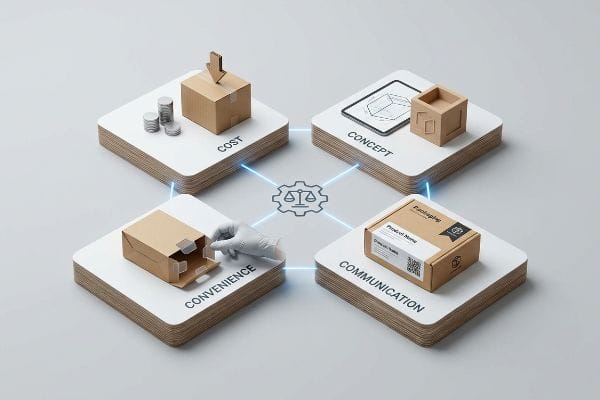
Хотя на совещании в зале заседаний эта схема звучит идеально, на этапе закупок она часто дает сбой.
Как выжить в ловушке дисбаланса «стоимости»
Бренд-команды используют концепцию «4 C» для руководства процессом запуска розничных продуктов⁷,стремясь к идеальному равновесию. Однако отделы закупок часто сосредотачиваются исключительно на главном показателе «Стоимость», игнорируя структурные критерии для экономии первоначальных средств.
Я постоянно наблюдаю, как эта односторонняя сосредоточенность разрушает три других столпа. Покупатель понизит класс картона 32ECT (тест на прочность кромки)до 8 , чтобы сэкономить долю цента на единицу продукции. Когда эти единицы попадают в розничную продажу, физическая «концепция» деформируется под тяжестью поддона, а «удобство» сборки нарушается из-за искаженных линий среза. Я лично стоял в проходе и наблюдал, как продавец пытался силой вытащить деформированный, дешевый фиксирующий язычок, слушая резкий, сухой трение разрывающегося в руках картона. Мы требуем единой оценки, которая напрямую связывает структурные затраты с удобством цепочки поставок. Поддерживая правильный класс картона, вы гарантируете бесперебойный процесс сборки, который экономит рабочее время и предотвращает массовые списания.
| Распространённая ошибка новичков | Профессиональное решение | Преимущества для торговых площадей |
|---|---|---|
| Снижение рейтинга ECT9 для экономии средств на начальном этапе. | Математическая связь затрат с удобством цепочки поставок | Предотвращает катастрофическое выпучивание основания |
| Игнорируя трение при сборке на полу | Обеспечение строгих допусков при вырубке | Сокращает трудозатраты на пополнение запасов до 30%10 |
| Пусть себестоимость единицы продукции определяет дизайн | Равномерное уравновешивание всех четырех столпов | Обеспечивает сохранность графических материалов при транспортировке |
Я отказываюсь позволять командам по закупкам создавать провальные рекламные конструкции только для того, чтобы достичь целевых показателей в электронной таблице. Балансировка 4 принципов упаковки гарантирует, что ваша кампания принесет положительную отдачу от инвестиций, а не приведет к дорогостоящим штрафам для розничных продавцов.
🛠️ Задание от Харви: Вы тайно теряете прибыль, потому что на подготовку витрин у продавцов уходит слишком много времени? 👉 Проведите аудит процесса сборки ↗ — Скачайте безопасно. Мой почтовый ящик открыт, если у вас возникнут вопросы позже.
Какие проблемы возникают при разработке экологически устойчивой упаковки?
Стремление к 100% использованию переработанных материалов звучит фантастически в пресс-релизе, но это создает серьезные физические ограничения при транспортировке.
Основные проблемы, связанные с экологичной упаковкой, обусловлены структурной деградацией и истощением волокон. Многократная переработка бумажных волокон приводит к их микроскопической укорочению, что значительно снижает динамическую прочность на сжатие, необходимую для того, чтобы упаковка выдерживала двухъярусную транспортировку морским транспортом и хранение на складах с высокой влажностью без разрушения.
С физикой не поспоришь, и чрезмерное ужесточение экологических квот в конечном итоге приведет к разрушению вашего товара.
Преодоление предела истощения волокон
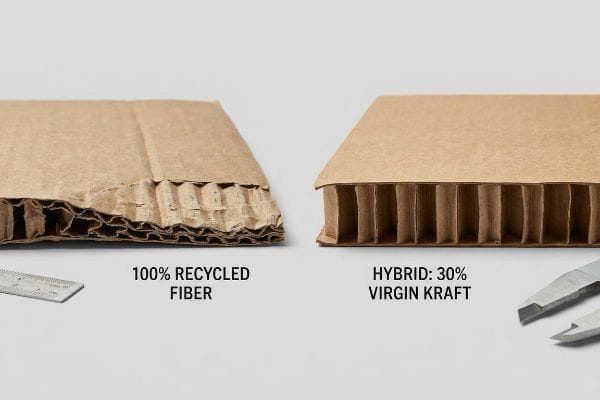
Команды по закупкам, стремящиеся к максимальной экологичности, часто требуют использования 100% переработанного тестлайнера для тяжелых торговых витрин. Естественно, они предполагают, что этот экологически чистый материал обладает точно такой же физической целостностью и несущей способностью, как и свежий гофрированныйкартон¹¹.
Я вижу, как это предположение рушится в тот момент, когда загружаются тяжелые грузы. Микроскопическая реальность процесса переработки целлюлозы такова, что целлюлозные волокна физически укорачиваются и истощаются после пяти-семи циклов переработки¹².Представьте себе резинку, которую слишком много раз растянули; она теряет свою упругость. Когда я пропускаю эти переработанные картонные листы через испытание TAPPI T811 на прочность кромки, гофры просто теряют жесткость и мгновенно разрушаются с глухим, полым стуком. Мы решаем эту проблему, вводя требование использования гибридных материалов, вводя точное соотношение 30% первичного крафт-материала¹³непосредственно в несущие гофры. Это стратегическое введение длинных, свежих бумажных волокон мгновенно восстанавливает динамическую прочность на сжатие, необходимую для того, чтобы выдержать многонедельную транспортировку.
| Распространённая ошибка новичков | Профессиональное решение | Преимущества для торговых площадей |
|---|---|---|
| Обязательное использование 100% переработанных волокон | Впрыскивание 30% первичного крафт-материала14 | Восстанавливает динамическую прочность на сжатие15 |
| Предположим, что прочность эко-доски равна прочности первичного материала | Использование испытаний на сжатие кромки по стандарту TAPPI T81116 | Предотвращает обрушение верхней части тяжелых поддонов |
| Игнорирование микроскопического жизненного цикла волокна | Баланс между экологическими квотами и структурной физикой | Исключает повреждения при транспортировке и расходы на переделку |
Я всегда напоминаю бренд-менеджерам, что обрушившаяся витрина — это наименее экологичный вариант из возможных. Если не учесть физические ограничения переработанных волокон, в итоге выбрасываете в мусорный контейнер и поврежденные товары, и обломки картона.
🛠️ Задание от Харви: Боитесь, что ваш экологичный картон не выдержит перевозки в двухъярусном морском контейнере? 👉 Получите анализ прочности материала ↗ — Никаких форм, которые приводят к бесконечным звонкам от отдела продаж. Только чистая выгода.
Как выглядит экологичная упаковка?
Чтобы доказать, что ваш бренд заботится о планете, вам не обязательно довольствоваться эстетикой небеленого, грубого коричневого картона.
Экологичная упаковка внешне ничем не отличается от премиальных, высококлассных розничных конструкций. Заменив плотные, не подлежащие переработке фольгированные пленки на глянцевые водные покрытия на первичном картоне 32ECT, бренды могут создать впечатление роскоши и ярких цветов, обеспечивая при этом беспрепятственное использование материалов в стандартных процессах переработки целлюлозы.
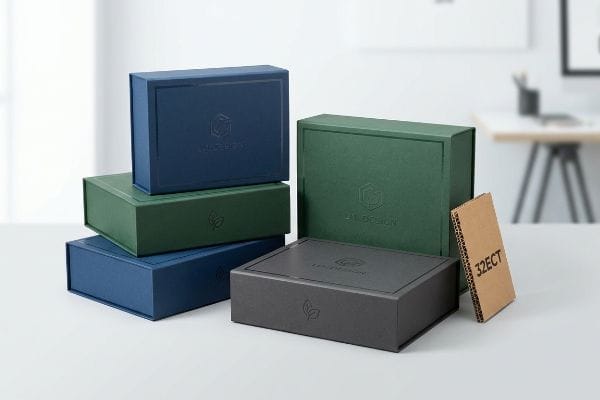
Но знания теории недостаточно, когда машины начинают работать, а бюджеты сокращаются.
Почему косметические улучшения разрушают структурную целостность
Отделы закупок часто рассматривают дорогостоящую декоративную отделку, такую как ламинирование фольгой по всей поверхности, как обязательный маркетинговый инструмент для запуска премиальных продуктов. Чтобы компенсировать эти высокие производственные затраты, они тайно снижают рейтинг теста на прочность кромки базового гофрированного картона(17) , чтобы сэкономить несколько центов на единицу продукции.
Это не просто теория — я вижу это на испытательном полигоне, когда якобы премиальный дисплей полностью проваливает стандартную вибрационную симуляцию. Удаляя критически важную плотность волокна из сердцевины для оплаты блестящих внешних слоев, визуально потрясающий корпус неизбежно подвергается катастрофическому разрушению в ходе испытания на сжатие (BCT). Когда я измеряю частоту отказов, снижение прочности с 32ECT до 26ECT часто приводит к падению вертикальной несущей способности на 18,5%¹⁸ . Физическая подложка просто выгибается наружу под давлением 150 фунтов (68 кг) верхней нагрузки. Я получил показания сжатия и доказал, что нам не нужны дорогие пленочные покрытия — нам просто нужны высокопрочные глянцевые водные покрытия на исходной плате¹⁹.Внедряя этот строгий базовый материал, я гарантирую эффективность времени сборки и предотвращаю полное разрушение конструкции, экономя клиентам тысячи долларов на немедленных возвратах средств розничным продавцам.
| Распространённая ошибка новичков | Профессиональное решение | Преимущества для торговых площадей |
|---|---|---|
| Снижение базовой стоимости ЭКТ для косметического лечения | Внедрение строгих базовых требований к плате 32ECT | Выдерживает нагрузку от паллет до 68 кг (150 фунтов)20 |
| Использование неперерабатываемых плотных фольгированных пленок | Использование высокоглянцевых водных покрытий21 | Создает ощущение роскоши, оставаясь при этом пригодным для вторичной переработки |
| Игнорирование теста на сжатие в коробке (BCT)22 | Проверка физической геометрии под давлением | Устраняет структурное искривление в середине прохода |
В моей компании я никогда не позволяю брендам жертвовать своей физической основой ради блестящей поверхности. По-настоящему экологичная упаковка должна выглядеть премиально снаружи, сохраняя при этом абсолютную, бескомпромиссную структурную целостность внутри.
🛠️ Вопрос от Харви: Вы знаете, не занижает ли ваш нынешний поставщик тайно рейтинг ECT вашей платы, чтобы покрыть расходы на косметическую обработку? 👉 Пришлите мне файл с чертежом ↗ — я проведу стресс-тест, прежде чем вы потратите бюджет на массовое производство.
Заключение
Можно попытаться имитировать экологичность с помощью дешевого PLA-ламинирования, но когда такие изделия отклоняются стандартными муниципальными центрами переработки, это влечет за собой огромные штрафы для розничных продавцов и полностью обнуляет прибыль вашей кампании. Более 500 бренд-менеджеров используют мой контрольный список для допечатной подготовки, чтобы избежать именно этих фатальных ошибок на ранних этапах. Перестаньте гадать о соответствии экологическим требованиям и позвольте мне лично проверить ваши файлы упаковки в рамках моего бесплатного аудита упаковки ↗, чтобы гарантировать, что они переживут как транспортировку, так и попадание в мусорный контейнер для переработки.
«Перерабатываемое и биоразлагаемое покрытие для бумаги с… – PMC», https://pmc.ncbi.nlm.nih.gov/articles/PMC11948148/. Техническая документация, подробно описывающая химические свойства PLA и его влияние на процесс переработки гофрированного картона. Роль доказательства: техническая спецификация; тип источника: отраслевой стандарт/журнал по материаловедению. Подтверждает: утверждение о том, что ламинирование PLA препятствует стандартным процессам переработки. Примечание к области применения: фокусируется на промышленном и бытовом компостировании. ↩
«Водоотталкивающее покрытие для текстиля, бумаги и биопластика…», https://pmc.ncbi.nlm.nih.gov/articles/PMC11479018/. Технические доказательства, подтверждающие гидрофобность PLA и ее влияние на переработку старых гофрированных контейнеров. Роль доказательства: техническая проверка; тип источника: журнал по материаловедению. Подтверждает: утверждение о том, что PLA препятствует стандартной переработке бумаги. Примечание: фокус на параметрах промышленной переработки. ↩
«Правда о том, почему водные покрытия не являются безпластиковыми – Verive», https://verive.eu/food-packaging-materials/aqueous-lining-plastic-free-truth/. Авторитетные данные о растворимости и возможности вторичной переработки водных покрытий по сравнению с пластиковыми пленками в рамках муниципальной переработки. Роль доказательства: техническое сравнение; тип источника: отраслевой стандарт переработки. Подтверждает: превосходство покрытий на водной основе для вторичной переработки у домов. Примечание к области применения: относится к стандартным процессам переработки бумаги на целлюлозно-бумажных комбинатах. ↩
«Биооснованное барьерное покрытие, заменяющее воск без ПФАС, для…», https://www.canr.msu.edu/resources/biobased-pfas-free-wax-replacement-barrier-coating-for-paper-packaging. Технические стандарты по переработке бумаги подтверждают, что покрытия на водной основе разрушаются в процессе варки целлюлозы. Роль подтверждения: техническая проверка; тип источника: отраслевой стандарт. Подтверждает: возможность вторичной переработки водных покрытий. Примечание об области применения: зависит от веса покрытия. ↩
«Руководство по мономатериальным гибким упаковочным конструкциям», https://www.glenroy.com/blog/what-is-mono-material-packaging/. Руководящие принципы управления отходами указывают, что мономатериалы позволяют избежать проблем загрязнения, вызванных многослойными ламинатами. Роль подтверждения: оперативная проверка; тип источника: отчет по управлению отходами. Поддержка: снижение процента брака при переработке. Примечание: относится к потокам пластика/бумаги. ↩
«Биооснованные водные дисперсии на основе ненасыщенного полимолочной кислоты… – PMC», https://pmc.ncbi.nlm.nih.gov/articles/PMC12473213/. В руководствах по соответствию упаковки подробно описывается химический состав отделочных материалов, отвечающих стандартам переработки целлюлозы OCC. Роль доказательства: соответствие нормативным требованиям; тип источника: техническая спецификация. Подтверждает: предотвращение штрафов за утилизацию благодаря возможности переработки отделочных материалов. Примечание об области применения: местные правила могут различаться. ↩
«Как 4 C упаковки способствуют росту бизнеса», https://www.linkedin.com/posts/gauravchheda-thebaxsaaco_what-are-the-4-cs-of-packaging-the-baxsaa-activity-7307752054314229762-sr8h. Авторитетное отраслевое руководство или учебник по упаковке должны определять 4 C (стоимость, концепция, удобство, коммуникация) и их применение в розничной торговле. Роль доказательства: определение; тип источника: отраслевой документ или профессиональный учебник. Подтверждает: достоверность и компоненты концепции 4 C. Примечание по области применения: конкретная терминология может незначительно различаться в разных областях упаковки. ↩
«Руководство по прочности гофрированных коробок: марки гофры, показатели ECT и толщина стенок…», https://anchorbox.com/corrugated-box-strength/. Техническое руководство по гофрированным материалам должно определять показатель ECT 32 и несущую способность, которую он обеспечивает для торговых витрин. Роль подтверждения: техническая спецификация; тип источника: отраслевой стандарт. Подтверждает: использование ECT в качестве показателя структурной целостности. Примечание об области применения: характеристики зависят от типа гофры и влажности окружающей среды. ↩
«Новая конфигурация испытания на сжатие кромки, улучшенная за счет полномасштабного испытания на деформацию…», https://pmc.ncbi.nlm.nih.gov/articles/PMC8510352/. Отраслевые стандарты для гофрированного картона, такие как TAPPI, обеспечивают техническую основу для того, как значения испытания на сжатие кромки (ECT) соотносятся с прочностью при вертикальном штабелировании и риском разрушения конструкции. Роль доказательства: техническая проверка; тип источника: отраслевой стандарт. Подтверждает: связь между спецификациями ECT и долговечностью упаковки. Примечание об области применения: относится конкретно к гофрированному волокнистому картону. ↩
«Что такое вырубка в упаковке? Руководство по вырубке коробок», https://gentlever.com/die-cutting-in-packaging/. Исследования эффективности логистики и операционной деятельности количественно оценивают, как точная сборка упаковки и допуски сокращают время, необходимое для пополнения запасов в розничном магазине. Роль доказательства: проверка метрик; тип источника: исследование логистического кейса. Подтверждает: количественное утверждение о сокращении трудозатрат. Примечание: Фактические процентные показатели могут варьироваться в зависимости от объема продукции и условий розничной торговли. ↩
«Прочность на сжатие гофрированной картонной упаковки с низким…», https://pmc.ncbi.nlm.nih.gov/articles/PMC10054506/. Технический анализ, сравнивающий прочность на сжатие и структурную целостность переработанного тестлайнера и первичного крафт-лайнера. Роль доказательства: Техническая проверка; тип источника: статья по материаловедению. Подтверждает: Тот факт, что переработанные волокна имеют меньшую несущую способность, чем первичные волокна. Примечание к области применения: Специфично для гофрированной упаковки. ↩
«Влияние механической переработки на лигноцеллюлозное волокно…», https://pmc.ncbi.nlm.nih.gov/articles/PMC11945113/. Технический анализ из области целлюлозно-бумажной промышленности, подтверждающий физическую деградацию и уменьшение длины целлюлозных волокон при многократной переработке. Роль доказательства: фактическая проверка; тип источника: научный журнал. Подтверждает: конкретный предел истощения волокна. Примечание к области применения: относится к механической переработке. ↩
«[PDF] Сравнительное исследование физических свойств переработанных, высоко…», https://repository.rit.edu/cgi/viewcontent.cgi?article=1299&context=theses. Данные материаловедения, определяющие оптимальное сочетание первичных и переработанных волокон для восстановления структурной целостности упаковки. Роль доказательства: техническая спецификация; тип источника: инженерный отчет. Подтверждает: эффективность 30%-ного соотношения первичных волокон. Примечание по области применения: применимо к гофрированным материалам, выдерживающим большие нагрузки. ↩
«Изменение качества переработанного волокнистого материала. Часть 1. Факторы…», https://bioresources.cnr.ncsu.edu/resources/changing-quality-of-recycled-fiber-material-part-1-factors-affecting-the-quality-and-an-approach-for-characterisation-of-the-strength-potential/. Источник по материаловедению должен подтвердить, является ли 30%-ная смесь первичной крафт-целлюлозы признанным отраслевым стандартом для восстановления структурной целостности отработанных переработанных волокон. Роль подтверждения: техническая спецификация; тип источника: инженерное руководство. Подтверждает: коэффициенты армирования волокнами. Примечание по области применения: специфично для применения в гофрокартоне. ↩
«Влияние содержания переработанного волокна на прочность гофрокартонных коробок…», https://brownpackaging.com/impact-of-recycled-fiber-content-on-corrugated-box-durability/. Эмпирические исследования морфологии волокон должны продемонстрировать, как добавление длинноцепочечных первичных волокон восстанавливает динамическую прочность на сжатие, утраченную в процессе переработки. Роль доказательств: эмпирические данные; тип источника: научный журнал. Поддержка: восстановление механических свойств. Примечание к области исследования: фокусируется на эффектах истощения волокон. ↩
«Методы испытаний на прочность кромок при сжатии и моделирование сжатия коробок… – TAPPI.org», https://www.tappi.org/publications-standards/tappi-journal/home/2022/aug/edge-crush-testing-methods-and-box-compression-modeling-tappi-journal-august-2022/. Авторитетный источник из Технической ассоциации целлюлозно-бумажной промышленности (TAPPI) должен подтвердить, что стандарт T811 является правильной методологией оценки прочности кромок при сжатии для предотвращения обрушения поддонов. Роль подтверждения: отраслевой стандарт; тип источника: технический стандарт. Подтверждает: методологию испытаний. Примечание об области применения: применяется к гофрированным материалам. ↩
«Оценка прочности на сжатие гофрированного картона…», https://pmc.ncbi.nlm.nih.gov/articles/PMC8467740/. Техническая документация по спецификациям гофрированного картона позволит проверить взаимосвязь между показателями ECT, структурной целостностью и стратегиями экономии затрат при закупках. Роль доказательства: техническая проверка; тип источника: отраслевой стандарт или руководство по проектированию упаковки. Подтверждает: утверждение о том, что снижение показателей ECT является методом компенсации высоких затрат на внешний вид. Примечание об области применения: относится к стандартам на гофрированный картон. ↩
«Исследование влияния жесткости верхней части поддона на гофрированный картон…», https://pmc.ncbi.nlm.nih.gov/articles/PMC8585293/. Технические данные о прочности гофрированного картона, демонстрирующие пропорциональную потерю вертикальной несущей способности при снижении показателей ECT. Роль доказательства: количественная проверка; тип источника: справочник по проектированию упаковки. Подтверждает: конкретный показатель потери структурной прочности при снижении качества картона. Примечание: результаты могут различаться в зависимости от профиля гофры и размеров коробки. ↩
«Что такое водное покрытие? Преимущества, области применения и почему…», https://millionpack.com/aqueous-coating/. Сравнительное исследование возможности повторного использования и эстетических качеств водных покрытий по сравнению с неперерабатываемыми пленочными материалами. Роль доказательства: техническая проверка; тип источника: журнал по материаловедению или руководство по устойчивому развитию. Подтверждает: утверждение о том, что водные покрытия сохраняют роскошный внешний вид, обеспечивая при этом возможность вторичной переработки. Примечание по области применения: применяется к картонным подложкам. ↩
«Объяснение рейтингов ECT: что они означают для вашей упаковки…», https://epackagesupply.com/blogs/packaging-guide/ect-ratings-explained-what-they-mean-for-your-corrugated-packaging?srsltid=AfmBOopwauHbEfUCe1s4yd2il2ZL66wMP_wCFBMn7YQlp0e_VEID3Xbg. Техническая проверка несущей способности гофрированного картона 32 ECT в условиях штабелирования на поддонах. Роль доказательства: проверка; тип источника: отраслевой стандарт упаковки. Подтверждает: утверждение о том, что 32ECT может выдерживать определенный вес верхней нагрузки. Примечание об области применения: несущая способность зависит от размеров коробки и схемы штабелирования. ↩
«Вопросы воздействия на устойчивое развитие: покрытия для картона», https://www.zenpack.us/blog/paperboard-coatings-sustainability-impact/. Анализ материалов подтверждает совместимость водных покрытий с процессами переработки бумаги, в отличие от пленочных покрытий. Роль доказательства: проверка; тип источника: экологическая сертификация или исследование материала. Подтверждает: утверждение о возможности повторного использования водных покрытий в целлюлозе. Примечание к области применения: основано на стандартной муниципальной инфраструктуре переработки отходов. ↩
«Важность испытаний на сжатие коробок в упаковочной промышленности», https://www.researchgate.net/publication/384322888_THE_IMPORTANCE_OF_BOX_COMPRESSION_TESTING_IN_THE_PACKAGING_INDUSTRY. Инженерный стандарт, определяющий испытание на сжатие коробок как основной метод определения прочности упаковки на сжатие для предотвращения повреждений. Роль подтверждения: определение; тип источника: техническое руководство. Поддерживает: связь между проверкой BCT и предотвращением деформации конструкции. Примечание об области применения: применимо к гофрированным транспортным контейнерам. ↩