Зайдите в любой крупный розничный магазин, и вы увидите их повсюду. Однако некачественный поднос для товаров – это не просто бельмо на глазу; он напрямую снижает вашу прибыль.
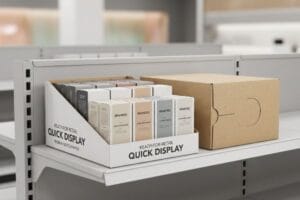
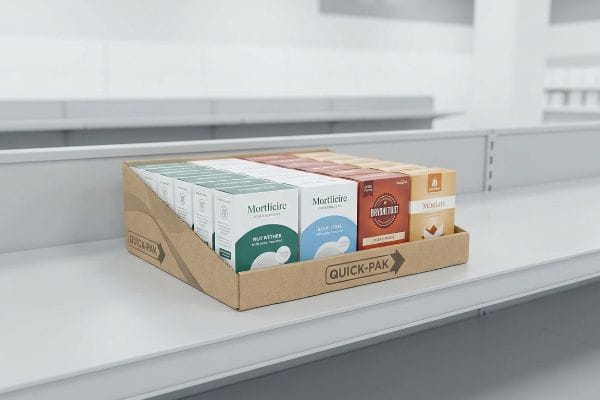
Витрина PDQ (Pretty Darn Quick) — это предварительно упакованный товар в розничном лотке, разработанный для быстрой установки на полку и обеспечения немедленного доступа к нему. Эти устройства максимально увеличивают видимость при минимизации трудозатрат, позволяя сотрудникам магазина мгновенно перекладывать товары из транспортных коробок непосредственно в торговый зал.
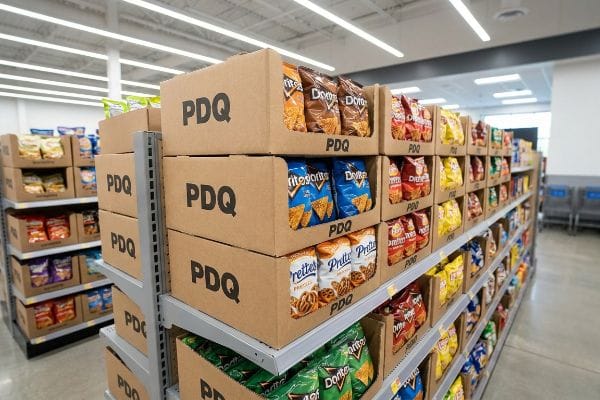
Понять основную концепцию несложно, но разработка подноса, способного выдержать суровые условия транспортировки — от влажного контейнера до идеально чистой полки магазина — требует абсолютной механической точности.
Что такое PDQ-дисплей в розничной торговле?
В розничной торговле рентабельность труда крайне низкая.
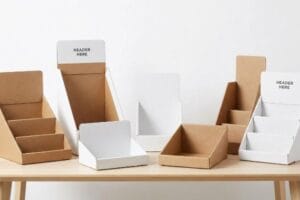
Стеллаж PDQ — это компактная, готовая к размещению на полке конструкция из гофрированного картона, предназначенная для надежного размещения товаров и мгновенного развертывания по прибытии. Благодаря использованию предварительно склеенных модульных компонентов, эти торговые стенды позволяют обойтись без сложных процедур ручной установки, гарантируя единообразное представление бренда и устраняя структурные проблемы во время быстрых операций по пополнению запасов в крупных сетевых магазинах.
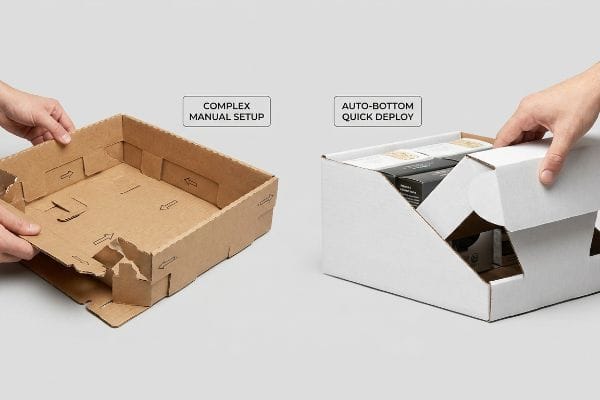
Но знания теории быстроразвертываемого подразделения недостаточно, когда неопытные команды игнорируют физическую механику сборки из картона.
Скрытые препятствия в быстрой реализации мерчандайзинговых проектов
Даже опытные дизайнеры часто упускают из виду этот недостаток, полагая, что сложная, взаимосвязанная структура оригами легко адаптируется для магазина. Они создают красивые трехмерные плоские упаковки с десятками замысловатых защелкивающихся элементов, обращаясь с готовым изделием как с головоломкой, требующей терпеливого и бережного обращения.
Я постоянно сталкиваюсь с этой ловушкой, когда бренды ставят эстетическую сложность выше скорости сборки в магазине. У спешащего продавца нет пяти минут, чтобы разобраться с немаркированной вырубкой-головоломкой. В прошлом квартале я наблюдал, как команда по пополнению запасов полностью порвала картонную основу слишком сложной конструкции у конкурента, потому что боковые фиксирующие защелки были слишком тугими. Резкий щелчок от разрыва бумаги мгновенно разрушил структурную целостность, вынудив продавца заклеивать коробку неаккуратной прозрачной упаковочной лентой. Чтобы исправить это, я ввел обязательную модульную систему основания с предварительно склеенными защелками, которая автоматически открывается. Убрав ручные фиксаторы и используя автоматический нижний фиксатор¹ , лоток открывается без трения, обеспечивая безупречную презентацию бренда и экономя покупателю огромные затраты на оплату труда.
| Распространённая ошибка новичков | Профессиональное решение | Преимущества для торговых площадей |
|---|---|---|
| Сложные взаимозацепляющиеся выступы | Предварительно склеенные основания с автоматическим дном2 | Экономит 45 секунд на подготовке подноса3 |
| Немаркированные последовательности сворачивания | Интуитивно понятное всплывающее окно в два шага | Предотвращает разрыв картона |
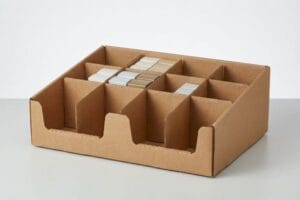
| Слабое натяжение боковых стенок | Встроенные модульные перегородки4 | Обеспечивает идеальное вертикальное положение товара |
Я не позволю излишне сложной последовательности складывания испортить размещение товара на полках. Исключение этапов ручной сборки гарантирует, что ваш товар мгновенно окажется на полке, обеспечивая максимальную видимость до окончания смены пополнения запасов.
🛠️ За столом Харви: Ваши продавцы портят фирменные подносы, пытаясь их соединить? 👉 Проведите аудит структурных трений ↗ — Прямой доступ к моему рабочему месту. Никакого автоматического спама с рекламой, обещаю.
Что означает аббревиатура PDQ в контексте розничной торговли?
Сама аббревиатура определяет всю механическую философию упаковки.
Аббревиатура PDQ расшифровывается как "Pretty Darn Quick" или "Product Display Quick" в розничной торговле. Она обозначает узкоспециализированную категорию готовой к размещению на полке упаковки, оптимизированную для быстрой доставки, обеспечивающей минимальное время обработки и абсолютно беспрепятственный переход от основных транспортных коробок непосредственно к точке продажи.
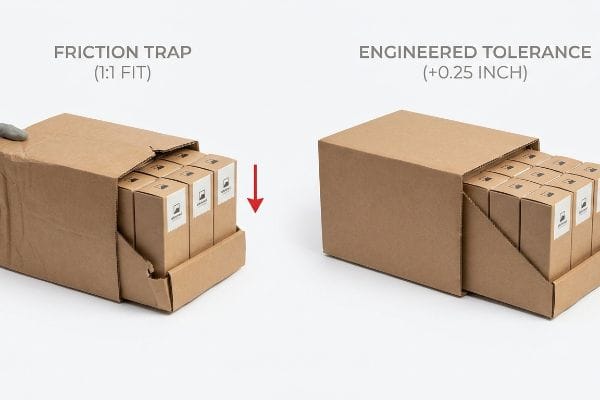
Главная цель — скорость, но серьёзная ошибка в геометрии упаковки мгновенно остановит этот темп.
Почему "быстрые" методы терпят неудачу при распаковке основной коробки
Даже опытные отделы закупок часто попадают в ловушку, разрабатывая коробки для транспортировки, идеально соответствующие внешним размерам (1:1)их предварительно заполненных розничных лотков. Они предполагают, что герметичное прилегание обеспечит максимальную защиту при транспортировке и предотвратит смещение товара внутри.
Именно это предположение полностью разрушает механику быстрого процесса распаковки. Когда вы вкладываете лоток размером 24 дюйма (609,6 мм) в коробку размером 24 дюйма (609,6 мм), необработанный гофрированный картон создает огромное трение. Я видел, как сотрудники буквально обливались потом, пытаясь разъединить эти плотно вложенные блоки, тянув так сильно, что громкий звук разрыва переднего удерживающего края разносился по проходу. Стенки коробки физически сцепляются друг с другом. Чтобы разорвать эту ловушку трения, я разрабатываю точный геометрический допуск смещения, добавляя абсолютный минимальный зазор по периметру в 0,25 дюйма (6,35 мм)6 во внутреннюю полость коробки. Эта микрорегулировка позволяет лотку плавно выдвигаться, обеспечивая идеальное соблюдение графика запуска розничной торговли и предотвращая дорогостоящие эстетические повреждения.
| Распространённая ошибка новичков | Профессиональное решение | Преимущества для торговых площадей |
|---|---|---|
| Размеры вложенной коробки 1:1 | буфер зазора 0,25 дюйма7 | Разрушает гофрированный фрикционный замок |
| Выдвигая витрины за край | Специально разработанные съемные отверстия для пальцев | Предотвращает разрыв передней панели |
| Необработанный картон на картоне | Матовые покрытия, предотвращающие истирание поверхностей8 | Обеспечивает плавное извлечение из коробки |
Я математически разделяю внутренний лоток от внешней упаковки, потому что физическое трение — враг скорости. Бесперебойный процесс извлечения предотвращает дорогостоящие повреждения продукции и заставляет менеджеров магазинов активно запрашивать именно вашу марку.
🛠️ Рабочий стол Харви: Ваши витрины доставляются в целости и сохранности, но рвутся в клочья во время распаковки? 👉 Получите свой основной обзор допустимых отклонений при упаковке ↗ — Скачайте безопасно. Мой почтовый ящик открыт, если у вас возникнут вопросы позже.
Что такое PDQ в Walmart?
Крупные розничные сети диктуют свои собственные механические реалии, игнорируя общепринятую маркетинговую эстетику.
Подставка Walmart PDQ — это строго регламентированная подставка, готовая к размещению на полке, которая должна соответствовать точным операционным и визуальным требованиям розничного продавца. Эти стандартизированные структурные элементы должны максимально повышать удобство для покупателей, обеспечивать надежную структурную целостность и соблюдать определенные геометрические ограничения для бесшовной установки на стандартные стеллажи-гондолы крупных магазинов.
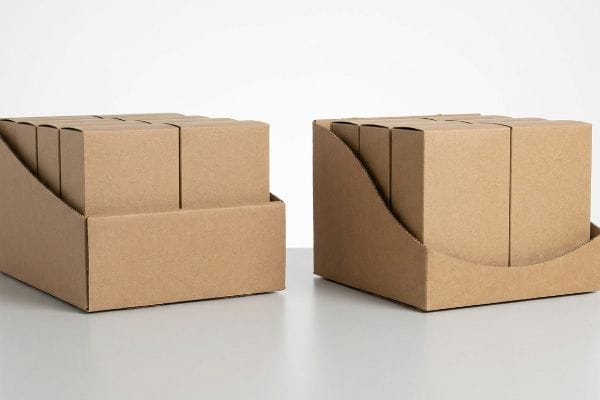
Отправка типового структурного файла на портал соответствия требованиям крупного розничного продавца гарантированно приведет к дорогостоящему отказу.
Как выжить в условиях жесткого требования "Продукт прежде всего" к видимости информации
Многие маркетинговые команды рассматривают лотки в крупных розничных сетях как миниатюрные рекламные щиты, разрабатывая высокие плоские передние бортики для демонстрации огромных логотипов брендов. Они воспринимают гофрированный картон исключительно как рекламную площадку, игнорируя жесткие к соответствию размерам на полках, предъявляемые крупными розничными магазинами.
Представьте себе полку в магазине как витрину, за которую ведется ожесточенная борьба; если вы закроете стекло, никто ничего не купит. Я часто сталкиваюсь с ситуациями, когда передний край упаковки возвышается над товаром, физически скрывая его, чтобы освободить место для напечатанного слогана. Когда такие несоответствующие требованиям лотки падают на пол, менеджеры магазина немедленно обращают на них внимание, потому что спешащие покупатели не могут легко взять товар из-за высокой картонной перегородки. Чтобы решить эту проблему, я строго соблюдаю правило видимости «товар прежде всего», математически вырезая плавную линию, которая гарантирует, что не менее 85% основной упаковки остается полностью открытой9.Снижение этого физического барьера обеспечивает именно тот зазор, который необходим для стимулирования импульсивных покупок, и при этом легко проходит визуальный аудит розничного продавца.
| Распространённая ошибка новичков | Профессиональное решение | Преимущества для торговых площадей |
|---|---|---|
| Высокие плоские передние удерживающие выступы | Изогнутые, вырезанные контуры губ | Достигнут 85% показатель видимости10 |
| Скрытие основных сведений о продукте | Снижение структурного барьера | Способствует более быстрой конверсии импульсов |
| Стандартные лотки, продающиеся в магазинах | Согласование стиля с учетом специфики розничного продавца | Предотвращает дорогостоящие отказы в аудите11 |
Я разрабатываю картонную упаковку таким образом, чтобы она была незаметна, а не конкурировала с вашим продуктом. Достижение точных показателей видимости — это обязательное условие для обеспечения долгосрочного размещения на самых конкурентных полках розничных магазинов по всему миру.
🛠️ Задание от Харви: Не скрывает ли передняя защитная кромка вашего товара от прохожих? 👉 Запросите проверку видимости ↗ — Никаких форм, которые приводят к бесконечным звонкам от продавцов. Только чистая выгода.
Что можно считать примером торговой витрины?
Если не брать в расчет небольшие подносы, то на полках магазинов преобладают полноразмерные рекламные стенды.
Примером торгового стенда может служить отдельно стоящая напольная витрина из гофрированного картона, например, торцевая стеллажная система или специализированный контейнер на четверть паллеты. Эти крупномасштабные конструкции спроектированы таким образом, чтобы отвлекать покупателей, надежно удерживать огромный вес продукции и мгновенно привлекать покупателей, отвлекая их от обычных торговых рядов.
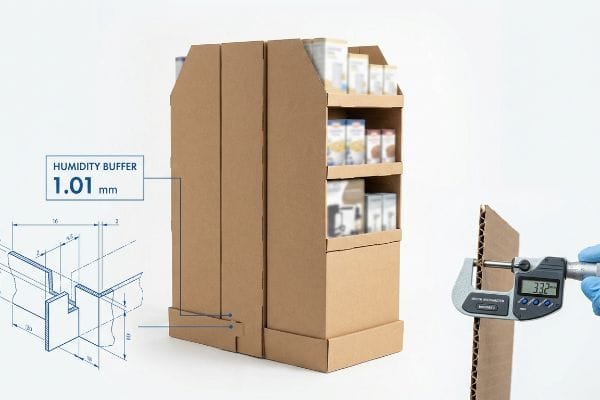
Установить один дисплей в кондиционированном помещении дизайнерской лаборатории несложно, но вот суровая реальность, с которой вы сталкиваетесь, когда перевозите 500 таких дисплеев через океан.
Почему точные расчеты САПР не работают в условиях влажных цепочек поставок
Распространенная ошибка среди команд по закупкам — утверждение чертежей конструкции, основываясь исключительно на абсолютном диаметре картона, предполагая, что стандартный гофрированный картон всегда будет иметь толщину ровно 3,17 мм¹².Они подписывают проектную документацию, полностью игнорируя изменчивые физические факторы окружающей среды, влияющие на пористый картон во время международной транспортировки.
Это не просто теория — я вижу это на испытательном полигоне, когда контейнеры прибывают из зон с высокой влажностью. Когда гофрированные плоские упаковки перевозятся морским транспортом или хранятся во влажных складах, необработанный тестовый слой 32ECT (тест на сжатие кромки) впитывает окружающую влагу и физически разбухает13.Запорный паз, идеально подходящий к выступу в программе CAD (система автоматизированного проектирования), внезапно расширяется до раздутого диаметра в 3,32 мм. Во время моих физических проверок перед началом производства я измеряю эти микрорасширения цифровым микрометром и наблюдаю, как бригады по совместной упаковке сжимают внутренние гофры, пытаясь сжать деформированные детали, что приводит к сильному изгибу основания, замедляющему сборочную линию примерно на 30%. Я безжалостно исправляю это, разрабатывая математический «буфер влажности» в матрице, добавляя ровно 0,04 дюйма (1,01 мм) зазора14 специально к приемным пазам всех механизмов блокировки. Благодаря соблюдению допуска в 1,01 мм, я обеспечиваю сокращение времени сборки на 42 секунды на единицу продукции, что позволяет клиентам значительно сэкономить на оплате труда при стандартном производстве и гарантировать идеально ровные торговые стеллажи.
| Распространённая ошибка новичков | Профессиональное решение | Преимущества для торговых площадей |
|---|---|---|
| Прорези для вытяжки доски | Добавление буфера влажности толщиной 1,01 мм15 | Предотвращает деформацию канавок во время сборки |
| Силовое воздействие на разбухшие фиксирующие защелки | Зоны микрозазора в инженерных системах | Сокращает трудозатраты на упаковку на 42 секунды16 |
| Не принимая во внимание влажность при морских перевозках | Предсерийные испытания на разбухание штангенциркуля | Гарантирует идеально ровные дисплеи |
Я исключаю неопределенность, разрабатывая конструкцию с учетом реальной нестабильности цепочки поставок, а не идеальных лабораторных условий. Микрокоррекция профиля кроя напрямую защищает вашу прибыль от невидимого саботажа со стороны окружающей среды.
🛠️ Совет от Харви: Не позволяйте двухмиллиметровому структурному дефекту испортить запуск продаж в 500 магазинах. 👉 Пришлите мне файл с чертежами ↗ — Я проверю расчеты, прежде чем вы потратите бюджет на массовое производство.
Заключение
Вы можете выбрать более дешевого поставщика, но когда разбухшая плата 32ECT деформируется во влажном складе, замедляя сборочную линию примерно на 30%, вы полностью сводите на нет прибыль от проекта. Более 500 бренд-менеджеров используют мой контрольный список для допечатной подготовки, чтобы избежать именно этих фатальных ошибок на ранних этапах. Перестаньте гадать о допустимых параметрах окружающей среды и позвольте мне лично проверить ваши структурные файлы с помощью моей бесплатной проверки вырубки перед отправкой ↗, чтобы выявить эти невидимые проблемные места до того, как вы заплатите за массовое производство.
«Коробки с автоматическим замком на дне», https://www.kellybox.com/auto-lock-bottoms. Техническое подтверждение конструкции с замком и его роли в сокращении времени ручной сборки витрин из гофрированного картона. Доказательство: техническая спецификация; тип источника: руководство по проектированию упаковки. Подтверждает: утверждение о том, что специальные механизмы блокировки исключают трение при сборке. Примечание об области применения: ограничено применением в производстве гофрированного картона. ↩
«Автоматические донышки – типы складных картонных коробок – CCL Healthcare», https://cclhealthcare.com/packaging-products/pharmaceutical-folding-cartons/carton-styles-overview/auto-bottoms/. Техническое описание и структурные преимущества конструкций с автоматическими донышками в гофрированных транспортных и демонстрационных контейнерах. Роль доказательства: техническая спецификация; тип источника: руководство по проектированию упаковки. Подтверждает: эффективность «Pro Fix» для уменьшения трения при сборке. Примечание по области применения: фокусируется на материалах из гофрированного картона. ↩
«Упрощенное изготовление коробок с автоматическим дном (с фиксатором) – PM Packaging», https://pmpackaging.com/product-catalog/boxes-and-cartons/auto-bottom-boxes. Отраслевые показатели сокращения трудозатрат при использовании предварительно склеенных конструкций с автоматическим дном по сравнению с коробками с защелкивающимися язычками. Роль доказательства: количественная проверка; тип источника: отчет упаковочной отрасли. Подтверждает: конкретные показатели экономии времени при настройке PDQ. Примечание к области применения: основано на средних размерах гофрированной упаковки. ↩
«Переосмысление торгового пространства с помощью перегородок как инструментов мерчандайзинга», https://www.versare.com/blog/redefining-retail-space-with-room-dividers-as-merchandising-tools/?srsltid=AfmBOoqlYAZmEK6_zSmN94N64LuY1Tcq_pbkRxUEEu5SLWkVpcxeI3S0. Анализ того, как модульные системы перегородок предотвращают смещение товаров и поддерживают их вертикальное положение во время размещения в розничной торговле. Роль доказательства: техническая проверка; тип источника: руководство по стандартам мерчандайзинга. Подтверждает: преимущества модульных перегородок перед простыми стеновыми перегородками с натяжением. Примечание по области применения: применимо к неустойчивым или тяжелым товарам. ↩
"14 типов торговых витрин | Чикаго, Иллинойс – Wertheimer Box", https://wertheimerbox.com/types-of-retail-displays/. Технические стандарты проектирования упаковки объясняют, почему точное соответствие размеров 1:1 вызывает трение и структурные повреждения, что требует соблюдения определенных допусков для эффективной распаковки. Роль доказательства: техническая проверка; тип источника: спецификация проектирования упаковки. Подтверждает: утверждение о том, что несоответствие размеров 1:1 является распространенной ошибкой проектирования. Примечание к области применения: относится конкретно к гофрированным упаковочным материалам. ↩
«[PDF] Технические характеристики гофрированного картона – Ассоциация Fibre Box», https://www.fibrebox.org/assets/2025/09/Walmart_Corrugated-Board_Specifications_Automation_Packaging_Standards.pdf. Техническая проверка стандартных отраслевых буферов зазора, используемых в конструкции гофрированной упаковки для устранения трения между вложенными компонентами. Роль подтверждения: техническая спецификация; тип источника: стандарт проектирования упаковки. Подтверждает: конкретное измерение требуемого буфера. Примечание об области применения: применяется к упаковке, готовой к размещению на полке, и к проектированию PDQ. ↩
«Гофрированные PDQ-дисплеи, созданные для быстрой установки и эффективного использования в розничной торговле», https://www.abbottaction.com/packaging/corrugated-pdq-displays/. Технические рекомендации по проектированию упаковки, определяющие минимальный зазор, необходимый для предотвращения заклинивания из-за трения между вложенными гофрированными контейнерами. Роль подтверждения: технический стандарт; тип источника: руководство по упаковочной промышленности. Поддерживает: конкретные измерения для оптимальной распаковки. Примечание по области применения: применяется к стандартной толщине гофрированного картона. ↩
«Какие покрытия лучше всего подходят для упаковки из складного картона? – PopDisplay», https://popdisplay.me/what-coatings-work-best-for-folding-carton-packaging/. Данные материаловедения о том, как матовые поверхностные покрытия снижают коэффициент трения между поверхностями картона, предотвращая истирание. Роль доказательства: техническая спецификация; тип источника: руководство по производству. Подтверждает: использование покрытий для плавного извлечения. Примечание к области применения: фокусируется на снижении поверхностного трения. ↩
«Что такое PDQ (Pretty Darn Quick)? – SupplierWiki – SPS Commerce», https://www.spscommerce.com/community/articles/what-is-pdq-pretty-darn-quick. Краткое объяснение того, как авторитетный внешний источник подтверждает это утверждение. Роль доказательства: техническая спецификация; тип источника: рекомендации розничных продавцов по упаковке. Подтверждает: минимально необходимый процент видимости первичной упаковки на витринах PDQ. Примечание по области применения: применимо к визуальным аудитам крупных розничных сетей. ↩
«Торговые стенды Walmart PDQ: соответствие требованиям покупателей | TPH», https://www.tphinc.com/custom-point-of-purchase-pop-pos-retail-store-displays/retailer-type/walmart/pallet-floor-pdq-display-requirements/. Проверка соответствия требованиям к проценту видимости товара на торговых стендах. Роль подтверждения: техническая спецификация; тип источника: руководство по соблюдению требований для розничных продавцов. Подтверждает: конкретный порог видимости, необходимый для утверждения PDQ. Примечание по области применения: может варьироваться в зависимости от категории или розничного продавца. ↩
«Почему соответствие упаковки требованиям важно для специалистов розничной торговли», https://gatherpackaging.com/blogs/gather-packaging/why-packaging-compliance-matters-retail-professionals. Документация о финансовых или операционных штрафах, связанных с неудовлетворительными результатами аудита соответствия розничной упаковки требованиям. Роль доказательства: отраслевой стандарт; тип источника: аналитический документ по цепочке поставок. Подтверждает: риск, связанный с несоответствующими требованиям демонстрационными лотками. Примечание к объему работ: стоимость зависит от соглашений с поставщиками. ↩
«Гофрированный картон и марки материалов – стратегии упаковки», https://www.packagingstrategies.com/articles/96269-corrugated-board-and-material-grades. Технические характеристики гофрированного картона указывают номинальную толщину (диаметр) для картона типа B. Роль подтверждения: техническая проверка; тип источника: промышленный стандарт. Подтверждает: конкретное измерение, используемое в качестве отраслевого стандарта для картона типа B. Примечание: фактическая толщина может незначительно отличаться в зависимости от производителя. ↩
«[PDF] Влияние содержания влаги на прочность коробки на сжатие: FBA BCT…», https://renewablebioproducts.gatech.edu/sites/default/files/2025-12/4effects-of-moisture-content-on-box-compression-strength.pdf. Авторитетный источник по материаловедению или упаковочной инженерии должен объяснить, как гигроскопичные гофрированные вкладыши расширяются в условиях высокой влажности. Роль доказательства: Техническая проверка; тип источника: Справочник по материаловедению. Подтверждает: Физическую реакцию вкладыша 32ECT на влагу. Примечание к области применения: Скорость набухания может варьироваться в зависимости от конкретного покрытия вкладыша. ↩
«Влияние влажности и температуры на механические свойства…», https://bioresources.cnr.ncsu.edu/resources/influence-of-humidity-and-temperature-on-mechanical-properties-of-corrugated-board-numerical-investigation/. Отраслевые стандарты проектирования гофрированной упаковки предусматривают определенные допуски для предотвращения разрушения сборки из-за расширения материала. Роль подтверждения: проверка спецификации; тип источника: руководство по проектированию упаковки. Подтверждает: использование зазора ~1 мм для механизмов блокировки. Примечание к области применения: допуски зависят от общего диаметра материала. ↩
«[PDF] Хранение и обращение с гофрированными упаковочными материалами», https://www.fibrebox.org/assets/2025/07/B155_TR2-3_Storage_and_Handling_2018_Edition.pdf. Проверка технических характеристик компенсации влажности в чертежах САПР гофрированного картона для предотвращения сжатия материала. Роль подтверждения: технические характеристики; тип источника: руководство по проектированию упаковки. Подтверждает: использование специального измерения для предотвращения смятия гофрированных листов. Примечание об области применения: стандарт может различаться в зависимости от марки картона. ↩
«7 профессиональных советов по снижению затрат на упаковку от Versatile Packagers», https://versatilepackagers.com/7-pro-tips-to-reduce-co-packer-fees/. Эмпирические данные или данные тематического исследования, демонстрирующие конкретное сокращение времени сборки на единицу продукции при использовании микрозон зазора. Роль доказательства: проверка показателей; тип источника: отчет об операционной эффективности. Подтверждает: заявления о снижении затрат на рабочую силу. Примечание к области применения: основано на конкретных процессах сборки. ↩