
Вы только что заняли престижное место в конце ряда крупного торгового центра, но плохо спроектированная картонная конструкция обрушит ваши импульсивные продажи еще до начала выходных.
Функциональные преимущества торцевых витрин включают в себя максимизацию импульсивных покупок в местах с высокой проходимостью, повышение узнаваемости бренда в основных торговых рядах и изоляцию вашей продукции от прямых конкурентов на полках. Эти инженерные конструкции используют ценное пространство для создания физического контраста, ускоряя темпы продаж при строгом соблюдении ограничений по размерам пола.
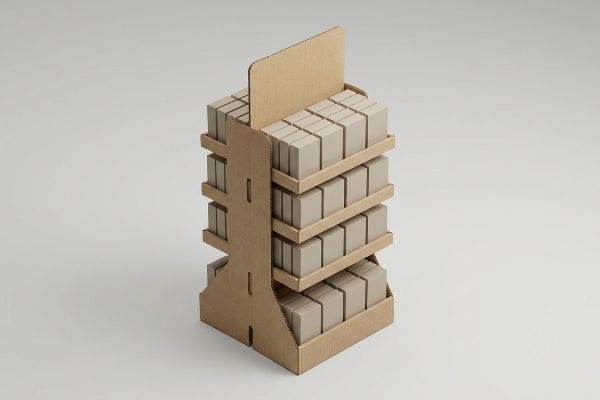
Занять выгодное местоположение — это только половина дела; реальная окупаемость инвестиций определяется именно реализацией проекта.
В чём преимущества использования торцевых заглушек?
Чтобы привлечь внимание покупателей, недостаточно одних лишь ярких цветов; необходимо продуманное физическое присутствие, которое перехватывает поток пешеходов именно там, где покупатели замедляют ход, чтобы свернуть за угол.
Преимущества использования торцевых стеллажей заключаются в привлечении всеобщего внимания покупателей на оживленных перекрестках. Эти стеллажи убирают ваш товар с переполненных полок, создавая выделенное пространство, которое физически затрудняет перемещение покупателей, мгновенно повышает узнаваемость бренда и значительно увеличивает вероятность незапланированных импульсивных покупок в крупных сетевых магазинах.

Однако полагаться исключительно на видимость — распространённая ловушка, если структура не привлекает внимание покупателя на нужном расстоянии.
Применение правила 3-3-3 для взаимодействия с розничными клиентами
Большинство маркетинговых команд разрабатывают эти рекламные материалы исключительно для просмотра вблизи на мониторах компьютеров с подсветкой. Они исходят из предположения, что если изображение выглядит красиво с расстояния двух футов, покупатель естественным образом остановится, чтобы прочитать мелкий шрифт. Это фундаментальное несоответствие игнорирует физическую реальность того, как спешащий потребитель перемещается по проходам огромного оптового магазина или продуктового супермаркета .
Ключевая концепция здесь — это пространственная схема взаимодействия 3-3-3. Даже опытные дизайнеры часто упускают из виду это «слепое пятно», создавая великолепный, перегруженный текстом заголовок, который становится совершенно невидимым с расстояния в тридцать футов. Я наблюдал, как управляющие магазинами агрессивно отодвигали эти витрины в сторону, громкий скрежет необработанной бумаги по бетонному полу доказывал, что витрина, не привлекающая посетителей, просто становится препятствием. Чтобы исправить это, необходимо разработать агрессивные формы высечки для визуального отвлечения внимания издалека, оптимизировать размещение артикула (SKU) в зоне видимости 50 дюймов (1270 мм) для привлечения внимания на среднем расстоянии и обрезать передний удерживающий выступ, чтобы гарантировать 85% видимости продукта для окончательного тактильного восприятия.
| Распространённая ошибка новичков | Профессиональное решение | Преимущества для торговых площадей |
|---|---|---|
| Графика с большим количеством текста сверху вниз | Яркие точечные цвета для лучшей видимости на расстоянии | Привлекает пешеходов из отдаленных мест |
| Симметричные плоские карточки с заголовком | Вырезанные на заказ 3D-формы заголовков | Создает визуальные помехи |
| Глубокие полки, скрывающие упаковку | Срезание удерживающего края для обеспечения 85% видимости1 | Запускает импульсно-тактильные преобразования2 |
Я не позволяю брендам тратить свое премиальное место на полках на плоские, незаметные коробки. Внедряя эти три пространственные зоны взаимодействия в вашу линейку товаров, я гарантирую, что ваш мерчандайзинг будет активно привлекать прохожих, а не сливаться с фоном.
🛠️ За столом Харви: Не уверены, что ваша заголовочная карточка действительно будет мешать потоку посетителей с расстояния в тридцать футов? 👉 Получите бесплатный аудит Dieline ↗ — Прямой доступ к моему рабочему месту. Никакого автоматического спама с рекламой, обещаю.
Стоит ли размещать витрины в конце проходов?
Финансирование по установке рекламного оборудования требует значительных капиталовложений, поэтому многие отделы закупок задаются вопросом, приведут ли физические производственные затраты к заметному увеличению розничных продаж.
Да. Размещение витрин в конце проходов оправдывает вложения, поскольку напрямую ускоряет оборот товаров и стимулирует импульсивные покупки. Занимая выгодные позиции на перекрестках, эти стратегически спроектированные витрины, как правило, обеспечивают ощутимый рост продаж по сравнению со стандартным размещением в ряду, легко компенсируя первоначальные затраты на изготовление временных конструкций.
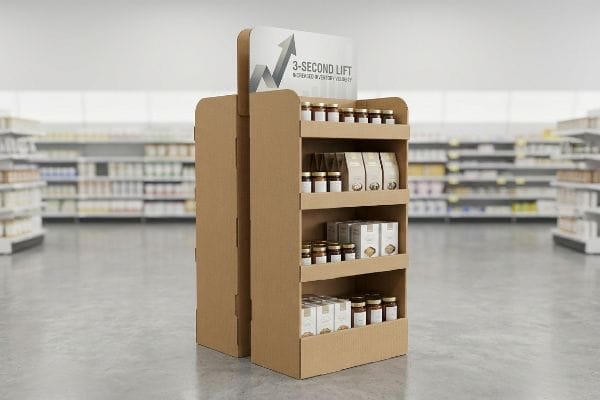
Для точного расчета рентабельности инвестиций необходимо выйти за рамки расплывчатых маркетинговых показателей и взглянуть на реальную динамику рынка.
Расчет "3-секундного прироста эффективности" для розничной торговли: рентабельность инвестиций
Отделы закупок часто оценивают вторичную упаковку исключительно как затраты на сырье, зацикливаясь на себестоимости гофрированного картона и печатных форм. Они пытаются уменьшить толщину структурного слоя, чтобы сэкономить несколько центов на единицу продукции, полагая, что общий объем продаж волшебным образом останется неизменным. Такой изолированный взгляд на цепочку поставок полностью игнорирует то, как структурная целостность и визуальное сопротивление влияют на взаимодействие с покупателем³ .
Истинная ценность этих стеллажей заключается в формуле «3-секундного подъема», простом показателе, доказывающем, как быстро стеллаж превращает проходящую мимо тележку в оплаченную покупку. Я часто слышу, как покупатели спрашивают, стоит ли им перейти с двухслойных стеллажей на более дешевые однослойные, чтобы просто увеличить свою первоначальную прибыль. Но когда я посетил крупного клиента в прошлом квартале, я своими глазами увидел последствия: тонкие, удешевленные удерживающие полки провисли под тяжестью тяжелых стеклянных банок, и я слышал отчетливый, неряшливый звук, как продавец рвет дешевую упаковочную ленту, чтобы товар не рассыпался по полу. Если POS-оборудование выглядит сломанным, покупатели предполагают, что товар бракованный⁴,что полностью сводит на нет прогнозируемый рост продаж.
| Распространённая ошибка новичков | Профессиональное решение | Преимущества для торговых площадей |
|---|---|---|
| Снижение качества картона для экономии средств | Спецификация оснований с двойными стенками и канавками типа B5 | Устраняет просадку в середине кампании |
| Рассматривать выставку как невозвратные затраты | Конструкция, основанная на показателе подъема за 3 секунды,6 | Подтверждает измеримую скорость продаж |
| Игнорируя трение при пополнении запасов на полу | Проектирование модульных разделителей для быстрой загрузки | Предотвращает повреждение полок продавцами |
Я всегда говорю своим клиентам, чтобы они перестали относиться к временной выкладке товаров как к неизбежному налогу. Когда я проектирую прочную, беспроблемную конструкцию, она действует как активный двигатель продаж, полностью оправдывая затраты на производство за счет значительного превосходства над стандартным размещением на полках.
🛠️ Рабочий стол Харви: Жертвуете ли вы критически важной стабильностью при хранении, чтобы достичь нереалистичной целевой себестоимости единицы продукции? 👉 Получите свой структурный план ↗ — Скачайте безопасно. Мой почтовый ящик открыт, если у вас возникнут вопросы позже.
В чём преимущества оформления витрин?
Привлечение пешеходного потока снаружи здания еще до того, как он войдет внутрь, — эффективная стратегия, однако перепрофилирование внутренних элементов интерьера под стеклянные витрины создает серьезные и неожиданные экологические проблемы.
Преимущества витрин включают в себя привлечение огромного потока посетителей до входа в магазин, конвертацию пешеходов на улице и создание сильного визуального предвкушения. Демонстрируя премиальные акции непосредственно за стеклом витрины, бренды могут эффективно перехватывать внимание покупателей, прежде чем те отвлекутся на огромный выбор товаров в основных торговых залах.
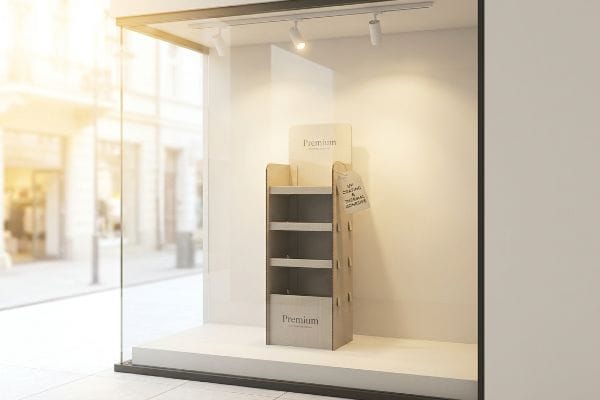
Хотя очевидность этого эффекта не вызывает сомнений, размещение необработанного картона непосредственно за торговым стеклом требует совершенно иного подхода к материаловедению.
Как выжить в микроклимате «папоротника у витрины магазина»
Бренд-команды часто влюбляются в успешную кампанию по размещению товаров в торговом зале и пытаются перенести точно такие же товары на премиальные витрины магазинов. Естественно, они предполагают, что, поскольку витрина физически находится внутри кондиционируемого магазина, она полностью защищена от суровых погодных условий. Эта критическая ошибка игнорирует суровую термодинамическую реальность пространства непосредственно за торговым стеклом7.
Представьте себе витрину магазина точно так же, как приборную панель вашего автомобиля, припаркованного на летнем солнце — она действует как настоящая теплица, задерживая интенсивное ультрафиолетовое излучение и сильную жару. Это распространенная ловушка, в которую попадают даже опытные команды по закупкам, когда пытаются разместить там стандартные литографически ламинированные витрины. Я зашел в флагманский магазин клиента всего через неделю после начала продаж, провел рукой по витрине и почувствовал сухое, хрупкое растрескивание верхнего слоя, потому что стандартные клеи на водной основе ПВА (поливинилацетат) агрессивно высохли⁸,сжались и деформировали большие боковые панели внутрь, как залежавшиеся картофельные чипсы. В качестве простого правила, если витрина находится под прямыми солнечными лучами, необходимо перейти на термостойкие клеи и прочные УФ-полимерные покрытия⁹,чтобы она выдержала микроклимат.
| Распространённая ошибка новичков | Профессиональное решение | Преимущества для торговых площадей |
|---|---|---|
| Повторное использование стандартных внутренних гофрированных панелей | Введение обязательного использования термостойких клеев10 | Предотвращает сильную деформацию панелей |
| Печать стандартными чернилами на водной основе | Переход на полимерные покрытия, блокирующие УФ-излучение11 | Предотвращает сильное выцветание цвета |
| Игнорируя эффект теплопоглощения стекла12 | Ограничение рекламного цикла тремя неделями | Предотвращает структурную деградацию |
Я никогда не позволяю клиенту вслепую внедрять элементы внутренней отделки в витрину магазина. Тщательно подбирая химические составы клеев и покрытий, я гарантирую, что ваша премиальная наружная рекламная кампания останется идеально ровной и яркой на протяжении всего срока службы.
🛠️ За столом Харви: Вас беспокоит, что ваша предстоящая рекламная кампания на витринах выцветет и деформируется на полуденном солнце? 👉 Запросите консультацию по материалам ↗ — Никаких форм, которые приводят к бесконечным звонкам от отдела продаж. Только чистая выгода.
Какова цель качественной торцевой отделки?
Главная цель этих эффектных торговых конструкций — максимизировать объемы продаж без возникновения операционных проблем, обеспечивая процветание торговой точки в условиях строго регулируемой розничной торговли.
Цель торцевой стеллажной системы — безупречно вписаться в строгую пространственную структуру розничного магазина, одновременно максимизируя импульсивные продажи. Она должна динамично выдерживать большие объемы товаров, гарантировать бесперебойное пополнение запасов для продавцов и привлекать внимание покупателя в течение коротких трех секунд физического взаимодействия.
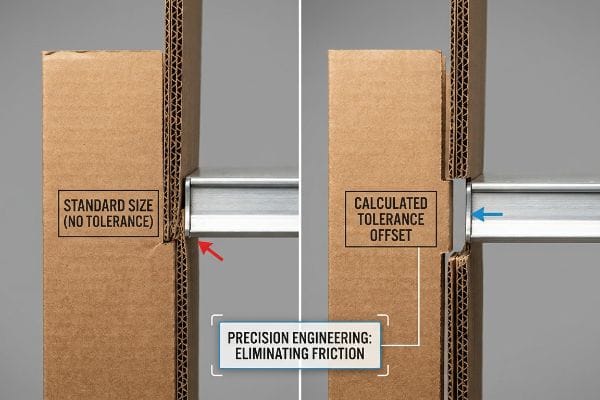
Но знания теории недостаточно, когда начинают работать машины и в дело вступает физическая логистика.
Почему стандартные размеры оказываются неэффективными на заводе
Маркетинговые агентства часто создают эскизы этих конструкций, основываясь на общих размерах, указанных в базовых онлайн-шаблонах, предполагая, что ширина прохода дюймов (914 мм) означает, что им следует построить коробку точно такой же ширины. Они передают эти теоретические чертежи команде по закупкам, восхищаясь красивыми 3D-визуализациями и полностью ожидая беспроблемного развертывания по всей стране. Это создает глубоко ошибочное предположение, что простые расчеты размеров напрямую соответствуют требованиям логистики.
Это не просто теория — я вижу это на практике, когда мы физически собираем эти конструкции с жесткими допусками. На моем предприятии я регулярно наблюдаю, как клиенты предоставляют плоские файлы, полностью игнорируя физическое расширение толстого гофрированного картона. Стандартная американская стеллажная система имеет ширину ровно 36 дюймов (914 мм), но если основание изготавливается без учета допуска, естественное выгибание материала наружу создает сильное микротрение. Во время предсерийного прототипирования я измерил расширение нескомпенсированной конструкции до ширины 36,14 дюймов (917,9 мм) под нагрузкой в 187,5 фунтов (85 кг). Эта крошечная доля дюйма означает, что продавец физически не может вставить конструкцию в металлические направляющие стеллажа. Решение предельно простое: на этапе проектирования в САПР (системе автоматизированного проектирования) я устанавливаю строгий максимальный предел ширины в 34,5 дюйма (876 мм). Искусственно уменьшая занимаемую площадь и оставляя рассчитанный зазор, мы полностью исключаем проблемы с установкой в торговом зале, предотвращая крупные списания средств со счетов розничных продавцов и экономя клиентам примерно 4500 долларов на оплате ручных работ по доработке в экстренных случаях.
| Распространённая ошибка новичков | Профессиональное решение | Преимущества для торговых площадей |
|---|---|---|
| Проектирование точно под 36-дюймовый размер | Строгое ограничение максимальной ширины до 34,5 дюймов13 | Гарантирует беспрепятственную установку гондолы |
| Игнорируя разбухание материала под полезной нагрузкой14 | Расчет внешнего изгиба в CAD-файле | Предотвращает застревание жестких полок |
| Предположим, продавцы в магазине будут силой подгонять его по размеру | Создание расчетной пространственной пустоты | Исключает отказ со стороны розничных продавцов |
Точное проектирование отличает прибыльные розничные кампании от катастрофического брака. Тщательное определение этих жестких пространственных допусков до начала производства гарантирует работоспособность вашего изделия в самых суровых условиях крупных розничных сетей.
🛠️ Вопрос от Харви: Вы знаете, учитывает ли ваша текущая схема вырубки фактическое расширение материала под воздействием большой нагрузки? 👉 Пришлите мне файл с вашей схемой вырубки ↗ — Я проведу стресс-тест расчетов, прежде чем вы потратите бюджет на массовое производство.
Заключение
Вы можете выбрать более дешевого поставщика, чтобы достичь целевых показателей себестоимости единицы продукции, но когда некомпенсированное гофрированное основание раздувается до 36,14 дюймов под большой нагрузкой, это приводит к немедленному отказу со стороны розничных продавцов и полностью уничтожает вашу прибыль от рекламной деятельности. Более 500 бренд-менеджеров используют мой контрольный список для допечатной подготовки, чтобы избежать именно этих фатальных ошибок на ранних этапах. Перестаньте рисковать, полагаясь на пространственные допуски, и позвольте мне лично проверить ваши файлы с помощью моего бесплатного аудита высечки ↗, чтобы выявить эти невидимые проблемные точки, прежде чем вы дадите разрешение на массовое производство.
«Элементы оформления торговых площадей, стимулирующие импульсивные покупки – LinkedIn», https://www.linkedin.com/top-content/retail-merchandising/visual-standards-for-retail-displays/retail-display-elements-that-drive-impulse-buys/. Проверка соответствия отраслевым стандартам процента видимости товара на торцевых витринах для стимулирования тактильного взаимодействия. Роль доказательства: техническая спецификация; тип источника: руководство по дизайну розничной торговли. Подтверждает: утверждение о том, что уменьшение выступающего края увеличивает видимость товара до 85%. Примечание по области применения: может варьироваться в зависимости от типа полки. ↩
«Взаимосвязь между нехваткой времени и импульсивными действиями потребителей…», https://pmc.ncbi.nlm.nih.gov/articles/PMC10750050/. Анализ данных о поведении потребителей, показывающий корреляцию между физической доступностью продукта (тактильным восприятием) и коэффициентами конверсии импульсивных покупок. Роль доказательства: эмпирические данные; тип источника: исследование в области психологии потребителей. Подтверждает: связь между видимостью/охватом и тактильной конверсией. Примечание: относится конкретно к витринам в местах продаж. ↩
«Влияние визуальных элементов дизайна упаковки на покупку…», https://pmc.ncbi.nlm.nih.gov/articles/PMC11851823/. Рецензируемое исследование в области маркетинга или потребительской психологии, демонстрирующее корреляцию между качеством/визуальным оформлением упаковки и намерением совершить покупку. Роль доказательства: подтверждающий механизм; тип источника: научный журнал. Подтверждает: связь между физическим качеством упаковки и взаимодействием покупателя. Примечание к области исследования: с акцентом на факторы розничной среды. ↩
«[PDF] Влияние плотности размещения товара на воспринимаемую цену и качество», https://aquila.usm.edu/cgi/viewcontent.cgi?article=1258&context=honors_theses. Исследования в области психологии потребителей демонстрируют «эффект ореола», при котором качество физической упаковки и демонстрации напрямую влияет на воспринимаемую надежность продукта. Роль доказательства: причинно-следственная связь; тип источника: академическое исследование. Подтверждает: теорию о том, что низкое качество торгового оборудования снижает рост продаж. Примечание: применимо к категориям импульсивных покупок. ↩
«[PDF] Технические характеристики гофрированного картона – Ассоциация Fibre Box», https://www.fibrebox.org/assets/2025/09/Walmart_Corrugated-Board_Specifications_Automation_Packaging_Standards.pdf. Техническая спецификация, подтверждающая, что двухслойный гофрированный картон B-типа обеспечивает необходимую несущую способность для подставок под торговые витрины. Роль доказательства: техническая проверка; тип источника: производственная спецификация. Подтверждает: использование определенных марок картона для предотвращения провисания. Примечание об области применения: акцент на структурной целостности. ↩
«Секреты повышения скорости продаж в розничной торговле – YouTube», https://www.youtube.com/watch?v=-4pJd-bSdck. Стандартное объяснение в отрасли понятия «3-секундный прирост» как показателя внимания потребителей и его корреляции со скоростью продаж. Роль доказательства: определение метрики; тип источника: исследование розничного маркетинга. Подтверждает: использование конкретных временных метрик для оценки рентабельности инвестиций. Примечание к области применения: специфично для импульсивных покупок. ↩
«Что такое парниковый эффект? – Наука НАСА», https://science.nasa.gov/kids/earth/what-is-the-greenhouse-effect/. Техническое объяснение теплопотерь от солнечного излучения и парникового эффекта, возникающего в витринах магазинов, несмотря на наличие внутренних систем отопления, вентиляции и кондиционирования. Роль доказательства: техническая проверка; тип источника: архитектурное или экологическое инженерное исследование. Подтверждает: утверждение о том, что витрины подвергаются уникальным тепловым воздействиям. Примечание к области исследования: фокусируется на колебаниях температуры и воздействии УФ-излучения. ↩
«Клеи на основе поливинилового спирта против акриловых: что лучше работает в условиях…», https://eureka.patsnap.com/report-comparative-performance-analysis-of-polyvinyl-alcohol-adhesives-vs-acrylic-adhesives-under-uv-exposure. Техническая документация о термической нестабильности и дегидратации поливинилацетата при воздействии высокого уровня УФ-излучения и тепла. Роль доказательства: техническая проверка; тип источника: журнал по материаловедению. Подтверждает: утверждение о том, что стандартный ПВА не работает в тепличных условиях. Примечание: относится к составам на водной основе. ↩
«Клейкие системы для сборки витрин | MasterBond.com», https://www.masterbond.com/industries/adhesives-display-assembly. Отраслевые стандарты, регулирующие защиту торгового оборудования от УФ-излучения с помощью специальных покрытий и клеев. Роль подтверждения: проверка передового опыта; тип источника: производственный стандарт. Подтверждает: рекомендацию по модернизации с целью повышения термостойкости. Примечание об области применения: применимо к литографически ламинированным материалам. ↩
«Как уменьшить выцветание витрин в магазинах? | American Window Film», https://americanwindowfilm.com/blog/how-to-reduce-fading-in-retail-displays. Техническая документация по требованиям к термической стабильности клея для предотвращения деформации материала в условиях высоких температур. Роль подтверждения: техническая спецификация; тип источника: руководство по материаловедению. Подтверждает: необходимость использования термостойких клеев для витрин магазинов. Примечание к области применения: основное внимание уделяется гофрированным материалам. ↩
«Различия между водными и УФ-покрытиями – Cork Industries», https://corkindustries.com/differences-between-aqueous-and-uv-coatings/. Сравнительное исследование эффективности УФ-стойких покрытий в предотвращении деградации пигментов под воздействием солнечного излучения. Роль доказательства: показатель эффективности; тип источника: стандарт полиграфической промышленности. Подтверждает: роль покрытий в предотвращении выцветания цвета. Примечание по области применения: применимо к графическим изображениям, обращенным к окну. ↩
«Анализ влияния прозрачности витрин на…», https://dail.human.cornell.edu/projectsdail/analyzing-the-effects-of-storefront-window-display-transparency-on-perceived-store-attractiveness-and-approach-behavior. Анализ коэффициента пропускания солнечного тепла (SHGC) в витринном стекле и его влияния на долговечность внутренних элементов интерьера. Роль доказательств: экологическая причинно-следственная связь; тип источника: отчет по архитектурной физике. Подтверждает: утверждение о том, что тепловые ловушки вызывают структурную деградацию. Примечание к области исследования: сосредоточено на микроклиматах. ↩
«Руководство по размерам стеллажей-гондол», https://rackleaders.com/gondola-shelving-dimensions-guide/. Авторитетные рекомендации по торговому оборудованию подтверждают необходимые зазоры для стандартных стеллажей-гондол шириной 36 дюймов, чтобы предотвратить трение при монтаже. Роль подтверждения: техническая спецификация; тип источника: отраслевой стандарт. Подтверждает: необходимость уменьшения размеров стеллажей по сравнению с максимальными пределами. Примечание об области применения: относится к стандартным торговым стеллажам-гондолам в США. ↩
«Растяжитель провисания – WoodBin», https://woodbin.com/calcs/sagulator/. Инженерные данные по материаловедению и деформации конструкции под нагрузкой доказывают, что полки расширяются или прогибаются, влияя на их посадку. Роль доказательства: технический принцип; тип источника: инженерное руководство. Подтверждает: утверждение о том, что полезная нагрузка вызывает прогиб наружу. Примечание к области применения: переменная, зависящая от плотности материала. ↩