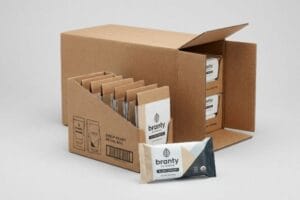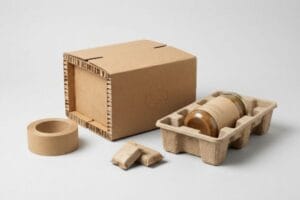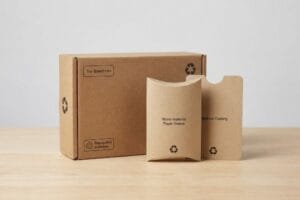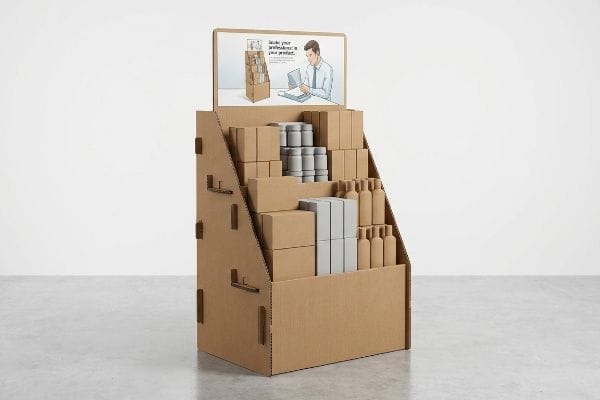
Правильный выбор маркетингового решения для розничной торговли может как обеспечить успех, так и привести к провалу запуска продукта. Многие бренды недооценивают физическую и экономическую силу временных картонных конструкций в крупных торговых центрах.
Стенд из гофрированного картона обладает четырьмя основными преимуществами: высокой несущей способностью, масштабируемой логистикой в разобранном виде, возможностью вторичной переработки и высокой скоростью печати. Эти высокотехнологичные конструкции позволяют розничным брендам проводить масштабные визуальные маркетинговые кампании без значительных транспортных расходов, связанных с установкой стационарных металлических витрин.
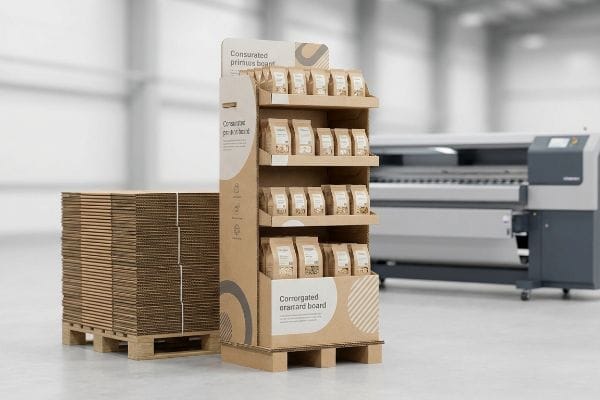
Давайте подробно разберем, чем именно эти системы из структурированного картона превосходят жесткие аналоги как на производстве, так и в розничной торговле.
В чём преимущества гофрированного картона?
Для достижения максимального эффекта в розничной торговле не обязательно перевозить тяжелые стальные конструкции по всей стране. Секрет кроется в рациональном использовании пространства и грамотной логистике сборных конструкций для вашей рекламной кампании.
Основные преимущества гофрированного картона включают в себя огромную плотность грузоперевозок и экономию логистических затрат. В отличие от стационарных сварных металлических конструкций, плоские картонные конструкции поставляются пустыми, что позволяет компаниям размещать огромные объемы в одном контейнере и полностью избегать дорогостоящих расходов на транспортировку в неиспользуемом состоянии.
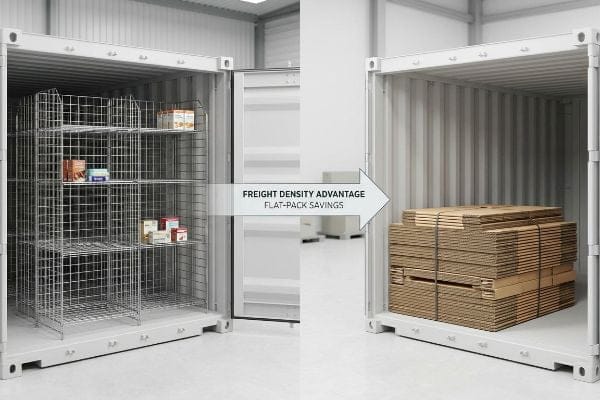
На бумаге это звучит просто, но неправильное использование преимущества упаковки в плоскую форму может быстро снизить общую прибыль от рекламной акции.
Раскрытие преимуществ плотности грузоперевозок
Отделы закупок часто отдают предпочтение стационарным металлическим витринам для краткосрочных розничных кампаний, полагая, что прочная сталь автоматически гарантирует более высокую окупаемость инвестиций. Им нужно, чтобы витрина выглядела премиально и была долговечной для крупных розничных магазинов, надеясь, что это приведет к увеличению объемов продаж.
Однако выбор стационарных конструкций исключительно из эстетических соображений полностью игнорирует сложные логистические задачи по перемещению полностью собранных изделий. Вместо доставки самих товаров, бренды вынуждены платить завышенные тарифы на грузоперевозки, просто чтобы переместить пустующие помещения по всей стране. Переход к продуманным временным конструкциям из картона полностью исключает эти неэффективные расходы. Грамотно разработанная стратегия использования сборных конструкций позволяет розничным командам максимально эффективно использовать пространство внутри каждого грузовика, значительно сокращая логистические затраты¹и при этом создавая высокопрофессиональный имидж в торговом зале.
| Распространённая ошибка новичков | Профессиональное решение | Преимущества для торговых площадей |
|---|---|---|
| Доставка полностью собранных проволочных стеллажей | Внедрение конструкций из гофрированного картона в плоской упаковке | Вмещает до 1500 единиц в одном контейнере2 |
| Оплата за перевозку пустого пространства | Максимизация плотности грузовых автомобилей3 | Снижает затраты на транспортную логистику |
| Использование стационарного оборудования для коротких рекламных акций | Развертывание временных картонных конструкций | Ускоряет внедрение в нескольких магазинах |
Защита вашего маркетингового бюджета означает прекращение дорогостоящей практики доставки пустых коробок. Обязательное использование картона в плоской упаковке для рекламных витрин в течение двенадцати недель гарантирует немедленное значительное снижение транспортных расходов.
🛠️ За столом Харви: Вы переплачиваете за доставку, потому что ваши текущие витрины не поставляются в сложенном виде? 👉 Проведите аудит плотности грузоперевозок ↗ — Прямой доступ ко мне. Никакого автоматического спама с рекламой, обещаю.
В чём преимущества гофрированного картона?
Когда бренды слышат слово «бумага», они сразу же начинают беспокоиться о разрушении конструкции под тяжестью товара. Настоящая прочность витрин достигается за счет продуманного дизайна формы, а не только плотности сырья.
Основные преимущества гофрированного картона обусловлены его внутренними гофрированными арками. Эти отчетливые волны динамически распределяют вес и выдерживают вертикальные нагрузки, позволяя легким бумажным конструкциям безопасно выдерживать тяжелые грузы потребительских товаров, не деформируясь во время транспортировки.
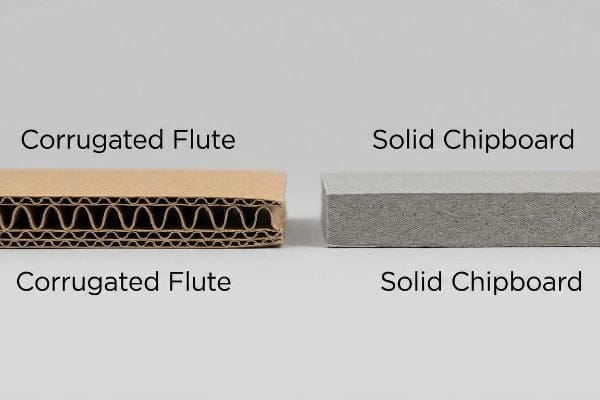
Полагаться исключительно на теоретическую прочность материала, не понимая, как эти коробки ведут себя при штабелировании, может привести к неутешительным результатам.
Ловушка прочности нерифленого субстрата
Начинающие маркетологи часто пытаются использовать плотный, толстый картон для тяжелых подносов в розничной торговле , стремясь придать им премиальный вид. Они, естественно, предполагают, что толщина и плотность негофрированного картонаавтоматически означают большую несущую способность на полке.
Эта логика не учитывает того, как розничные поставки фактически перемещаются по распределительным центрам. Плотный картон не имеет внутренних волнообразных изгибов,гофрированного картона, что исключает наличие встроенного механизма для поглощения давления при штабелировании. Под воздействием нагрузки от штабелированных поддонов жесткие картонные лотки легко изгибаются или выгибаются наружу, что приводит к повреждению товара еще до того, как он попадет на полку. Модернизация вашей стратегии упаковки с использованием легкого гофрированного картона обеспечивает необходимую амортизацию, позволяющую избежать жалоб розничных продавцов на повреждения.
| Распространённая ошибка новичков | Профессиональное решение | Преимущества для торговых площадей |
|---|---|---|
| Использование цельного картона без гофрирования для изготовления тяжелых подносов | Переход на гофрированный картон7 | Предотвращает деформацию нижнего яруса |
| Опираясь исключительно на толщину материала | Использование арочных внутренних конструкций8 | Поглощает обычное транспортное давление |
| Выбор материалов исключительно из эстетических соображений | Сосредоточение внимания на достаточной грузоподъемности | Исключает возврат поврежденных товаров продавцами |
Для обеспечения сохранности тяжелых грузов в розничной торговле необходимо отдавать приоритет гофрированным материалам перед сплошным ДСП. Использование этих скрытых внутренних арок — единственный надежный способ обеспечить идеально ровное положение ваших рекламных стендов.
🛠️ Стол Харви: Не уверены, что ваш текущий поднос для демонстрации предметов имеет достаточную внутреннюю геометрию канавок, чтобы выдержать морскую транспортировку? 👉 Запросите анализ конструкционных материалов ↗ — Скачайте безопасно. Мой почтовый ящик открыт, если у вас возникнут вопросы позже.
В чём преимущества гофрированного картона?
Помимо логистических возможностей и грузоподъемности, гофрированный картон предоставляет отличные возможности для брендирования при быстром развертывании в розничной торговле. Эта поверхность идеально подходит для гибких, динамичных маркетинговых кампаний.
К основным преимуществам гофрокартона относится его совместимость с современными технологиями цифровой печати. Этот процесс позволяет наносить высококачественные чернила непосредственно на бумагу, минуя дорогостоящие традиционные печатные формы и длительное время подготовки, что делает рекламные кампании небольшими тиражами очень экономически эффективными.
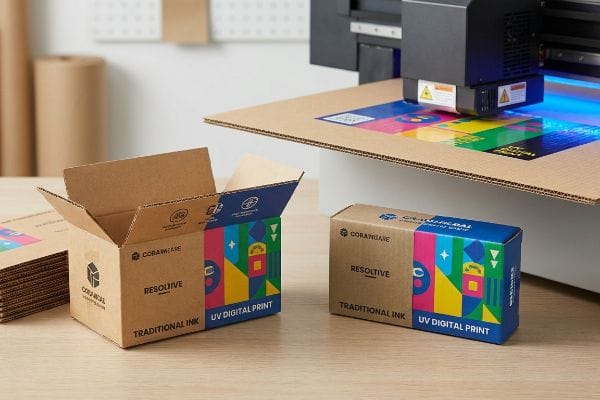
Однако распространённая ошибка, приводящая к получению мутных и блеклых изображений, заключается в том, что с этим материалом обращаются точно так же, как с глянцевой журнальной бумагой.
Обход ловушки поглощения волокон
Бренд-менеджерам нравится идея гибких, малотиражных кампаний, но им часто сложно вписать традиционную литографическую печать в свои сжатые сроки. В поисках более быстрых вариантов они часто одобряют стандартную печать жидкими чернилами непосредственно на необработанную поверхность картона,чтобы сэкономить время.
Хотя отказ от традиционных методов экономит время на начальном этапе, стандартные жидкие чернила слишком глубоко впитываются в пористые волокна бумаги¹⁰.Это чрезмерное впитывание делает готовое изображение тусклым и непрофессиональным под ярким флуоресцентным освещением в магазинах, негативно влияя на восприятие потребителя. Современная стратегия розничной торговли предполагает использование специализированных методов цифровой УФ-печати, которые мгновенно закрепляют чернила¹¹на поверхности. Такой подход предотвращает растекание цвета, обеспечивая четкие, яркие изображения, привлекающие внимание покупателей, без необходимости длительного ожидания, характерного для старых методов печати.
| Распространённая ошибка новичков | Профессиональное решение | Преимущества для торговых площадей |
|---|---|---|
| Печать стандартными жидкими чернилами на пористом картоне | Использование передовых технологий цифровой печати12 | Обеспечивает четкое, высококонтрастное изображение |
| Ожидание в течение нескольких недель подготовки к традиционной печати | Внедрение технологий быстротвердеющих чернил13 | Ускоряет вывод рекламной кампании на рынок |
| Оплата дорогостоящих металлических печатных форм | Для коротких пробежек можно обойтись без тарелок14 | Экономит средства на первоначальных затратах на оснастку |
Для проведения высококачественной визуальной кампании в сжатые сроки необходима цифровая печать с поверхностным отверждением. Отсутствие впитывания волокон гарантирует, что ваши рекламные изображения будут выделяться на полке, значительно сокращая при этом сроки производства.
🛠️ Harvey's Desk: Ваши рекламные материалы для розничной торговли, выпущенные небольшими тиражами, выглядят блеклыми и нечеткими на необработанном картоне? 👉 Получите бесплатный аудит вашей стратегии печати ↗ — Никаких форм, которые приводят к бесконечным звонкам отдела продаж. Только чистая выгода.
Что такое гофрированный дисплей?
По своей сути, временная торговая витрина — это трехмерная головоломка, созданная из бумажных волокон. Но понимание этого понятия кардинально отличается от понимания ее физического поведения.
Гофрированная витрина — это высокотехнологичная маркетинговая конструкция для розничной торговли, изготовленная из пористых целлюлозных бумажных волокон. Она состоит из соединяющихся между собой гофрированных панелей и вырубленных поддонов, предназначенных для надежной фиксации товаров в проходах крупных торговых центров, одновременно выполняя функции структурной упаковки и средства коммуникации бренда в местах продаж.
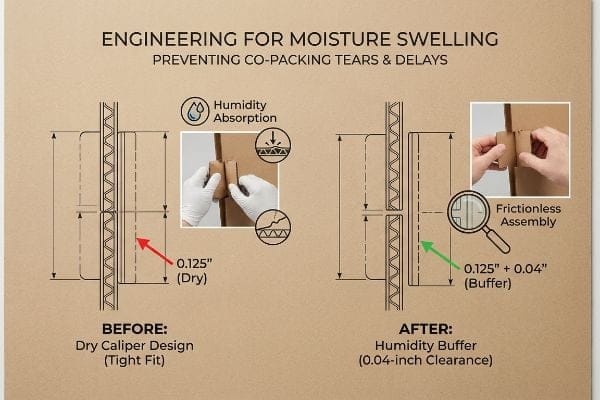
Установить один дисплей в лабораторных условиях несложно, но вот суровая реальность, с которой вы сталкиваетесь, когда перевозите 500 таких дисплеев через океан.
Реальность о набухании от влаги
Начинающие инженеры-конструкторы, работающие в офисах с кондиционированием воздуха, часто проектируют на своих компьютерных экранах идеально точные пазы и соединительные выступы. Допуски на пазы в вырубных формах они устанавливают, основываясь исключительно на абсолютном диаметре картона, рассчитанном штангенциркулем, предполагая, что картон останется совершенно неизменным от САПР-программы до конечного пункта продажи.
Это не просто теория — я вижу это на испытательном полигоне, когда мы извлекаем партии из влажных зон транспортировки. Физическая реальность такова, что пористый тестлайнер 32ECT поглощает окружающую влагу и физически разбухает16.Недавно я оценивал бракованную партию, где абсолютный сухой диаметр листа B-flute17 был строго смоделирован на уровне 0,125 дюйма. После морской транспортировки лист разбух до 0,14 дюйма. Прорезь, которая идеально подходила к выступу на цифровом изображении, стала катастрофически узкой. Команда по упаковке смяла листы, издавая глухой хрустящий звук и разрывая верхний слой. Я измерил микрометром и доказал, что нам необходим строгий «буфер влажности» в 0,04 дюйма, заложенный непосредственно в прорези. Благодаря этому микродопуску я сократил время сборки на 35 секунд на единицу, исключив повреждение графики.
| Распространённая ошибка новичков | Профессиональное решение | Преимущества для торговых площадей |
|---|---|---|
| Установка допусков пазов в соответствии с абсолютными параметрами сухого штангенциркуля | Добавление буфера зазора в 0,04 дюйма18 | Обеспечивает беспрепятственное вставление язычка |
| Игнорируя поглощение влаги при транспортировке через океан | Разработка технологии для предотвращения набухания волокон тестлайнера19 | Предотвращает разрыв графических элементов во время сборки |
| Втискивание разбухших выступов в узкие пазы | Использование параметрических CAD-припусков на изгиб20 | Сокращает время сборки на предприятии по упаковке |
Для обеспечения подлинной структурной целостности необходимо учитывать факторы окружающей среды на производственном участке. Создание строгого буфера влажности в линиях штамповки — единственный гарантированный способ предотвратить катастрофическое трение и сохранить трудовые ресурсы на линии упаковки.
🛠️ Вопрос от Харви: Знаете ли вы точный допустимый уровень набухания от влаги, заложенный в соединительных элементах вашего текущего дисплея? 👉 Пришлите мне файл с чертежом высечки ↗ — Я проведу стресс-тестирование, прежде чем вы потратите бюджет на массовое производство.
Заключение
Можно использовать стандартные структурные файлы, но когда идеально выровненные вырубные формы разбухают во влажном складском помещении, возникающее трение приводит к сильному изгибу основания, замедляя линию упаковки примерно на 30% и сводя на нет прибыль. Более 500 бренд-менеджеров используют мой контрольный список для допечатной подготовки, чтобы избежать именно этих фатальных ошибок на ранних этапах. Перестаньте гадать о допусках окружающей среды и позвольте мне лично проверить ваши файлы с помощью моей бесплатной предпечатной проверки вырубных форм ↗, чтобы выявить критические точки трения до начала производства.
«Планирование упаковки и логистики для торговых витрин – Фрэнк Майер», https://www.frankmayer.com/blog/packaging-and-logistics-planning-for-retail-displays/. Профессиональные исследования в области логистики предоставляют эмпирические данные, показывающие, как увеличение плотности грузоперевозок за счет плоской упаковки снижает накладные расходы на доставку. Роль доказательств: количественная проверка; тип источника: отчет логистической отрасли. Подтверждает: снижение затрат за счет пространственной оптимизации. Примечание по области применения: в основном относится к перевозкам сборных и полных грузов. ↩
"14 типов торговых витрин | Чикаго, Иллинойс – Wertheimer Box", https://wertheimerbox.com/types-of-retail-displays/. Проверка количественного увеличения вместимости при транспортировке плоских картонных конструкций по сравнению с предварительно собранными конструкциями в стандартных транспортных контейнерах. Роль доказательства: количественная проверка; тип источника: отчет логистической отрасли. Подтверждает: эффективность конструкций в плоской упаковке. Примечание: фактические цифры могут отличаться в зависимости от размеров витрин. ↩
«Что означает плотность груза для грузоотправителя | C & S Transportation», https://www.cstrans.com/blog/what-does-density-mean-for-a-shipper-of-goods. Техническое объяснение того, как увеличение плотности груза снижает стоимость единицы продукции за счет оптимизации доступного кубического объема в транспортных средствах. Роль доказательства: технический принцип; тип источника: руководство по транспортировке. Подтверждает: утверждение о том, что плотность значительно снижает логистические затраты. Примечание по области применения: относится конкретно к перевозкам сборных и полных грузов. ↩
«Прочность на сжатие гофрированной картонной упаковки с…», https://pmc.ncbi.nlm.nih.gov/articles/PMC10054506/. Техническое сравнение прочности на сжатие и пределов несущей способности сплошного картона и гофрированных гофрированных конструкций. Роль доказательства: Техническая проверка; тип источника: Справочник по проектированию упаковки. Подтверждает: Почему плотность материала не равна прочности конструкции. Примечание по области применения: Применимо к контексту розничной торговли. ↩
«[PDF] Исследование механических свойств картонной упаковки…», https://repository.rit.edu/cgi/viewcontent.cgi?article=1066&context=japr. Проверка структурного состава гофрированного и сплошного картона для доказательства отсутствия гофрирования в последнем. Роль доказательства: фактическая проверка; тип источника: материаловедение или стандарт упаковочной промышленности. Подтверждает: структурное утверждение. Примечание к области применения: относится к стандартному коммерческому картону. ↩
«Полное руководство по гофрированным коробкам – Shorr Packaging», https://www.shorr.com/resources/blog/ultimate-guide-corrugated-boxes/. Технические данные, демонстрирующие амортизирующие и ударопоглощающие свойства гофрированных гофрированных слоев по сравнению с негофрированными материалами. Роль доказательства: техническая спецификация; тип источника: инженерное исследование или отраслевой документ. Подтверждает: функциональное утверждение. Примечание об объеме исследования: фокусируется на вертикальном штабелировании и ударопрочности. ↩
«Оценка прочности на сжатие коробок из гофрированного картона…», https://pmc.ncbi.nlm.nih.gov/articles/PMC8467740/. Техническое объяснение того, как гофрирование увеличивает момент инерции и прочность на вертикальное сжатие, предотвращая деформацию по сравнению с цельным картоном. Роль доказательства: техническая проверка; тип источника: руководство по проектированию упаковки. Подтверждает: превосходство гофрированного картона для лотков с тяжелыми грузами. Примечание об объеме: предполагается использование стандартных марок гофрирования. ↩
«Конструктивные характеристики прямоугольных гофрированных сэндвич-панелей… – PMC», https://pmc.ncbi.nlm.nih.gov/articles/PMC11950349/. Инженерные данные, демонстрирующие, как арочные формы распределяют вертикальные нагрузки и поглощают ударное давление более эффективно, чем плоская толщина материала. Роль доказательства: структурное подтверждение; тип источника: промышленное проектное исследование. Подтверждает: использование формы вместо толщины для повышения долговечности при транспортировке. Примечание об объеме: ограничено проектированием внутреннего усиления. ↩
«Струйная печать на гофрированном картоне | Чернильный резервуар – Kao Collins», https://www.kaocollins.com/inktank/printing-on-cardboard-boxes-inkjet-corrugated/. Технический анализ впитывания чернил и времени высыхания при нанесении жидких чернил на необработанные картонные подложки. Роль доказательства: техническая проверка; тип источника: руководство по промышленной печати. Подтверждает: осуществимость и скорость прямой печати на необработанных поверхностях. Примечание по области применения: фокусируется на пористости подложки и взаимодействии чернил. ↩
«Пригодность бумажных подложек для печатной электроники – PMC», https://pmc.ncbi.nlm.nih.gov/articles/PMC8839088/. Краткое объяснение того, как проникновение чернил в пористые подложки снижает насыщенность цвета. Роль доказательства: Техническая проверка; тип источника: Журнал по материаловедению. Доказательства: Недостаток жидких чернил на гофрированной бумаге. Примечание к области применения: Применимо к непокрытым пористым подложкам. ↩
«Как УФ-отверждение влияет на адгезию чернил к непористым этикеткам… – IUV», https://goodiuv.com/how-uv-curing-impacts-ink-adhesion-on-non-porous-label-substrates/. Краткое объяснение фотохимической реакции при УФ-отверждении, которая предотвращает впитывание чернил. Роль доказательства: Техническая проверка; тип источника: Руководство по технологии печати. Подтверждает: Преимущества УФ-печати для повышения яркости поверхности. Примечание к области применения: Сосредоточено на химии УФ-отверждаемых чернил. ↩
«Какой процесс печати лучше всего подходит для гофрированной упаковки?», https://www.assetliquidity.net/blog/what-printing-process-is-best-for-corrugated-packaging. Техническое подтверждение того, как цифровая печать минимизирует впитывание чернил на пористых гофрированных подложках для сохранения резкости изображения. Роль доказательства: техническая проверка; тип источника: отраслевой технический документ. Подтверждает: утверждение о том, что цифровая печать обеспечивает высококонтрастную графику. Примечание об области применения: применимо к подложкам с высокой пористостью. ↩
«Печать на упаковочных коробках: решение проблем с медленным высыханием чернил – LinkedIn», https://www.linkedin.com/pulse/shipping-carton-printing-stop-slow-ink-drying-issues-ricky-fang-gsrlc. Документация, демонстрирующая, что быстросохнущие чернила (например, УФ или светодиодные) устраняют традиционные ограничения по времени высыхания в производственном процессе. Роль доказательства: подтверждение эффективности процесса; тип источника: руководство по полиграфической промышленности. Поддержка: ускорение вывода продукции на рынок для розничных кампаний. Примечание к области применения: сфокусировано на постобработке после печати. ↩
«Стоимость печати гофрокартонной коробки – Цифровой репозиторий», https://d.lib.msu.edu/etd/723. Сравнительный анализ первоначальных затрат на офсетную печать с использованием печатных форм и цифровые рабочие процессы без печатных форм для заказов малых объемов. Роль доказательства: финансовое обоснование; тип источника: анализ затрат на печать. Подтверждает: сокращение первоначальных затрат на оснастку. Примечание об области применения: действительно для небольших тиражей. ↩
«[PDF] Технические характеристики гофрированного картона – Ассоциация Fibre Box», https://www.fibrebox.org/assets/2025/09/Walmart_Corrugated-Board_Specifications_Automation_Packaging_Standards.pdf. Техническое объяснение того, как измерения сухим штангенциркулем используются в САПР для проектирования гофрированного картона и почему они не учитывают гигроскопическое расширение. Роль доказательства: техническая проверка; тип источника: справочник по проектированию упаковки. Подтверждает: тенденцию проектировщиков игнорировать влияние окружающей среды на размеры материала. Примечание об области применения: относится к гофрированному картону на основе целлюлозы. ↩
«[PDF] Влияние содержания влаги на прочность коробки на сжатие: FBA BCT…», https://renewablebioproducts.gatech.edu/sites/default/files/2025-12/4effects-of-moisture-content-on-box-compression-strength.pdf. Техническая документация по показателям прочности на сжатие гофрированного картона и гигроскопическим свойствам целлюлозных волокон подтверждает поглощение влаги и, как следствие, нестабильность размеров. Роль доказательства: техническая проверка; тип источника: журнал по материаловедению или отраслевой стандарт; подтверждает: физическую тенденцию испытательного слоя к набуханию; Примечание по области применения: относится конкретно к немелованной целлюлозной бумаге. ↩
«Картонный гофрокартон и марки материалов – стратегии упаковки», https://www.packagingstrategies.com/articles/96269-corrugated-board-and-material-grades. Отраслевые стандарты для спецификаций гофрокартона (например, TAPPI) определяют номинальный диапазон толщины для картона B-типа. Роль подтверждения: проверка спецификации; тип источника: технический стандарт; Поддержка: базовое измерение с помощью штангенциркуля для картона B-типа; Примечание об области применения: значения могут незначительно отличаться в зависимости от производителя. ↩
«[PDF] Технические характеристики гофрированного картона – Национальный архив», https://www.archives.gov/files/preservation/storage/pdf/corrugated-board.pdf. Технические характеристики гофрированной упаковки обычно определяют допустимые отклонения для учета вариаций толщины материала. Роль доказательства: техническая спецификация; тип источника: инженерное руководство. Подтверждает: конкретные измерения для беспрепятственного введения язычка. Примечание об объеме: требования к зазорам могут различаться в зависимости от размера гофры. ↩
«Влияние относительной влажности на прочность на сжатие…», https://open.clemson.edu/all_theses/3225/. Данные материаловедения о гигроскопических свойствах целлюлозных волокон объясняют, как поглощение влаги увеличивает толщину лайнерной бумаги. Роль доказательства: научный принцип; тип источника: статья по материаловедению. Подтверждает: утверждение о том, что набухание волокон происходит во время транспортировки по океану. Примечание: относится только к немелованному картону. ↩
«Аналитическое определение жесткости на изгиб пятислойной упаковки…», https://pmc.ncbi.nlm.nih.gov/articles/PMC8777652/. Стандарты проектирования упаковки для программного обеспечения САПР подробно описывают, как рассчитываются параметрические припуски на изгиб для обеспечения точного складывания и подгонки. Роль доказательства: техническая методология; тип источника: руководство по проектированию упаковки. Подтверждает: использование САПР для сокращения времени сборки и трения. Примечание об области применения: применимо к автоматизированной и ручной сборке. ↩