Вы получаете предложение от крупного розничного продавца, но дата запуска оказывается крайне сжатой. Если поторопиться с проектированием конструкции, ваши витрины прибудут помятыми. Вот сколько времени на самом деле занимает этот процесс.
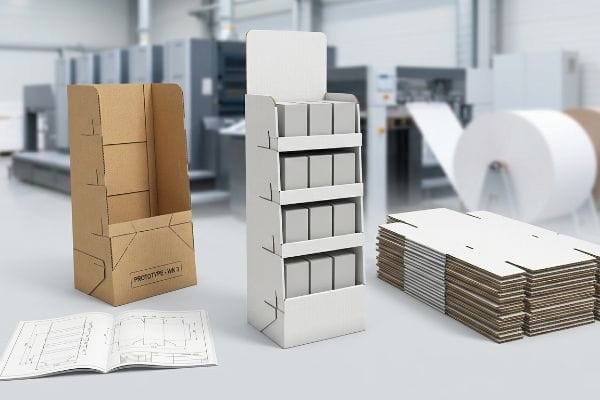
Изготовление картонных демонстрационных стендов для розничной торговли обычно занимает от трех до шести недель, в зависимости от сложности конструкции и требований к тестированию. Этот срок включает в себя 3D-проектирование, создание прототипов, печать и автоматизированную резку. Спешка с первоначальным проектированием часто гарантирует серьезные сбои при сборке во время массового производства.
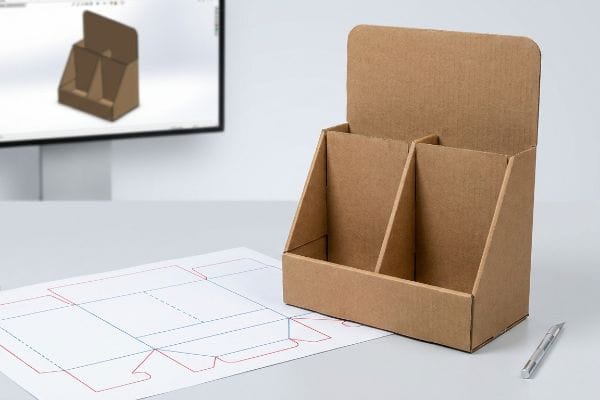
Но знания теоретического календаря недостаточно для успешного запуска в условиях высоких ставок. Давайте рассмотрим механические ловушки, которые на самом деле определяют ваши сроки на заводском конвейере.
Как сделать подставку для демонстрации из картона?
Вы можете подумать, что достаточно скачать стандартный шаблон и перетащить на него изображение. Но это редко бывает достаточно, когда в дело вступает динамическая физика нагрузки.
Изготовление картонной подставки требует использования специализированного программного обеспечения CAD (систем автоматизированного проектирования) и автоматизированного оборудования для резки. Инженеры-конструкторы рассчитывают припуски на изгиб для толстого гофрированного картона, а станки с ЧПУ (числовым программным управлением) точно размечают материал. Это обеспечивает безупречную сборку соединительных элементов на упаковочной линии без разрывов.
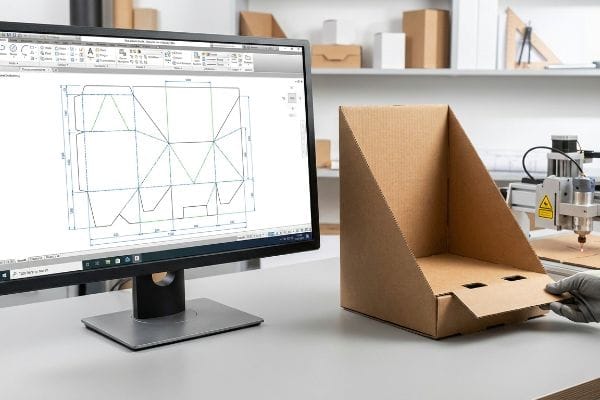
Но знание основных инструментов — это совсем не то же самое, что успешное масштабирование конструкции для тысяч единиц.
Почему стандартные направляющие линии разрушают картонные выставочные конструкции?
Даже опытные маркетинговые команды часто считают, что могут просто нарисовать плоские фиксирующие пазы точно такой же ширины, как и ответные выступы. Они отправляют стандартный векторный файл, ожидая, что завод просто нажмет кнопку печати и вырежет. Такой подход, ориентированный на плоский экран, полностью игнорирует физическую толщину гофрированного картона после того, как он изгибаетсяна 190 градусов в реальных условиях.
Я постоянно сталкиваюсь с этим структурным «слепым пятном» при проверке файлов новых клиентов. Дизайнер указывает идеально узкий паз в 0,12 дюйма (3,04 мм) для выступа B-образной формы².Но он забывает, что при складывании толстого картона расходуется материал³.Когда этот выступ сгибается, он физически утолщается. В прошлом месяце я наблюдал, как команда упаковщиков пыталась собрать одну из таких конструкций без компенсации. Можно было буквально услышать громкий, резкий трение необработанного картона, когда они отчаянно втискивали слишком большие выступы в крошечные пазы. В итоге они обмотали искорёженные соединения некрасивой прозрачной лентой, чтобы просто скрепить лотки . Применяя параметрическую компенсацию калибра в нашем 3D-программном обеспечении для автоматического расширения каждого паза, мы полностью устраняем это трение, сокращая время ручной сборки примерно на 25% и обеспечивая безупречный внешний вид бренда на полке.
| Распространённая ошибка новичков | Профессиональное решение | Преимущества для торговых площадей |
|---|---|---|
| Рисование ширины пазов в масштабе 1:1 в плоских векторных файлах. | Параметрическая компенсация штангенциркуля в САПР4. | Предотвращает разрыв картона во время сборки. |
| Не принимая во внимание физический радиус изгиба. | Расширение приемных пазов для учета толщины сгиба5. | Значительно ускоряет процесс сборки и упаковки. |
| Использование скотча для ремонта сломанных фиксирующих защелок. | Разработанные зазоры фрикционного замка6. | Обеспечивает лаконичное и премиальное представление бренда. |
Я не позволю ни миллиметру неверной математики испортить запуск крупного продукта. Если ваши защелки не входят в пазы, вы не экономите время; вы просто перекладываете кошмар сборки на измученного продавца.
🛠️ Рабочий стол Харви: Не уверены, соответствуют ли ваши соединительные элементы требованиям по допустимым изгибам для толстого гофрированного картона? 👉 Запросите бесплатную проверку вырубки ↗ — Прямой доступ к моему рабочему столу. Никакого автоматического спама с рекламными предложениями, обещаю.
Каков срок службы картона?
Можно предположить, что толстый кусок гофрированного материала будет храниться вечно в магазине с контролируемым микроклиматом. Но реальная опасность возникает задолго до того, как он попадет в торговый зал.
Это зависит от обстоятельств. Срок службы картонных дисплеев варьируется от четырех недель до нескольких месяцев и в значительной степени определяется влажностью окружающей среды. Хотя высококачественный гофрированный картон устойчив к типичному износу в помещении, длительное воздействие влаги быстро разрушает бумажные волокна, нарушая структурную целостность и приводя к катастрофическому разрушению основания из-за сжатия.
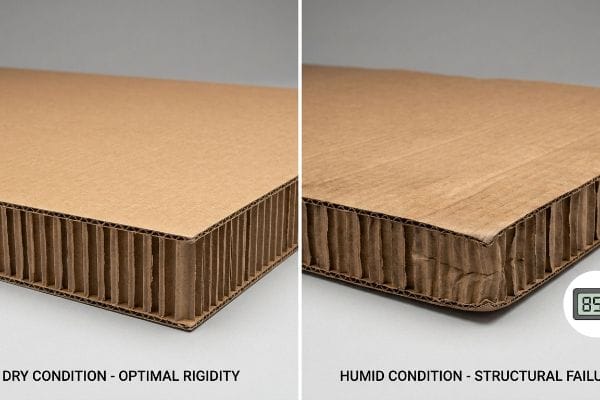
Установить один дисплей в лабораторных условиях несложно, но вот суровая реальность, с которой вы сталкиваетесь, когда отправляете 500 таких дисплеев в неконтролируемые условия.
Скрытая логистическая угроза для срока службы гофрокартона
Отделы закупок часто рассчитывают срок службы своей упаковки, основываясь на абсолютном измерении толщины картона сухим штангенциркулем в идеально кондиционированном офисе. Они предполагают, что материал с показателем тестлайнера 32ECT сохранит свою точную теоретическую прочность на протяжении всей шестимесячной рекламной кампании. Это игнорирует суровые законы физики окружающей среды глобальных цепочек поставок, где длительная морская транспортировка и влажные распределительные центры на юге полностью изменяют структурную реальность материала7.
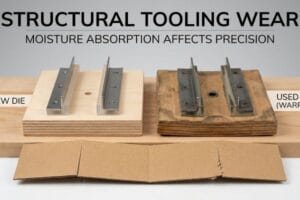
В 2022 году я отчетливо помню, как мой ведущий инженер по упаковке, Марк, оценивал партию возвращенных напольных витрин , которые полностью развалились на складе во Флориде. Первоначальное агентство клиента разработало вырубную форму без учета влажности, предполагая, что стандартный картон с гофрированной структурой останется идеально жестким. Я видел, как Марк надавил большим пальцем на возвращенное основание; пористая тестовая пленка впитала столько влаги из окружающей среды, что на ощупь напоминала влажную губку, мягко и бесформенно разваливаясь вместо четкого щелчка. Влага вызвала физическое набухание бумаги примерно на 0,04 дюйма (1,01 мм) ⁸ , из-за чего все соединительные выступы стали слишком тугими, и сборочной бригаде пришлось сжимать внутренние гофры во время установки. Марк полностью переработал систему, строго обязав использовать 30% первичного крафт - материала⁹ для несущих стенок и введя математический допуск по влажности в каждый приемный отсек. Этот химический и пространственный подход восстановил динамическую несущую способность, полностью предотвратив деформацию при транспортировке и избавив клиента от огромных штрафов со стороны розничных продавцов при следующем запуске проекта.
| Распространённая ошибка новичков | Профессиональное решение | Преимущества для торговых площадей |
|---|---|---|
| Разработано исключительно для офисных помещений без лишнего жира. | Добавление буфера влажности толщиной 1 мм10. | Предотвращает деформацию флейт во время подготовки к игре во влажных условиях. |
| Для длительных кампаний используется тестовый бланк, на 100% состоящий из переработанного материала. | Впрыскивание 30% первичной крафт-бумаги в гофрокартон11. | Сохраняет жесткость во влажном прибрежном климате. |
| Игнорирование физических процессов набухания под воздействием окружающей влаги. | Переход на водостойкие кромочные покрытия12. | Продлевает срок службы основания. |
Я никогда не одобрю проект, основываясь исключительно на идеальных лабораторных условиях. Если вы не разработаете защиту от влажности в цепочке поставок, то окружающая среда будет определять срок службы вашей кампании.
🛠️ Вопрос от Харви: Знаете ли вы точное содержание влаги и допустимое набухание канавки B вашего нынешнего поставщика до начала массовой сборки? 👉 Пришлите мне файл с чертежом вырубки ↗ — Я проверю расчеты, прежде чем вы потратите бюджет на массовое производство.
Заключение
Вы можете выбрать поставщика, основываясь исключительно на первоначальной стоимости единицы продукции, но когда этот некомпенсированный картон 32ECT впитывает влагу и разрушается во влажном складе во Флориде, последующие списания со стороны розничных продавцов полностью уничтожат прибыль вашей кампании. Более 500 бренд-менеджеров используют мой контрольный список для допечатной подготовки, чтобы избежать именно этих фатальных ошибок на ранних этапах. Перестаньте гадать о допусках на детали и позвольте мне лично проверить ваши файлы с помощью моего бесплатного аудита высечки ↗, чтобы выявить эти скрытые проблемные места до того, как они попадут на завод.
«Полное руководство по гофрированным коробкам – Shorr Packaging», https://www.shorr.com/resources/blog/ultimate-guide-corrugated-boxes/. Технические стандарты по проектированию упаковки объясняют, как толщина материала требует корректировки ширины пазов для учета смещения материала во время складывания. Роль доказательства: техническая проверка; тип источника: руководство по строительной инженерии. Подтверждает: утверждение о том, что номинальные размеры не учитывают физику трехмерного материала. Примечание об области применения: относится конкретно к гофрированным материалам. ↩
«[PDF] Технические характеристики гофрированного картона – Ассоциация Fibre Box», https://www.fibrebox.org/assets/2025/09/Walmart_Corrugated-Board_Specifications_Automation_Packaging_Standards.pdf. Проверка стандартных размеров пазов относительно толщины гофрированного картона для определения допусков на посадку. Роль доказательства: техническая спецификация; тип источника: стандарт упаковочной промышленности. Подтверждает: утверждение о том, что 0,12 дюйма — это жесткая спецификация для этого материала. Примечание об области применения: размеры могут незначительно отличаться в зависимости от производителя. ↩
«Аналитическое определение жесткости на изгиб пятислойной структуры…», https://pmc.ncbi.nlm.nih.gov/articles/PMC8777652/. Краткое объяснение припуска на изгиб и того, как смещение материала в гофрированном картоне влияет на физические размеры сложенных вкладок. Роль доказательства: теоретическая проверка; тип источника: инженерное руководство. Подтверждает: необходимость компенсации ширины пазов при утолщении материала. Примечание об области применения: относится к гофрированным материалам. ↩
«Оптимальное проектирование упаковки из двухслойного гофрированного картона – PMC», https://pmc.ncbi.nlm.nih.gov/articles/PMC8950760/. Техническая документация, объясняющая, как параметрическое САПР-программное обеспечение учитывает измерения толщины материала для обеспечения точной подгонки пазов. Роль подтверждения: техническая спецификация; тип источника: инженерное руководство. Подтверждает: необходимость компенсации толщины материала по сравнению с векторным чертежом 1:1. Примечание об области применения: в основном применяется к гофрированному и прочному картону. ↩
"Конструкции из картона: расчет припуска на изгиб 1 – YouTube", https://www.youtube.com/watch?v=j1n5ojAbAic. Стандарты по проектированию упаковки, подробно описывающие, как радиус изгиба и толщина материала влияют на допуски пазов для облегчения сборки. Роль доказательства: техническое руководство; тип источника: справочник упаковочной промышленности. Подтверждает: утверждение о том, что расширение пазов для толщины сгиба предотвращает трение при сборке. Примечание об области применения: применимо к различным маркам материалов. ↩
«Оценка прочности на сжатие коробок из гофрированного картона…», https://pmc.ncbi.nlm.nih.gov/articles/PMC8467740/. Исследование по проектированию конструкций, касающееся точных допусков, необходимых для механизмов фрикционной блокировки, обеспечивающих структурную целостность без использования клея. Роль доказательства: стандарт проектирования; тип источника: руководство по строительной инженерии. Подтверждает: превосходство инженерных зазоров над лентой для фиксирующих выступов. Примечание об области применения: относится к механическим блокирующим соединениям. ↩
«Влияние относительной влажности на прочность на сжатие…», https://open.clemson.edu/all_theses/3225/. Техническое объяснение того, как поглощение влаги во время транспортировки ухудшает значения испытания на сжатие кромки (ECT) гофрированного картона. Роль доказательства: техническая проверка; тип источника: исследование в области упаковочной инженерии. Подтверждает: утверждение о том, что логистические условия ухудшают структурную целостность. Примечание по области применения: относится к упаковочным материалам на основе целлюлозы. ↩
«Влияние влажности и температуры на механические свойства…», https://bioresources.cnr.ncsu.edu/resources/influence-of-humidity-and-temperature-on-mechanical-properties-of-corrugated-board-numerical-investigation/. Эмпирические данные о размерной стабильности и набухании волокон гофрированной бумаги при воздействии высокой влажности окружающей среды. Роль доказательства: техническая проверка; тип источника: исследование в области материаловедения. Подтверждает: точное измерение набухания, вызванного влагой. Примечание: измерения могут различаться в зависимости от плотности бумаги. ↩
«[PDF] Влияние содержания влаги на прочность на сжатие коробок: FBA BCT…», https://renewablebioproducts.gatech.edu/sites/default/files/2025-12/4effects-of-moisture-content-on-box-compression-strength.pdf. Технические рекомендации по корреляции между содержанием первичного крафт-волокна и прочностью на сжатие гофрированного картона во влажных условиях. Роль доказательства: техническое обоснование; тип источника: стандарт упаковочной промышленности. Подтверждает: эффективность модернизации материалов для несущих стенок. Примечание об области применения: специфично для конструктивных зон с высокими нагрузками. ↩
«Прочность на сжатие гофрированной картонной упаковки с…», https://pmc.ncbi.nlm.nih.gov/articles/PMC10054506/. Проверьте, является ли буфер толщиной 1 мм стандартной технической спецификацией для предотвращения разрушения гофры из-за гигроскопического расширения. Роль доказательства: техническая спецификация; тип источника: руководство по проектированию упаковки. Подтверждает: стандарты по отсутствию влаги. Примечание об области применения: относится к размерам гофрированного картона. ↩
«[PDF] Исследование механических свойств картонной упаковки…», https://repository.rit.edu/cgi/viewcontent.cgi?article=1066&context=japr. Подтверждается структурное преимущество смеси крафт-бумаги с 30% содержанием первичного сырья по сравнению со 100% переработанным вкладышем для поддержания прочности на сжатие во влажном климате. Роль доказательства: свойство материаловедения; тип источника: техническое исследование бумажной промышленности. Подтверждает: состав материала для обеспечения долговечности. Примечание к области исследования: фокусируется на соотношении первичных и переработанных волокон. ↩
«Покрытия и отделка коробок | Abbott Action | Проектирование, тестирование и производство…», https://www.abbottaction.com/packaging/box-coating/. Подтверждение эффективности специализированных покрытий кромок в снижении набухания под воздействием влаги, что продлевает срок службы гофрированных оснований. Роль доказательства: подтверждение эффективности; тип источника: исследования в области промышленных покрытий. Подтверждает: методы защиты от влаги. Примечание по области применения: применяется к кромкам гофрированного картона. ↩