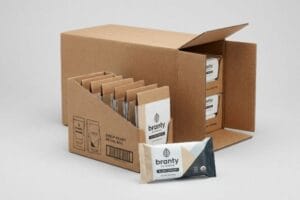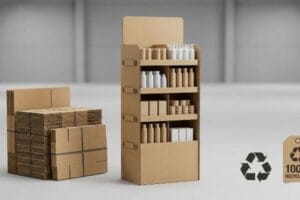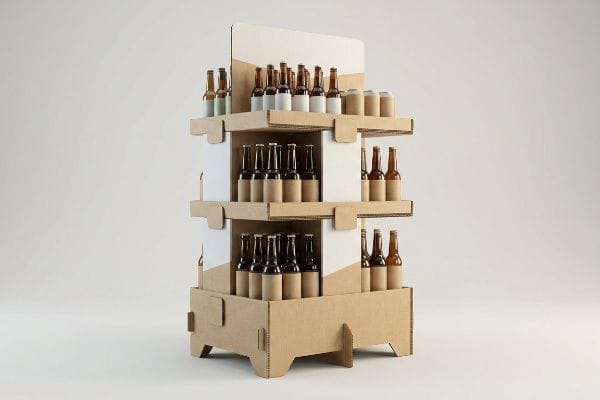
Организация логистики запуска сезонного продукта в продажу напитков требует строгого соблюдения реалий розничной торговли, иначе ваш премиальный жидкий продукт никогда не переживет транспортировку.
Сезонные витрины для напитков — это высокотехнологичные, структурные торговые конструкции, предназначенные для безопасной поддержки больших объемов жидких продуктов в розничной торговле. Использование таких прочных временных конструкций позволяет максимально повысить узнаваемость бренда для ограниченных по времени вкусов, строго соблюдая при этом мировые стандарты логистики и предотвращая обрушение конструкции под воздействием больших нагрузок.
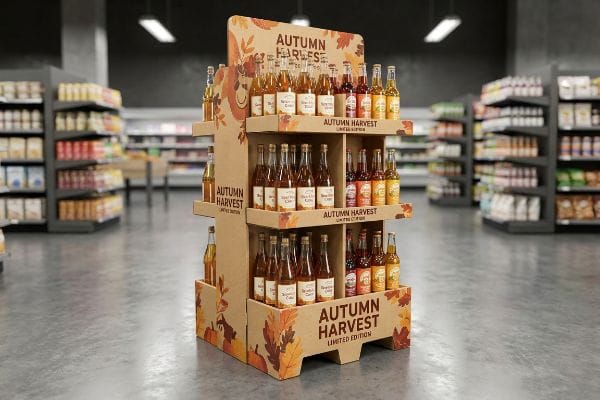
Преодоление разрыва между броским сезонным маркетингом и суровыми физическими реалиями крупного сетевого магазина – вот где большинство рекламных кампаний либо преуспевают, либо терпят полное фиаско.
Как красиво расставить напитки на вечеринке?
Оформление мест с высокой проходимостью требует большего, чем просто расставить банки на столе. Если все будет выглядеть слишком идеально, никто не захочет испортить композицию.
На вечеринке или мероприятии в магазине для привлечения внимания покупателей необходимо использовать асимметричную пространственную группировку напитков. Разделение товаров на группы с нечетным числом создает естественное визуальное напряжение, эффективно предотвращая когнитивную перегрузку и гарантируя, что проходящие мимо покупатели будут физически взаимодействовать с представленным товаром без каких-либо психологических колебаний.
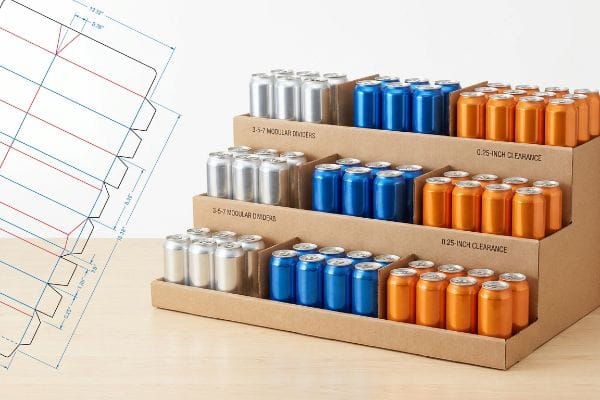
Секрет эффективной реализации больших объемов продукции заключается в том, чтобы связать визуальную психологию с организационным исполнением.
Психология эффективной продажи напитков для вечеринок
Начинающие дизайнеры часто пытаются разместить на одной полке плотную, идеально симметричную сетку из напитков . Они предполагают, что максимальная плотность размещения товара автоматически приводит к увеличению продаж и создает более аккуратный внешний вид. Однако идеально ровные блоки товаров не создают визуального напряжения¹ , из-за чего спешащие покупатели просто пролистывают их.
Я постоянно сталкиваюсь с этим, когда бренды запускают новый сезонный газированный напиток. Даже опытные директора по маркетингу считают, что конечная цель — это жесткая стена из банок. В действительности же такое симметричное скопление создает огромное физическое трение. Я наблюдал, как продавцы в магазинах потели, с трудом втискивая последнюю банку в плотный ряд, что сопровождалось громким треском необработанного картона, когда передний защитный край разрывался. Чтобы это исправить, я использую правило 3-5-7 , проектируя специальные модульные разделители в файлах САПР (системы автоматизированного проектирования). Это заставляет напитки располагаться группами с нечетным числом банок, предоставляя продавцам ровно 0,25 дюйма (6,35 мм) зазора, необходимого для беспрепятственного пополнения запасов.
| Распространённая ошибка новичков | Профессиональное решение | Преимущества для торговых площадей |
|---|---|---|
| Симметричные решетки для банок | 3-5-7 модульные перегородки4 | Предотвращает разрыв картонной коробки |
| Отсутствие скидок | Зазоры 0,25 дюйма5 | Ускоряет пополнение запасов |
| Непрерывные визуальные стены | Асимметричная кластеризация6 | Усиливает импульсивные хватания |
Я категорически запрещаю симметричные сетчатые расположения для товаров, продаваемых в больших объемах в жидком виде. Внедрение искусственной асимметрии не только защищает структурную целостность края витрины, но и напрямую повышает вовлеченность покупателей, делая полку более привлекательной.
🛠️ За столом Харви: Ваши плотные товарные сетки тайно приводят к повреждениям при пополнении запасов в торговом зале? 👉 Получите бесплатную оценку разделителей ↗ — Прямой доступ к моему рабочему месту. Никакого автоматического спама с рекламой, обещаю.
Какой новый тренд в напитках?
Погоня за новейшими вкусовыми трендами совершенно бессмысленна, если ваш магазин на полках скрывает именно то рекламное утверждение, которое ищут покупатели.
В последнее время в тренде меняются функциональные напитки, крепкие комбучи и газированные напитки с растительными добавками. Выявление этих быстро меняющихся тенденций в мире напитков позволяет гибким брендам привлекать огромные объемы импульсных продаж, при условии, что их физическая упаковка гарантирует максимальную видимость основного функционального ингредиента, напечатанного непосредственно на этикетке.
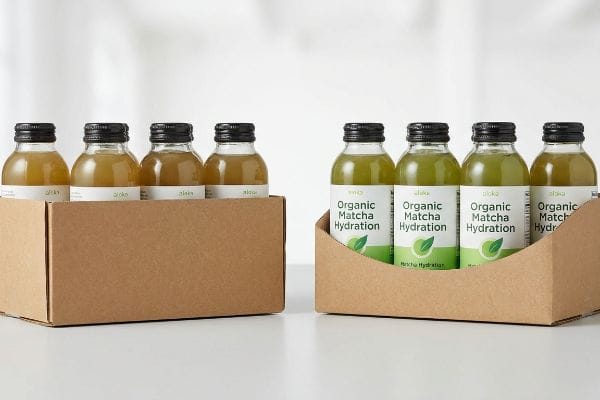
Определив выигрышный вкусовой профиль, необходимо убедиться, что структура розничной торговли не препятствует активной видимости вашего продукта.
Предотвращение структурного саботажа новых тенденций в производстве напитков
Бренды вкладывают значительные средства в развитие сельскохозяйственного производства, чтобы легально рекламировать популярные функциональные ингредиенты на своих бутылках. При переводе этих новых напитков в картонные лотки дизайнеры часто используют стандартные плоские бортики. Они полностью сосредотачиваются на прочности упаковки, игнорируя расположение основной этикетки на самой бутылке.
Мне постоянно звонят в панике основатели компаний-производителей напитков, чьи дорогостоящие этикетки с органическим матча полностью скрыты. Это распространенная ловушка, в которую попадают даже опытные отделы закупок. Они спрашивают меня, почему их модные напитки плохо продаются, и мне приходится объяснять, что основной рекламный текст физически закрывает картонная накладка высотой 76,2 мм . Я решаю эту проблему, импортируя точные размеры бутылки в наше 3D-программное обеспечение и вырезая точную выемку на передней панели. Вы слышите приятный щелчок, когда бутылка идеально встает за этот вырез, обеспечивая полную свободу движения для модной этикетки и сохраняя при этом жесткость подставки.
| Распространённая ошибка новичков | Профессиональное решение | Преимущества для торговых площадей |
|---|---|---|
| Плоские удерживающие выступы | Изготовленные на заказ фигурные смычки9 | 100% видимость метки |
| Не обращая внимания на высоту бутылки | 3D-картирование меток10 | Приводит к импульсным преобразованиям |
| Блокирование функциональных претензий | Сниженные центральные профили11 | Обеспечивает структурную фиксацию |
Я не позволю стандартным боковым панелям подносов задушить самый ценный маркетинговый актив бренда. Разработка индивидуального визуального оформления гарантирует мгновенную читаемость основного вкусового акцента, превращая случайный поток посетителей в немедленные продажи.
🛠️ Задание от Харви: Скрывает ли ваш текущий розничный лоток информацию о самом дорогом ингредиенте на бутылке? 👉 Запросите карту видимости ↗ — Скачайте безопасно. Мой почтовый ящик открыт, если у вас возникнут вопросы позже.
Сколько напитков мне понадобится на 50 гостей?
Расчет объема наливных жидкостей имеет решающее значение для планирования мероприятий, но понимание того, как физически выдержать такой огромный вес в торговом зале, требует знания структурной физики.
Для обслуживания 50 гостей обычно требуется около 150 напитков на стандартное мероприятие. Расчет этого объема жидкости обеспечивает достаточное количество, но безопасная транспортировка такого огромного количества через глобальные розничные цепочки поставок требует специальных инженерных решений для предотвращения катастрофического смещения груза или разрушения картонных коробок.
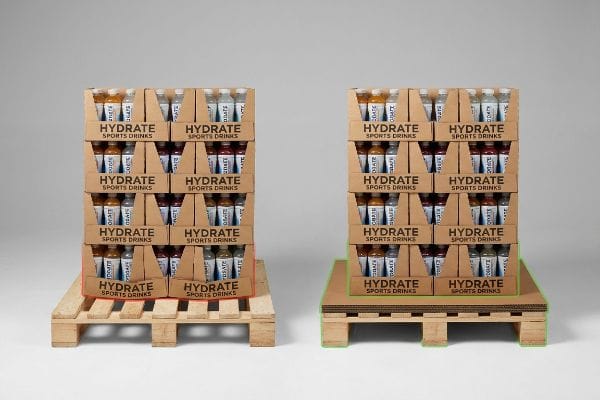
В то время как организаторы вечеринок беспокоятся о том, что может закончиться лед, партнеры-производители обеспокоены физическими аспектами перемещения сотен килограммов жидкости.
Управление экстремальными значениями веса жидких продуктов в оптовой торговле напитками
Отделы закупок часто размещают тяжелые, предварительно заполненные картонные поддоны с напитками на развес прямо на низкокачественных деревянных экспортных паллетах, чтобы сэкономить на логистических затратах. Они предполагают, что пока соблюдается общий лимит веса древесины, товар находится в полной безопасности. При этом полностью игнорируются значительные физические зазоры между верхними доскамиэтих дешевых поддонов.
Представьте, что вы стоите на высоких каблуках на деревянном настиле; точки давления мгновенно проваливаются в щели. Даже опытные менеджеры по логистике упускают из виду это «слепое пятно». Когда вы складываете 181,4 кг спортивных напитков на дешевый поддон, незакрепленные участки гофрированного основания деформируются и провисают прямо в эти пустоты. Я заходил на склады и чувствовал влажное, губчатое сопротивление нижнего слоя картона, который навсегда деформировался под собственным весом. Мое решение простое: я обязательно использую сплошной гофрированный разделительный лист или ориентирую направление внутренней гофры перпендикулярно продольным балкам поддона , мгновенно устраняя провисание.
| Распространённая ошибка новичков | Профессиональное решение | Преимущества для торговых площадей |
|---|---|---|
| Дешевые решетчатые поддоны | Надежные протоколы палубы15 | Предотвращает провисание нижнего яруса |
| Параллельное выравнивание флейт | Перпендикулярная ориентация флейты16 | Распределяет вес жидкости |
| Игнорируя зазоры в палубе | Прочные разделительные листы | Исключает повреждения при транспортировке |
Я никогда не рискую перевозить большие объемы жидкости на дешевых деревянных полах. Внедрение надежного протокола хранения гарантирует, что ваш товар нижнего ценового сегмента прибудет в идеальном состоянии, полностью избегая дорогостоящих возвратов платежей со стороны розничных продавцов за поврежденный товар.
🛠️ Задание от Харви: Ваши тяжелые контейнеры с напитками провисают и забиваются в зазоры между поддонами во время транспортировки? 👉 Закажите базовый аудит ↗ — Никаких форм, которые приводят к бесконечным звонкам отдела продаж. Только чистая выгода.
Какие горячие напитки снижают кровяное давление?
Потребители, заботящиеся о своем здоровье, активно ищут функциональные чаи и кофе, полагая, что как сам напиток, так и его упаковка абсолютно безопасны для планеты.
Горячие напитки, снижающие кровяное давление, часто включают чай из гибискуса, зеленый чай и определенные травяные смеси, богатые антиоксидантами. Продвижение этих функциональных напитков для здоровья требует использования высокобарьерной упаковки для сохранения свежести. Однако обеспечение подлинной экологичности упаковки — сложная задача, которая часто приводит к нарушениям требований со стороны экологически сознательных брендов.

Но знания теории, лежащей в основе экологичной упаковки, недостаточно, когда в муниципальном центре переработки отходов начинают работать сортировочные машины.
Почему стандартная экологичная упаковка не работает на заводе
Бренды часто требуют использования биопластиковой ламинации из PLA (полимолочной кислоты)для своих рекламных материалов, посвященных полезным для здоровья напиткам, полагая, что эта пленка на растительной основе обеспечивает полное соответствие экологическим нормам. Они считают, что наклеивание компостируемой этикетки на гофрированный картон идеально соответствует целостному подходу к продвижению их чаев, снижающих кровяное давление.
Получить одобрение на использование компостируемых коробок в зале заседаний совета директоров легко, но вот суровая реальность, когда вы отправляете 5000 таких коробок в стандартный поток отходов розничной торговли. На моем предприятии я регулярно вижу, как бренды с ужасом обнаруживают, что их дорогостоящие дисплеи с покрытием из PLA полностью отбраковываются стандартными емкостями для переработки старых гофрированных контейнеров (OCC). Я наблюдал, как лезвия перерабатывающего процесса забиваются твердой пластиковой пленкой, отталкивающей воду во время обработки, что приводит к снижению количества пригодного для переработки волокна на 4,8%¹⁸. Чтобы исправить это, я полностью удаляю биопластик. Я провел измерения микрометром и доказал, что мы можем достичь того же влагозащитного барьера, используя жидкое водное покрытие толщиной 0,02 дюйма (0,5 мм)¹⁹. Поскольку это покрытие на водной основе легко растворяется, оно обеспечивает беспрепятственную переработку у обочины дороги и ускоряет утилизацию отходов, избавляя клиентов от огромных проблем с соблюдением нормативных требований и сохраняя подлинную экологическую репутацию их бренда.
| Распространённая ошибка новичков | Профессиональное решение | Преимущества для торговых площадей |
|---|---|---|
| Твердотельные ламинированные пластины из PLA-пластика | Жидкие водные покрытия20 | 100% пригодна для повторного использования в качестве сырья для переработки у обочины дороги |
| Игнорируя пульповые чаны | Мономатериальная инженерия21 | Проходит экологические аудиты розничных продавцов |
| Загрязнение биопластиком | Водорастворимые барьерные покрытия22 | Устраняет штрафы за сортировку |
Я немедленно помечаю PLA-пленки на любых гофрированных витринах, предназначенных для стандартной розничной торговли. Переход на современные водостойкие барьеры обеспечивает точно такую же защиту от влаги, не превращая вашу экологическую кампанию в проблему утилизации отходов.
🛠️ Совет от Харви: Не позволяйте двухмиллиметровому структурному дефекту испортить запуск продаж в 500 магазинах. 👉 Пришлите мне файл с чертежами ↗ — Я проверю расчеты, прежде чем вы потратите бюджет на массовое производство.
Заключение
Вы можете закупать самые модные полезные напитки, но когда этот тяжелый жидкий груз провисает в щелях дешевых поддонов во время транспортировки, вызывая сильное трение и замедляя работу приемного пункта примерно на 30%, ваша прибыль полностью исчезает. Более 500 бренд-менеджеров используют мой контрольный список для допечатной подготовки, чтобы избежать именно этих фатальных ошибок на ранних этапах. Перестаньте гадать о допусках распределения веса и позвольте мне лично проверить ваши структурные файлы с помощью моего бесплатного аудита высечки ↗, чтобы математически гарантировать, что ваша следующая рекламная кампания выдержит испытание в розничной торговле.
«[PDF] За пределами красоты: симметрия дизайна и индивидуальность бренда», https://www.scheller.gatech.edu/directory/research/marketing/bond/pdf/bajaj_bond_jcp_2018.pdf. Научные исследования принципов гештальта и психологии розничной торговли показывают, что крайняя симметрия может привести к визуальной скуке и снижению когнитивной вовлеченности покупателей. Роль доказательства: теоретическая основа; тип источника: рецензируемое исследование поведения потребителей. Подтверждает: утверждение о том, что симметрия снижает взаимодействие потребителей. Примечание к области применения: конкретно в отношении розничной торговли с высокой проходимостью или мероприятий. ↩
«Услуги и стратегия визуального мерчандайзинга | T-ROC Global», https://trocglobal.com/visual-merchandising/. Проверка «правила нечетных чисел» или конкретных стратегий группировки товаров по нечетным числам, используемых в розничной торговле для предотвращения когнитивной перегрузки и повышения вовлеченности. Роль доказательства: концептуальная проверка; тип источника: исследование в области дизайн-психологии. Подтверждает: эффективность кластеров с нечетными числами для стимулирования взаимодействия. Примечание по области применения: применение в визуальном мерчандайзинге. ↩
"Установка холодильника для напитков. Завершающий этап нашей кухни…", https://www.instagram.com/reel/DFQ2ixtSbUM/. Проверка технических допусков и требований к зазорам в конструкции торгового оборудования для обеспечения беспроблемного ручного пополнения запасов консервов. Роль доказательства: техническая спецификация; тип источника: руководство по промышленному дизайну. Подтверждает: полезность заданного миллиметрового зазора для пополнения запасов. Примечание к области применения: зависит от размеров емкостей для напитков. ↩
«Перегородки для коробок | Разделители для упаковки – Smurfit Westrock», https://www.smurfitwestrock.com/products/packaging/protective/box-partitions. Технические доказательства, демонстрирующие, как конкретные конфигурации модульных разделителей предотвращают структурные повреждения и разрывы картонных коробок для напитков. Роль доказательства: техническая спецификация; тип источника: руководство по розничной логистике. Подтверждает: использование разделителей 3-5-7 для предотвращения разрывов картона. Примечание к области применения: специфично для гофрированной упаковки для напитков. ↩
«Регулируемые полки в холодильнике для напитков: грузоподъемность и артикулы… – HAIYI», https://haiyihn.com/adjustable-shelves-in-beverage-coolers-load-capacity-and-sku-planning/. Отраслевые стандарты, касающиеся точного зазора между полками, необходимого для минимизации трения и максимальной эффективности пополнения запасов. Роль доказательства: показатель эффективности; тип источника: оперативное руководство. Подтверждает: утверждение о том, что зазор в 0,25 дюйма ускоряет пополнение запасов. Примечание об области применения: ограничено условиями стеллажей с высокой плотностью размещения товаров. ↩
«Факторы, влияющие на импульсивное покупательское поведение потребителей – PMC – NIH», https://pmc.ncbi.nlm.nih.gov/articles/PMC8206473/. Психологическое исследование моделей визуального мерчандайзинга и их влияния на импульсивное покупательское поведение потребителей. Роль доказательства: поведенческие данные; тип источника: исследование в области психологии потребителей. Подтверждает: утверждение о том, что асимметричное расположение товаров увеличивает импульсивные покупки. Примечание по области применения: общее применение к размещению товаров в розничной торговле. ↩
«Руководство для промышленности: Руководство по маркировке пищевых продуктов – FDA», https://www.fda.gov/regulatory-information/search-fda-guidance-documents/guidance-industry-food-labeling-guide. Анализ законов о маркировке продуктов питания и напитков, касающихся подтверждения заявлений о функциональных ингредиентах путем указания конкретного источника. Роль доказательства: подтверждение; тип источника: нормативная база. Подтверждает: связь между источником и законными рекламными заявлениями. Примечание: основное внимание уделяется стандартам FDA/EFSA. ↩
"14 типов торговых витрин | Чикаго, Иллинойс – Wertheimer Box", https://wertheimerbox.com/types-of-retail-displays/. Проверка стандартных размеров бортиков картонных лотков в местах продаж, чтобы подтвердить, является ли эта высота распространенной спецификацией, которая мешает видимости этикеток. Роль доказательства: техническая спецификация; тип источника: производственный стандарт. Подтверждает: утверждение о том, что определенные стандартные высоты лотков создают проблемы с видимостью. Примечание: размеры могут различаться в зависимости от региона или производителя. ↩
«Витрина для небольших упаковок напитков – PopDisplay», https://popdisplay.me/counter-display-for-small-beverage-packs/. Краткое объяснение того, как специальные вырезы в торговых точках оптимизируют визуальный контакт с этикетками на бутылках. Роль подтверждения: техническая проверка; тип источника: руководство по дизайну упаковки. Подтверждает: использование специальных изгибов для повышения видимости этикеток. Примечание по области применения: специфично для мерчандайзинга напитков. ↩
«Как POS-дисплеи могут увеличить импульсивные покупки», https://www.iprint360.com/resources/blog/how-point-of-sale-pos-displays-can-increase-impulse-purchases.html. Краткое объяснение того, как согласование геометрии дисплея с физическими размерами этикетки продукта влияет на поведение потребителей при импульсивных покупках. Роль доказательства: поведенческие данные; тип источника: исследование в области психологии потребителей. Подтверждает: корреляцию между 3D-моделированием и конверсией. Примечание по области применения: относится к товарам повседневного спроса. ↩
«Полное руководство по выбору торговых стеллажей | Adco DispleTech», https://www.displetech.com/blogs/retail-essence/retail-shelving-systems-materials?srsltid=AfmBOoqOn2mmEWogUZ5x03uAyTruBIUUG4DZe1GXuivF_L_yBkeNSPQd. Краткое объяснение того, как уменьшение высоты центральных опор витрины сохраняет общую несущую способность конструкции. Доказательство: техническая спецификация; тип источника: руководство по строительной инженерии. Опоры: структурная устойчивость пониженных профилей. Примечание об области применения: ограничено временными торговыми стеллажами из картона или пластика. ↩
«[PDF] Исследование влияния гофрированных коробок на распределение», https://www.unitload.vt.edu/content/dam/unitload_vt_edu/graduate-research-and-subpages-pictures-and-docs/thesis-and-dissertations-/Clayton%20-%20ETD%20-%20Investigation%20of%20the%20Effect%20of%20Corrugated%20Boxes%20on%20the%20Distribution%20of%20Compression%20Stresses%20on%20the%20Top%20Surface%20of%20Wooden%20Pallets.pdf. Технические стандарты по конструкции поддонов, объясняющие, как расстояние между зазорами влияет на структурную целостность и поддержку гофрированных оснований. Роль доказательства: Техническая проверка; тип источника: Руководство по промышленной инженерии. Опоры: Риск повреждения груза из-за расстояния между досками настила. Примечание по области применения: В основном используется для экспортных поддонов низкого качества. ↩
«Оценка прочности на сжатие коробок из гофрированного картона…», https://pmc.ncbi.nlm.nih.gov/articles/PMC8467740/. Техническая документация по материаловедению объясняет, как гофрированный древесноволокнистая плита разрушается или деформируется под воздействием больших нагрузок без постоянной опоры. Роль доказательства: фактическое подтверждение; тип источника: инженерный учебник. Опоры: механизм разрушения нижнего яруса картонной коробки. Примечание к области применения: разница зависит от показателя прочности картона на сжатие по краю (ECT). ↩
«[PDF] Технические характеристики гофрированного картона – Ассоциация Fibre Box», https://www.fibrebox.org/assets/2025/09/Walmart_Corrugated-Board_Specifications_Automation_Packaging_Standards.pdf. Принципы проектирования упаковки диктуют, что выравнивание гофр перпендикулярно несущей конструкции максимизирует вертикальную прочность на сжатие и минимизирует провисание. Роль подтверждения: техническая проверка; тип источника: отраслевой стандарт упаковки. Поддержка: Эффективность ориентации гофр в предотвращении деформации. Примечание об области применения: Применяется к стандартным гофрированным транспортным контейнерам. ↩
«Какую нагрузку может выдержать мой поддон?», https://unitload.vt.edu/education/white-papers/5-wp-load-carrying-capacity-of-pallets.html. Анализ конструкции настилов поддонов, сравнивающий сплошные поверхности с решетчатыми конструкциями для предотвращения деформации продукции и разрушения конструкции. Роль доказательства: структурное подтверждение; тип источника: стандарт по обработке материалов. Подтверждает: утверждение о том, что сплошные настилы предотвращают провисание нижнего яруса. Примечание по области применения: специфично для торговли жидкими товарами высокой плотности. ↩
«Руководство по пониманию структуры гофрированных коробок – Gentlever», https://gentlever.com/flutes-types-sizes-and-thickness-in-corrugated-boxes/. Техническое объяснение того, как изменение направления гофрирования увеличивает прочность на вертикальное сжатие и оптимизирует несущую способность для тяжелых жидкостей. Роль доказательства: техническая проверка; тип источника: руководство по проектированию упаковки. Подтверждает: утверждение о том, что перпендикулярная ориентация распределяет вес жидкости. Примечание по области применения: относится к гофрированной картонной упаковке и слоям поддонов. ↩
«Оценка жизненного цикла полимолочной кислоты (PLA) для обеспечения ее экологичности…», https://pmc.ncbi.nlm.nih.gov/articles/PMC8199738/. Подтверждение того, что полимолочная кислота является полимером растительного происхождения, и конкретные условия, необходимые для ее экологической пригодности. Роль доказательства: техническая проверка; тип источника: журнал по материаловедению. Подтверждает: химическую природу и заявления об экологичности пленок из PLA. Примечание: различает промышленную и бытовую компостируемость. ↩
«Перерабатываемое и биоразлагаемое покрытие для бумаги с функционализированными…», https://pmc.ncbi.nlm.nih.gov/articles/PMC11948148/. Технические данные, количественно определяющие потери восстановленного волокна при загрязнении стандартных потоков переработки гофрированного картона материалами с покрытием из PLA. Роль доказательства: количественная проверка; тип источника: отчет о промышленной переработке. Подтверждает: неэффективность биопластиков в емкостях для переработки гофрированного картона. Примечание об области применения: относится только к покрытиям из PLA. ↩
«Обновленная информация о влагозащитных покрытиях для доставки лекарств – PMC – NIH», https://pmc.ncbi.nlm.nih.gov/articles/PMC6781284/. Сравнительный анализ толщины водного покрытия и его эффективности в качестве влагозащитного барьера по сравнению с пластиковыми пленками. Роль доказательства: проверка технических характеристик; тип источника: журнал по материаловедению. Подтверждает: возможность замены биопластиков водными покрытиями. Примечание к области применения: характеристики зависят от подложки. ↩
«[PDF] Калифорнийский семинар по ПФАС: водные покрытия как альтернатива…», https://dtsc.ca.gov/wp-content/uploads/sites/31/2020/01/3_1_Clay-Mayhood_CA-PFAS-Workshop-Aqueous-Coating-Overview-191219.pdf. Подтверждение полной совместимости водных покрытий со стандартными потоками переработки бумаги без образования пластиковых остатков. Роль доказательства: техническая проверка; тип источника: отраслевой стандарт переработки. Подтверждает: утверждение о 100% возможности повторного использования этих покрытий при сборе отходов. Примечание об области применения: зависит от возможностей местных муниципальных предприятий по переработке отходов. ↩
«Повышение экологичности с помощью мономатериальной упаковки | Бизнес – Shell», https://www.shell.us/business/sectors/shell-polymers/resources-and-insights/boost-sustainability-with-mono-material-packaging.html. Технический анализ, демонстрирующий, как мономатериальная конструкция упрощает процесс переработки и соответствует критериям корпоративного соответствия в области устойчивого развития. Роль доказательства: отраслевая практика; тип источника: отчет об устойчивом развитии. Поддерживает: возможность прохождения экоаудита розничных продавцов. Примечание к области применения: относится к упаковке для напитков. ↩
«Пластиковые отходы: проблемы и возможности снижения загрязнения…», https://pmc.ncbi.nlm.nih.gov/articles/PMC9857911/. Техническое подтверждение того, что барьеры на водной основе уменьшают присутствие микропластиковых фрагментов (мелких частиц при сортировке) в процессе сортировки отходов. Роль доказательства: техническая спецификация; тип источника: исследование по управлению отходами. Подтверждает: устранение мелких частиц при сортировке. Примечание об области применения: относится конкретно к фазе разделения при переработке. ↩