
Если рассматривать оформление торговых точек как нечто второстепенное, это быстро истощит ваш маркетинговый бюджет. Успешная розничная кампания требует глубокой интеграции между структурой упаковки и работой магазина.
Рассмотрение рекламных материалов в местах продаж как части стратегии магазина означает разработку торговых витрин в соответствии с логистическими требованиями ритейлера, поведением потребителей и пространственными ограничениями проходов. Такой подход гарантирует, что использование рекламных материалов в местах продаж будет способствовать увеличению физических продаж, а не создавать операционные проблемы в крупных торговых центрах.

Однако для того, чтобы преодолеть разрыв между цифровым изображением и функциональным торговым пространством, недостаточно просто хорошей графики.
Что такое правило 3-3-3 в продажах?
Если ваш картонный стенд сливается с проходом, он не сработает. Розничная торговля требует агрессивной визуальной стратегии, чтобы отвлечь спешащих покупателей от их заранее составленных списков покупок.
Правило 3 3 3 — это концепция вовлечения, согласно которой продавец должен привлечь внимание с расстояния 9,1 м (тридцать футов), вызвать конкретный интерес на расстоянии 0,9 м (три фута) (три дюйма) (три дюйма).

Понимание этого пространственного континуума на экране — это одно, но разработка физического картонного изделия для его реализации — вот где большинство рекламных кампаний терпят неудачу.
Почему модель 3-3-3 не работает в сфере физической торговли
Даже опытные дизайнеры часто упускают из виду это пространственное «слепое пятно», проектируя торговые витрины исключительно для просмотра вблизи на мониторах компьютеров с подсветкой. Они предполагают, что красивая графика естественным образом привлечет посетителей, и размещают текстовые сообщения на боковых панелях. Без структурных элементов , специально разработанных для определенных пороговых расстояний¹ , витрина превращается в визуальный шум в хаотичном проходе большого торгового центра.
Я постоянно сталкиваюсь с этим, когда бренды пытаются запустить сложные сезонные рекламные кампании. Недавно один бренд прислал мне плоскую вырубку, заполненную микроскопическим шрифтом размером 10 пунктов, которая совершенно не соответствовала требованию визуального отвлечения внимания на расстоянии 9,1 м².Мне пришлось вмешаться и агрессивно переделать передний удерживающий край, физически отрезав гофрированный картон, чтобы гарантировать 85% видимости продукта для этого критически важного тактильного эффекта на расстоянии 76 мм. Громкий, резкий звук отрывания лишнего картона необходим, потому что замена оптического беспорядка массивной вырубленной формой мгновенно создает визуальное напряжение³,резко увеличивая импульсные продажи и устраняя проблемы с пополнением запасов.
| Распространённая ошибка новичков | Профессиональное решение | Преимущества для торговых площадей |
|---|---|---|
| Перегруженность текстом нижних панелей | Используйте массивные вырезанные элементы, создающие эффект фокусировки | Привлекает внимание с расстояния 9 метров4 |
| Средство для покрытия губ с высокой степенью фиксации | Сузить передний спойлер до 85% видимости5 | Бесконтактная тактическая модификация 3 дюйма |
| Разработка дизайна исключительно на цифровом мониторе | Инженерная служба для зоны поражения шириной 50 дюймов6 | Соответствует эргономике человека |
Я всегда отдаю предпочтение агрессивным контурам с высечкой, а не боковым панелям с большим количеством текста. Физическое взаимодействие взгляда потребителя с макетом приводит к более высокой скорости продаж, чем стена из однообразного рекламного текста.
🛠️ Рабочий стол Харви: Не уверены, не блокирует ли ваш фиксатор наиболее важную информацию о продукте? 👉 Запросите пространственный план ↗ — Прямой доступ к моему рабочему столу. Никакого автоматического спама от продавцов, обещаю.
Что означает POP (реклама в местах продаж) в розничных магазинах?
Получение одобрения розничного продавца — это только половина дела; точное знание физического местоположения товара внутри магазина определяет весь процесс проектирования конструкции.
POP в розничной торговле означает «место покупки» и относится исключительно к временным или постоянным рекламным стендам, стратегически размещенным по всей территории магазина для стимулирования импульсивных покупок. Это требует строгого соблюдения определенных логистических ограничений и требований к размещению, установленных крупными розничными сетями.
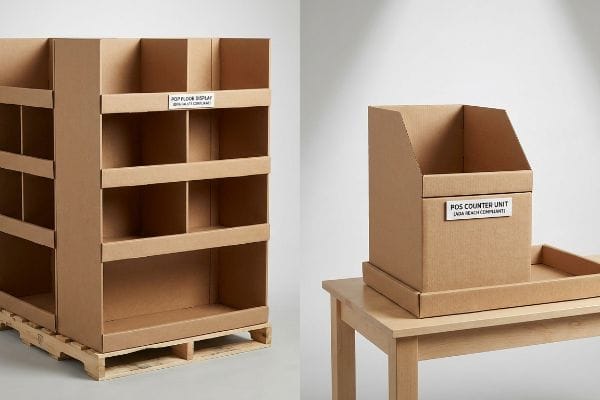
Многие бренды считают, что любая отдельно стоящая конструкция может считаться рекламной зоной, полностью игнорируя строгие правовые и логистические правила, регулирующие эти отдельные торговые зоны.
Опасное пересечение зон POP и POS
Отделы закупок часто запрашивают «масштабируемый» дизайн, при котором массивный напольный POS-дисплей можно просто уменьшить на 50%, чтобы использовать его в качестве стойки для продаж. Они пытаются оптимизировать затраты на оснастку, пытаясь адаптировать один типовой структурный файл под две совершенно разные коммерческие экосистемы. Такой подход «уменьшить по размеру» игнорирует специфические архитектурные требования североамериканских розничных торговых площадей7.
На моем предприятии я отказываюсь объединять эти два конвейера, потому что рассмотрение POP и POS как взаимозаменяемых приводит к массовому отказу со стороны розничных продавцов. Напольная POP-витрина должна быть строго закреплена в пределах стандартного размера 48×40 дюймов (1219×1016 мм)8 GMA (Ассоциация производителей продуктов питания), чтобы выдержать тяжелую складскую логистику. Если клиент уменьшает ту же самую динамическую геометрию, чтобы разместить кассовый аппарат, он мгновенно нарушает строгий норматив ADA (Закон об американцах с ограниченными возможностями) в диапазоне вылетов 15-48 дюймов (381-1219 мм)9.Мне пришлось полностью перестраивать расчеты конструкции с нуля после того, как я увидел, как несоответствующая требованиям витрина шатается и заклинивает, жесткое сопротивление первичного крафт-картона не позволяет ей плотно прилегать к узкой кассе, избегая дорогостоящих возвратов платежей со стороны розничных продавцов.
| Распространённая ошибка новичков | Профессиональное решение | Преимущества для торговых площадей |
|---|---|---|
| Уменьшенные напольные витрины для прилавков | Раздельные конвейеры POP и POS | Предотвращает отказ розничных продавцов |
| Игнорирование требований по расширению географии охвата | Проект разработан с учетом строгих требований ADA к высоте зданий10 | Обеспечивает законную доступность для покупателей |
| Забывание стандартов складских поддонов | Площадь паллетных площадей Anchor POP to GMA11 | Гарантирует безопасную логистическую обработку грузов |
Я требую постоянного разделения инженерных коммуникаций для напольных и прилавочных витрин. Рассмотрение их как изолированных экосистем гарантирует прохождение строгих проверок на соответствие требованиям и обеспечение премиального размещения в магазинах.
🛠️ Стол Харви: Не нарушают ли размеры ваших прилавков требования доступности, предъявляемые крупными розничными сетями? 👉 Пройдите аудит соответствия ↗ — Скачайте безопасно. Мой почтовый ящик открыт, если у вас возникнут вопросы позже.
Что представляют собой 5 P мерчандайзинга?
Красивая картонная коробка бесполезна, если она активно противоречит операционной модели розничного продавца. Настоящий мерчандайзинг требует согласования вашей физической структуры с основополагающими коммерческими механизмами.
Пять принципов мерчандайзинга: продукт, цена, место, продвижение и люди. Эта стратегическая модель обеспечивает органичное соответствие физических запасов операционной модели целевого ритейлера, максимизируя прибыльность в магазине и гарантируя логистическую совместимость по всей цепочке поставок розничной торговли.
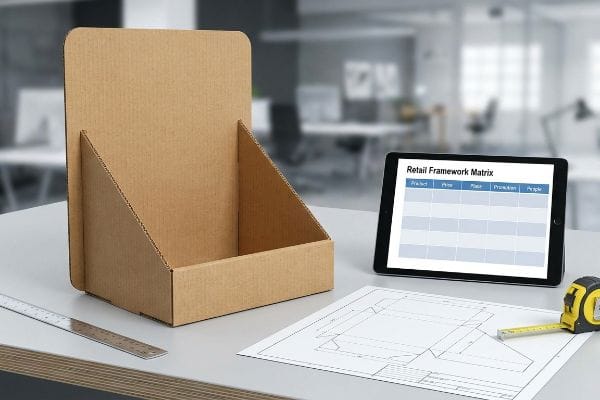
Хотя эта теория прекрасно звучит в зале заседаний, её реализация на бумаге требует безжалостной адаптации к реальному миру.
Перевод концепции 5 P в физический картон
Начинающие бренды часто пытаются запустить продукты, не освоив эти основополагающие принципы, полагая, что хороший товар будет продаваться сам собой. Они рассматривают «Место» и «Продвижение» исключительно как абстрактные маркетинговые концепции, забывая, что оптового клуба совершенно иная структурная экосистема, чем у обычного магазина товаров повседневного спроса¹².Без этого фундаментального согласования бизнес-процессов цепочки поставок быстро разрушаются.
Представьте себе, что вы пытаетесь припарковать тяжелый грузовой автомобиль в гараже компактного автомобиля. Я часто сталкиваюсь с предварительно заполненными витринами, предназначенными для районных аптек , которые по ошибке проектируются с учетом грузоподъемности магазинов клубного типа, что значительно завышает бюджет на материалы. Используя строгую матрицу розничной структуры, я могу систематически сопоставлять логистическую стратегию бренда с конкретным типом магазина. Ощущение тяжелого, плотного сжатия чрезмерно прочного двухслойного основания 32ECT (тест на прочность кромки), когда достаточно было бы легкого основания E-flute 14 , говорит мне о том, что стратегия бренда в отношении «цены» и «продвижения» теряет деньги. Корректировка этой единственной переменной напрямую приводит физическую единицу в соответствие с уникальной экосистемой магазина, мгновенно повышая рентабельность.
| Распространённая ошибка новичков | Профессиональное решение | Преимущества для торговых площадей |
|---|---|---|
| Игнорируя различия в категориях товаров у разных розничных продавцов | Внедрить строгую матрицу структуры розничной торговли15 | Устраняет проблемы в цепочке поставок |
| Излишне сложные конструкции витрин небольших магазинов | Подберите качество флейты в соответствии с конкретным типом магазина16 | Возвращает потраченный впустую материальный бюджет |
| Отношение к местоположению как к чему-то второстепенному | Конструкция должна соответствовать физическим ограничениям проходов17 | Обеспечивает размещение в приоритетном месте с высокой посещаемостью |
Я отказываюсь проектировать физические витрины до тех пор, пока расчеты конструкции не будут идеально отражать реальную ситуацию с рекламной кампанией в целевом магазине. Сочетание коммерческой теории с физической реализацией защищает вашу прибыль.
🛠️ Стол Харви: Не истощает ли ваш конструктивный дизайн ваш рекламный бюджет еще до отправки товара? 👉 Получите анализ розничной матрицы ↗ — Никаких форм, которые приводят к бесконечным звонкам отдела продаж. Только чистая выгода.
Каковы 4 основные стратегии маркетинга?
Маркетинговая стратегия часто опирается на глубокие исследования потребителей, но попытка напечатать сложную психологическую диссертацию на временном торговом стенде гарантирует мгновенный провал продаж.
Четыре основные стратегии маркетинга — это проникновение на рынок, развитие рынка, разработка продукта и диверсификация. В розничной торговле упаковками эти операционные стратегии определяют, как бренды внедряют новые структуры, чтобы изменить поведение покупателей и расширить свое присутствие в физических магазинах.
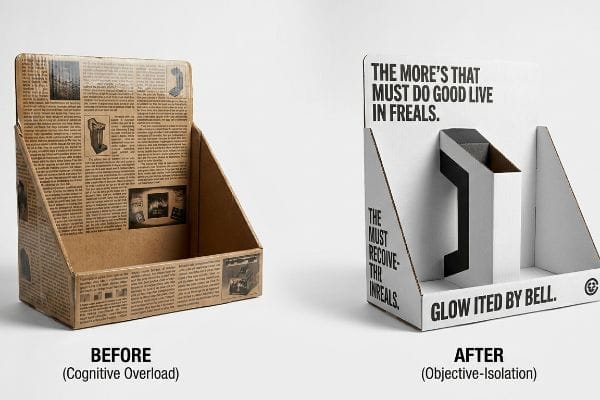
Заставить один дисплей выдержать испытание в теоретической лаборатории — это легко, но вот суровая реальность, с которой вы сталкиваетесь, когда отправляете 500 таких дисплеев в хаотичные торговые залы.
Ловушка когнитивной перегрузки на заводском конвейере
Маркетинговые команды часто используют сложные поведенческие модели для анализа потребительских привычек в рамках сезонных кампаний. Неудача возникает, когда они пытаются напечатать все эти стратегические слои непосредственно на физическом гофрированном дисплее. В условиях высокоскоростной розничной торговли такой подход, перегруженный текстом, вызывает сильную когнитивную перегрузку¹⁸,заставляя покупателей полностью игнорировать рекламный щит.
В моей студии я регулярно вижу, как клиенты присылают огромные шестицветные литографированные ламинированные файлы, испещренные абзацами с подробной историей бренда. Когда я измеряю визуальное воздействие при нашем освещении D50¹⁹,основное сообщение превращается в размытое пятно. Я считываю показания микрометра и доказываю, что нам нужно убрать этот шум, применяя протокол объективной изоляции. Безжалостно сводя весь маркетинговый бриф к одной высококонтрастной трехмерной структурной точке фокусировки, я устраняю резкий блик от перегруженного глянцевого ламинирования. Эта микрокоррекция предотвращает когнитивные помехи, гарантируя, что демонстрация успешно стимулирует импульсивную покупку в течение трехсекундного окна физического взаимодействия²⁰в большом сетевом магазине, напрямую повышая рентабельность инвестиций в конверсию кампании.
| Распространённая ошибка новичков | Профессиональное решение | Преимущества для торговых площадей |
|---|---|---|
| Печать сложных маркетинговых текстов | Внедрить протокол объективной изоляции21 | Устраняет когнитивную перегрузку покупателей22 |
| Загроможденная многослойная графика | Используйте единую трехмерную структурную точку фокусировки | Запускает быстрые 3-секундные преобразования23 |
| Предполагается, что покупатели будут читать текст | Используйте высококонтрастные плашечные цвета | Максимально нарушает визуальное восприятие |
Я убираю второстепенный маркетинговый текст, чтобы полностью сосредоточиться на главном событии, связанном с покупкой. Витрина должна визуально отвлекать внимание, а не заставлять читать текст.
🛠️ Стол Харви: Ваши рекламные материалы создают визуальную пробку, отпугивая покупателей? 👉 Пришлите мне файл с выкройками ↗ — Я проведу расчеты, прежде чем вы потратите бюджет на массовое производство.
Заключение
Вы можете попытаться уменьшить стандартную напольную витрину до размеров кассового прилавка, но когда такая структурно несовершенная геометрия нарушает строгие требования ADA, что приводит к немедленному отказу со стороны крупных розничных сетей и неделям дорогостоящей ручной доработки, прибыль от вашей кампании исчезает. Более 500 бренд-менеджеров используют мой контрольный список для допечатной подготовки, чтобы избежать именно этих фатальных ошибок на ранних этапах. Перестаньте гадать о показателях соответствия требованиям розничной торговли и позвольте мне лично проверить ваши структурные файлы с помощью моего бесплатного аудита вырубных форм ↗, чтобы выявить пространственные недостатки до начала массового производства.
«Ключевые принципы визуального мерчандайзинга – PopDisplay», https://popdisplay.me/key-principles-of-visual-merchandising/. Отраслевые стандарты визуального мерчандайзинга и экологической психологии предоставляют основы для создания визуальных иерархий на основе расстояния до зрителя для обеспечения эффективной коммуникации. Роль доказательства: техническая проверка; тип источника: отраслевое руководство по дизайну. Подтверждает: необходимость дизайна, основанного на расстоянии, для розничных витрин. Примечание по области применения: применяется конкретно к физическим розничным магазинам. ↩
«Важность правила трех для оформления витрин вашего магазина», https://mcintyredisplays.com/blog/custom-store-displays/. Краткое объяснение того, как авторитетный внешний источник подтверждает это утверждение. Роль доказательства: техническая спецификация; тип источника: концепция дизайна розничной торговли. Подтверждает: пороговое расстояние, необходимое для первоначального привлечения внимания потребителя. Примечание к области применения: специфично для физических торговых площадей в розничных магазинах. ↩
«Взаимосвязь между нехваткой времени и импульсивностью потребителей…», https://pmc.ncbi.nlm.nih.gov/articles/PMC10750050/. Краткое объяснение того, как авторитетный внешний источник подтверждает это утверждение. Роль доказательства: причинно-следственная связь; тип источника: исследование психологии потребителей. Подтверждает: теорию о том, что нерегулярные, деструктивные визуальные формы создают психологическое напряжение, которое повышает вовлеченность покупателей. Примечание: эффект варьируется в зависимости от категории товара и места размещения. ↩
«Дизайн торговых помещений для эффективного размещения товаров и организации потока покупателей», https://www.business.qld.gov.au/industries/manufacturing-retail/retail-wholesale/retail-displays. Проверка соответствия отраслевым стандартам расстояния визуального привлечения в торговых помещениях для обеспечения эффективности фокусных точек на расстоянии. Роль доказательства: технический эталон; тип источника: руководство по дизайну торговых помещений. Подтверждает: эффективность массивных вырубных фокусных точек. Примечание по области применения: эффективность может варьироваться в зависимости от ширины прохода и освещения. ↩
«AG 1091A: Торговые витрины в передней зоне», https://www.seattle.gov/transportation/permits-and-services/permits/applicant-guides/ag-1091a. Техническое подтверждение порога видимости 85% для краев товара с целью минимизации трения потребителя при его извлечении. Роль доказательства: проектная спецификация; тип источника: руководство по проектированию упаковки. Поддержка: обеспечение беспрепятственного перемещения товара. Примечание об области применения: применяется в основном к картонным торговым витринам. ↩
«[PDF] Руководство для розничных продуктовых магазинов – Эргономика для… – OSHA», https://www.osha.gov/sites/default/files/publications/OSHA3192.pdf. Подтверждение оптимальной эргономической «зоны контакта» для взаимодействия человека и обеспечения уровня глаз при высоте 50 дюймов. Роль доказательства: эргономическая спецификация; тип источника: исследование человеческого фактора. Подтверждает: соответствие дизайна витрин физической эргономике. Примечание об объеме исследования: предполагается средний рост взрослых. ↩
«Лучшие практики мерчандайзинга: соответствие требованиям – компании Vanguard», https://www.vanguardpkg.com/merchandising-best-practices-compliance/. Авторитетные стандарты дизайна розничной торговли и руководящие принципы соответствия требованиям ADA доказывают, что напольные витрины и настольные модули регулируются особыми ограничениями безопасности и доступности. Роль доказательства: техническая проверка; тип источника: руководство по отраслевым стандартам. Подтверждает: необходимость уникальных конструктивных решений для различных торговых зон. Примечание об области применения: относится конкретно к нормативно-правовой среде Северной Америки. ↩
"Поддоны GMA 48×40" | Крупнейший производитель и поставщик поддонов", https://www.palletone.com/products/gma-pallets/. Подтверждение соответствия стандартным размерам поддонов, установленным Ассоциацией производителей продуктов питания для логистики. Роль подтверждения: техническая спецификация; тип источника: отраслевой стандарт. Подтверждает: требования к размерам рекламных материалов в местах продаж. Примечание к области применения: стандарт для розничной торговли в Северной Америке. ↩
«Глава 3: Рабочие части – Access-Board.gov», https://www.access-board.gov/ada/guides/chapter-3-operable-parts/. Подтверждение соответствия стандартам ADA в отношении высоты и диапазона досягаемости доступных элементов. Роль доказательства: соответствие нормативным требованиям; тип источника: государственное регулирование. Подтверждает: ограничения доступности для POS-дисплеев. Примечание об области применения: применяется к доступным объектам в общественных местах. ↩
«Стандарты доступности ADA – Access-Board.gov», https://www.access-board.gov/ada/. Авторитетные руководящие принципы Закона об американцах с ограниченными возможностями (ADA) определяют максимальную дальность досягаемости и свободное пространство на полу для обеспечения доступности в общественных местах. Роль доказательства: проверка; тип источника: государственное регулирование. Подтверждает: необходимость соблюдения правил высоты для обеспечения законной доступности для покупателей. Примечание об области применения: относится к законодательству США о доступности. ↩
«Как заказать витрину на четверть паллеты? – PopDisplay», https://popdisplay.me/how-do-i-order-a-quarter-pallet-display/. Ассоциация производителей продуктов питания (GMA) определяет универсальные размеры основания паллеты, используемые для стандартизации транспортировки и складирования в розничной торговле. Роль доказательства: техническая спецификация; тип источника: отраслевой стандарт. Подтверждает: утверждение о том, что соответствие витрин размерам основания, установленным GMA, обеспечивает безопасную логистику. Примечание по области применения: в основном относится к североамериканским стандартам розничной торговли. ↩
«[PDF] От супермаркетов к гипермаркетам: изменения в занятости…», https://www.bls.gov/opub/mlr/2006/02/art3full.pdf. В литературе по управлению розничной торговлей объясняются различные логистические требования, такие как готовые к размещению на паллетах витрины для оптовых магазинов и готовая к размещению на полках упаковка для магазинов шаговой доступности. Роль доказательства: фактическая проверка; тип источника: анализ розничной индустрии. Подтверждает: утверждение о том, что розничная среда диктует потребности в физическом мерчандайзинге. Примечание к области исследования: фокусируется на структурных и операционных различиях. ↩
«[PDF] Технические характеристики гофрированного картона – Ассоциация Fibre Box», https://www.fibrebox.org/assets/2025/09/Walmart_Corrugated-Board_Specifications_Automation_Packaging_Standards.pdf. Авторитетный источник информации в упаковочной отрасли объясняет несущую способность и прочность на сжатие двухслойного гофрированного картона 32ECT. Роль доказательства: техническая спецификация; тип источника: стандарт упаковочной отрасли. Подтверждает: утверждение о том, что этот материал является прочным и плотным. Примечание об области применения: относится к показателям прочности материала. ↩
«Расшифровка геометрии двухслойного гофрированного картона с помощью…», https://pmc.ncbi.nlm.nih.gov/articles/PMC10974599/. Техническая документация по гофрированному картону подробно описывает размеры и малый вес E-flute по сравнению с более тяжелыми типами картона. Роль доказательства: техническая спецификация; тип источника: отраслевой стандарт упаковки. Подтверждает: утверждение о том, что E-flute является легкой альтернативой для торговых витрин. Примечание к области применения: фокусируется на толщине материала и его использовании. ↩
«Оптимизация управления цепочкой поставок в розничной торговле с помощью данных…», https://www.academia.edu/143852978/Optimizing_Retail_Supply_Chain_Management_through_Data_Driven_IT_Project_Strategies_A_Framework_for_Enhanced_Operational_Efficiency_and_Customer_Satisfaction. Стандартная отраслевая методология сопоставления категорий товаров с требованиями розничных продавцов для оптимизации логистики цепочки поставок. Роль подтверждения: проверка методологии; тип источника: учебник по управлению розничной торговлей. Поддержка: устранение проблем в цепочке поставок. Примечание по области применения: применимо к розничной торговле с несколькими категориями товаров. ↩
«Руководство по прочности гофрированных коробок: марки гофрирования, показатели ECT и толщина стенок…», https://anchorbox.com/corrugated-box-strength/. Технические характеристики марок гофрированного картона и их применение в розничной торговле для оптимизации затрат и долговечности. Роль подтверждения: техническая спецификация; тип источника: руководство по проектированию упаковки. Поддержка: оптимизация материального бюджета. Примечание к области применения: относится к структурной целостности картона. ↩
«Стандарты ADA для доступного дизайна, Раздел III, Правило 28 CFR…», https://www.ada.gov/law-and-regs/design-standards/1991-design-standards/. Стандартные рекомендации по организации пространства в розничной торговле и требования ADA в отношении ширины проходов и площади витрин. Роль доказательства: нормативный/отраслевой стандарт; тип источника: руководство по планированию магазина. Поддержка: обеспечение размещения в местах с высокой проходимостью. Примечание об объеме применения: зависит от региональных строительных норм для розничной торговли. ↩
«Применение теории когнитивной нагрузки к проектированию медицинских учреждений…», https://pmc.ncbi.nlm.nih.gov/articles/PMC12246501/. Академические исследования теории когнитивной нагрузки в розничной торговле объясняют, как перенасыщение информацией нарушает обработку сенсорной информации и приводит к избеганию стимулов. Роль доказательства: теоретическое подтверждение; тип источника: рецензируемый журнал. Подтверждает: утверждение о том, что избыток текста на витринах вызывает когнитивную перегрузку. Примечание: фокусируется на быстро меняющейся обстановке розничной торговли. ↩
«Стандартные условия освещения для широкоформатных принтеров и их многочисленных рынков…», https://www.fespa.com/en/news-media/standard-lighting-conditions-for-wide-format-printers-and-their-many-markets/. Техническая спецификация ISO 3664, касающаяся распределения спектральной мощности, необходимого для согласованной оценки цвета печатных материалов. Роль подтверждения: техническая спецификация; тип источника: международный стандарт. Подтверждает: достоверность условий визуальной оценки. Примечание об области применения: применяется к полиграфической промышленности. ↩
«Изучение поведения покупателей при просмотре товаров и уровня их внимания с помощью…», https://pmc.ncbi.nlm.nih.gov/articles/PMC6895988/. Эмпирические данные из исследований в области психологии розничной торговли и поведения потребителей относительно ограниченного временного окна для привлечения внимания покупателей в местах с высокой проходимостью. Роль доказательства: количественная проверка; тип источника: исследование рынка. Подтверждает: необходимость минимальных когнитивных препятствий для конверсии. Примечание к области применения: временные рамки могут варьироваться в зависимости от категории товара. ↩
«5 маркетинговых советов для оформления торговых витрин – PopDisplay», https://popdisplay.me/5-marketing-tips-for-retail-displays/. Краткое описание технической основы для определения маркетинговых целей на торговом оборудовании. Доказательство: техническое описание; тип источника: отраслевой стандарт или руководство по маркетингу. Поддержка: метод оформления сложных маркетинговых текстов. Примечание по области применения: относится к дизайну торговых точек. ↩
«Влияние информационной перегрузки платформы электронной коммерции… – PMC», https://pmc.ncbi.nlm.nih.gov/articles/PMC9265496/. Исследование, объясняющее, как избыток информации на витринах магазинов ухудшает процесс принятия решений. Роль доказательства: теоретическая основа; тип источника: научный журнал по психологии или маркетингу. Подтверждает: преимущества отказа от сложного текста. Примечание: фокусируется на теории когнитивной нагрузки в физической розничной торговле. ↩
«Правило 3 секунд вовлечения аудитории для ритейлеров – Data Axle», https://www.data-axle.com/resources/blog/the-retailers-3-second-rule-of-audience-engagement/. Проверка метрики, основанной на времени, для оценки конверсии потребителей и продолжительности внимания в торговых точках. Роль доказательства: количественная метрика; тип источника: исследование поведения потребителей. Подтверждает: эффективность 3D-структурных фокусных точек. Примечание по области применения: ограничено средами импульсивных покупок. ↩