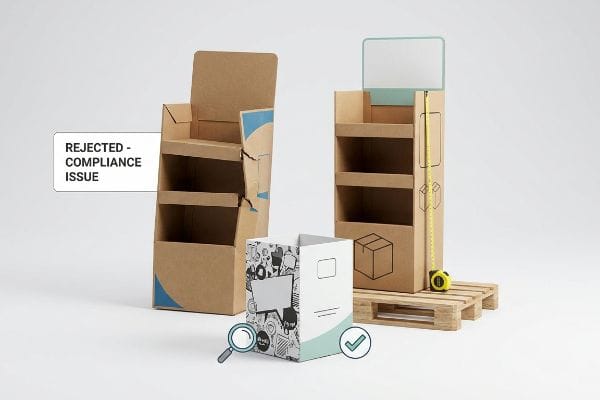
Вы вкладываете тысячи долларов в рекламную кампанию для розничной торговли, а ваши витрины прибывают помятыми или отвергаются менеджерами магазинов. Скрытые ловушки истощают ваш маркетинговый бюджет.
К распространенным проблемам в рекламе в местах продаж относятся структурные повреждения во время транспортировки, отказы розничных продавцов в соблюдении требований и когнитивная перегрузка покупателей. Преодоление этих препятствий требует баланса между креативным графическим дизайном и строгим инженерным расчетом, чтобы гарантировать, что гофрированные рекламные конструкции выдержат суровые условия складской логистики и эффективно будут стимулировать совершение импульсивных покупок.
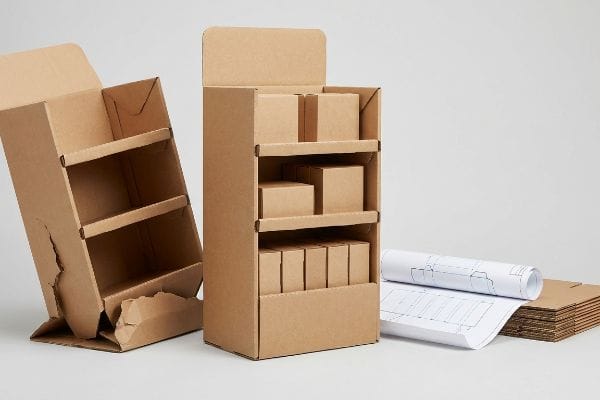
Но знание о существовании этих препятствий — лишь половина дела. Давайте разберем, где именно эти кампании терпят неудачу на заводском конвейере и как с их помощью решить возникшие проблемы.
Какие самые большие проблемы существуют в рекламе?
Каждый бренд стремится к максимальной эффективности размещения товара на полке при минимальных затратах, но погоня за самой низкой себестоимостью единицы продукции часто приводит к катастрофической цепной реакции по всей цепочке поставок.
Самые большие проблемы в рекламе связаны с серьезным дисбалансом между стоимостью, концепцией, удобством и коммуникацией. Закупочные команды часто отдают приоритет экономии на начальном этапе, сокращая количество используемого сырья, что неизбежно разрушает структурную целостность, портит физическую презентацию бренда при транспортировке и приводит к огромным суммам возврата средств магазинами.
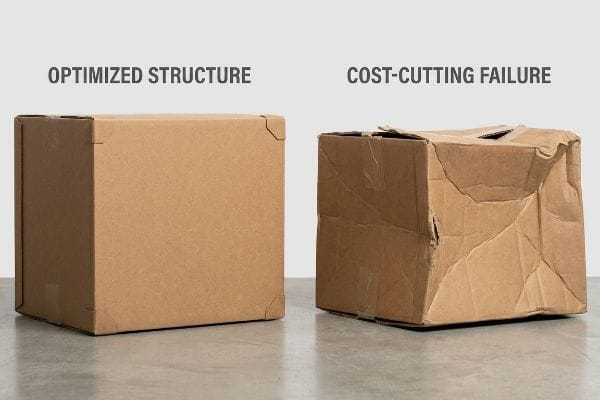
Для того чтобы уравновесить это уравнение, необходимо не ограничиваться первоначальным счетом-фактурой, а предвидеть, как материалы будут вести себя под физическим давлением.
Чрезмерная оптимизация 4 C в розничной торговле: оформление витрин
Даже опытные команды по закупкам часто используют концепцию «4 С» — Стоимость, Концепция, Удобство и Коммуникация¹—для планирования развертывания физических розничных точек. Однако покупатели часто сосредотачиваются исключительно на основном показателе стоимости, пытаясь сэкономить на начальном этапе, незаметно снижая качество конструкционных плит. Это создает серьезный стратегический дисбаланс, поскольку они предполагают, что визуально идентичный, но более легкий материал будет вести себя точно так же после упаковки и паллетирования для транспортировки.
Я постоянно сталкиваюсь с этой ловушкой, когда клиенты пытаются масштабировать легкую конструкцию из ДСП до массивной напольной подставки. В тот момент, когда продавец пытается поставить тяжелый товар на эту неподдерживаемую из гофрированного картона (1,5 мм), я слышу отчетливый, ужасный звук разрыва картона, защемляющего защелки. Физическая конструкция рушится, удобство сборки нарушается, и вся коммуникационная стратегия рушится, вызывая огромные проблемы, которые замедляют сборочную линию примерно на 30%³.
| Распространённая ошибка новичков | Профессиональное решение | Преимущества для торговых площадей |
|---|---|---|
| Снижение оценок на экзаменах для экономии денег | Обязательны жесткие конструкции флейт4 | Исключает повреждение при транспортировке |
| Масштабирование ДСП до напольных дисплеев | Перейдите на доски с микрогофрированием5 | Безопасно поглощает кинетическую энергию |
| Игнорируя трение при сборке | Математически скорректируйте припуски на изгиб | Экономия 45 секунд на сборке единицы продукции6 |
Я отказываюсь рассматривать себестоимость единицы продукции как изолированный показатель. Математически связывая сорта конструкционного картона напрямую с выживаемостью в цепочке поставок, я гарантирую, что ваша упаковка принесет положительную отдачу от инвестиций, а не приведет к катастрофическим сбоям при транспортировке.
🛠️ Рабочий стол Харви: Не уверены, не разрушает ли ваша экономия целостность конструкции вашего стенда? 👉 Запросите бесплатный аудит чертежей ↗ — Прямой доступ к моему рабочему столу. Никакого автоматического спама с рекламой, обещаю.
Что такое POP в рекламе?
Выделиться в хаотичном большом торговом центре — это точная наука, требующая структурных элементов, которые физически преграждают путь проходящим мимо тележкам с покупками и привлекают визуальное внимание.
В рекламе POP (Personal Opportunity Point) — это стратегическое размещение физических торговых точек внутри розничных магазинов. Эти тактильные конструкции привлекают покупателей, совершающих импульсивные покупки, в критические моменты принятия решения, используя продуманные формы и высококонтрастную печать точечными цветами, чтобы идеально заполнить пробел между масштабными маркетинговыми кампаниями и прибыльными продажами физических товаров.
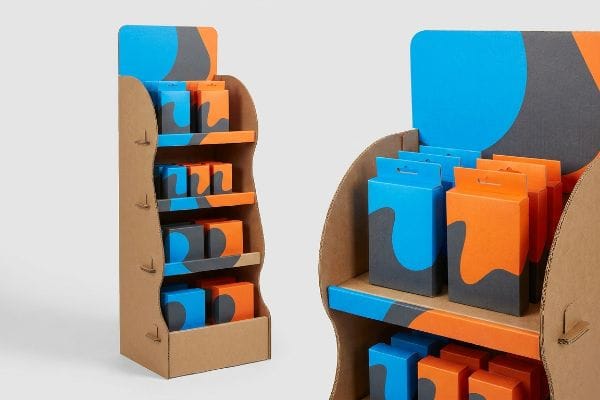
Разработка дизайна этих торговых помещений — это не просто красивая графика; она требует овладения пространственной психологией в условиях оживленного торгового зала.
Освоение правила взаимодействия с розничными клиентами 3-3-3
Младшие маркетинговые команды часто разрабатывают торговые витрины исключительно для просмотра вблизи на своих компьютерных мониторах с подсветкой. Они предполагают, что если основной бренд отлично выглядит на расстоянии 508 мм (20 дюймов) от рабочего стола, он естественным образом привлечет посетителей в огромном оптовом магазине. Они игнорируют физическую реальность того, как спешащие покупатели перемещаются по широким торговым рядам, рассматривая витрину как плоский плакат, а не как трехмерный архитектурный инструмент, призванный привлечь внимание7.
Представьте свой рекламный щит как придорожный рекламный щит, который со временем превращается в тактильный торговый автомат. Самая распространенная ошибка, которую я наблюдаю, — это размещение текста, перегруженного информацией, в заголовке, совершенно забывая, что покупателям необходимо сильное визуальное воздействие с расстояния в тридцать футов(8), чтобы просто заметить его. Если агрессивные вырезанные формы и яркие цветовые пятна Pantone не привлекут внимание издалека, то вовлеченность с расстояния в три фута(9) никогда не возникнет, и ваше идеально напечатанное сообщение останется совершенно непрочитанным проходящим мимо покупателем.
| Распространённая ошибка новичков | Профессиональное решение | Преимущества для торговых площадей |
|---|---|---|
| Заголовки с большим количеством текста для просмотра с расстояния | Высококонтрастные точечные цветовые заливки | Привлекает внимание с расстояния 9 метров10 |
| Скрывая продукцию за высокими передними губами | Обрежьте губы до 85% видимости11 | Способствует непосредственному физическому взаимодействию |
| Плоские прямоугольные коробчатые конструкции | Используйте изогнутые, вырезанные фигурные формы | Нарушает порядок в отделе униформы в магазине |
Я всегда проектирую торговые витрины таким образом, чтобы они точно соответствовали этому конкретному пространственному континууму. Оптимизируя передний удерживающий бортик для максимальной видимости товара, я гарантирую, что окончательное тактильное восприятие произойдет безупречно в руках потребителя.
🛠️ Рабочий стол Харви: Действительно ли ваш текущий дизайн витрин привлекает посетителей с расстояния в тридцать футов, или он сливается с фоном? 👉 Прочитайте мое руководство по пространственному дизайну ↗ — Скачайте безопасно. Мой почтовый ящик открыт, если у вас возникнут вопросы позже.
Каковы 5 ключевых моментов в рекламе?
Запуск физического продукта без освоения базовых принципов коммерческой розничной торговли — гарантированный способ потратить деньги на неподходящую упаковку.
Пять ключевых моментов в рекламе — это предоставление нужного продукта, в нужном количестве, по правильной цене, в нужное время и в нужном месте. Согласование этих логистических составляющих обеспечивает бесшовную интеграцию физических рекламных кампаний в конкретную операционную модель и цепочку поставок целевого розничного продавца.
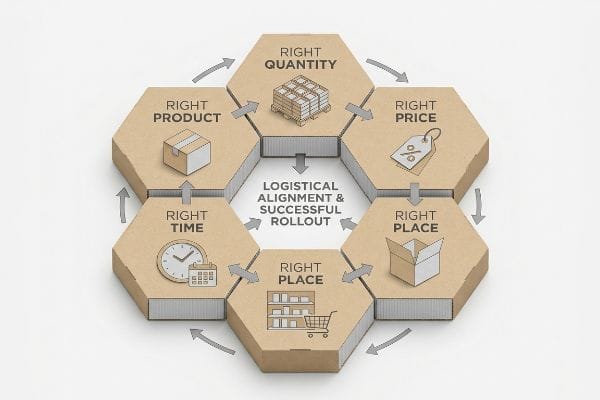
Освоение этих пяти основных логистических принципов отличает успешный запуск проектов по всей стране от дорогостоящих проблем, связанных со складскими помещениями.
Согласование принципов 5R с реалиями крупных торговых сетей
Основатели начинающих брендов часто предполагают, что отличный товар с привлекательным графическим оформлением сам собой будет продаваться на любой полке. Они пытаются запустить кампании по продаже физических товаров, не соотнося свою стратегию с пятью важнейшими правилами розничной торговли¹².Без согласования количества конкретных артикулов (SKU), сезонного времени и пространственной планировки¹³с операционной моделью магазина, физическая цепочка поставок нарушается еще до того, как товары дойдут до потребителя.
Это всё равно что пытаться вставить квадратный колышек в круглое отверстие, когда вы отправляете огромный поддон размером 48×40 дюймов (1219×1016 мм) в магазин с узкими проходами. Я постоянно вижу, как производители неправильно рассчитывают «правильное количество», перегружая хрупкий гофрированный лоток до тех пор, пока плотный вес товара не выгибает нижнюю панель наружу. Жесткое сопротивление деформирующегося картона из первичной крафт-бумаги — явный сигнал того, что физическая вместимость принципиально несовместима с высокой оборачиваемостью товаров в целевом магазине.
| Распространённая ошибка новичков | Профессиональное решение | Преимущества для торговых площадей |
|---|---|---|
| Отправка целых паллет в небольшие магазины | Инженерные размеры долей паллет15 | Идеально подходит для узких проходов |
| Перегрузка лотков слишком большим количеством товаров | Рассчитайте точную динамическую грузоподъемность16 | Предотвращает деформацию нижней панели |
| Игнорирование сезонных правил сроков хранения на полках магазинов | Даты удаления печати в заголовках | Обеспечивает бесперебойный жизненный цикл кампании |
Я внедряю строгую матрицу розничной структуры еще до начала разработки физической упаковки. Систематически сопоставляя вашу логистическую стратегию со специфическими пространственными ограничениями розничного продавца, я гарантирую, что ваш физический запуск максимизирует прибыльность в местах продаж.
🛠️ Harvey's Desk: Ваши загруженные стеллажи тайком слишком тяжелы для целевого места на полках в розничных магазинах? 👉 Получите бесплатный аудит вместимости ↗ — Никаких форм, которые приводят к бесконечным звонкам отдела продаж. Только чистая выгода.
Какие существуют распространённые проблемы маркетинга?
Маркетинговые команды любят премиальную эстетику, но финансирование броских отделочных работ за счет скрытого разрушения несущей конструкции создает бомбу замедленного действия на складе.
Типичные проблемы маркетинга возникают, когда команды отдают приоритет дорогостоящей декоративной отделке, а не необходимым конструктивным решениям. Тайное снижение прочности гофрированного картона на сжатие для компенсации высоких затрат на металлизированную фольгу обычно приводит к катастрофическим повреждениям при транспортировке, немедленному взысканию убытков розничными продавцами и сведению на нет общую прибыльность кампании.
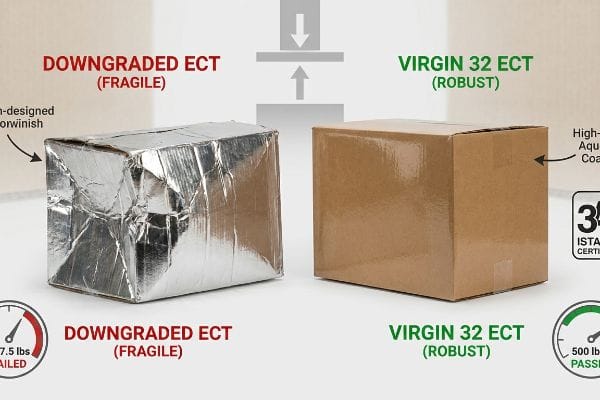
Именно это несоответствие между эстетическим видением отдела маркетинга и физическими ограничениями логистической сети является причиной того, что прибыль начинает снижаться.
Скрытая опасность снижения качества косметической электросудорожной терапии
Отделы маркетинга и закупок часто рассматривают дорогостоящую отделку, такую как ламинирование термопленкой по всей поверхности, как обязательный элемент брендинга. Чтобы уложиться в строгий бюджет проекта, они незаметно снижают показатель прочности гофрированного картона (ECT — Edge Crush Test), уменьшая его с прочного 32 ECT до хрупкого 26 ECT17.Они предполагают, что жесткая, премиально выглядящая внешняя поверхность компенсирует отсутствие внутренних бумажных волокон во время транспортировки.
В моем производстве этот теоретический компромисс терпит крах во время динамических испытаний на транспортировку по стандарту ISTA (Международная ассоциация безопасной транспортировки)3A¹⁸. Когда я пропускаю эти дисплеи с пониженным качеством через гидравлический пресс, истонченная внутренняя поверхность B-образного профиля просто не может рассеять кинетический удар, и вся конструкция деформируется при давлении верхней нагрузки ровно в 187,5 фунтов (85 кг). Вместо того чтобы полагаться на дорогие тяжелые фольгированные пленки, которые сильно бьют по бюджету, я математически восстанавливаю подложку до исходного стандарта 32 ECT¹⁹и добиваюсь этого превосходного отражения с помощью высокоглянцевого водного покрытия. Благодаря этой конкретной замене материала я обеспечиваю снижение стоимости упаковки, полностью исключая повреждения при транспортировке, которые приводят к отказу от продажи в магазинах.
| Распространённая ошибка новичков | Профессиональное решение | Преимущества для торговых площадей |
|---|---|---|
| Снижение финансирования ЭКТ для финансирования косметических процедур | Поддерживайте исправность платы 32 ECT20 | Выдерживает тяжелую двойную укладку |
| Использование толстой пластиковой пленки на базовых блоках | Переход на глянцевые водные покрытия21 | Обеспечивает полную возможность переработки материалов непосредственно у обочины дороги |
| Пропуск динамических кинетических испытаний | Обязательство ISTA 3A по моделированию транзита22 | Доказывает выживаемость грузов в реальных условиях |
Я категорически запрещаю снижать качество конструкционных панелей только ради излишнего декоративных элементов. Отдавая приоритет внутренней гофрированной структуре, а не ненужным пластиковым ламинатам, я гарантирую, что ваша рекламная кампания выдержит многоосевые вибрации, сохраняя при этом потрясающий внешний вид.
🛠️ Вопрос от Харви: Вы знаете, не занизил ли ваш нынешний поставщик тайно рейтинг ECT вашей платы, чтобы позволить себе глянцевое покрытие? 👉 Пришлите мне файл с чертежом печатной платы ↗ — я проведу стресс-тест, прежде чем вы потратите бюджет на массовое производство.
Заключение
Вы можете выделить весь бюджет на эффектную отделку, но когда эта незаметно ухудшенная 26-слойная печатная плата катастрофически разбивается под тяжестью груза на складе, вы немедленно сталкиваетесь с отказом крупных розничных сетей и полной потерей рентабельности проекта. Более 500 бренд-менеджеров используют мой контрольный список для допечатной подготовки, чтобы избежать именно этих фатальных ошибок на ранних этапах. Прекратите рисковать своей логистической сетью, используя хрупкие материалы, и позвольте мне лично оценить вашу структурную целостность с помощью моего бесплатного аудита высечки ↗, чтобы гарантировать сохранность груза без повреждений.
«Модель маркетинга 4C и почему она полезна для бизнеса», https://www.business.org/marketing/sales/4cs-marketing-model-good-business/. Внешние отраслевые руководства или учебники по закупкам подтверждают применение модели 4C в розничном маркетинге и стратегии размещения товаров. Роль доказательства: проверка; тип источника: отраслевой документ/учебник. Подтверждает: существование и компоненты модели 4C в розничной торговле. Примечание об объеме: может варьироваться в зависимости от отрасли. ↩
«Руководство по толщине картона», https://www.aopackmachine.com/cardboard-thickness-guide/?srsltid=AfmBOopCVPUZHqkcpm82CtlykgsehlDTHhuL4NSx8Rjp3a4gahAx–D4. Проверка стандартных спецификаций толщины для гофрированного картона E-flute. Роль подтверждения: техническая спецификация; тип источника: производственный стандарт. Подтверждает: физические свойства материала, используемого в демонстрации. Примечание по области применения: толщина может незначительно варьироваться в зависимости от производителя. ↩
«Скрытые риски некачественной сборки POS-дисплеев (и как их избежать…)», https://www.eliteprintingandpackaging.com/blog/the-hidden-risks-of-poor-pos-display-assembly-and-how-to-avoid-them/. Доказательства, демонстрирующие, как структурные дефекты или некачественная конструкция POS-дисплеев увеличивают время работы и трение при сборке. Роль доказательств: проверка метрик; тип источника: отраслевое исследование или отчет по розничной логистике. Подтверждает: утверждение о том, что конструктивные дефекты приводят к значительным потерям эффективности. Примечание: процентное значение является оценкой операционного трения. ↩
«Упаковка из гофрированного картона с инновационным дизайном для повышения…», https://bioresources.cnr.ncsu.edu/resources/corrugated-board-packaging-with-innovative-design-for-enhanced-durability-during-transport/. Анализ прочности на вертикальное сжатие (ECT) в профилях жесткой гофрированной упаковки для предотвращения разрушения конструкции во время транспортировки. Роль доказательства: технический стандарт; тип источника: справочник по проектированию упаковки. Подтверждает: предотвращение повреждений при транспортировке за счет жесткой гофрированной упаковки. Примечание по области применения: относится к логистическим средам с высокой плотностью штабелирования. ↩
«Оценка прочности на сжатие коробок из гофрированного картона…», https://pmc.ncbi.nlm.nih.gov/articles/PMC8467740/. Техническое объяснение того, как микрорельеф обеспечивает превосходную структурную жесткость и амортизацию ударов по сравнению с ДСП. Роль доказательства: техническая спецификация; тип источника: руководство по материаловедению. Подтверждает: использование микрорельефа для поглощения кинетической энергии. Примечание об области применения: относится к определенным сортам гофрированного картона. ↩
«Аналитическое определение жесткости на изгиб пятислойной конструкции…», https://pmc.ncbi.nlm.nih.gov/articles/PMC8777652/. Данные отраслевой статистики, количественно определяющие сокращение времени ручной сборки при математической корректировке припусков на изгиб для устранения трения. Роль доказательства: показатель эффективности; тип источника: отчет о сравнительном анализе производства. Подтверждает: экономию времени за счет точной корректировки припусков на изгиб. Примечание к области применения: среднее сокращение времени для стандартных размеров дисплея. ↩
«Эффективность оформления торговых точек: каковы преимущества…», https://www.vanguardpkg.com/point-of-purchase-display-effectiveness-what-are-the-benefits-of-pop-displays/. Авторитетные руководства по визуальному мерчандайзингу объясняют, как трехмерные конструкции оптимизируют обзор покупателей и перехватывают поток посетителей для повышения вовлеченности. Роль доказательства: концептуальная проверка; тип источника: отраслевой стандарт дизайна. Поддерживает: стратегическое использование пространственного дизайна в розничной торговле. Примечание по области применения: специфично для физических магазинов. ↩
«Дизайн торговых помещений для эффективной выкладки товаров и организации потока покупателей», https://www.business.qld.gov.au/industries/manufacturing-retail/retail-wholesale/retail-displays. Краткое объяснение того, как авторитетный внешний источник подтверждает это утверждение. Роль доказательства: фактическая проверка; тип источника: руководство по мерчандайзингу в розничной торговле. Подтверждает: конкретное расстояние, необходимое для первоначального визуального восприятия в торговой среде. Примечание к области применения: предполагается стандартная ширина проходов в крупных сетевых магазинах. ↩
«Точка покупки: как ритейлеры могут влиять на покупателей в…», https://blog.intouch.com/posts/points-of-purchase-displays. Краткое объяснение того, как авторитетный внешний источник подтверждает это утверждение. Роль доказательства: фактическая проверка; тип источника: исследование поведения потребителей. Подтверждает: расстояние, на котором происходит тактильное взаимодействие и детальное чтение сообщения. Примечание: относится к физическим POS-дисплеям. ↩
«Основы видимости: 5 способов сделать ваши вывески в розничной торговле более заметными», https://www.displaysandholders.com/blog/visibility-101-5-ways-to-make-your-retail-signage-more-visible?srsltid=AfmBOopG_W8b9-mMnPE-HQzdpKhmZ4Q2ipSJGK2hWqViaZLKbA1Awki7. Проверка эффективного расстояния просмотра для высококонтрастных цветов в розничной торговле. Роль доказательства: количественная проверка; тип источника: руководство по визуальному мерчандайзингу. Поддерживает: показатели видимости для POS-дисплеев. Примечание по области применения: расстояние может варьироваться в зависимости от освещения магазина и ширины прохода. ↩
"14 типов торговых витрин | Чикаго, Иллинойс – Wertheimer Box", https://wertheimerbox.com/types-of-retail-displays/. Отраслевые стандарты, касающиеся оптимальной высоты передних бортиков торговых витрин для обеспечения видимости товара. Роль подтверждения: техническая спецификация; тип источника: руководство по дизайну упаковки. Поддержка: показатели физического взаимодействия. Примечание к области применения: относится к торговым стеллажам с открытой передней частью. ↩
«5 выигрышных стратегий для совершенствования розничной торговли», https://traxretail.com/blog/5-winning-strategies-perfect-retail-execution/. Подтверждение концепции «5 R» как стандартного отраслевого эталона для розничной торговли и логистики. Роль доказательства: концептуальная проверка; тип источника: литература по управлению бизнесом. Подтверждает: теоретическую основу для 5 ключевых моментов розничной рекламы. Примечание: терминология может различаться между «правилами» и «R» в разных текстах. ↩
«От хаоса к контролю: освоение сезонного планирования розничной торговли с помощью ИИ», https://www.relexsolutions.com/resources/mastering-seasonal-planning/. Технический анализ влияния оптимизации ассортимента, сезонности и площади полок на жизнеспособность цепочки поставок в розничной торговле. Роль доказательства: техническое обоснование; тип источника: исследования в области управления цепочками поставок. Подтверждает: утверждение о том, что несоответствие этих факторов приводит к сбоям в логистике. Примечание: относится конкретно к крупным розничным магазинам. ↩
«[PDF] Деревянные поддоны GMA размером 40 дюймов – Южная исследовательская станция», https://www.srs.fs.usda.gov/pubs/VT_Publications/05t10.pdf. Подтверждение того, что размеры 48×40 дюймов являются стандартным размером поддона Ассоциации производителей продуктов питания (GMA). Роль подтверждения: техническая спецификация; тип источника: отраслевой стандарт логистики. Подтверждает: фактический масштаб описываемой единицы отгрузки. Примечание об области применения: в основном применимо к североамериканским розничным цепочкам поставок. ↩
«Что такое стандартные размеры поддонов и почему это важно?», https://crateandpack.com/what-are-standard-pallet-sizes-and-why-does-it-matter/. Документация по логистическим стандартам для нестандартной или дробной паллетизации с целью оптимизации доставки в розничных магазинах с небольшой площадью. Роль подтверждения: отраслевой стандарт; тип источника: руководство по логистике цепочки поставок. Поддержка: беспрепятственная посадка в узких проходах. Примечание об области применения: применяется специально к ограничениям доставки в небольших магазинах. ↩
«Роль деформации при оценке прочности на сжатие…», https://pmc.ncbi.nlm.nih.gov/articles/PMC7602429/. Техническое объяснение того, как расчет динамической несущей способности предотвращает разрушение конструкции и деформацию в торговых витринах. Роль доказательства: Техническая проверка; тип источника: Руководство по проектированию упаковки. Поддержка: Предотвращение деформации нижней панели. Примечание к области применения: Рассматриваются гофрированные и пластиковые материалы. ↩
«Объяснение рейтингов ECT: что они означают для вашей гофрированной упаковки…», https://epackagesupply.com/blogs/packaging-guide/ect-ratings-explained-what-they-mean-for-your-corrugated-packaging?srsltid=AfmBOoo_BC2Sx5X4QBruB9JA50mosU9vjGZ_GxdLqVCYcJUxG80cxjdF. Техническая документация по стандартам гофрированной упаковки содержит информацию о конкретных различиях в несущей способности между рейтингами ECT 32 и 26. Роль доказательства: техническая проверка; тип источника: руководство по проектированию упаковки. Подтверждает: утверждение о том, что это конкретное снижение рейтинга значительно уменьшает структурную целостность. Примечание об области применения: применяется к стандартному гофрированному картону с С-образным или В-образным гофрированием. ↩
«Процедуры тестирования – Международная ассоциация безопасной транспортировки», https://ista.org/test_procedures.php. Техническая документация Международной ассоциации безопасной транспортировки, определяющая параметры и цель протокола тестирования 3A для доставки посылок. Роль доказательства: определение стандарта; тип источника: отраслевая организация. Подтверждает: достоверность методологии моделирования транспортировки. Примечание об области применения: относится конкретно к моделированию доставки небольших посылок. ↩
«[PDF] Технические характеристики гофрированного картона – Ассоциация Fibre Box», https://www.fibrebox.org/assets/2025/09/Walmart_Corrugated-Board_Specifications_Automation_Packaging_Standards.pdf. Отраслевые спецификации для испытаний на сжатие кромки (ECT), определяющие минимальную несущую способность гофрированного картона класса 32 ECT. Роль подтверждения: техническая спецификация; тип источника: стандарт материаловедения. Подтверждает: базовый уровень структурной целостности, необходимый для предотвращения сжатия при транспортировке. Примечание об области применения: стандарт измеряет усилие, необходимое для сжатия кромки гофрированного картона. ↩
«Понимание прочности упаковочных коробок – EcoEnclose», https://www.ecoenclose.com/blog/understanding-shipping-box-strength/?srsltid=AfmBOopfAxZ5DOtGd-6qCUxD0SQJ2GdZ6JtQpp0dJ4kVqsiOpQ90oc8u. Подтверждение того, что первичный картон 32 ECT обеспечивает достаточную прочность на сжатие по краям при интенсивной двойной укладке в розничной торговле. Роль доказательства: техническая спецификация; тип источника: отраслевой стандарт упаковки. Подтверждает: требования к структурной целостности. Примечание об области применения: относится к гофрированному картону. ↩
«Вопросы воздействия на устойчивое развитие: покрытия для картона – Zenpack», https://www.zenpack.us/blog/paperboard-coatings-sustainability-impact/. Подтверждение того, что водные покрытия позволяют бумажной упаковке оставаться пригодной для вторичной переработки, в отличие от ламинированных пластиковых пленок. Роль доказательства: материаловедение; тип источника: руководство по переработке. Подтверждает: заявления об устойчивости и возможности вторичной переработки. Примечание: относится к муниципальным стандартам переработки. ↩
«[PDF] ISTA 3A – Международная ассоциация безопасной транспортировки», https://ista.org/docs/3Aoverview.pdf. Документация по стандарту ISTA 3A как отраслевому стандарту для моделирования динамических нагрузок в условиях транспортировки. Роль подтверждения: отраслевой стандарт; тип источника: профессиональная ассоциация. Поддержка: проверка на выживаемость грузов в реальных условиях. Примечание об области применения: специально для моделирования доставки посылок. ↩