У вас есть всего три секунды, чтобы привлечь внимание покупателя на кассе. Если ваша витрина окажется неудачной, вы полностью упустите возможность совершить последнюю импульсивную покупку.
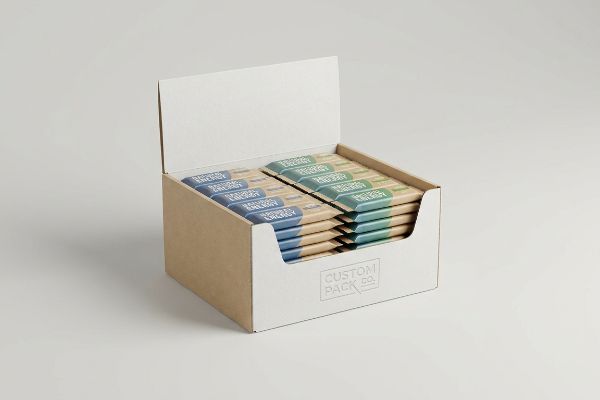
Преимущества упаковки CDU (Counter Display Unit) заключаются в максимальном стимулировании импульсивных покупок на кассе в розничном магазине. Эти компактные, конструктивно продуманные картонные блоки повышают узнаваемость бренда, позволяют упорядочить мелкие товары и активно привлекают внимание покупателей, выступая в роли ненавязчивых продавцов, не требуя при этом дорогостоящей торговой площади.
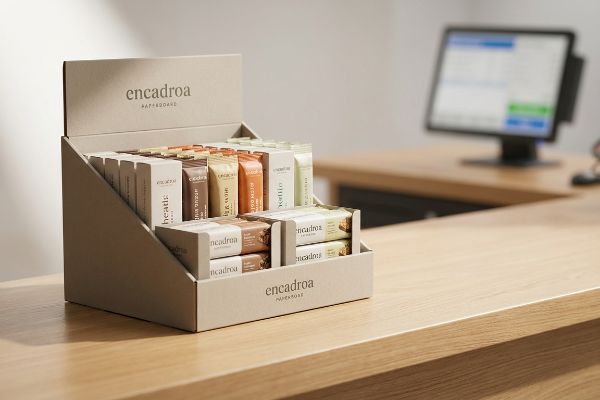
Прежде чем углубляться в технические детали, давайте определим, что именно отличает прибыльную кассу от хлипкой картонной коробки, которая раздражает продавцов в магазине.
Что такое упаковка CDU?
Витрина на прилавке — это не просто миниатюрная напольная стойка. Это узкоспециализированный элемент торгового пространства, предназначенный для самой хаотичной зоны магазина.
Что такое упаковка CDU? CDU (Counter Display Unit) — это конструктивно спроектированный поднос для товаров, размещаемый непосредственно у кассы. Эти микро-витрины позволяют удобно размещать товары, занимающие небольшую площадь, стимулируют импульсивные покупки и используют тонкий гофрированный картон для обеспечения абсолютной устойчивости, не загораживая обзор кассиру.
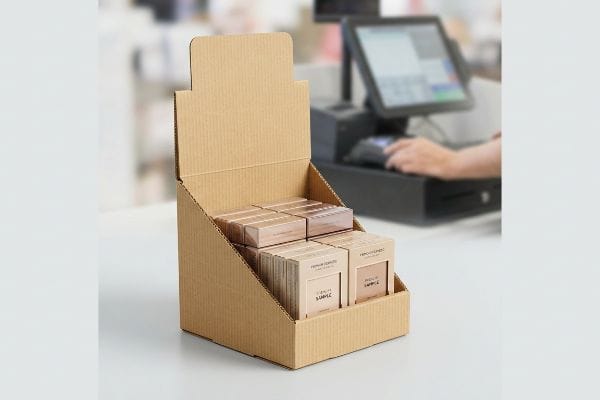
Понять базовое определение несложно, но воплощение этой концепции в физическую структуру, которая действительно выдержит испытание кассой, — вот где большинство рекламных кампаний терпят крах.
Ловушка микромасштаба в дизайне столешниц
Многие бренды пытаются сэкономить, взяв за основу удачный макет напольного дисплея и просто уменьшив его математически на 50%, чтобы он соответствовал кассе. Они предполагают, что если геометрия подошла для большого устройства, то она естественным образом уменьшится и в функциональном настольном дисплее без необходимости корректировки материалов¹ .
Я постоянно сталкиваюсь с этой распространенной ловушкой, когда бренды присылают мне свои файлы САПР (системы автоматизированного проектирования). Когда вы уменьшаете толщину картона B-flute до микроскопических размеров, плотные гофрированные гофры не могут плавно сгибаться².Недавно я наблюдал, как продавец в магазине изо всех сил пытался вставить сморщенный соединительный язычок в паз; жесткий картон оказывал огромное сопротивление, пока я не услышал резкий, сухой звук отрыва верхней подложки. В конце концов, они сдались и использовали некрасивую прозрачную ленту, мгновенно испортив премиальный имидж бренда. При адаптации к зоне кассы я всегда рекомендую использовать более тонкий картон E-flute³.Это позволяет обеспечить точные допуски на изгиб, гарантируя беспрепятственную сборку и безупречный внешний вид, который защищает репутацию вашего бренда.
| Распространённая ошибка новичков | Профессиональное решение | Преимущества для торговых площадей |
|---|---|---|
| Уменьшение размеров контуров пола | Переход на доску для эллиптической флюты4 | Предотвращает появление некрасивых заклеенных углов |
| Игнорируя зазоры при складывании | Пересчет микровкладок | Экономит 30 секунд на сборке5 |
| Принудительное изгибание толстых досок | Использование гибкости микроканавок6 | Защищает верхний печатный лист |
Я никогда не использую повторно шаблоны для напольных стеллажей. Благодаря специальной разработке, учитывающей тонкие микрофрезы, я гарантирую безупречное соединение ваших витрин, что радует продавцов и позволяет разместить ваш товар на видном месте.
🛠️ За столом Харви: Ваши маленькие соединительные выступы рвутся во время тестовой сборки? 👉 Получите бесплатный аудит штамповки ↗ — Прямой доступ к моему рабочему столу. Никакого автоматического спама с рекламой, обещаю.
В чём преимущества гофрированного картона?
Главное преимущество этого материала заключается в его внутренней геометрии. Он обеспечивает прочность промышленного класса, оставаясь при этом невероятно легким, что коренным образом меняет способы транспортировки грузов.
Преимущества гофрированного картона заключаются в исключительной динамической несущей способности и амортизации кинетических ударов. В отличие от плоского цельного картона, внутренние гофрированные арки надежно рассеивают вертикальный вес и вибрации при транспортировке, обеспечивая полную защиту тяжелых товаров и одновременно значительно снижая общие затраты на доставку в цепочке поставок.
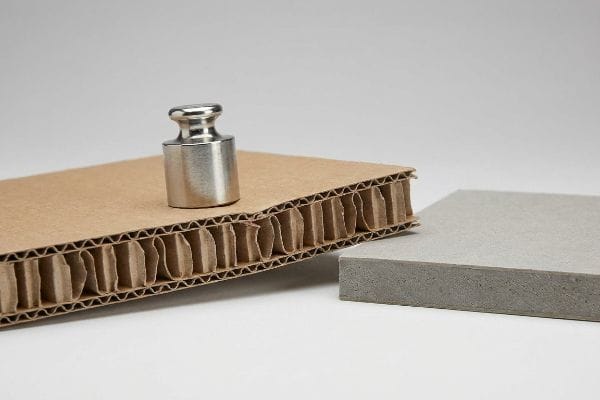
Однако даже опытные покупатели иногда забывают, зачем нужны эти внутренние арки, что приводит к катастрофической замене материалов при ограниченном бюджете.
Неровная картонная тара в торговых лотках
Отделы закупок часто пытаются масштабировать конструкции из легкого цельного картона до более тяжелых лотков, готовых к розничной продаже , чтобы сократить затраты на сырье. Они исходят из предположения, что простое увеличение толщины и статической плотности цельного картона по своей сути будет равно динамической несущей способности гофрированного материала7.
Однажды клиент попытался запустить в продажу тяжелую косметическую линию, используя толстые, нерифленые цельные доски, чтобы сэкономить несколько центов на единицу продукции. Нерифленые основания не имеют внутренних волнообразных арок,необходимых для рассеивания кинетической энергии. Во время обычного испытания на падение на складе жесткая цельная доска не прогибалась; я почувствовал сильный удар, прошедший через бетонный пол, непосредственно перед тем, как боковые стороны полностью выгнулись наружу и деформировались. Статическая плотность материала не смогла заменить геометрическое смещение нагрузкичтовызвало сильное трение и полностью уничтожило прибыль проекта из-за испорченных товаров. Я всегда рекомендую использовать микрорифленые доски для несущих конструкций в торговых залах, используя эти внутренние арки для безопасного поглощения ударов и поддержания идеально ровной формы лотка.
| Распространённая ошибка новичков | Профессиональное решение | Преимущества для торговых площадей |
|---|---|---|
| Использование прочного ДСП для тяжелых предметов | Переход на гофрированный картон E-flute10 | Устраняет деформацию основания |
| Игнорирование вибраций при транспортировке | Использование рифленой амортизации11 | Предотвращает повреждения при транспортировке |
| Сосредоточение внимания только на статической плотности | Инженерные геометрические арки12 | Защищает тяжелые товары |
Я отказываюсь переходить на плоские подложки, когда речь идёт о тяжёлых товарах. Использование гофрированной структуры гарантирует, что ваша упаковка выдержит всю цепочку поставок, не увеличивая при этом расходы на сырье.
🛠️ Задание от Харви: Задумываетесь, выдержит ли ваш картон вес вашего изделия? 👉 Запросите проверку несущей способности конструкции ↗ — Скачайте безопасно. Мой почтовый ящик открыт, если у вас возникнут вопросы позже.
В чём преимущества упаковки продукции?
Помимо базовой защиты, эффективная упаковка является вашим последним маркетинговым инструментом. Она заполняет пробел между пассивным покупателем и активным покупателем у полки магазина.
Преимущества упаковки продукции включают в себя психологическое вовлечение покупателя, дифференциацию бренда и физическую защиту товара. Продуманная упаковка мгновенно доносит ценностное предложение, надежно организует товар и стимулирует импульсивные покупки, привлекая визуальное внимание в переполненных торговых залах еще до того, как покупатель коснется товара.
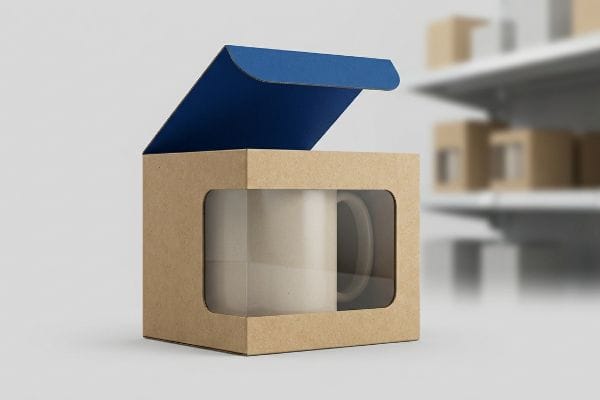
Однако простое нанесение логотипа на коробку не гарантирует продажу. Физическая структура должна активно привлекать внимание потребителя.
Освоение континуума пространственного взаимодействия
Младшие маркетинговые команды часто разрабатывают дизайн упаковки исключительно для просмотра вблизи на мониторах компьютеров с подсветкой. Они не учитывают физическую реальность того, как спешащие покупатели перемещаются по широким, ярко освещенным проходам магазиновс разных расстояний.
Представьте себе рекламный щит на шоссе; если текст слишком мелкий, водители проносятся мимо, не обращая на него внимания. Те же законы физики действуют и на торговых рядах. Недавно я рассматривал красиво оформленную витрину, которая полностью слилась с фоном, потому что команда проигнорировала правило 3-3-3 взаимодействия в розничной торговле¹⁴.Стоя на расстоянии 9 метров в имитированной обстановке магазина, я заметил, что замысловатые графические элементы CMYK (голубой, пурпурный, желтый, ключевой) превратились в размытое пятно, и мне приходилось щуриться, чтобы разглядеть логотип. Чтобы исправить это, я разработал агрессивные вырезанные формы и залил основание высококонтрастным плашечным цветом для отвлечения внимания на расстоянии, а затем математически вырезал передний удерживающий край, чтобы гарантировать 85% видимости продукта для окончательной тактической конверсии.
| Распространённая ошибка новичков | Профессиональное решение | Преимущества для торговых площадей |
|---|---|---|
| Дизайн предназначен исключительно для просмотра вблизи | Используя пространственное правило 3-3-315 | Захватывает пешеходный поток на расстоянии |
| Губы с высокой степенью фиксации скрывают предметы | Обрезка губ для обеспечения 85% видимости16 | Повышает эффективность импульсных конверсий |
| Использование сложного мелкого текста | Яркие, насыщенные цвета | Устраняет визуальный беспорядок |
Я не позволяю брендам разрабатывать дизайн в вакууме. Заставляя структуру привлекать внимание покупателей на трех различных дистанциях, я превращаю невидимые блоки в агрессивные факторы, стимулирующие продажи.
🛠️ Рабочий стол Харви: Ваша нынешняя витрина теряется на фоне переполненного прохода? 👉 Закажите бесплатный визуальный аудит ↗ — Никаких форм, которые приводят к бесконечным звонкам от продавцов. Только чистая выгода.
В чём преимущества гофрированного картона?
Главное преимущество этого материала заключается не только в его пределе прочности на сжатие. Оно состоит в его гибкости, позволяющей выдерживать экстремальные нагрузки в процессе транспортировки.
К преимуществам гофрированного картона относятся исключительный показатель прочности на сжатие по краю (ECT), высокое соотношение прочности к весу и структурная универсальность. Он обеспечивает надежную устойчивость к вертикальному штабелированию, поглощает сильные кинетические удары и может быть точно спроектирован для работы в суровых, многофакторных логистических условиях без деформации под тяжелыми паллетированными грузами.
Но знания теории недостаточно, когда запускаются машины и в складском помещении начинает повышаться влажность.
Кризис повышения влажности в массовом производстве
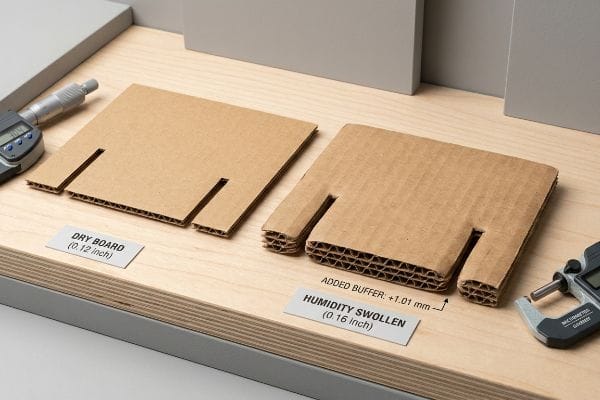
Дизайнеры, работающие в офисах с контролируемым микроклиматом, часто устанавливают допуски на пазы для штамповки, основываясь исключительно на абсолютном диаметре листа, измеренном сухим штангенциркулем, например, ровно 0,12 дюйма (3,04 мм) для листа с гофрой типа B¹⁷.Они предполагают, что эта идеальная теоретическая посадка останется неизменной независимо от того, где будут доставляться или храниться плоские заготовки.
Это не просто теория — я вижу это на испытательном полигоне, когда грузы находятся в регионах с высокой влажностью, таких как Флорида. Пористая тестовая пленка впитывает влагу из окружающей среды и физически набухает18.Когда я измеряю поврежденную плату микрометром, паз, который был идеальным и имел размер 3,04 мм, разбух, уменьшая зазор на 0,04 дюйма (1,01 мм). Когда бригада сборщиков пытается с силой соединить детали, сильное сопротивление разбухшей платы вызывает сильное трение, сдавливая гофры и разрывая верхний слой19.Чтобы исправить это, я автоматически встраиваю строгий буфер влажности в свои вырубные формы, добавляя дополнительные 1,01 мм зазора специально для приемных пазов. Благодаря соблюдению этого точного допуска я обеспечиваю сокращение времени сборки на 45 секунд на единицу продукции, экономя моим клиентам тысячи долларов на оплате ручного труда и исключая структурные разрывы.
| Распространённая ошибка новичков | Профессиональное решение | Преимущества для торговых площадей |
|---|---|---|
| Использование допусков на пазы для сухих досок | Добавление буфера влажности толщиной 1,01 мм20 | Обеспечивает сборку без трения |
| Игнорируя набухание, вызванное влажностью окружающей среды | Создание микрозазора21 | Устраняет разрывы верхних листов |
| Принудительное сдавливание опухших частей тела | Использование параметрической CAD-математики | Экономит значительные средства на оплате труда специалистов по упаковке |
Я никогда не доверяю абсолютным измерениям сухого веса при морских перевозках. Рассчитывая точную устойчивость бумажных волокон к набуханию, я гарантирую, что прочность вашей конструкции выдержит воздействие реальных условий окружающей среды, а не только лабораторных испытаний.
🛠️ Совет от Харви: Не позволяйте двухмиллиметровому структурному дефекту испортить запуск продаж в 500 магазинах. 👉 Пришлите мне файл с чертежами ↗ — Я проверю расчеты, прежде чем вы потратите бюджет на массовое производство.
Заключение
Вы можете договориться о самых низких ценах на сырье на рынке, но когда ваши заготовки из картона разбухают во влажном складе и деформируются под воздействием трения, вы замедлите сборочную линию упаковки примерно на 30% и лишитесь прибыли. Более 500 бренд-менеджеров используют мой контрольный список для допечатной подготовки, чтобы избежать именно этих фатальных ошибок на ранних этапах. Перестаньте гадать о допустимых параметрах окружающей среды и позвольте мне лично проверить вашу геометрию с помощью моей бесплатной структурной предпечатной проверки ↗, чтобы зафиксировать необходимые зазоры до начала массового производства.
«[PDF] Технические характеристики гофрированного картона – Ассоциация производителей картонных коробок», https://www.fibrebox.org/assets/2025/09/Walmart_Corrugated-Board_Specifications_Automation_Packaging_Standards.pdf. Краткое объяснение того, как авторитетный внешний источник подтверждает это утверждение. Роль доказательства: техническая проверка; тип источника: руководство по проектированию упаковки. Подтверждает: необходимость изменения марок материала и размеров гофр при масштабировании структурных вырубных форм. Примечание об области применения: относится конкретно к гофрированному картону. ↩
«Аналитическое определение жесткости на изгиб пятислойной пленки…», https://pmc.ncbi.nlm.nih.gov/articles/PMC8777652/. Технические рекомендации по свойствам гофрированных материалов объясняют, почему более толстые гофры, такие как B-образные, имеют больший минимальный радиус изгиба, что приводит к растрескиванию облицовки в мелкомасштабных конструкциях. Роль доказательства: Техническая проверка; тип источника: Руководство по проектированию упаковки. Подтверждает: Разрушение B-образных гофр в микропропорциях. Примечание к области применения: Сосредоточено на физике материалов. ↩
«E-флюг против B-флюга: какой из них лучше подходит для ваших коробок на заказ?», https://custompackaginghouse.com/e-flute-vs-b-flute-which-one-is-right-for-your-custom-boxes/?srsltid=AfmBOoqnmvkFTNyr315z2aqF0zWpm7VDd_ORLnwhiSIiPnGyrVOG-6-6. Стандарты отрасли для торговых витрин рекомендуют использовать E-флюг для небольших единиц продукции из-за его более тонкого профиля и превосходной точности складывания. Доказательство: Техническая спецификация; тип источника: Технический паспорт материала. Поддержка: Переход на E-флюг для более удобной сборки. Примечание об области применения: Ограничено контекстом розничной торговли. ↩
«Услуги по изготовлению и дизайну упаковки для настольных дисплеев на заказ | Решения для печати на настольных дисплеях», https://www.whskinner.co.uk/point-of-sale-and-cardboard-displays/cardboard-counter-displays/simple-tray-cdus/. Краткое объяснение того, как авторитетный внешний источник поддерживает использование картона E-flute для небольших дисплеев, обеспечивая структурную целостность и аккуратные сгибы. Роль подтверждения: техническая спецификация; тип источника: руководство по упаковочной промышленности. Поддержка: выбор материала для настольных дисплеев. Примечание к области применения: фокусируется на сортах картона. ↩
«Как упаковка влияет на успех программы розничной торговли», https://www.frankmayer.com/blog/how-packaging-shapes-retail-display-program-success/. Краткое объяснение того, как отраслевые стандарты загрузки и сборки товаров на полках в розничной торговле демонстрируют влияние оптимизированной конструкции язычков на рабочее время. Роль доказательства: показатель эффективности; тип источника: исследование розничных операций. Подтверждает: утверждение об эффективности сборки. Примечание к объему: экономия времени является приблизительной и зависит от сложности единицы товара. ↩
«Упаковка из микрофлейта | Картонные коробки EF N-Flute – Netpak», https://www.netpak.com/en/packaging-resources/industry-articles/micro-flute-packaging-efn-flute/. Краткое объяснение того, как материалы из микрофлейта предотвращают растрескивание поверхности и расслоение печатных слоев при изгибах с малым радиусом. Роль подтверждения: проверка свойств материала; тип источника: техническое руководство по печати и упаковке. Поддержка: защита печатного верхнего слоя. Примечание к области применения: относится к радиусу изгиба и поверхностному натяжению. ↩
«Упрощенный динамический анализ прочности картонной упаковки…», https://pmc.ncbi.nlm.nih.gov/articles/PMC10385285/. Техническое сравнение, показывающее, как гофрированные гофрированные конструкции лучше справляются с динамическими нагрузками, чем сплошной картон. Роль доказательства: техническая проверка; тип источника: руководство по проектированию упаковки. Подтверждает: превосходное распределение нагрузки в гофрированных конструкциях. Примечание к области применения: относится к долговечности розничных лотков. ↩
«Прочность на сжатие гофрированной картонной упаковки с…», https://pmc.ncbi.nlm.nih.gov/articles/PMC10054506/. Объяснение механической роли гофрирования в гофрированном картоне для рассеивания кинетической энергии при ударе. Роль доказательства: техническая проверка; тип источника: руководство по проектированию упаковки. Подтверждает: структурную несостоятельность сплошного картона в плане амортизации ударов. Примечание к области применения: относится к испытаниям на динамическую нагрузку. ↩
«[PDF] Структурный картон – UPCommons», https://upcommons.upc.edu/bitstreams/655e3ca6-4fee-485a-92e8-b242a1c0639a/download. Сравнение плотности материала и геометрической прочности в структурной целостности картона. Роль доказательства: проверка физического принципа; тип источника: учебник по материаловедению. Подтверждает: утверждение о том, что геометрия более важна, чем толщина, для распределения нагрузки. Примечание к области применения: фокусируется на прочности на сжатие. ↩
«Оценка прочности на сжатие коробок из гофрированного картона…», https://pmc.ncbi.nlm.nih.gov/articles/PMC8467740/. Технические данные о прочности на сжатие гофрированного картона E-flute по сравнению с сплошным ДСП при больших нагрузках. Роль доказательства: техническая проверка; тип источника: руководство по проектированию упаковки. Подтверждает: эффективность гофрирования в предотвращении разрушения основания. Примечание об области применения: относится конкретно к розничным лоткам. ↩
«[PDF] Упаковка из гофрированного картона с инновационным дизайном для повышения…», https://bioresources.cnr.ncsu.edu/wp-content/uploads/2026/01/BioRes_21_1_2229_Tworzydlo_PSMPGG_Corrugated_Packaging_Design_Durability_Transport_25399.pdf. Научное объяснение того, как гофрированный картон действует как амортизатор, поглощая кинетическую энергию и вибрации во время транспортировки. Роль доказательства: механическая проверка; тип источника: исследование в области материаловедения. Подтверждает: снижение повреждений при транспортировке. Примечание к области применения: фокусируется на ослаблении вибраций. ↩
«Что такое гофрированный картон – Ассоциация производителей картонных коробок», https://www.fibrebox.org/what-is-corrugated/. Структурный анализ арочной геометрии гофрированного картона и ее вклад в прочность на вертикальное сжатие. Роль доказательства: структурная проверка; тип источника: учебник по инженерным дисциплинам. Поддержка: защита тяжелых товаров за счет геометрической прочности. Примечание к области применения: относится к стандартам испытаний на сжатие кромок (ECT). ↩
«Эффекты освещения в розничных магазинах | Эксперты TCP по освещению», https://www.tcpi.com/how-lights-impacts-psychology-mood-in-retail/. Исследования в области потребительской психологии и визуального мерчандайзинга подробно описывают визуальные сигналы и модели навигации покупателей в розничной торговле, основанные на расстоянии. Роль доказательства: подтверждающий факт; тип источника: научный журнал. Подтверждает: утверждение о поведении покупателей в торговых залах. Примечание к области применения: ограничено физическими розничными магазинами. ↩
«Правило 3 секунд: разработка идеальной лицевой панели упаковки – ECRM», https://ecrm.marketgate.com/Blog/2022/04/The-3-Second-Rule-Designing-a-Perfect-Package-Front-Panel. Авторитетное руководство по дизайну розничной торговли определяет правило 3-3-3, касающееся временных и дистанционных порогов для привлечения внимания потребителя. Доказательство: техническое определение; тип источника: отраслевой стандарт розничной торговли. Подтверждает: необходимость визуального отвлечения внимания на расстоянии. Примечание по области применения: применение может различаться в зависимости от розничной среды. ↩
«3 важнейших правила упаковки вашей продукции для розничной торговли – JohnsByrne», https://www.johnsbyrne.com/blog/3-critical-rules-packaging-product-retail/. Объяснение правила 3-3-3 в отношении визуальной иерархии и пространственного взаимодействия в розничной торговле. Роль доказательства: техническая спецификация; тип источника: методология проектирования или исследование в области психологии розничной торговли. Подтверждает: метод учета потока посетителей на разных расстояниях. Примечание по области применения: специфично для визуального мерчандайзинга. ↩
«Влияние порядка размещения товаров на импульсивные покупки: модерация самооценкой», https://pmc.ncbi.nlm.nih.gov/articles/PMC10451481/. Подтверждение эффективности показателя 85% видимости в качестве эталона для уменьшения выступающих краев упаковки с целью стимулирования импульсивных покупок. Роль доказательства: проверка показателя; тип источника: отраслевой эталон или исследование поведения потребителей. Подтверждает: связь между видимостью товара и коэффициентами конверсии. Примечание по области применения: применимо к розничной торговле с открытыми полками. ↩
«Картонный гофрокартон и марки материалов – стратегии упаковки», https://www.packagingstrategies.com/articles/96269-corrugated-board-and-material-grades. Проверка отраслевого стандарта толщины для гофрокартона типа B. Роль подтверждения: фактическая проверка; тип источника: технический производственный стандарт. Подтверждает: конкретное измерение толщины гофрокартона типа B. Примечание об области применения: номинальные значения могут незначительно отличаться в зависимости от производителя. ↩
«[PDF] Влияние содержания влаги на прочность коробки на сжатие: FBA BCT…», https://renewablebioproducts.gatech.edu/sites/default/files/2025-12/4effects-of-moisture-content-on-box-compression-strength.pdf. Техническое объяснение того, как целлюлозные вкладыши поглощают водяной пар и подвергаются расширению. Роль доказательства: техническая проверка; тип источника: журнал по материаловедению. Подтверждает: физический механизм набухания картона при высокой влажности. Примечание: скорость расширения варьируется в зависимости от сорта бумаги и покрытия. ↩
«Оценка волновых конфигураций в гофрированном картоне… – PMC», https://pmc.ncbi.nlm.nih.gov/articles/PMC10126572/. Анализ того, как набухание материала и возникающее в результате трение при жестких допусках приводят к механическому напряжению и разрушению гофры. Роль доказательства: причинно-следственная проверка; тип источника: справочник по проектированию упаковки. Подтверждает: утверждение о том, что изменения размеров вызывают структурные повреждения. Примечание по области применения: зависит от профиля гофры и прочности на сжатие. ↩
«[PDF] Хранение и обращение с гофрированными упаковочными материалами», https://www.fibrebox.org/assets/2025/07/B155_TR2-3_Storage_and_Handling_2018_Edition.pdf. Технические стандарты упаковки или инженерные руководства подтверждают точность измерений, используемых для компенсации гигроскопического расширения гофрированных материалов. Роль подтверждения: техническая спецификация; тип источника: инженерное руководство. Подтверждает: точность измерения буфера влажности. Примечание об области применения: вероятно, варьируется в зависимости от марки картона. ↩
«Влияние относительной влажности на прочность на сжатие…», https://open.clemson.edu/all_theses/3225/. Исследования в области материаловедения, посвященные набуханию целлюлозы, объясняют, как преднамеренные допуски (микрозазоры) предотвращают структурную деформацию и разрыв материала. Роль доказательства: теоретическая проверка; тип источника: рецензируемый журнал. Подтверждает: использование зазоров для предотвращения разрыва верхних слоев. Примечание: эффективность зависит от относительной влажности окружающей среды. ↩